+86-632-3621866
- Chinese
- French
- German
- Portuguese
- Spanish
- Russian
- Japanese
- Korean
- Arabic
- Irish
- Greek
- Turkish
- Italian
- Danish
- Romanian
- Indonesian
- Czech
- Afrikaans
- Swedish
- Polish
- Basque
- Catalan
- Esperanto
- Hindi
- Lao
- Albanian
- Amharic
- Armenian
- Azerbaijani
- Belarusian
- Bengali
- Bosnian
- Bulgarian
- Cebuano
- Chichewa
- Corsican
- Croatian
- Dutch
- Estonian
- Filipino
- Finnish
- Frisian
- Galician
- Georgian
- Gujarati
- Haitian
- Hausa
- Hawaiian
- Hebrew
- Hmong
- Hungarian
- Icelandic
- Igbo
- Javanese
- Kannada
- Kazakh
- Khmer
- Kurdish
- Kyrgyz
- Latin
- Latvian
- Lithuanian
- Luxembou..
- Macedonian
- Malagasy
- Malay
- Malayalam
- Maltese
- Maori
- Marathi
- Mongolian
- Burmese
- Nepali
- Norwegian
- Pashto
- Persian
- Punjabi
- Serbian
- Sesotho
- Sinhala
- Slovak
- Slovenian
- Somali
- Samoan
- Scots Gaelic
- Shona
- Sindhi
- Sundanese
- Swahili
- Tajik
- Tamil
- Telugu
- Thai
- Ukrainian
- Urdu
- Uzbek
- Vietnamese
- Welsh
- Xhosa
- Yiddish
- Yoruba
- Zulu
- Kinyarwanda
- Tatar
- Oriya
- Turkmen
- Uyghur



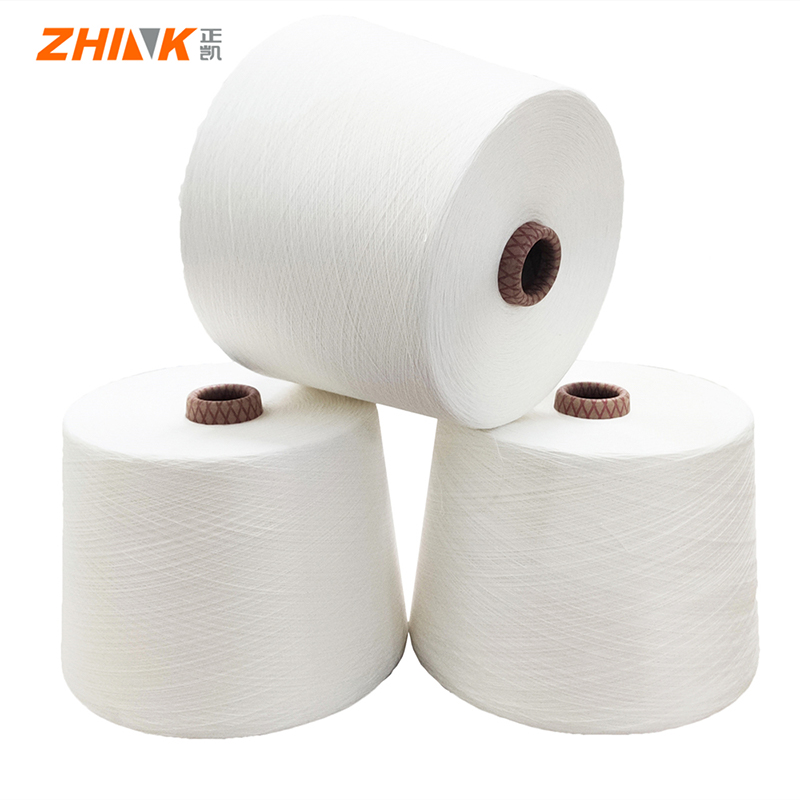
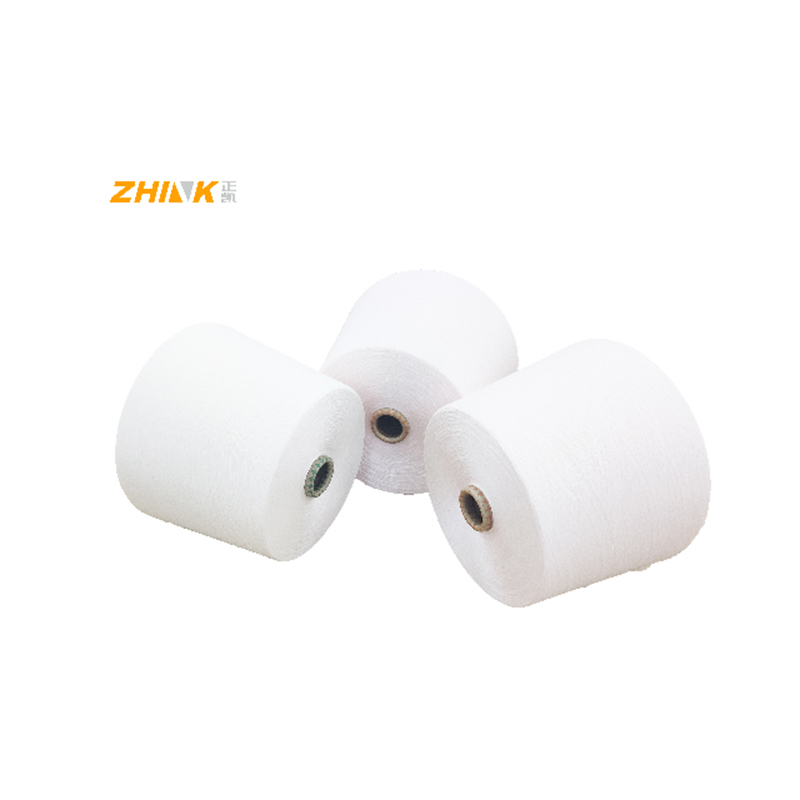
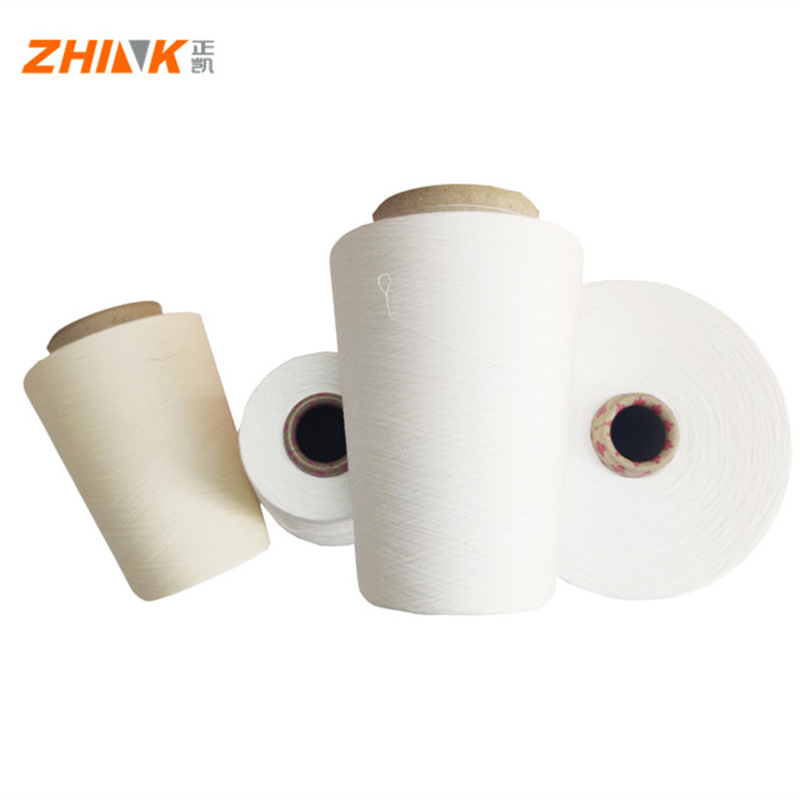
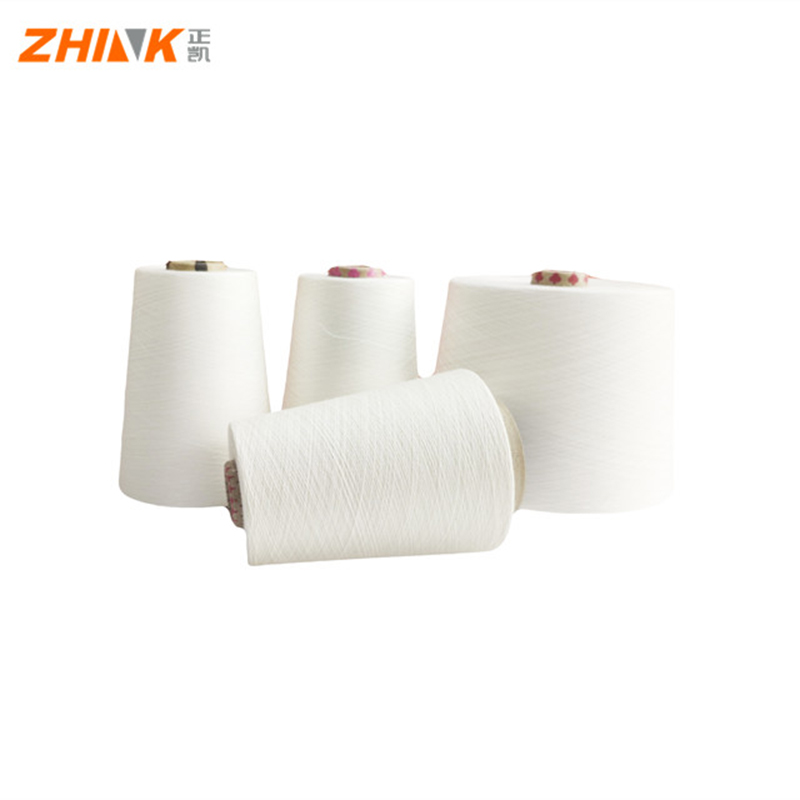
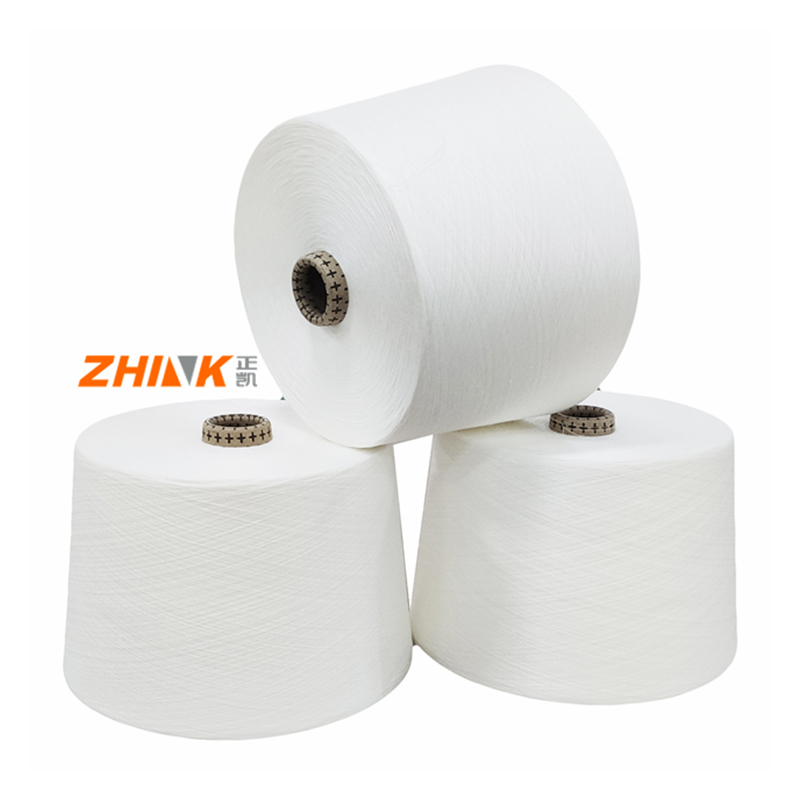
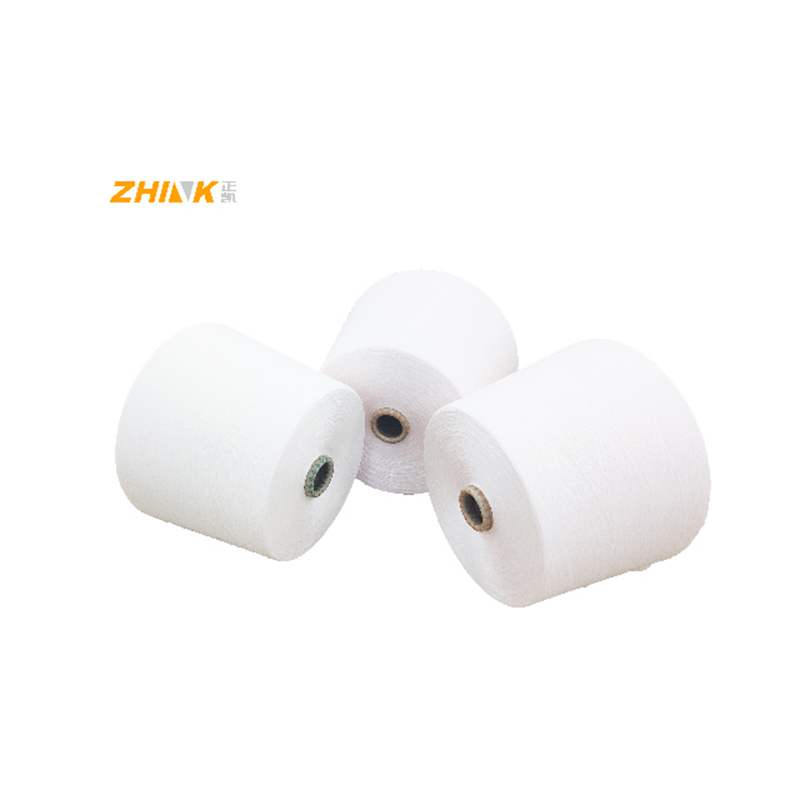
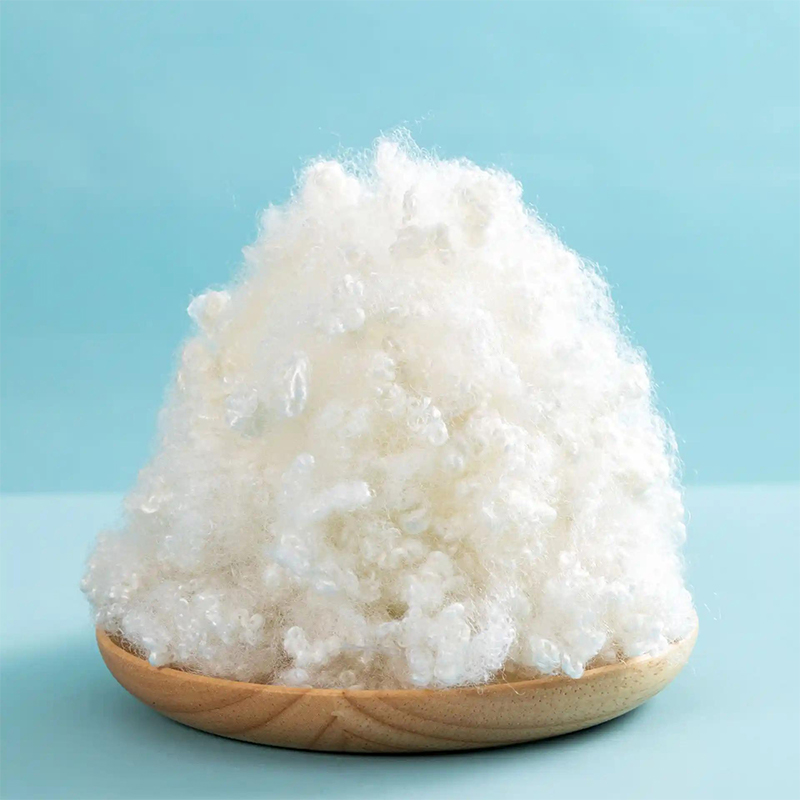
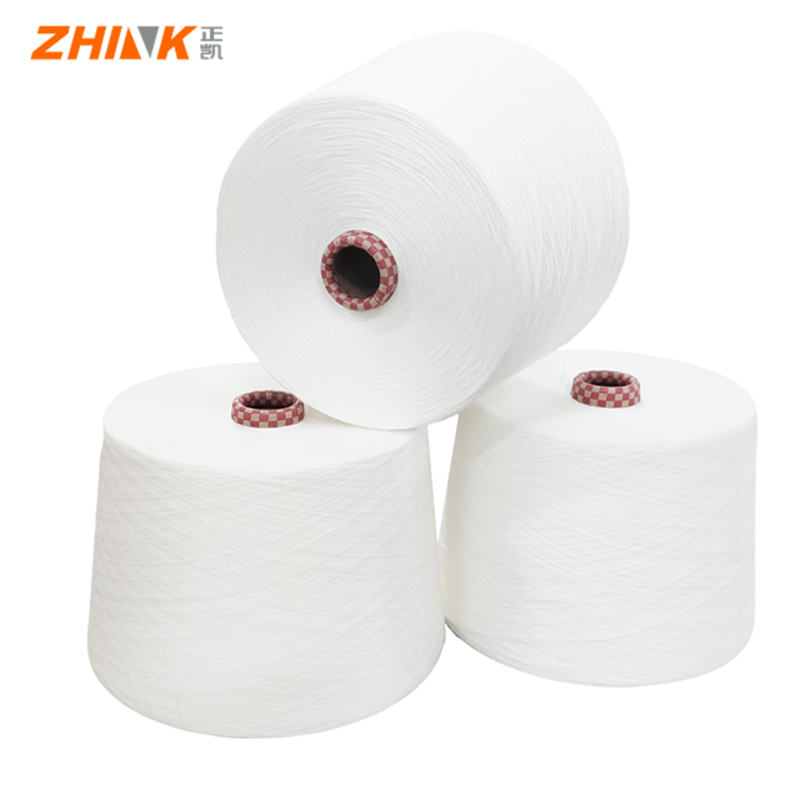
polyester/Combed cotton blended yarn
Understanding Polyester/Combed Cotton Blended Yarn
In the textile industry, the merging of different fibers is an art as much as it is a science. The blend of polyester/Combed cotton blended yarn is particularly fascinating due to its unique properties. But understanding these blends isn't just a matter of percentages; it's about the nuances that come with combining synthetic and natural fibers.
The Complexity of Blending
It's easy to assume that blending polyester with combed cotton is a straightforward process. However, anyone with hands-on experience knows otherwise. The precise balance greatly affects the feel, durability, and cost of the fabric. An 80/20 blend might work wonders for one purpose, while a 60/40 could be optimal for another. This subtlety often escapes newcomers who focus solely on cost.
One critical factor is how each fiber contributes to the final product’s characteristics. Polyester introduces strength and resilience, while combed cotton offers softness and breathability. This fusion results in a versatile yarn that caters to diverse textile needs, from garments to home textiles.
Customization comes into play heavily in this process. As is practice at Zhink New Material, you tailor each blend to suit specific requirements, considering not just the end-use but also the processing techniques involved in weaving or knitting.
Challenges in Production
Working with polyester/Combed cotton blended yarn isn't without its challenges. Misalignment of fibers can lead to uneven textures and, ultimately, product rejections. This is where experience on the production floor comes into play, something that can't be taught through manuals alone.
Temperature and tension control are critical during production. Polyester's tendency to react under varying heat conditions often demands adjustments that aren't immediately intuitive. Experienced operators can anticipate and adapt to these changes, ensuring consistent quality.
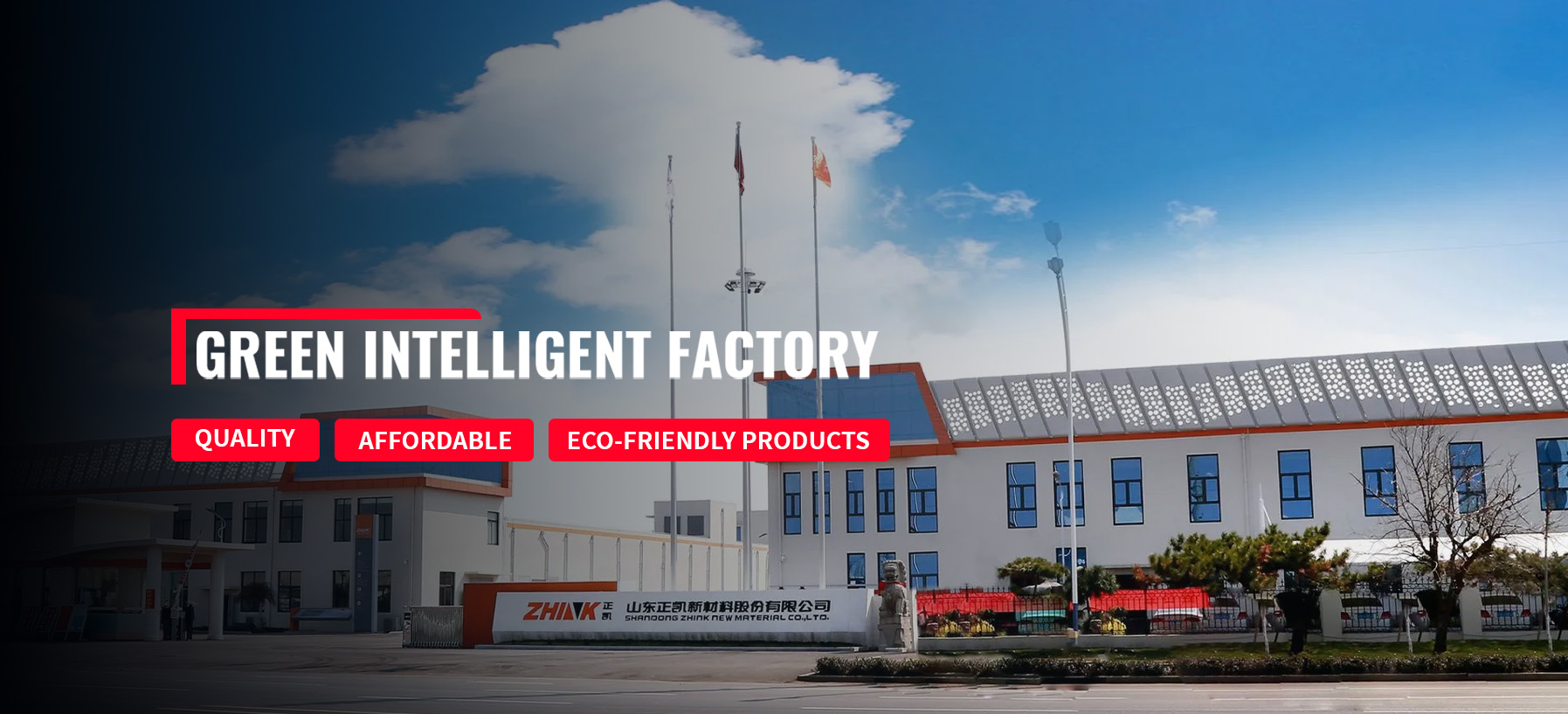
At SHANDONG ZHINK NEW MATERIAL CO., LTD, these challenges are daily encounters. The team’s seasoned approach helps navigate these hurdles through rigorous testing and quality checks to maintain the standards that their clients expect.
Real-World Applications
One of the most intriguing uses of blended yarn is in the apparel industry. The right mix can dramatically affect a garment's performance. Activewear, for example, benefits from the moisture-wicking properties of polyester alongside the comfort of cotton – a blend that critical customers often seek out.
Recently, a collaboration project involved developing yarn for an outdoor apparel line. The goal was to optimize performance in various weather conditions, resulting in a special 70/30 polyester/cotton blend that struck the perfect balance between durability and comfort. Such cases illustrate the blend's potential well beyond theoretical discussions.
Of course, in real-world applications, it's not just about functionality but consumer perception. A product that feels good to the end-user enhances the overall brand value, an aspect that Zhink New Material closely considers in its R&D efforts.
Sustainability Considerations
Discussions around textile blends inevitably lead to sustainability concerns. Polyester, being a synthetic fiber, raises eyebrows, especially in today's environmentally conscious market. Yet, when blended adeptly with cotton, the lifecycle impacts can be managed more effectively.
One approach is utilizing recycled polyester, which ZHINK NEW MATERIAL increasingly explores. Incorporating sustainable practices is not merely about marketing but reflects a genuine commitment to future generations. It’s part of a broader movement within the industry that’s gaining traction.
Interestingly, blending decisions can also influence sustainability. A well-constructed blend might last longer, reducing the need for frequent replacements. This perspective has been a driving force at Zhink when considering new product lines and adaptations.
Future Prospects
As the market evolves, so do the demands on blended yarns. Emerging technologies offer promising avenues to enhance fiber blending processes and create even more specialized products. Smart textiles, for instance, may integrate polyester/cotton blends in ways we’re only beginning to understand.
Moreover, digital advancements in production techniques allow for more precise control over blends, opening up possibilities that were previously unattainable. The expertise of SHANDONG ZHINK NEW MATERIAL CO., LTD positions them well to leverage these innovations, consistently pushing the boundaries of what's possible.
In summary, the world of polyester/Combed cotton blended yarn is rich with potential and complexity. It demands a deep understanding of materials, a knack for innovation, and a commitment to quality – precisely what Zhink New Material delivers, continually refining its processes and exploring new frontiers.
Related Products
Related Products