+86-632-3621866
- Chinese
- French
- German
- Portuguese
- Spanish
- Russian
- Japanese
- Korean
- Arabic
- Irish
- Greek
- Turkish
- Italian
- Danish
- Romanian
- Indonesian
- Czech
- Afrikaans
- Swedish
- Polish
- Basque
- Catalan
- Esperanto
- Hindi
- Lao
- Albanian
- Amharic
- Armenian
- Azerbaijani
- Belarusian
- Bengali
- Bosnian
- Bulgarian
- Cebuano
- Chichewa
- Corsican
- Croatian
- Dutch
- Estonian
- Filipino
- Finnish
- Frisian
- Galician
- Georgian
- Gujarati
- Haitian
- Hausa
- Hawaiian
- Hebrew
- Hmong
- Hungarian
- Icelandic
- Igbo
- Javanese
- Kannada
- Kazakh
- Khmer
- Kurdish
- Kyrgyz
- Latin
- Latvian
- Lithuanian
- Luxembou..
- Macedonian
- Malagasy
- Malay
- Malayalam
- Maltese
- Maori
- Marathi
- Mongolian
- Burmese
- Nepali
- Norwegian
- Pashto
- Persian
- Punjabi
- Serbian
- Sesotho
- Sinhala
- Slovak
- Slovenian
- Somali
- Samoan
- Scots Gaelic
- Shona
- Sindhi
- Sundanese
- Swahili
- Tajik
- Tamil
- Telugu
- Thai
- Ukrainian
- Urdu
- Uzbek
- Vietnamese
- Welsh
- Xhosa
- Yiddish
- Yoruba
- Zulu
- Kinyarwanda
- Tatar
- Oriya
- Turkmen
- Uyghur



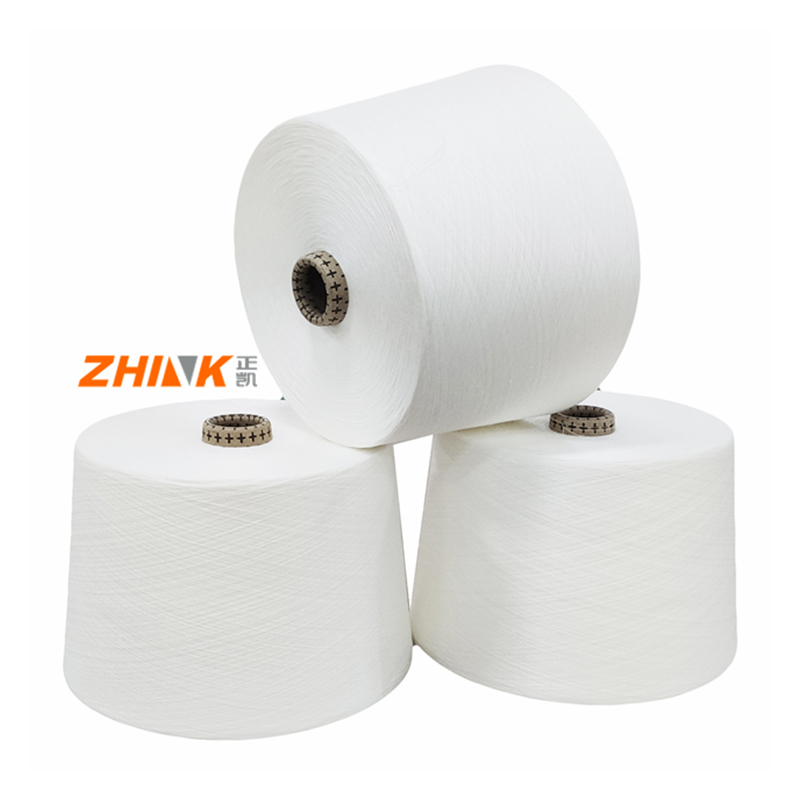
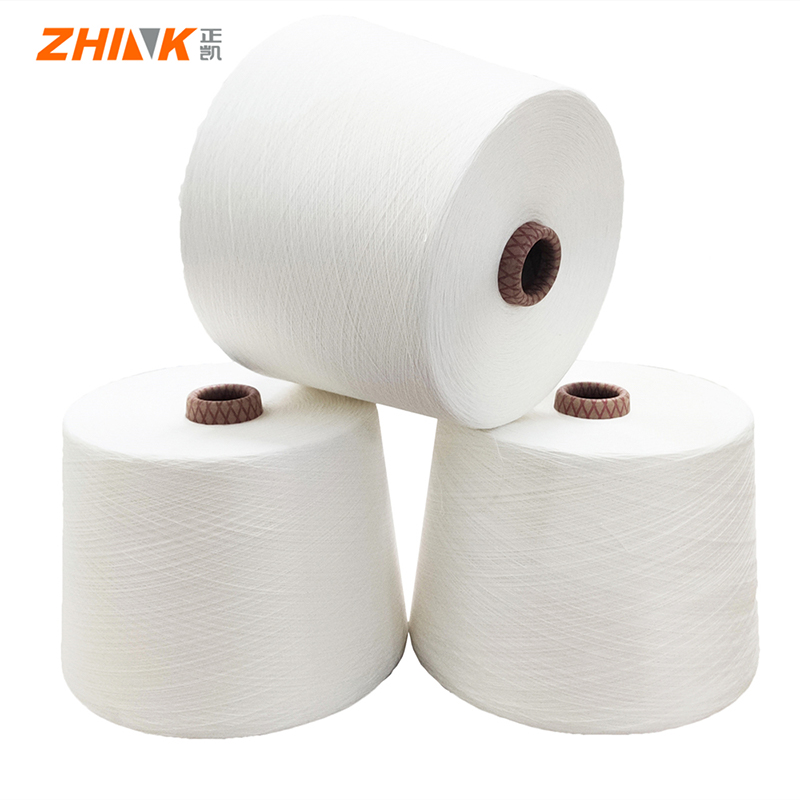
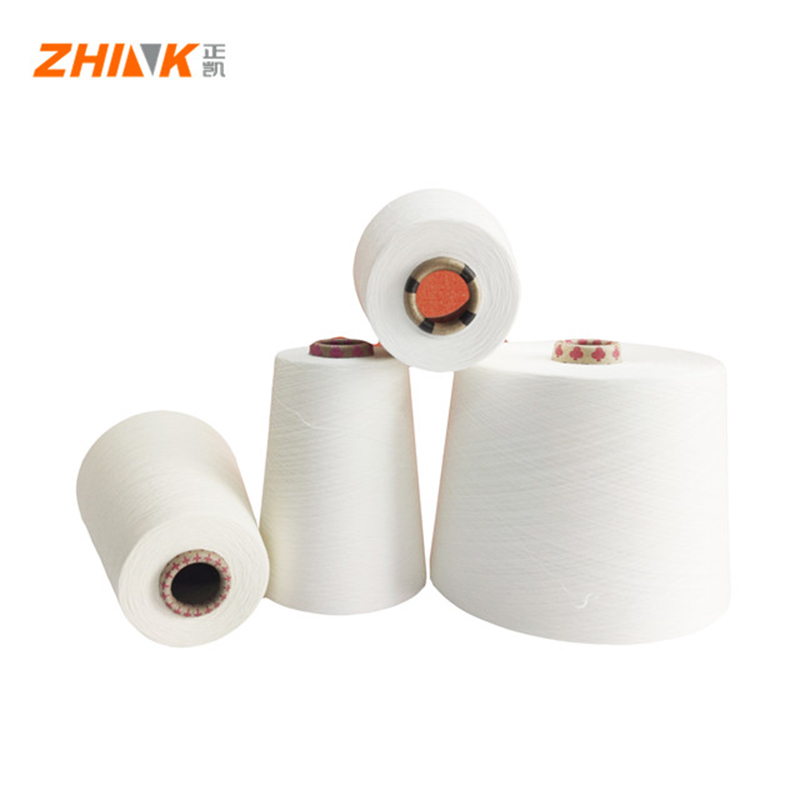
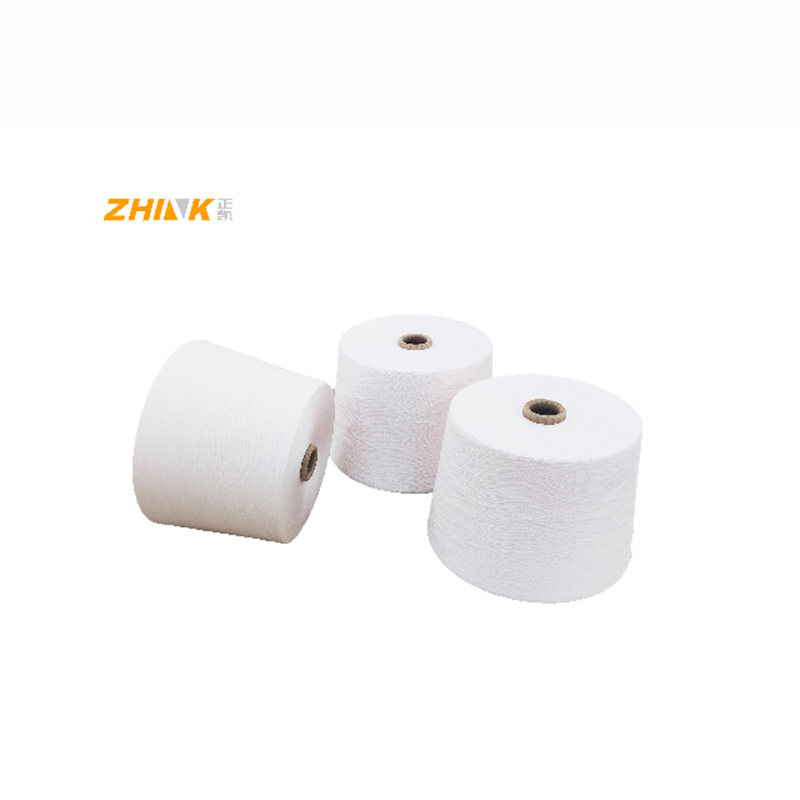
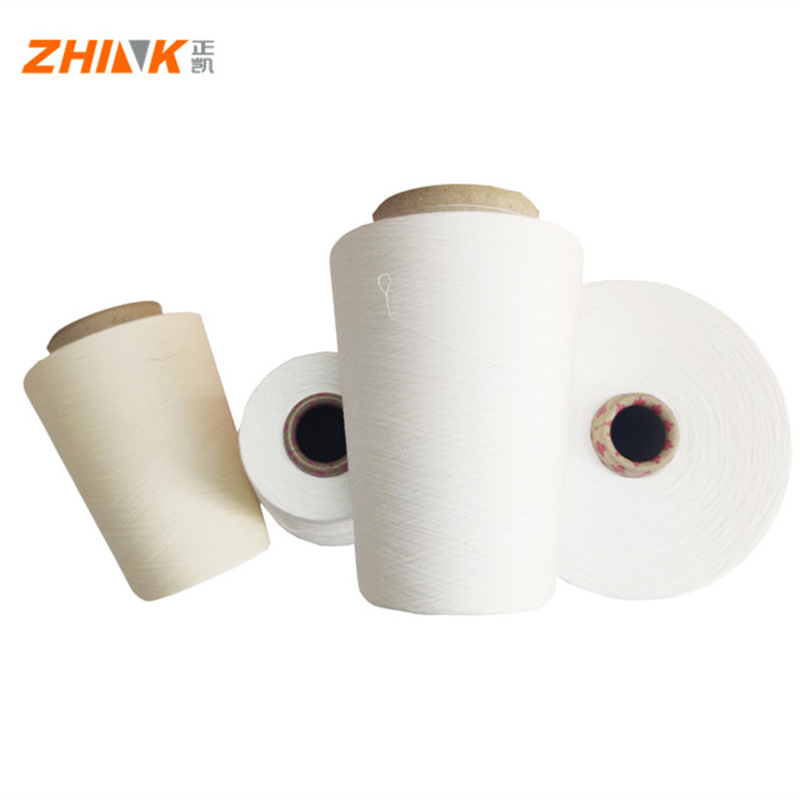
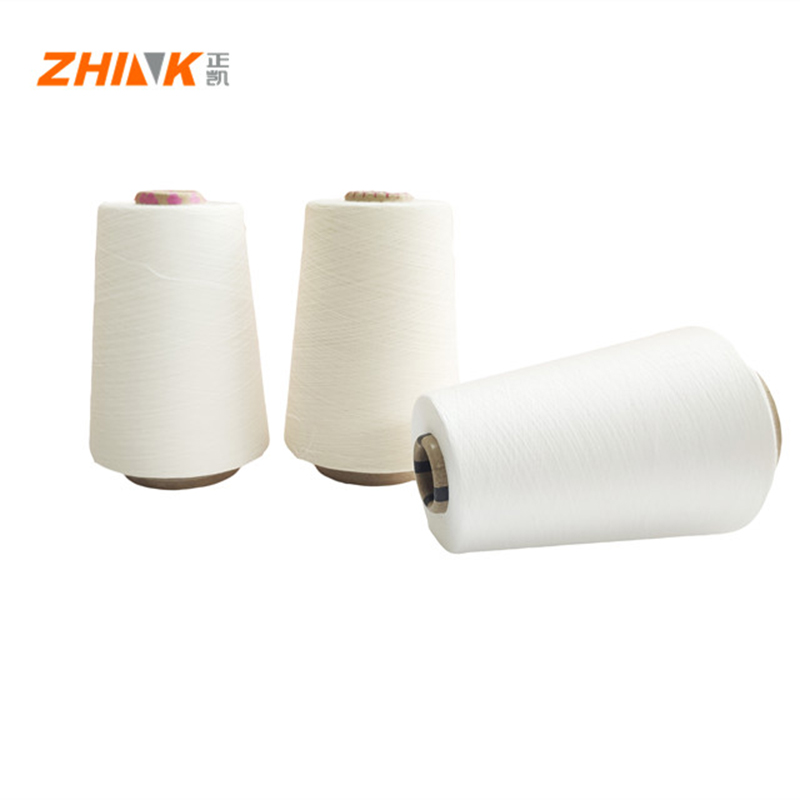
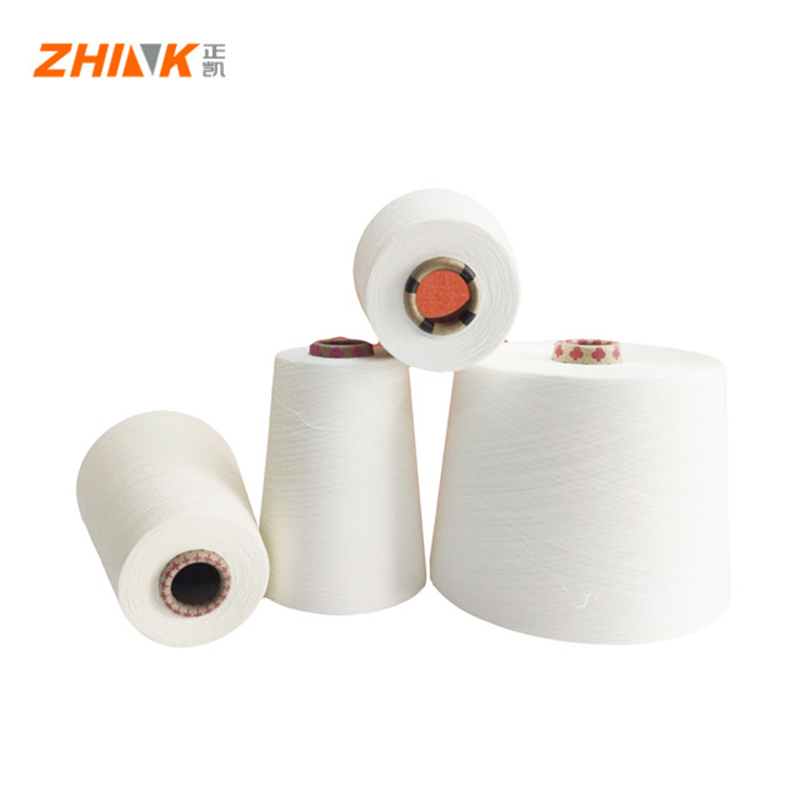
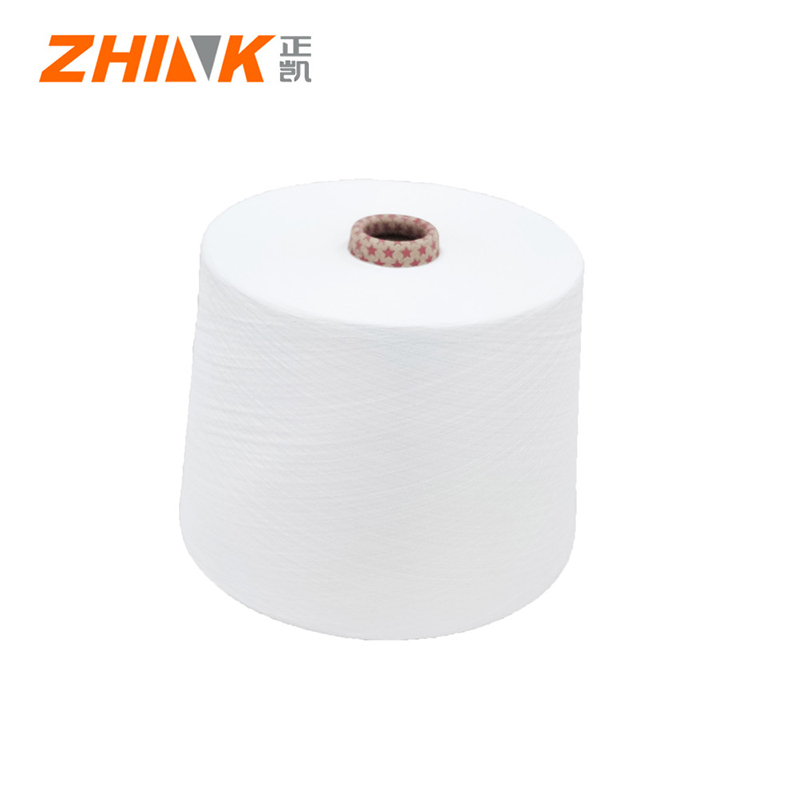
polyester/Combed cotton mvs yarn
Exploring Polyester/Combed Cotton MVS Yarn
The world of textiles is vast, but when we talk about combining polyester and combed cotton in MVS yarn, it’s a whole different ball game. Many think they understand these materials, yet the nuances of their blend can catch even seasoned professionals off guard. Let's unravel some insights based on real-world experiences.
The Basics of MVS Technology
MVS, or Murata Vortex Spinning, technology has revolutionized the yarn production landscape. Its ability to blend different fibers like polyester and combed cotton seamlessly, without the fuzz often associated with traditional spinning, highlights its value. A few years back, I was working with a manufacturer that swore by MVS for its improved efficiency and fabric quality. It transformed their production lines, providing a sturdier and more versatile yarn.
Polyester, known for its durability, adds strength to the yarn, while combed cotton brings in softness and comfort. This combination is often pursued by companies looking for the ideal balance between performance and feel. It's not uncommon to see brands that prioritize quality leaning heavily on this blend.
However, challenges do arise. Polyester and cotton have different dye uptake rates, making color consistency a potential issue. There was a time when a batch produced unexpectedly uneven shades, significantly impacting the delivery schedule and leading to a deep dive into the dyeing process adjustments.
Why Polyester/Combed Cotton?
So, why this blend? It often boils down to balancing aesthetics with functionality. In garments where wrinkle resistance is key, polyester’s role is vital. The combed cotton, meanwhile, ensures a premium touch against the skin, which is indispensable for personal comfort. I remember a client visit at Zhink New Material, a noted player in this field, where even intricate shirt fabrics incorporated these yarns, enhancing wearability without sacrificing appearance.
Zhink New Material, found at their website, is particularly adept at evolving their product lines to meet market demands. Their research into the precise ratio of polyester to cotton ensures that they stay competitive while meeting the unique needs of each client.
Moreover, as sustainability concerns rise, this blend offers a compelling argument. Polyester can be sourced from recycled materials, and combed cotton, when organically sourced, aligns well with eco-friendly initiatives.
Production Techniques and Pitfalls
Production with MVS yarn isn't without its pitfalls. Achieving consistent fiber distribution remains one of the trickiest aspects. An acquaintance from another mill once recounted the headaches caused by improper fiber blending, leading to weak spots in the yarn.
At SHANDONG ZHINK NEW MATERIAL CO., LTD, continuous R&D efforts focus on minimizing such inconsistencies. Knowing the producers behind the fibers is crucial. The team often liaises with suppliers to ensure the raw material quality is up to par, ensuring the final yarn meets their stringent standards.
Failures have happened. One project aimed at reducing twist variability ended up increasing production costs without yielding the expected benefits. Such experiences highlight the importance of flexible but informed decision-making.
Benefits in Application
The applications of polyester/combed cotton MVS yarn are as varied as they are numerous. From casual apparel to high-end fashion and home textiles, the blend's adaptability is a major selling point. Discussions with partners in different sectors revealed one common preference: resilience. The blend weathers the demands of daily wear superbly.
During textile fairs, I’ve witnessed firsthand the excitement around garments that promised extended durability without compromising on comfort—often made possible by these blends. The interest from retail buyers often hinges on these unique selling propositions.
Ultimately, what defines a successful use of polyester/combed cotton MVS yarn is understanding its strengths and limitations. When producers like Zhink New Material articulate these through their product offerings, it creates clarity for manufacturers and retailers alike.
Challenges and Opportunities
Every innovation brings its challenges. Managing production costs while leveraging the benefits of MVS remains a continuous juggling act for many manufacturers. Yet, therein lies the opportunity. By optimizing processes, producers can distinguish themselves in a crowded market.
I’ve seen industry players begin to form alliances for shared technological improvements, particularly in fiber treatment techniques. There's recognition that collaborating can lead to breakthroughs unattainable solo.
Looking forward, as the textile industry expands its focus on sustainable practices, the role of innovative yarn blends like polyester/combed cotton MVS will only grow. Institutions spearheading this, like Zhink New Material, are well-positioned to lead these changes, promoting a future where quality and responsibility go hand in hand.
Related Products
Related Products