+86-632-3621866
- Chinese
- French
- German
- Portuguese
- Spanish
- Russian
- Japanese
- Korean
- Arabic
- Irish
- Greek
- Turkish
- Italian
- Danish
- Romanian
- Indonesian
- Czech
- Afrikaans
- Swedish
- Polish
- Basque
- Catalan
- Esperanto
- Hindi
- Lao
- Albanian
- Amharic
- Armenian
- Azerbaijani
- Belarusian
- Bengali
- Bosnian
- Bulgarian
- Cebuano
- Chichewa
- Corsican
- Croatian
- Dutch
- Estonian
- Filipino
- Finnish
- Frisian
- Galician
- Georgian
- Gujarati
- Haitian
- Hausa
- Hawaiian
- Hebrew
- Hmong
- Hungarian
- Icelandic
- Igbo
- Javanese
- Kannada
- Kazakh
- Khmer
- Kurdish
- Kyrgyz
- Latin
- Latvian
- Lithuanian
- Luxembou..
- Macedonian
- Malagasy
- Malay
- Malayalam
- Maltese
- Maori
- Marathi
- Mongolian
- Burmese
- Nepali
- Norwegian
- Pashto
- Persian
- Punjabi
- Serbian
- Sesotho
- Sinhala
- Slovak
- Slovenian
- Somali
- Samoan
- Scots Gaelic
- Shona
- Sindhi
- Sundanese
- Swahili
- Tajik
- Tamil
- Telugu
- Thai
- Ukrainian
- Urdu
- Uzbek
- Vietnamese
- Welsh
- Xhosa
- Yiddish
- Yoruba
- Zulu
- Kinyarwanda
- Tatar
- Oriya
- Turkmen
- Uyghur


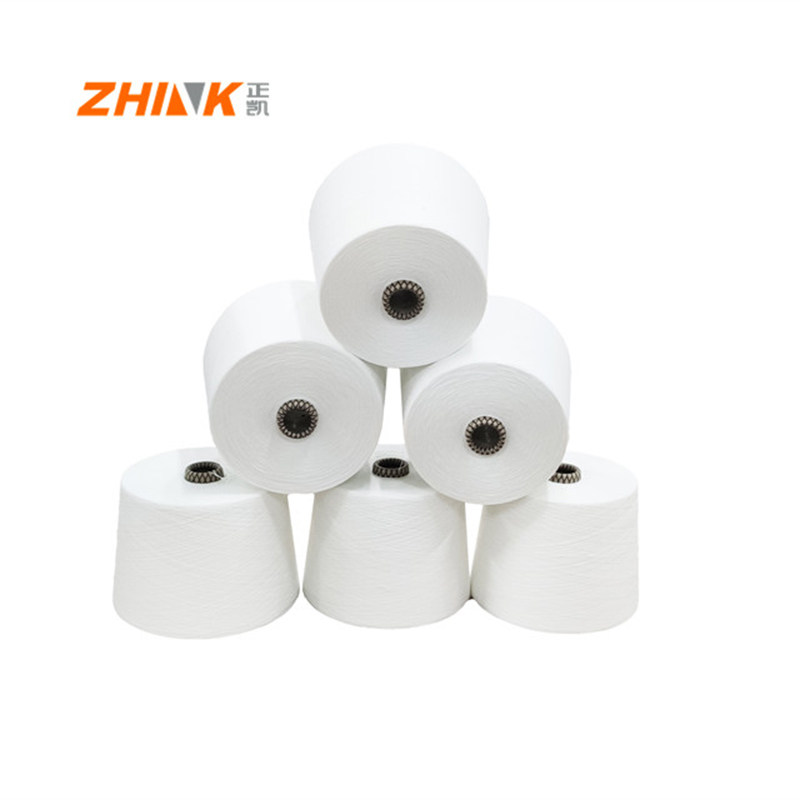
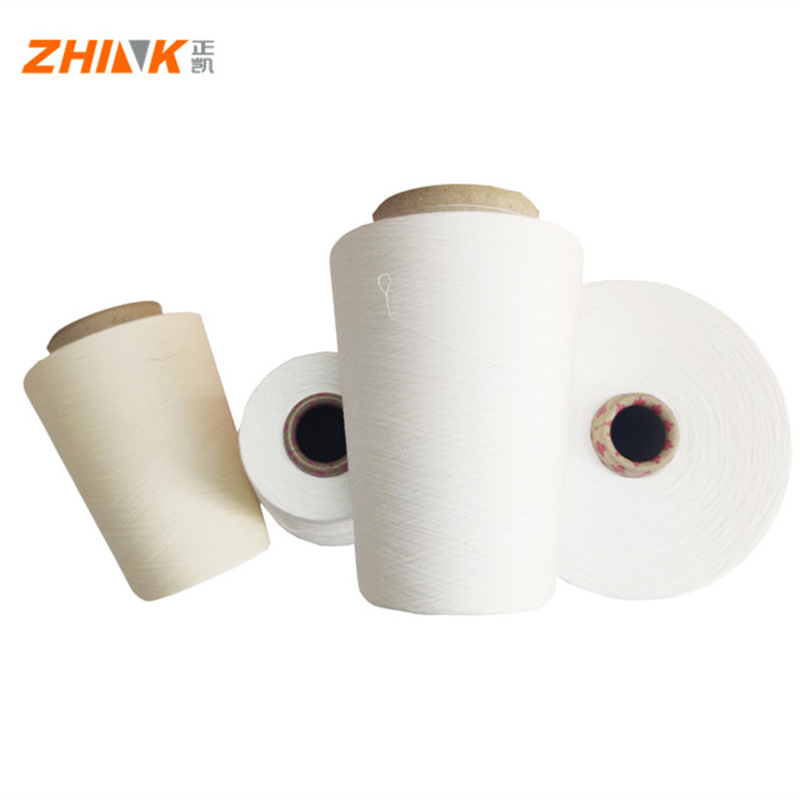
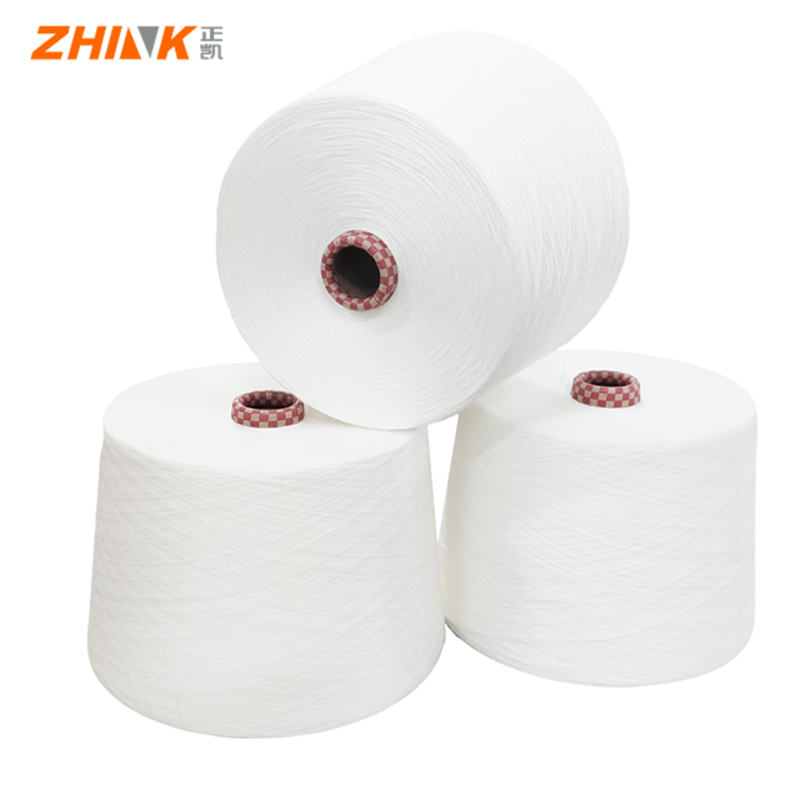
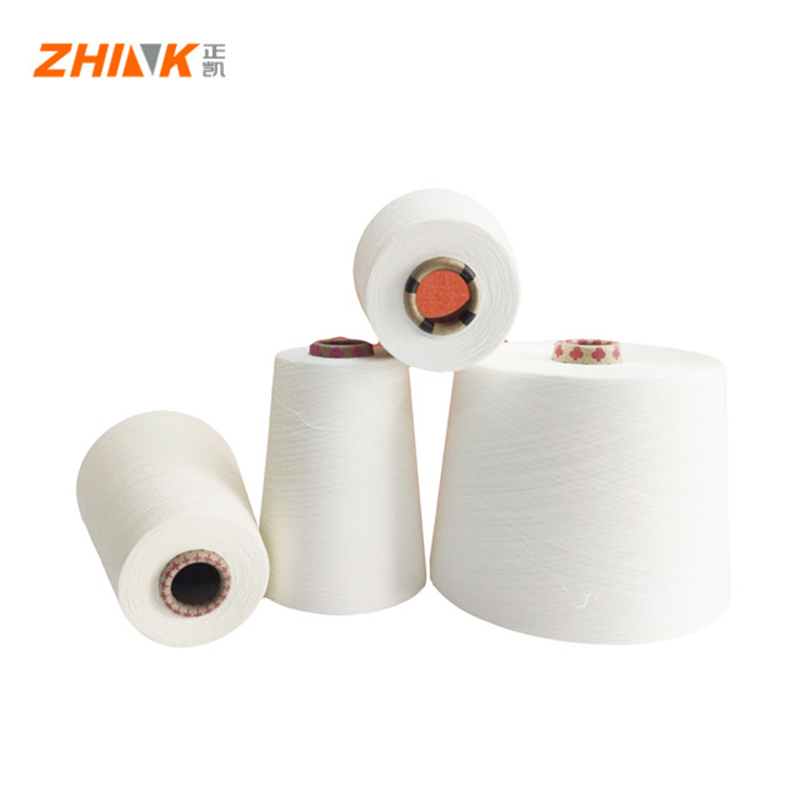
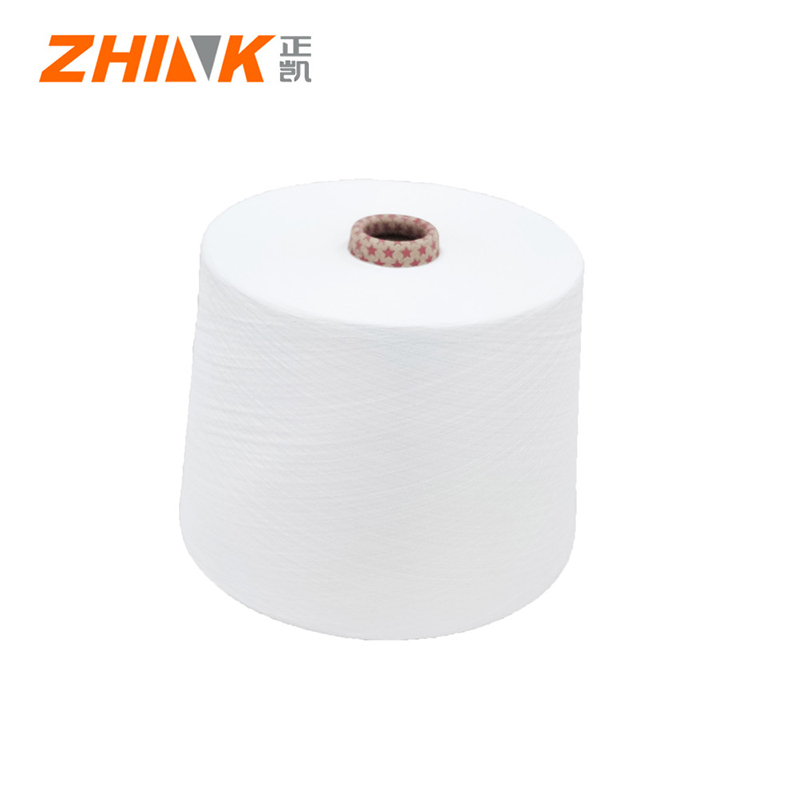
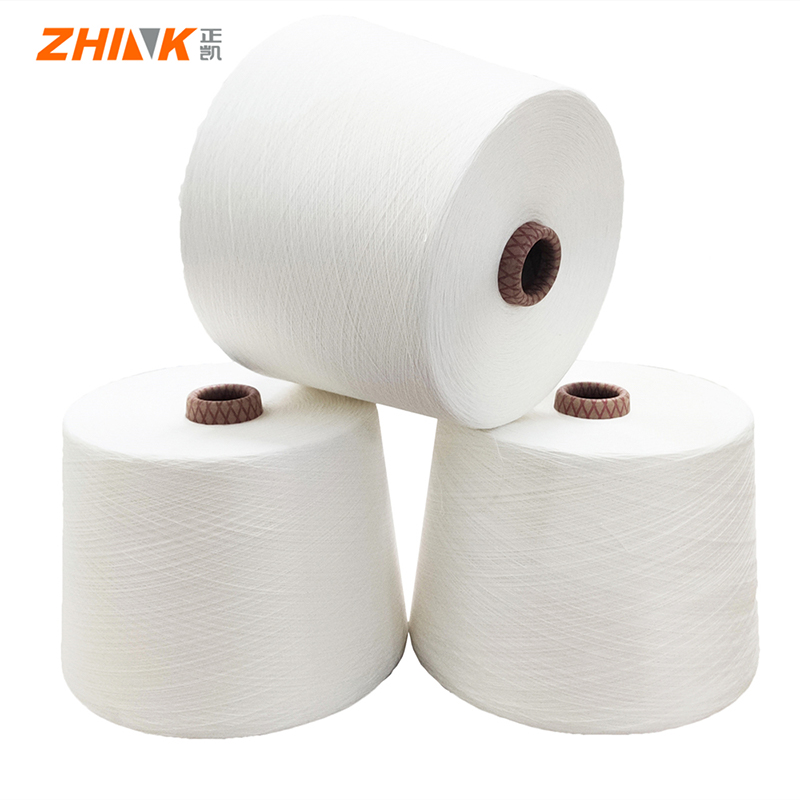
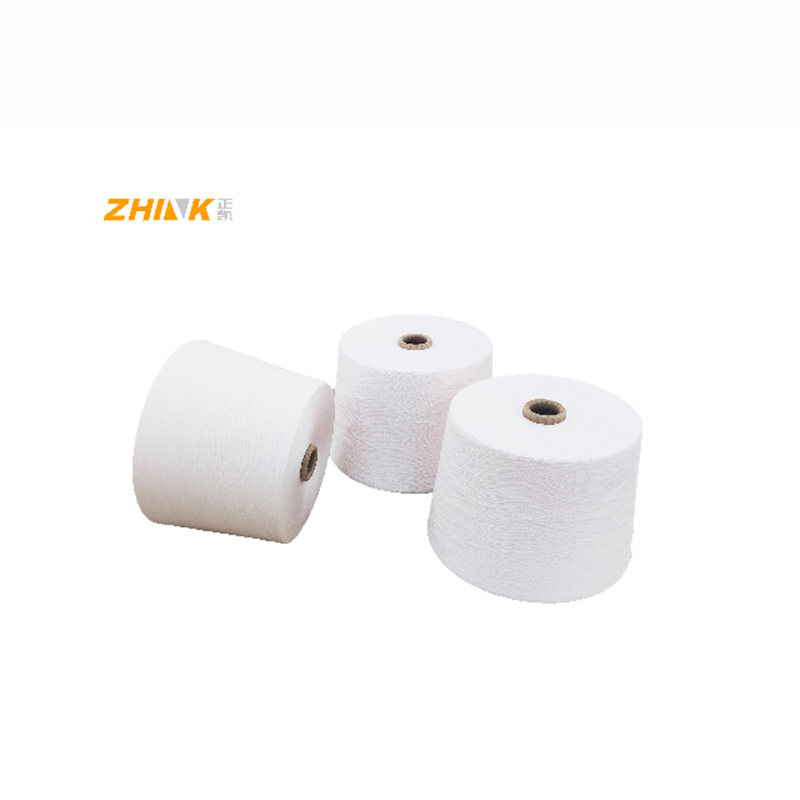
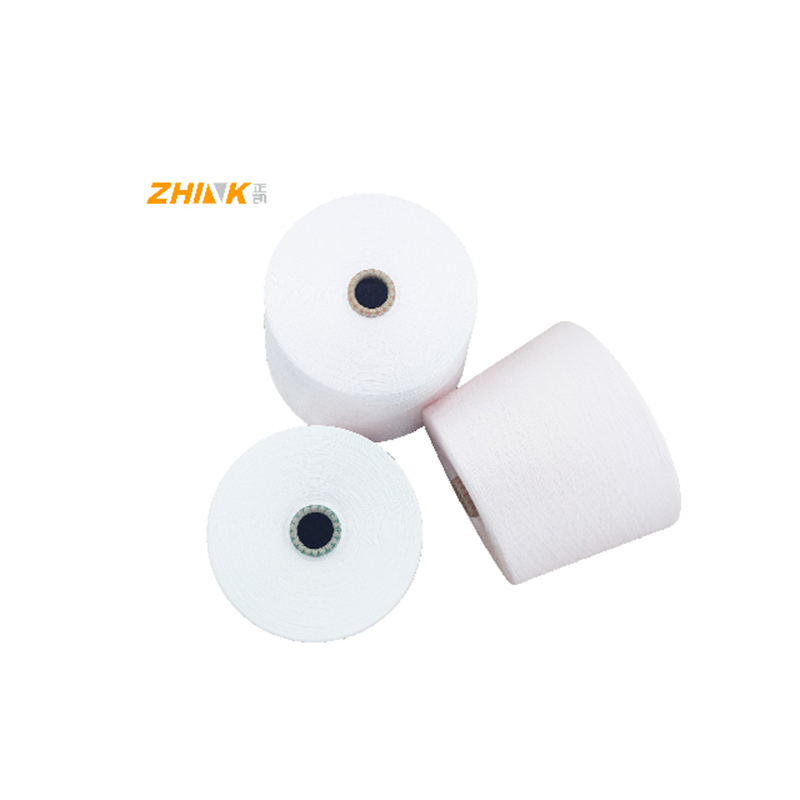
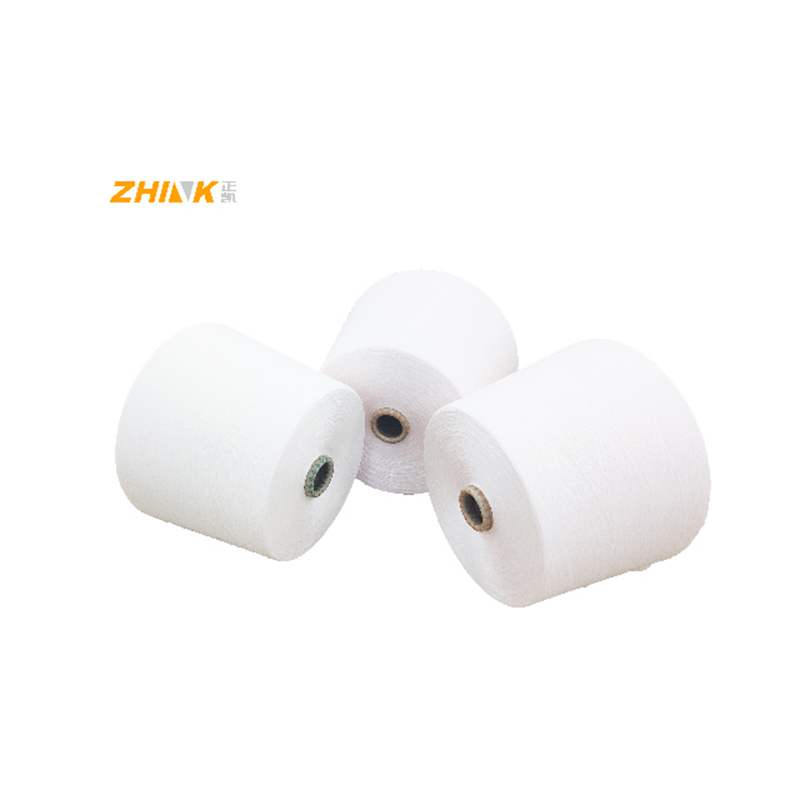
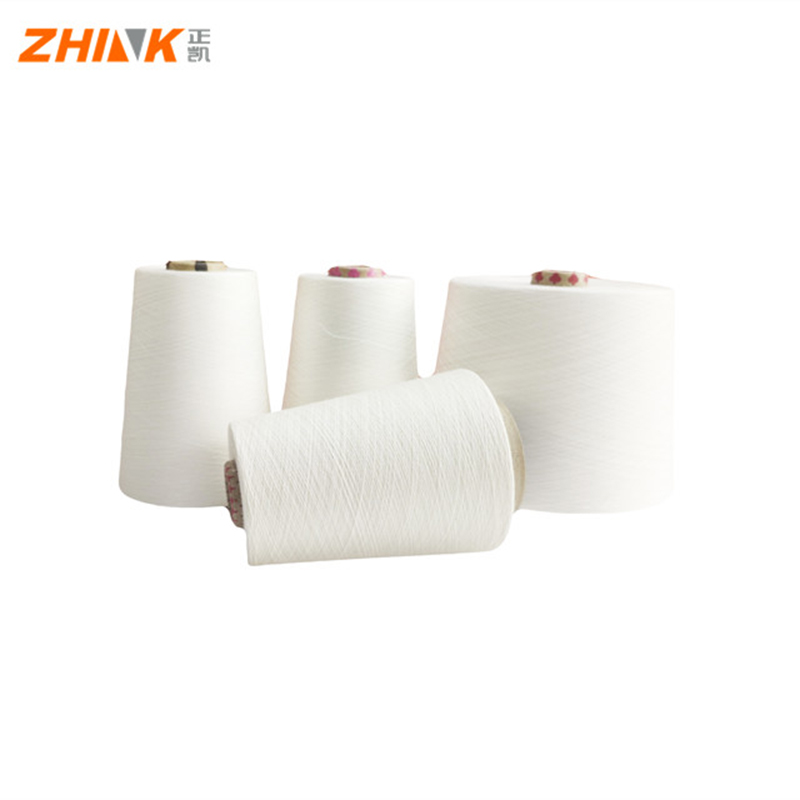
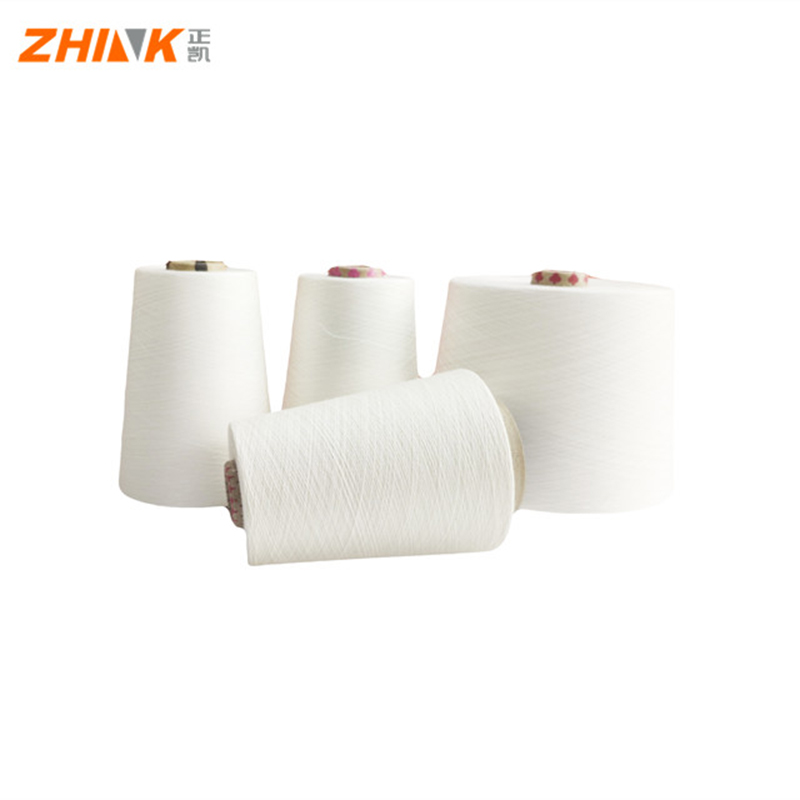
polyester/Combed cotton ring spun yarn
The Interplay of Polyester and Combed Cotton Ring Spun Yarn
When it comes to textile production, the combination of polyester and combed cotton ring spun yarn offers a unique blend of qualities that cater to a diverse range of applications. There's often a misunderstanding in the industry about the roles each of these fibers play. Let's delve into the characteristics and experiences surrounding this fascinating subject.
The Basics: Polyester and Combed Cotton
In my years working with textiles, I've come to appreciate the distinct qualities that polyester and combed cotton bring to a fabric. Polyester, with its durability and resistance to wrinkles, acts as a backbone in many textile products. Meanwhile, combed cotton provides that sought-after softness and breathability. When spun together, the result is a yarn that leverages the strengths of both fibers.
One of the most common misconceptions is that polyester dilutes the natural feel of cotton. However, in my experience, a well-balanced blend can enhance the fabric's overall performance. I've seen products from SHANDONG ZHINK NEW MATERIAL CO., LTD that exemplify this, offering textiles that not only meet the standards of durability but also maintain a comfortable texture.
It's essential to consider the end-use when deciding the ratios of polyester to combed cotton in the yarn. Different applications demand different properties—say, a higher cotton content for summer wear or more polyester for rugged outdoor gear.
Production Insights
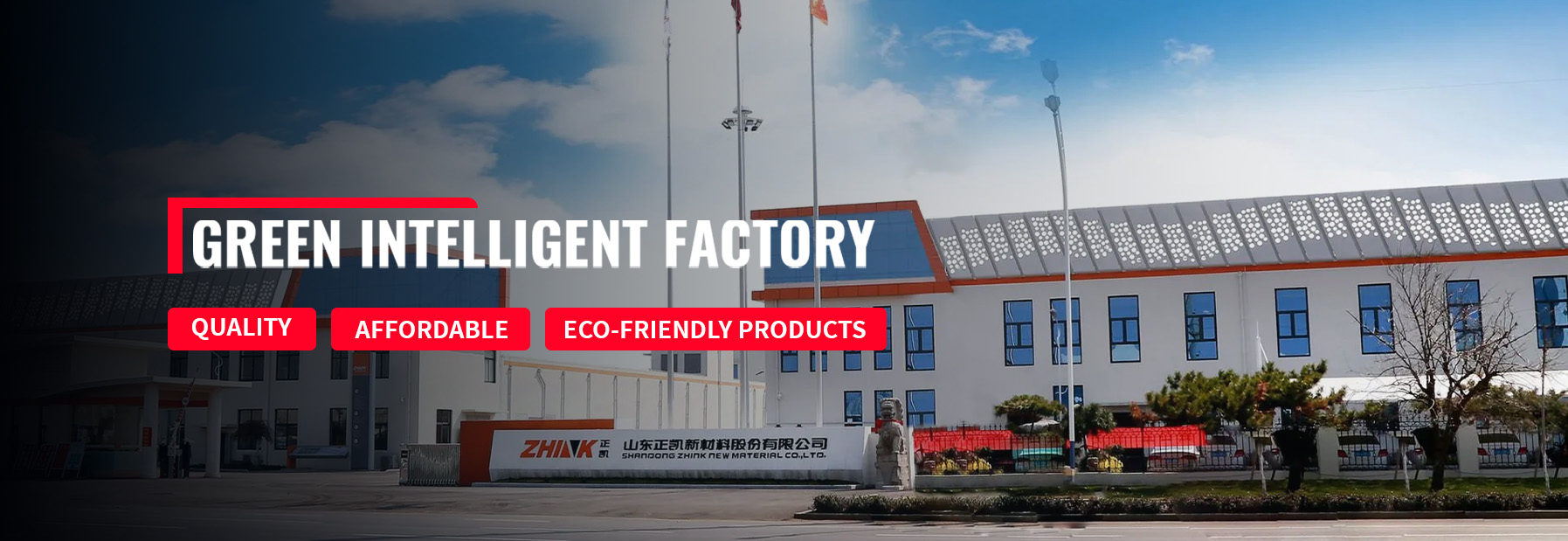
The production process itself is an intricate dance. Zhink New Material, accessible via their website, has streamlined these processes for efficiency and quality. I've witnessed firsthand how their attention to detail in fiber selection and spinning technique results in a consistent, high-quality yarn.
Combed cotton goes through an additional process to remove impurities and shorter fibers, which is crucial. It’s not just about what remains but what is removed—ensuring a clean, smooth yarn. Polyester, on the other hand, is integrated to provide strength and shape retention properties.
There are challenges, of course. Achieving the right twist and tension in the ring spinning process can be tricky. I recall once a production run where the tension was slightly off, leading to a batch that didn't meet our usual standards. It's a reminder that precision is key.
Application and Versatility
In terms of application, the blend is remarkably versatile. You’ll find it in casual wear, home textiles, and even in specialized industrial materials. It's this flexibility that makes the combination so appealing across various markets.
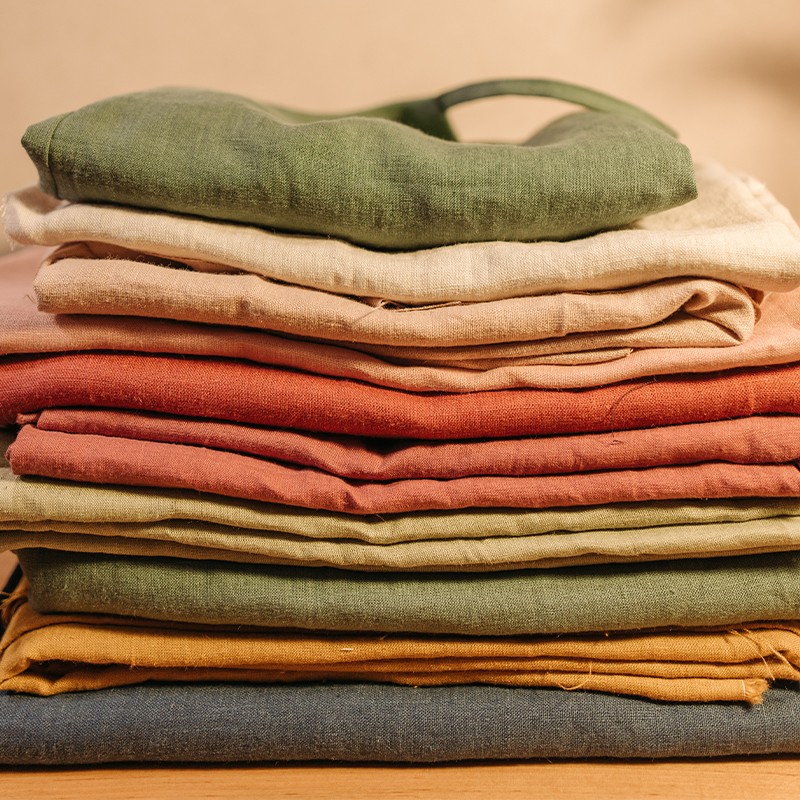
Many clients we've worked with at Zhink New Material appreciate how the blend performs in everyday wear—offering comfort without sacrificing durability. There’s something to be said for a shirt or a sheet that feels luxurious but can withstand repeated use and washing.
Industry trends often dictate the demand for certain blends. Right now, sustainable practices are pushing companies to innovate further. By optimizing polyester content, we can contribute to long-lasting products that are both functional and environmentally conscious.
Quality Control
At the heart of any yarn production is quality control. Zhink's meticulous R&D ensures that every batch meets the desired specifications. From fiber sourcing to final testing, each stage is scrutinized to uphold the company’s reputation.
Personally, I believe that investing in comprehensive quality checks pays off. It’s about maintaining customer trust and satisfaction. The market is seasoned with options, and consistency can be a distinguishing factor.
The ability to track and trace fibers from their origin right through the manufacturing process is becoming increasingly important. It not only reassures clients but also enhances the integrity of our products.
Challenges and Considerations
Despite the advantages, blending polyester and combed cotton is not without its hurdles. Static issues can occasionally arise with polyester that requires technical adjustments during spinning.
Maintaining a balance between cost efficiency and quality can also be challenging, especially when raw material prices fluctuate. However, strategic sourcing and a flexible production strategy often help mitigate these risks.
Ultimately, the key is adaptability. In this fast-paced industry, staying ahead with research and development, like at Zhink, can drive innovations that set new benchmarks for fiber blends.
Related Products
Related Products