+86-632-3621866
- Chinese
- French
- German
- Portuguese
- Spanish
- Russian
- Japanese
- Korean
- Arabic
- Irish
- Greek
- Turkish
- Italian
- Danish
- Romanian
- Indonesian
- Czech
- Afrikaans
- Swedish
- Polish
- Basque
- Catalan
- Esperanto
- Hindi
- Lao
- Albanian
- Amharic
- Armenian
- Azerbaijani
- Belarusian
- Bengali
- Bosnian
- Bulgarian
- Cebuano
- Chichewa
- Corsican
- Croatian
- Dutch
- Estonian
- Filipino
- Finnish
- Frisian
- Galician
- Georgian
- Gujarati
- Haitian
- Hausa
- Hawaiian
- Hebrew
- Hmong
- Hungarian
- Icelandic
- Igbo
- Javanese
- Kannada
- Kazakh
- Khmer
- Kurdish
- Kyrgyz
- Latin
- Latvian
- Lithuanian
- Luxembou..
- Macedonian
- Malagasy
- Malay
- Malayalam
- Maltese
- Maori
- Marathi
- Mongolian
- Burmese
- Nepali
- Norwegian
- Pashto
- Persian
- Punjabi
- Serbian
- Sesotho
- Sinhala
- Slovak
- Slovenian
- Somali
- Samoan
- Scots Gaelic
- Shona
- Sindhi
- Sundanese
- Swahili
- Tajik
- Tamil
- Telugu
- Thai
- Ukrainian
- Urdu
- Uzbek
- Vietnamese
- Welsh
- Xhosa
- Yiddish
- Yoruba
- Zulu
- Kinyarwanda
- Tatar
- Oriya
- Turkmen
- Uyghur



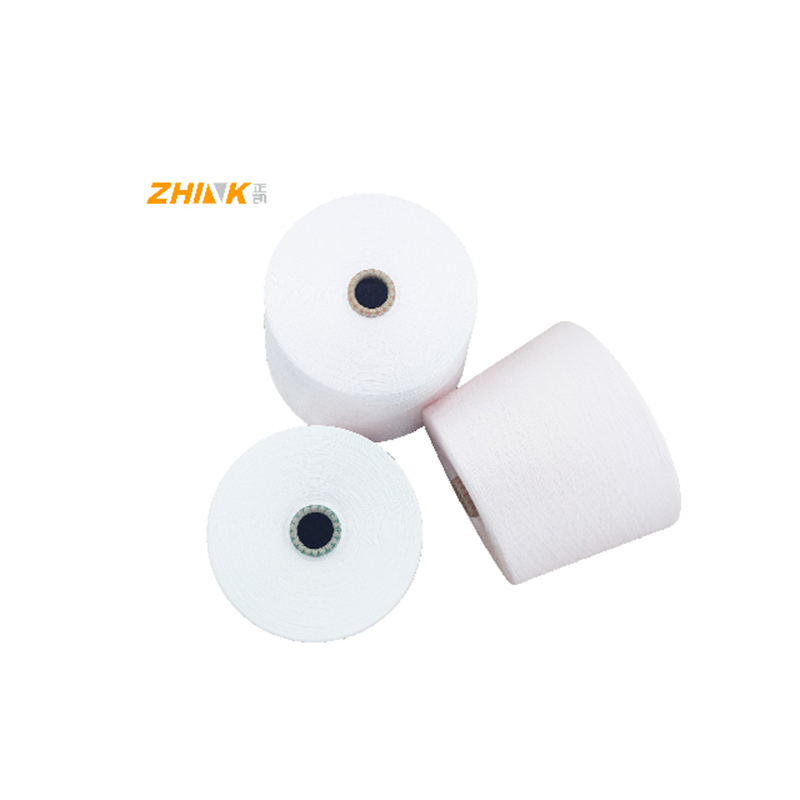
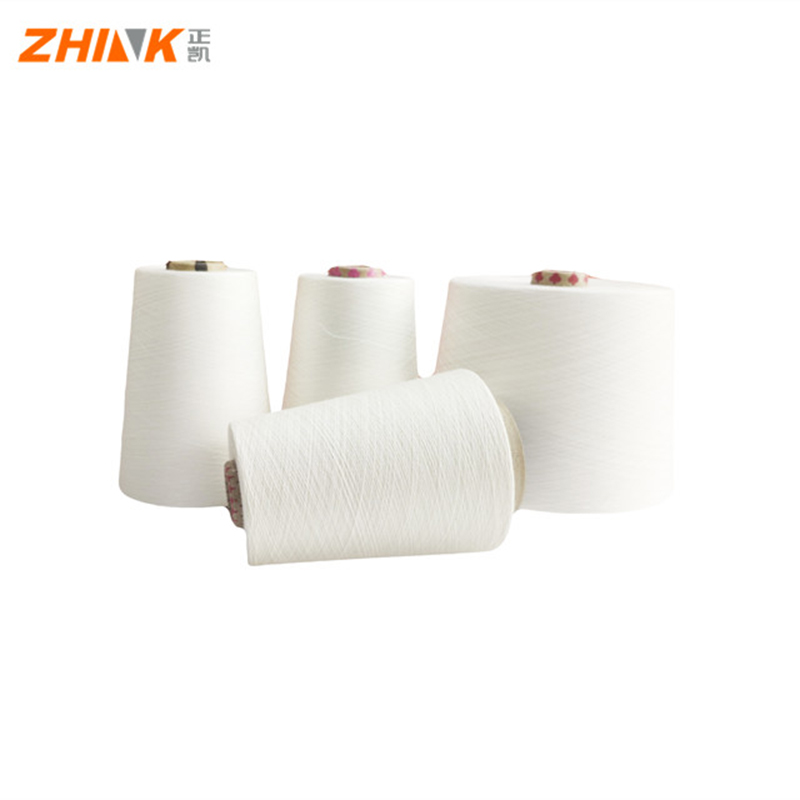
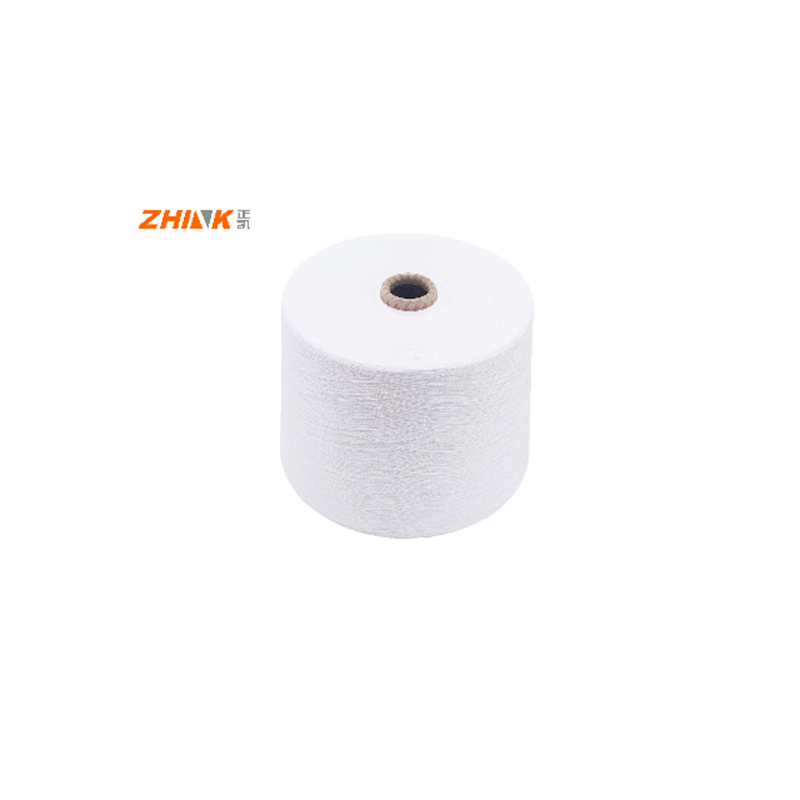
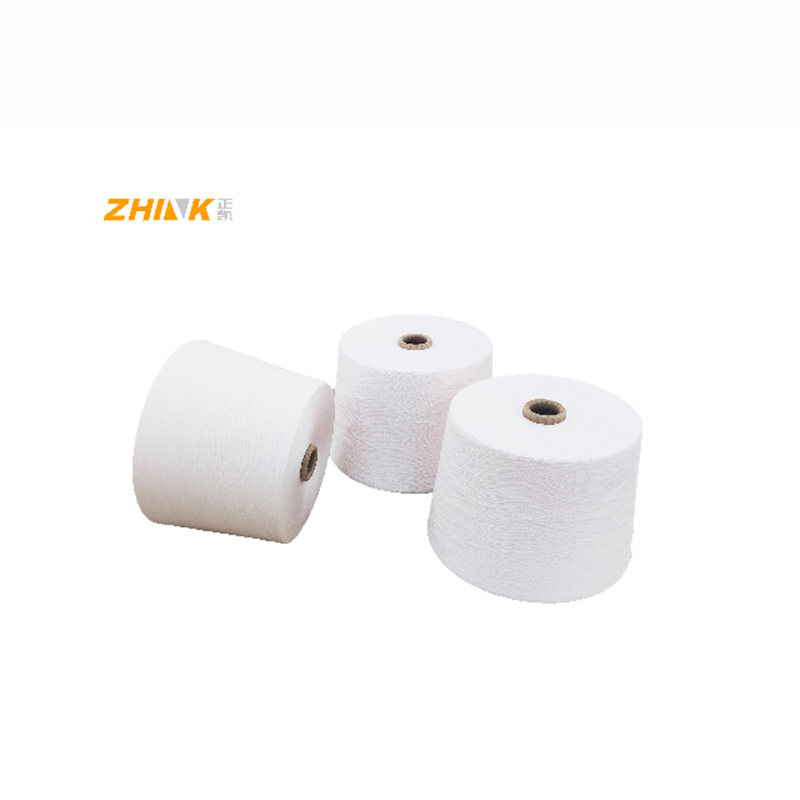
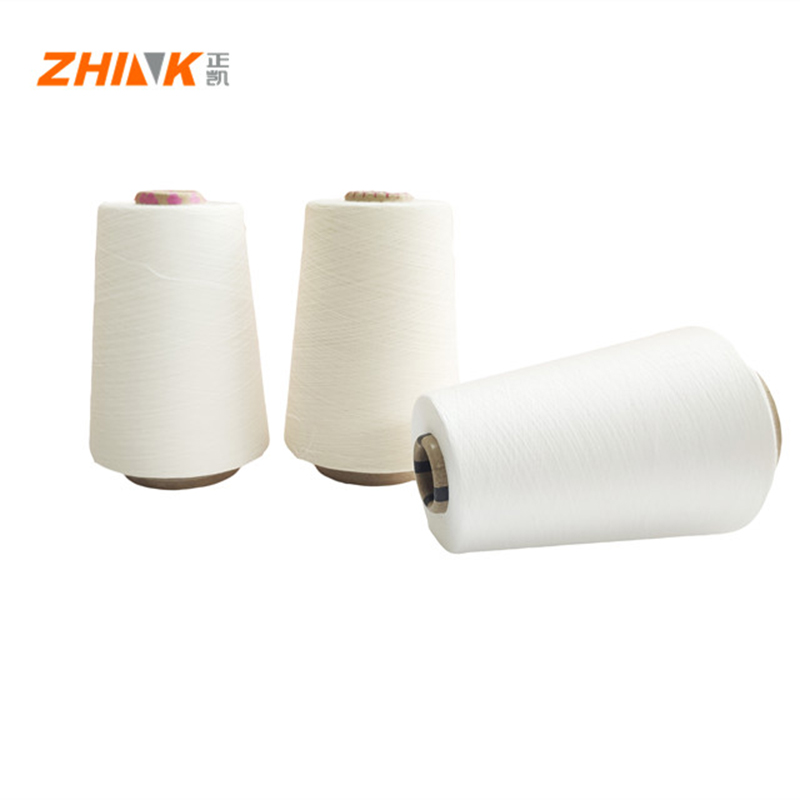
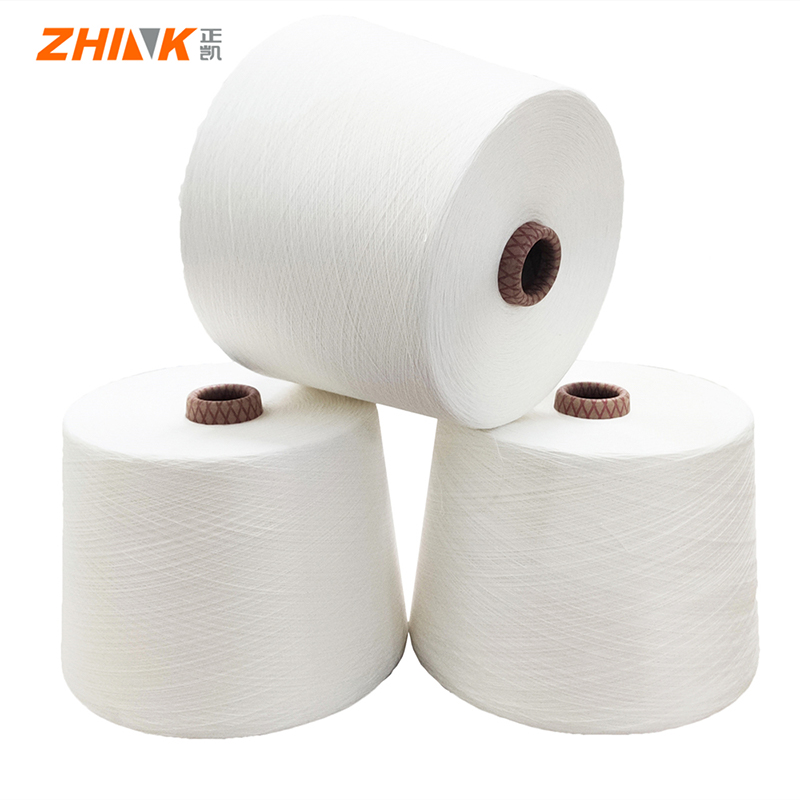
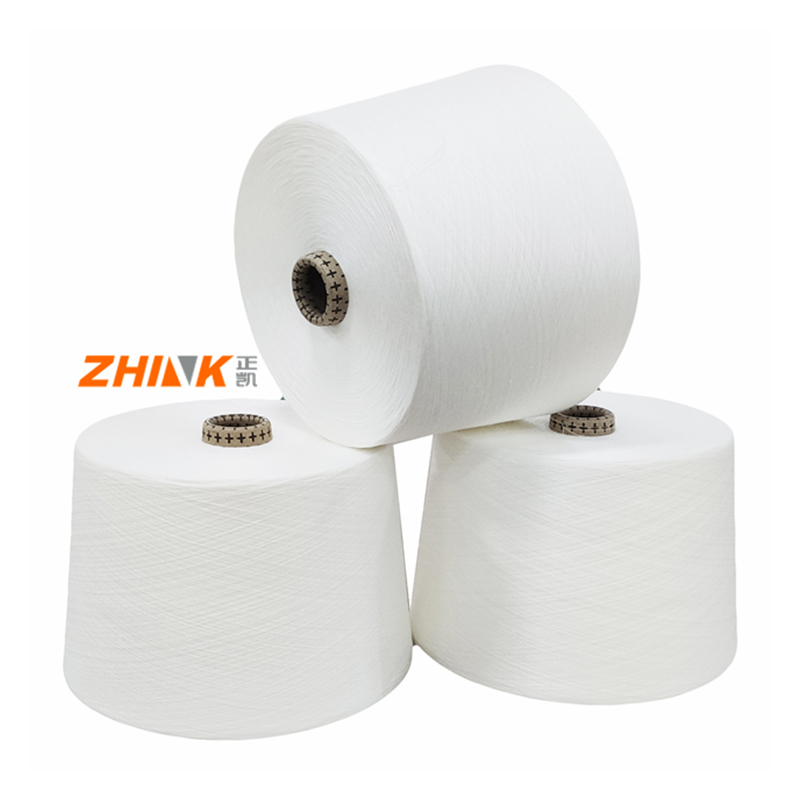
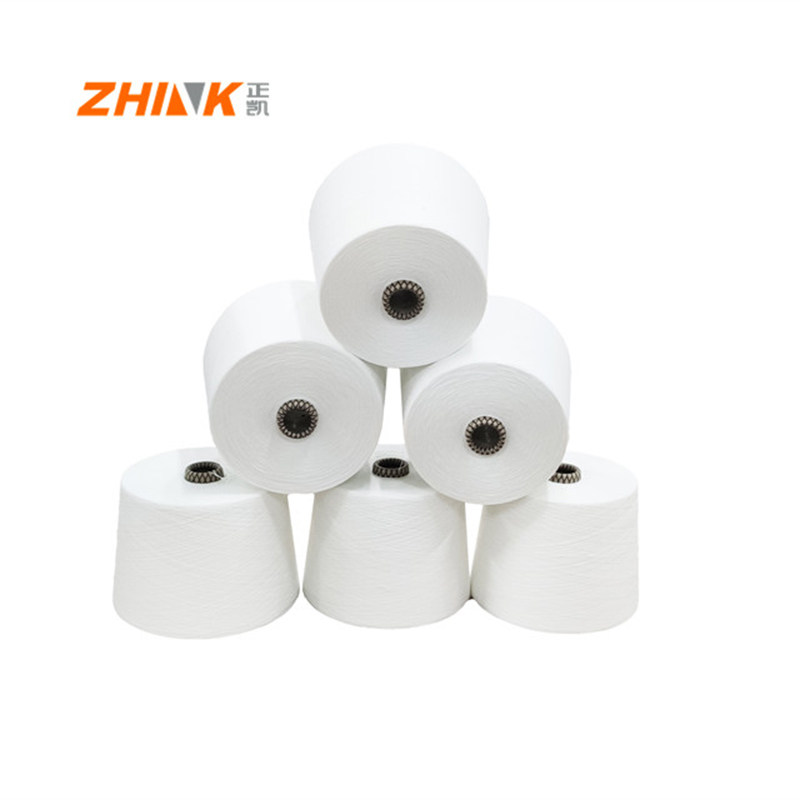
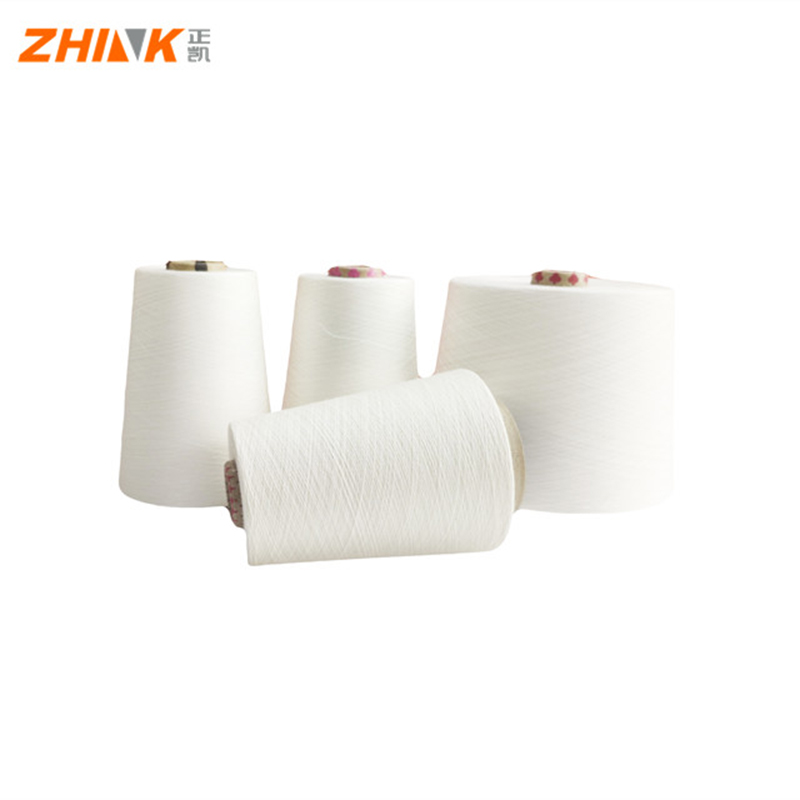
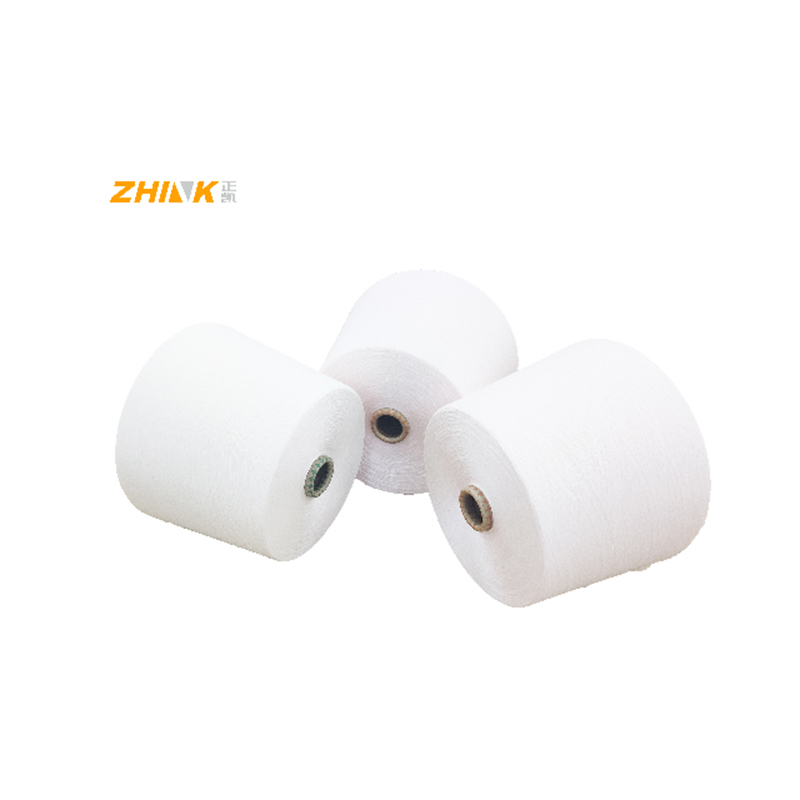
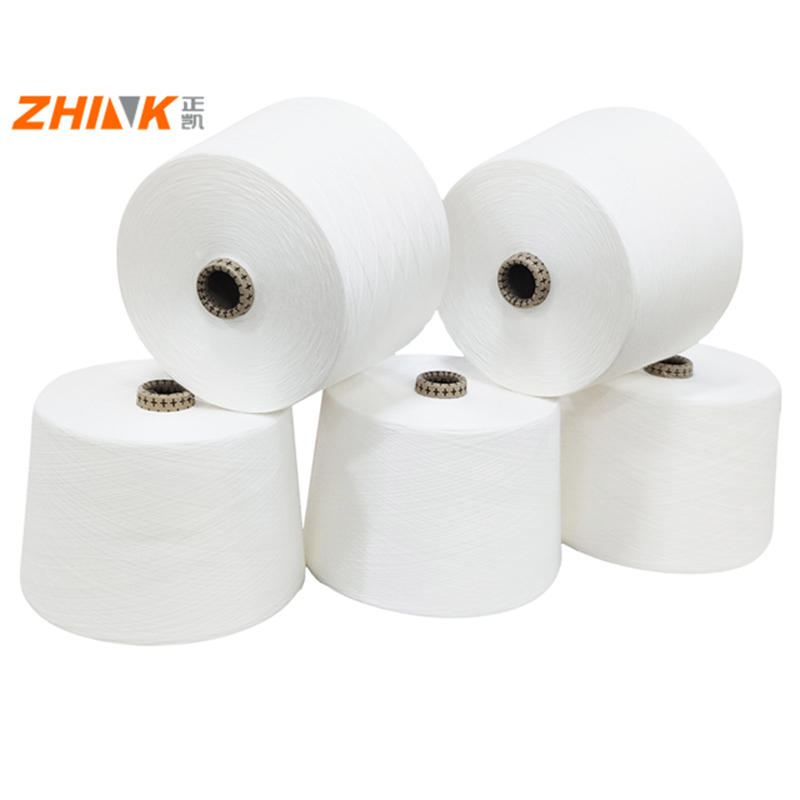
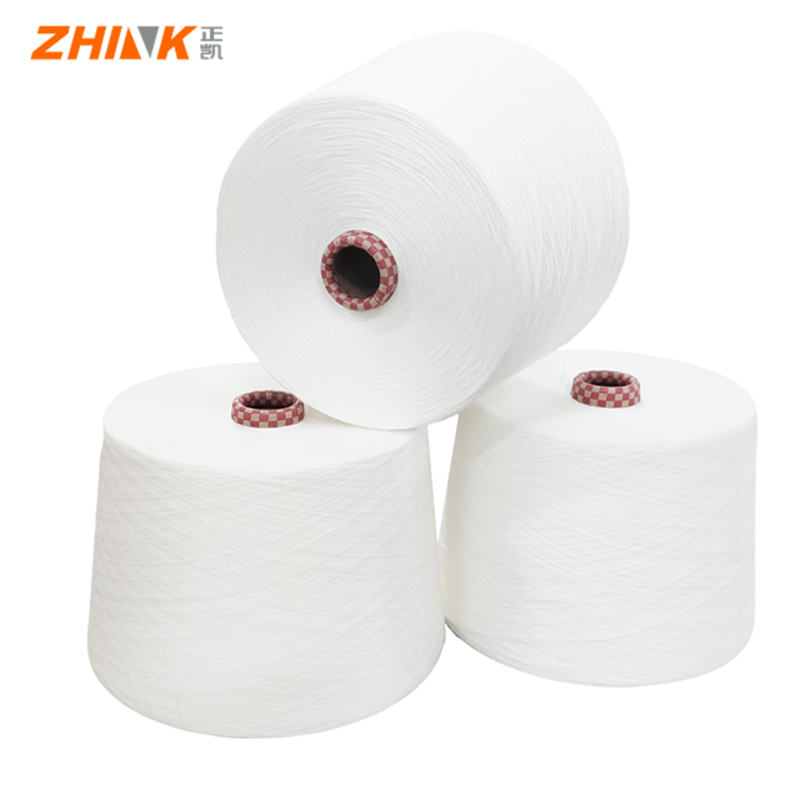
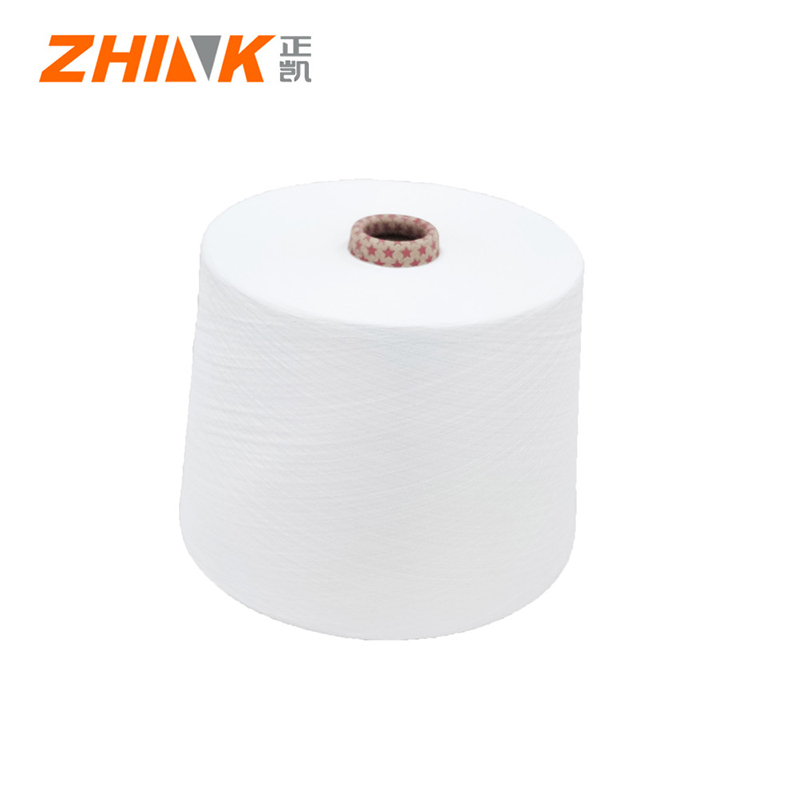
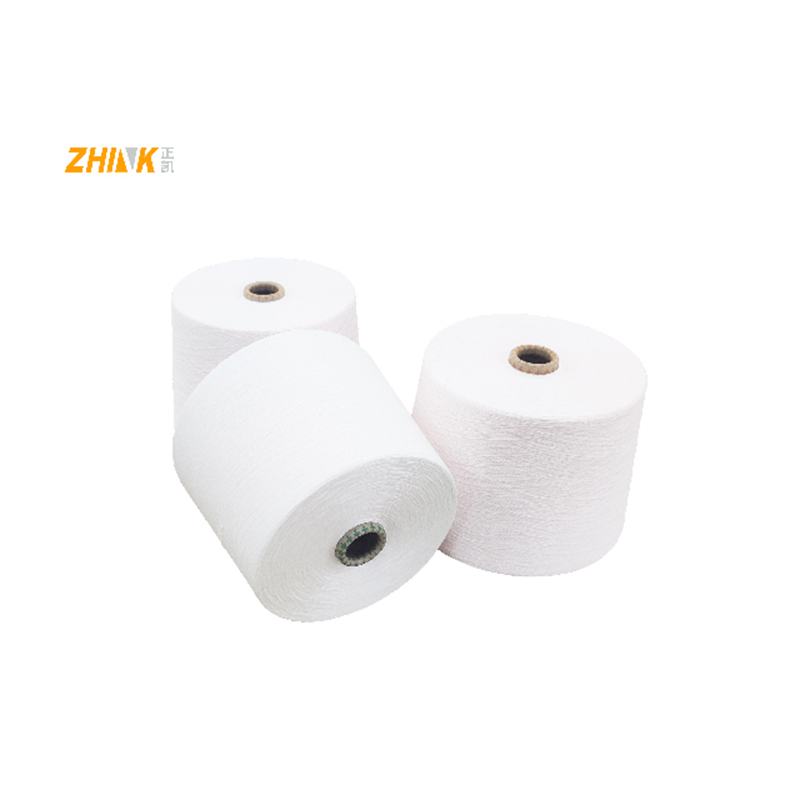
polyester/Combed cotton siro compact yarn
The Intricacies of Polyester/Combed Cotton Siro Compact Yarn
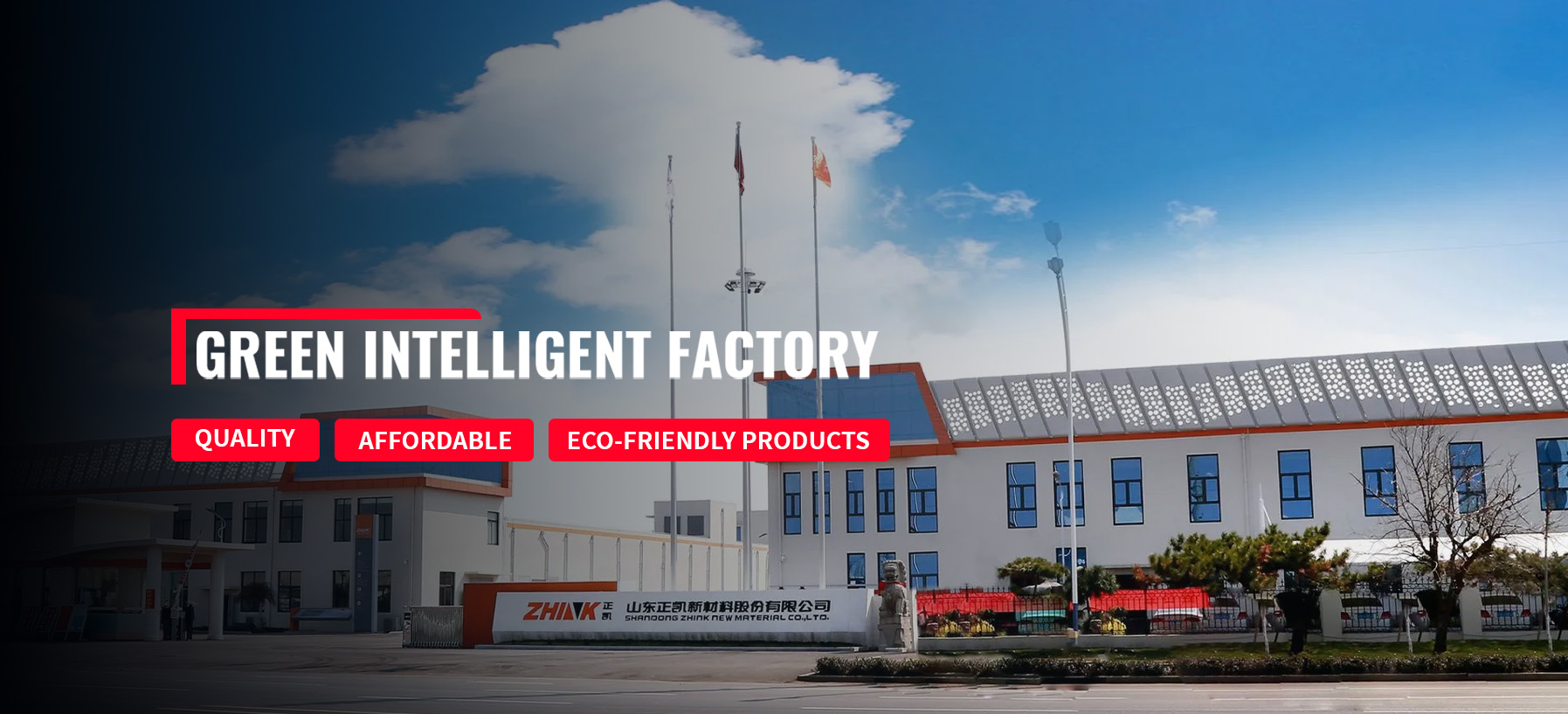
When someone mentions polyester/Combed cotton siro compact yarn, it might sound straightforward, but there's a depth to it that goes beyond mere fabric. Here’s a dive into the nuances of this blend, rooted in real-world textile practices and choices, particularly from my work with SHANDONG ZHINK NEW MATERIAL CO., LTD.
The Blend: Polyester and Combed Cotton
The marriage between polyester and combed cotton is often misunderstood. Essentially, polyester offers strength and resilience, while combed cotton brings softness and comfort to the mix. Balancing these characteristics is where the art lies, ensuring each batch retains that perfect ratio. SHANDONG ZHINK NEW MATERIAL CO., LTD has really put effort into getting this blend right, prioritizing comfort while maintaining durability. You can learn more about our processes at Zhink New Material.
In the early days of my career, a common mistake was assuming more polyester meant better durability. Sure, it does on paper, but in practice? The feel on the skin tells a different story. That's where real-life touch and feedback prove invaluable. Combed cotton, which is crucial in this blend, needs careful handling during processing to prevent the yarn from becoming too rigid.
And then there's cost – another curveball. Combining two different fiber types can be an economic balancing act as well. From my experience, small tweaks in the percentage of each component can lead to sizeable differences in both production cost and fabric quality.
Siro Compact Spinning: A Game Changer
Siro compact spinning might sound like jargon, but it’s transformative in how we handle yarn. This method minimizes hairiness and increases yarn strength, making it perfect for delicate blends like polyester and combed cotton. At Zhink New Material, integrating siro compact technology changed our outputs, leading to smoother, more consistent yarn.
Back when we first shifted to siro, the learning curve was steep. Control parameters became our focus, ensuring that the process enhancements didn't inadvertently introduce new issues, like uneven dye absorption, which was a problem we initially faced.
The key takeaway? While technology can optimize, it’s human oversight that keeps it from going awry. The hands-on adjustments are where the true expertise shines through, calibrating machines to respond to the unique needs of each batch.
Challenges in Production
The deception of consistent quality – that's a hurdle I often faced. Variability in raw material quality can throw everything off. With polyester/Combed cotton siro compact yarn, having reliable sources for raw materials is critical. Our suppliers became partners in ensuring our output remained consistent.
Then there’s the climate factor during production. Sounds trivial? It’s not. High humidity levels can cause the yarn to stretch unevenly, a nuance that often gets overlooked. We tackled this by controlling our production environments rigorously.
Every challenge, while frustrating, brought a better understanding of the variable nature inherent in textile production. Documentation and continuous feedback loops became our lifeline.
Practical Applications and Market Trends
Customers' shifting needs have always dictated our adjustments. From athletic wear to casual clothing, the polyester/Combed cotton yarn gained traction due to its dual properties of comfort and resilience. It’s no surprise, then, that with the rise of athleisure, the demand soared, impacting our production timelines.
While working with retailers, we often found forecasts aligning with seasonal trends, though sometimes, global events threw those predictions out the window. Adapting on the fly became a part of my toolkit, relying on quick turnarounds and flexible production processes.
Understanding broader market forces, though, isn’t just about responding to trends. It involves educating partners and clients on the strengths and weaknesses of this yarn type, sharing insights directly from our hands-on experiences.
Looking Ahead: Innovations on the Horizon
The horizon holds promise and challenges in equal measure for polyester/Combed cotton siro compact yarn. With sustainability increasingly becoming the anchor of textile innovations, how we balance synthetic and natural fibers sustainably is crucial. At Zhink, we're actively exploring ways to reduce our carbon footprint without compromising quality.
Innovations in bio-polyesters are particularly exciting. They promise to bring an eco-friendly twist to traditional synthetic fibers. Every material innovation goes through rigorous checks and empirical testing here, aiming for that balance between performance and environmental responsibility.
Ultimately, constant learning and adaptation remain the cornerstones of dealing with this versatile yarn. It’s more than a fabric blend; it’s a commitment to continuous improvement and understanding the intricate dance between fibers, processes, and the final product. That’s the essence of our work at SHANDONG ZHINK NEW MATERIAL CO., LTD.
Related Products
Related Products