+86-632-3621866
- Chinese
- French
- German
- Portuguese
- Spanish
- Russian
- Japanese
- Korean
- Arabic
- Irish
- Greek
- Turkish
- Italian
- Danish
- Romanian
- Indonesian
- Czech
- Afrikaans
- Swedish
- Polish
- Basque
- Catalan
- Esperanto
- Hindi
- Lao
- Albanian
- Amharic
- Armenian
- Azerbaijani
- Belarusian
- Bengali
- Bosnian
- Bulgarian
- Cebuano
- Chichewa
- Corsican
- Croatian
- Dutch
- Estonian
- Filipino
- Finnish
- Frisian
- Galician
- Georgian
- Gujarati
- Haitian
- Hausa
- Hawaiian
- Hebrew
- Hmong
- Hungarian
- Icelandic
- Igbo
- Javanese
- Kannada
- Kazakh
- Khmer
- Kurdish
- Kyrgyz
- Latin
- Latvian
- Lithuanian
- Luxembou..
- Macedonian
- Malagasy
- Malay
- Malayalam
- Maltese
- Maori
- Marathi
- Mongolian
- Burmese
- Nepali
- Norwegian
- Pashto
- Persian
- Punjabi
- Serbian
- Sesotho
- Sinhala
- Slovak
- Slovenian
- Somali
- Samoan
- Scots Gaelic
- Shona
- Sindhi
- Sundanese
- Swahili
- Tajik
- Tamil
- Telugu
- Thai
- Ukrainian
- Urdu
- Uzbek
- Vietnamese
- Welsh
- Xhosa
- Yiddish
- Yoruba
- Zulu
- Kinyarwanda
- Tatar
- Oriya
- Turkmen
- Uyghur



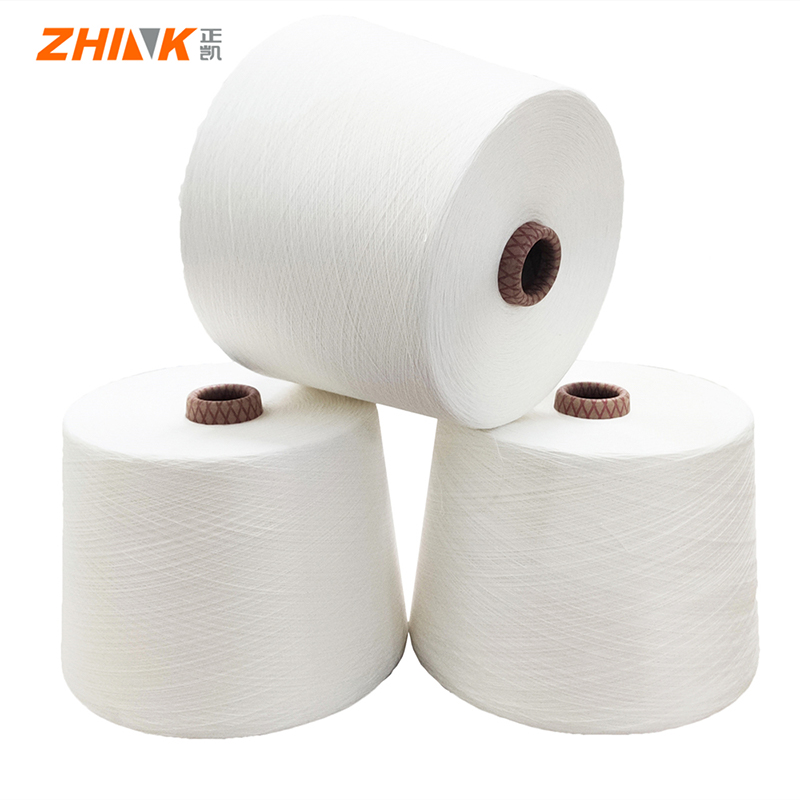
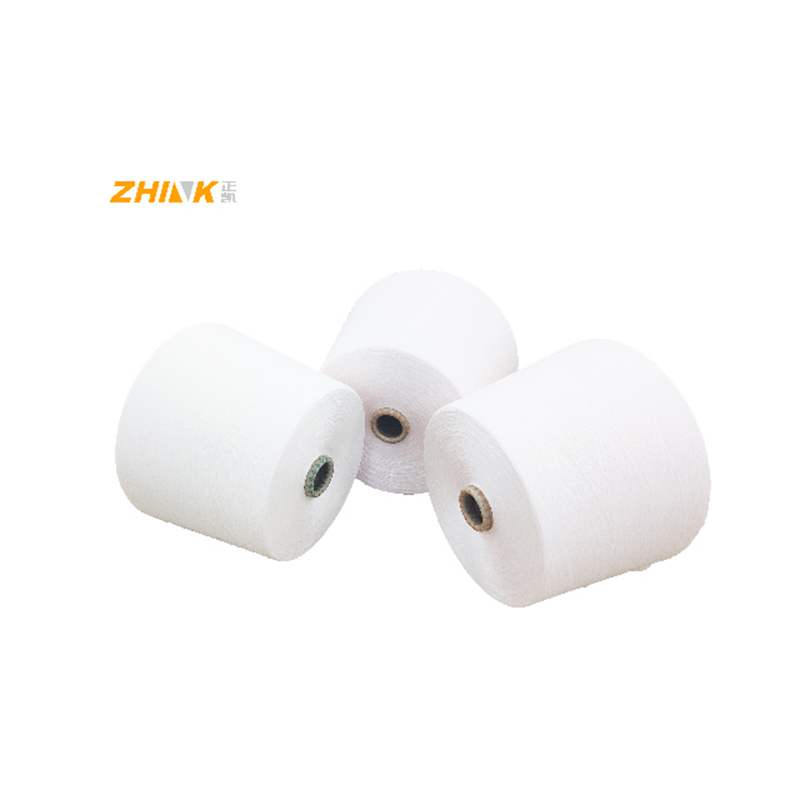
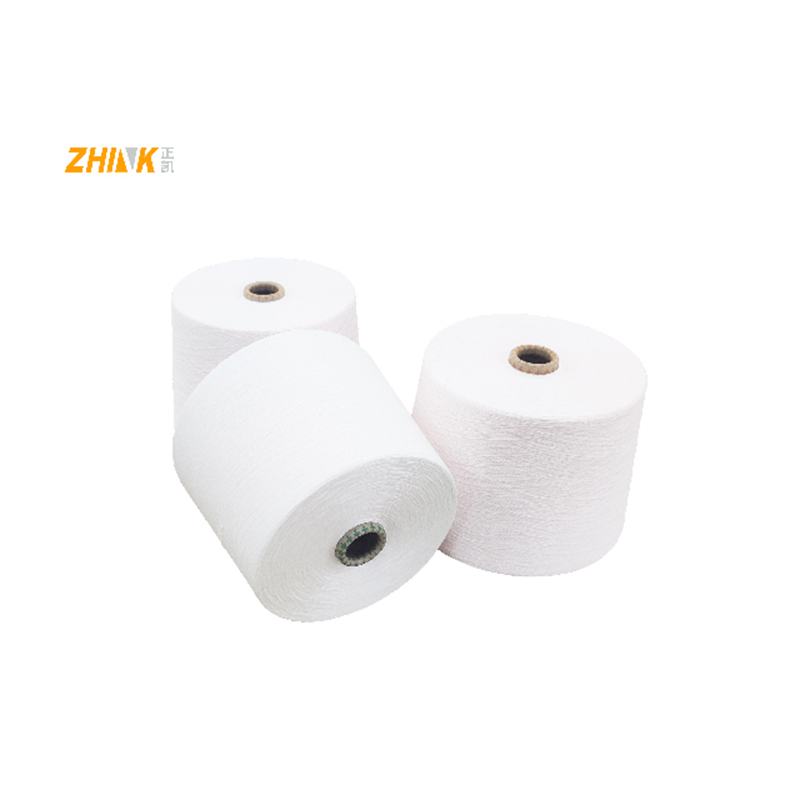
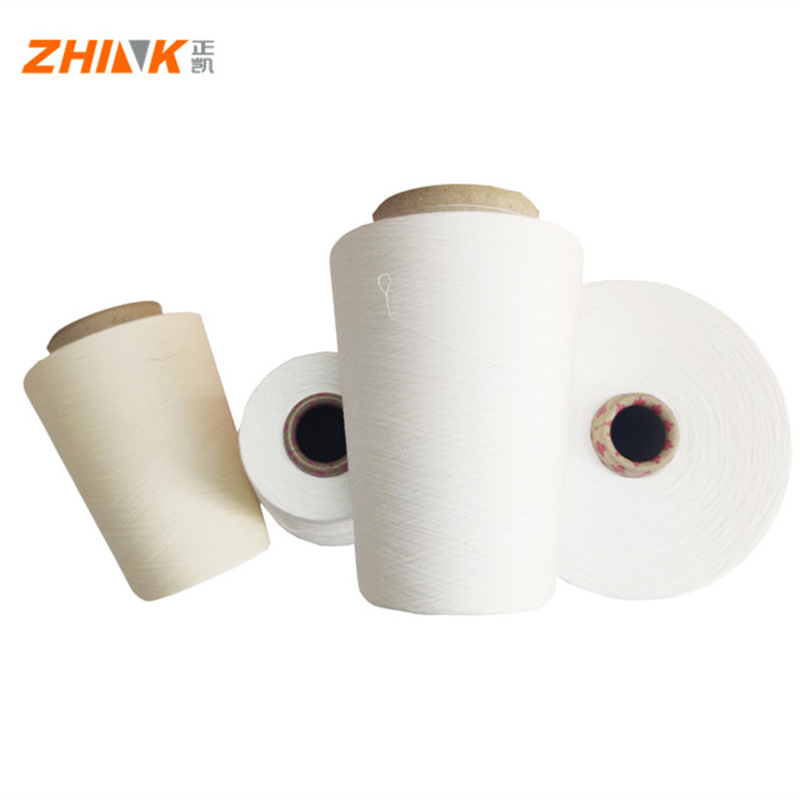
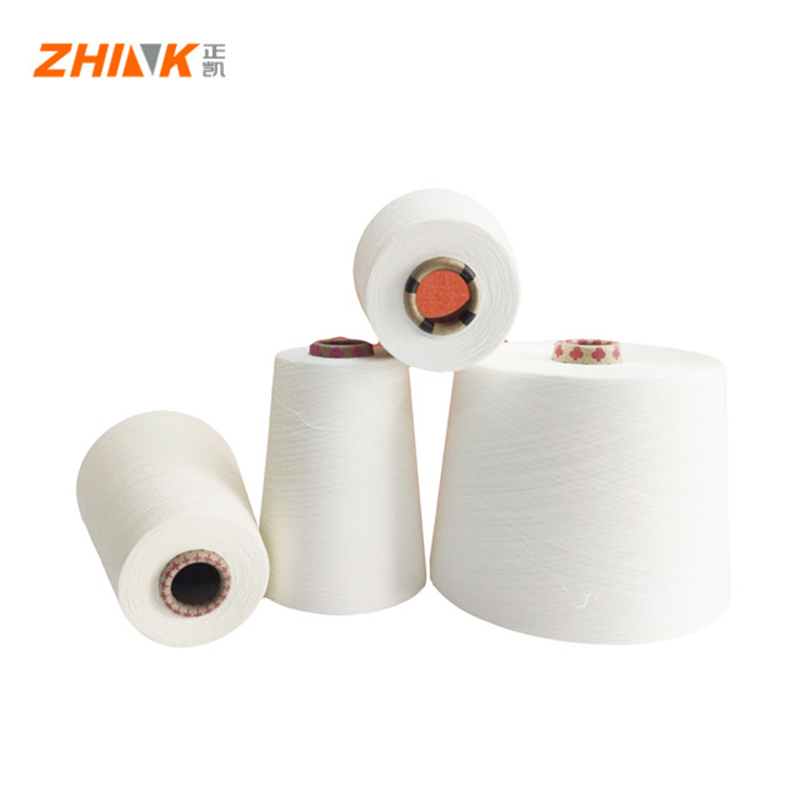
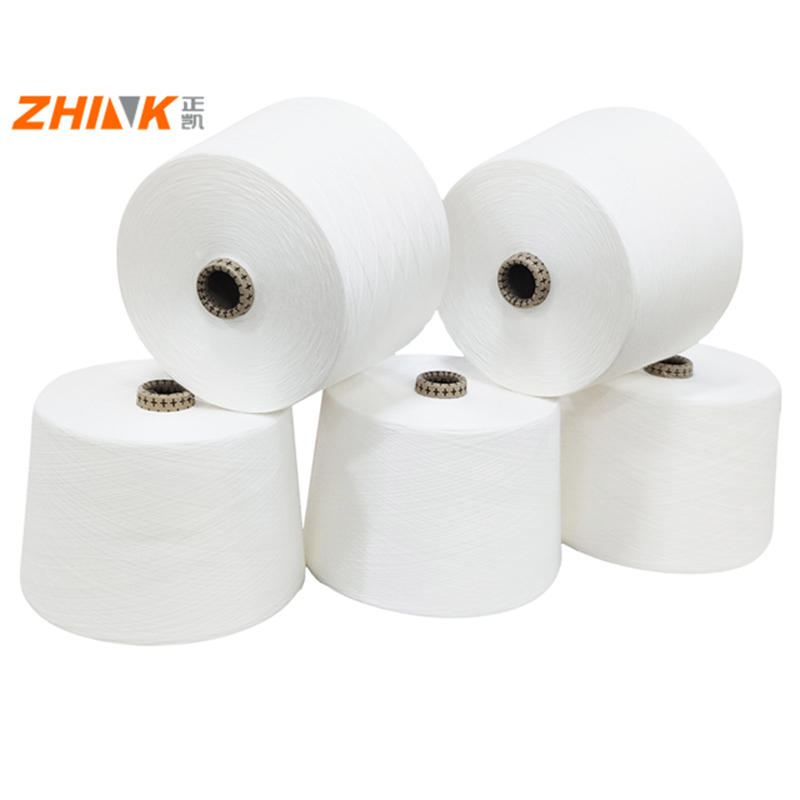
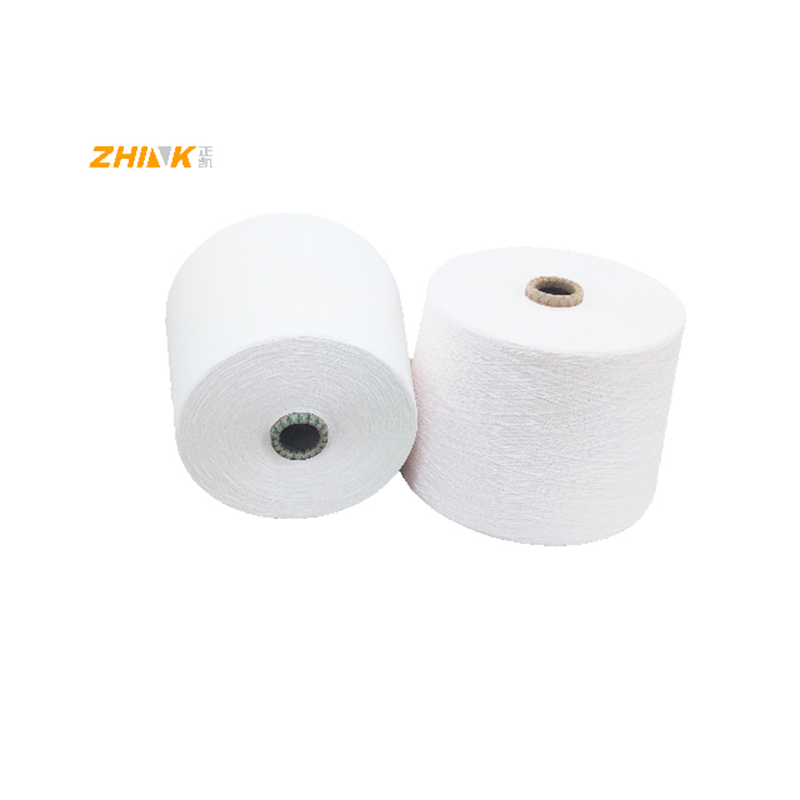
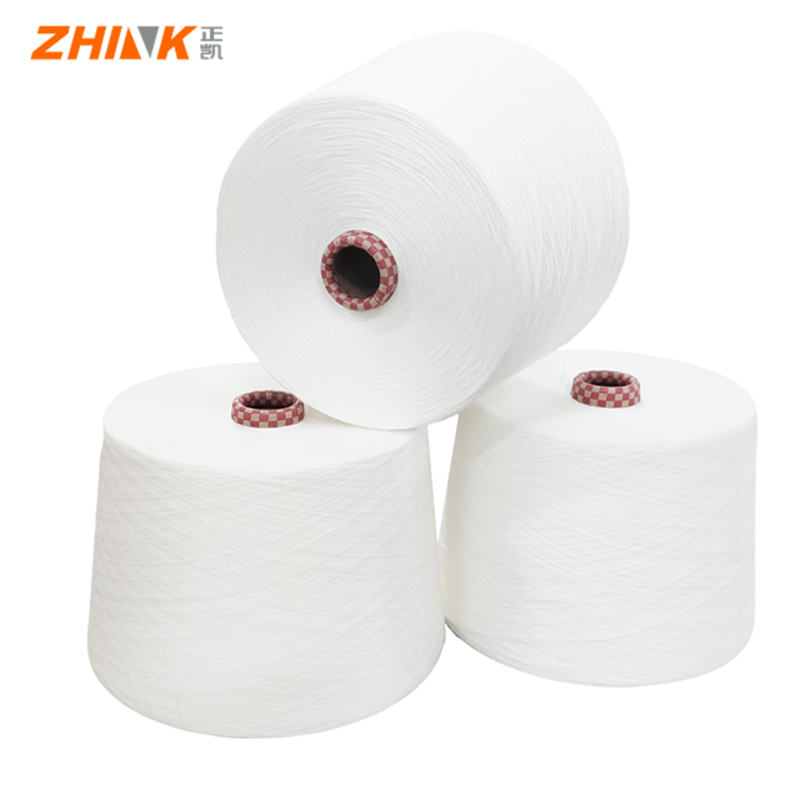
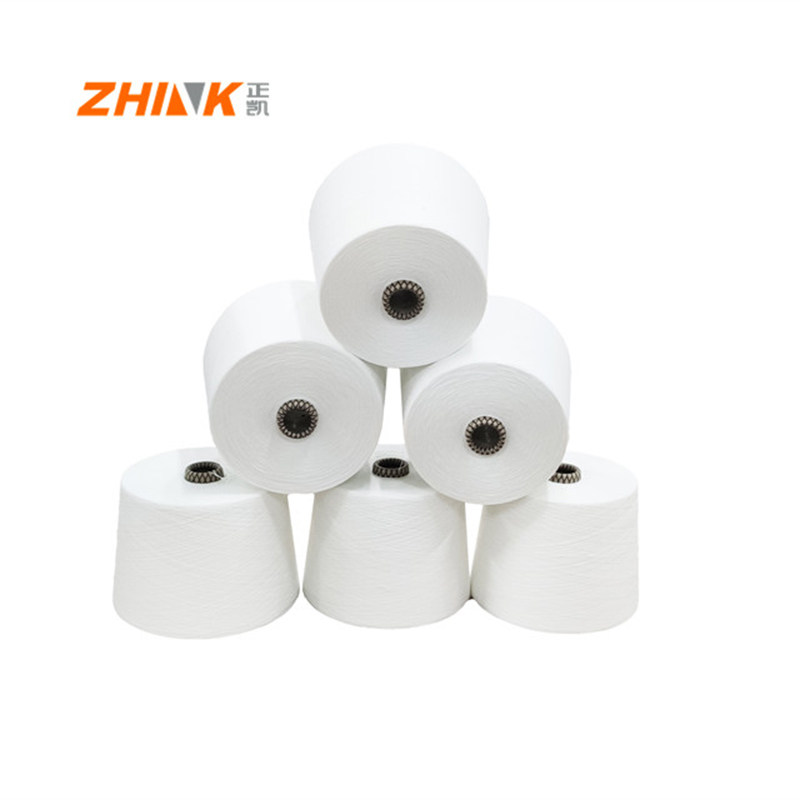
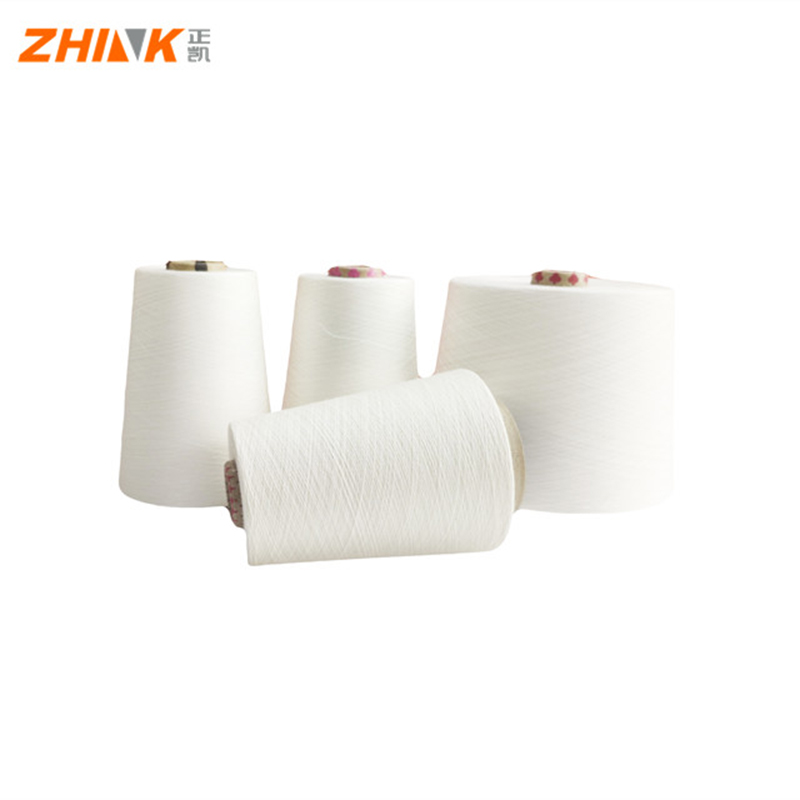
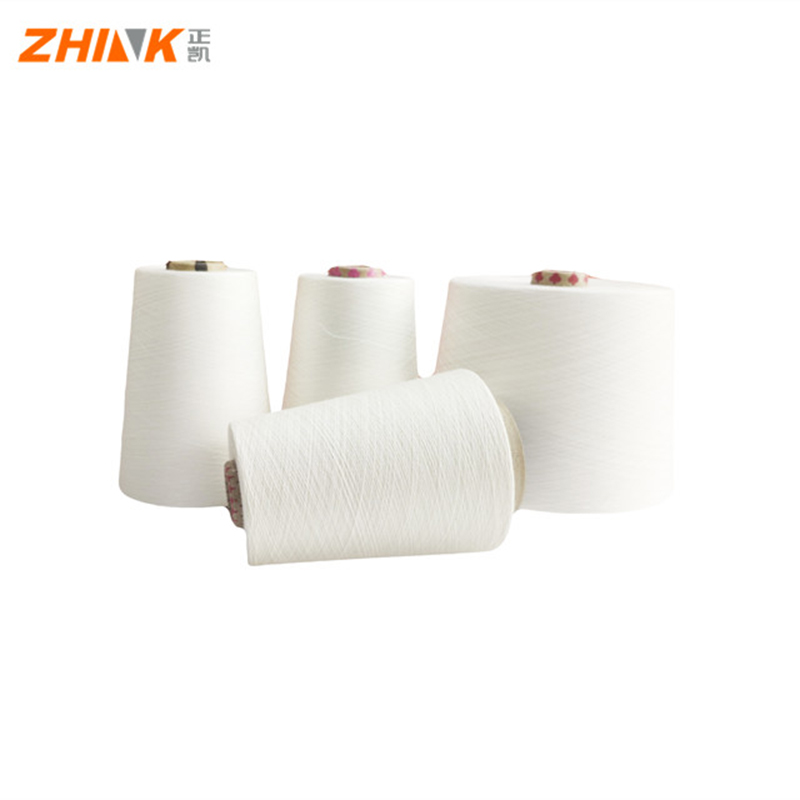
polyester cotton yarn
Understanding the World of Polyester Cotton Yarn
Through years of experience, I’ve found that the simplicity of polyester cotton yarn masks a multitude of intricacies. Commonly misunderstood, its versatility and durability are what set it apart in textile manufacturing. Consistently seeking that optimal blend can be more challenging than one might expect.
The Composition: More than Just a Blend
At first glance, combining polyester and cotton seems straightforward. However, finding the right balance is pivotal. Too much polyester, and you risk creating a fabric that is uncomfortable. Conversely, an excess of cotton may compromise durability. People often overlook this delicate equilibrium, sometimes resulting in products that don’t stand the test of wear.
Years back, I worked on a project that highlighted this challenge. We were developing fabric for casual wear, aiming for resilience without sacrificing comfort. The initial samples had too high a polyester content. Feedback was immediate: not breathable enough. Adjustments were made, and eventually, we landed on a blend that achieved all our criteria.
It’s these real-world adjustments that differentiate theoretical understanding from practical application. That’s something you can’t really learn until you’ve been deep in the fabric industry.
Applications and Advantages
An obvious strength of polyester cotton yarn is its versatility. From upholstery to activewear, its applications are widespread due to the combined properties of both fibers. One advantage is wrinkle resistance—a feature greatly appreciated in both fashion and home textiles.
While working with SHANDONG ZHINK NEW MATERIAL CO., LTD, it became clear how focused R&D can push the envelope. Located at [https://www.zhinkyarn.com](https://www.zhinkyarn.com), their dedication to innovation ensures that the yarns are not only capable but also cutting-edge.
Their approach is to evaluate every minor tweak in the blend to optimize for different uses, whether that means moisture-wicking capabilities for athletic garments or softness for bedding materials.
Challenges in Manufacturing
Let’s not sidestep the challenges. Producing polyester cotton yarn doesn’t come without hurdles. From sourcing quality raw materials to maintaining consistent quality, these issues routinely arise. I'll never forget a batch we once received that irregularly mixed polyester fibers—resulting in noticeable inconsistencies that sent us back to square one.
Quality control is non-negotiable, and it's an ongoing battle. Even with automation, the tactile knowledge remains essential. You develop a kind of intuitive feel for when a yarn isn’t quite right.
This is compounded when scaling up production. Every defect feels magnified, so keeping a close eye during scale-up is crucial.
R&D and Innovation
Innovation doesn’t happen overnight. I remember the first time our team experimented with recycled polyester fibers. It was a lesson in unexpected setbacks—dye absorption was variable initially, which was frustrating, but with consistent trials, gains were made.
Creativity in blend combinations and finishing techniques often unlocks new pathways. SHANDONG ZHINK NEW MATERIAL CO., LTD often pushes boundaries through intensive R&D, allowing them to explore beyond conventional boundaries.
From experimenting with hypoallergenic treatments to eco-friendly dye options, R&D can turn a simple fiber into a canvas of possibilities.
Looking Forward: The Future of Blended Yarns
In considering the future of polyester cotton yarn, sustainability is at the forefront. Consumers increasingly demand eco-friendly products, driving the industry toward recycled sources and sustainable practices.
Including recycled materials can pose its own challenges, but the payoff is significant. It’s not just about meeting environmental standards; it's about leading in innovation.
With companies like SHANDONG ZHINK NEW MATERIAL CO., LTD committing to sustainable practices, I’m optimistic about the industry's direction. Keeping sustainability in the conversation ensures that what seems like a simple cloth is part of a larger movement toward responsible manufacturing.
Related Products
Related Products