+86-632-3621866
- Chinese
- French
- German
- Portuguese
- Spanish
- Russian
- Japanese
- Korean
- Arabic
- Irish
- Greek
- Turkish
- Italian
- Danish
- Romanian
- Indonesian
- Czech
- Afrikaans
- Swedish
- Polish
- Basque
- Catalan
- Esperanto
- Hindi
- Lao
- Albanian
- Amharic
- Armenian
- Azerbaijani
- Belarusian
- Bengali
- Bosnian
- Bulgarian
- Cebuano
- Chichewa
- Corsican
- Croatian
- Dutch
- Estonian
- Filipino
- Finnish
- Frisian
- Galician
- Georgian
- Gujarati
- Haitian
- Hausa
- Hawaiian
- Hebrew
- Hmong
- Hungarian
- Icelandic
- Igbo
- Javanese
- Kannada
- Kazakh
- Khmer
- Kurdish
- Kyrgyz
- Latin
- Latvian
- Lithuanian
- Luxembou..
- Macedonian
- Malagasy
- Malay
- Malayalam
- Maltese
- Maori
- Marathi
- Mongolian
- Burmese
- Nepali
- Norwegian
- Pashto
- Persian
- Punjabi
- Serbian
- Sesotho
- Sinhala
- Slovak
- Slovenian
- Somali
- Samoan
- Scots Gaelic
- Shona
- Sindhi
- Sundanese
- Swahili
- Tajik
- Tamil
- Telugu
- Thai
- Ukrainian
- Urdu
- Uzbek
- Vietnamese
- Welsh
- Xhosa
- Yiddish
- Yoruba
- Zulu
- Kinyarwanda
- Tatar
- Oriya
- Turkmen
- Uyghur



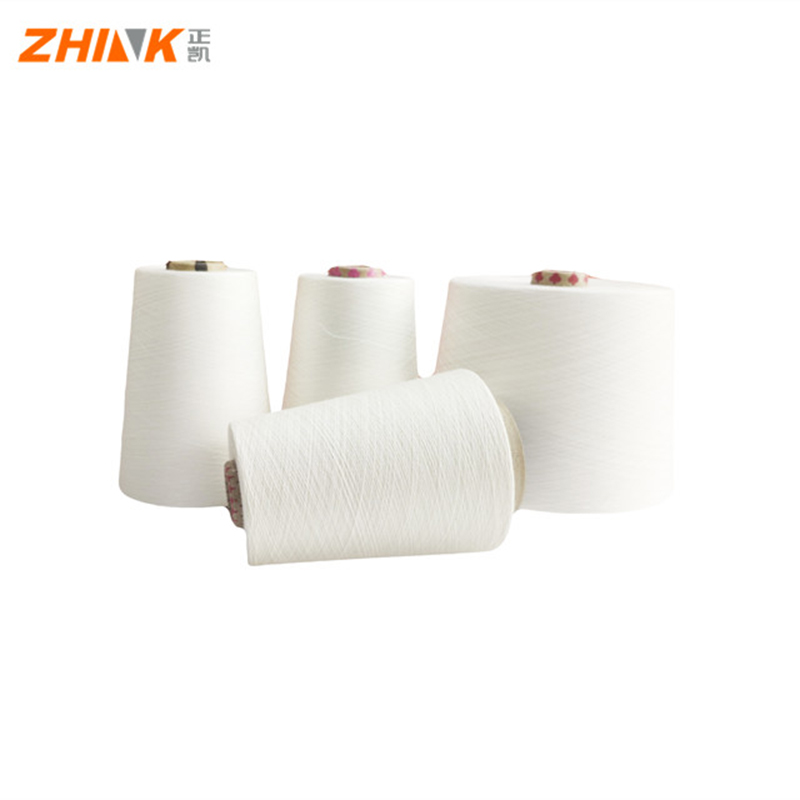
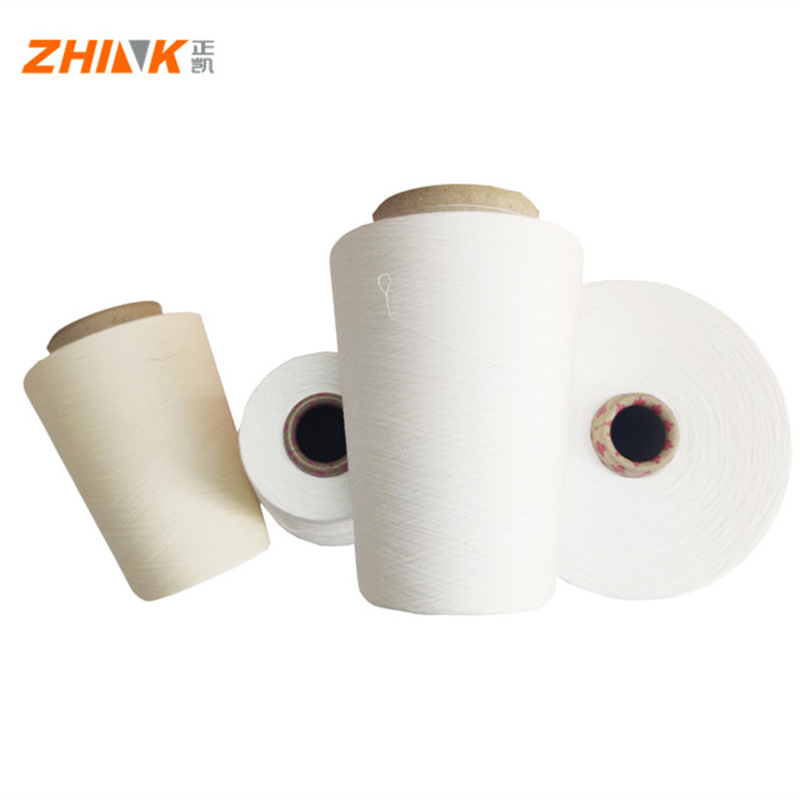
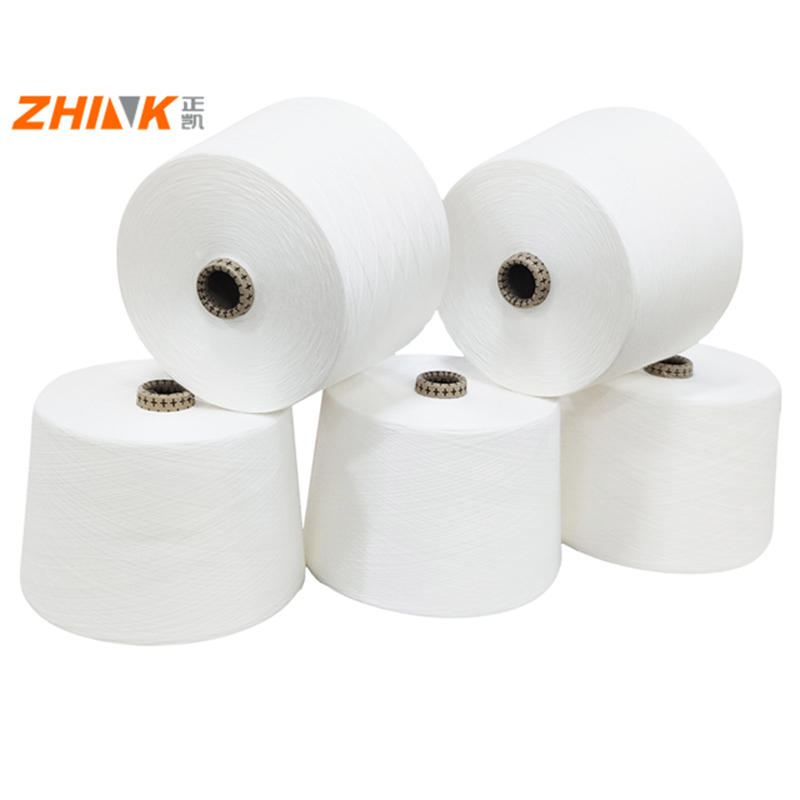
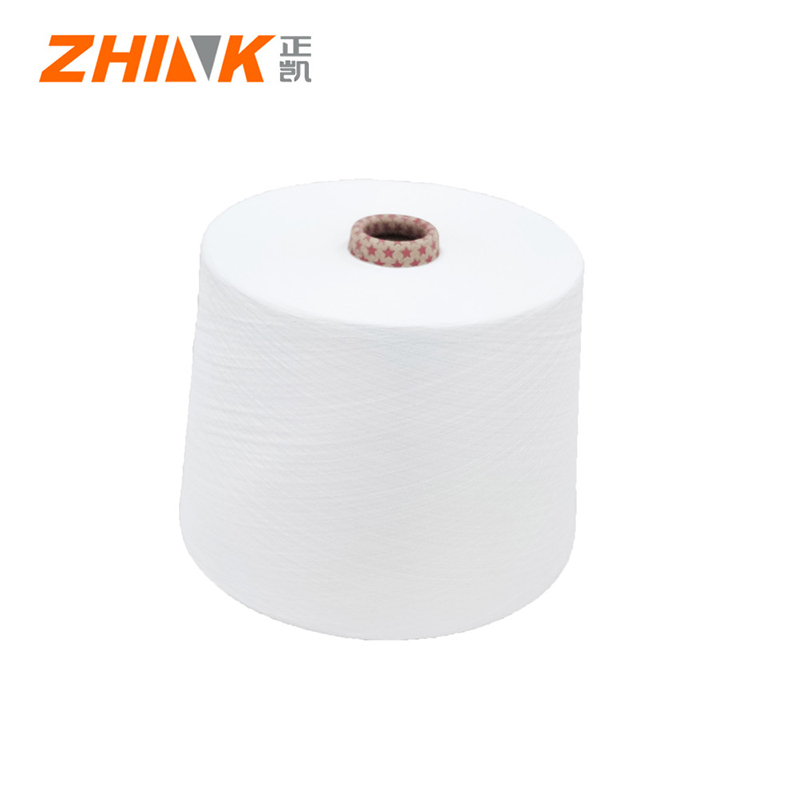
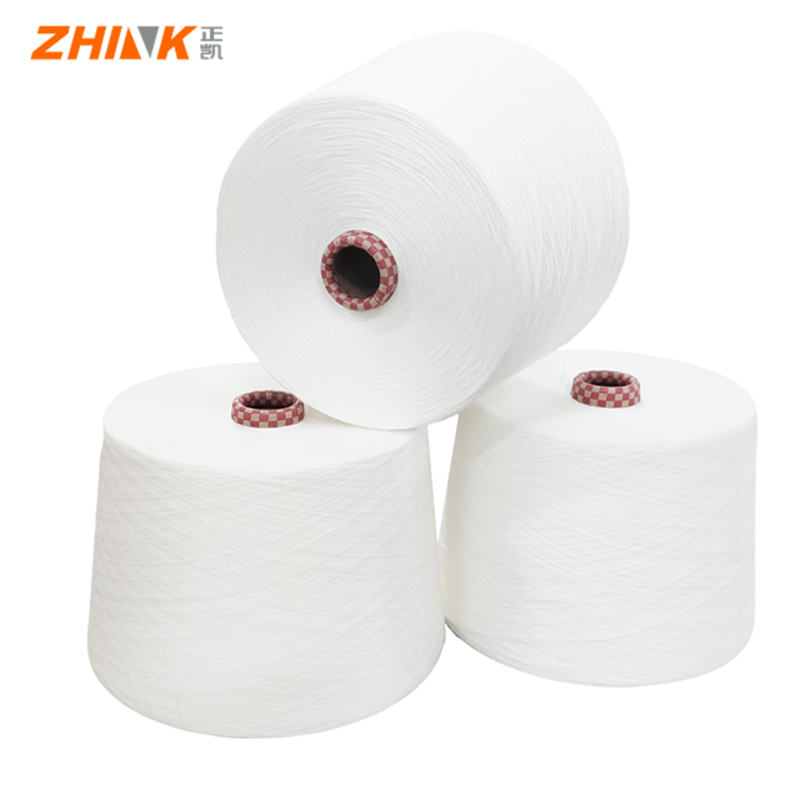
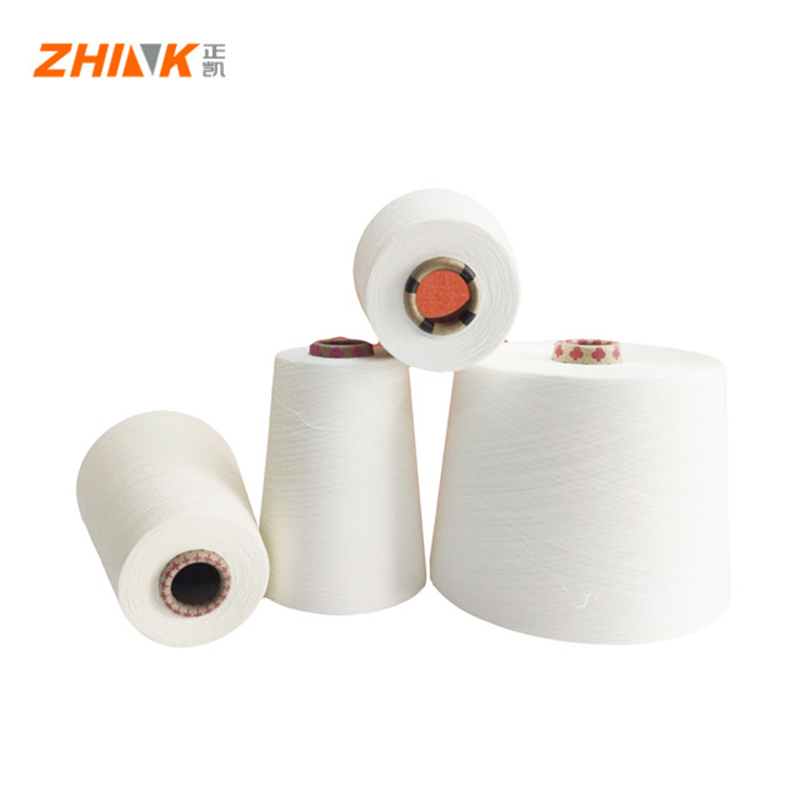
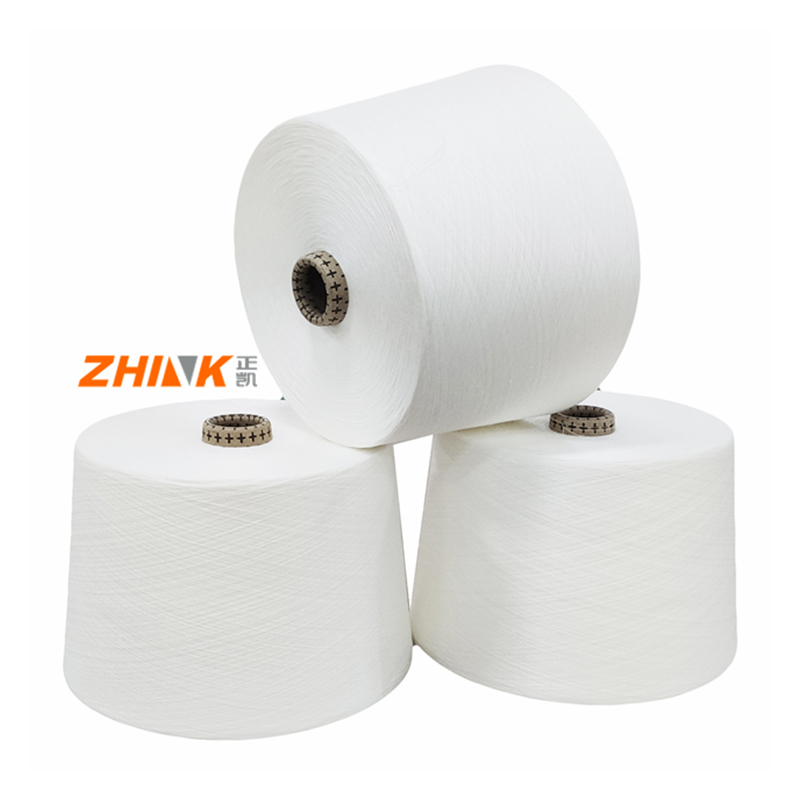
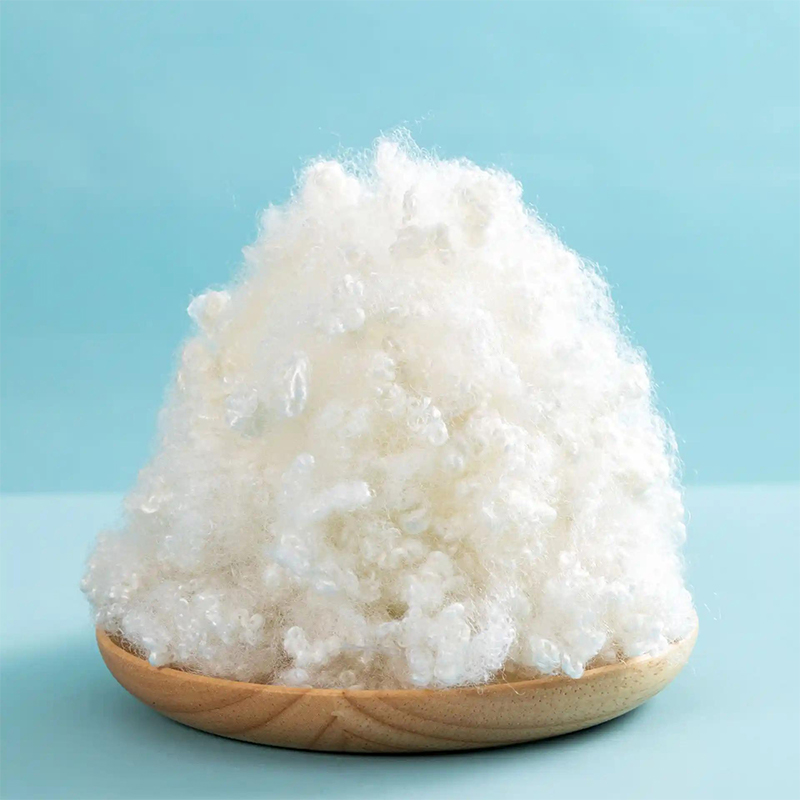
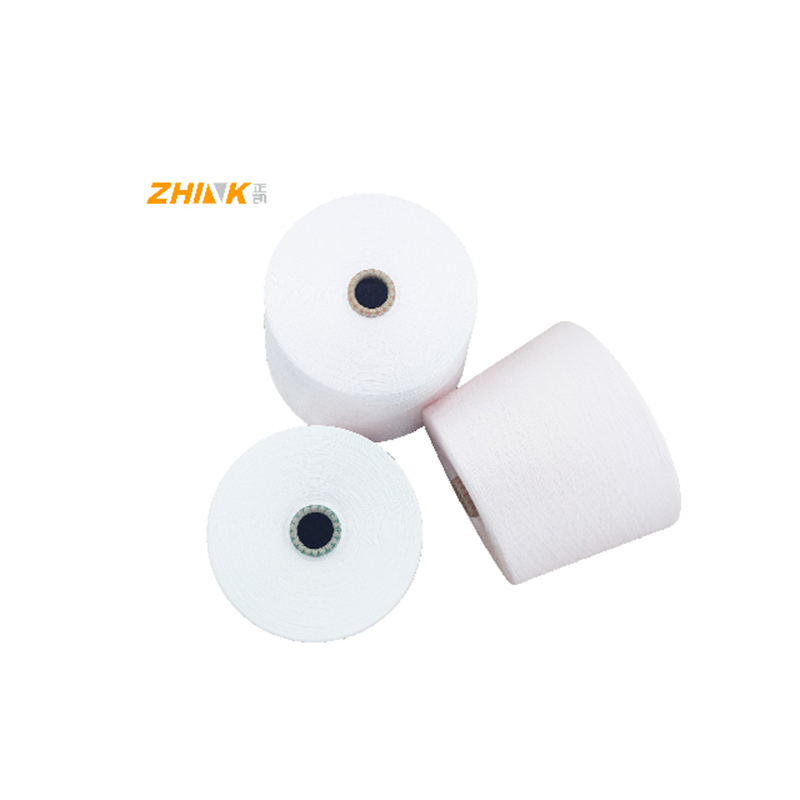
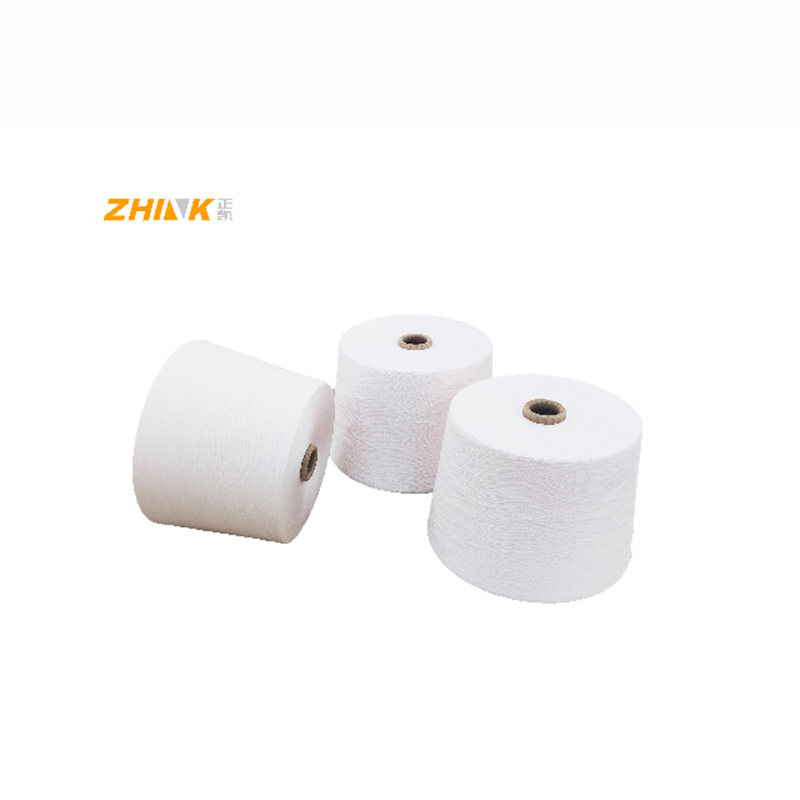
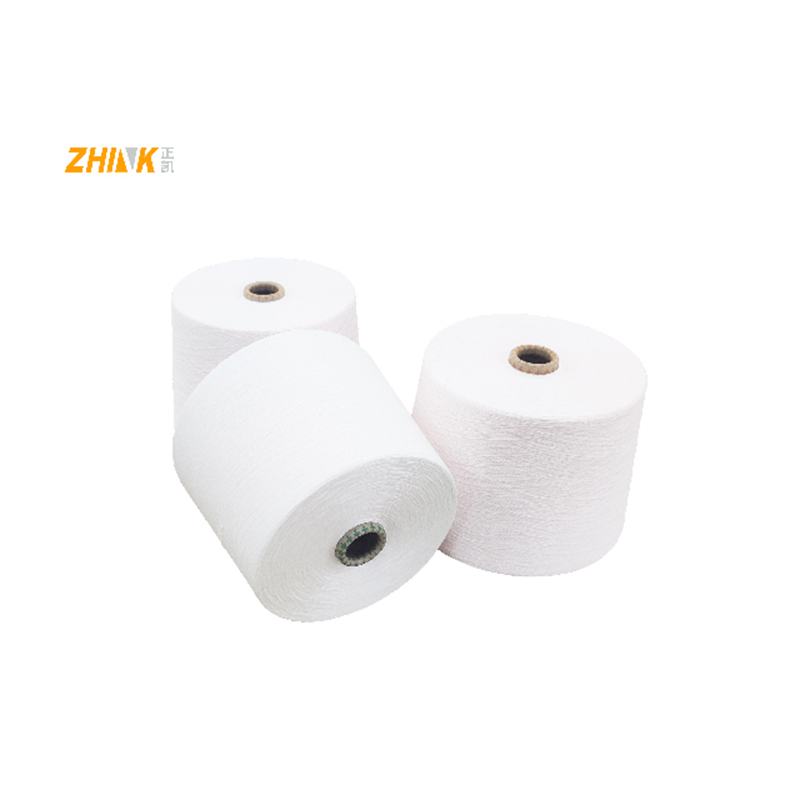
polyester fiber yarn
Understanding Polyester Fiber Yarn: Practical Insights
Polyester fiber yarns are everywhere, but not everyone truly understands their nuances. As someone who has spent years handling polyester fiber yarn, I'd like to provide insight into its practical applications and challenges. This material, known for its versatility and durability, is a staple in both fashion and industrial textiles. However, misconceptions abound. Many believe it's just a cheap alternative to natural fibers, but there's more beneath the surface.
The Versatility of Polyester Fiber Yarn
When working with polyester fiber yarn, one of the first things you notice is its adaptability. It's not just used for clothing; it's a go-to for industrial applications due to its strength and resistance to environmental conditions. At SHANDONG ZHINK NEW MATERIAL CO., LTD, where I often collaborate on projects, we've seen clients from various sectors, each with specific requirements.
Consider its use in outdoor gear, for instance. Thanks to its resistance to UV rays and moisture, polyester is the fabric of choice for tents and camping gear. However, achieving the perfect balance between weight and durability requires expertise and experimentation with yarn compositions, something our team at Zhink New Material excels in.
There’s also substantial demand from the automotive sector. The upholstery in vehicles often utilizes polyester yarn due to its wear resistance. Our team frequently collaborates with auto manufacturers on developing new blends that meet stringent safety and aesthetic standards.
Challenges and Solutions in Polyester Yarn Production
Despite its benefits, producing polyester fiber yarn isn’t without challenges. A common issue involves maintaining consistent quality across batches. At Zhink New Material, we’ve implemented rigorous quality control procedures to address this, ensuring that every yarn spool meets our clients' specifications.
Another challenge is the environmental impact of polyester. Being a synthetic fiber, it's derived from petrochemicals, which raises concerns. Our R&D department is actively exploring sustainable practices, such as recycling post-consumer polyester, which is an area where we're seeing significant possibilities for innovation.
Furthermore, dyeing polyester presents its own set of challenges due to the material’s molecular structure. We’ve invested in advanced dyeing technologies to ensure vibrant, long-lasting colors that are eco-friendly, responding to the increasing demand for sustainable textile solutions.
Real-World Applications and Cases
Recently, a project involved developing polyester fiber yarn for a high-performance sportswear line. The client wanted something breathable yet durable. Through a series of trials, including weaving patterns and yarn thickness adjustments, we achieved the desired outcome. This required not just technical know-how but also a deep understanding of the client’s brand and customer expectations.
Another interesting case was with a naval supplier requiring fabric for life vests. Here, strength and buoyancy were key. By customizing yarn blends and incorporating innovative manufacturing techniques, we produced a yarn that exceeded safety standards, demonstrating the importance of tailored solutions.
These experiences emphasize the importance of flexibility and creativity in the textile industry. At Zhink New Material, it’s not just about producing yarn; it’s about crafting solutions that meet specific needs and pushing the boundaries of what polyester can achieve.
Future Trends and Innovations
The future of polyester fiber yarn is promising, with emerging technologies like smart textiles on the horizon. These offer functionalities such as temperature regulation or electronic integration, posing new challenges and opportunities for yarn producers.
At SHANDONG ZHINK NEW MATERIAL CO., LTD, we’re actively researching these areas. Our team is excited about integrating conductive polymers with polyester fibers, potentially opening doors to garments that can charge electronic devices or monitor health metrics.
Ultimately, the key to staying ahead in the industry is innovation and responsiveness to market demands. As we continue developing new capabilities at our research facility, the focus remains on creating yarns that are not only functional but also sustainable and aligned with global textile trends.
Conclusion: The Ongoing Journey
Working with polyester fiber yarn offers constant learning and adaptation. Whether it's meeting industry demands or navigating production challenges, the journey is dynamic. The insights shared here are just a glimpse into the complexities and triumphs involved in this field.
As we move forward, and with companies like Zhink New Material leading the charge, it's clear that the future of polyester fiber yarn holds exciting possibilities. Our commitment is to continue exploring these avenues, ensuring not just the utility but also the sustainability of our products.
For more information about our ongoing projects and innovations, you can visit our website at https://www.zhinkyarn.com. We welcome collaboration and inquiries from those interested in the evolving textile landscape.
Related Products
Related Products