+86-632-3621866
- Chinese
- French
- German
- Portuguese
- Spanish
- Russian
- Japanese
- Korean
- Arabic
- Irish
- Greek
- Turkish
- Italian
- Danish
- Romanian
- Indonesian
- Czech
- Afrikaans
- Swedish
- Polish
- Basque
- Catalan
- Esperanto
- Hindi
- Lao
- Albanian
- Amharic
- Armenian
- Azerbaijani
- Belarusian
- Bengali
- Bosnian
- Bulgarian
- Cebuano
- Chichewa
- Corsican
- Croatian
- Dutch
- Estonian
- Filipino
- Finnish
- Frisian
- Galician
- Georgian
- Gujarati
- Haitian
- Hausa
- Hawaiian
- Hebrew
- Hmong
- Hungarian
- Icelandic
- Igbo
- Javanese
- Kannada
- Kazakh
- Khmer
- Kurdish
- Kyrgyz
- Latin
- Latvian
- Lithuanian
- Luxembou..
- Macedonian
- Malagasy
- Malay
- Malayalam
- Maltese
- Maori
- Marathi
- Mongolian
- Burmese
- Nepali
- Norwegian
- Pashto
- Persian
- Punjabi
- Serbian
- Sesotho
- Sinhala
- Slovak
- Slovenian
- Somali
- Samoan
- Scots Gaelic
- Shona
- Sindhi
- Sundanese
- Swahili
- Tajik
- Tamil
- Telugu
- Thai
- Ukrainian
- Urdu
- Uzbek
- Vietnamese
- Welsh
- Xhosa
- Yiddish
- Yoruba
- Zulu
- Kinyarwanda
- Tatar
- Oriya
- Turkmen
- Uyghur


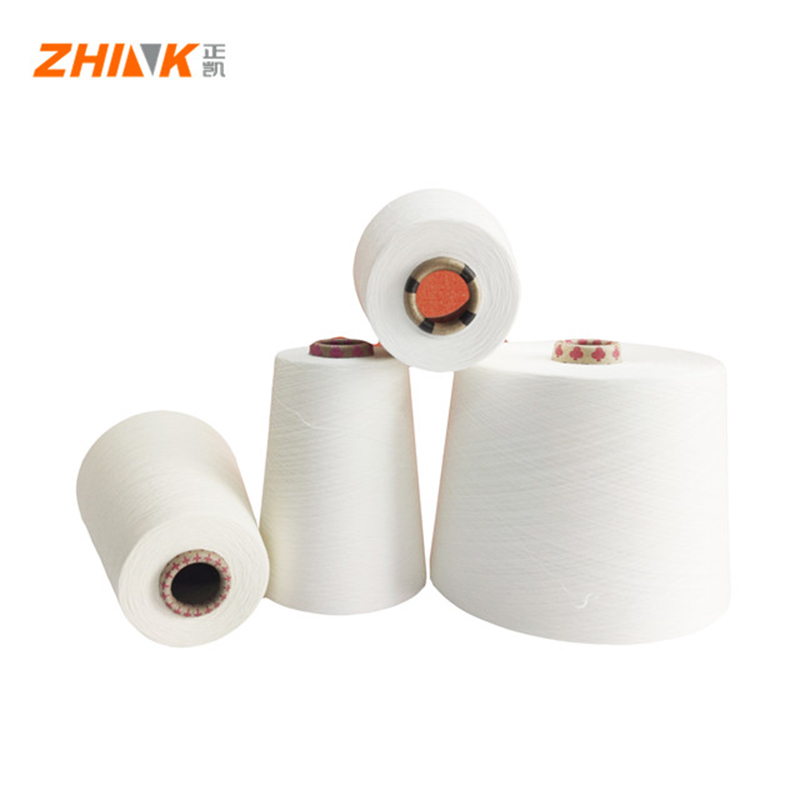
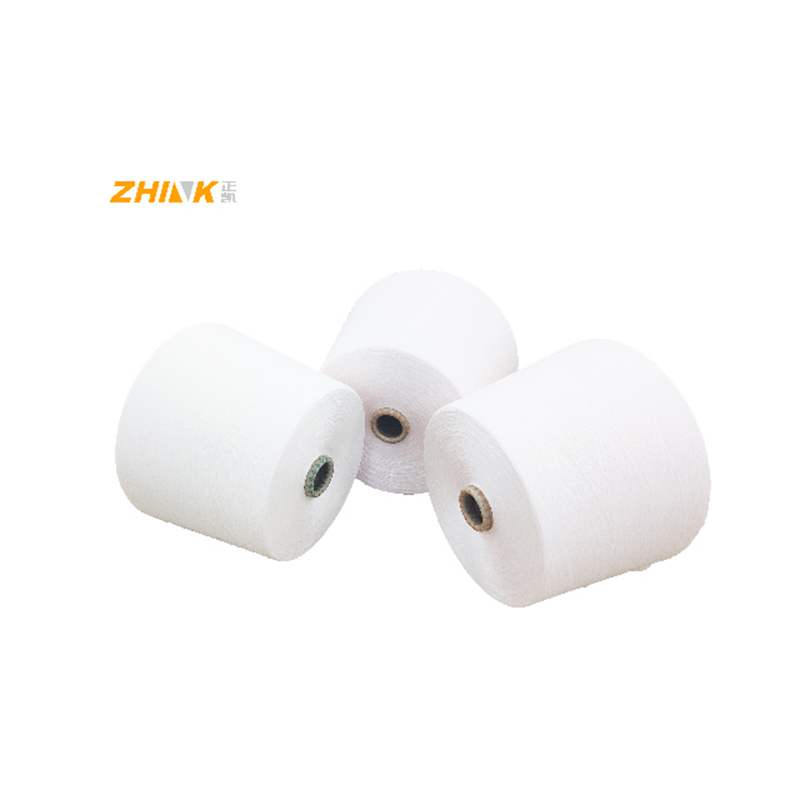
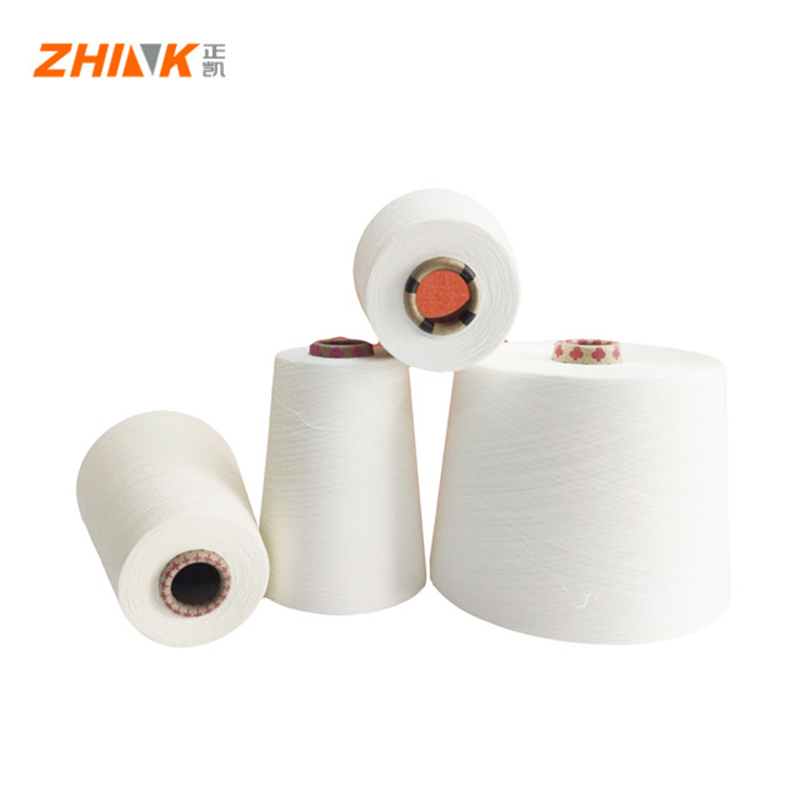
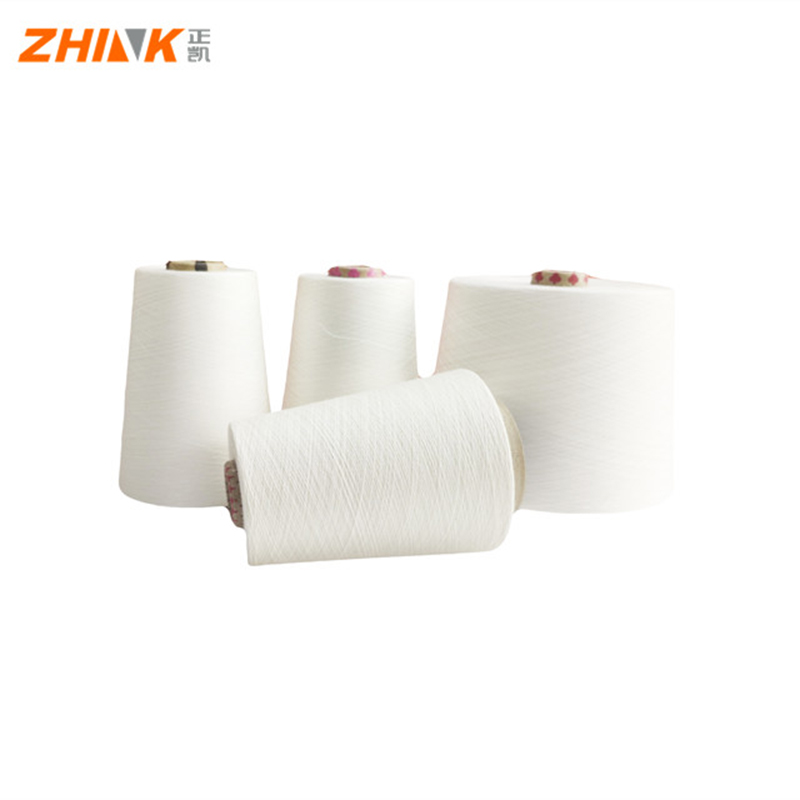
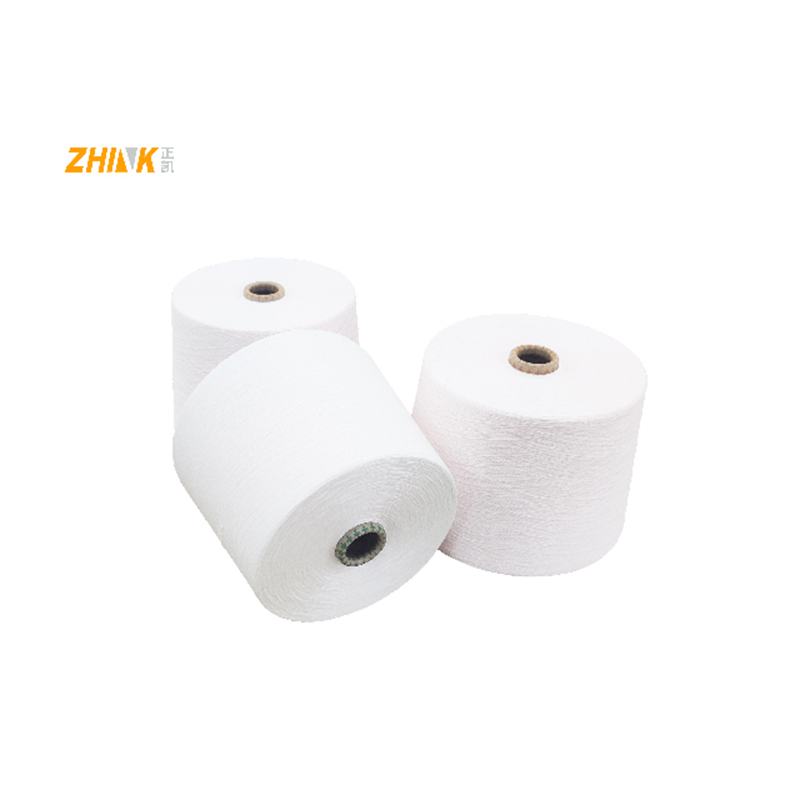
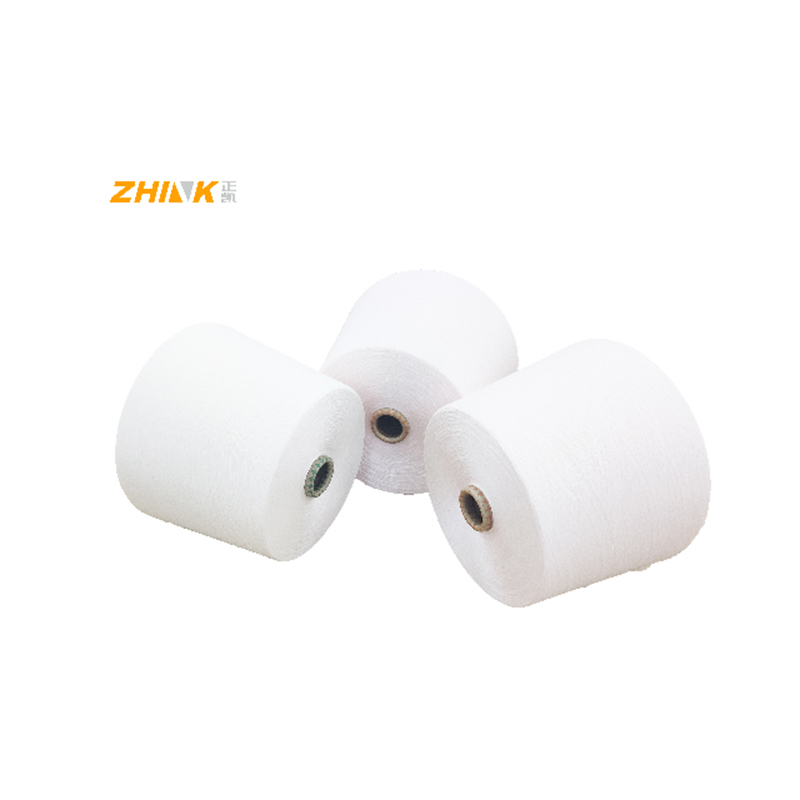
polyester/Lyocell 50/50 yarn
The Intricacies of Polyester/Lyocell 50/50 Yarn
Balancing performance and sustainability is no small feat in the textile industry. The Polyester/Lyocell 50/50 yarn blend attempts to achieve just that, but what does it really offer? Let’s unravel the nuances and benefits of this hybrid yarn from a practitioner’s perspective.
Understanding the Blend
Combining polyester and lyocell fibers can seem straightforward, but when you're in the workshop dealing with actual fibers, the 50/50 blend unveils its complexities. Polyester offers durability, while lyocell, particularly known for its eco-friendliness derived from wood pulp, brings softness and breathability. It's a blend that aims for the best of both worlds.
In practice, however, achieving the right balance during spinning is critical. Polyester's strength complements lyocell’s comfort, yet mismatches in tension or spinning methods can lead to inconsistencies in the final yarn. It's not uncommon to run a few trial batches to get everything right—not just in terms of feel but also strength and appearance.
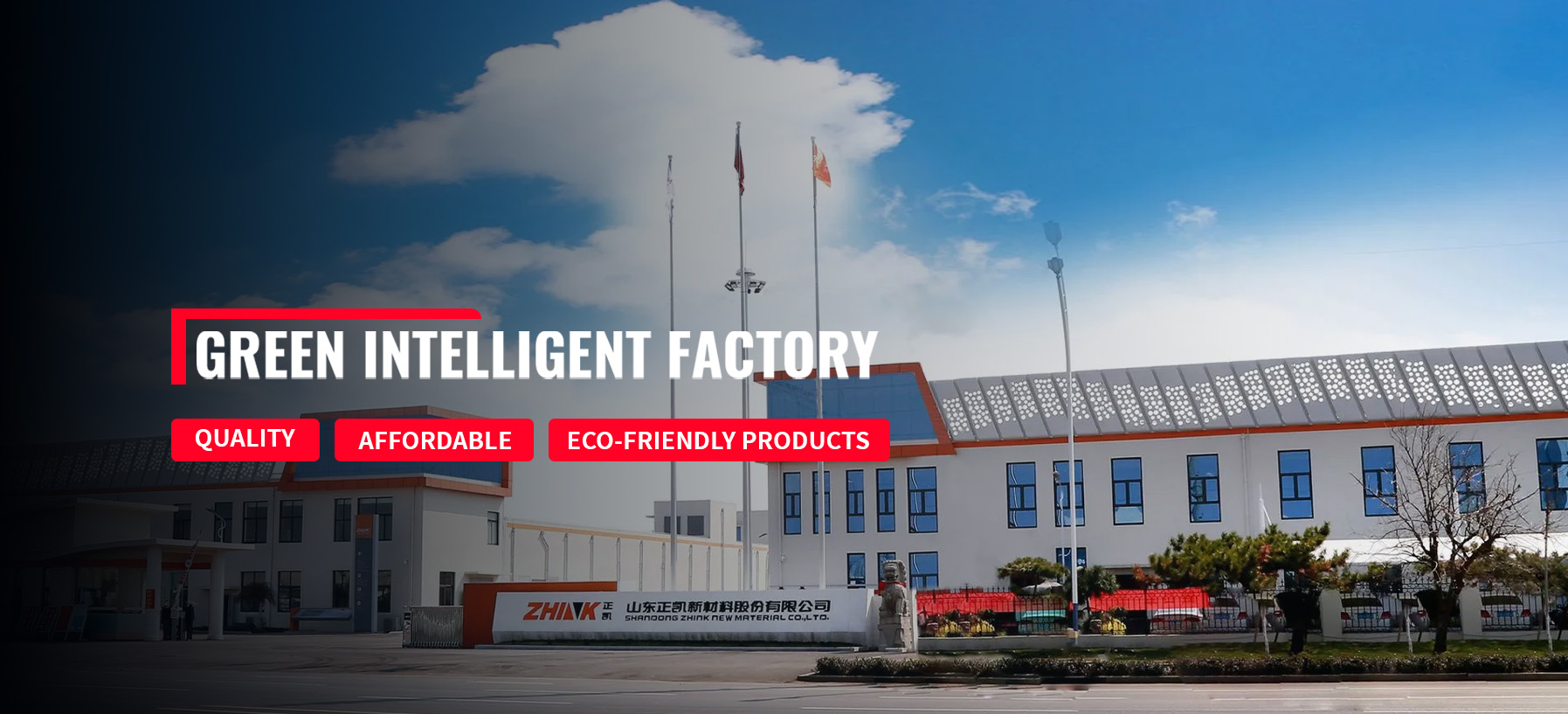
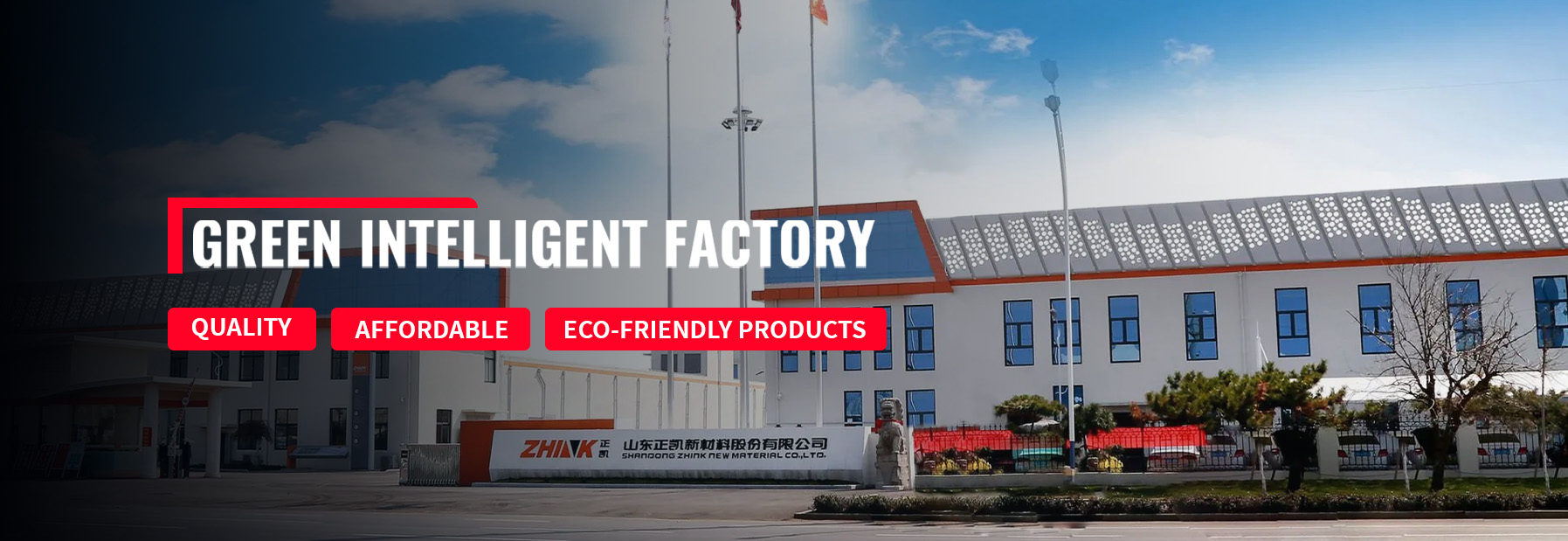
According to my experiences at SHANDONG ZHINK NEW MATERIAL CO., LTD, ongoing innovation can make a significant difference in this yarn's performance. You can learn more about our approach at our website.
The Pros and Cons
When considering a Polyester/Lyocell 50/50 yarn, manufacturers often weigh its pros against cost and production challenges. On the plus side, the material offers excellent moisture management due to lyocell’s properties and polyester's quick-drying capabilities.
However, there are notable downsides. Lyocell fibers can be pricier, which can affect the final product cost. Plus, there's the dyeing process to consider. Polyester and lyocell absorb dyes differently, requiring meticulous attention during the dyeing stage to ensure even color distribution.
This balance can be quite challenging but also rewarding in terms of innovation. It calls for a fusion of cutting-edge techniques and traditional craftsmanship—something we at SHANDONG ZHINK embrace rigorously.
Applications in the Real World
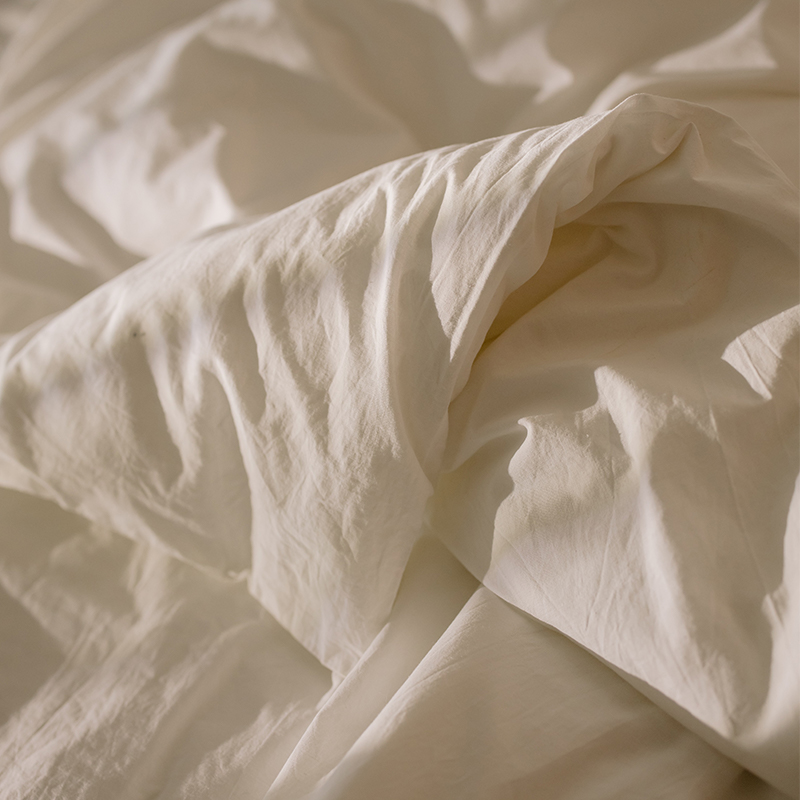
This yarn is often favored in industries where comfort and durability are essential, like activewear and bedding. The athletic industry, for one, values the mix of robustness and moisture wicking, while bedding manufacturers appreciate its softness and hypoallergenic features.
In my tenure working with textile developers, I've observed how well this blend adapts to high-performance settings, though always with adaptation and testing. Indoor wear and outdoor apparel have benefited tremendously from these combined attributes, offering less pilling and greater longevity.
It's also noteworthy that, despite the potential cost upsurge, consumers tend to favor materials that feel better and last longer, which is how the Polyester/Lyocell 50/50 yarn really excels in the marketplace.
Production Challenges
Spinning this yarn is no smooth sail. Each time you introduce a new batch of lyocell or polyester, small variances in fiber behavior can lead to significant differences in the final product. This inconsistency can be a hurdle, often requiring hands-on adjustments to maintain desired quality.
Dye consistency is another hurdle. Given lyocell’s affinity for specific dyes, maintaining color uniformity can be a time-consuming, iterative process. Long story short, it’s not always a plug-and-play situation. Professionals in the field must be willing to experiment and tweak the parameters practically with every run.
These are real-world complexities that demand both experience and innovation. But if managed well, as emphasized in our trials at Zhink New Material, they open doors to producing yarn that truly stands out.
A Peek into the Future
As sustainability remains at the forefront of consumer demands, materials like Polyester/Lyocell 50/50 yarn are poised for significant growth. The future lies in leveraging both fibers’ strengths while mitigating their individual limitations. Incremental advances in biotechnology might soon enable easier blending processes, reducing production costs and enhancing fiber properties.
While we wait for these advancements, maintaining a collaborative approach remains essential. At SHANDONG ZHINK, our focus remains on R&D to push these limits, ensuring our yarns meet ever-evolving industry demands.
Ultimately, it’s a never-ending journey of refinement and exploration—a journey worth undertaking for those truly committed to textile innovation. Visit our site to stay updated on our latest developments.
Related Products
Related Products