+86-632-3621866
- Chinese
- French
- German
- Portuguese
- Spanish
- Russian
- Japanese
- Korean
- Arabic
- Irish
- Greek
- Turkish
- Italian
- Danish
- Romanian
- Indonesian
- Czech
- Afrikaans
- Swedish
- Polish
- Basque
- Catalan
- Esperanto
- Hindi
- Lao
- Albanian
- Amharic
- Armenian
- Azerbaijani
- Belarusian
- Bengali
- Bosnian
- Bulgarian
- Cebuano
- Chichewa
- Corsican
- Croatian
- Dutch
- Estonian
- Filipino
- Finnish
- Frisian
- Galician
- Georgian
- Gujarati
- Haitian
- Hausa
- Hawaiian
- Hebrew
- Hmong
- Hungarian
- Icelandic
- Igbo
- Javanese
- Kannada
- Kazakh
- Khmer
- Kurdish
- Kyrgyz
- Latin
- Latvian
- Lithuanian
- Luxembou..
- Macedonian
- Malagasy
- Malay
- Malayalam
- Maltese
- Maori
- Marathi
- Mongolian
- Burmese
- Nepali
- Norwegian
- Pashto
- Persian
- Punjabi
- Serbian
- Sesotho
- Sinhala
- Slovak
- Slovenian
- Somali
- Samoan
- Scots Gaelic
- Shona
- Sindhi
- Sundanese
- Swahili
- Tajik
- Tamil
- Telugu
- Thai
- Ukrainian
- Urdu
- Uzbek
- Vietnamese
- Welsh
- Xhosa
- Yiddish
- Yoruba
- Zulu
- Kinyarwanda
- Tatar
- Oriya
- Turkmen
- Uyghur



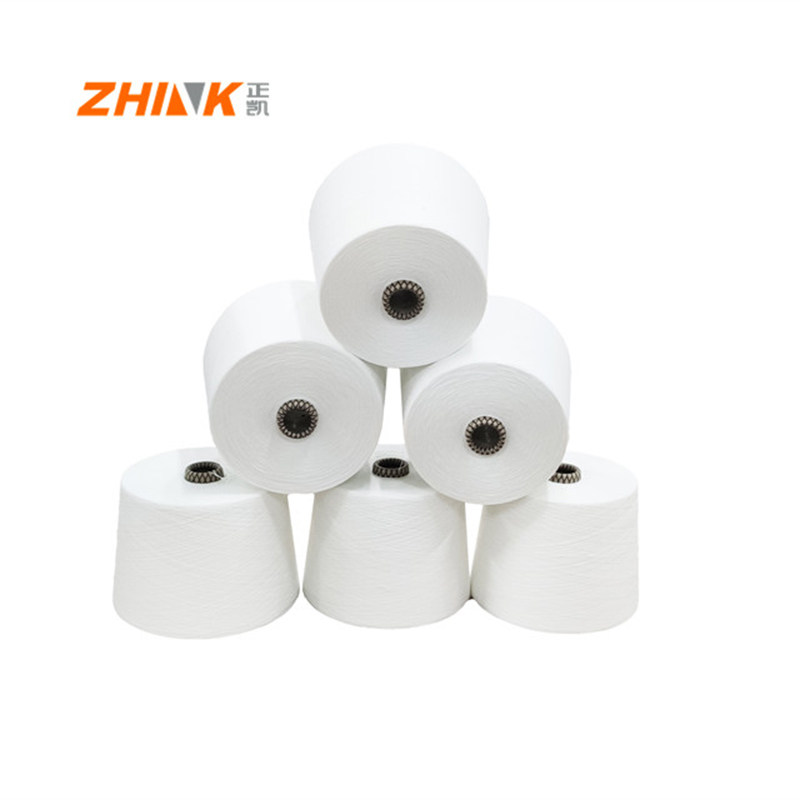
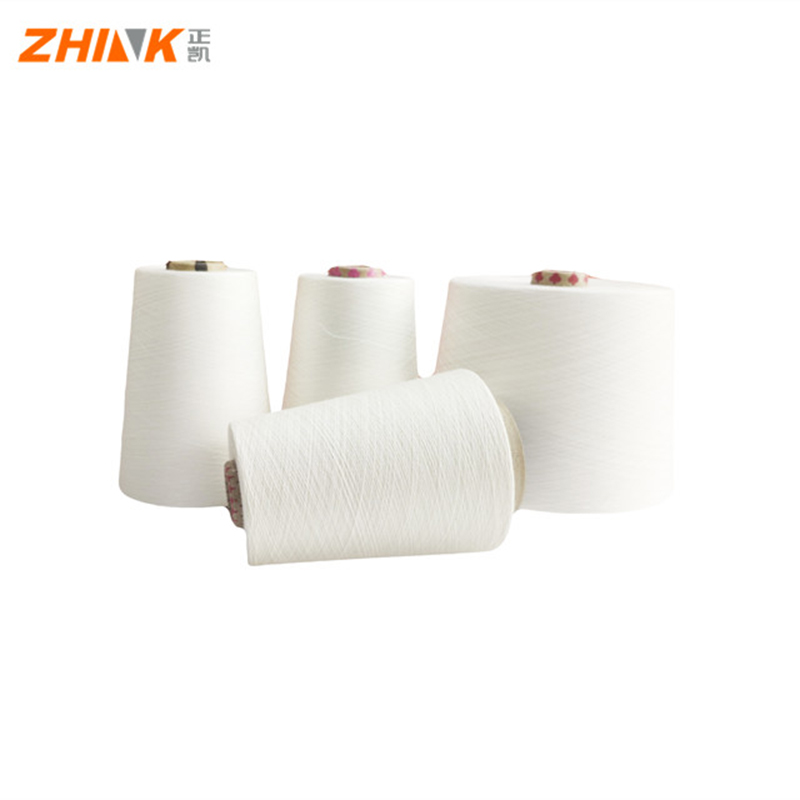
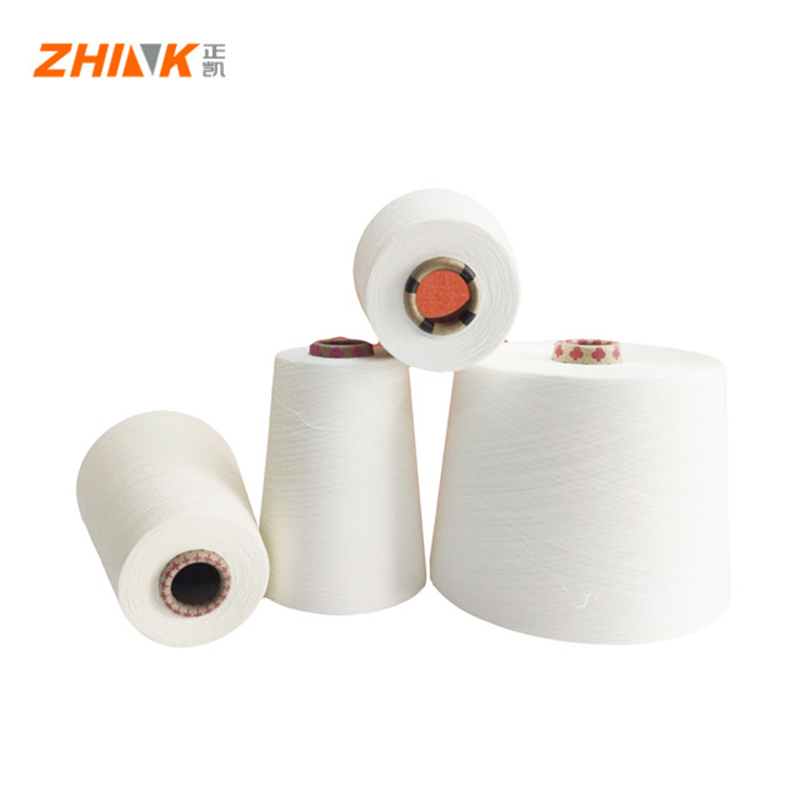
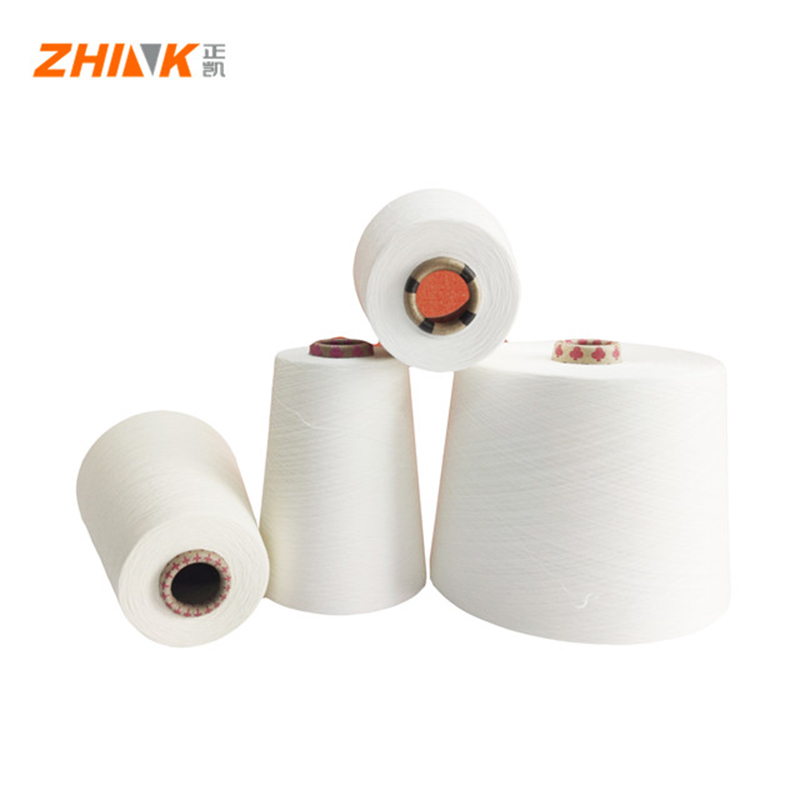
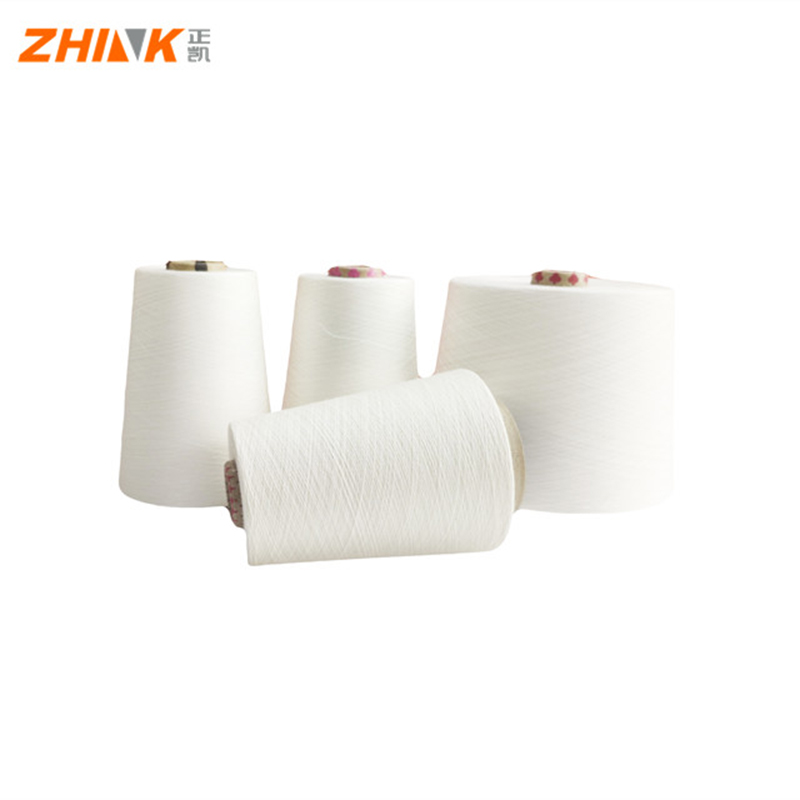
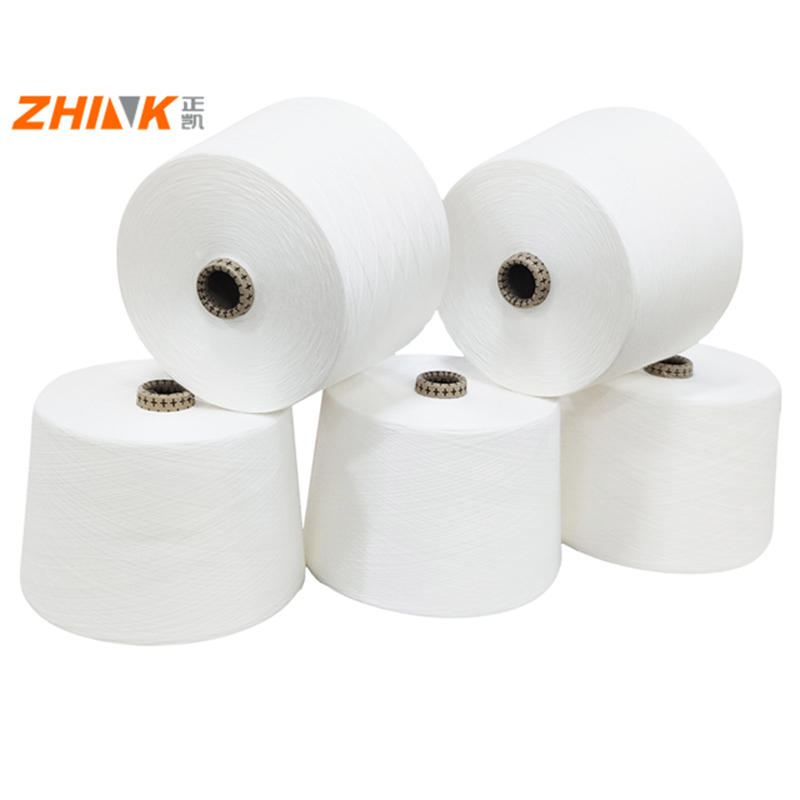
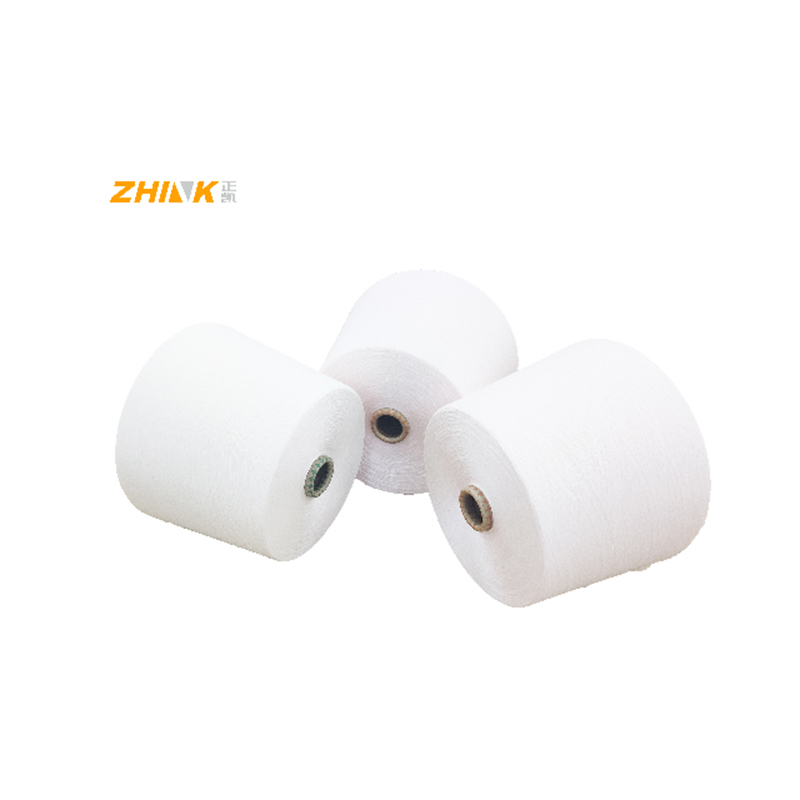
polyester/Lyocell 70/30 yarn
Exploring Polyester/Lyocell 70/30 Yarn: Insights and Experiences
Polyester/Lyocell 70/30 yarn is a blend that's increasingly popular, but many still misunderstand its properties. It's known for combining the durability of polyester with the softness and breathability of Lyocell. However, like any material, there are intricacies and real-world insights that set apart theoretical understanding from practical application.
Understanding the Blend: Polyester and Lyocell
The Polyester/Lyocell 70/30 yarn blend is a fascinating intersection of synthetic and semi-synthetic fibers. On paper, polyester offers strength and wrinkle resistance, while Lyocell provides softness and moisture-wicking. The 70/30 ratio aims to maximize these benefits, but it's not just about mixing raw materials; it's about achieving the optimal balance.
In practice, the manufacturing process is crucial. Factors like temperature, spinning speed, and environmental controls can significantly impact the final product. When experimenting with new blends at SHANDONG ZHINK NEW MATERIAL CO., LTD, available at our website, we've seen variations in texture and performance based on these parameters.
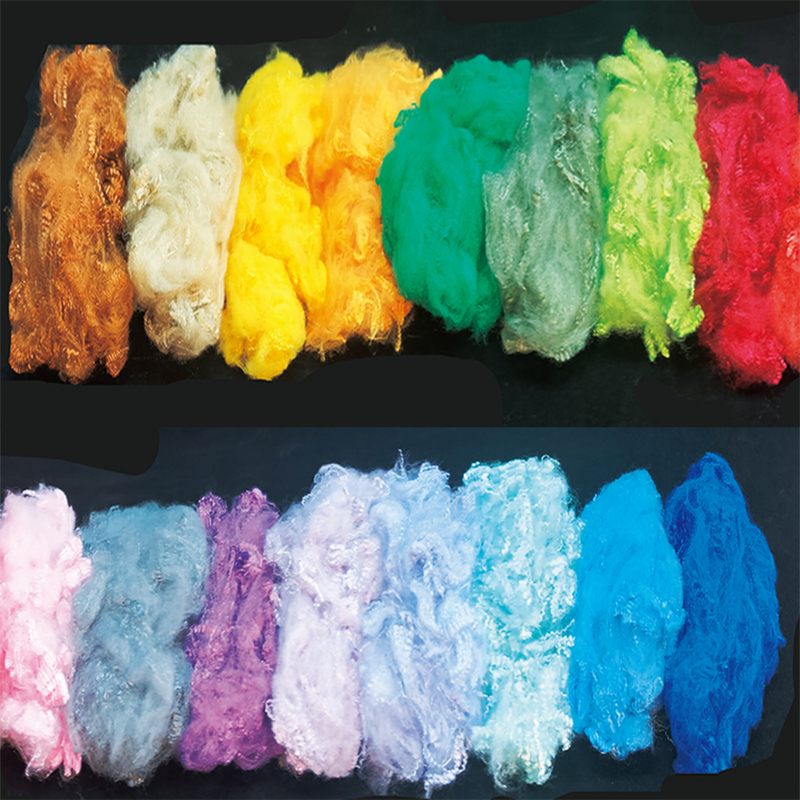
One underrated aspect is the dyeing process. Polyester and Lyocell absorb dyes differently, and controlling this is essential to ensure uniform appearance, which can be tricky. We've encountered issues where slight imbalances led to inconsistent colorings, a lesson learned through hands-on trials.
The Role of Polyester
Polyester contributes strength and durability, properties highly valued in activewear and industrial applications. However, its downside might be its tendency to retain odors and feel less breathable than natural fibers. Our research at Zhink New Material, for instance, focuses on enhancing breathability through innovations in fiber structure.
When our team noticed feedback about breathability issues, it prompted a deeper dive into modifying polyester's structural details. We found that tweaking the cross-section of the fiber could dramatically change air permeability, an insight that was only possible through continuous testing and customer feedback.
Another aspect often overlooked is sustainability. While polyester is not biodegradable, efforts in recycling and creating eco-friendly production processes are steps we are actively pursuing to offset these environmental concerns.
The Contribution of Lyocell
Lyocell, known for its softness and eco-friendly production, brings a different set of benefits. It's derived from wood pulp and processed with minimal toxic chemicals, making it more environmentally friendly than many synthetics. This aspect resonates well with consumers seeking sustainable textile options.
However, Lyocell isn't without its challenges. During some of our early trials at Zhink New Material, we noted its tendency to sag or lose shape without the structural support of polyester. Balancing these characteristics was a key hurdle in developing a consistent Polyester/Lyocell 70/30 yarn.
Despite these challenges, Lyocell's ability to blend seamlessly with other fibers makes it a versatile choice for innovative fabric solutions. The blend's ability to retain Lyocell's comfort while leveraging polyester's robustness is a testament to its thoughtful engineering.
Real World Applications and Considerations
Discussing this blend without mentioning its applications would be incomplete. In activewear, this 70/30 blend provides the wear-and-tear resistance required, while still offering the wearer comfort and moisture-wicking properties. However, in practice, application-specific tweaks are often necessary.
We found that outdoor gear companies need additional coatings for water resistance, an aspect that is being continuously refined based on field tests and feedback. Understanding these needs allows manufacturers to hone in on target markets effectively.
Thus, the journey from raw material to finished product is filled with iterative insights and adaptations, demonstrating the dynamic nature of textile production, as we embrace at SHANDONG ZHINK NEW MATERIAL CO., LTD.
Future Directions and Innovations
Looking forward, the potential for further innovations with Polyester/Lyocell 70/30 yarn seems promising. As material technology advances, new methods for enhancing fiber characteristics are emerging, such as bio-engineering fibers to further improve their environmental impact.
We are investing in research towards blends with other eco-friendly fibers, seeking the sweet spot that balances performance, sustainability, and affordability. This ongoing pursuit reflects our core values at Zhink New Material.
Ultimately, while the 70/30 yarn blend offers a significant leap in textile capabilities, the real challenge lies in fine-tuning the details and staying ahead of market demands. This field keeps us ever-engaged, constantly tailoring our approaches to meet the evolving landscape.
Related Products
Related Products