+86-632-3621866
- Chinese
- French
- German
- Portuguese
- Spanish
- Russian
- Japanese
- Korean
- Arabic
- Irish
- Greek
- Turkish
- Italian
- Danish
- Romanian
- Indonesian
- Czech
- Afrikaans
- Swedish
- Polish
- Basque
- Catalan
- Esperanto
- Hindi
- Lao
- Albanian
- Amharic
- Armenian
- Azerbaijani
- Belarusian
- Bengali
- Bosnian
- Bulgarian
- Cebuano
- Chichewa
- Corsican
- Croatian
- Dutch
- Estonian
- Filipino
- Finnish
- Frisian
- Galician
- Georgian
- Gujarati
- Haitian
- Hausa
- Hawaiian
- Hebrew
- Hmong
- Hungarian
- Icelandic
- Igbo
- Javanese
- Kannada
- Kazakh
- Khmer
- Kurdish
- Kyrgyz
- Latin
- Latvian
- Lithuanian
- Luxembou..
- Macedonian
- Malagasy
- Malay
- Malayalam
- Maltese
- Maori
- Marathi
- Mongolian
- Burmese
- Nepali
- Norwegian
- Pashto
- Persian
- Punjabi
- Serbian
- Sesotho
- Sinhala
- Slovak
- Slovenian
- Somali
- Samoan
- Scots Gaelic
- Shona
- Sindhi
- Sundanese
- Swahili
- Tajik
- Tamil
- Telugu
- Thai
- Ukrainian
- Urdu
- Uzbek
- Vietnamese
- Welsh
- Xhosa
- Yiddish
- Yoruba
- Zulu
- Kinyarwanda
- Tatar
- Oriya
- Turkmen
- Uyghur


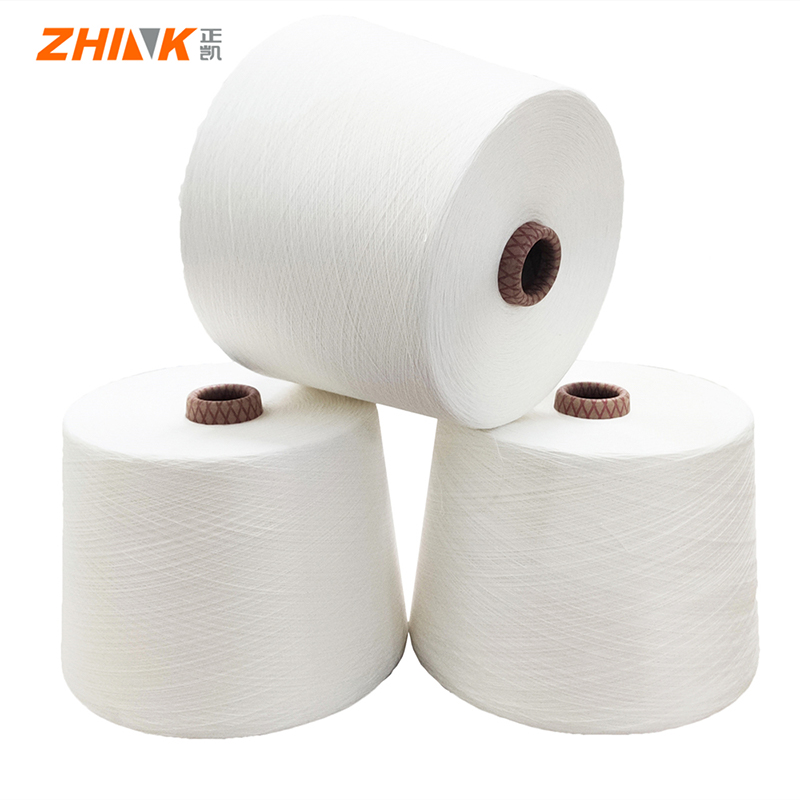
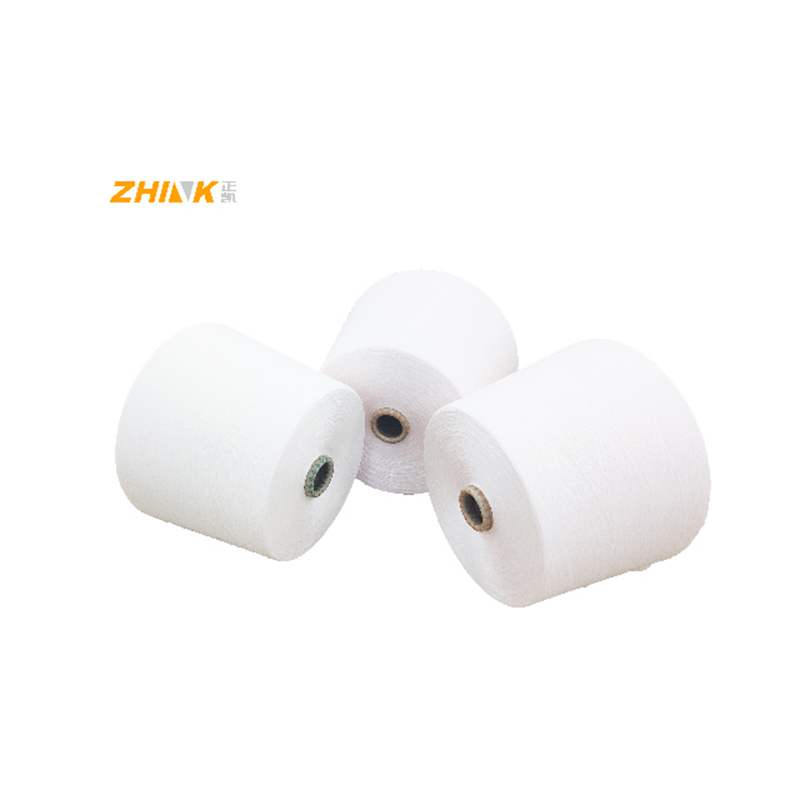
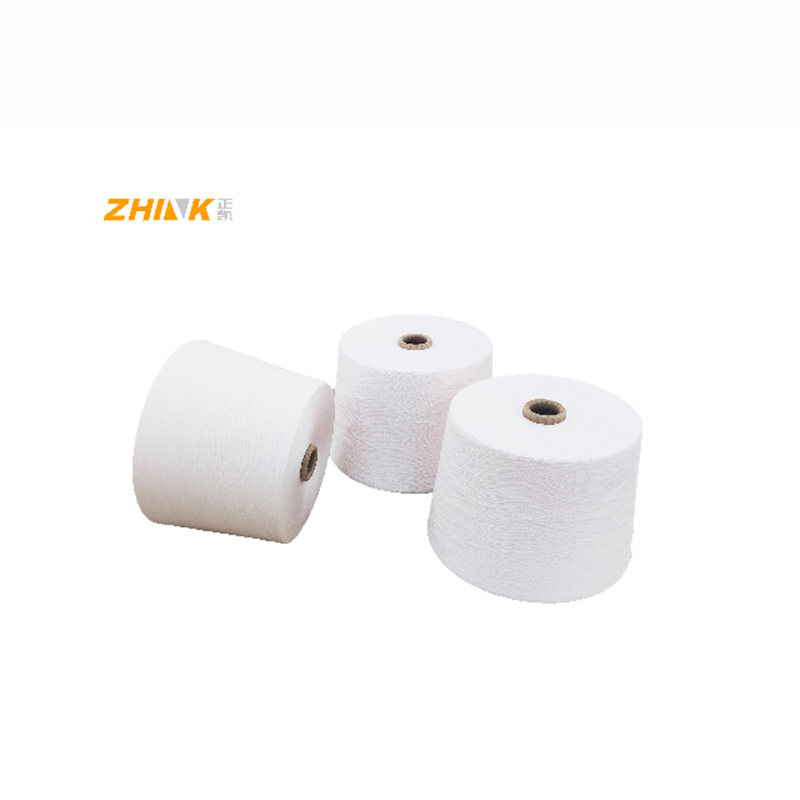
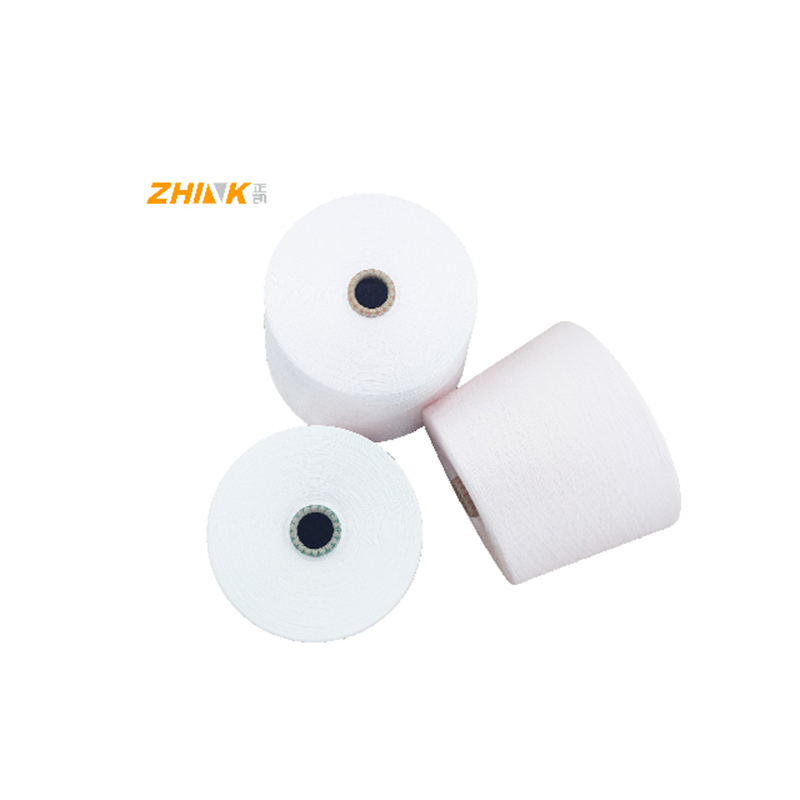
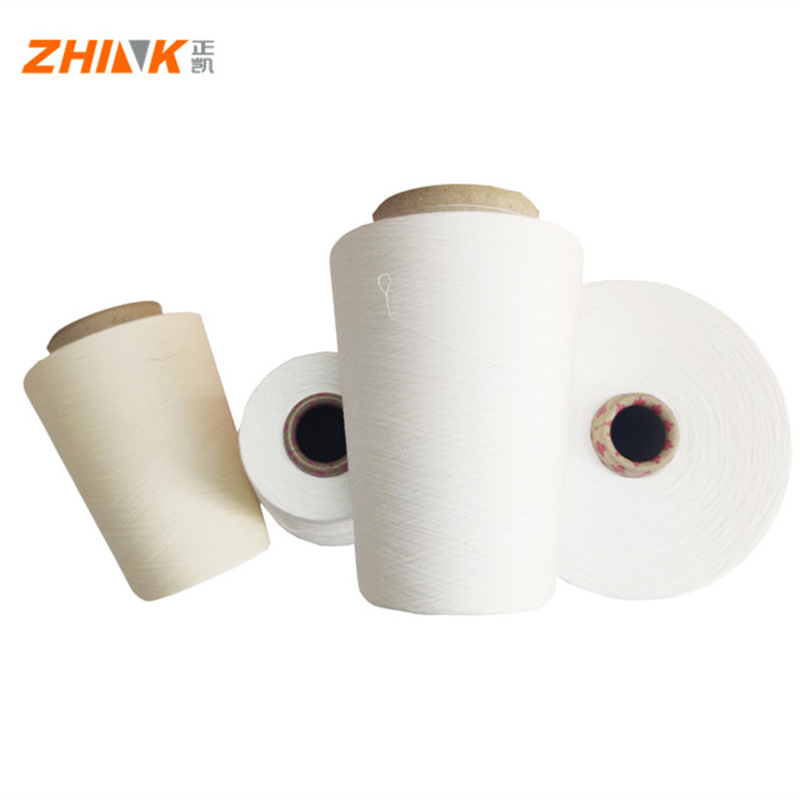
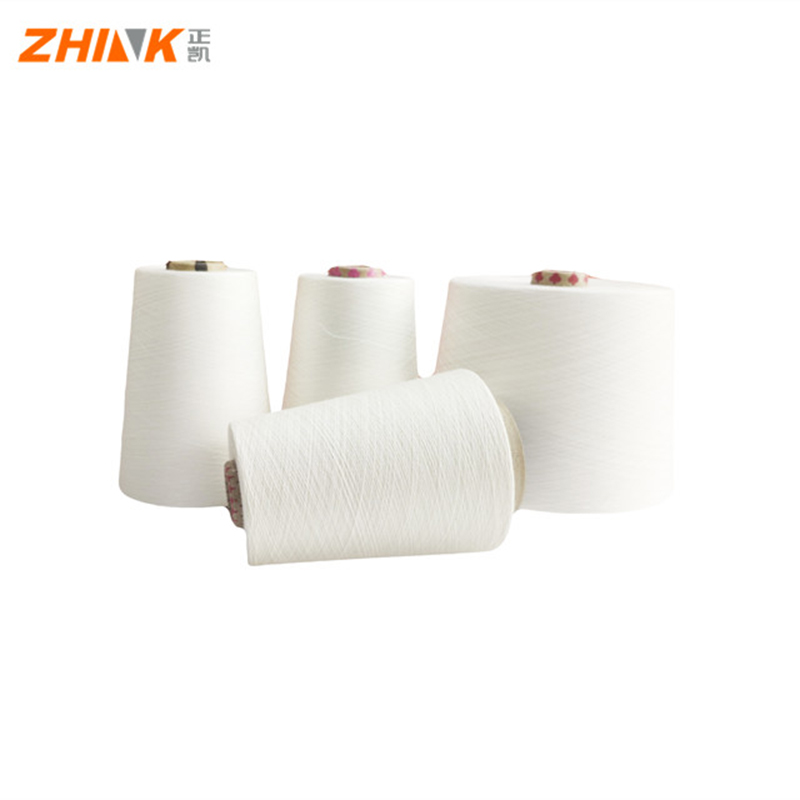
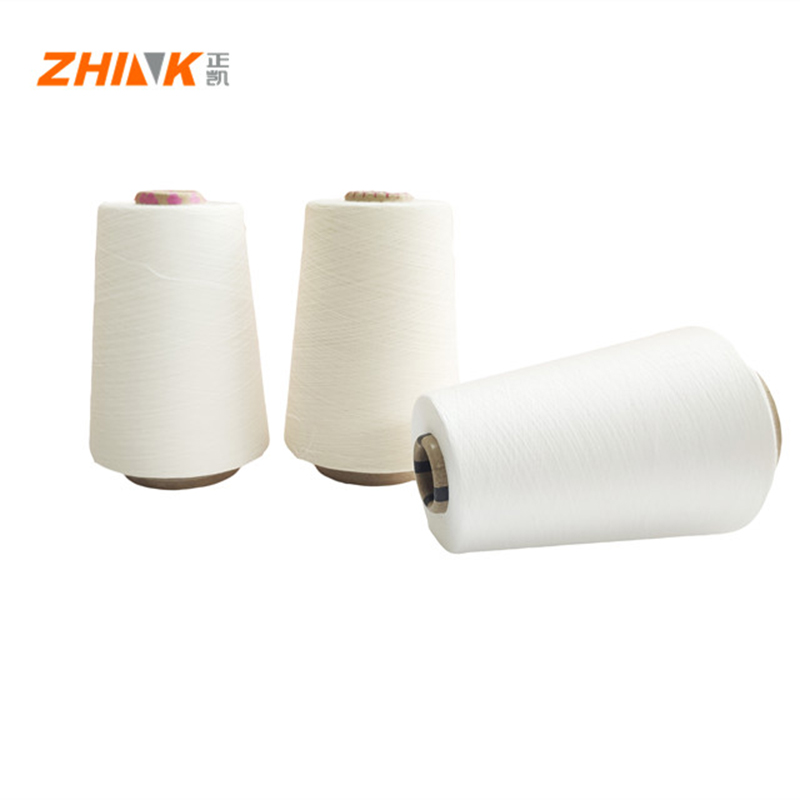
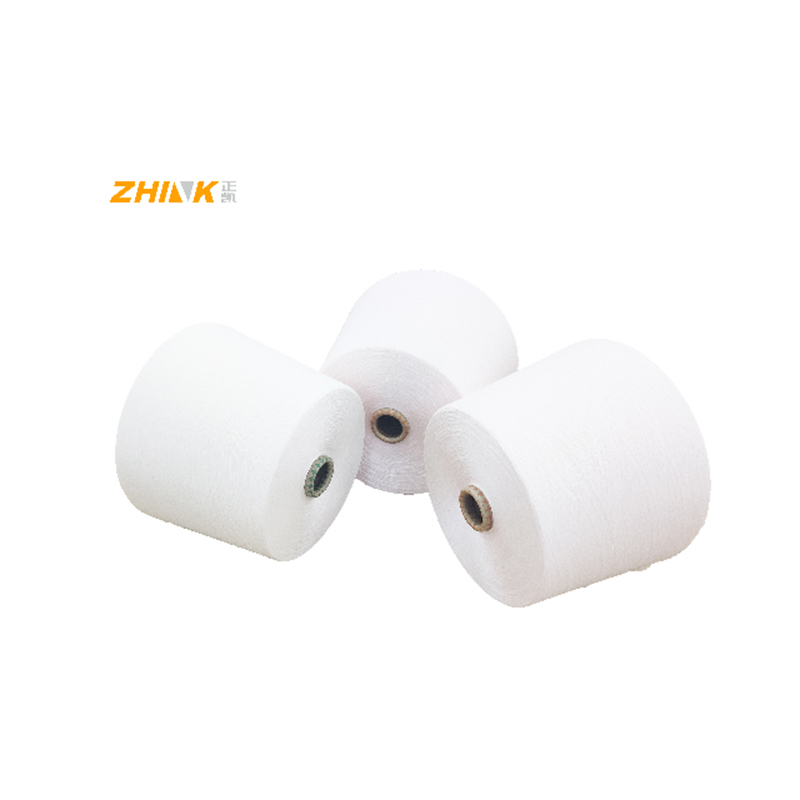
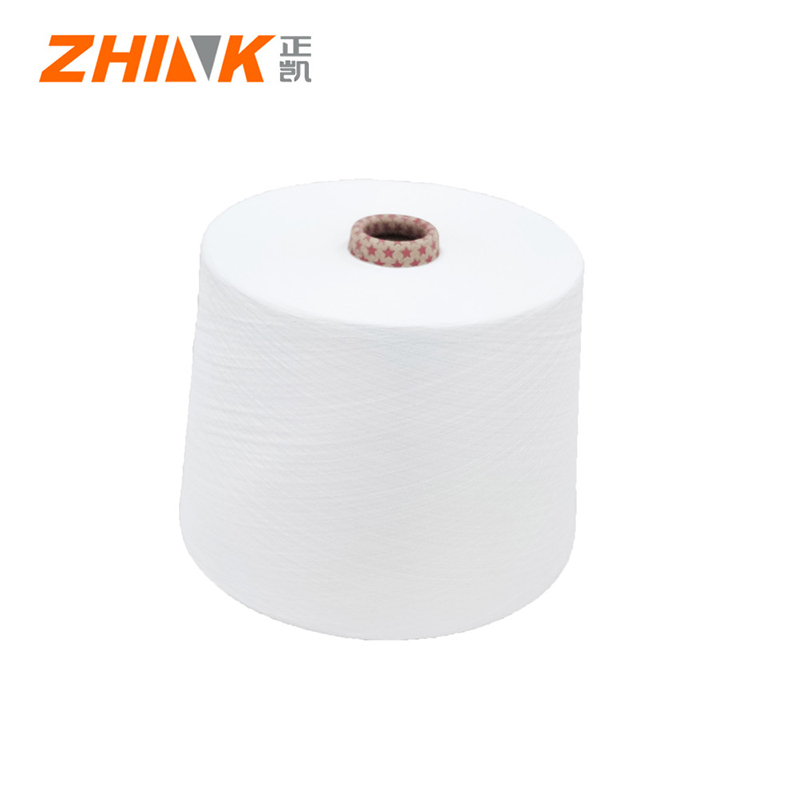
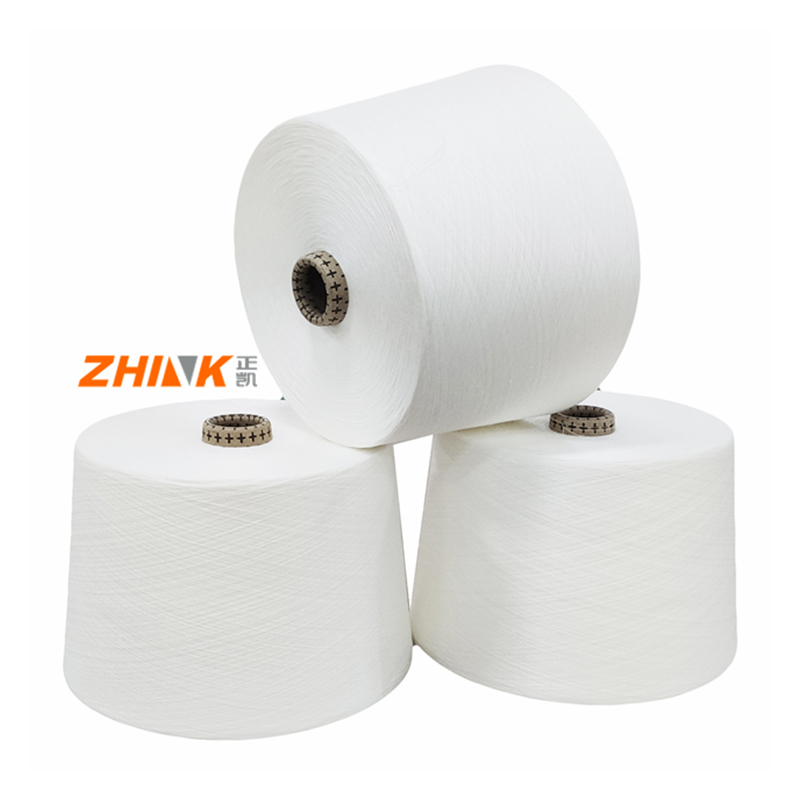
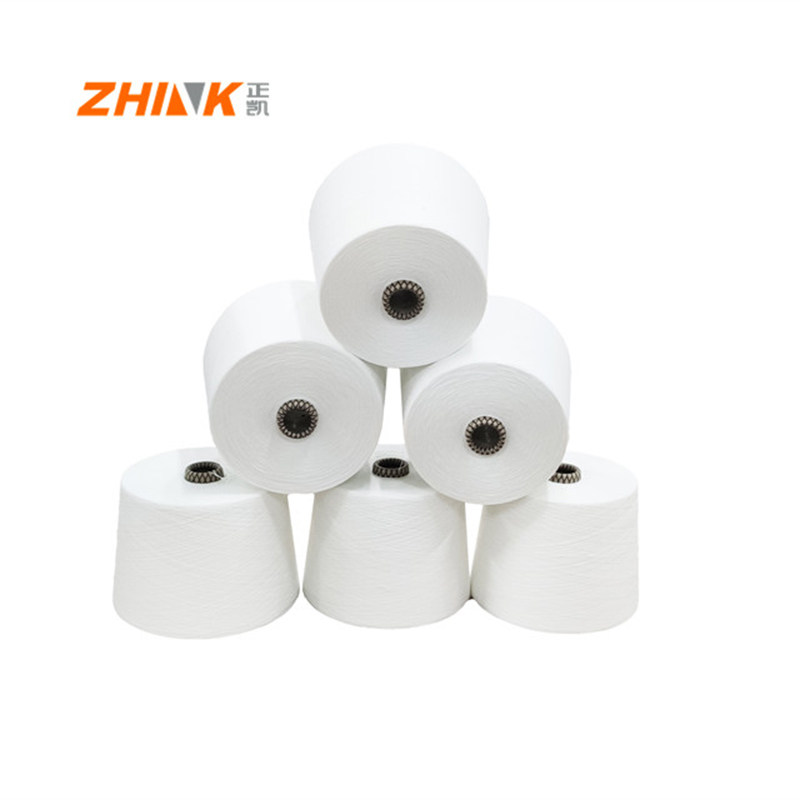
polyester/Lyocell 80/20 yarn
The Intricacies of Polyester/Lyocell 80/20 Yarn
When it comes to textiles, understanding the specific blend of fibers—like the polyester/Lyocell 80/20 yarn—can make all the difference in the final product. Often mistaken as a simple substitute for other blends, this yarn offers unique characteristics that cater to specific needs in the textile industry. Let's dive into the nuances and complexities of this blend.
Understanding the Blend: Polyester and Lyocell
Polyester, as many in the industry know, brings strength and durability to the table. Pair that with Lyocell, a form of rayon known for sustainability and softness, and what you get is a balanced yarn that caters to both performance and comfort. The 80/20 ratio is particularly intriguing because it leans heavily on polyester's resilience while retaining enough Lyocell to keep the final fabric feeling soft and breathable. This makes it ideal for both activewear and daily wear.
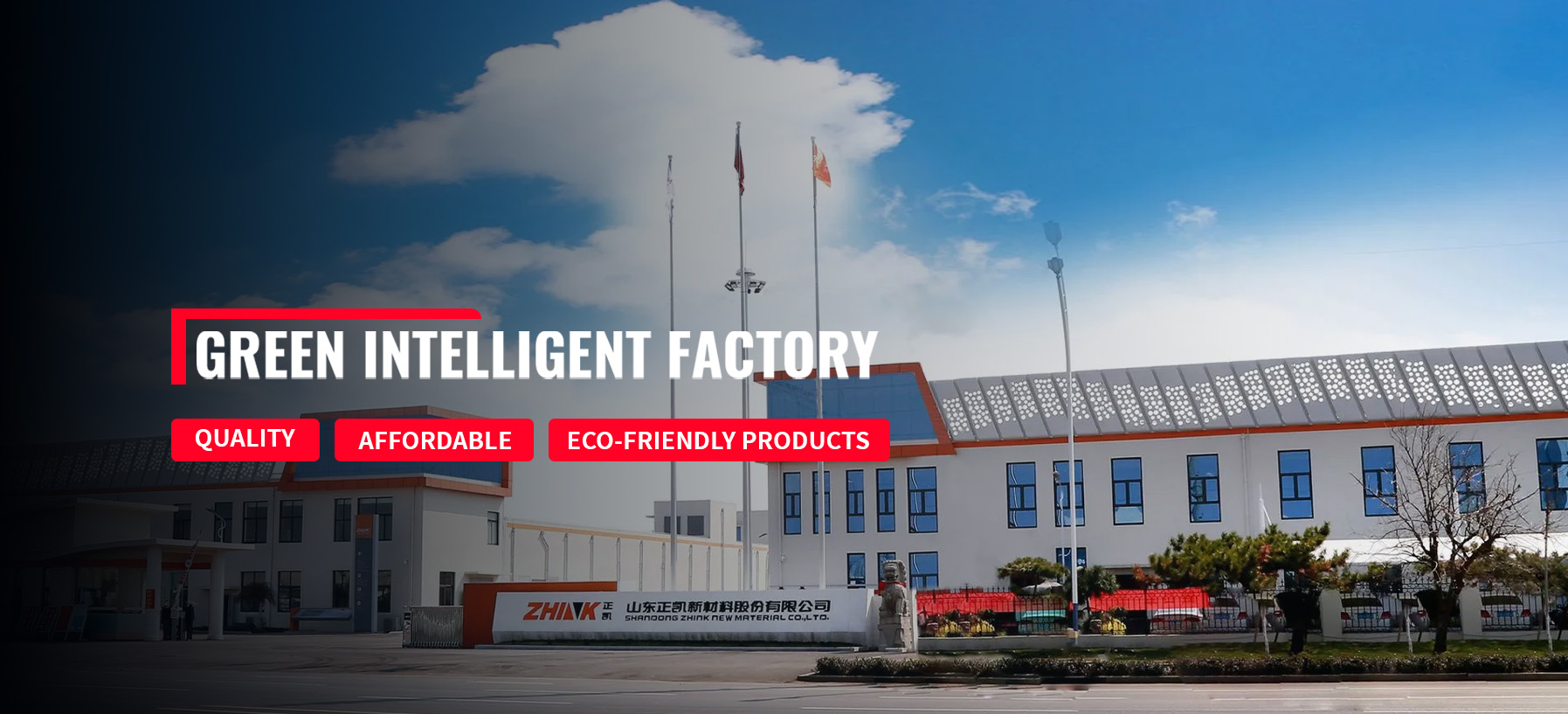
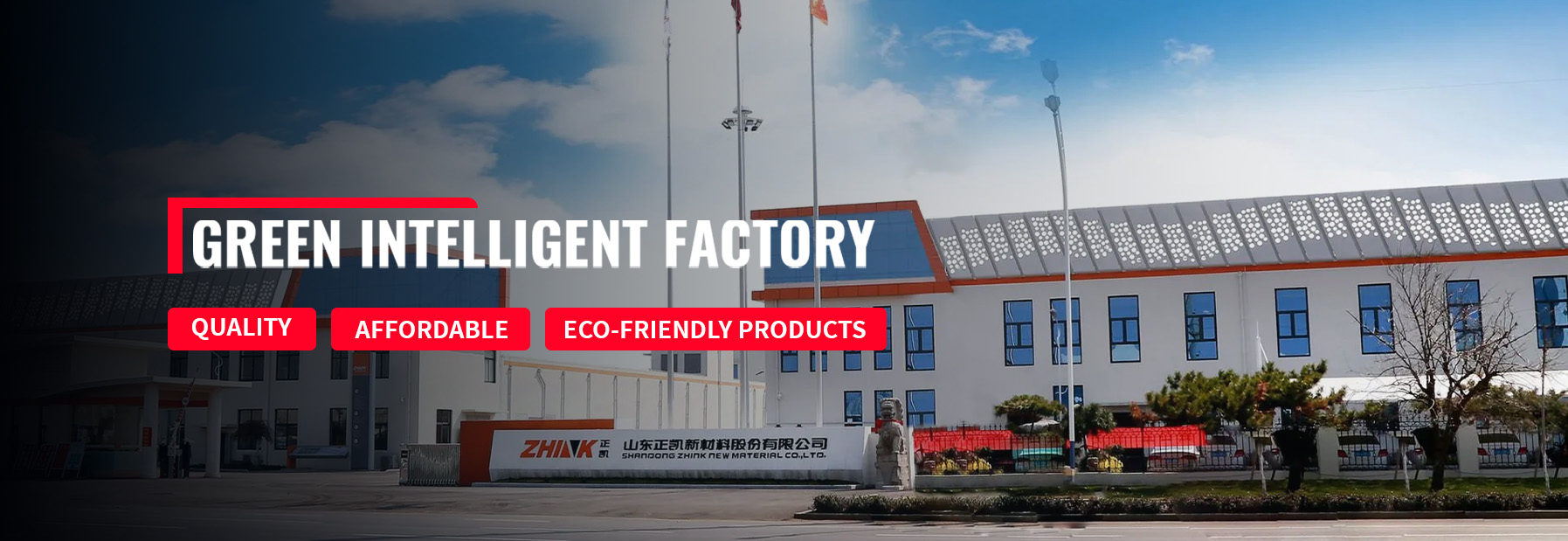
But there's more to the equation. Many people overlook factors such as the processing techniques and the specific spinning methods used, which can dramatically influence the yarn's properties. These elements are crucial for manufacturers like SHANDONG ZHINK NEW MATERIAL CO., LTD, who dedicate significant resources to research and development—details available on their website, zhinkyarn.com.
I’ve seen cases where inexperienced manufacturers assume optimum results just because of the blend ratio, failing to consider the subtleties of fiber length distribution and twist level during spinning. Missteps here can lead to finished products that lack expected durability or behave differently under stress.
Production Challenges and Solutions
During production runs, a common issue is the tendency for Lyocell fibers to fibrillate when wet-processed. This requires careful control of dyeing conditions and pH levels. It’s a lesson learned early on: underestimating these factors can lead to fabric surfaces that aren’t smooth or visually appealing.
For companies like Zhink New Material, strategic innovation and meticulous quality control have been the remedies. Their approach involves experimenting with enzymatic treatments that reduce fibrillation without compromising the soft touch Lyocell is celebrated for.
This constant tweaking and refinement underscore the necessity of understanding how different treatments affect yarn behavior. Many times, new entrants to the textile industry mistakenly believe that simple formulas suffice, only to discover the intricate dance of chemistry and technique required at industrial scales.
Applications and Market Preferences
The polyester/Lyocell 80/20 yarn isn’t just a technical curiosity; it’s fulfilling niches across the market. We see its use in blended denim, where its ability to offer comfort stretch and improved recovery becomes a selling point. In this context, selecting the right spinning technique is vital for achieving that ideal balance.
Activewear manufacturers, on the other hand, favor this blend for its moisture management capabilities. Here, the role of moisture-wicking finishes can’t be overstated. A well-applied finish enhances Lyocell’s inherent properties, making the garment more appealing to performance-oriented consumers.
Feedback from customers often revolves around the end-feel of the fabric, which demonstrates the blend's compatibility with contemporary needs. When considering these applications, alignment with market trends remains crucial for success.
Case Studies and Real-World Outcomes
In my own experience, bringing a new yarn blend to market involves a mix of experimentation and caution. We once worked with a client aiming to incorporate polyester/Lyocell 80/20 yarn into their eco-friendly line. Initial trials showed pilling issues, but after iterative testing, adjusting spinning processes, and employing suitable finishes, the final batch delivered both aesthetic and performance results.
Interactions with suppliers like Zhink New Material help in navigating these challenges, supported by their wealth of expertise. Firms with specialized knowledge often provide the insights necessary to harness the full potential of such yarn blends.
These experiences underscore the broader point: the right partnership and expertise make all the difference, turning potential hurdles into successful ventures.
Navigating the Future: Sustainability and Innovation
Looking ahead, the role of sustainability is becoming increasingly significant. Lyocell’s eco-friendly credentials give the 80/20 blend a strong head start in markets focused on responsible production. Enhancing this with polyester’s longevity opens doors to new applications with a reduced environmental footprint.
Innovative approaches continue to emerge, driven by sustained research and development efforts from companies like Zhink New Material whose contributions remain pivotal. By staying on top of new trends and technologies, firms can maintain relevancy in evolving landscapes.
Ultimately, understanding and strategically utilizing polyester/Lyocell 80/20 yarn is more than a technical challenge; it’s an opportunity for crafting products that meet the demands of today's informed consumers. It's a journey of constant learning and adaptation, which keeps the industry both exciting and rewarding.
Related Products
Related Products