+86-632-3621866
- Chinese
- French
- German
- Portuguese
- Spanish
- Russian
- Japanese
- Korean
- Arabic
- Irish
- Greek
- Turkish
- Italian
- Danish
- Romanian
- Indonesian
- Czech
- Afrikaans
- Swedish
- Polish
- Basque
- Catalan
- Esperanto
- Hindi
- Lao
- Albanian
- Amharic
- Armenian
- Azerbaijani
- Belarusian
- Bengali
- Bosnian
- Bulgarian
- Cebuano
- Chichewa
- Corsican
- Croatian
- Dutch
- Estonian
- Filipino
- Finnish
- Frisian
- Galician
- Georgian
- Gujarati
- Haitian
- Hausa
- Hawaiian
- Hebrew
- Hmong
- Hungarian
- Icelandic
- Igbo
- Javanese
- Kannada
- Kazakh
- Khmer
- Kurdish
- Kyrgyz
- Latin
- Latvian
- Lithuanian
- Luxembou..
- Macedonian
- Malagasy
- Malay
- Malayalam
- Maltese
- Maori
- Marathi
- Mongolian
- Burmese
- Nepali
- Norwegian
- Pashto
- Persian
- Punjabi
- Serbian
- Sesotho
- Sinhala
- Slovak
- Slovenian
- Somali
- Samoan
- Scots Gaelic
- Shona
- Sindhi
- Sundanese
- Swahili
- Tajik
- Tamil
- Telugu
- Thai
- Ukrainian
- Urdu
- Uzbek
- Vietnamese
- Welsh
- Xhosa
- Yiddish
- Yoruba
- Zulu
- Kinyarwanda
- Tatar
- Oriya
- Turkmen
- Uyghur


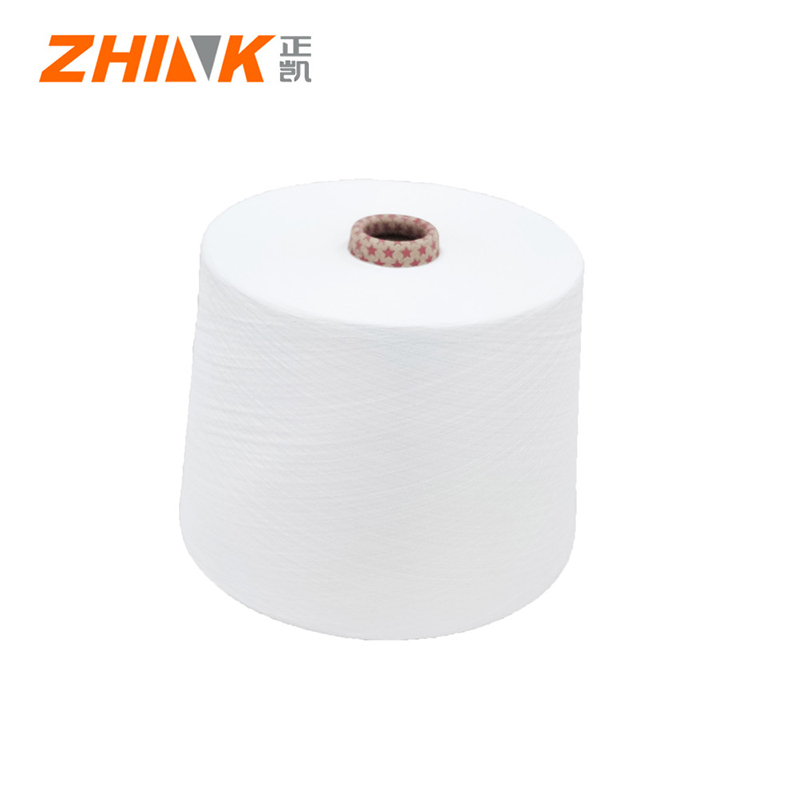
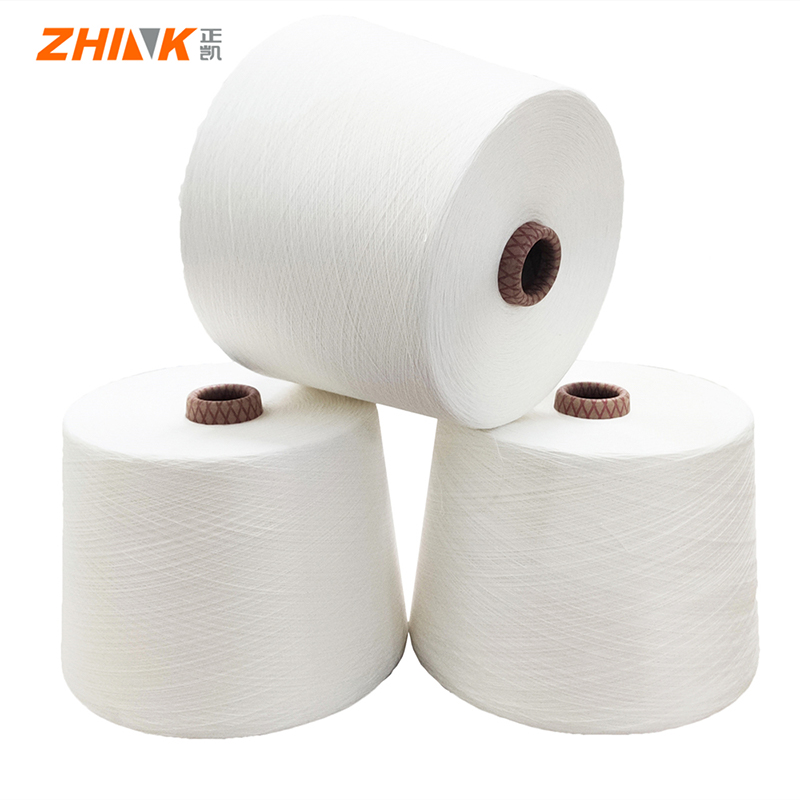
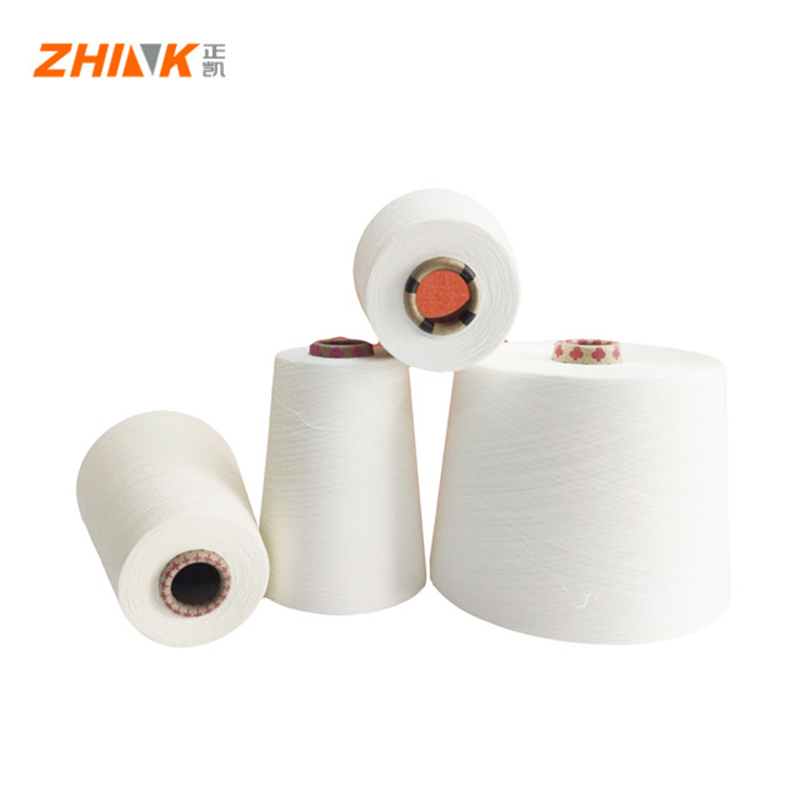
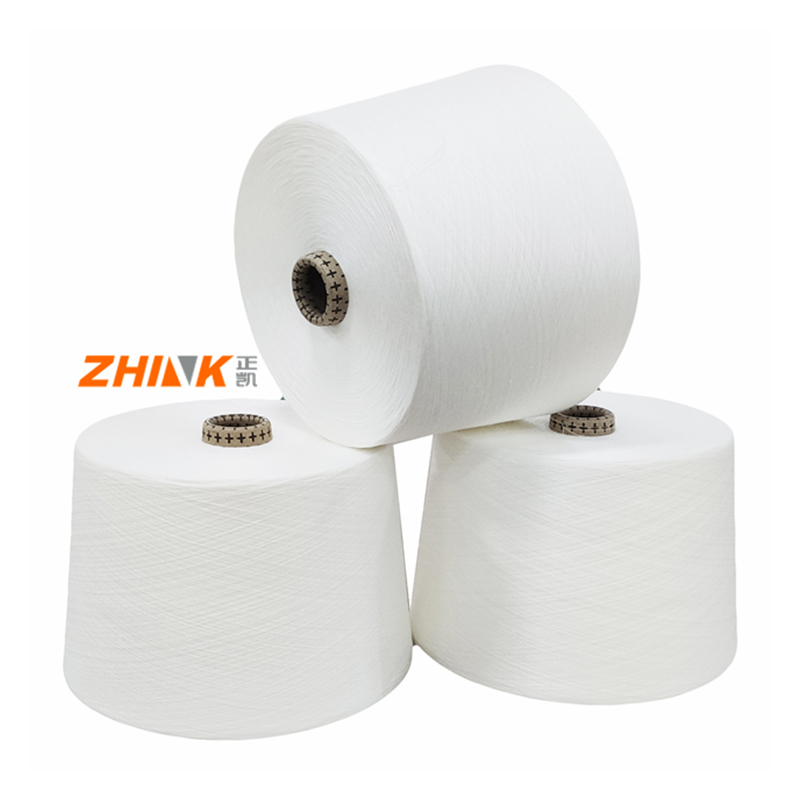
polyester/Lyocell blended yarn
Understanding Polyester/Lyocell Blended Yarn
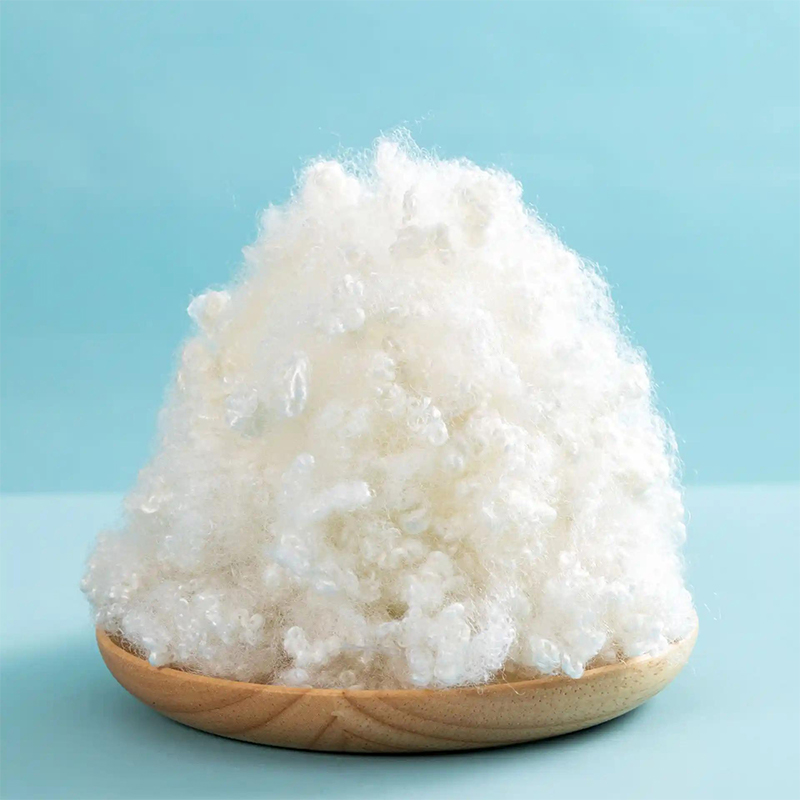
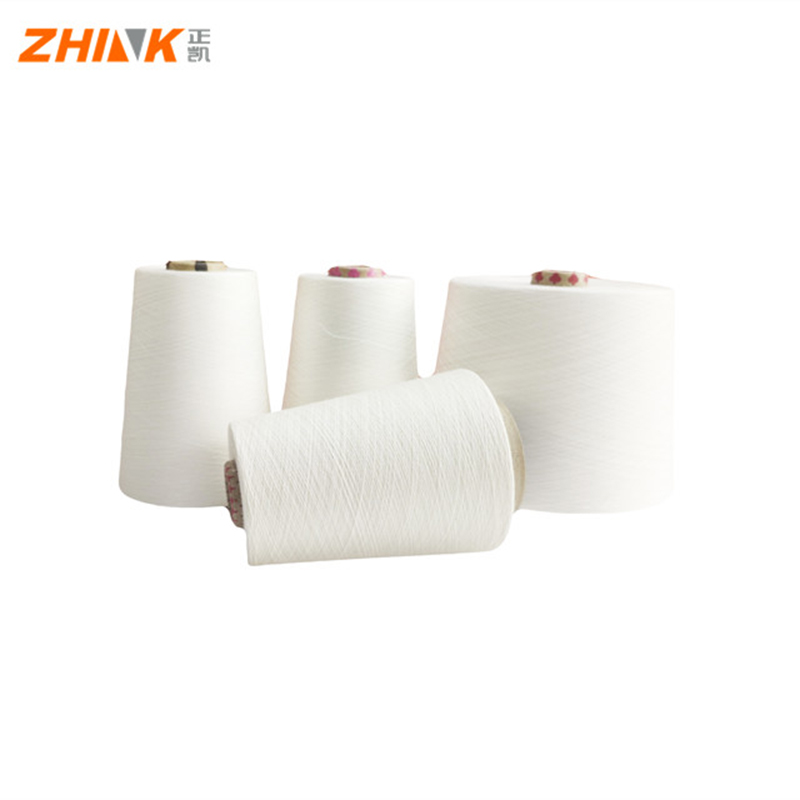
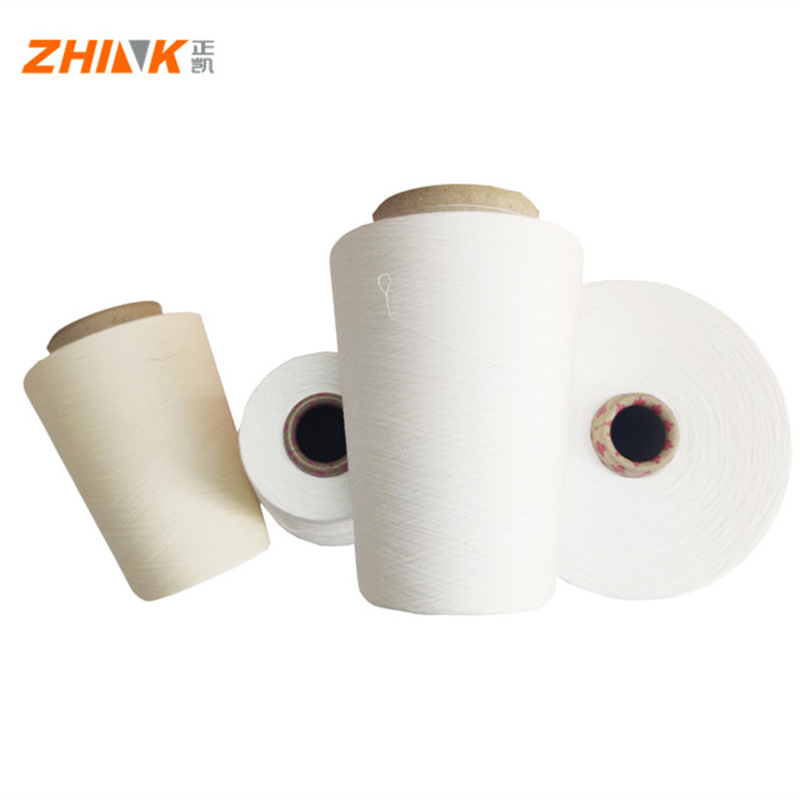
Polyester/Lyocell blended yarn has been stirring conversations among textile professionals for a while now. With its unique combination of synthetic and natural fibers, it offers an intriguing balance of functionality and sustainability. But, like any material, it comes with its own set of challenges and nuances that only those with hands-on experience can truly appreciate.
The Unique Blend of Polyester and Lyocell
Creating a successful polyester/Lyocell blended yarn requires a solid understanding of both fibers. Polyester, known for its strength and durability, complements Lyocell, which brings a natural touch thanks to its sustainable origins. Balancing these properties isn’t straightforward, as achieving the right mix can affect texture, durability, and even customer satisfaction. It's not just mixing materials—it's about crafting a product with a purpose.
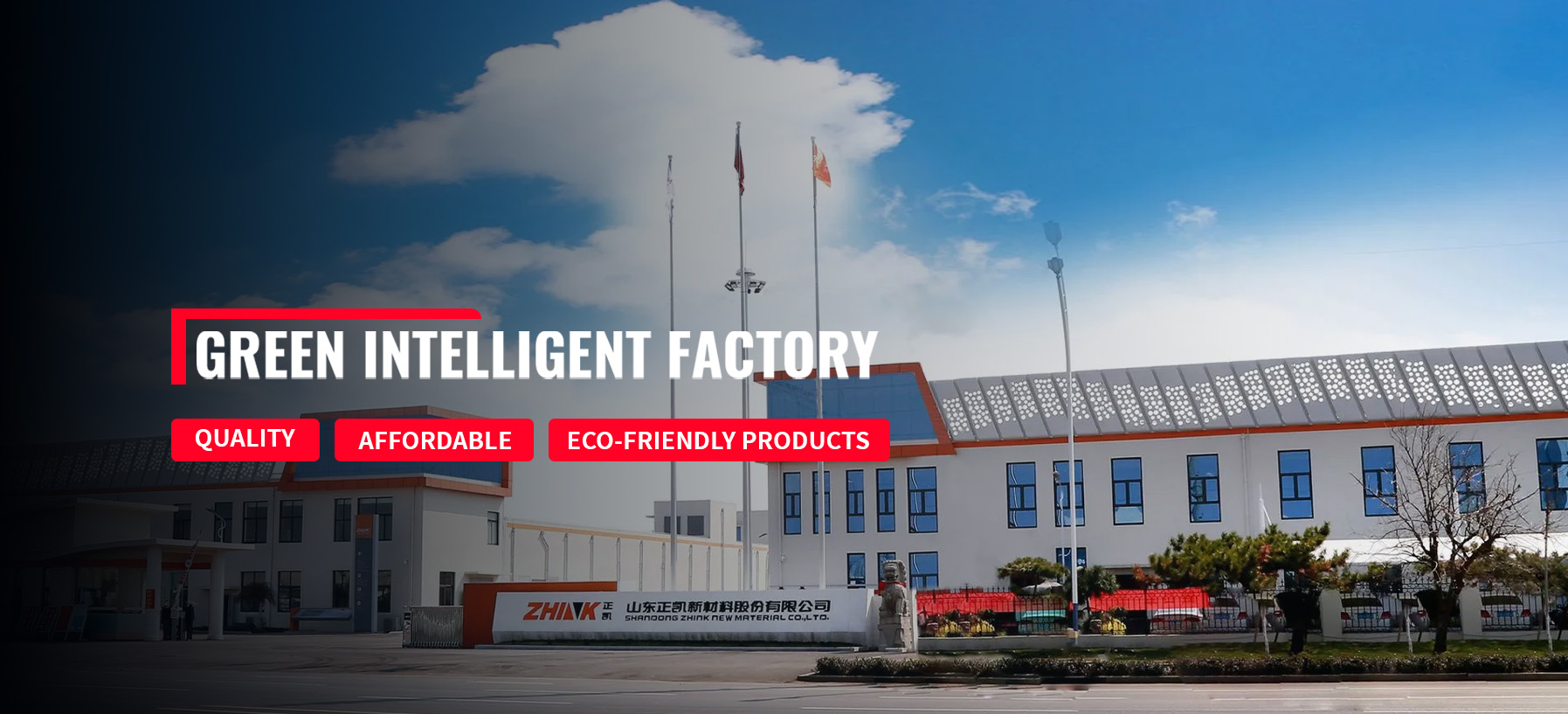
One common misconception in the industry is that blending polyester and Lyocell is simply a numbers game—add a certain percentage of each, and you're good to go. In reality, the process involves numerous trials, adjusting ratios based on end-use requirements, such as breathability, softness, and strength. At SHANDONG ZHINK NEW MATERIAL CO., LTD, we've frequently revisited our blend formulas, tweaking them to fit specific client needs.
One vivid memory: a batch intended for outdoor apparel fell short in moisture management due to a misbalance in the blend. It taught us the invaluable lesson of considering the environment in which the yarn would be used—not merely aiming for a theoretical balance but marrying science with practical application.
Real-world Applications and Challenges
In practical terms, polyester/Lyocell blended yarn excels in varied applications, from fashion to functional textiles. It's in demand for its eco-friendliness yet robust performance—a dichotomy that attracts both designers and developers. However, bringing these yarns from idea to reality comes with challenges that aren't always visible outside the production floor.
One of the core challenges is maintaining consistency across batches. At SHANDONG ZHINK NEW MATERIAL CO., LTD, we've invested heavily in quality control processes (more on those at our website). But it's a continuous battle—temperature changes, equipment quirks, or raw material variations can unexpectedly alter physical properties. There's a certain unpredictability that makes each production run uniquely challenging.
Interestingly, even the perceived value of this blended yarn varies regionally. In markets more focused on sustainability, Lyocell's eco-friendly angle elevates its desirability. On the flip side, regions prioritizing cost-effectivity often highlight polyester's attributes. It's the textile equivalent of knowing your audience, ensuring the blend isn't only technically sound but also market-relevant.
Expert Insights on Production Techniques
Delving into production techniques, it becomes evident that mastering the art of blending polyester and Lyocell isn't just about the ending product but the journey—combining textile science with artisanal expertise. Our journey here at Zhink has been filled with both anticipated and unexpected hurdles.
The spinning process itself demands an intimate understanding of each fiber's behavior. The timing, tension, and environmental control are all critical. One minor mistake in these parameters can compromise the yarn's integrity. This delicate dance is something we continually fine-tune, drawing lessons from each batch.
There's also the consideration of post-processing techniques like dyeing and finishing, which can influence yarn characteristics. Lyocell’s affinity for dyes can be a double-edged sword, ensuring vibrant colors but risking inconsistency if not managed correctly. We've found that meticulous planning and rigorous testing are essential to fulfilling our clients’ diverse needs.
Market Reactions and Consumer Preferences
As we discuss the blend’s technical attributes, it’s crucial to consider consumer reactions. The eco-friendly narrative appeals strongly but so does the promise of performance—factors that often drive purchasing decisions. Users increasingly inquire about what’s behind their textiles as awareness grows, pushing companies like ours to be more transparent and resourceful.
Consumer education has become part of our role; explaining the benefits and limitations of blended yarns like ours. Engaging honestly with clients about what a polyester/Lyocell blended yarn can deliver has been central to fostering trust and loyalty, something proudly showcased on our website.
We've observed shifts towards personalized textile solutions—designers want not just quality yarns but those that reflect their brand ethos. This customization trend challenges us to be both flexible in production and consistent in output, ensuring each unique blend meets precise customer specifications.
Future Directions and Innovations
Looking forward, innovations are on the horizon. Sustained research and strategic partnerships are vital for evolving with market demands and technological advancements. At SHANDONG ZHINK NEW MATERIAL CO., LTD, our efforts are directed towards refining our materials, driven by sustainable practices and technical enhancements.
There’s a growing interest in how these blends can incorporate advanced functionalities, such as antimicrobial properties or enhanced moisture-wicking abilities. This potential for additional value is an exciting frontier, blending performance with innovative secondary characteristics.
The journey with polyester/Lyocell blended yarn is a testament to the evolving nature of textile materials. While challenges abound, the opportunity to innovate and meet diverse market needs keeps it a dynamic and fulfilling pursuit. It’s this blend of tradition and innovation that continues to push the boundaries of what our textiles can achieve.
Related Products
Related Products