+86-632-3621866
- Chinese
- French
- German
- Portuguese
- Spanish
- Russian
- Japanese
- Korean
- Arabic
- Irish
- Greek
- Turkish
- Italian
- Danish
- Romanian
- Indonesian
- Czech
- Afrikaans
- Swedish
- Polish
- Basque
- Catalan
- Esperanto
- Hindi
- Lao
- Albanian
- Amharic
- Armenian
- Azerbaijani
- Belarusian
- Bengali
- Bosnian
- Bulgarian
- Cebuano
- Chichewa
- Corsican
- Croatian
- Dutch
- Estonian
- Filipino
- Finnish
- Frisian
- Galician
- Georgian
- Gujarati
- Haitian
- Hausa
- Hawaiian
- Hebrew
- Hmong
- Hungarian
- Icelandic
- Igbo
- Javanese
- Kannada
- Kazakh
- Khmer
- Kurdish
- Kyrgyz
- Latin
- Latvian
- Lithuanian
- Luxembou..
- Macedonian
- Malagasy
- Malay
- Malayalam
- Maltese
- Maori
- Marathi
- Mongolian
- Burmese
- Nepali
- Norwegian
- Pashto
- Persian
- Punjabi
- Serbian
- Sesotho
- Sinhala
- Slovak
- Slovenian
- Somali
- Samoan
- Scots Gaelic
- Shona
- Sindhi
- Sundanese
- Swahili
- Tajik
- Tamil
- Telugu
- Thai
- Ukrainian
- Urdu
- Uzbek
- Vietnamese
- Welsh
- Xhosa
- Yiddish
- Yoruba
- Zulu
- Kinyarwanda
- Tatar
- Oriya
- Turkmen
- Uyghur


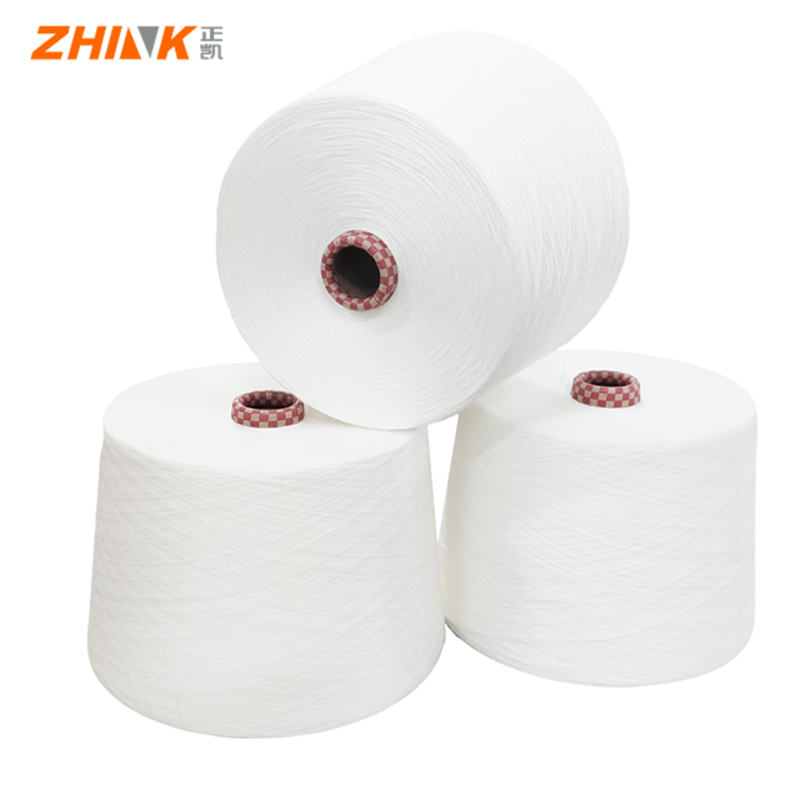
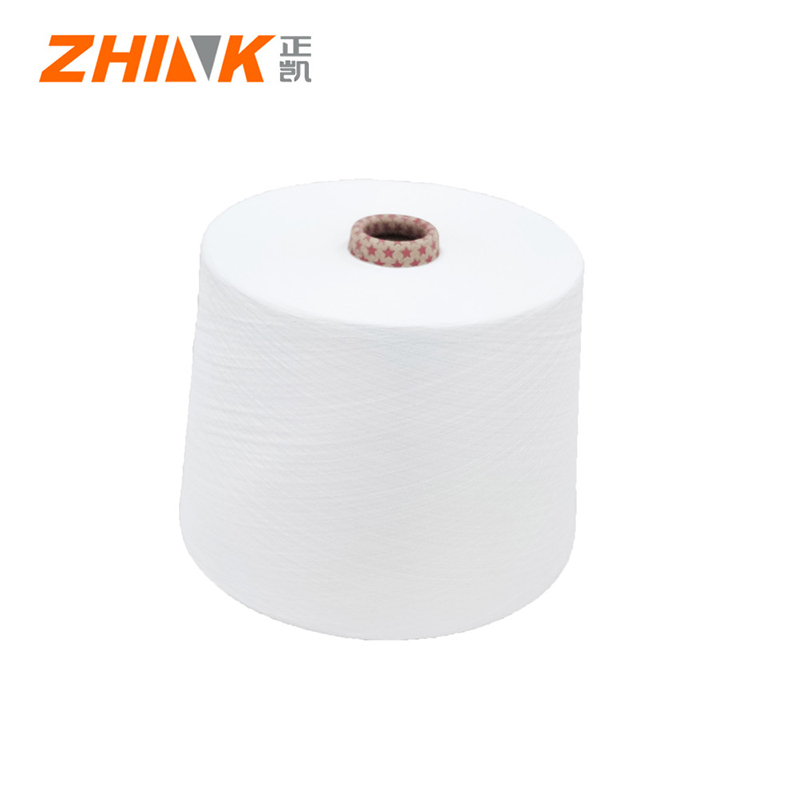
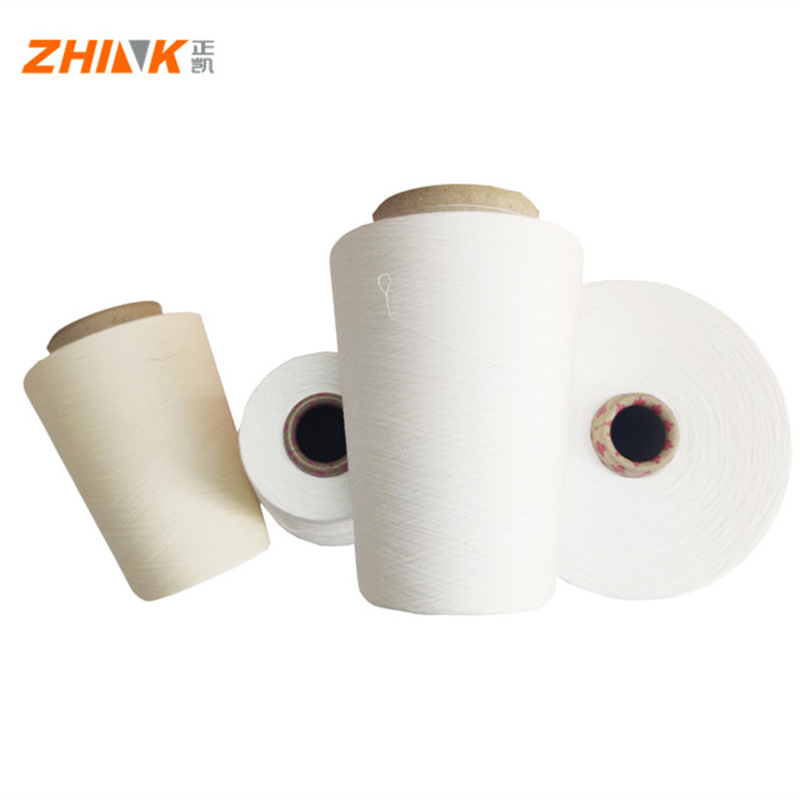
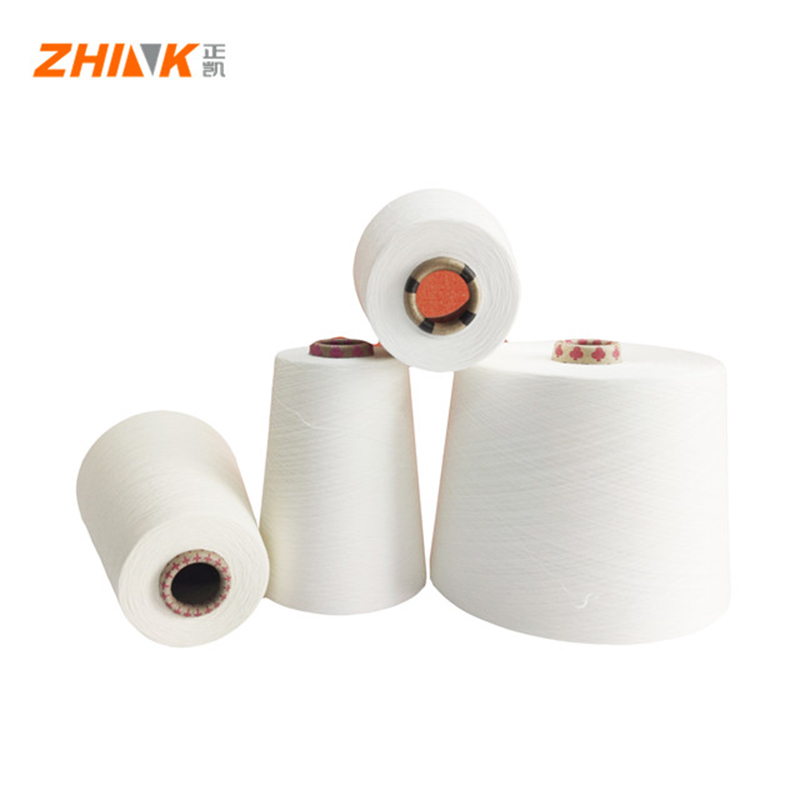
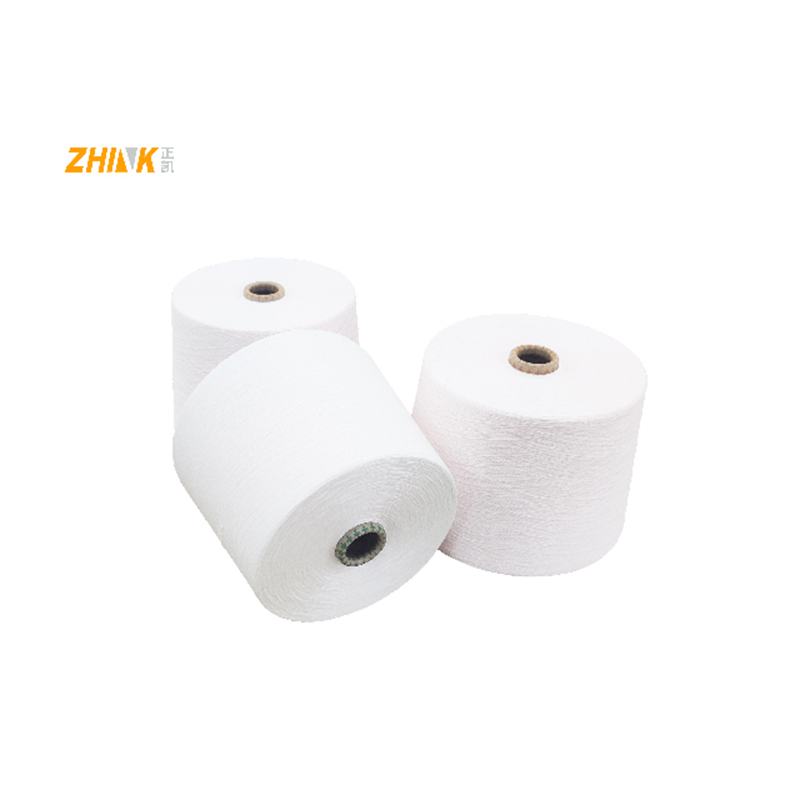
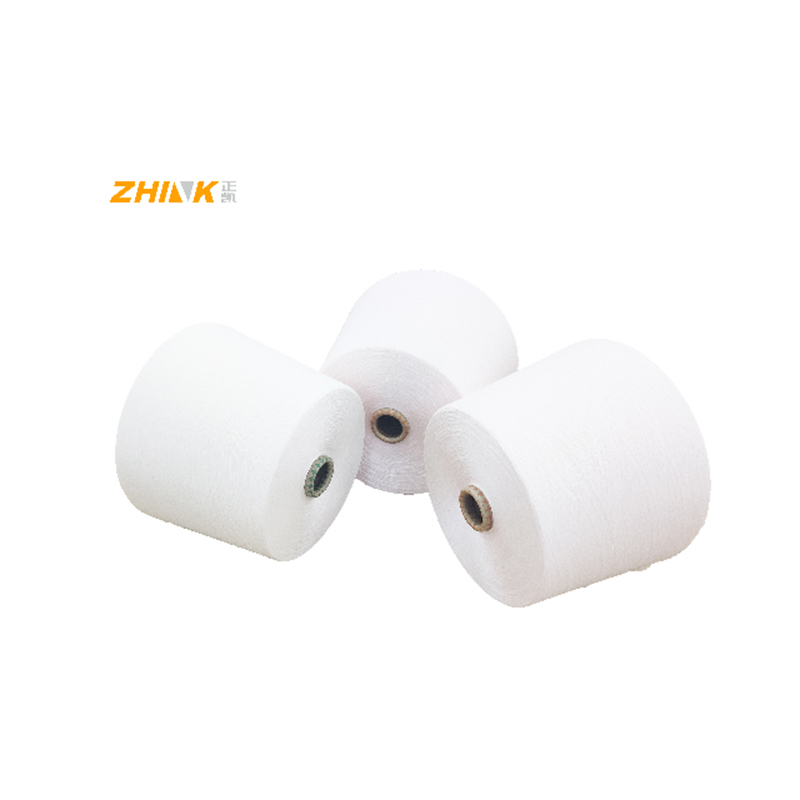
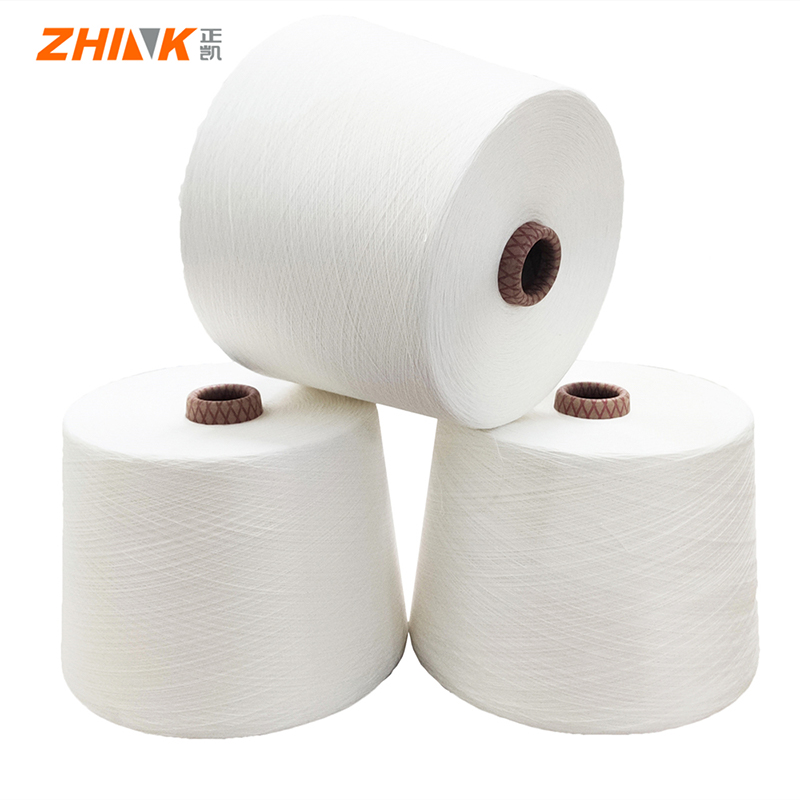
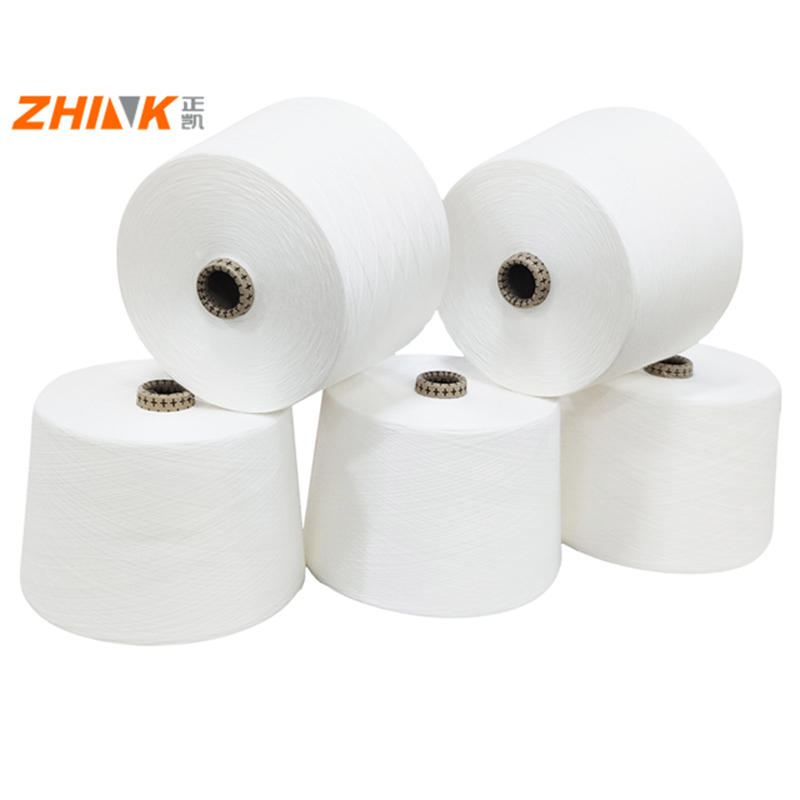
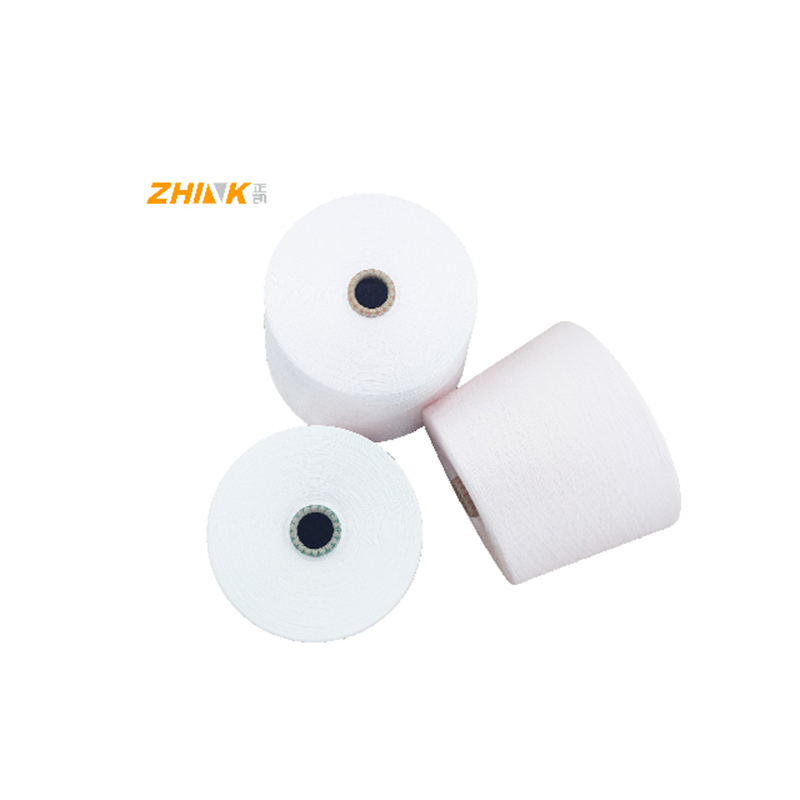
polyester/Lyocell siro compact yarn
Exploring the Dynamics of Polyester/Lyocell Siro Compact Yarn
The unique blend of polyester/Lyocell in siro compact yarns has garnered attention for its balance of durability and comfort. While industry newcomers might assume it's just another type of yarn, those in the know appreciate its nuances. This article delves into real-world applications, challenges, and observations from a practitioner's perspective.
Understanding Polyester/Lyocell Siro Compact Yarn
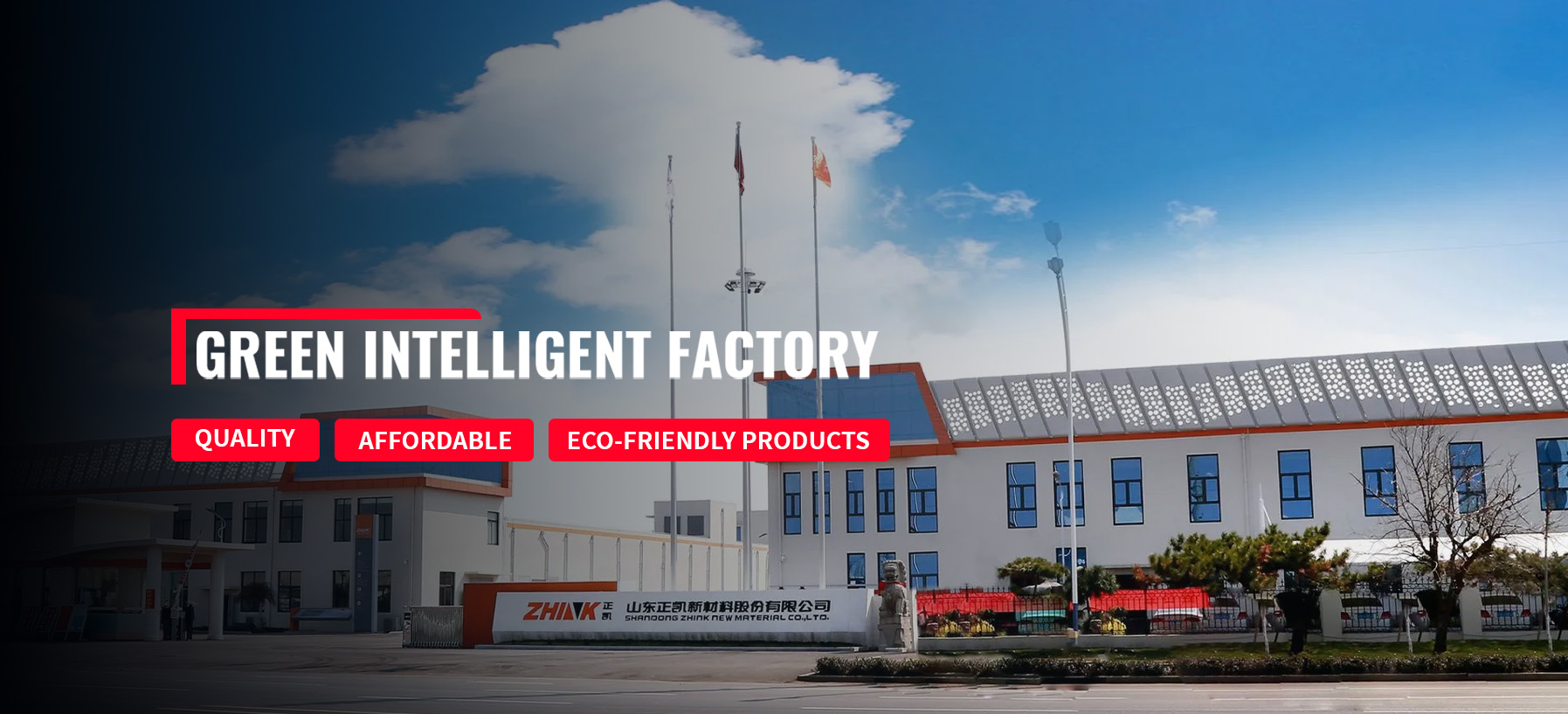
At SHANDONG ZHINK NEW MATERIAL CO., LTD, understanding the intricacies of polyester/Lyocell siro compact yarn has been a journey of discovery. This blend leverages the strength of polyester with the natural, soft touch of Lyocell, creating a versatile yarn with a host of applications. But in practice, there's more to it than just mixing fibers.
One crucial aspect is mastering the siro spinning technique, which involves twisting two polymer streams into one during the spinning process. This method enhances the yarn's core properties, offering a fine balance of durability and softness. However, executing this requires precision and experience.
Take, for instance, a project where unexpected variations in humidity levels during production led to inconsistencies in yarn tension. These physical changes, although minor, impacted the textile’s final texture. Adjusting machine calibration, a seemingly trivial change, was key to resolving this issue. Such adjustments often go unnoticed but are pivotal in quality outcomes.
Challenges with Fiber Blending
A common challenge when working with polyester/Lyocell blends in siro compact yarn lies in the compatibility of fibers. Polyester's resistance to moisture contrasts with Lyocell's hydrophilic nature, requiring specific handling during processing.
On occasion, fibers can clump, disrupting the spinning process. During my experience with Zhink New Material, we identified that maintaining a controlled environment greatly reduces such occurrences. Dehumidifiers, although often overlooked, proved invaluable.
Moreover, achieving that perfect blend ratio was another learning curve. Early trials with a roughly 70/30 polyester to Lyocell mix yielded fabric that was slightly too stiff for our liking. Incremental adjustments, guided by continuous testing back at our labs, eventually led us to the optimal 60/40 blend that our customers now prefer.
Material Behavior in Diverse Conditions
Evaluating how the yarn reacts under different environmental stresses is crucial. It’s not just about the spinning; it’s about foreseeing the yarn’s performance in end-use conditions.
For instance, garments made from this yarn exhibit excellent drape and wick moisture effectively, a direct result of Lyocell’s influence. However, this also means extra care is needed during dyeing, as the absorption properties of Lyocell can lead to uneven hues unless careful, controlled methods are used.
A lesson learned through a missed deadline - underestimating dyeing time led to a bottleneck in production. We had to refine our timeline estimations to accommodate these characteristics.
Quality Outcomes in Textile Industry
Success in using polyester/Lyocell siro compact yarn translates to delivering products that promise both strength and a premium feel. At Zhink New Material, our focus has been on achieving just that, reflecting in the high customer satisfaction we see.
Real-world wear tests have been illuminating. Clothing crafted from our yarn showed remarkable resilience and shape retention over time, aligning with the growing sustainable demands from our clientele.
Feedback from customers, who have appreciated the balance between the yarn's lightweight feel and its superior strength, further validates our approaches. It’s the kind of direct input that reinforces our efforts and guides future innovations.
Future Directions and Innovations
Looking ahead, the potential for innovation with polyester/Lyocell blends seems boundless. Our R&D team at SHANDONG ZHINK NEW MATERIAL CO., LTD (https://www.zhinkyarn.com) continues to explore new ways to enhance yarn performance through advanced treatments and blending techniques.
We are particularly excited about experimenting with eco-friendly dyeing processes that align with our sustainability goals. It's an ongoing journey, full of tweaks and recalibrations, but each step promises exciting outcomes.
The textile industry is ever-evolving, and staying ahead involves a delicate dance between tradition and innovation. For those embarking on this path, the blend of hands-on experience and willingness to adapt makes all the difference in mastering the complexities of polyester/Lyocell siro compact yarns.
Related Products
Related Products