+86-632-3621866
- Chinese
- French
- German
- Portuguese
- Spanish
- Russian
- Japanese
- Korean
- Arabic
- Irish
- Greek
- Turkish
- Italian
- Danish
- Romanian
- Indonesian
- Czech
- Afrikaans
- Swedish
- Polish
- Basque
- Catalan
- Esperanto
- Hindi
- Lao
- Albanian
- Amharic
- Armenian
- Azerbaijani
- Belarusian
- Bengali
- Bosnian
- Bulgarian
- Cebuano
- Chichewa
- Corsican
- Croatian
- Dutch
- Estonian
- Filipino
- Finnish
- Frisian
- Galician
- Georgian
- Gujarati
- Haitian
- Hausa
- Hawaiian
- Hebrew
- Hmong
- Hungarian
- Icelandic
- Igbo
- Javanese
- Kannada
- Kazakh
- Khmer
- Kurdish
- Kyrgyz
- Latin
- Latvian
- Lithuanian
- Luxembou..
- Macedonian
- Malagasy
- Malay
- Malayalam
- Maltese
- Maori
- Marathi
- Mongolian
- Burmese
- Nepali
- Norwegian
- Pashto
- Persian
- Punjabi
- Serbian
- Sesotho
- Sinhala
- Slovak
- Slovenian
- Somali
- Samoan
- Scots Gaelic
- Shona
- Sindhi
- Sundanese
- Swahili
- Tajik
- Tamil
- Telugu
- Thai
- Ukrainian
- Urdu
- Uzbek
- Vietnamese
- Welsh
- Xhosa
- Yiddish
- Yoruba
- Zulu
- Kinyarwanda
- Tatar
- Oriya
- Turkmen
- Uyghur



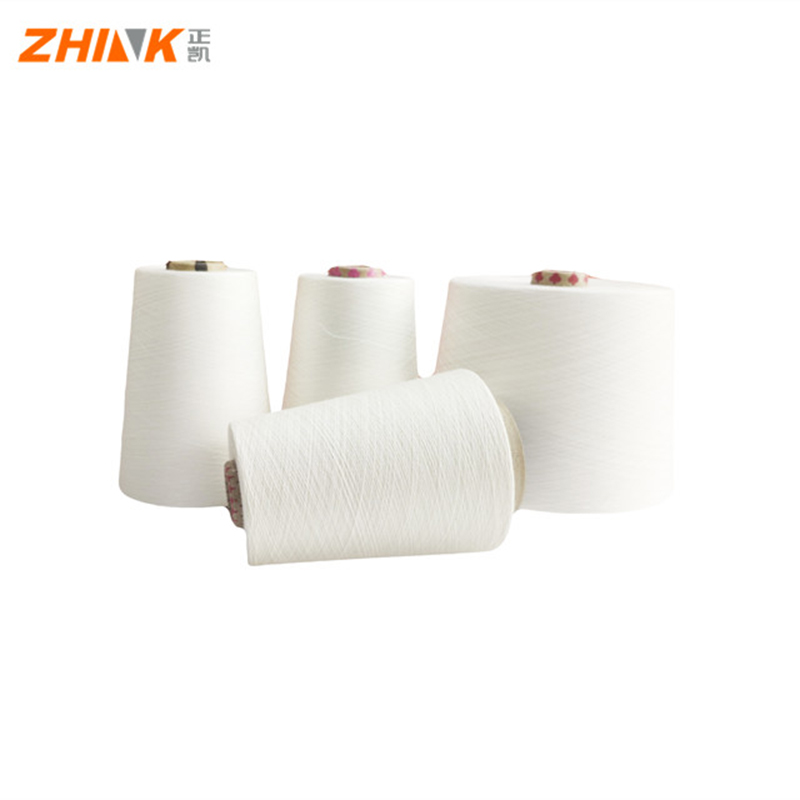
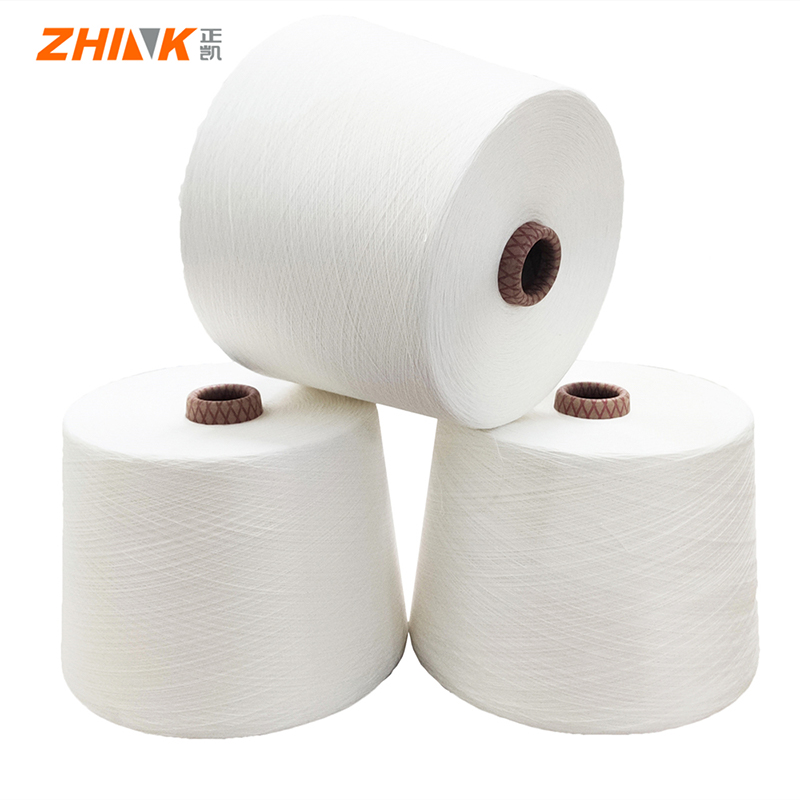
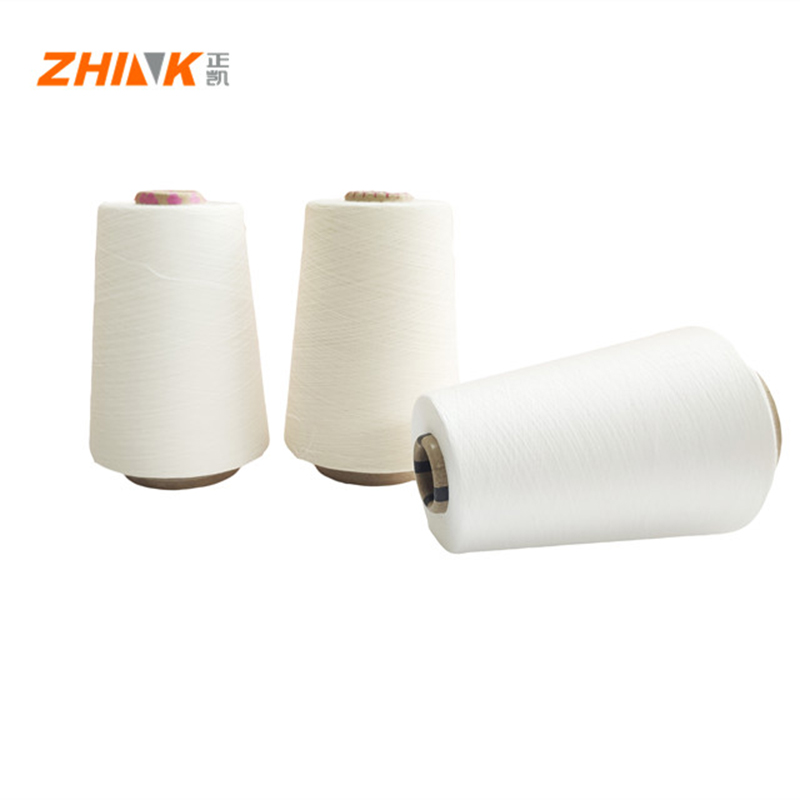
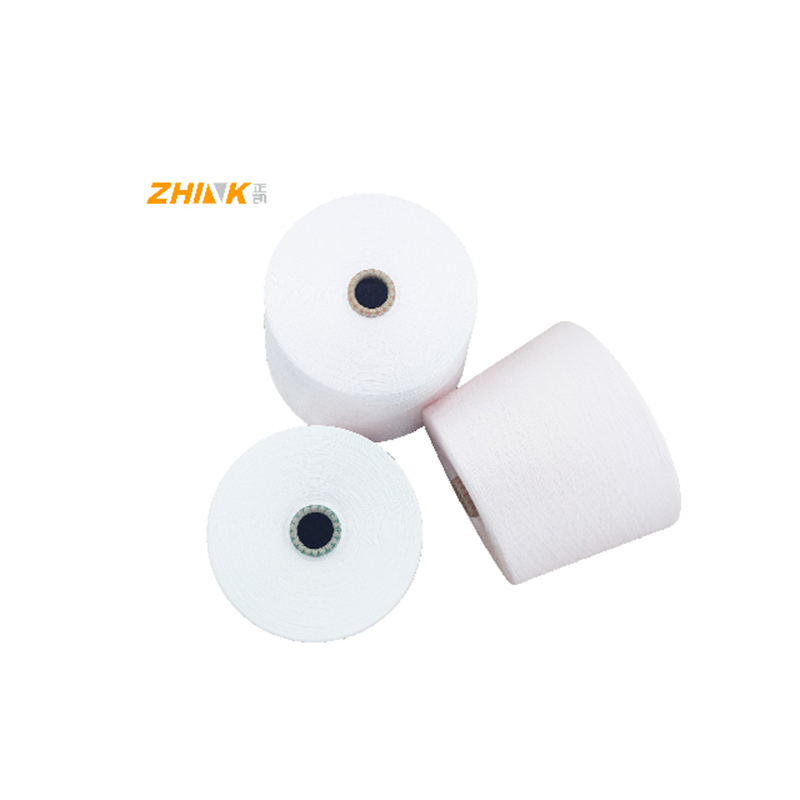
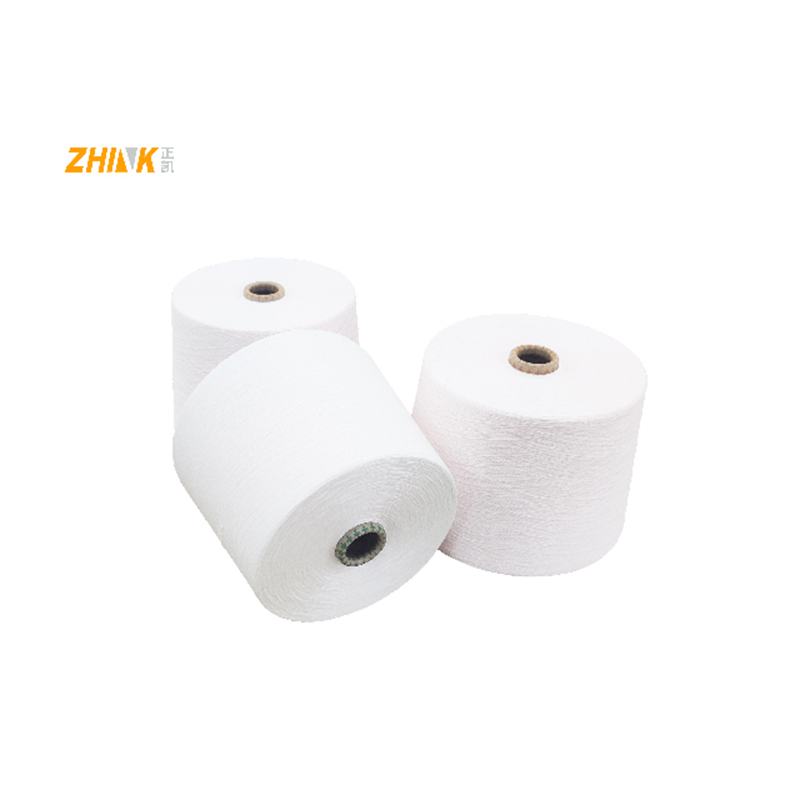
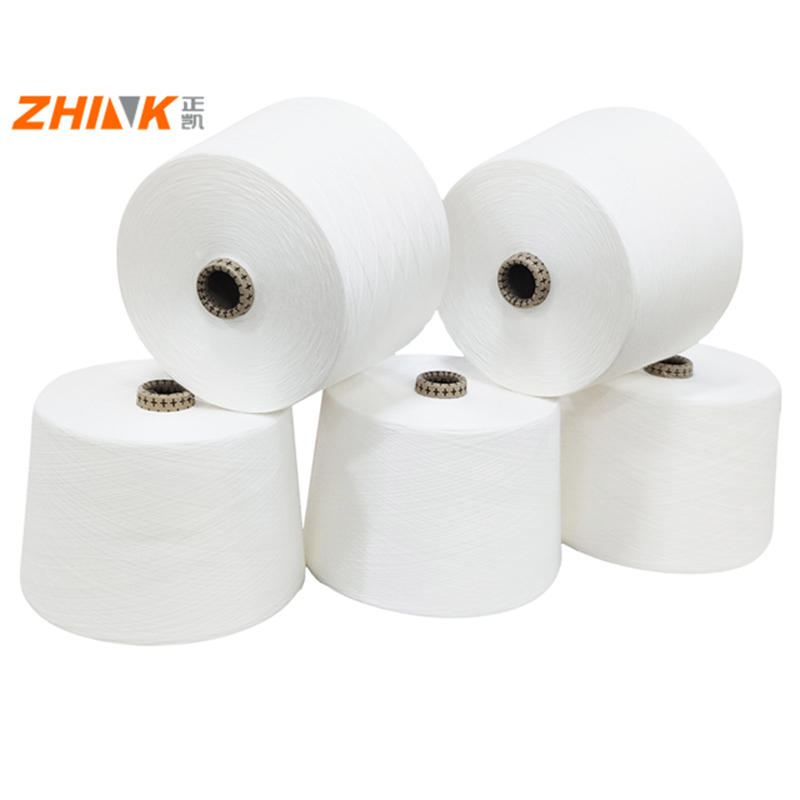
polyester/modal 50/50 yarn
The Intricacies of Polyester/Modal 50/50 Yarn in Modern Textiles
Diving into the world of textiles, the blend of polyester/modal 50/50 yarn stands out, but not always for the reasons you might expect. This mix promises a lot—softness, durability, and a unique finish. However, the questions surrounding its practical application keep many industry veterans on their toes. Let’s explore this blend, not just in theory, but through hands-on experiences and the unexpected challenges it presents.
The Blend: Polyester and Modal
Understanding the balance in a polyester/modal 50/50 yarn is crucial. You're looking at a union where the synthetic strength of polyester meets the luxurious touch of modal. Modal, derived from beech trees, offers a silky texture, an advantage in fashion and comfort-driven applications. But the story’s not all rosy. Polyester, with its resilience and quick-drying traits, can sometimes clash with the moisture-wicking properties of modal, leading to some perplexing issues in fabric behavior under certain conditions.
I recall testing this blend in a batch of summer garments. Initially outstanding in trials, with vivid colors and soft drape, we faced surprising issues when scaling up. For instance, inconsistencies in moisture absorption appeared, baffling the team. It was a vivid reminder that small laboratory wins don't always translate seamlessly to large-scale production.
Moreover, color fastness became a recurring theme. Initially vibrant hues dulled surprisingly fast under sunlight compared to 100% polyester counterparts. Adjustments to dye processes were needed, demanding a pivot in strategy and an exploration of newer dye technologies to meet the desired standard.
Challenges in Production
When producing polyester/modal 50/50 yarn, the tension settings during spinning are critical. At SHANDONG ZHINK NEW MATERIAL CO., LTD, where a significant part of our research focuses on optimizing production processes, the blend required meticulous adjustment. Modal fibers are short and delicate compared to polyester, demanding careful handling to avoid unexpected breakage.
A particular challenge was maintaining evenness. Yarn consistency is no small feat when you’re dealing with mixed fiber lengths and properties. We invested in advanced machinery and real-time monitoring systems to gain feedback and adjust parameters swiftly. Without such measures, the variability in yarn could derail an entire fabric line.
But it wasn't just machinery. Skilled technicians played a vital role, their intuition and experience being invaluable when data failed to tell the whole story. It's this human-machine synergy that often saves the day in textile manufacturing.
Market Acceptance and Consumer Feedback
Bringing this blend to market presents its own hurdles. Consumer awareness and perception can sway dramatically, influenced by brand loyalty and trends. The initial reception to our polyester/modal 50/50 yarn products was mixed; while many praised the comfortable feel, others held misconceptions about polyester—assuming it was inferior to natural fibers.
Over time, targeted marketing efforts were needed to enlighten consumers about the practical benefits of this blend. Our website, ZHINK New Material, emphasizes transparency, providing educational content to demystify these misconceptions. Engaging directly through workshops and interactive sessions allowed us to better communicate the nuances of our yarn.
The feedback loop with customers also proved vital. Insights from end-users led to tweaks in our processing methods—sometimes it’s the seemingly small irritations, like minor pilling after multiple washes, that drive genuine innovation.
Environmental Considerations
The environmental impact of using a 50/50 blend is not lost on us. At SHANDONG ZHINK NEW MATERIAL CO., LTD, sustainability is a core focus. While polyester traditionally garners criticism for its eco footprint, combining it with modal, a more sustainable option, can offset some concerns.
Our R&D department regularly investigates eco-friendly processes, such as reducing water usage in dyeing and exploring biodegradable polyester options. The goal is to merge performance with responsibility, a balancing act our industry must strive for continuously.
In our latest shipment, incorporating recycled polyester presented an ethical yet economically viable solution. The reception? Quite favorable—illustrating an increasing market shift towards greener choices without sacrificing quality.
Future Directions and Innovations
Looking ahead, this polyester/modal 50/50 yarn blend is poised for intriguing developments. The fusion of technology and textile innovation continues to unlock potential, from smart textiles to enhanced thermal regulation.
Our ongoing collaboration with tech firms aims to integrate responsive technology into the very fiber. Imagine textiles that adapt to temperature changes autonomously—it’s no longer a distant dream but a burgeoning reality at SHANDONG ZHINK NEW MATERIAL CO., LTD.
Ultimately, the future of polyester/modal blends hinges on adaptability, driven by shifting consumer desires and technological leaps. We remain committed to leading these trends, ensuring our offerings resonate and excel in an ever-evolving market landscape.
Related Products
Related Products