+86-632-3621866
- Chinese
- French
- German
- Portuguese
- Spanish
- Russian
- Japanese
- Korean
- Arabic
- Irish
- Greek
- Turkish
- Italian
- Danish
- Romanian
- Indonesian
- Czech
- Afrikaans
- Swedish
- Polish
- Basque
- Catalan
- Esperanto
- Hindi
- Lao
- Albanian
- Amharic
- Armenian
- Azerbaijani
- Belarusian
- Bengali
- Bosnian
- Bulgarian
- Cebuano
- Chichewa
- Corsican
- Croatian
- Dutch
- Estonian
- Filipino
- Finnish
- Frisian
- Galician
- Georgian
- Gujarati
- Haitian
- Hausa
- Hawaiian
- Hebrew
- Hmong
- Hungarian
- Icelandic
- Igbo
- Javanese
- Kannada
- Kazakh
- Khmer
- Kurdish
- Kyrgyz
- Latin
- Latvian
- Lithuanian
- Luxembou..
- Macedonian
- Malagasy
- Malay
- Malayalam
- Maltese
- Maori
- Marathi
- Mongolian
- Burmese
- Nepali
- Norwegian
- Pashto
- Persian
- Punjabi
- Serbian
- Sesotho
- Sinhala
- Slovak
- Slovenian
- Somali
- Samoan
- Scots Gaelic
- Shona
- Sindhi
- Sundanese
- Swahili
- Tajik
- Tamil
- Telugu
- Thai
- Ukrainian
- Urdu
- Uzbek
- Vietnamese
- Welsh
- Xhosa
- Yiddish
- Yoruba
- Zulu
- Kinyarwanda
- Tatar
- Oriya
- Turkmen
- Uyghur



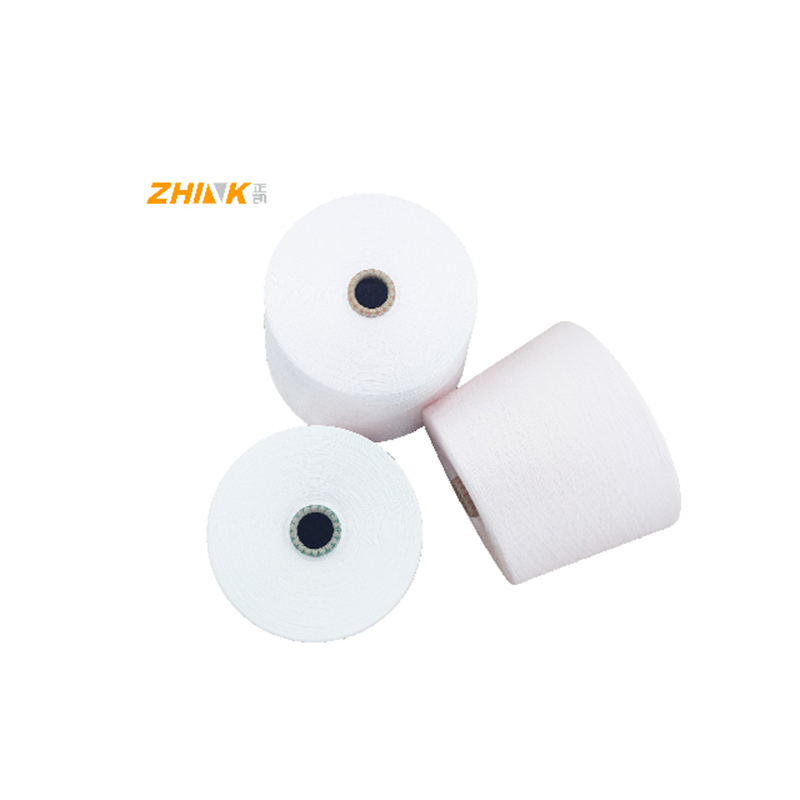
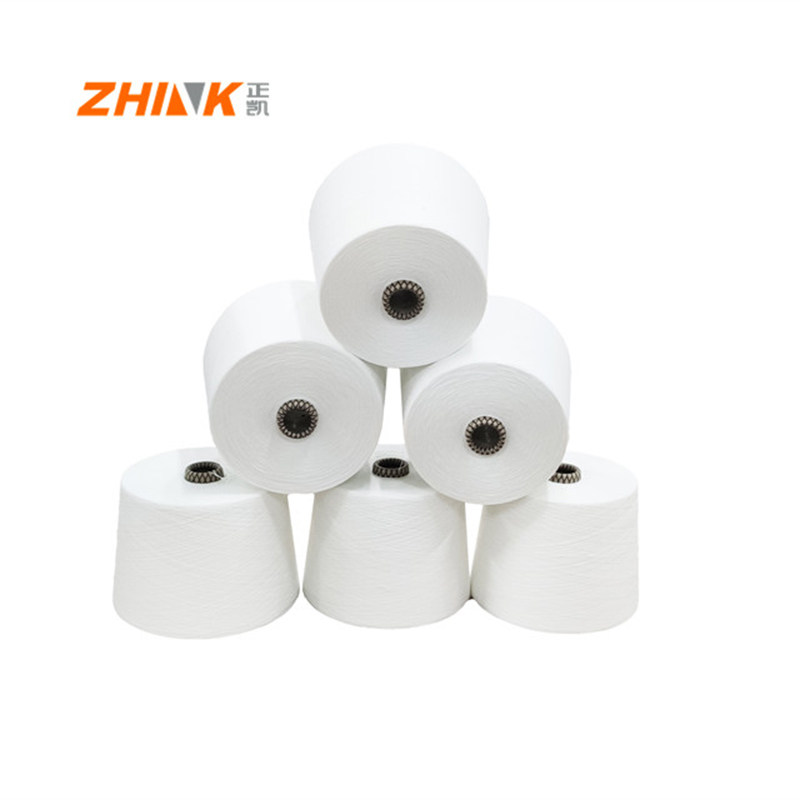
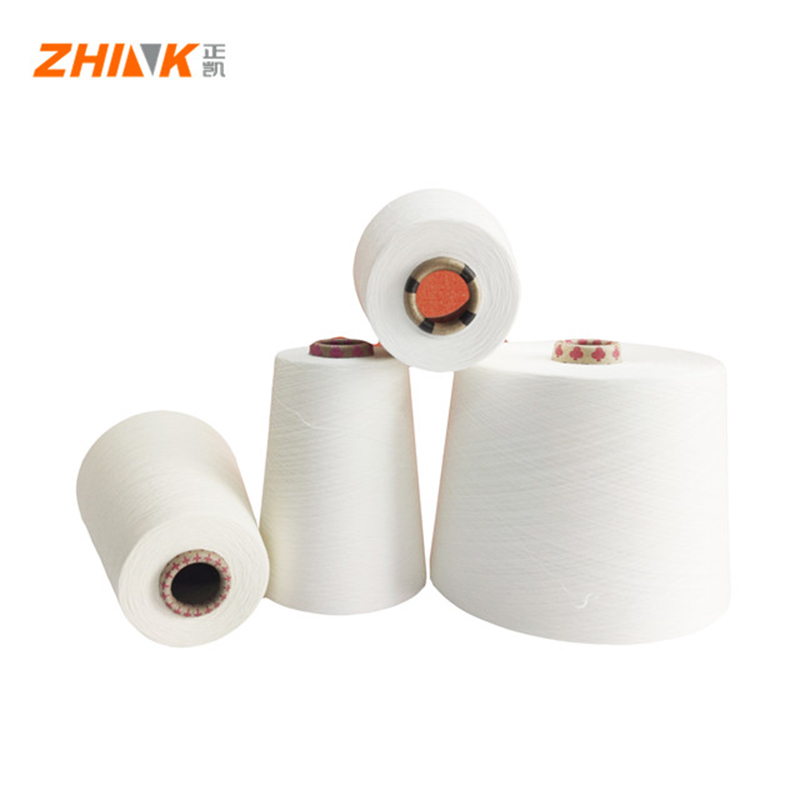
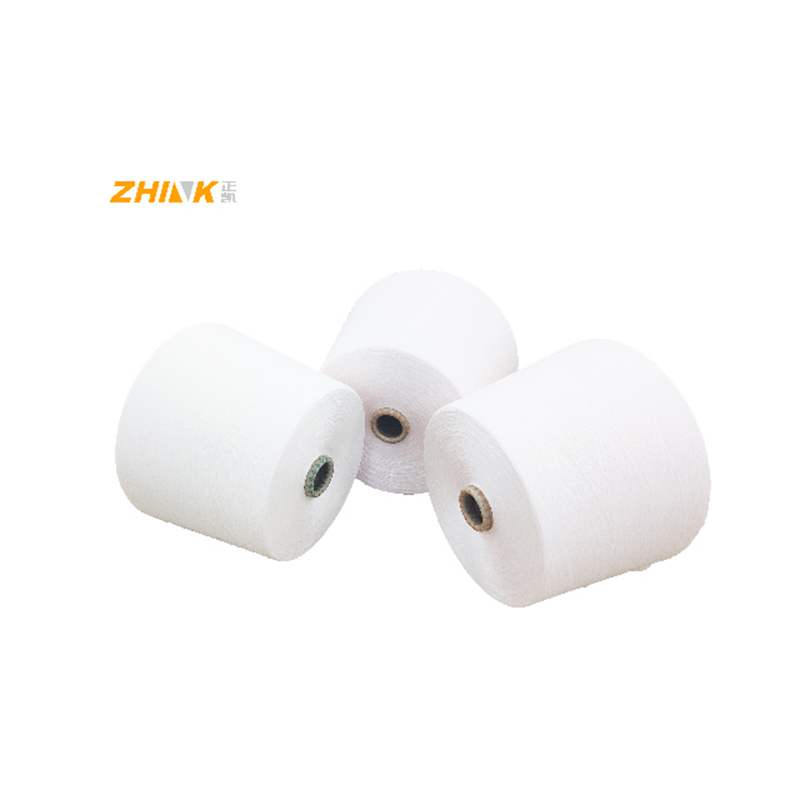
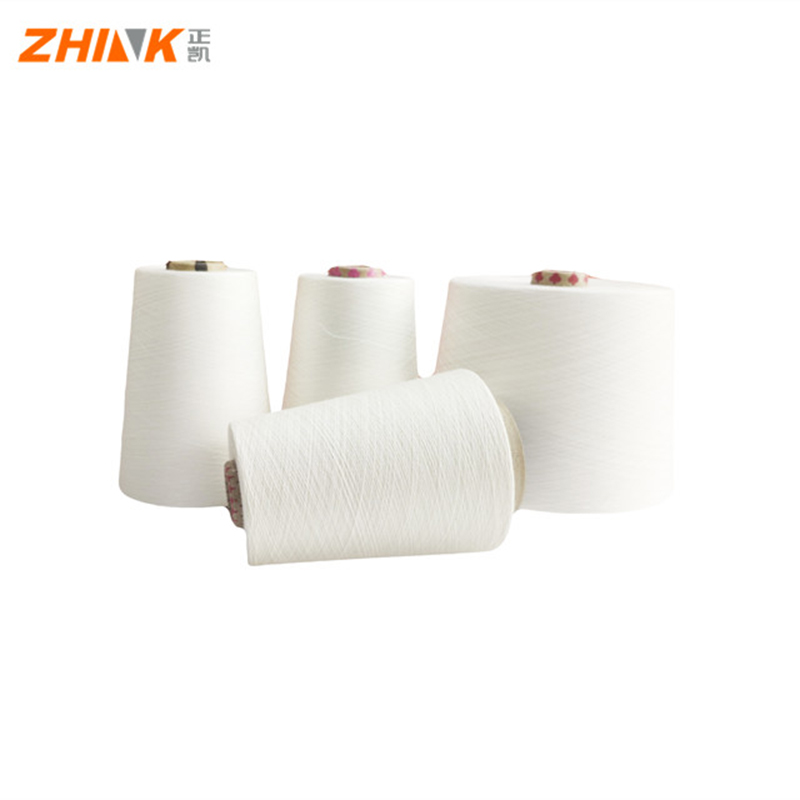
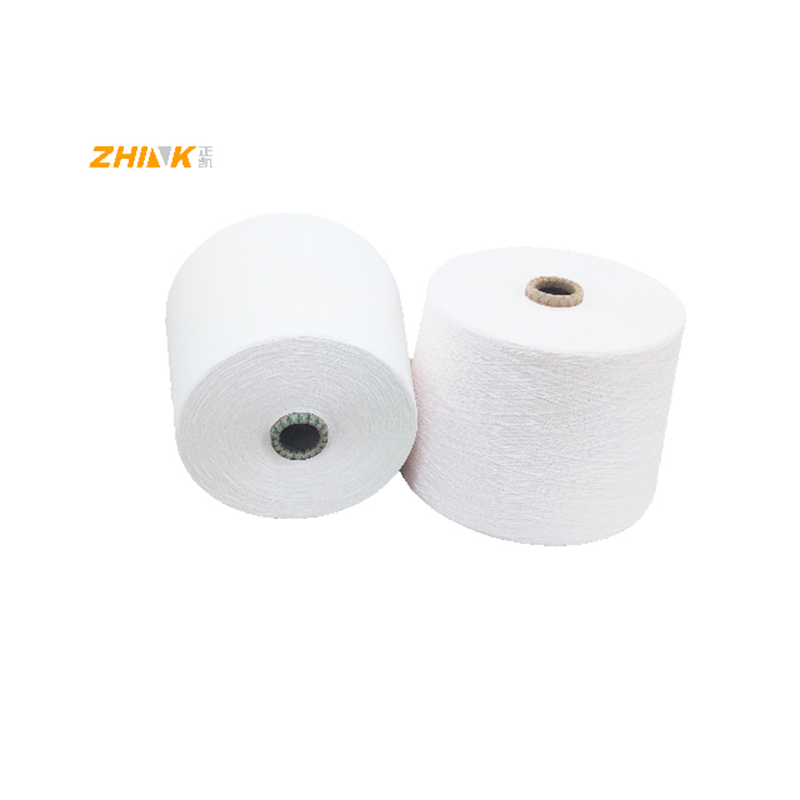
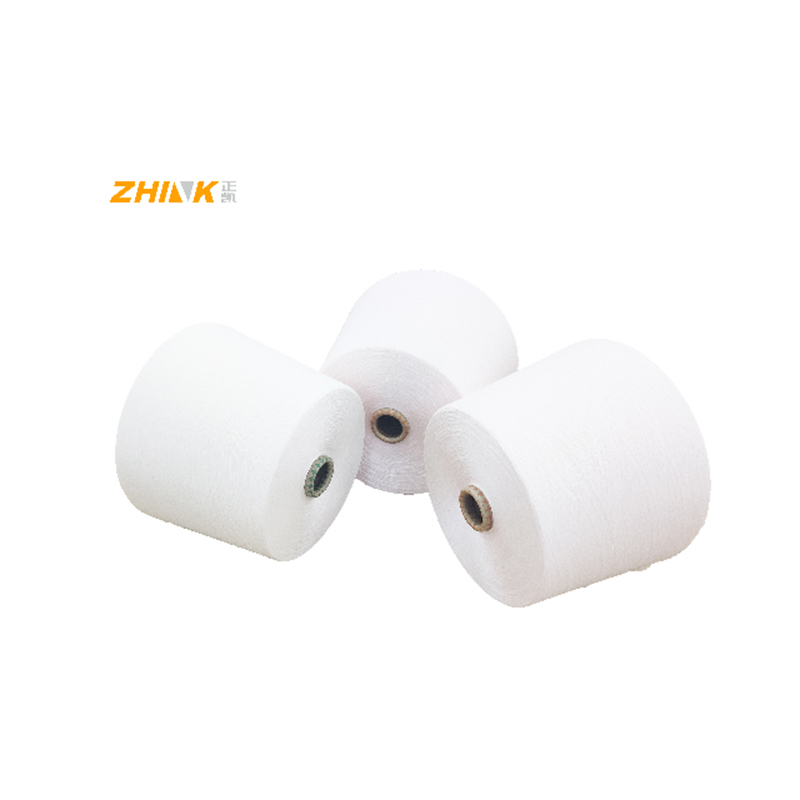
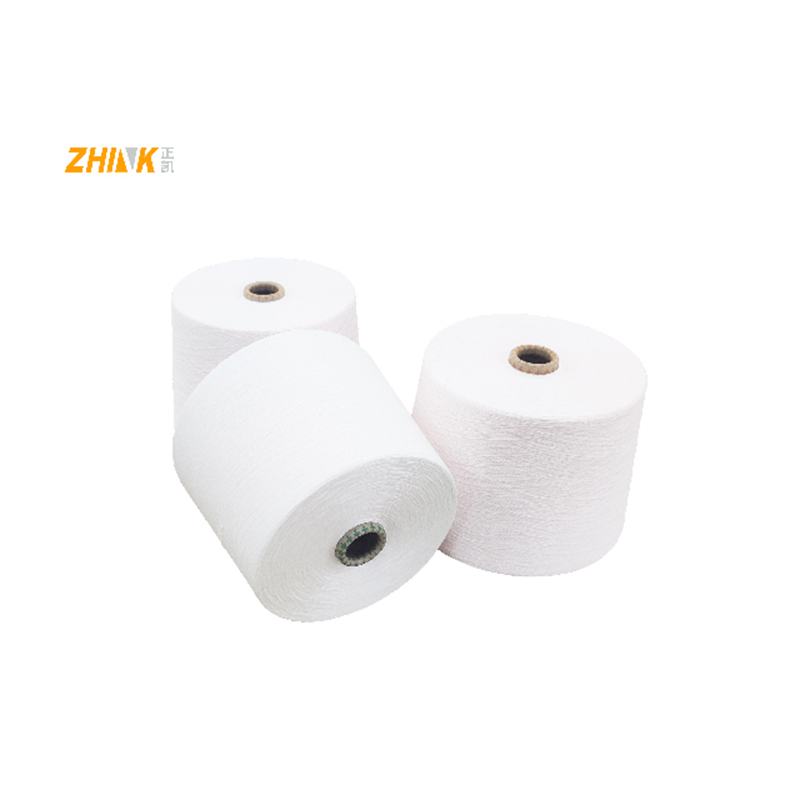
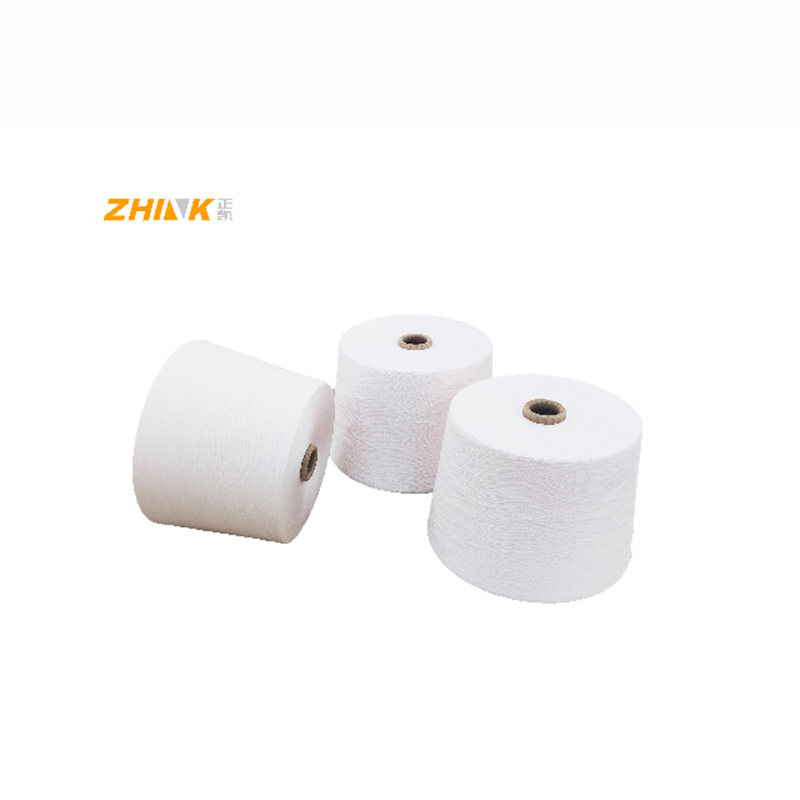
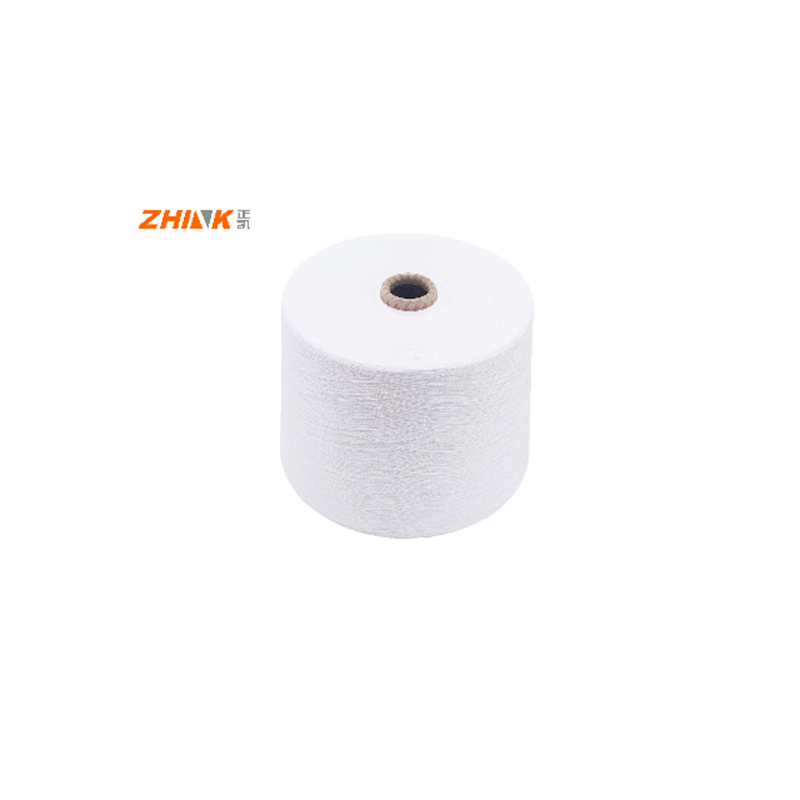
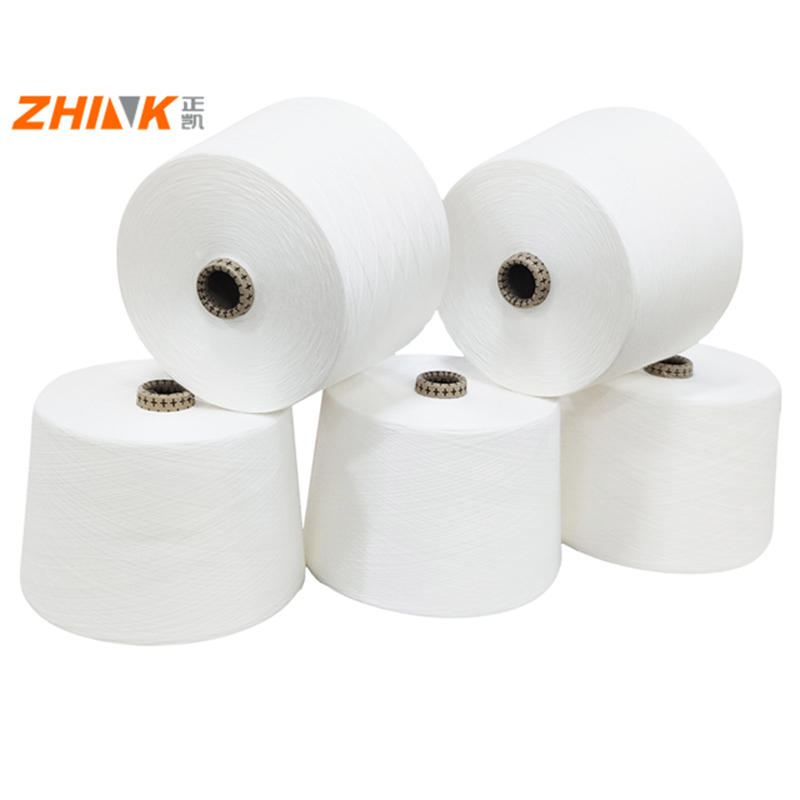
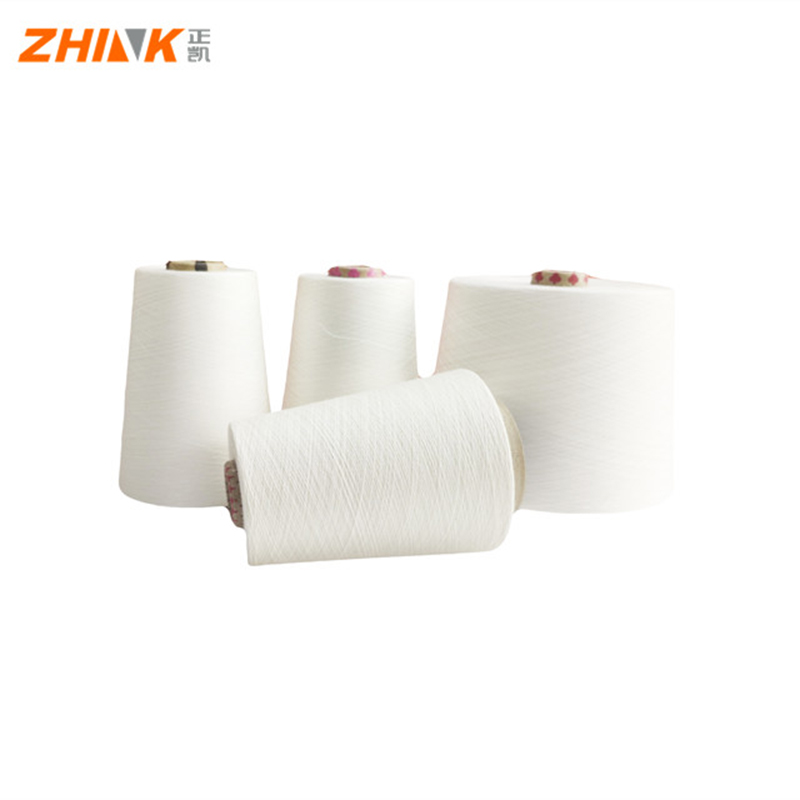
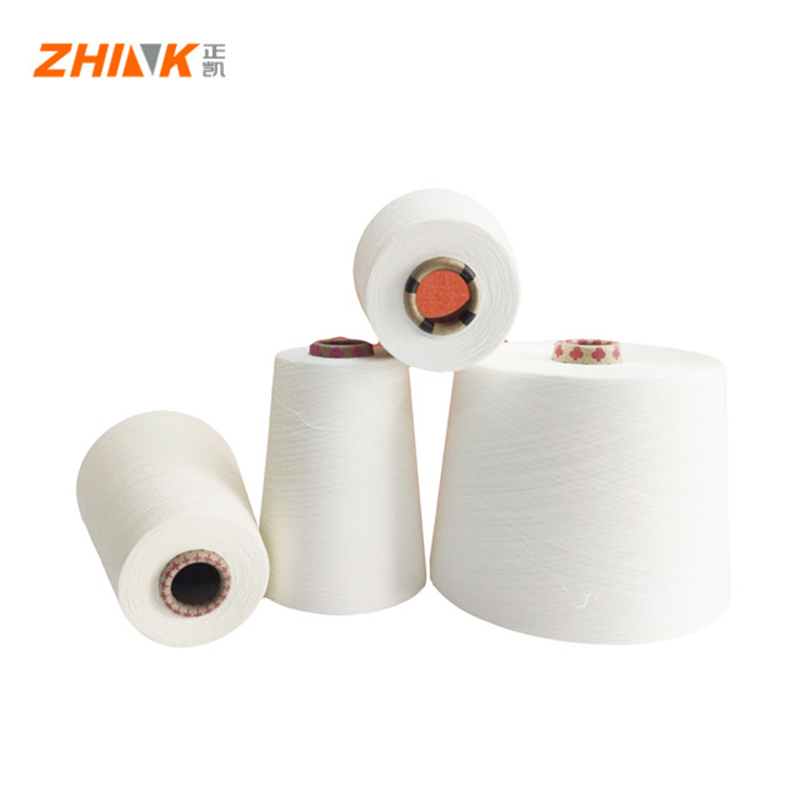
polyester/modal 65/35 yarn
The Science and Craft of Polyester/Modal 65/35 Yarn
In the world of textiles, the combination of polyester/modal 65/35 yarn represents a fascinating blend of technology and tradition. Why is this blend gaining such attention, and what should you know if you're in the industry? Let's delve deeper.
Understanding the Blend
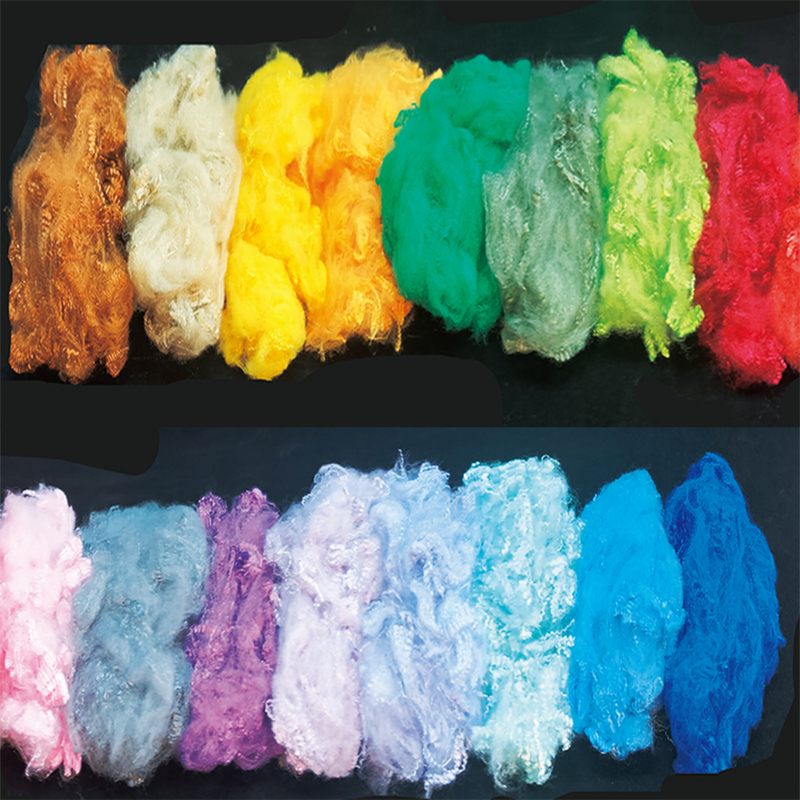
At its core, the mix of polyester with modal is about balancing strength and comfort. Polyester provides durability and shape retention, which is essential in many applications, from apparel to home textiles. On the other hand, modal, a type of rayon made from beech tree pulp, brings softness and breathability to the table.
Working with this blend, I've noticed how manufacturers often lean towards the 65/35 ratio. This specific proportion ensures that the fabric remains robust enough for everyday use, yet soft enough to offer a high level of comfort. The challenge, though, lies in maintaining this balance throughout production.
A common pitfall in the industry is underestimating the environmental aspect. Modal is somewhat more sustainable than traditional rayon due to its closed-loop process. However, polyester is still petroleum-based, prompting a need for innovation in sustainable practices, which companies like SHANDONG ZHINK NEW MATERIAL CO., LTD are actively pursuing. More on them later.
The Production Nuances
When discussing the production of polyester/modal 65/35 yarn, the spinning process is crucial. It's not just about mixing fibers but achieving a blend where the properties of both polyester and modal are optimized. Some mills I've consulted with often experiment with different spinning techniques to get the desired tactile and mechanical properties.
The choice of spinning method—ring-spun, open-end, or air-jet—can dramatically affect the fabric's final feel and durability. Ring spinning, for instance, often produces a softer yarn, which might be favored for high-end fashion items where feel is critical.
One cannot overlook the dyeing process either. Polyester requires dispersive dyes, while modal, being more cellulose-like, needs reactive dyes. Proper dye selection ensures that the final fabric doesn't just feel good but also looks vibrant and long-lasting.
Challenges in Quality Control
Maintaining consistent quality in polyester/modal 65/35 yarn involves rigorous quality assessments. I still remember a project where we struggled with inconsistent dye uptake, which was traced back to uneven blending during the initial fiber processing stages.
SHANDONG ZHINK NEW MATERIAL CO., LTD, for example, applies advanced quality control measures to ensure consistency. Their R&D department constantly works on refining these processes to minimize imperfections, as detailed on their site here.
Despite advances in technology, human oversight remains indispensable. Textile technologists like myself rely heavily on both automated systems and hands-on inspection to catch deviations early.
Sustainability Considerations
With growing environmental concerns, the focus on sustainability in the textile industry has never been greater. In blends such as polyester/modal 65/35 yarn, the key lies in optimizing resource use, minimizing waste, and adopting greener production techniques.
Companies committed to sustainable practices, like SHANDONG ZHINK NEW MATERIAL CO., LTD, are pioneering methods to recycle polyester more effectively and utilize sustainably sourced modal. This dual approach addresses the environmental impacts while maintaining product integrity.
Exploring solutions like biodegradable polyester and more efficient dyeing processes represents the ongoing effort to balance textile innovation with ecological responsibility.
Applications and Market Trends
The versatility of polyester/modal 65/35 yarn makes it suitable for a wide array of products. From fashion to functional fabrics, the blend's adaptability is impressive. High-performance sportswear, for example, often benefits from this blend's moisture-wicking properties and resilience.
Meanwhile, consumers' desire for both comfort and durability continues to drive demand. Companies are responding by offering products that promise long-lasting performance without sacrificing the soft, luxurious feel that modal provides.
As the market evolves, staying ahead requires a keen eye on consumer trends and technological advancements. Partnerships with material researchers and textile engineers are crucial in navigating this dynamic landscape.
Related Products
Related Products