+86-632-3621866
- Chinese
- French
- German
- Portuguese
- Spanish
- Russian
- Japanese
- Korean
- Arabic
- Irish
- Greek
- Turkish
- Italian
- Danish
- Romanian
- Indonesian
- Czech
- Afrikaans
- Swedish
- Polish
- Basque
- Catalan
- Esperanto
- Hindi
- Lao
- Albanian
- Amharic
- Armenian
- Azerbaijani
- Belarusian
- Bengali
- Bosnian
- Bulgarian
- Cebuano
- Chichewa
- Corsican
- Croatian
- Dutch
- Estonian
- Filipino
- Finnish
- Frisian
- Galician
- Georgian
- Gujarati
- Haitian
- Hausa
- Hawaiian
- Hebrew
- Hmong
- Hungarian
- Icelandic
- Igbo
- Javanese
- Kannada
- Kazakh
- Khmer
- Kurdish
- Kyrgyz
- Latin
- Latvian
- Lithuanian
- Luxembou..
- Macedonian
- Malagasy
- Malay
- Malayalam
- Maltese
- Maori
- Marathi
- Mongolian
- Burmese
- Nepali
- Norwegian
- Pashto
- Persian
- Punjabi
- Serbian
- Sesotho
- Sinhala
- Slovak
- Slovenian
- Somali
- Samoan
- Scots Gaelic
- Shona
- Sindhi
- Sundanese
- Swahili
- Tajik
- Tamil
- Telugu
- Thai
- Ukrainian
- Urdu
- Uzbek
- Vietnamese
- Welsh
- Xhosa
- Yiddish
- Yoruba
- Zulu
- Kinyarwanda
- Tatar
- Oriya
- Turkmen
- Uyghur



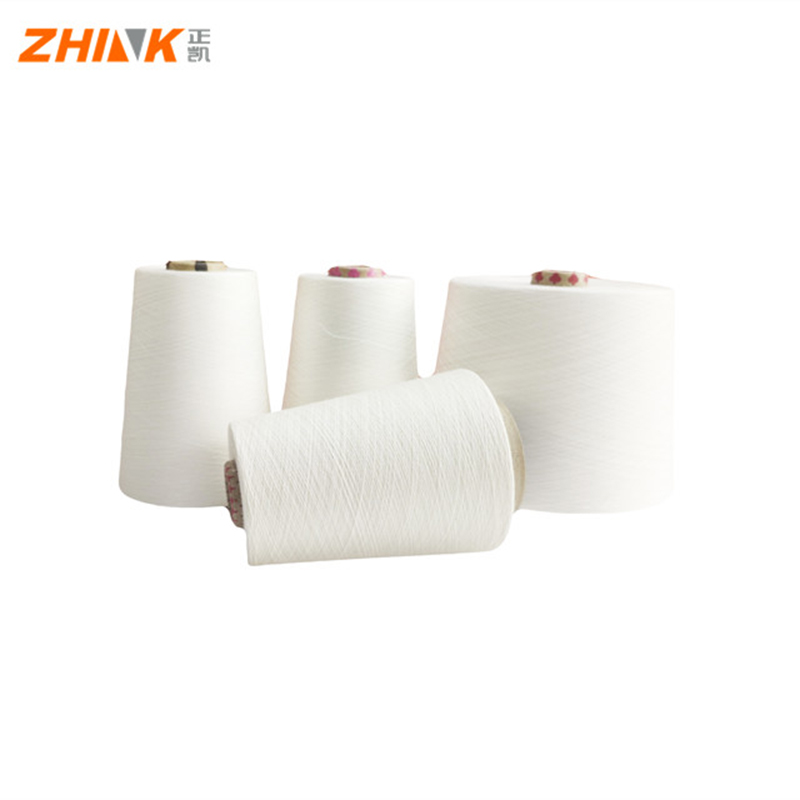
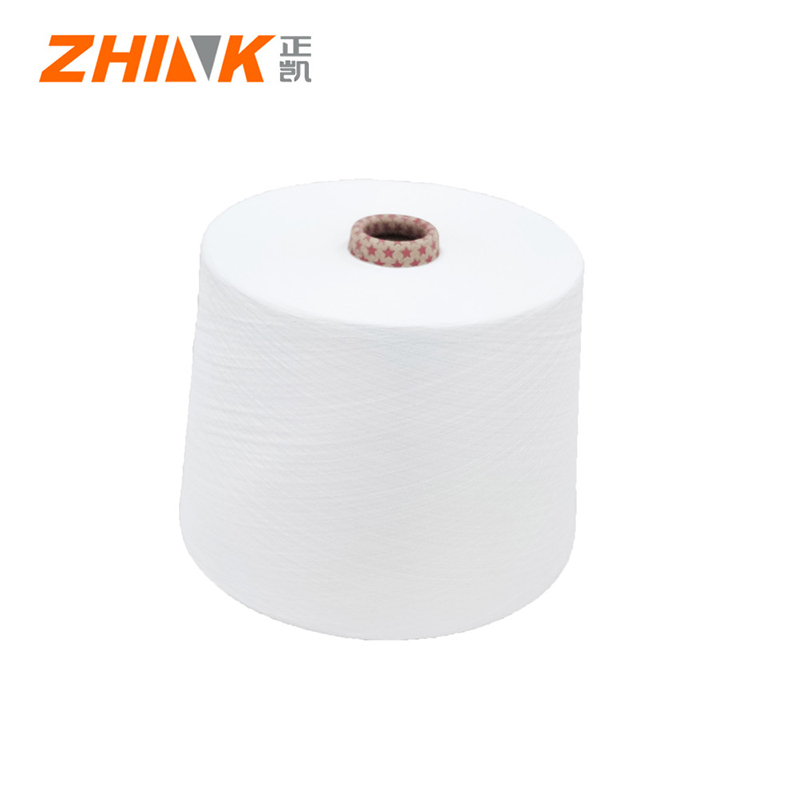
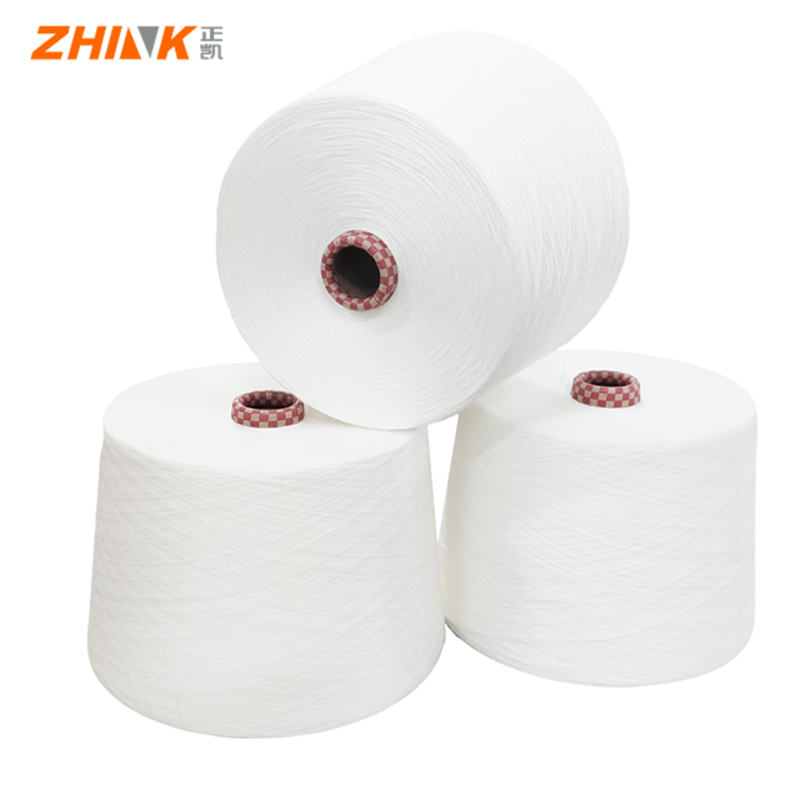
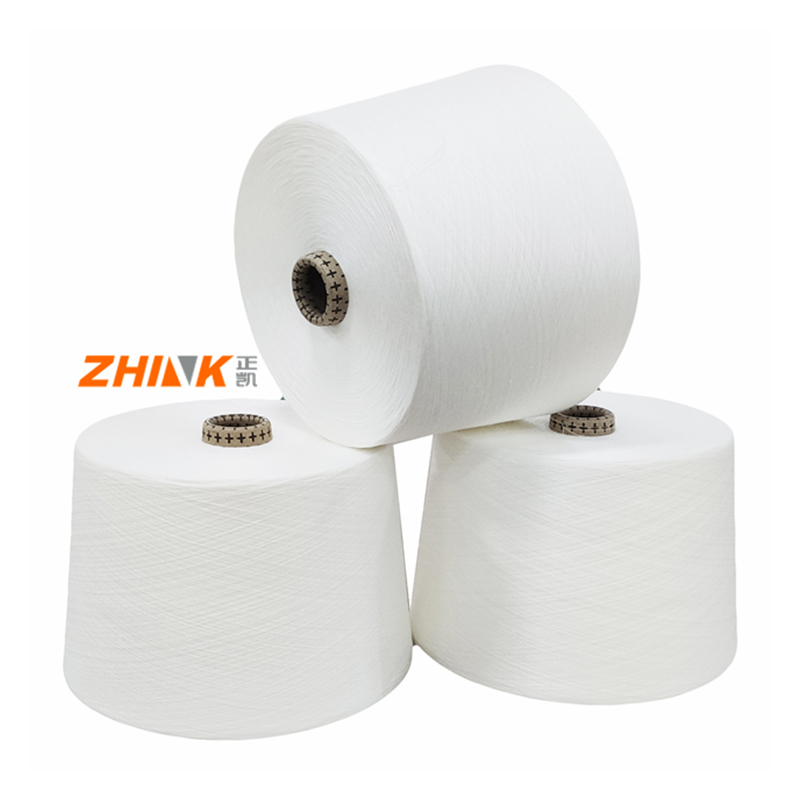
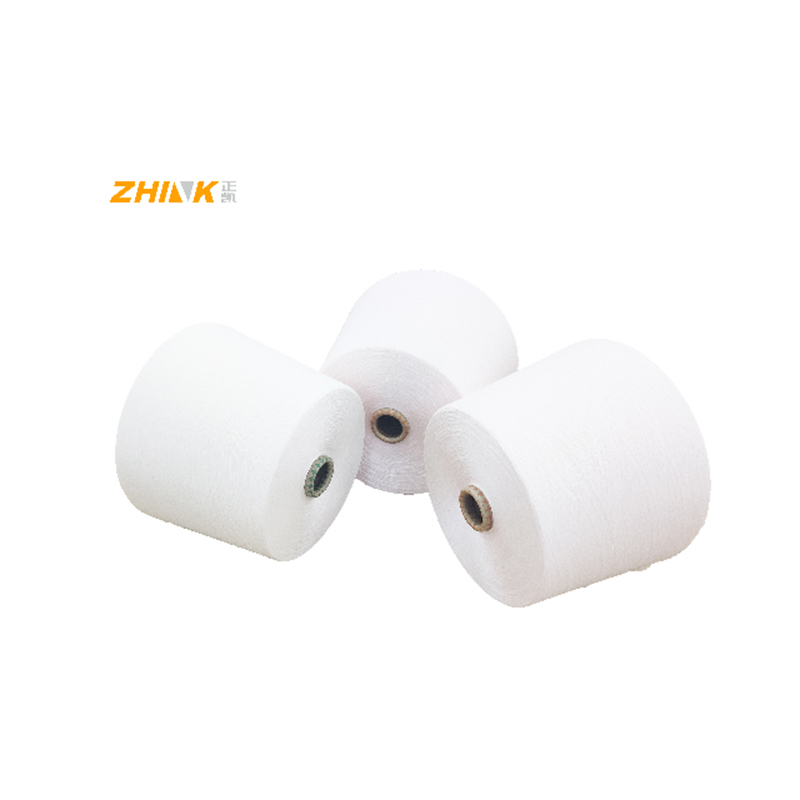
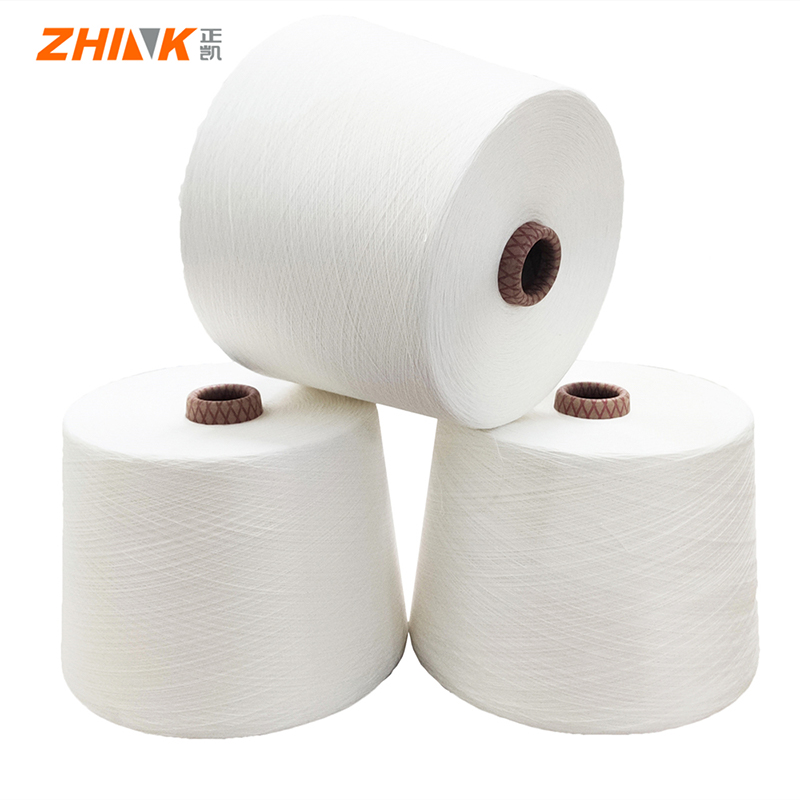
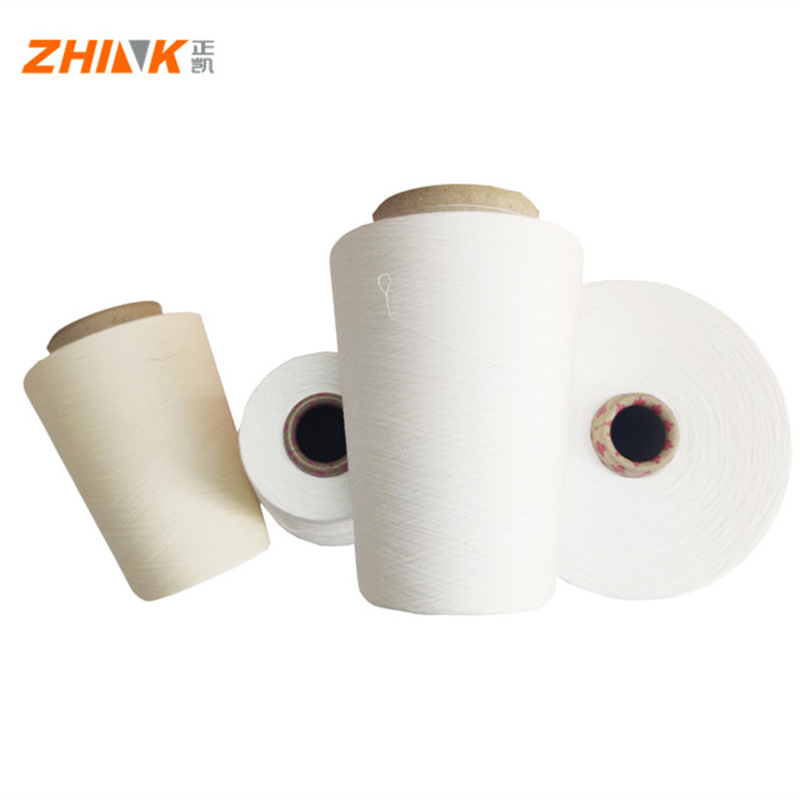
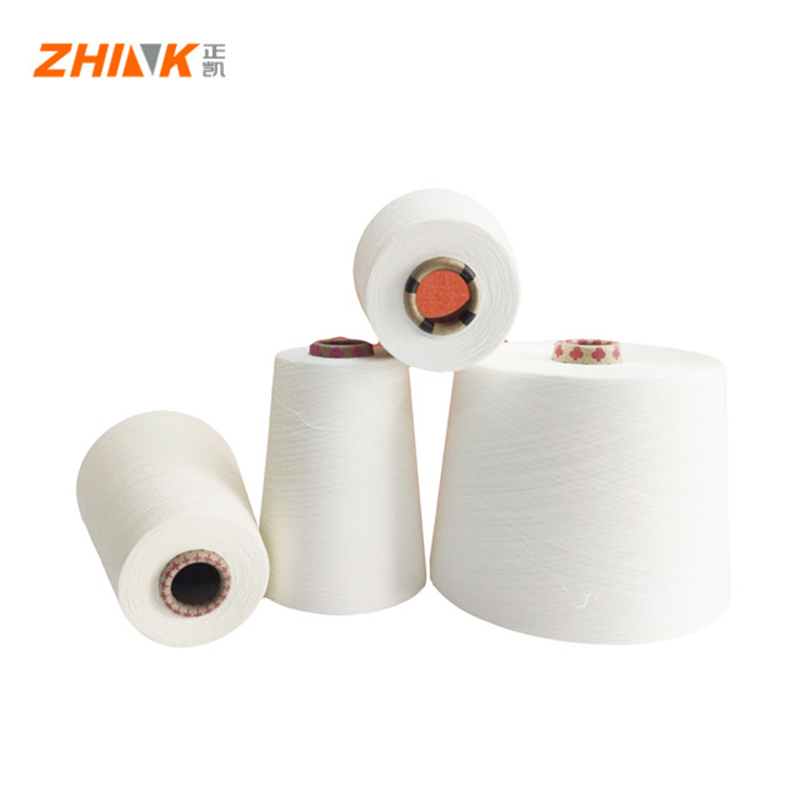
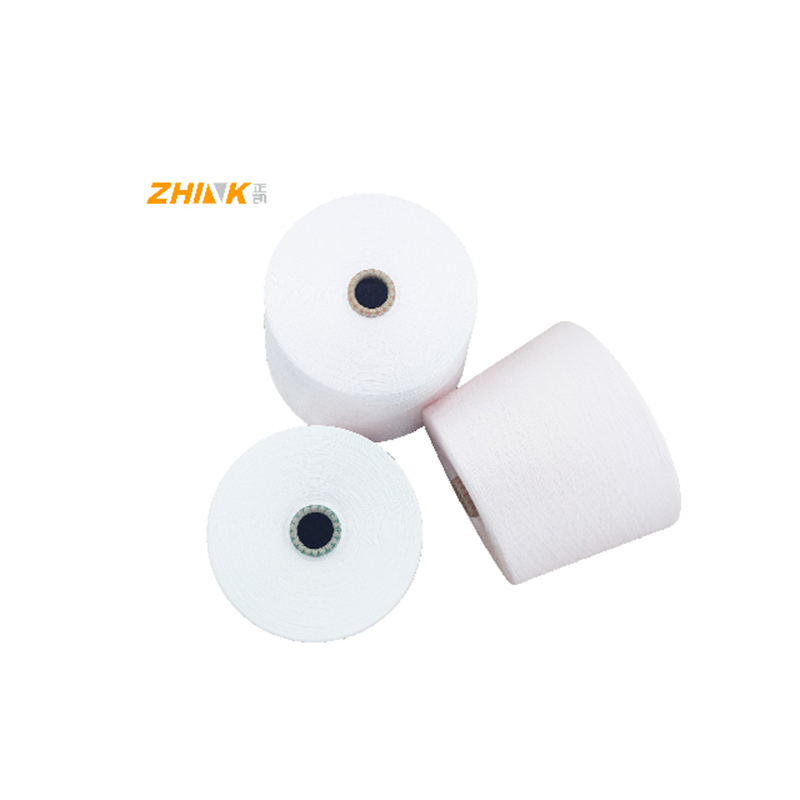
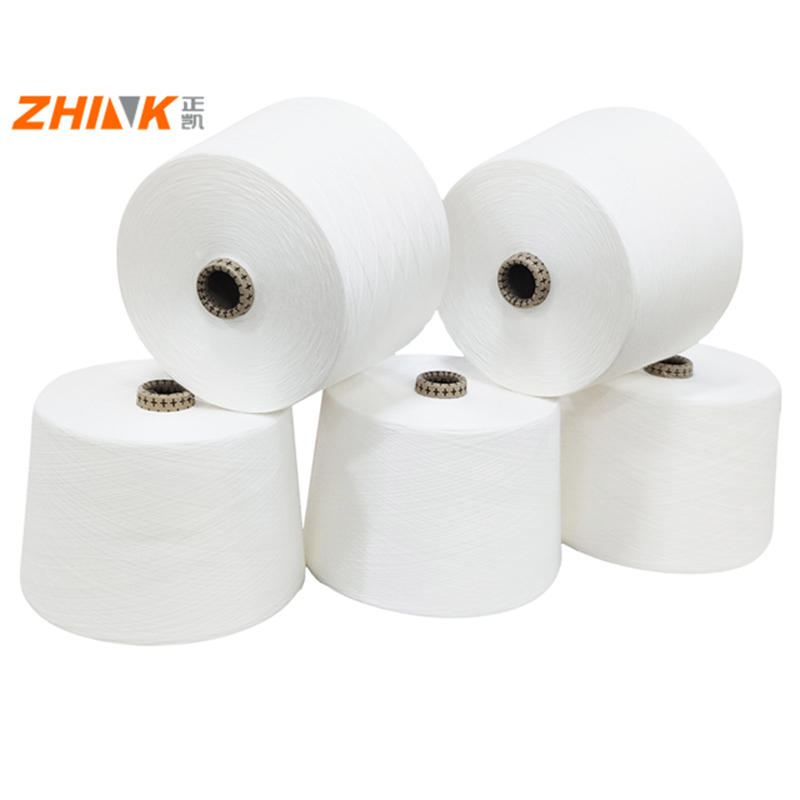
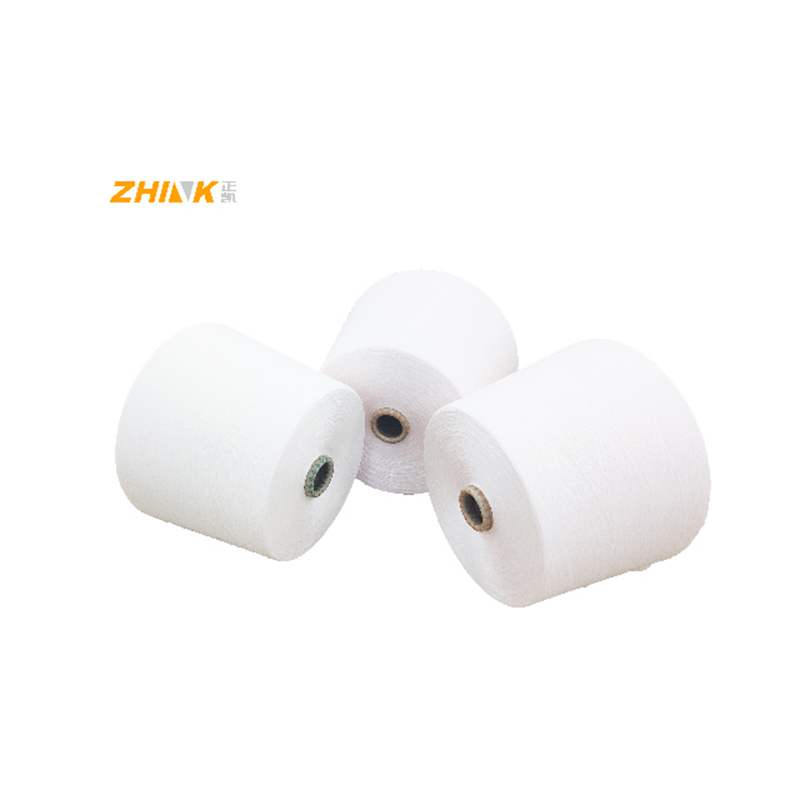
polyester/modal 70/30 yarn
html
The Versatile World of Polyester/Modal 70/30 Yarn
When it comes to blending fibers in textiles, the combination of polyester and modal in a 70/30 ratio offers a unique balance of durability and softness. It's a blend favored by manufacturers, yet there's often confusion about its best applications and benefits.
Understanding the Blend
The polyester/modal 70/30 yarn mix is a fascinating subject. Why? Because it marries the durability of polyester with the luxurious feel of modal. Polyester, renowned for its resilience and wrinkle resistance, pairs intriguingly with modal, a semi-synthetic fiber known for its breathability and silk-like touch. This blend brings forth a versatile yarn that functions well across varied textile applications.
In textiles, the ability to combine fibers to balance performance and comfort is crucial. Many overlook the harmony that such blends provide. However, it’s essential to recognize how each fiber complements the other. Polyester strengthens the structure, provides shape-retaining properties, while modal infuses that touch of comfort with enhanced moisture management.
What do manufacturers say? Companies like SHANDONG ZHINK NEW MATERIAL CO., LTD, which you can explore at their website, Zhink Yarn, are at the forefront of utilizing these advanced blends. Their focus on innovation in textile materials gives them an edge in addressing the nuanced needs of fabric performance.
Challenges in Manufacturing
While blending fibers like this seems straightforward, it's not without its challenges. Ensuring even distribution of fibers in the yarn requires precision in production techniques. Any imbalance might lead to unwanted texture variations, affecting the fabric's final quality.
A common pitfall in manufacturing is neglecting the fineness of modal compared to polyester. It demands careful calibration in spinning to prevent modal from overpowering or clumping. Manufacturers must maintain rigorous quality checks to uphold standards.
Speaking from experience, one particular batch I encountered had a minor issue with tensile strength due to uneven blending. This highlighted the need for ongoing testing and iteration during development to perfect the consistency of the yarn.
Applications in Textiles
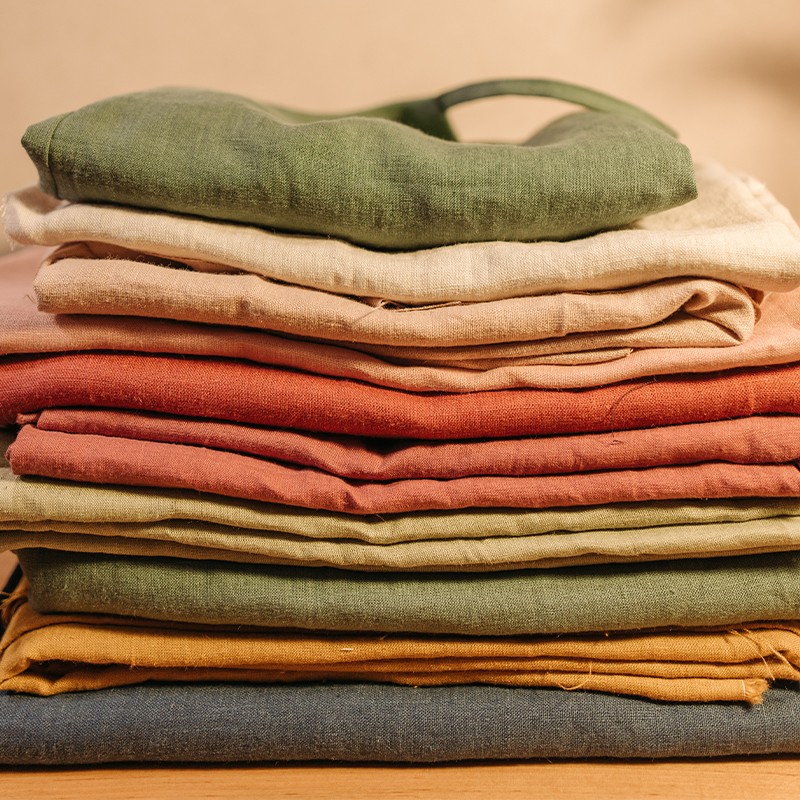
The diversity of applications for polyester/modal 70/30 yarn is impressive. It's popular in fashion for creating garments that require a smooth finish alongside durability, such as blouses, dresses, and men's shirts. Beyond apparel, this yarn finds its use in home textiles like sheets and pillowcases.
More specifically, its wrinkle resistance and color retention qualities make it favorable for travel clothing and uniforms. The modal component ensures that garments remain comfortable even in warmer climates, making it a suitable choice for summer collections.
Observing consumer feedback, fabrics made from this blend often receive positive ratings for both touch and performance. Users frequently comment on how well the items maintain their look and feel after numerous washing cycles.
Sustainability Considerations
In today's environment-conscious market, understanding the sustainability of textile processes is essential. Modal, derived from beech trees, is biodegradable and considered more eco-friendly than other synthetics. Its inclusion in the blend appeals to those committed to reducing environmental impact.
However, sustainability isn't solely about the fiber; it extends to the production process. Companies like Zhink New Material actively research sustainable practices to incorporate into their manufacturing. Efficiency in resource use and reducing waste are essential components in their strategy.
The commitment to sustainable practices in yarn manufacturing not only meets regulatory demands but also attracts environmentally aware consumers. It's an area where continued innovation can contribute significantly to industry standards.
Future Prospects
Looking ahead, the potential for polyester/modal 70/30 yarn lies in evolving consumer demands and emerging technologies in textile production. With advances in fiber engineering and smart textiles, this blend can see adaptations for enhanced performance characteristics.
Moreover, as users continue to prioritize comfort alongside functionality, this type of yarn has a promising future in activewear and even niche markets like adaptive clothing. The blend's performance properties align well with these dynamic needs.
In summarizing this yarn's versatility, SHANDONG ZHINK NEW MATERIAL CO., LTD exemplifies how innovation and tradition come together in textile development. Their expertise demonstrates that while challenges exist, the fusion of fibers can produce fabrics that excel in modern-day requirements.
Related Products
Related Products