+86-632-3621866
- Chinese
- French
- German
- Portuguese
- Spanish
- Russian
- Japanese
- Korean
- Arabic
- Irish
- Greek
- Turkish
- Italian
- Danish
- Romanian
- Indonesian
- Czech
- Afrikaans
- Swedish
- Polish
- Basque
- Catalan
- Esperanto
- Hindi
- Lao
- Albanian
- Amharic
- Armenian
- Azerbaijani
- Belarusian
- Bengali
- Bosnian
- Bulgarian
- Cebuano
- Chichewa
- Corsican
- Croatian
- Dutch
- Estonian
- Filipino
- Finnish
- Frisian
- Galician
- Georgian
- Gujarati
- Haitian
- Hausa
- Hawaiian
- Hebrew
- Hmong
- Hungarian
- Icelandic
- Igbo
- Javanese
- Kannada
- Kazakh
- Khmer
- Kurdish
- Kyrgyz
- Latin
- Latvian
- Lithuanian
- Luxembou..
- Macedonian
- Malagasy
- Malay
- Malayalam
- Maltese
- Maori
- Marathi
- Mongolian
- Burmese
- Nepali
- Norwegian
- Pashto
- Persian
- Punjabi
- Serbian
- Sesotho
- Sinhala
- Slovak
- Slovenian
- Somali
- Samoan
- Scots Gaelic
- Shona
- Sindhi
- Sundanese
- Swahili
- Tajik
- Tamil
- Telugu
- Thai
- Ukrainian
- Urdu
- Uzbek
- Vietnamese
- Welsh
- Xhosa
- Yiddish
- Yoruba
- Zulu
- Kinyarwanda
- Tatar
- Oriya
- Turkmen
- Uyghur


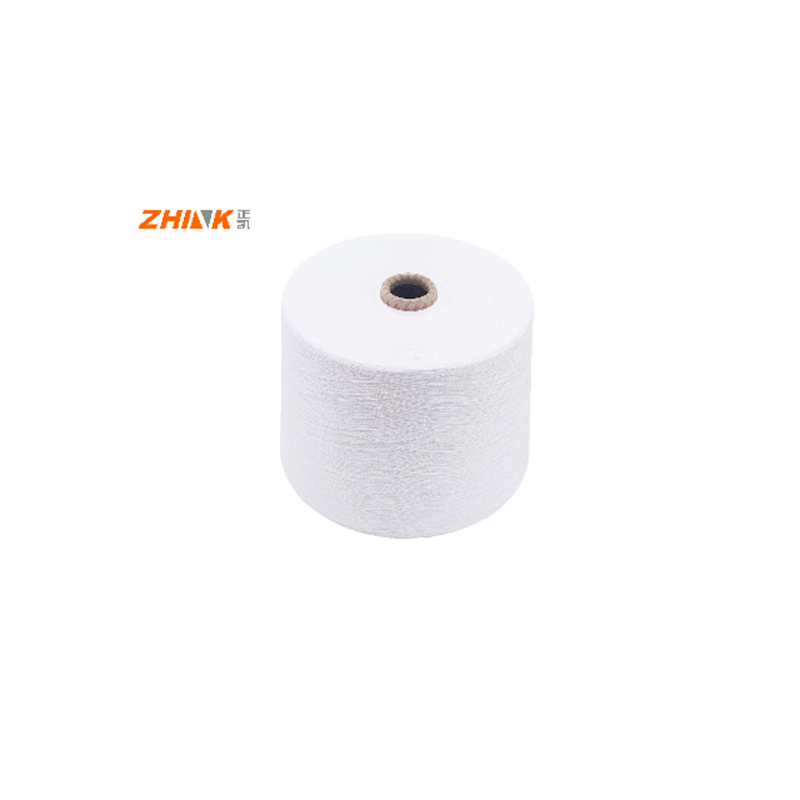
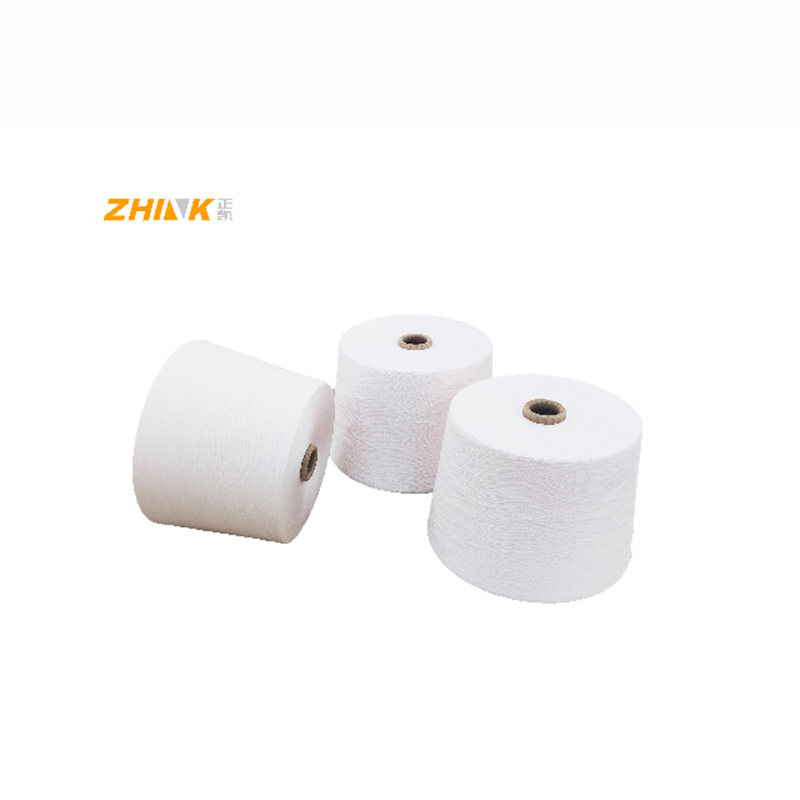
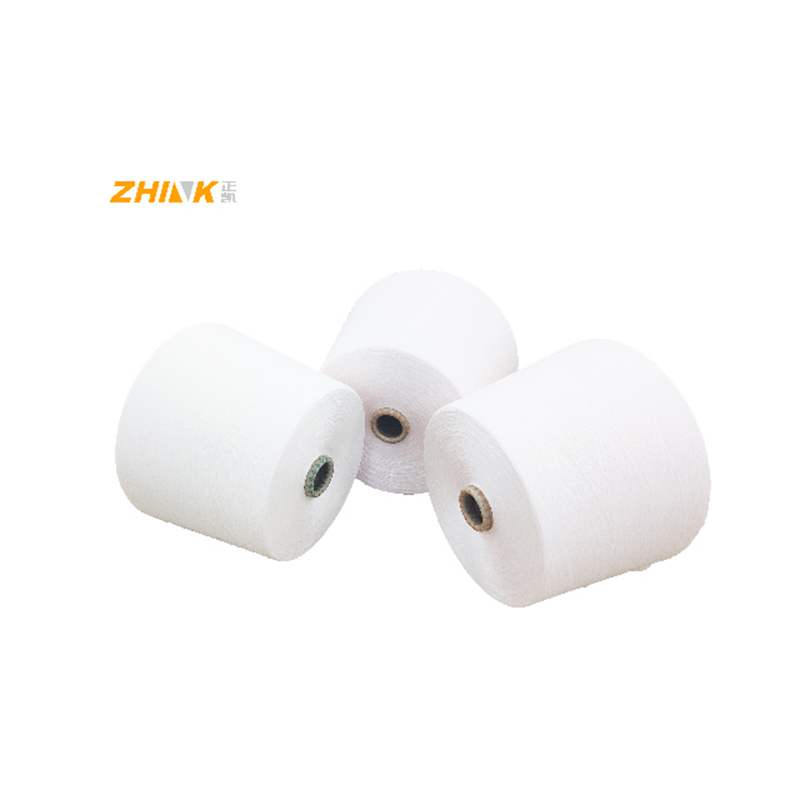
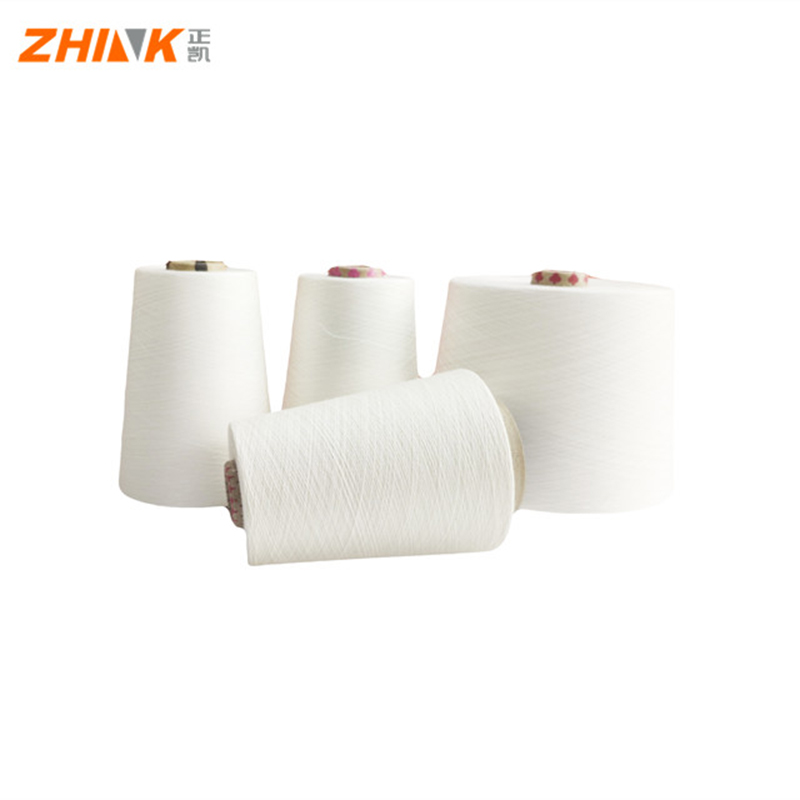
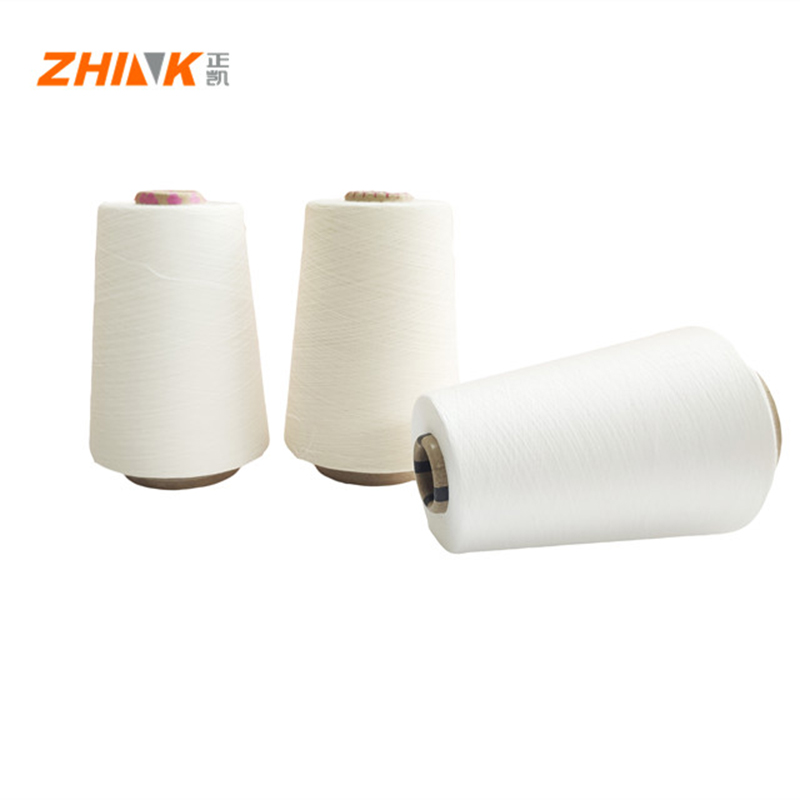
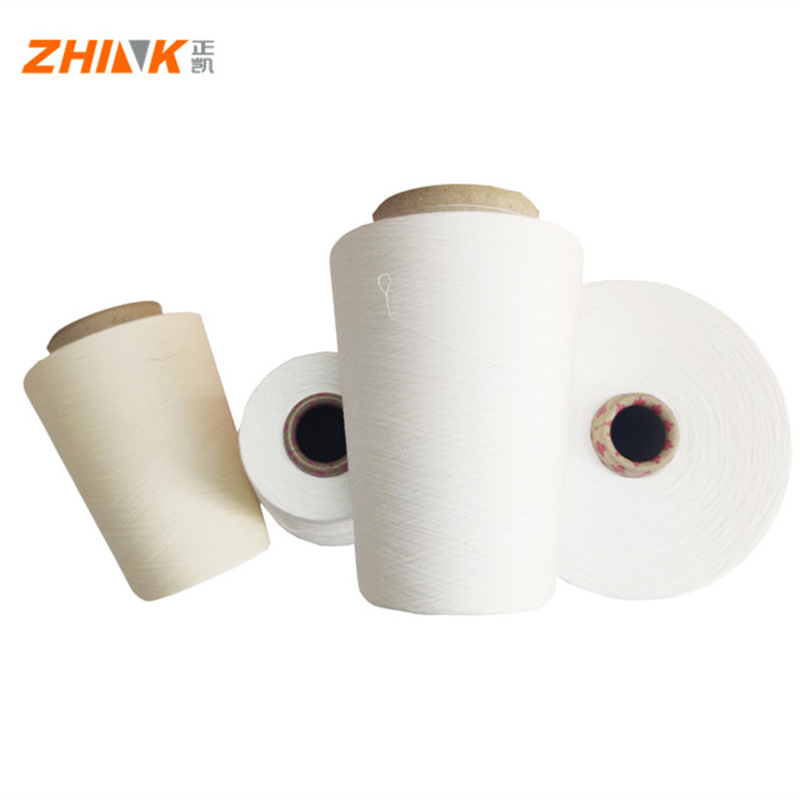
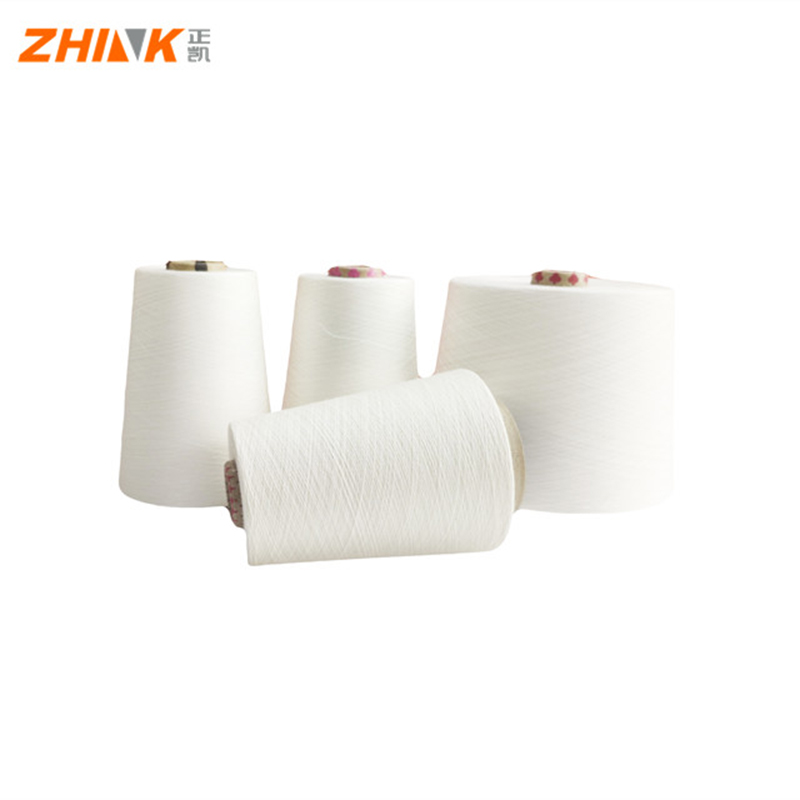
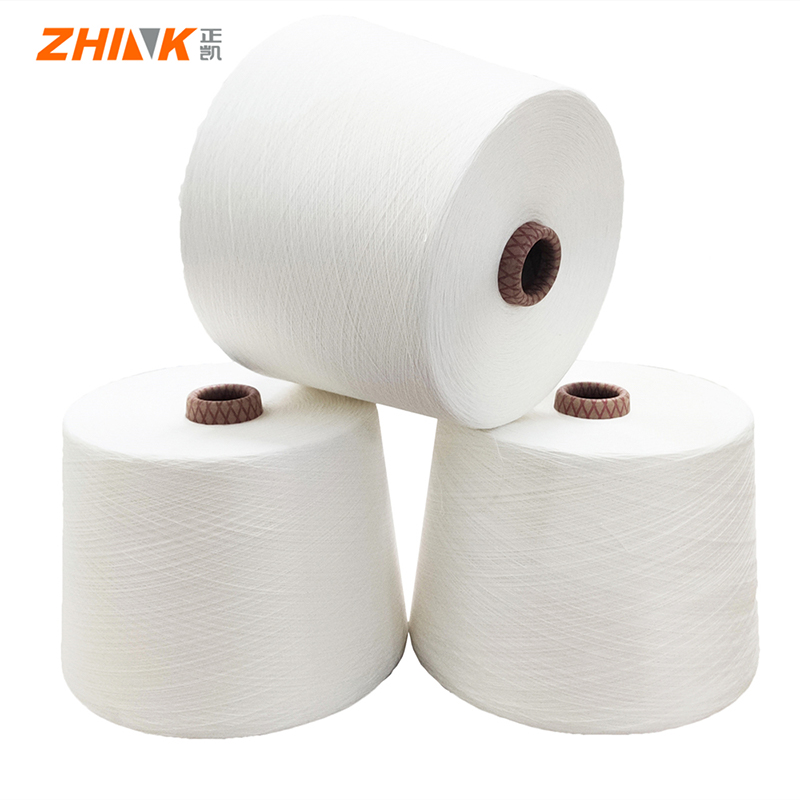
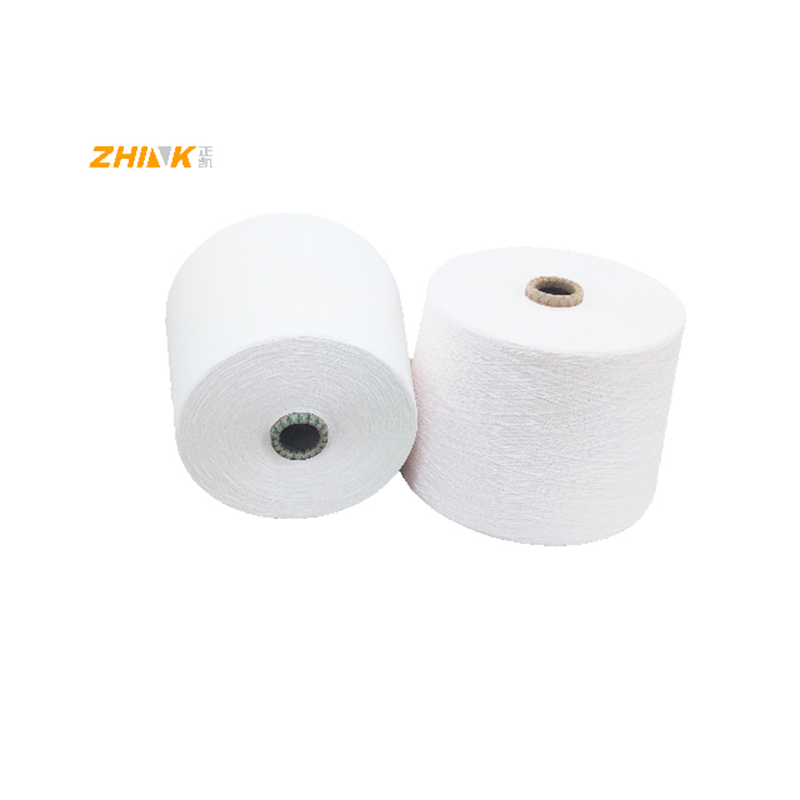
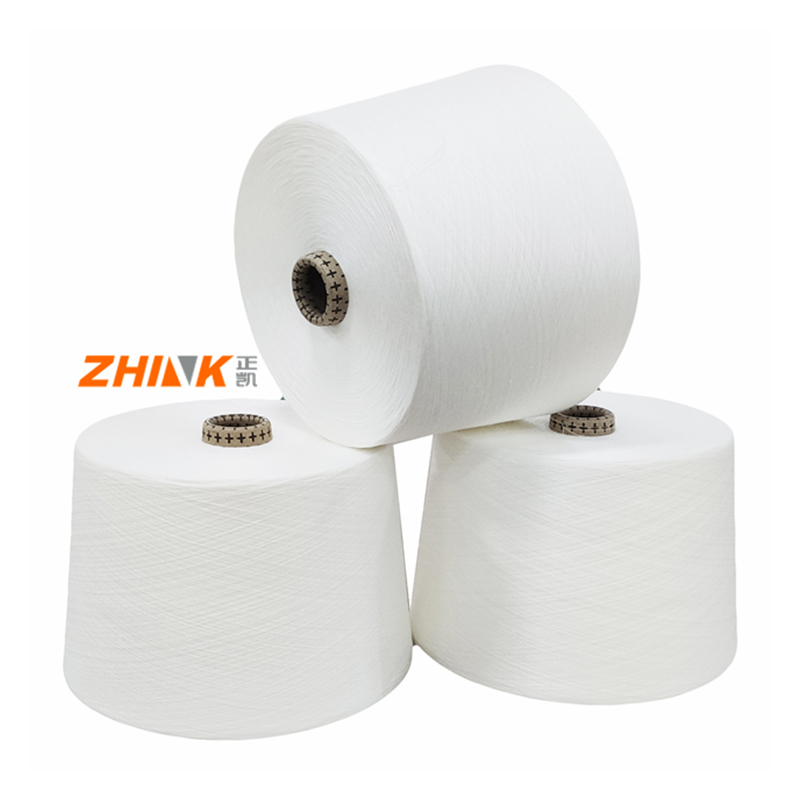
polyester/modal 80/20 yarn
Understanding the Polyester/Modal 80/20 Yarn Blend
The textile industry constantly seeks new materials to optimize comfort, durability, and sustainability. One such fascinating blend is polyester/modal 80/20 yarn. It’s a notable fusion that leverages the unique qualities of both fibers, but there’s often some confusion and misconceptions about its real-world applications and benefits.
The Composition of Polyester/Modal 80/20 Yarn
When we talk about this blend, we’re essentially looking at a yarn that takes 80% polyester and mixes it with 20% modal. Polyester, being a synthetic fiber, is known for its strength and resistance to various environmental factors. Meanwhile, modal, a type of rayon made primarily from beech tree pulp, brings a softer, more luxurious touch to the table. This blend aims to offer the best of both worlds, presenting a fabric that’s not only durable but also pleasantly soft against the skin.
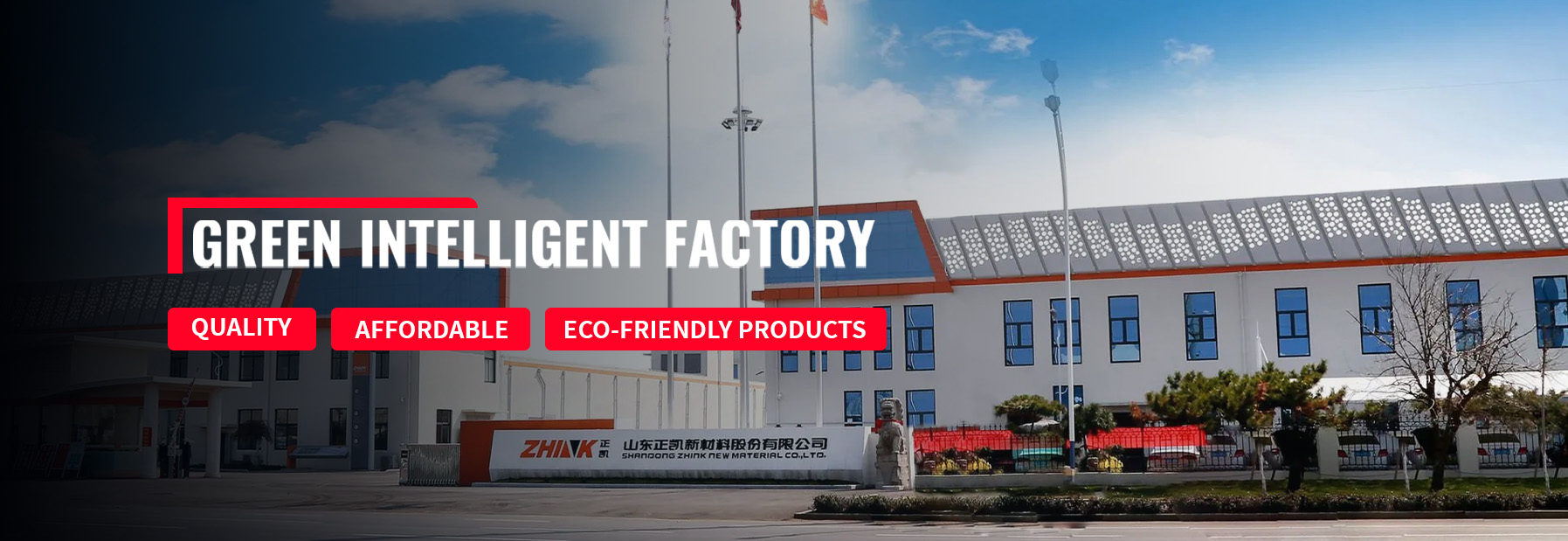
The challenge is often balancing these fibers to maintain a fabric that doesn’t lean too much towards the synthetic feel of polyester or the sometimes overly delicate nature of pure modal. Achieving a harmonious blend is crucial, and it requires a delicate balance during production. Companies like SHANDONG ZHINK NEW MATERIAL CO., LTD are tackling this challenge head-on, supported by their expertise in new textile material development.
From a practical standpoint, this yarn has seen usage in a variety of applications, including casual wear, sports apparel, and even home textiles. Its adaptability is one of its strengths, but it’s not without its pitfalls. For instance, while it’s washing machine friendly, some users may find over time that it tends to retain odors if not cared for properly.
Common Misconceptions
One prevalent misunderstanding is the assumption that higher modal content automatically equates to better quality. While modal is known for its plush softness, mixing in too much can compromise the yarn’s structural integrity. Polyester’s inclusion is crucial for durability, particularly in garments meant for frequent use.
Interestingly, some assume that the presence of polyester significantly detracts from the environmental friendliness of this blend. However, with advancements in recycling processes and sustainable production methods, as championed by firms like Zhink New Material, the environmental impact can be minimized. It’s a constantly evolving field, and these misconceptions often dissipate as technology improves.
Producers focus on optimizing processes to ensure that neither beauty nor durability is sacrificed. This ongoing development results in textiles that consistently perform well in diverse conditions, a testament to the blend’s versatility.
Real-World Applications and Experiences
From personal experience, I’ve seen manufacturers increasingly opt for this blend in garments where comfort is paramount but durability cannot be compromised. A telling example is activewear—the soft touch of modal paired with polyester’s longevity creates garments ready for repeated wear and washing.
While working with customers, feedback often centers on comfort during movement and lasting shape retention. Some athletes, for instance, have praised how such garments outperform traditional cotton blends, especially in moisture management and quick drying properties.
These insights illuminate why companies invest heavily in innovation. SHANDONG ZHINK NEW MATERIAL CO., LTD’s dedication to R&D underpins enhancements in these areas, showcasing their commitment to staying at the forefront of textile technology.
Challenges in Production and Usage
Despite its advantages, producing polyester/modal 80/20 yarn isn’t without challenges. The dyeing process, for instance, requires specialized techniques to ensure vibrant, lasting colors that don’t fade with multiple washes. Blending these fibers evenly also demands precision to prevent uneven textures or weak spots.
Usage can also present issues, particularly for those unfamiliar with mixed-fiber care. Consumers often need guidance on washing techniques to prolong garment life; even staple fabrics can suffer premature wear if treated incorrectly. This educational gap is an ongoing opportunity for companies to build stronger relationships with consumers by equipping them with care knowledge.
It’s about addressing not just the technical hurdles but also improving user experience by providing comprehensive care guidelines directly on packaging or through accessible online resources.
Future Directions and Innovations
Looking ahead, the potential for polyester/modal 80/20 yarn is vast, particularly as sustainable practices gain traction. Companies like Zhink New Material are exploring biodegradable polyester options and more eco-friendly modal production methods, aiming to create textiles that are not only functional and comfortable but also responsible.
Collaborations between textile manufacturers, environmental scientists, and innovators in materials science could soon bring forth revolutionary strides in reducing ecological impacts while maintaining the performance attributes that consumers have come to expect. This synergy is key to addressing both market demands and environmental responsibilities.
In summary, while polyester/modal 80/20 yarn presents certain challenges, the benefits and ongoing advancements in its production technology make it a compelling choice for a sustainable, durable, and comfortable future in textiles.
Related Products
Related Products