+86-632-3621866
- Chinese
- French
- German
- Portuguese
- Spanish
- Russian
- Japanese
- Korean
- Arabic
- Irish
- Greek
- Turkish
- Italian
- Danish
- Romanian
- Indonesian
- Czech
- Afrikaans
- Swedish
- Polish
- Basque
- Catalan
- Esperanto
- Hindi
- Lao
- Albanian
- Amharic
- Armenian
- Azerbaijani
- Belarusian
- Bengali
- Bosnian
- Bulgarian
- Cebuano
- Chichewa
- Corsican
- Croatian
- Dutch
- Estonian
- Filipino
- Finnish
- Frisian
- Galician
- Georgian
- Gujarati
- Haitian
- Hausa
- Hawaiian
- Hebrew
- Hmong
- Hungarian
- Icelandic
- Igbo
- Javanese
- Kannada
- Kazakh
- Khmer
- Kurdish
- Kyrgyz
- Latin
- Latvian
- Lithuanian
- Luxembou..
- Macedonian
- Malagasy
- Malay
- Malayalam
- Maltese
- Maori
- Marathi
- Mongolian
- Burmese
- Nepali
- Norwegian
- Pashto
- Persian
- Punjabi
- Serbian
- Sesotho
- Sinhala
- Slovak
- Slovenian
- Somali
- Samoan
- Scots Gaelic
- Shona
- Sindhi
- Sundanese
- Swahili
- Tajik
- Tamil
- Telugu
- Thai
- Ukrainian
- Urdu
- Uzbek
- Vietnamese
- Welsh
- Xhosa
- Yiddish
- Yoruba
- Zulu
- Kinyarwanda
- Tatar
- Oriya
- Turkmen
- Uyghur


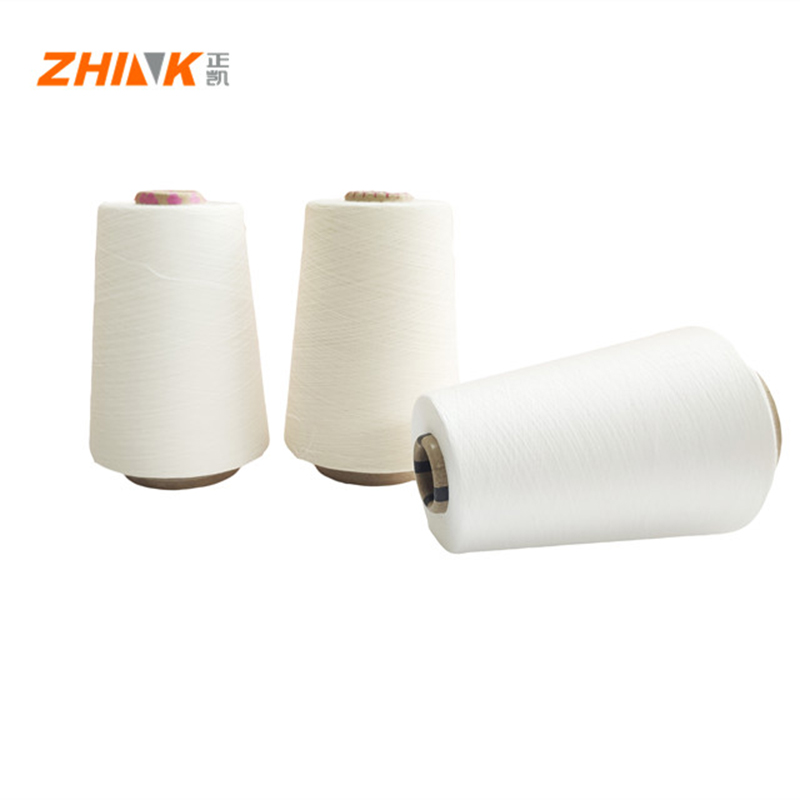
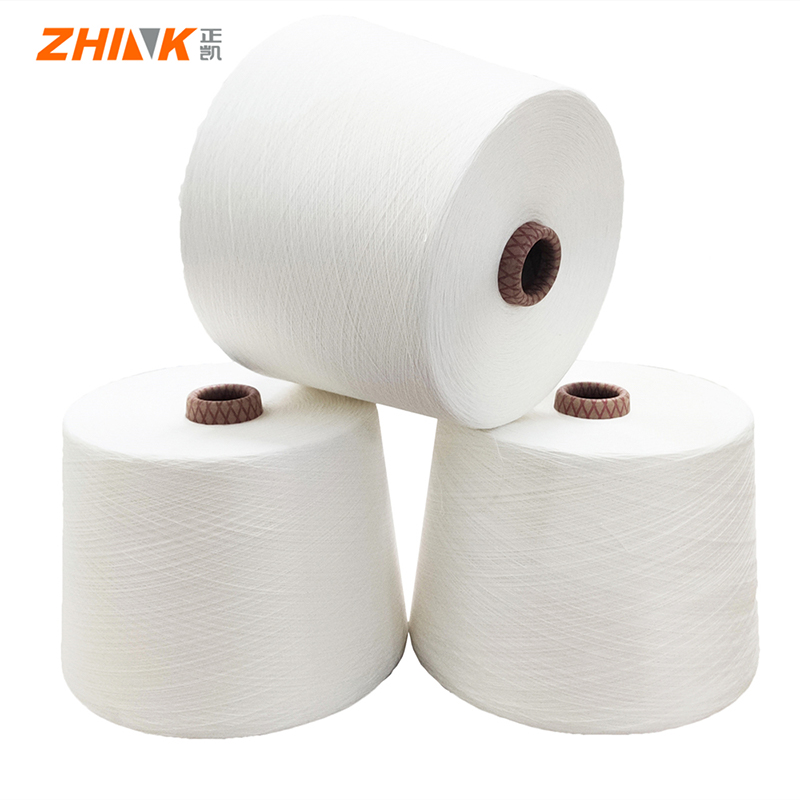
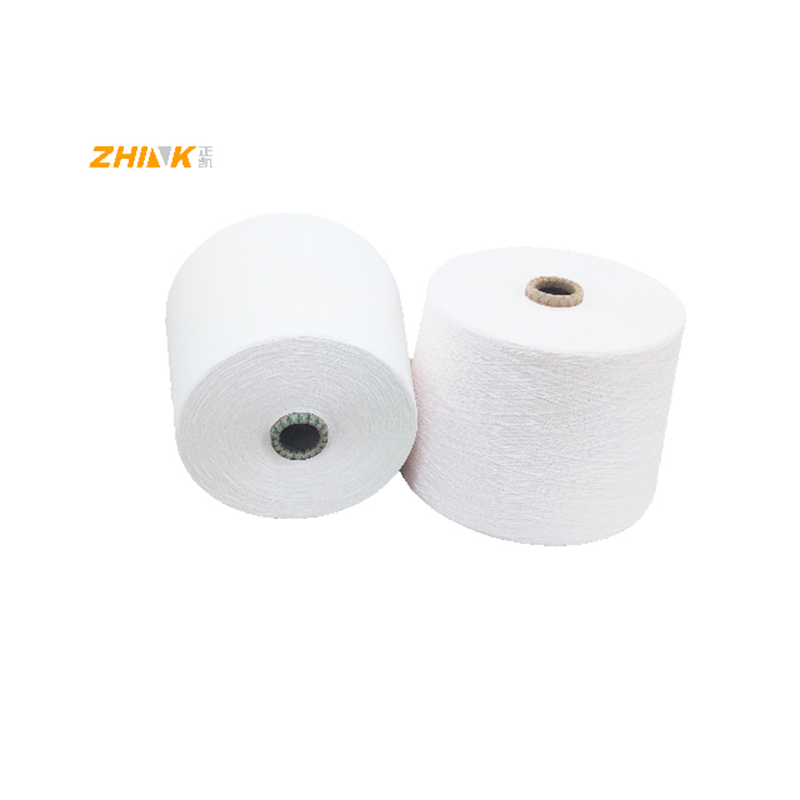
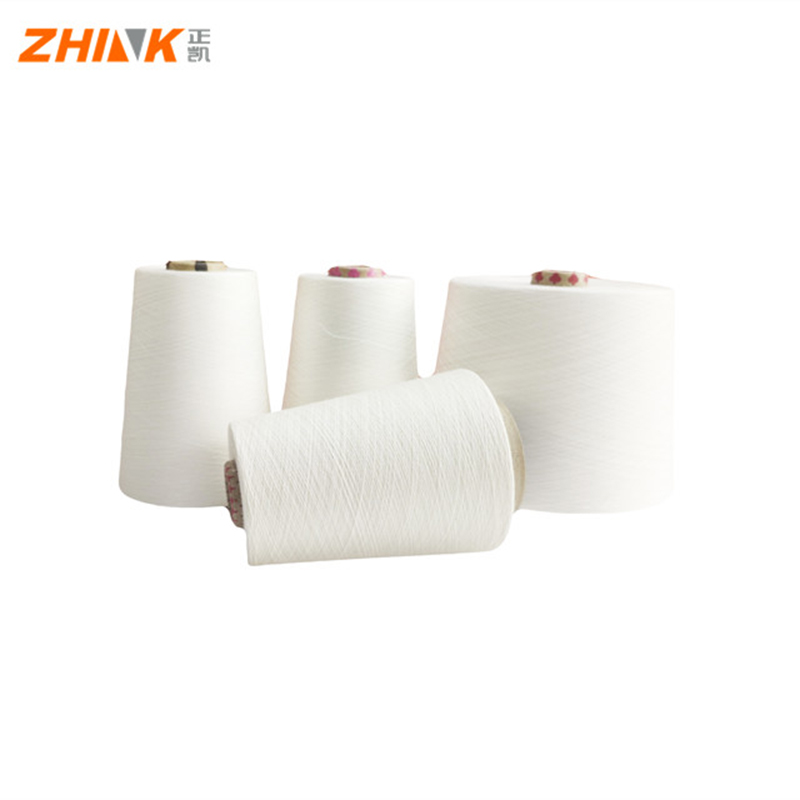
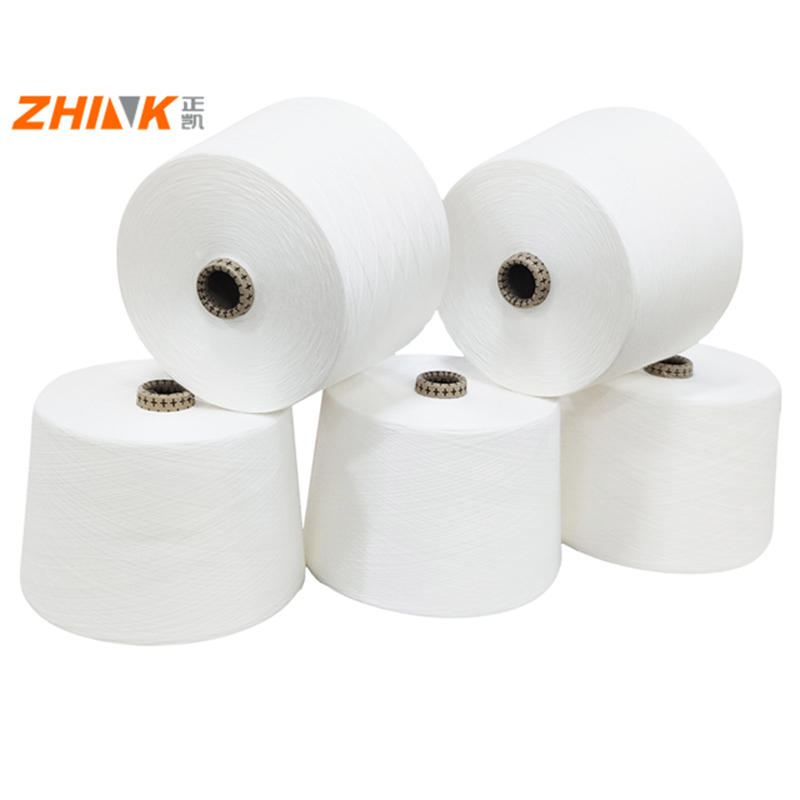
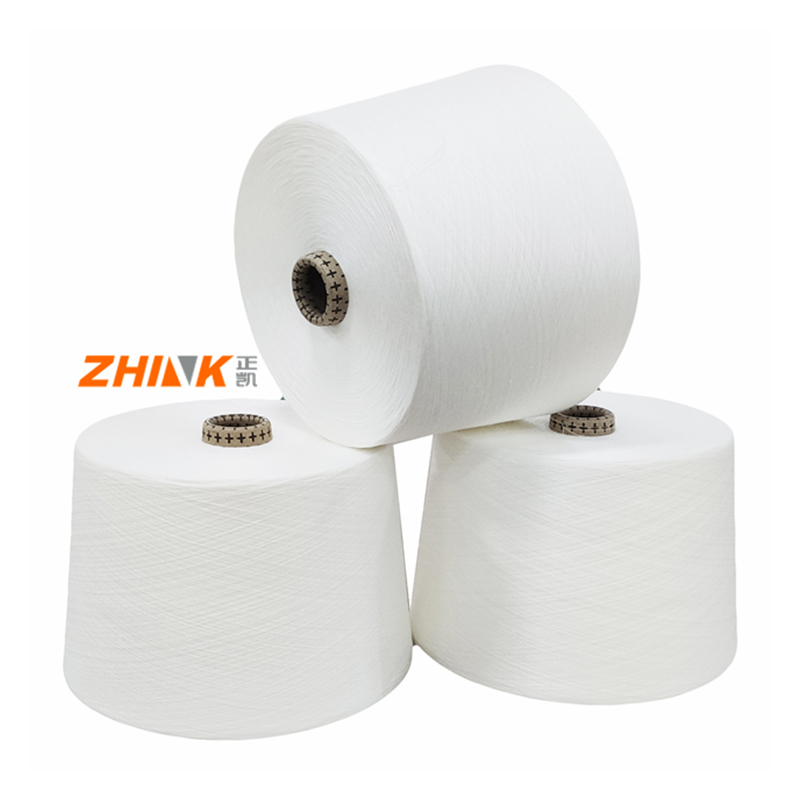
polyester/modal blended yarn
The Role of Polyester/Modal Blended Yarn in Modern Textiles
In the world of textiles, polyester/modal blended yarn has carved out a significant niche. While often mistaken for traditional materials, this blend offers unique properties that many overlook. As with any textile innovation, understanding its full potential requires diving into both successes and pitfalls experienced within the industry.
Understanding the Blend
At its core, the blend of polyester and modal brings together the synthetic durability of polyester with the softness and moisture absorbency of modal. Now, I’ve been around textiles long enough to see trends come and go, but this blend has staying power. Many misunderstand the role of modal, perceiving it as just a substitute for cotton, while it's more than that. It's sustainable, breathable, and gives a silky smooth texture ideal for high-end apparel.
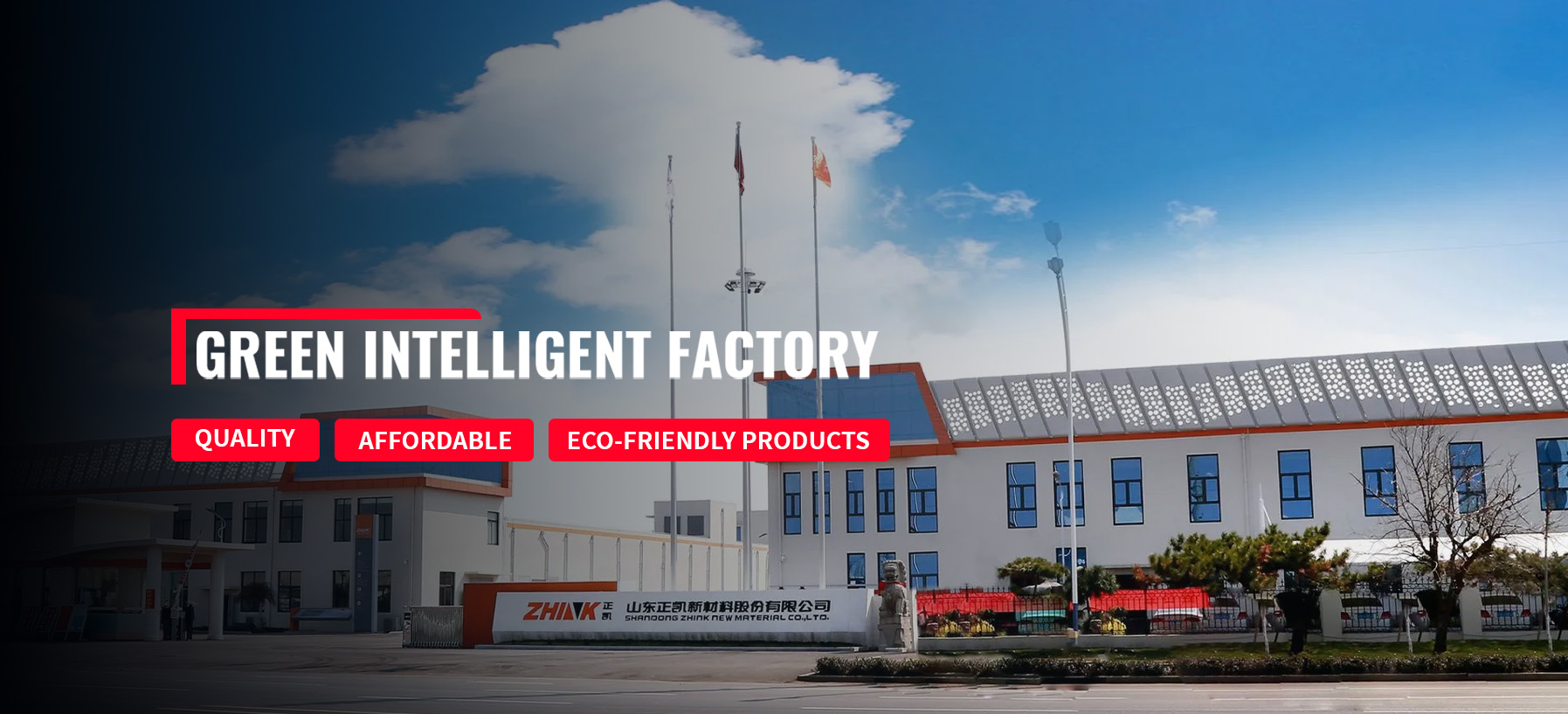
When companies like SHANDONG ZHINK NEW MATERIAL CO., LTD jump into the game, it’s usually a good sign of market viability. They specialize in innovative textile solutions and have been pushing boundaries with these new materials. Blended yarns like theirs are made to be not just worn but experienced.
Yet, blending isn’t just about mixing fibers; it requires a precise process to ensure quality and performance. Mishaps can occur—I recall a situation where a batch was slightly off-ratio, leading to unexpected textures. But such stumbles are part of refining the craft.
Applications in Fashion
The fashion industry has embraced polyester/modal blended yarn for its versatility. From casual wear to active sports gear, the blend performs well across varied applications. This appeal lies in its adaptability—providing strength without sacrificing comfort.
I have seen designers opt for this blend to create lightweight, breathable garments that move with the body. Ideal for outdoor enthusiasts, it doesn't hold moisture, keeping the wearer dry during physical activities. This is one of those blends that hits the sweet spot for consumers looking for both functionality and style.
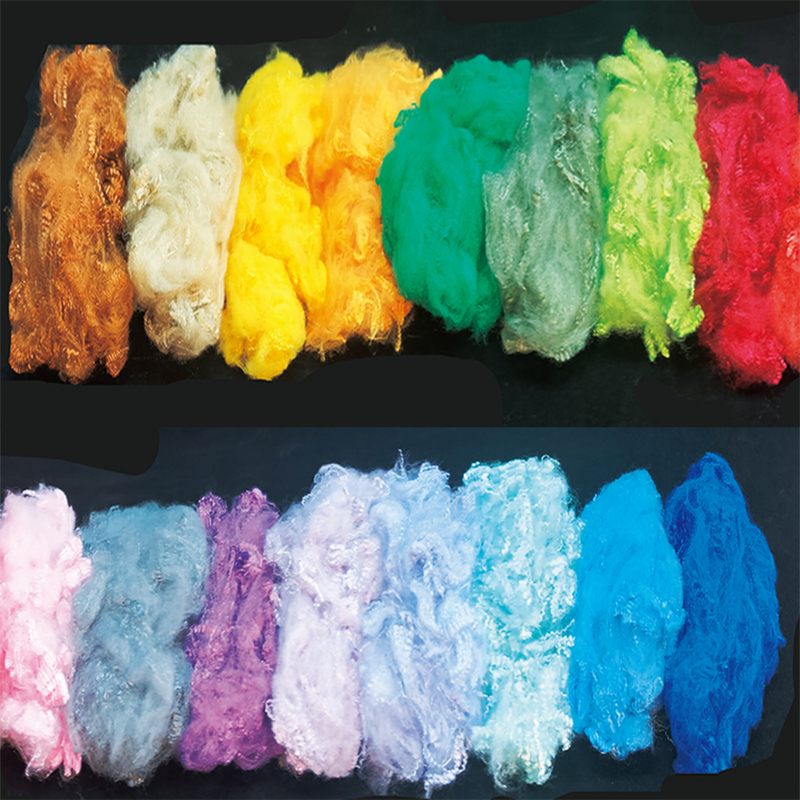
Moreover, this yarn simplifies the dyeing process. Polyester holds color well, and when combined with modal, results in vibrant, lasting hues. The colorfastness is commendable, though it's essential to monitor batches closely to ensure consistency.
Challenges in Manufacturing
While there are benefits, producing polyester/modal blended yarn isn't without challenges. Having worked in production lines, the blend's sensitivity to temperature variations stands out. It demands precise management of heat during the spinning phase to maintain consistency.
Equipment must be calibrated regularly. In one instance, a minor lapse resulted in a rough texture due to uneven spinning. It's a constant battle between innovation and keeping machinery in optimal condition. Companies like SHANDONG ZHINK NEW MATERIAL CO., LTD understand this balance, leading to continuous refinements in their techniques.
Another challenge lies in sourcing materials sustainably. While modal is eco-friendly, ensuring polyester meets those same standards can require navigating a complex supply chain. Transparency and credibility in sourcing processes are crucial.
Sustainability and Environmental Impact
The question of sustainability is ever-growing in importance. Modal, often derived from beech trees, is touted for its eco-friendliness. It requires less water and pesticides than cotton, yet this advantage can be negated if not managed alongside polyester's impacts.
Beside their commitments to quality, companies like SHANDONG ZHINK NEW MATERIAL CO., LTD focus on sustainable practices. Their investment in R&D reflects a dedication not only to innovation but also responsibility towards the environment.
Sourcing recycled polyester is one way manufacturers aim to reduce the environmental footprint. This circular approach, while costlier, is gaining traction as a sustainable solution and is something seen more frequently at industry expos.
Future Trends
Looking ahead, I believe polyester/modal blended yarn will continue evolving. Innovations with fiber treatments could enhance properties like UV resistance or antimicrobial effects. Adapting to market demands while keeping environmental factors front and center will be key.
Tech integrations, like smart textiles, could find seamless applications with such blends. Imagine a shirt that not only feels luxurious but also adjusts based on the wearer's activity or environment. The potential is vast.
Ultimately, success in this sector hinges on meticulous attention to detail and an openness to adapt. Companies adopting these blends maintain that competitive edge, showcasing a commitment not just to aesthetics but to a sustainable future.
Related Products
Related Products