+86-632-3621866
- Chinese
- French
- German
- Portuguese
- Spanish
- Russian
- Japanese
- Korean
- Arabic
- Irish
- Greek
- Turkish
- Italian
- Danish
- Romanian
- Indonesian
- Czech
- Afrikaans
- Swedish
- Polish
- Basque
- Catalan
- Esperanto
- Hindi
- Lao
- Albanian
- Amharic
- Armenian
- Azerbaijani
- Belarusian
- Bengali
- Bosnian
- Bulgarian
- Cebuano
- Chichewa
- Corsican
- Croatian
- Dutch
- Estonian
- Filipino
- Finnish
- Frisian
- Galician
- Georgian
- Gujarati
- Haitian
- Hausa
- Hawaiian
- Hebrew
- Hmong
- Hungarian
- Icelandic
- Igbo
- Javanese
- Kannada
- Kazakh
- Khmer
- Kurdish
- Kyrgyz
- Latin
- Latvian
- Lithuanian
- Luxembou..
- Macedonian
- Malagasy
- Malay
- Malayalam
- Maltese
- Maori
- Marathi
- Mongolian
- Burmese
- Nepali
- Norwegian
- Pashto
- Persian
- Punjabi
- Serbian
- Sesotho
- Sinhala
- Slovak
- Slovenian
- Somali
- Samoan
- Scots Gaelic
- Shona
- Sindhi
- Sundanese
- Swahili
- Tajik
- Tamil
- Telugu
- Thai
- Ukrainian
- Urdu
- Uzbek
- Vietnamese
- Welsh
- Xhosa
- Yiddish
- Yoruba
- Zulu
- Kinyarwanda
- Tatar
- Oriya
- Turkmen
- Uyghur


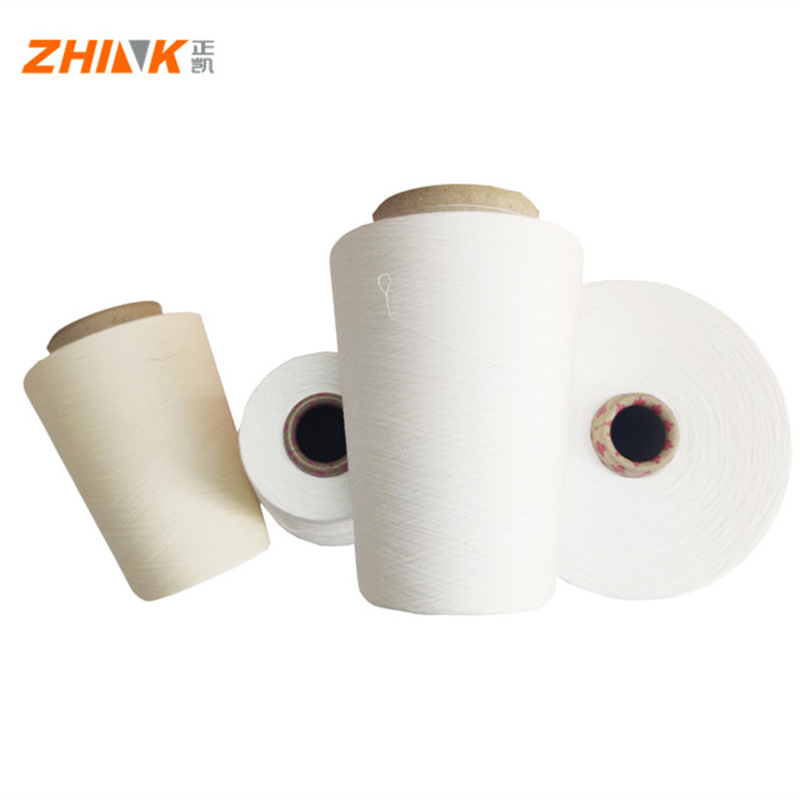
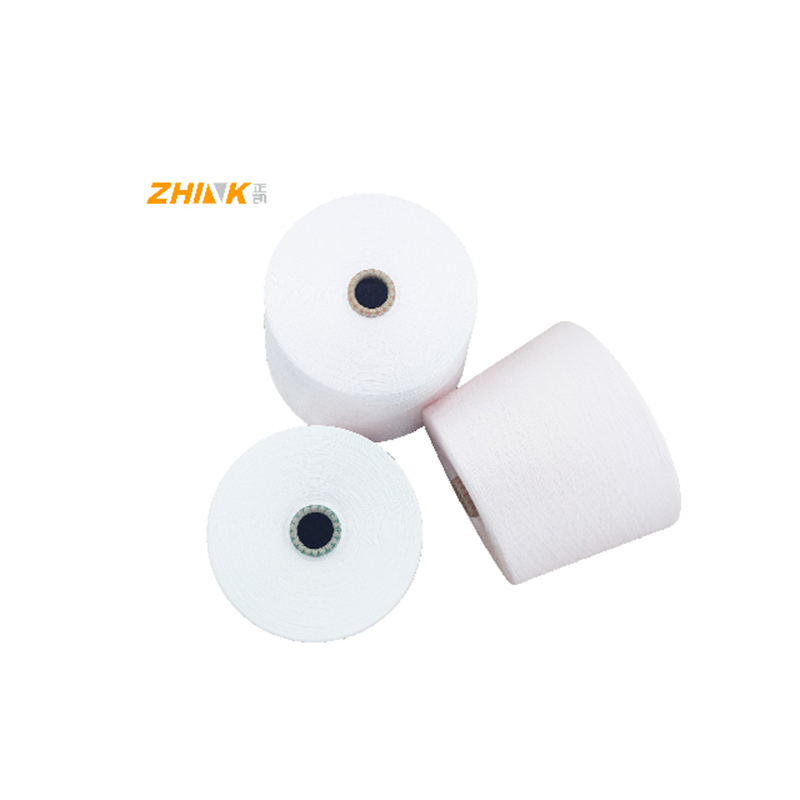
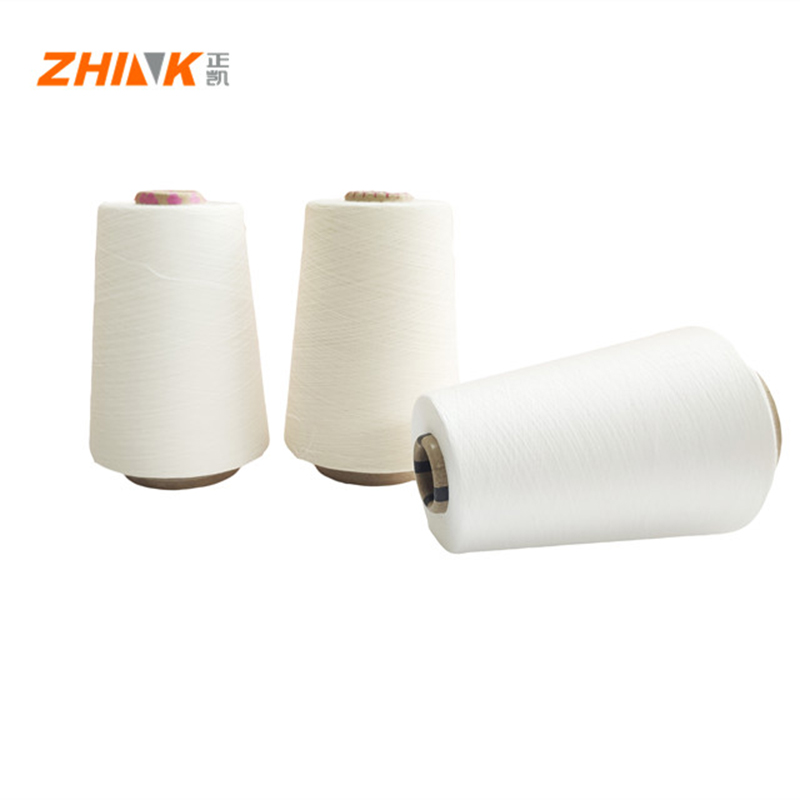
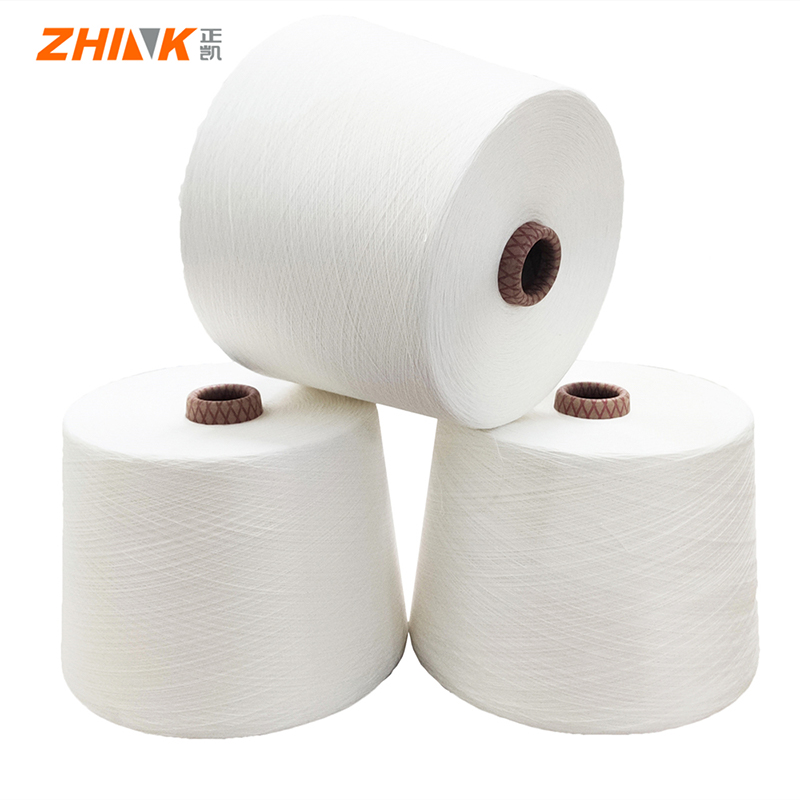
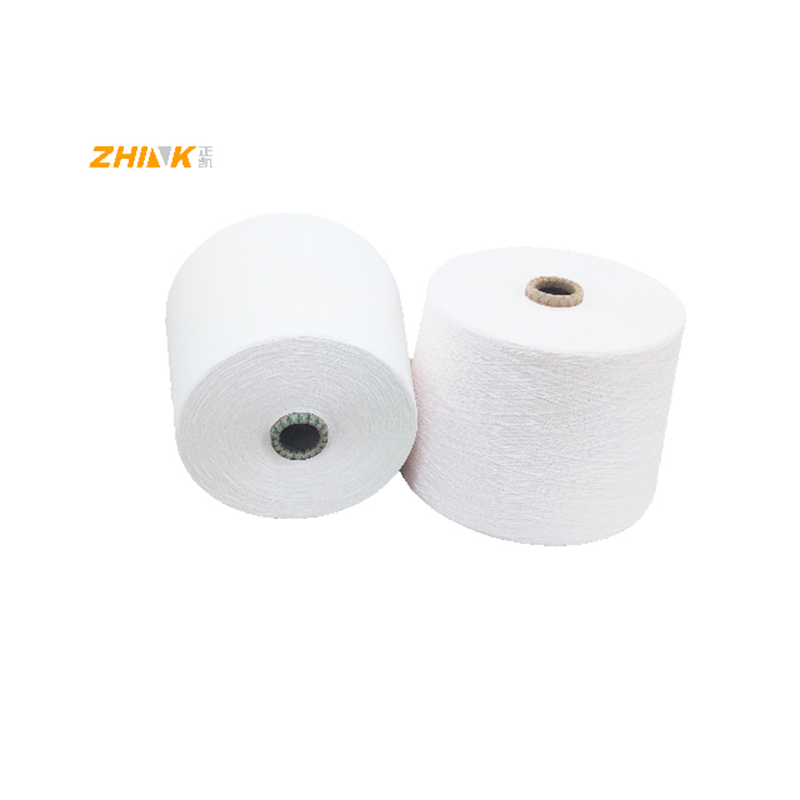
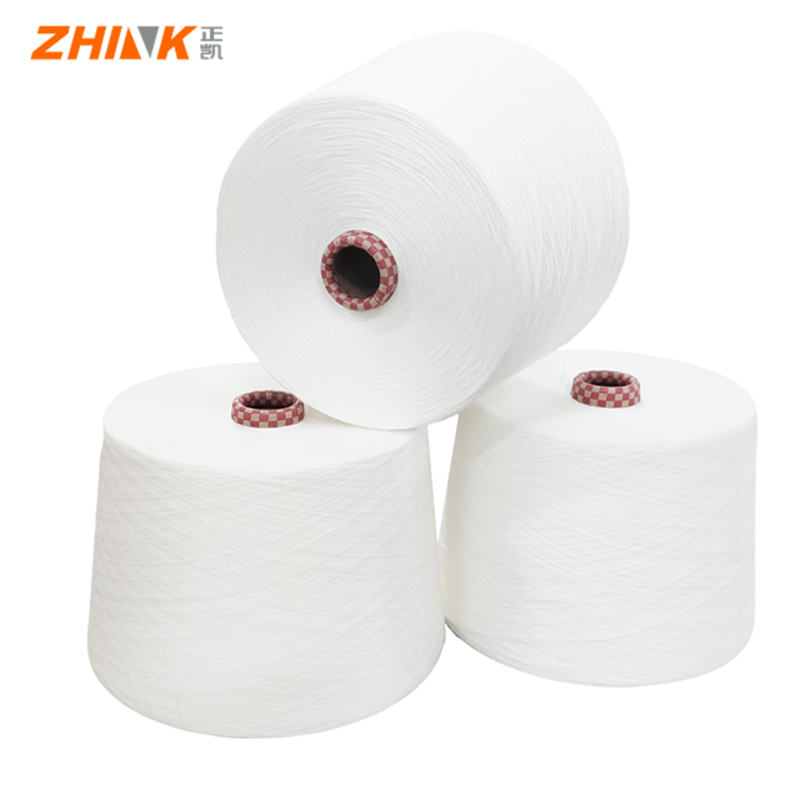
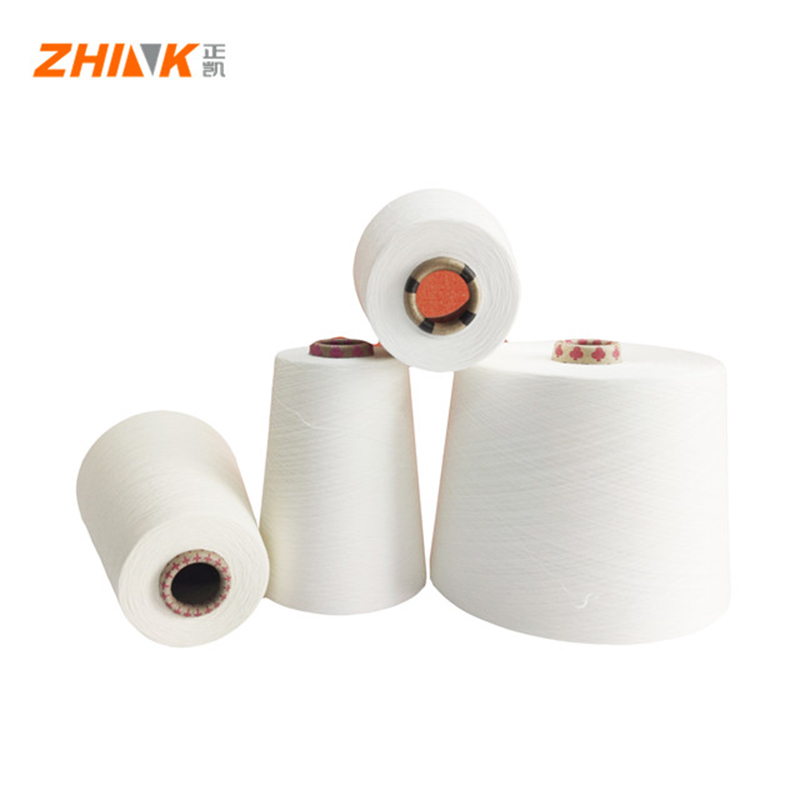
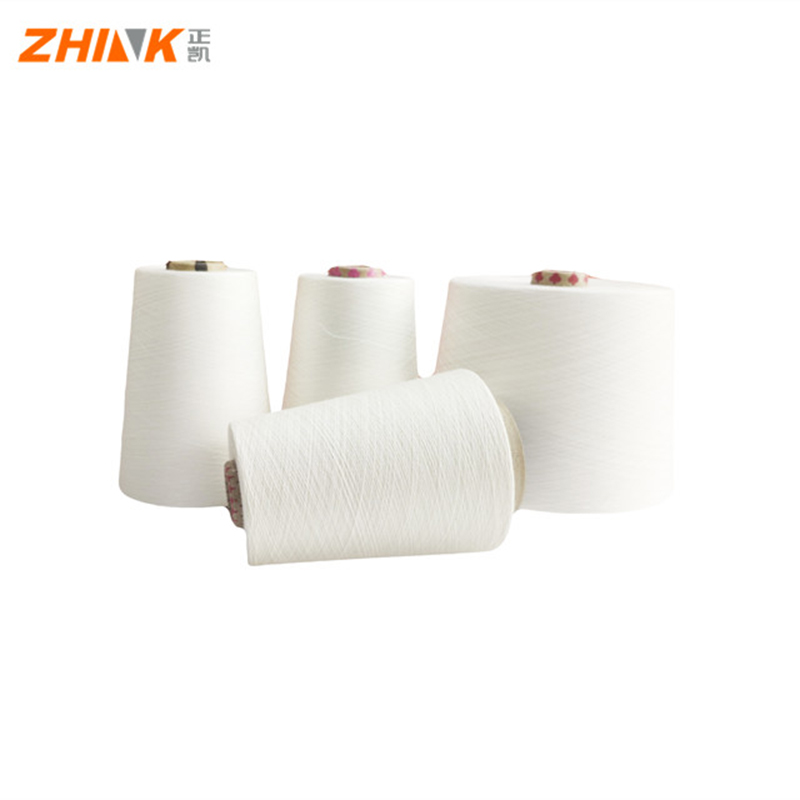
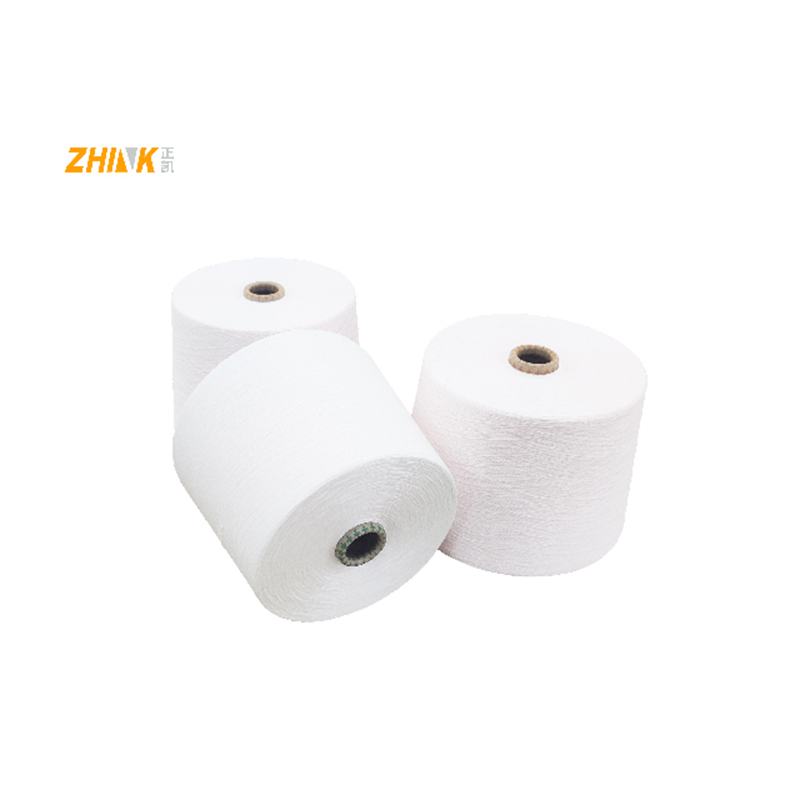
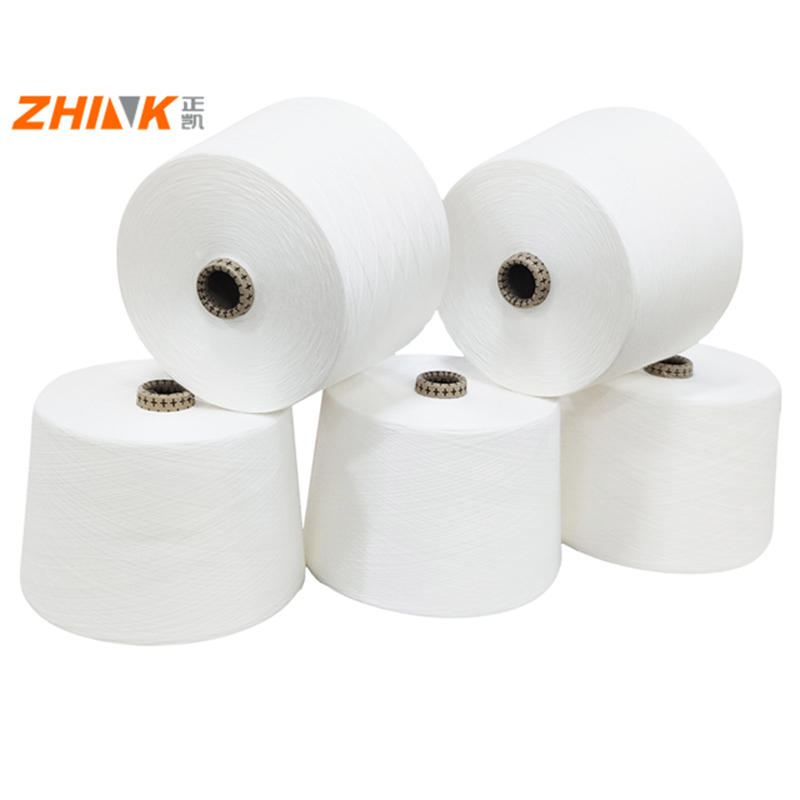
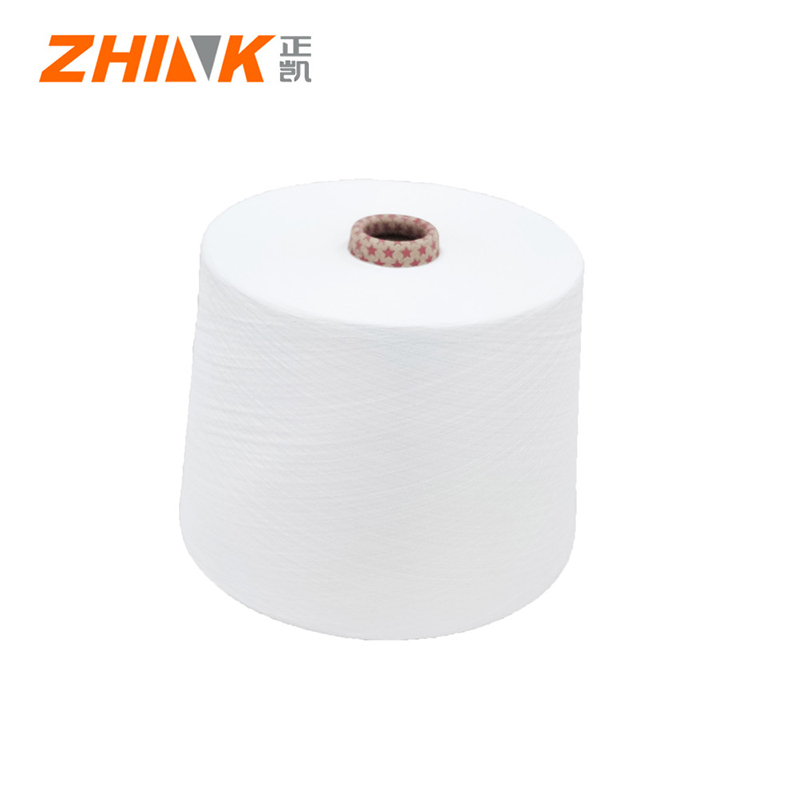
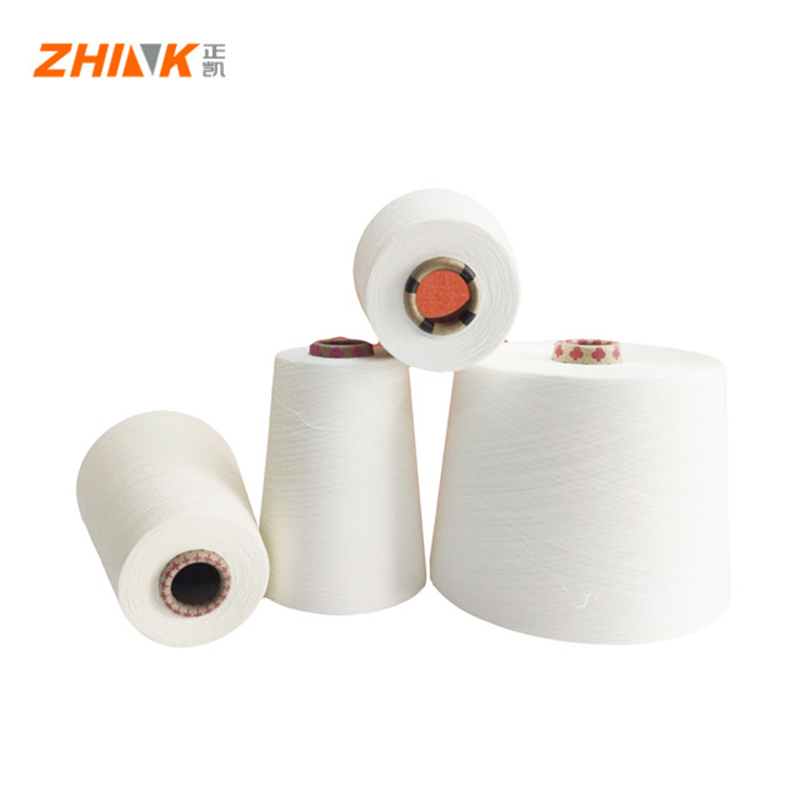
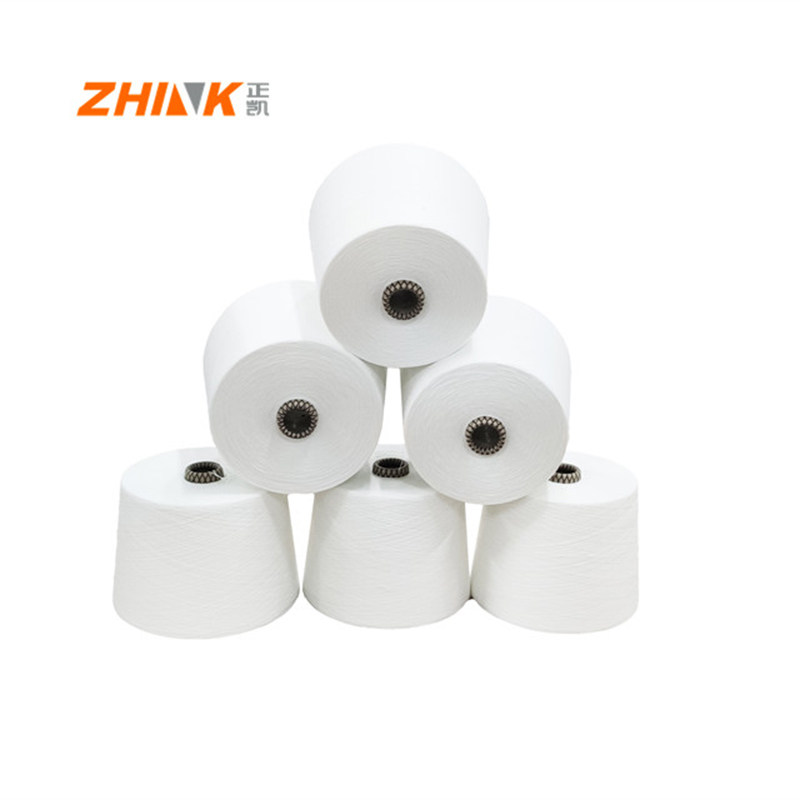
polyester/modal mvs yarn
The Intricacies of Polyester/Modal MVS Yarn
In the textile world, polyester/modal MVS yarn might just be the game-changer you didn't know you needed. Its unique properties and applications have led to both excitement and a fair share of misconceptions. Let's untangle this intriguing material and uncover what truly sets it apart.
Understanding Polyester/Modal MVS Yarn
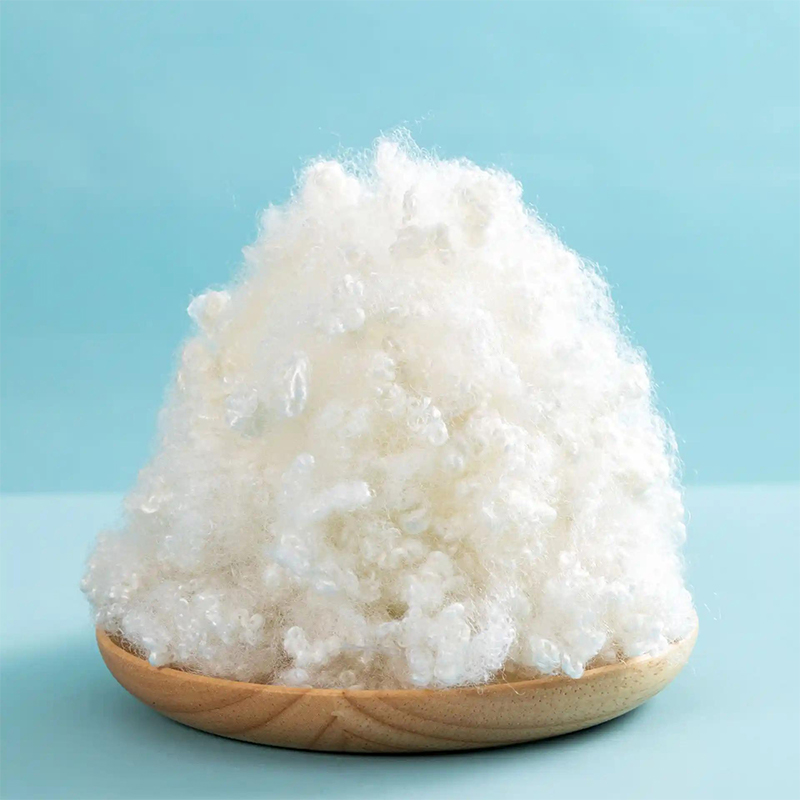
The integration of polyester with modal fibers in MVS yarns brings a blend of durability and softness that is highly sought after. However, the very mention of polyester can evoke a mix of reactions given its synthetic nature. It's crucial to recognize that when combined with modal, you get a fabric that offers enhanced moisture absorption along with a smooth texture. It's this balance of synthetic and natural characteristics that often confuses people.
From a manufacturing perspective, employing the MVS (Murata Vortex Spinning) system provides efficiency and a refined touch to the yarn. This technique reduces pilling and leads to a fabric that stands up well to repeated wear. It’s easy to see why the industry favors it, although ramping up production can be fraught with its own challenges—some machines just refuse to cooperate seamlessly on a Monday morning.
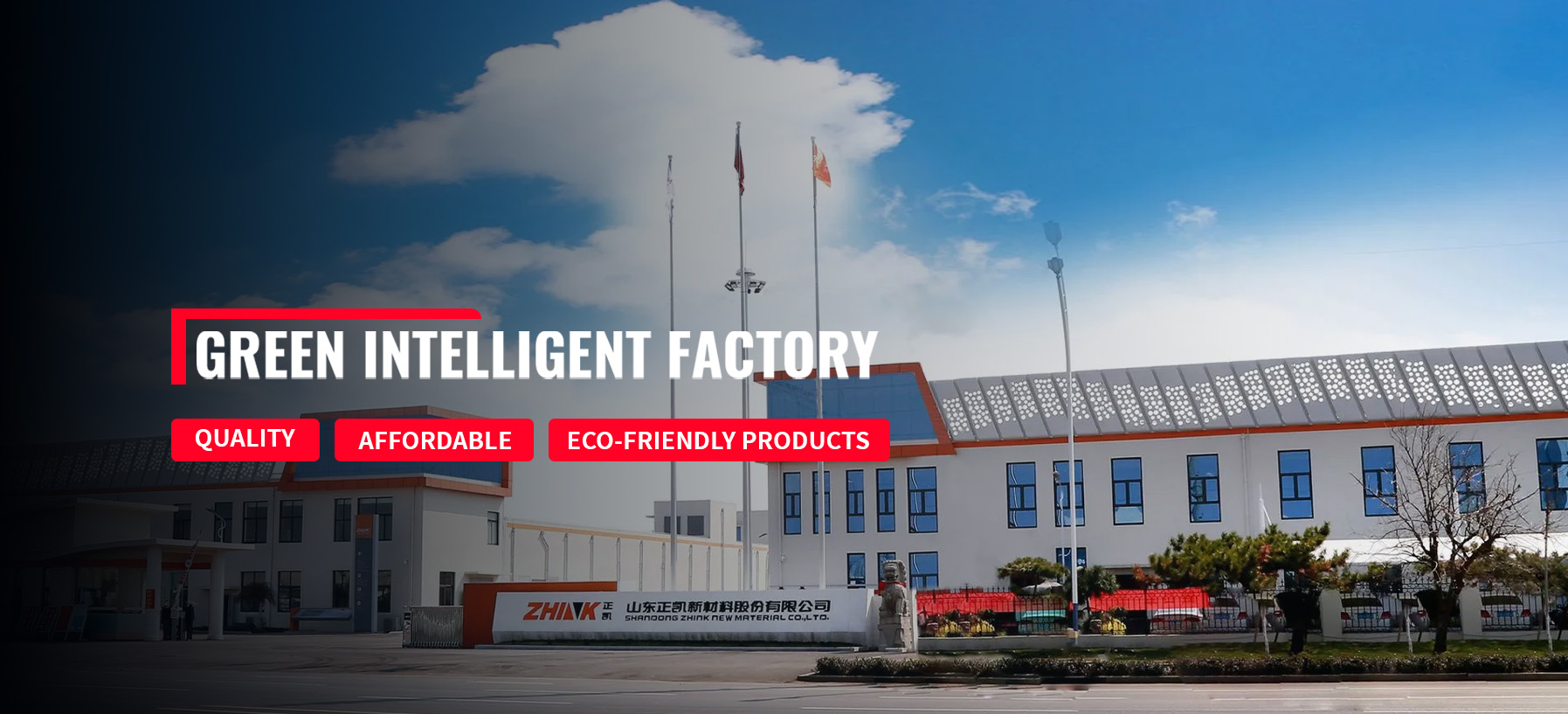
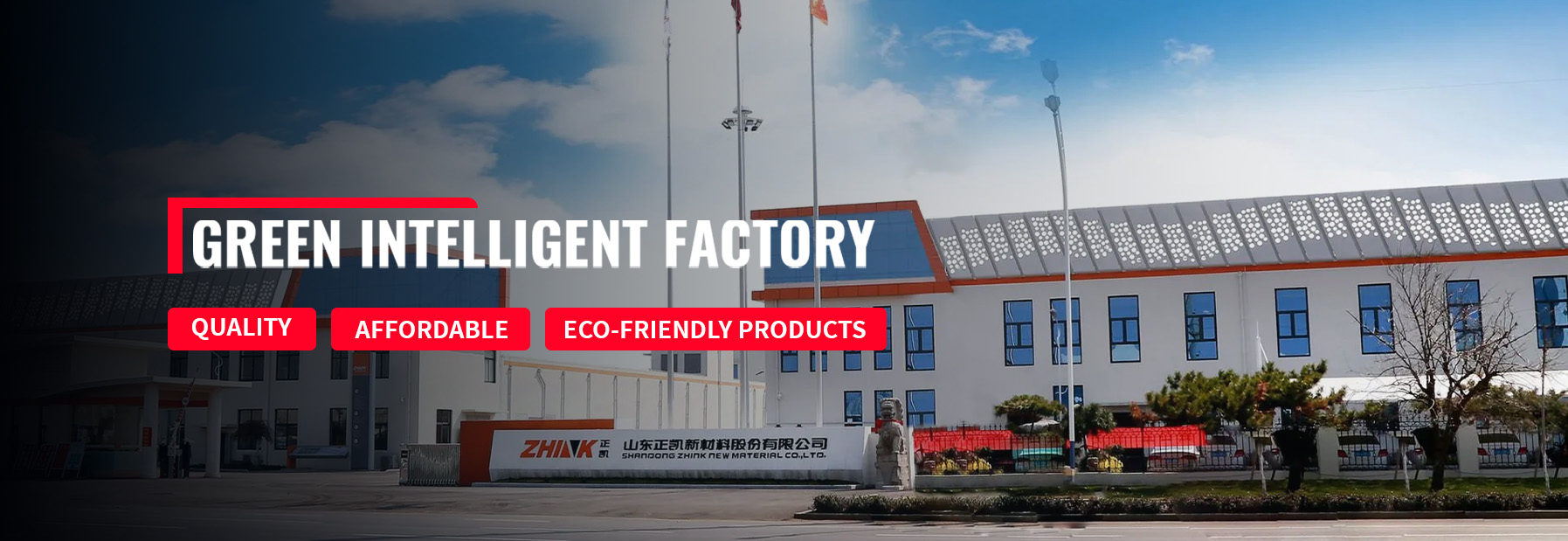
Zhink New Material, known through its website, SHANDONG ZHINK NEW MATERIAL CO., LTD, invests heavily in the research of such blends to push the boundaries of traditional textiles. Their work exemplifies how deep R&D can transform the humble yarn into something extraordinary.
Real-World Applications
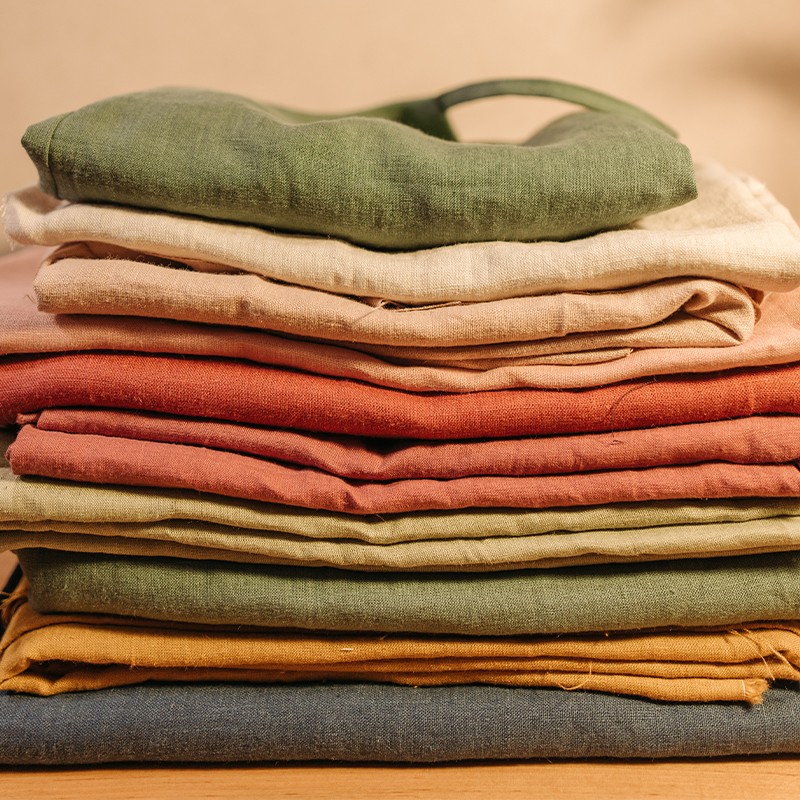
When you delve into practical uses, it's like opening a Pandora's box of opportunities. Sportswear is a direct beneficiary of polyester/modal MVS yarn, offering breathability and stretch. Yet, the market also finds it making waves in premium fashion, where designers appreciate its versatility. It’s not a one-trick pony, and that’s crucial for staying relevant.
One notable challenge, however, is dyeing these yarns. Polyester requires specific dyeing processes, and when mixed with modal, achieving an even coloration can sometimes feel like alchemy rather than science. We've had batches that emerged from the process less than ideal, which teaches you to respect the unpredictable nature of textile finishing.
The innovations at Zhink New Material highlight this pursuit of perfection, though their quality control steps are stringent, steering clear of such misadventures.
Challenges in Production
You're not really in the textile game until you've faced a full production line halted because of a minor miscalibration in the machine settings. MVS yarns demand precise conditions, and any deviation can lead to issues down the line. Yet, with these challenges come insights into better processing protocols, enhanced by the expertise of companies like Zhink New Material.
Moreover, logistics play a pivotal role. Imagine planning for raw material deliveries, which then don't align with your production schedule. It's like a complex dance where every step must be flawlessly timed—yet rarely is. Companies dedicated to such materials must be adaptable, mastering both anticipation and reaction.
With the right partners, though, challenges are mitigated. It's why local collaborations are invaluable, providing agility in response and a network of support systems that aren't as easily available internationally.
Why Sustainability Matters
Of course, no discussion about textiles is complete without addressing sustainability. While polyester inherently raises environmental questions, modal—a naturally sourced fiber—helps offset some of that concern. This blend thus promises a more environmentally friendly option, even as we've still got miles to go in terms of true sustainability.
Companies like Zhink New Material are pivotal here, pushing the envelope on developing eco-friendly solutions within their textile offerings. It’s an ongoing process, demanding innovation at every stage—from how materials are sourced to how waste is managed.
The key takeaway is that the industry is progressing, slowly but surely, towards options that are more aligned with the planet's needs. This movement is crucial, not just for meeting consumer demand, but for ensuring we leave behind a viable world for future generations.
Conclusion: The Future of Polyester/Modal MVS Yarn
As we look ahead, the role of polyester/modal MVS yarn in the textile industry seems poised only to grow. It’s versatile, promises a fusion of characteristics that appeal to varied markets, and offers a nod towards sustainability—though there’s more work to be done.
The insights from industry leaders like Zhink New Material highlight the commitment and innovation driving this sector forward. In a world constantly on the lookout for the next best thing, sometimes, it’s the yarn you're wearing that holds the most promise.
Ultimately, engaging with these materials not only enriches our understanding but encourages us to rethink what we need from our fabrics—and how far we are willing to go to get there.
Related Products
Related Products