+86-632-3621866
- Chinese
- French
- German
- Portuguese
- Spanish
- Russian
- Japanese
- Korean
- Arabic
- Irish
- Greek
- Turkish
- Italian
- Danish
- Romanian
- Indonesian
- Czech
- Afrikaans
- Swedish
- Polish
- Basque
- Catalan
- Esperanto
- Hindi
- Lao
- Albanian
- Amharic
- Armenian
- Azerbaijani
- Belarusian
- Bengali
- Bosnian
- Bulgarian
- Cebuano
- Chichewa
- Corsican
- Croatian
- Dutch
- Estonian
- Filipino
- Finnish
- Frisian
- Galician
- Georgian
- Gujarati
- Haitian
- Hausa
- Hawaiian
- Hebrew
- Hmong
- Hungarian
- Icelandic
- Igbo
- Javanese
- Kannada
- Kazakh
- Khmer
- Kurdish
- Kyrgyz
- Latin
- Latvian
- Lithuanian
- Luxembou..
- Macedonian
- Malagasy
- Malay
- Malayalam
- Maltese
- Maori
- Marathi
- Mongolian
- Burmese
- Nepali
- Norwegian
- Pashto
- Persian
- Punjabi
- Serbian
- Sesotho
- Sinhala
- Slovak
- Slovenian
- Somali
- Samoan
- Scots Gaelic
- Shona
- Sindhi
- Sundanese
- Swahili
- Tajik
- Tamil
- Telugu
- Thai
- Ukrainian
- Urdu
- Uzbek
- Vietnamese
- Welsh
- Xhosa
- Yiddish
- Yoruba
- Zulu
- Kinyarwanda
- Tatar
- Oriya
- Turkmen
- Uyghur



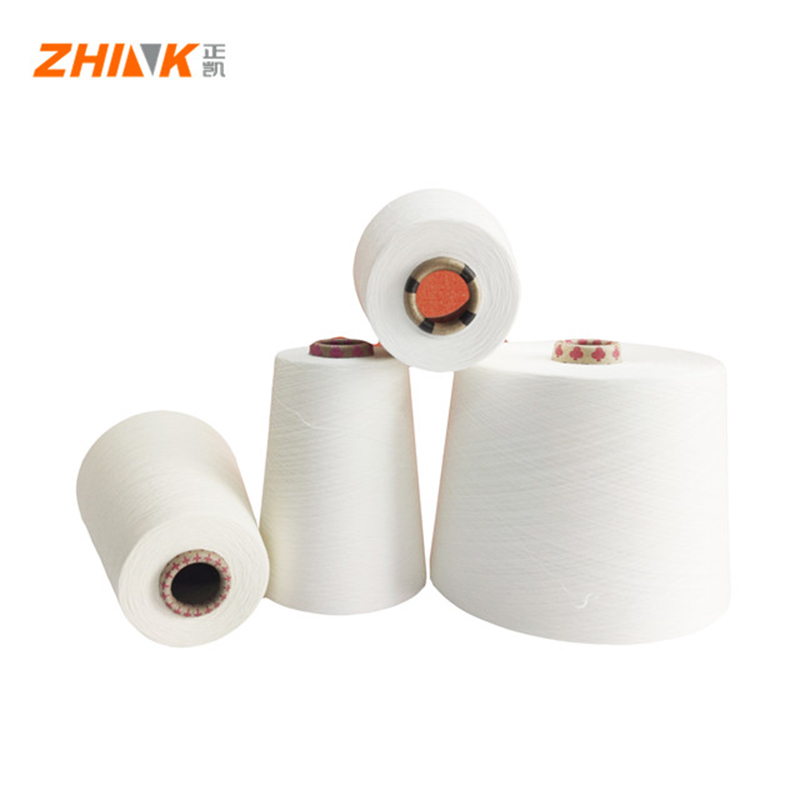
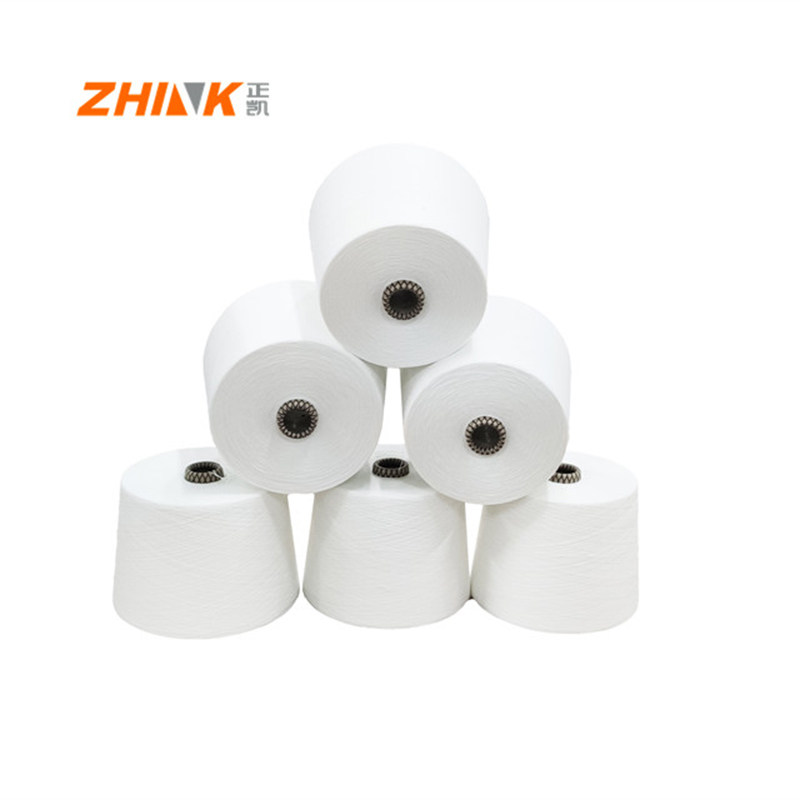
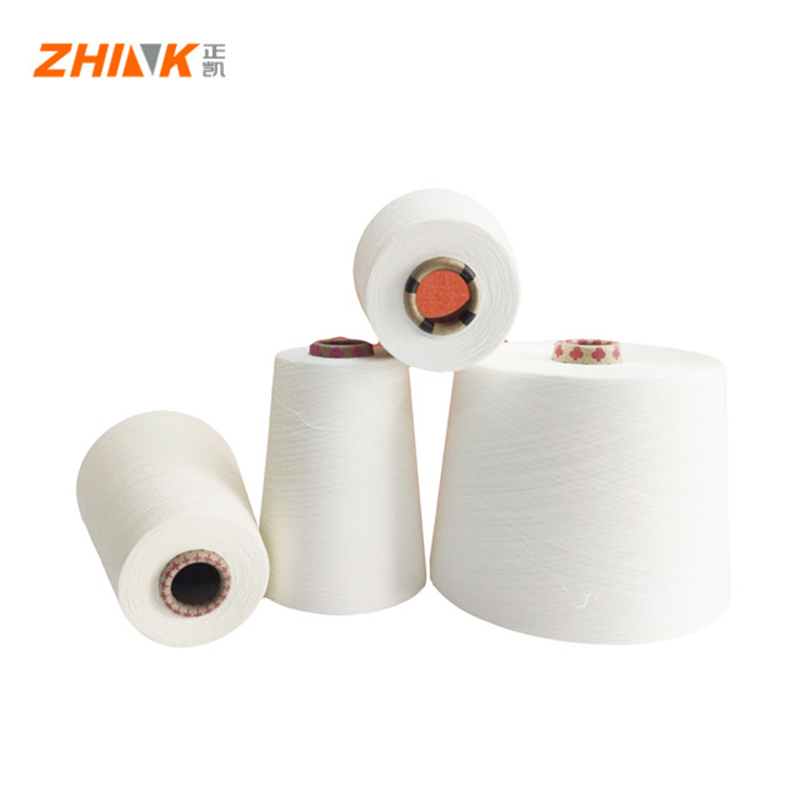
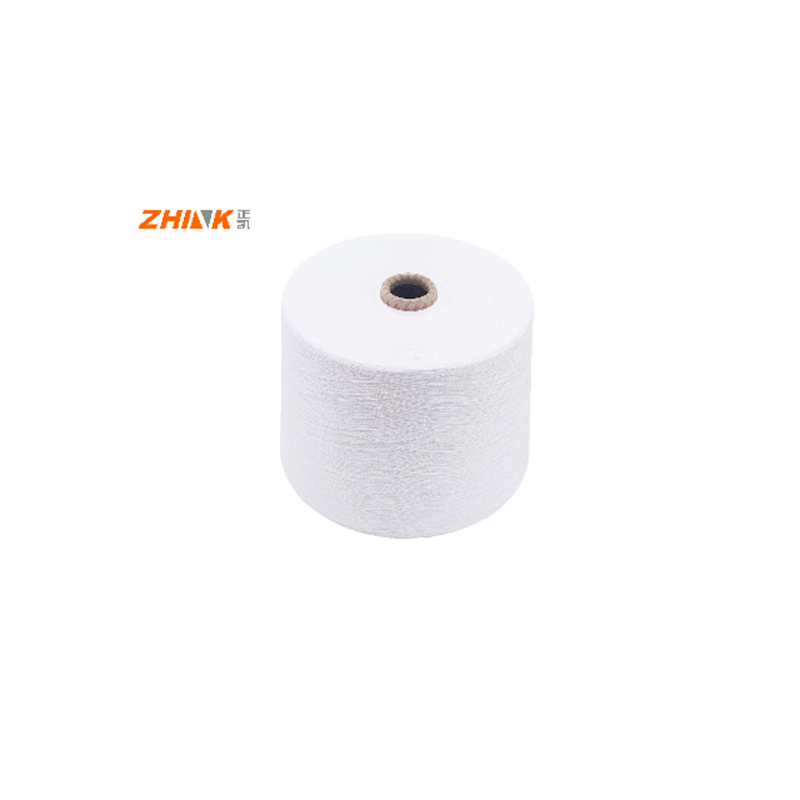
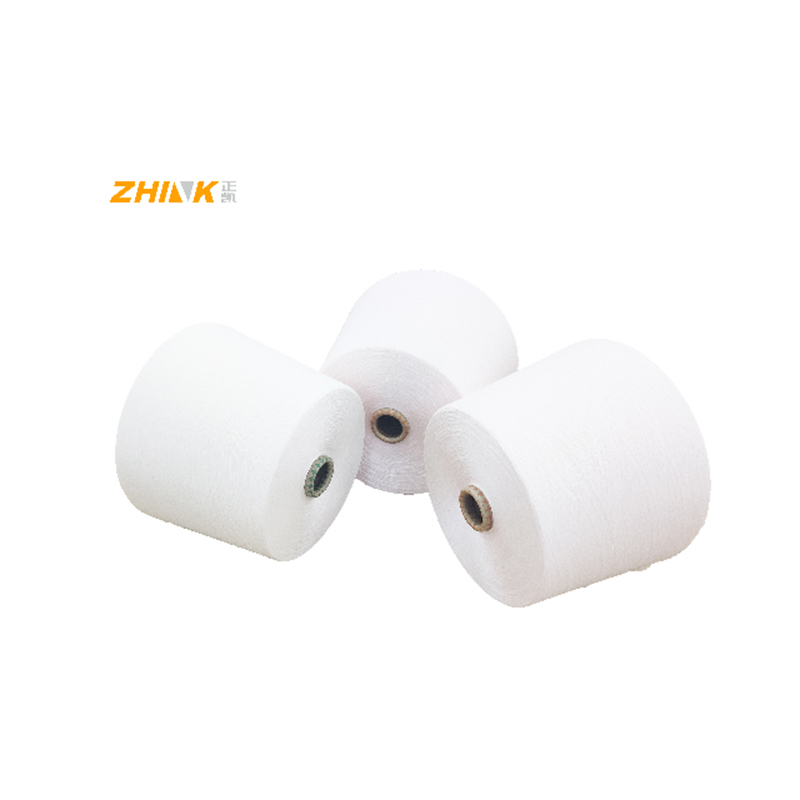
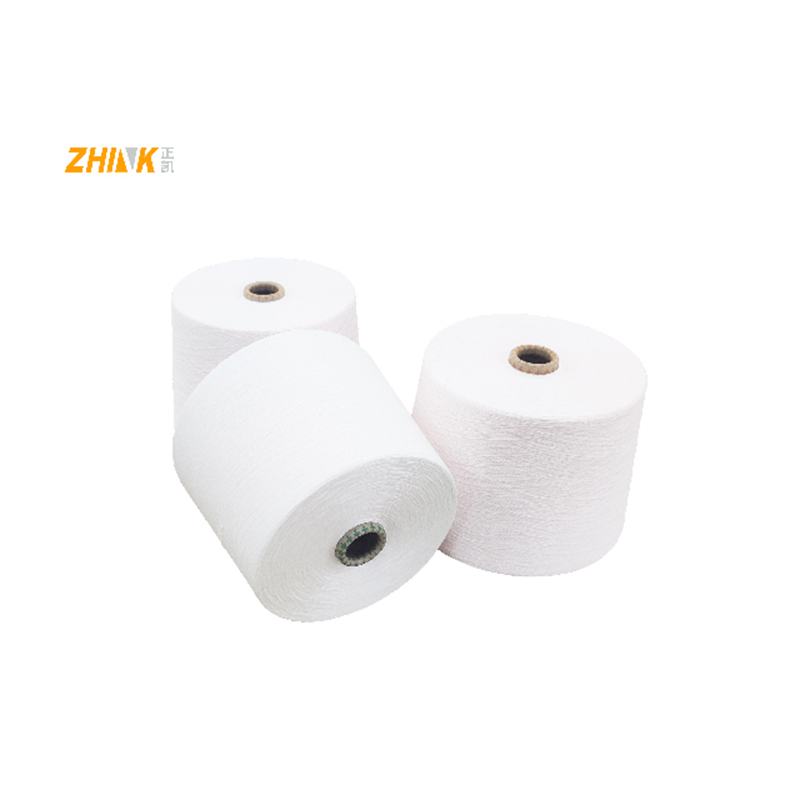
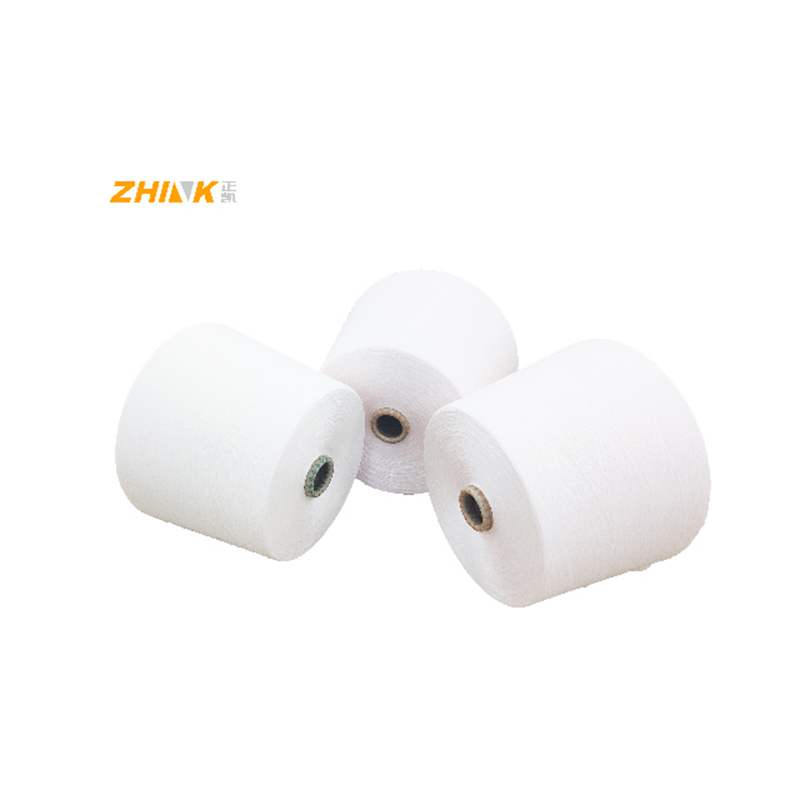
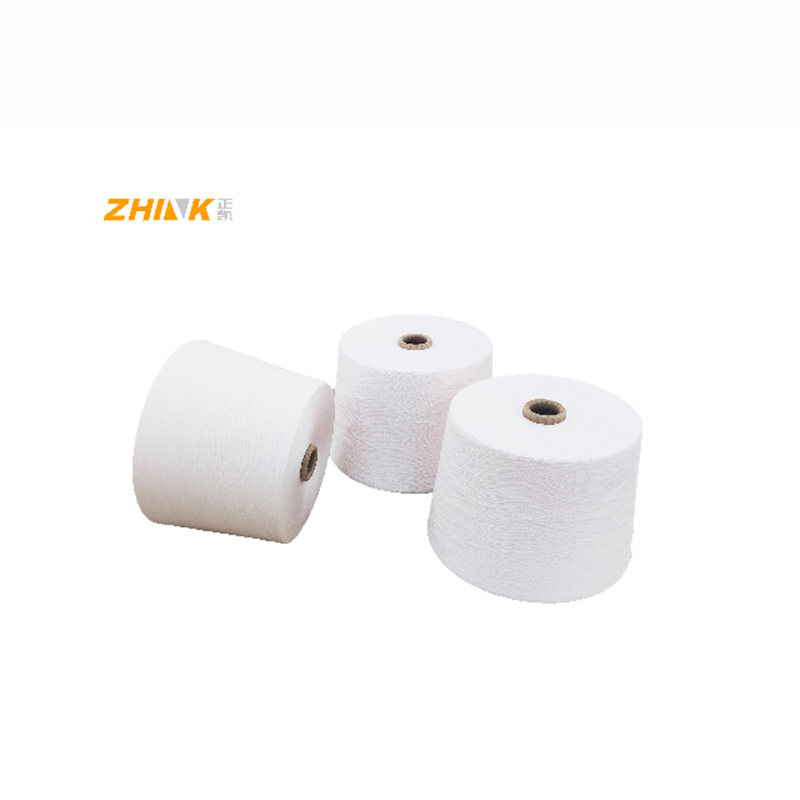
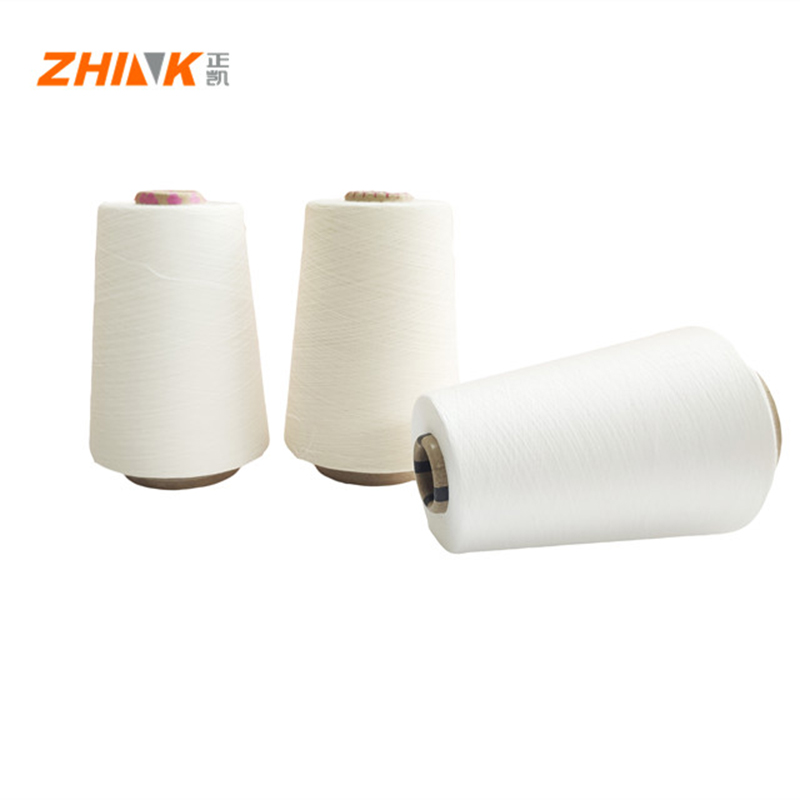
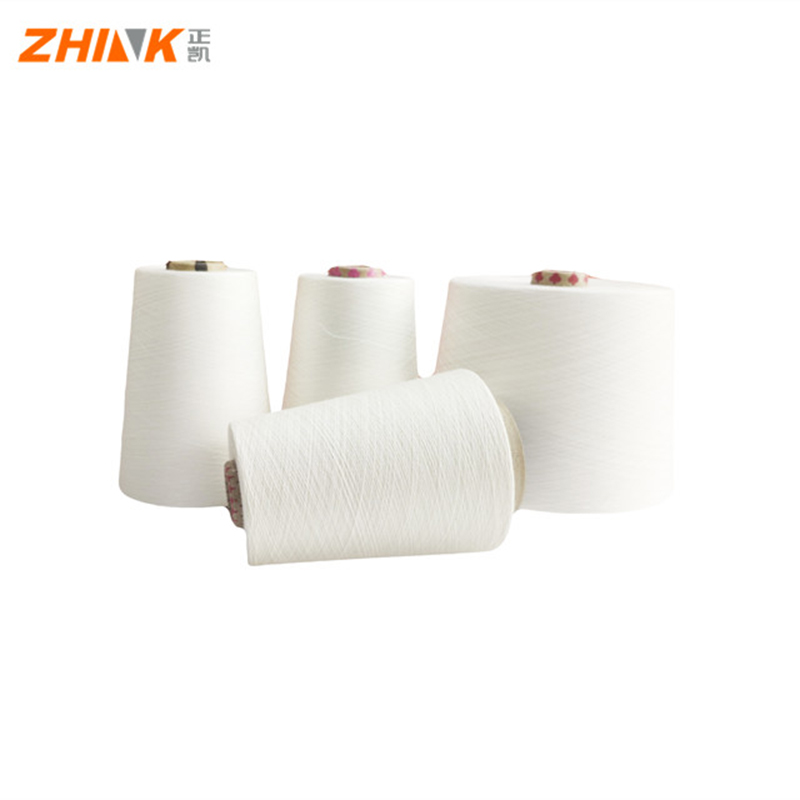
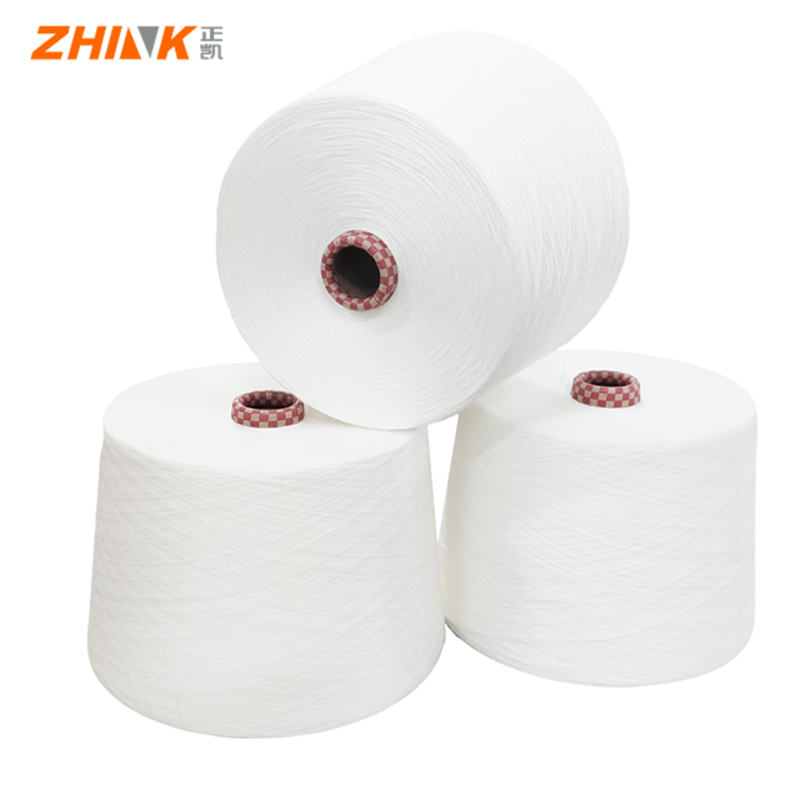
polyester/modal ring spun yarn
The Intricacies of Polyester/Modal Ring Spun Yarn
Polyester/modal ring spun yarn is more than just a blend; it represents the intersection of comfort and durability. In the textile industry, misconceptions often arise around its application and performance—navigating these can make or break a production line.
Understanding Polyester/Modal Ring Spun Yarn
Let's break down what polyester and modal bring to the table. Polyester is known for its strength and wrinkle resistance. Modal, a fiber made from beech tree pulp, enhances softness and breathability. The combination aims to harness the benefits of both, but the real magic happens during the ring spinning process.
Ring spinning gives the yarn improved consistency and strength compared to other spinning methods like open-end spinning. It's a meticulous process, where tension has to be just right. Any miscalculation can affect the fabric quality—a mistake I learned the hard way on an early project with unintended variations in fabric texture.
From an industry perspective, these yarns are increasingly favored for applications that require both resilience and a gentle touch, such as loungewear and luxurious bedding. At SHANDONG ZHINK NEW MATERIAL CO., LTD, we've tailored these yarns to meet diverse client specifications, something that's proved invaluable in maintaining client satisfaction.
The Ring Spinning Process and Its Challenges
Ring spinning isn't simple. It's critical to monitor the draft zone tension and roller settings. We've had occasions where minor deviations led to uneven yarn that compromised the whole batch. The precision involved is perhaps why it's both revered and approached with caution among new technicians.
However, the unique qualities achieved are usually worth the effort. Polyester/modal ring spun yarn brings together the stability of polyester and the comfort of modal in a single thread, a feature that's appreciated in finished products where touch and feel are key selling points.
A noteworthy scenario at Zhink New Material involved client feedback requesting increased softness without sacrificing durability. Testing numerous combinations and spinning tweaks, we eventually hit a formulation that pleased the client while enhancing the fabric's lifecycle.
Addressing Common Missteps
One common industry pitfall? Assuming polyester/modal implies a preset ratio or property. In practice, the blend ratio varies—shaped by end-use requirements. A deeper understanding helps tailor the product better, aligning with specific projects and client demands.
A misstep I frequently encountered involved environmental factors. Humidity plays a surprising role during spinning, affecting how fibers interact. Iterative testing under different conditions helped fine-tune the ultimate product quality—we found ideal conditions in a climate-controlled room, a trick often underestimated by others in the industry.
Moreover, communication with suppliers like SHANDONG ZHINK NEW MATERIAL CO., LTD (more on our resources at https://www.zhinkyarn.com) and thorough material testing help fend off potential issues stemming from fiber inconsistencies.
Innovations and Technical Evolutions
As the textile industry evolves, so does the technology behind yarn production. At Zhink, we're constantly experimenting with new spinning technologies and fiber blends. We've noticed that innovations often stem from cross-industry collaborations—textile experts working with material scientists, for instance.
Using state-of-the-art machinery, we aim to enhance yarn uniformity and reduce production time, ultimately lowering costs for clients without compromising quality. These advancements allow us to push the boundaries of what polyester/modal blends can achieve.
However, emerging technologies require trained personnel; it's not merely plug-and-play. We've invested in training programs to ensure our team keeps pace with these changes, providing them with a solid technical foundation and hands-on experience with new methodologies.
Conclusion: The Balanced Approach
In conclusion, mastering polyester/modal ring spun yarn involves more than just understanding its composition; it requires insight into the nuanced spinning process and the challenges therein. Success hinges on a balanced approach that combines technical knowledge, experimentation, and responsive collaboration with suppliers.
Our journey at SHANDONG ZHINK NEW MATERIAL CO., LTD has underscored the importance of staying adaptable and open to innovation while keeping client needs at the forefront. It's a dynamic field, one where learning never truly stops—every day presents new opportunities to refine and enhance our craft.
Explore more about our work and innovations at Zhink New Material.
Related Products
Related Products