
+86-632-3621866
- Chinese
- French
- German
- Portuguese
- Spanish
- Russian
- Japanese
- Korean
- Arabic
- Irish
- Greek
- Turkish
- Italian
- Danish
- Romanian
- Indonesian
- Czech
- Afrikaans
- Swedish
- Polish
- Basque
- Catalan
- Esperanto
- Hindi
- Lao
- Albanian
- Amharic
- Armenian
- Azerbaijani
- Belarusian
- Bengali
- Bosnian
- Bulgarian
- Cebuano
- Chichewa
- Corsican
- Croatian
- Dutch
- Estonian
- Filipino
- Finnish
- Frisian
- Galician
- Georgian
- Gujarati
- Haitian
- Hausa
- Hawaiian
- Hebrew
- Hmong
- Hungarian
- Icelandic
- Igbo
- Javanese
- Kannada
- Kazakh
- Khmer
- Kurdish
- Kyrgyz
- Latin
- Latvian
- Lithuanian
- Luxembou..
- Macedonian
- Malagasy
- Malay
- Malayalam
- Maltese
- Maori
- Marathi
- Mongolian
- Burmese
- Nepali
- Norwegian
- Pashto
- Persian
- Punjabi
- Serbian
- Sesotho
- Sinhala
- Slovak
- Slovenian
- Somali
- Samoan
- Scots Gaelic
- Shona
- Sindhi
- Sundanese
- Swahili
- Tajik
- Tamil
- Telugu
- Thai
- Ukrainian
- Urdu
- Uzbek
- Vietnamese
- Welsh
- Xhosa
- Yiddish
- Yoruba
- Zulu
- Kinyarwanda
- Tatar
- Oriya
- Turkmen
- Uyghur


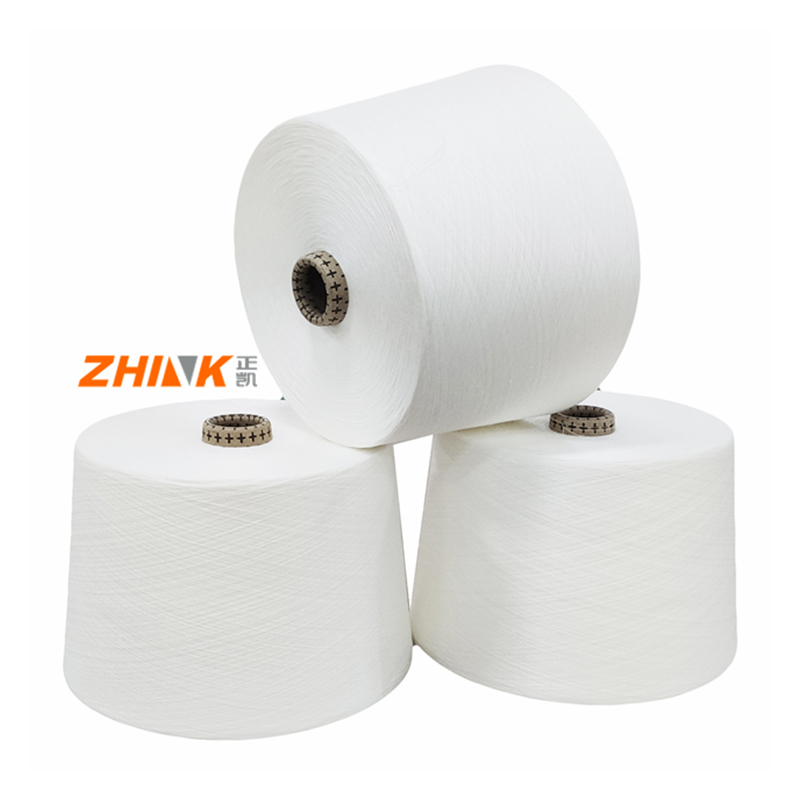
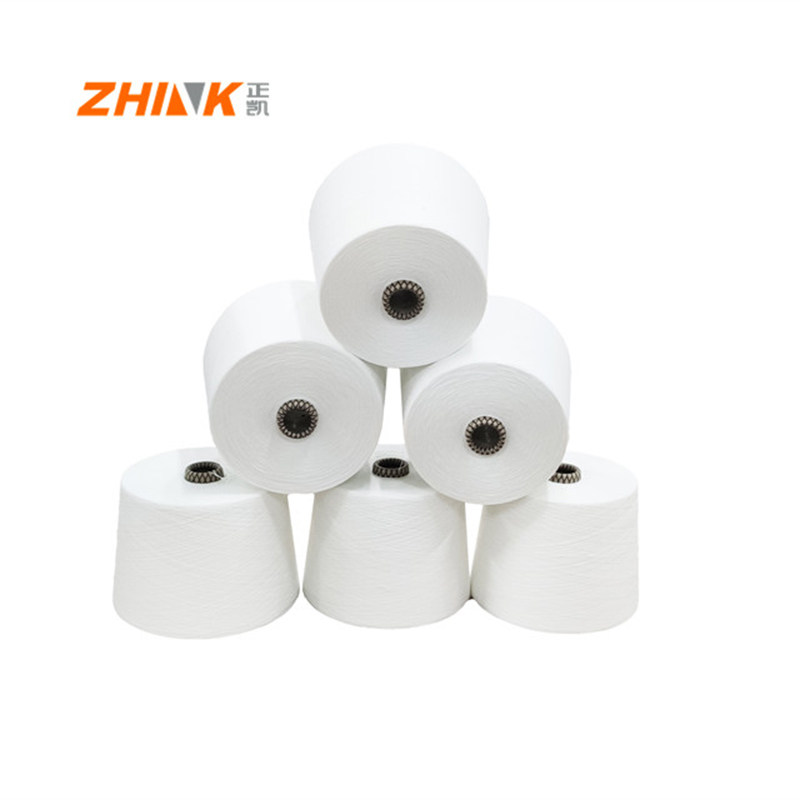
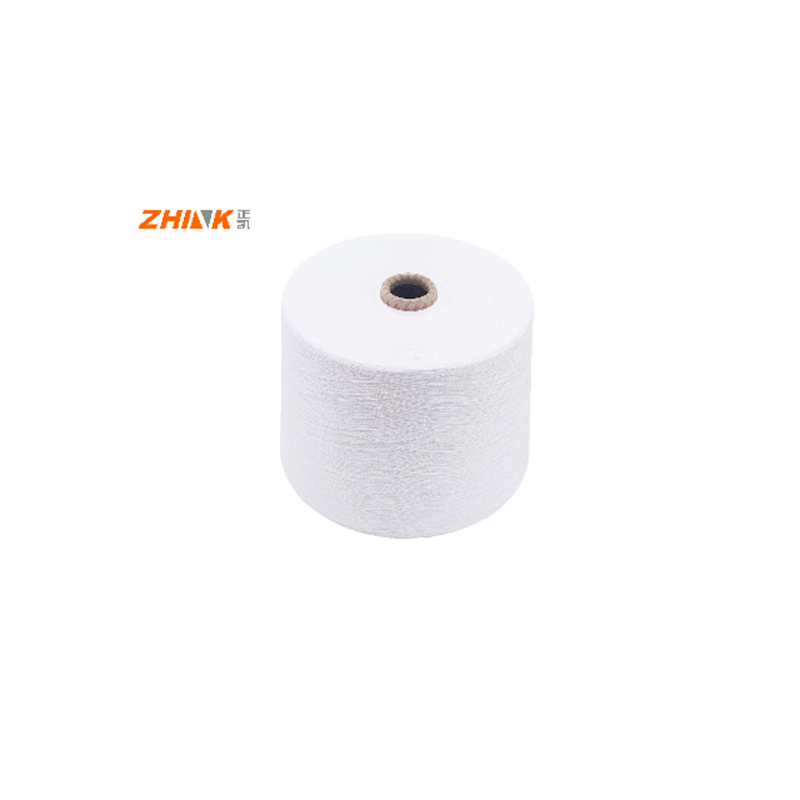
polyester/modal siro compact yarn
The Evolution and Impact of Polyester/Modal Siro Compact Yarn
Polyester/Modal Siro Compact Yarn is a game-changer in the textile industry, offering unique advantages over traditional yarns. This material has carved its niche by blending polyester's strength with modal's softness, but understanding its full potential requires a nuanced look at the intricacies involved in its production and utilization.
Understanding Polyester/Modal Siro Compact Yarn
Siro compact spinning is a technology that significantly enhances yarn quality. The process minimizes hairiness, which is often a pain point in conventional yarns. In the case of Polyester/Modal Siro Compact Yarn, this technique allows for a tighter, more refined finish, contributing to both aesthetic and functional superiority.
Now, blending polyester with modal fibers creates a fabric that combines durability with comfort. Polyester provides toughness and resilience, essential for long-lasting garments, while modal adds a silky touch, enhancing wearability. This balance is vital for manufacturers looking to produce high-quality, versatile textiles.
In practice, I’ve observed that textiles made with this yarn show excellent breathability and moisture-wicking properties. These characteristics make it suitable for activewear and fashion applications where comfort is as crucial as performance.
Challenges in Production
The production of Polyester/Modal Siro Compact Yarn isn't without its hurdles. Achieving the perfect blend ratio and maintaining quality consistency demands precise control over various factors during spinning. Temperature, humidity, and machinery calibration all play critical roles.
During my time in the industry, I’ve seen scenarios where minor machine misalignments resulted in uneven yarn texture. This underscores the importance of meticulous attention to detail and consistent maintenance practices. SHANDONG ZHINK NEW MATERIAL CO., LTD, for instance, emphasizes rigorous quality checks, as highlighted on their website, https://www.zhinkyarn.com.
Another complexity often faced is the dyeing process. The dual nature of polyester and modal demands a nuanced approach to ensure uniform coloration. Any imbalance can lead to color inconsistencies, which are undesirable in finished products.
Applications and Advantages
From my experience, one of the most significant advantages of Polyester/Modal Siro Compact Yarn is its versatility. It fits effortlessly into various apparel categories, from luxury fashion to sportswear. The yarn structure allows for innovative designs, enhancing the aesthetic appeal while maintaining structural integrity.
This yarn has a remarkable ability to retain its shape, resisting wrinkles. This aspect is particularly appreciated in sectors where first impressions matter, offering end-users a polished, neat look throughout the day.
Furthermore, garments made from this yarn are often lauded for their drape and flow. The modal component imparts a smooth, lustrous finish, adding to the fabric's luxury feel and making it a favorite among designers aiming for premium collections.
Environmental Considerations
Environmental impact is a growing concern in textile production. It’s worth noting that modal fibers are derived from beech tree pulp, which is generally considered a more sustainable source compared to purely synthetic options. However, the inclusion of polyester necessitates a balanced approach to sustainability.
From discussions with peers involved in sustainable textile solutions, it’s evident that efforts to recycle polyester and innovate around biodegradable blends are gaining traction. Companies like Zhink New Material, as reflected in their commitment to new textile materials, are at the forefront of such innovations.
Reducing resource consumption during production and exploring eco-friendly dyeing techniques are becoming essential practices for companies committed to sustainability in textile manufacturing.
Future Trends
Moving forward, the demand for Polyester/Modal Siro Compact Yarn is anticipated to grow, driven by an increasing focus on high-performance, multifunctional textiles. The blend's adaptability opens doors for breakthroughs in apparel technology and design.
Innovations like antimicrobial finishes and enhanced UV protection are being integrated into yarns, offering added value. In my view, collaboration between material scientists and fashion designers will drive exciting developments in this domain.
Ultimately, the evolution of yarn technologies reflects broader shifts in the textile industry. As companies like Zhink New Material continue to innovate, we can expect significant transformations in both production techniques and end-product functionalities, responding to the complex demands of consumers today.
Related Products
Related Products
Best Selling Products
Best Selling Products
Related Search
Related Search- polyester/bamboo ring spun yarn
- 100% polyester ring
- Flame retardant acrylic/viscose vortex yarn
- Flame retardant polyester spun yarn for weaving
- Polyester blended yarn for knitting
- bamboo silk yarn
- bamboo/Combed cotton 50/50 yarn
- 100% Cationic polyester vortex
- polyester AB yarn
- viscose/silk 80/20 spandex yarn