+86-632-3621866
- Chinese
- French
- German
- Portuguese
- Spanish
- Russian
- Japanese
- Korean
- Arabic
- Irish
- Greek
- Turkish
- Italian
- Danish
- Romanian
- Indonesian
- Czech
- Afrikaans
- Swedish
- Polish
- Basque
- Catalan
- Esperanto
- Hindi
- Lao
- Albanian
- Amharic
- Armenian
- Azerbaijani
- Belarusian
- Bengali
- Bosnian
- Bulgarian
- Cebuano
- Chichewa
- Corsican
- Croatian
- Dutch
- Estonian
- Filipino
- Finnish
- Frisian
- Galician
- Georgian
- Gujarati
- Haitian
- Hausa
- Hawaiian
- Hebrew
- Hmong
- Hungarian
- Icelandic
- Igbo
- Javanese
- Kannada
- Kazakh
- Khmer
- Kurdish
- Kyrgyz
- Latin
- Latvian
- Lithuanian
- Luxembou..
- Macedonian
- Malagasy
- Malay
- Malayalam
- Maltese
- Maori
- Marathi
- Mongolian
- Burmese
- Nepali
- Norwegian
- Pashto
- Persian
- Punjabi
- Serbian
- Sesotho
- Sinhala
- Slovak
- Slovenian
- Somali
- Samoan
- Scots Gaelic
- Shona
- Sindhi
- Sundanese
- Swahili
- Tajik
- Tamil
- Telugu
- Thai
- Ukrainian
- Urdu
- Uzbek
- Vietnamese
- Welsh
- Xhosa
- Yiddish
- Yoruba
- Zulu
- Kinyarwanda
- Tatar
- Oriya
- Turkmen
- Uyghur


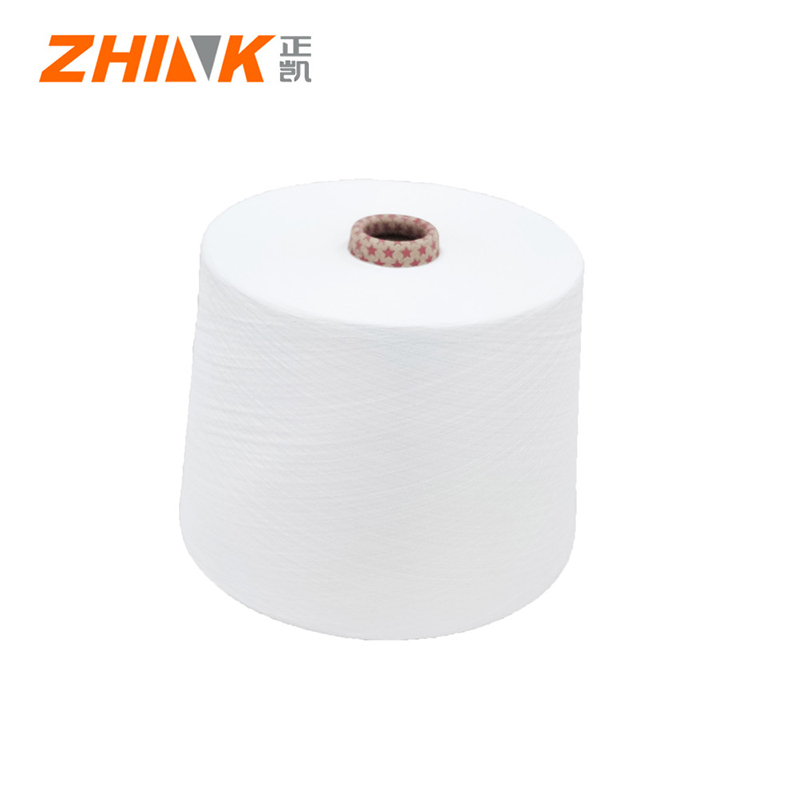
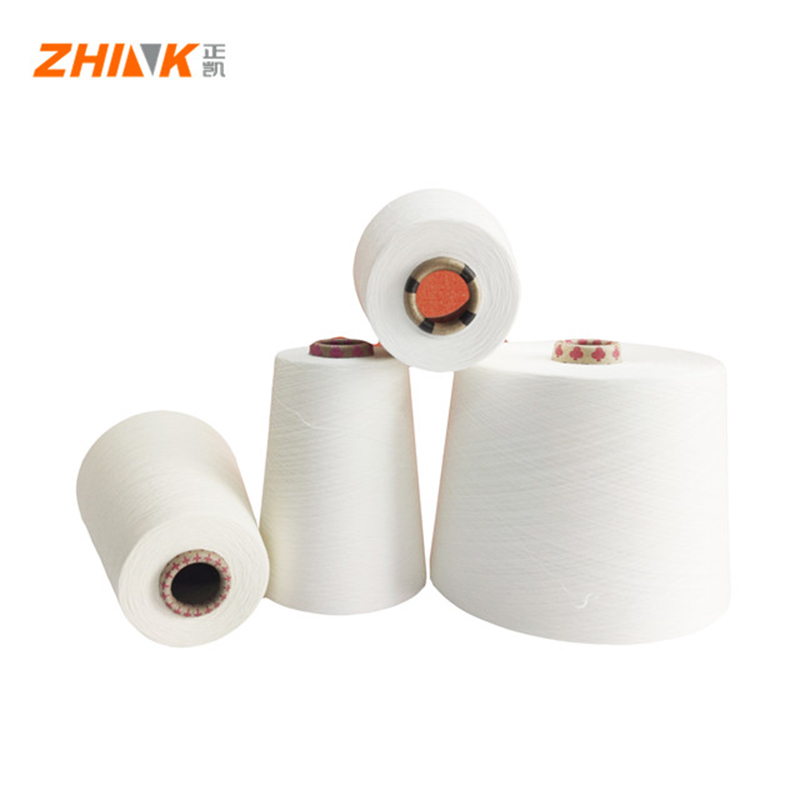
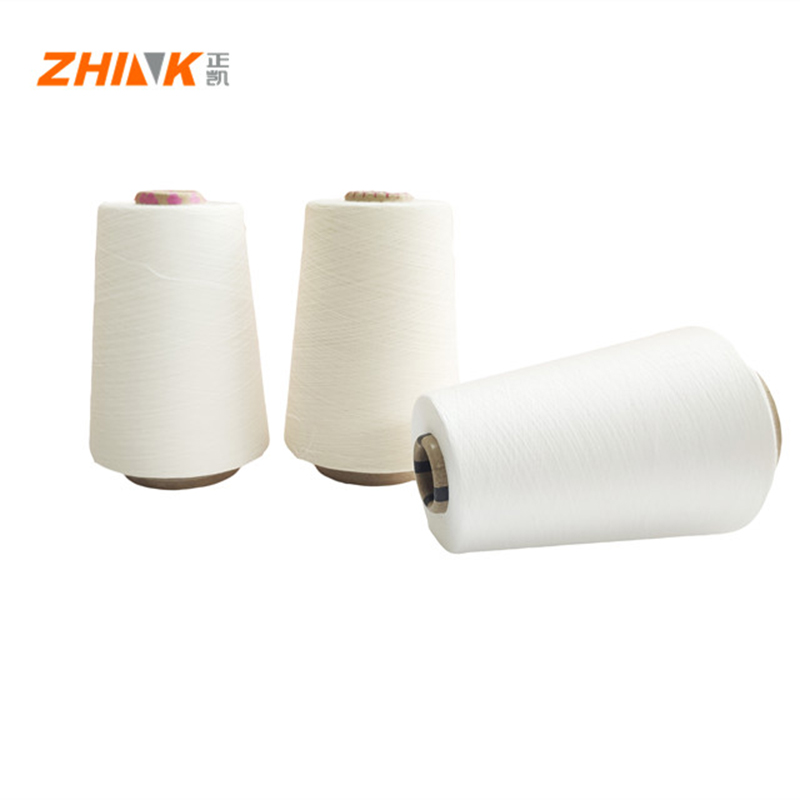
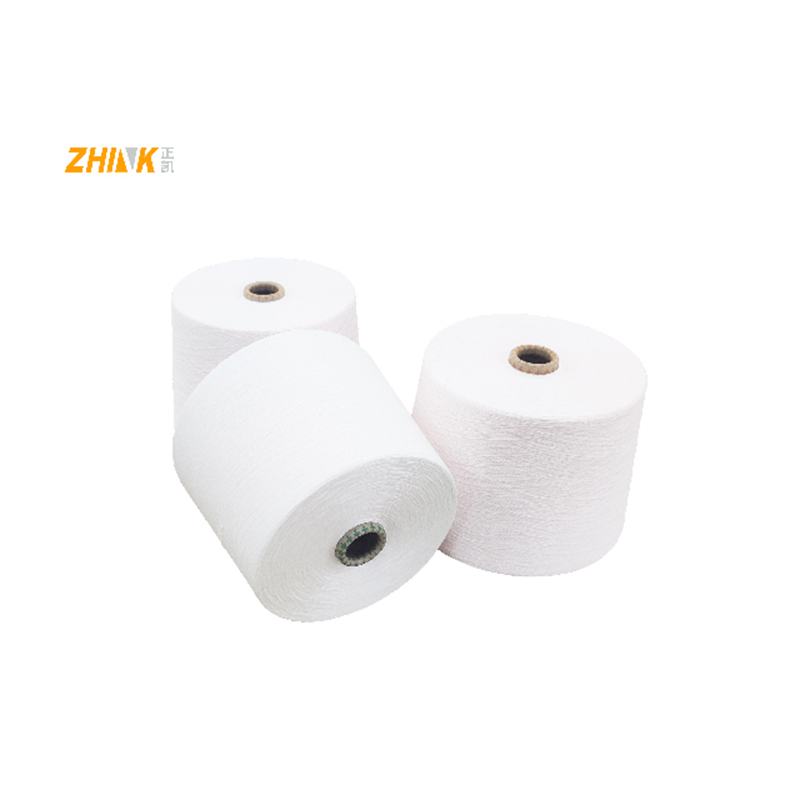
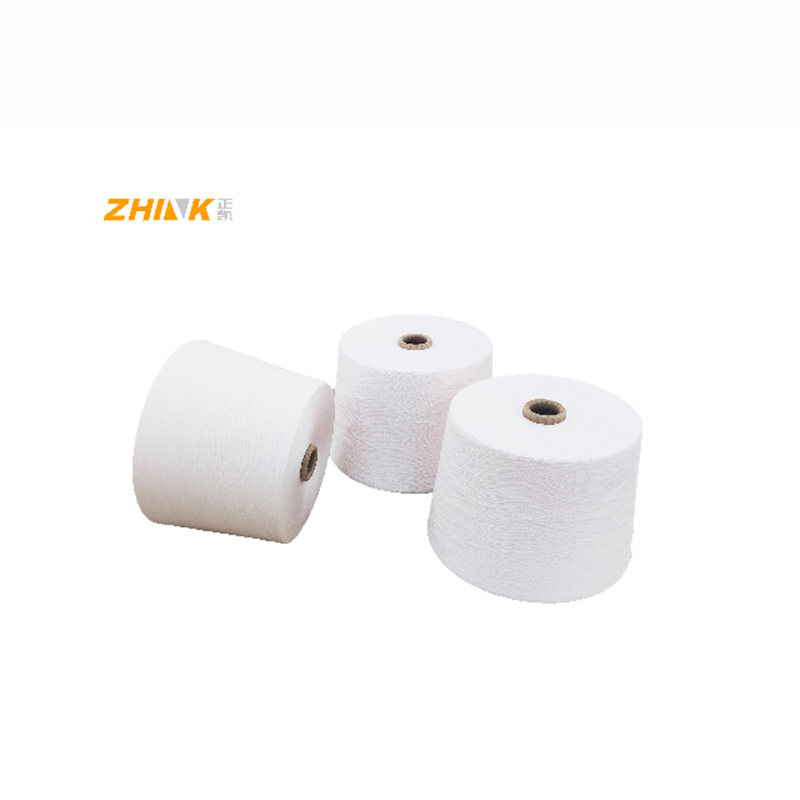
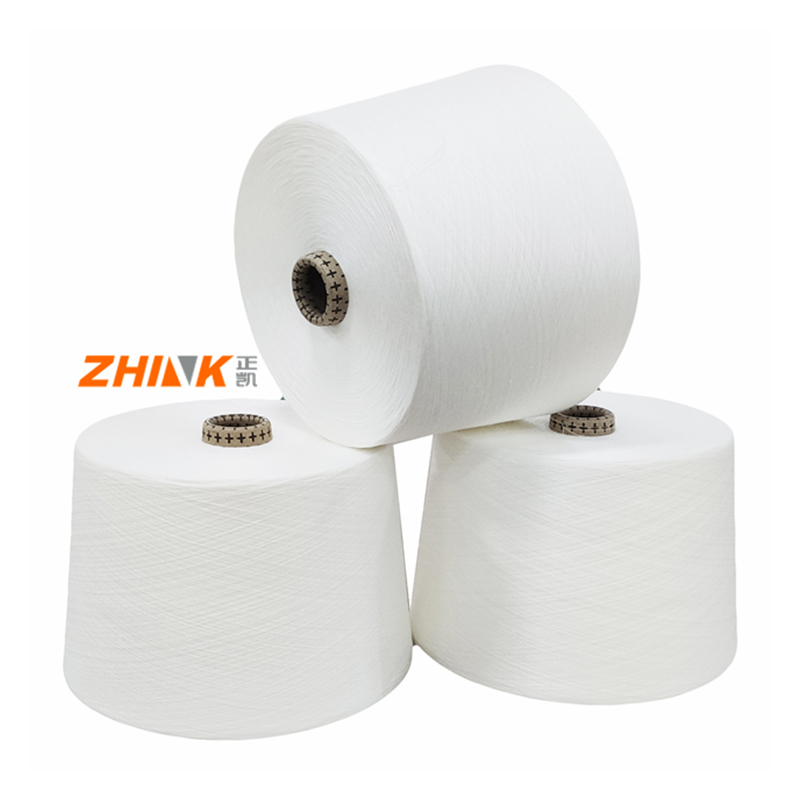
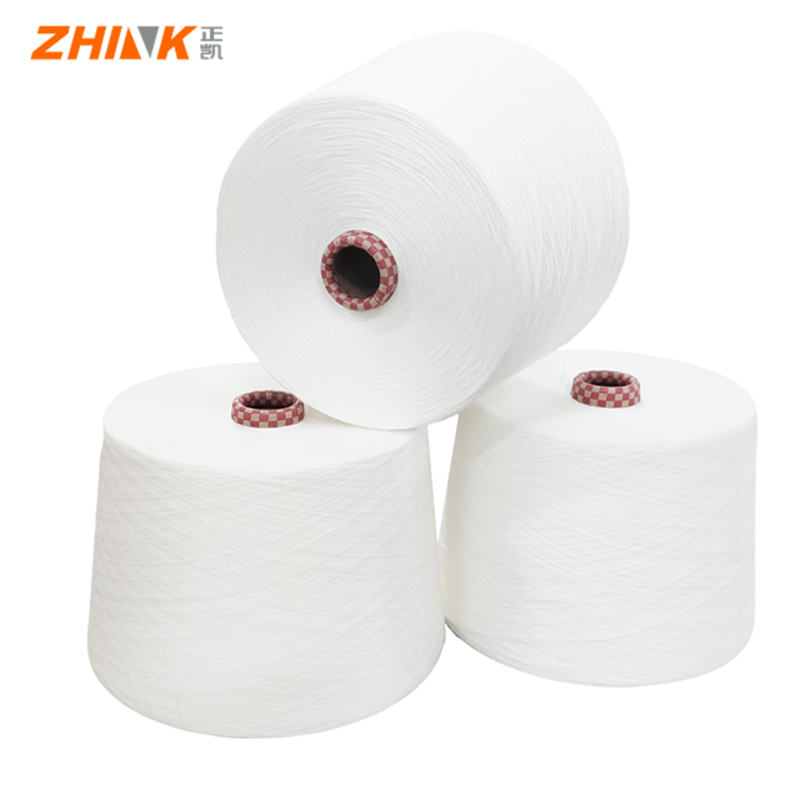
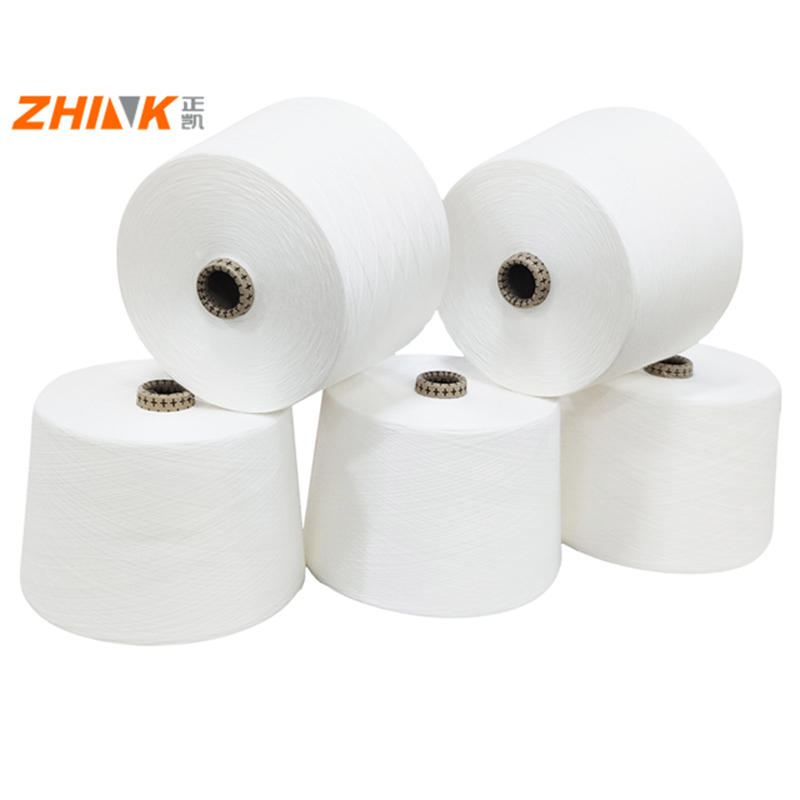
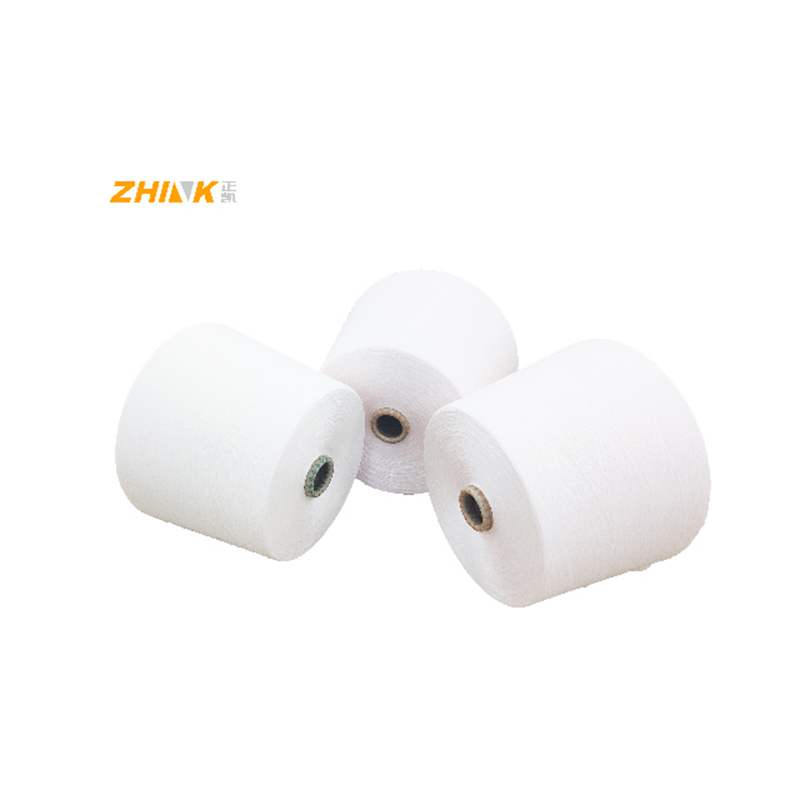
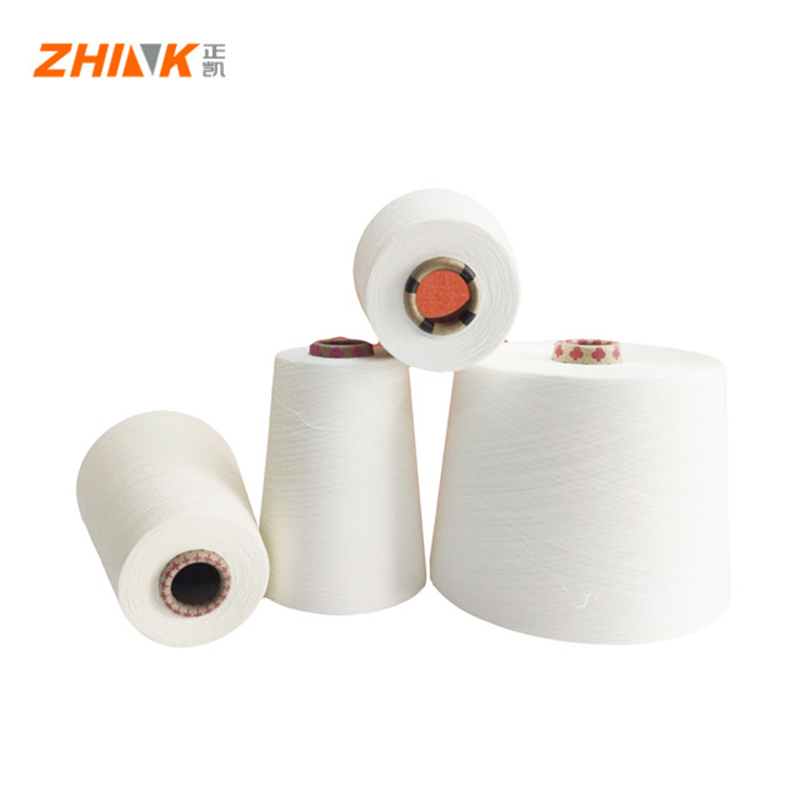
polyester/modal siro yarn
Exploring the World of Polyester/Modal Siro Yarn
Polyester/Modal Siro yarn is intriguing for its blend of durability and comfort, but misconceptions often arise. Some confuse it with regular blends, yet the siro spinning technique provides unique characteristics. Here's a dive into what makes this yarn a special choice in textile production.
Understanding Polyester/Modal Siro Yarn
Siro yarn is unlike any other blend. Polyester gives it strength and elasticity, while modal contributes to softness and moisture absorption. This combination often leads to confusion, but once you understand the synergy, the advantages become clear, especially in active wear and comfortable daily garments.
My first encounter with siro yarn was during a project with a client aiming to launch a new line of eco-friendly clothing. We needed a material that wasn't just sustainable but also felt luxurious. That’s where the Polyester/Modal Siro process stood out, combining both practicality and high-end feel.
The siro spinning process itself is fascinating. By using two separate roving feeds that marry within the spinning triangle, it creates a more uniform and stronger yarn. This method also reduces pilling, a common concern with knit fabrics, which makes it especially suitable for items that undergo frequent use and washing.
Advantages and Challenges
The advantages of using Polyester/Modal Siro yarn are numerous, but you must also weigh the challenges. Its high tensile strength and soft hand feel make it an obvious choice for sportswear. However, achieving the perfect blend ratio can be tricky. It requires rigorous quality control, which is something Zhink New Material excels at, leveraging their expertise in new textile innovations.
Price point also varies widely. While the initial investment might be higher due to the blending technique and material costs, the longevity and consumer satisfaction often justify the expense. The feedback from consumers who participated in our trial runs was overwhelmingly positive, especially in terms of durability and comfort.
Interestingly, even the dyeing process shows marked differences. Polyester/Modal blends take dye more uniformly, which helps in maintaining vibrant colors over time. It's a detail you notice in higher-end textile lines. However, a common complaint is the complexity involved in perfecting these processes, often requiring trials and skilled oversight.
Applications in the Textile Industry
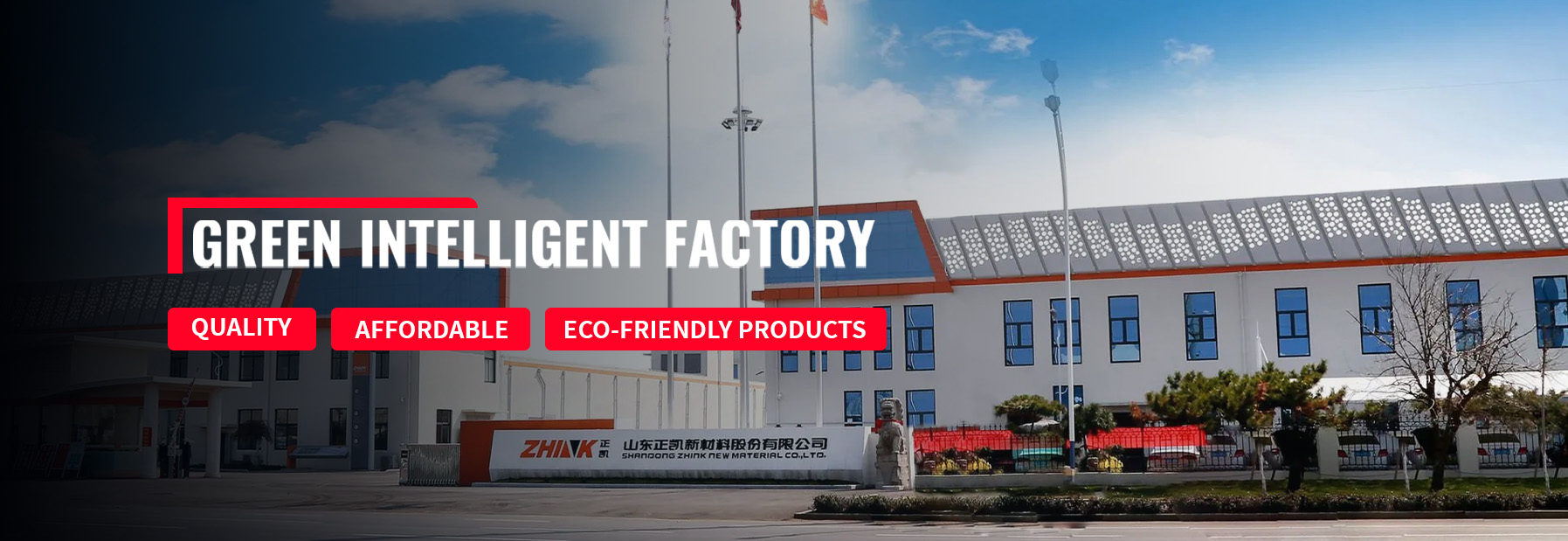
The real-world applications of Polyester/Modal Siro yarn keep expanding. From casual wear to specialized industrial fabrics, its versatility is impressive. At SHANDONG ZHINK NEW MATERIAL CO., LTD, we’ve seen a marked increase in requests from brands focusing on sustainability without compromising quality.
There was an interesting case study we undertook involving medical textiles. The challenge was developing fabrics that would withstand repetitive sterilization without losing integrity. Polyester/Modal Siro yarn was a game-changer, providing both resistance and softness critical to comfort in medical settings.
Another rapidly growing area is fashion. Designers increasingly demand fabrics that are both stylish and functional. With climate change on the agenda, there’s a shift toward materials like Polyester/Modal siro because of their reduced environmental impact, given modal’s biodegradable nature.
Technical Considerations
When working with Polyester/Modal Siro yarn, one must consider technical details such as twist levels and knitting techniques. The polymer consistency in polyester and the natural fibers in modal must be meticulously managed during production. Incorrect handling can lead to imperfections like uneven surface textures.
At Zhink New Material, we've refined our processes to address these nuances. Detailed attention ensures that each yarn batch meets the required standards. We often collaborate closely with fabric manufacturers to tailor fit the yarn to specific textile requirements, a practice that has paved the way for tailored innovations in fabric technology.
Additionally, we’ve implemented robust stress testing cycles. This is crucial for ensuring the yarn retains its properties over extended use and under various conditions. Testing often reveals novel insights, leading to improvements in subsequent production batches.
Looking Forward
The future of Polyester/Modal Siro yarn looks promising. With ongoing research and technological advancements, its applications could extend further. There's potential in automotive textiles, smart fabrics, and more—areas where its characteristics can be fully utilized.
As we advance, it’s vital to continue exploring its possibilities with an open yet critical perspective. Collaborative efforts between research institutions and companies like SHANDONG ZHINK NEW MATERIAL CO., LTD, found at zhinkyarn.com, will be instrumental in driving these innovations.
The integration of sustainability with performance textiles holds the key. As more industries recognize the value of this balance, Polyester/Modal Siro yarn is likely to play a pivotal role. It's a compelling time for textile technology, with opportunities at every turn for those ready to explore and innovate.
Related Products
Related Products