+86-632-3621866
- Chinese
- French
- German
- Portuguese
- Spanish
- Russian
- Japanese
- Korean
- Arabic
- Irish
- Greek
- Turkish
- Italian
- Danish
- Romanian
- Indonesian
- Czech
- Afrikaans
- Swedish
- Polish
- Basque
- Catalan
- Esperanto
- Hindi
- Lao
- Albanian
- Amharic
- Armenian
- Azerbaijani
- Belarusian
- Bengali
- Bosnian
- Bulgarian
- Cebuano
- Chichewa
- Corsican
- Croatian
- Dutch
- Estonian
- Filipino
- Finnish
- Frisian
- Galician
- Georgian
- Gujarati
- Haitian
- Hausa
- Hawaiian
- Hebrew
- Hmong
- Hungarian
- Icelandic
- Igbo
- Javanese
- Kannada
- Kazakh
- Khmer
- Kurdish
- Kyrgyz
- Latin
- Latvian
- Lithuanian
- Luxembou..
- Macedonian
- Malagasy
- Malay
- Malayalam
- Maltese
- Maori
- Marathi
- Mongolian
- Burmese
- Nepali
- Norwegian
- Pashto
- Persian
- Punjabi
- Serbian
- Sesotho
- Sinhala
- Slovak
- Slovenian
- Somali
- Samoan
- Scots Gaelic
- Shona
- Sindhi
- Sundanese
- Swahili
- Tajik
- Tamil
- Telugu
- Thai
- Ukrainian
- Urdu
- Uzbek
- Vietnamese
- Welsh
- Xhosa
- Yiddish
- Yoruba
- Zulu
- Kinyarwanda
- Tatar
- Oriya
- Turkmen
- Uyghur


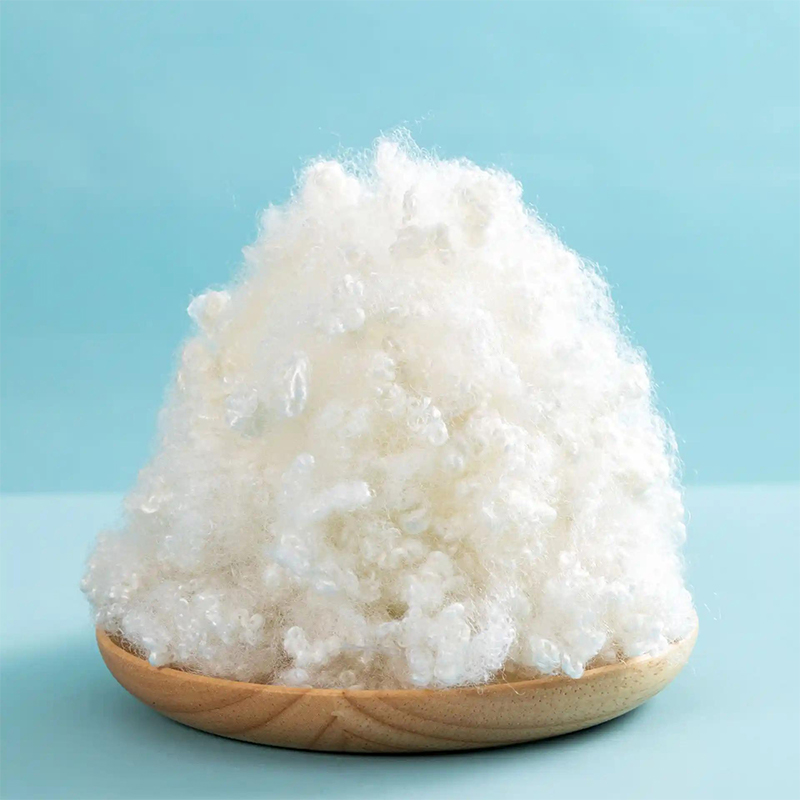
polyester staple fiber psf
The Intricacies of Polyester Staple Fiber (PSF)
Polyester Staple Fiber (PSF) often gets overshadowed by its more celebrated textile counterparts, yet it plays a crucial role in our daily lives. From the clothes we wear to the furnishings we use, PSF is everywhere. However, it's more than just a component; it's a versatile and complex material with unique properties and various production challenges. Let's dive into the real-world nuances of PSF, drawing from both industry expertise and everyday applications.
Understanding Polyester Staple Fiber
At its core, Polyester Staple Fiber is a synthetic fiber derived from PTA and MEG. It's commonly known for its resilience and flexibility, which make it an essential material for the textile industry. The fiber’s adaptability allows it to be spun into yarns for fabrics or used as filling in cushions and bedding. It’s this versatility that makes PSF so indispensable.
In practical terms, the production of PSF involves complex processes that require precision and control. Each step, from polymerization to spinning and cutting, must be executed meticulously to ensure quality. Negligence at any stage can lead to defects that affect the fiber’s performance. This requires a workforce not only skilled but also attentive to every detail.
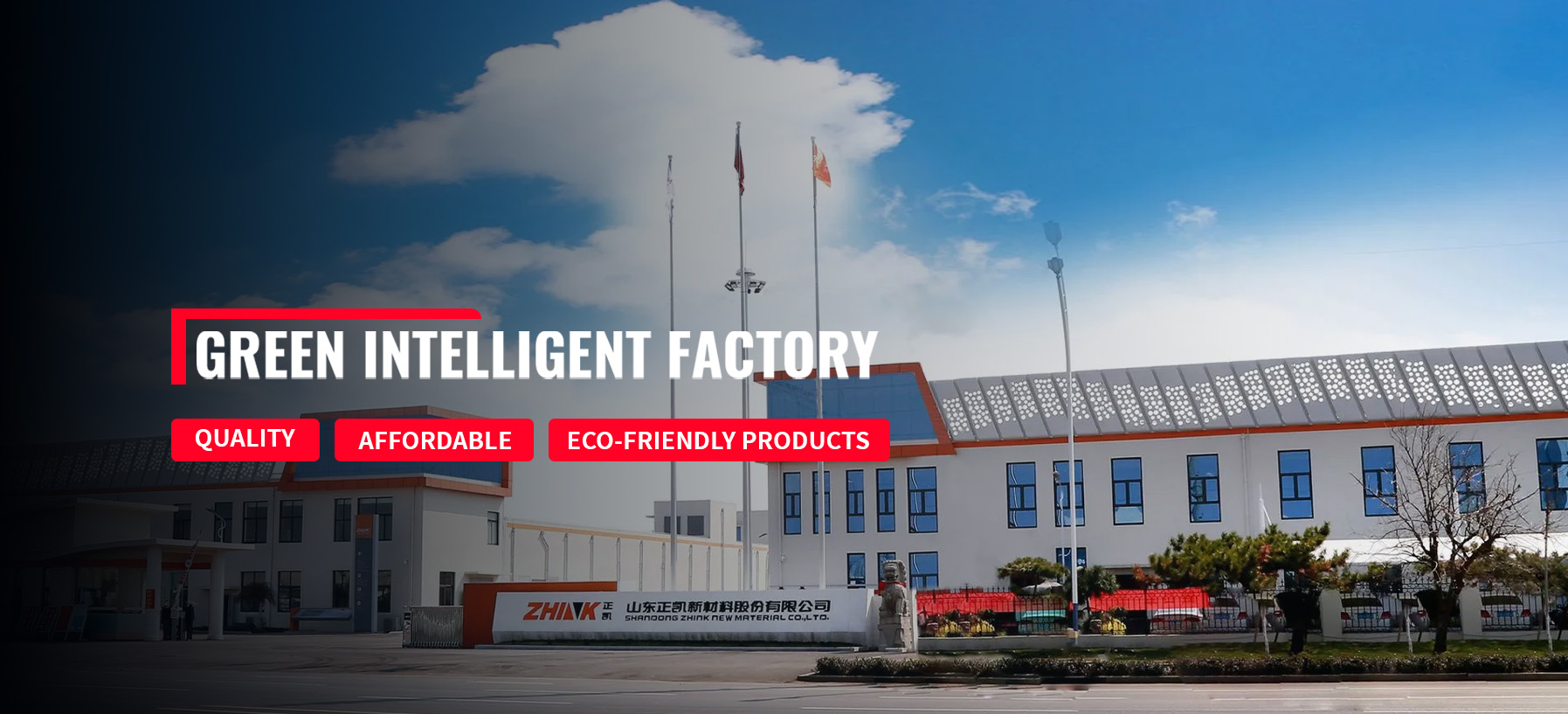
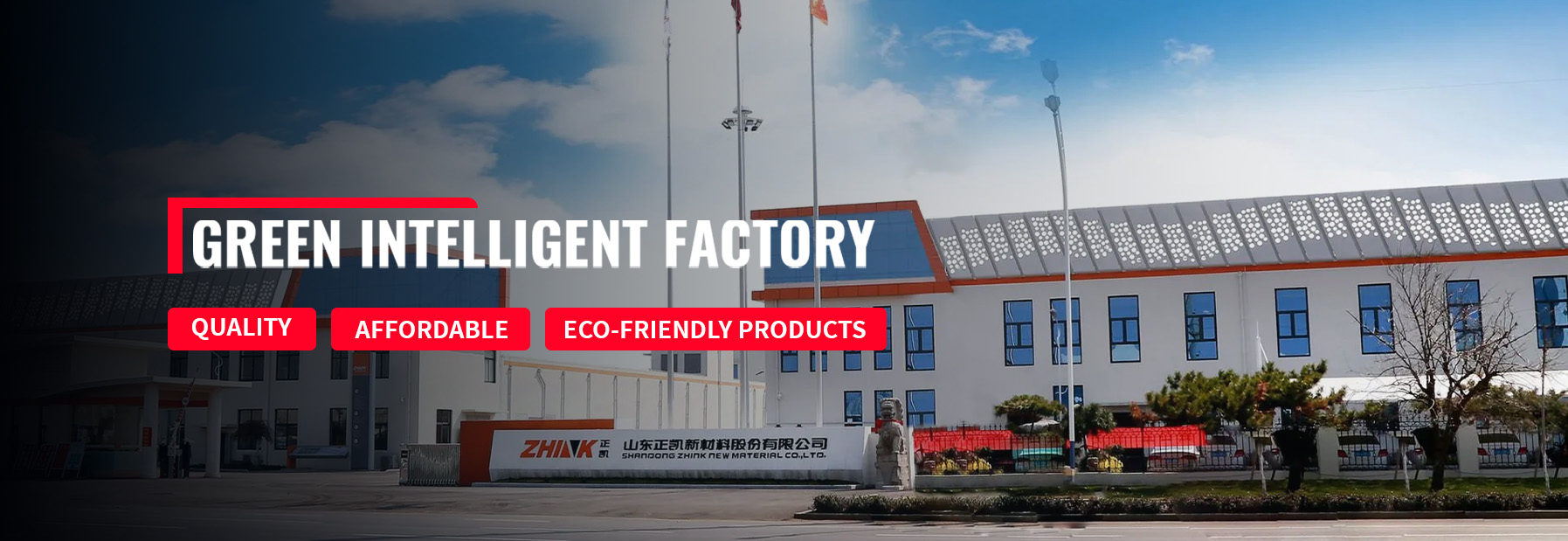
I remember visiting a production line at SHANDONG ZHINK NEW MATERIAL CO., LTD. The company, known for its expertise in textile materials, showcased an impressive level of detail in every aspect of PSF production. From their advanced machinery to the careful monitoring of production parameters, it's clear why they remain a leader in this field.
Challenges in Production
One notable challenge with PSF is maintaining consistent quality. Variations in the raw material or minor fluctuations in process conditions can lead to fibers with poor mechanical properties. The importance of rigorous quality control cannot be overstated; every batch must be checked for uniformity and defects.
Moreover, the environmental impact is a growing concern. Polyester is, after all, a petroleum-based product. Innovations are emerging, though, with companies like Zhink New Material leading efforts in developing more sustainable production methods. Their dedication to research and development mirrors the industry's shift towards more eco-friendly practices.
Another issue that surfaces frequently in PSF production is cost management. Balancing high-quality production with cost efficiency is an ongoing struggle. The push for eco-friendly materials further complicates this balance, adding another layer of considerations for manufacturers.
Applications in Modern Textiles
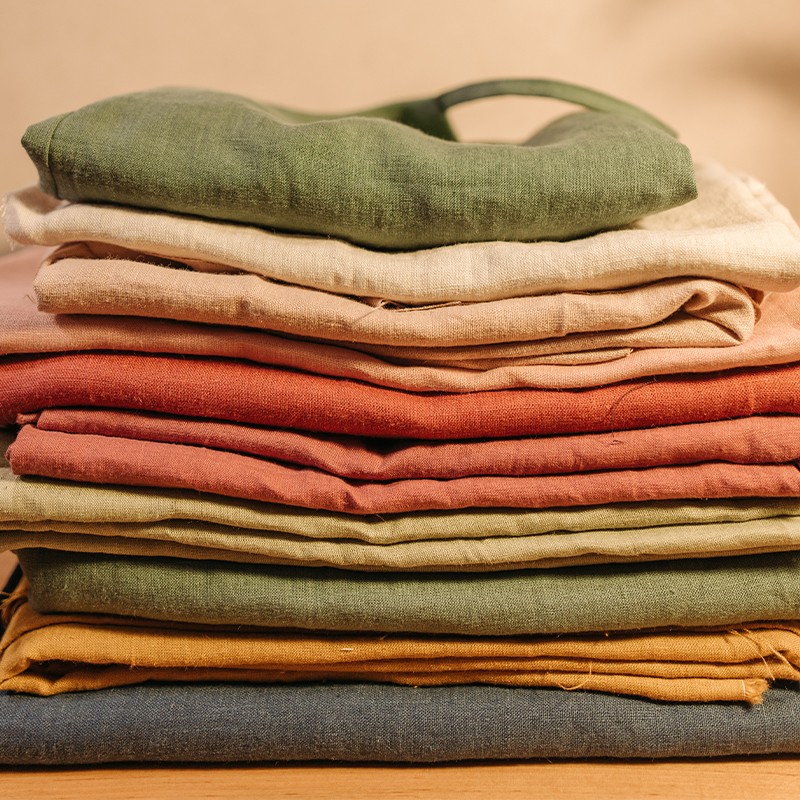
Polyester Staple Fiber has carved a niche in both fashion and home textiles. Clothes made from PSF are appreciated for their durability and ease of maintenance. However, it’s not just about the end product. The spinning and weaving processes also rely heavily on the quality and properties of PSF.
In the realm of home furnishings, PSF’s role is pivotal. It serves as a stuffing material in upholstery and bedding, offering comfort and resilience. The fiber’s properties such as softness, warmth, and lightweight contribute to creating high-quality products.
A memorable discussion with a textile engineer highlighted the importance of matching fiber properties with product requirements. It’s a detailed process requiring close collaboration between material developers like Zhink and end-user industries to deliver optimal results.
Evolution and Innovation in PSF
Technological advancements continue to redefine the boundaries of what PSF can achieve. Innovations like bi-component fibers or environmentally friendly substitutes are changing the landscape. These new fibers promise similar benefits while mitigating negative environmental impacts.
The shift doesn’t just benefit the environment. It often leads to new properties or applications for PSF, giving manufacturers a competitive edge. Staying ahead in this fast-evolving market requires ongoing investment in research and technology.
SHANDONG ZHINK NEW MATERIAL CO., LTD is one such company investing heavily in R&D, constantly looking for breakthroughs that align with market trends and sustainability goals. Their commitment is evident in the innovative solutions they offer to the market.
Concluding Thoughts on PSF
The world of Polyester Staple Fiber is as challenging as it is dynamic. Its importance across various industries is undeniable, yet producing high-quality and sustainable PSF demands a blend of skill, technology, and visionary leadership.
The textile industry may well depend on companies like Zhink New Material, which not only supply materials but also drive the industry forward through innovative research and sustainable practices. Every visit to their plant leaves one with an appreciation for the challenges and triumphs that define the PSF landscape.
As we look to the future, the agility to adapt to changing demands and a commitment to sustainable practices will likely be what defines the leaders in polyester staple fiber production.
Related Products
Related Products