+86-632-3621866
- Chinese
- French
- German
- Portuguese
- Spanish
- Russian
- Japanese
- Korean
- Arabic
- Irish
- Greek
- Turkish
- Italian
- Danish
- Romanian
- Indonesian
- Czech
- Afrikaans
- Swedish
- Polish
- Basque
- Catalan
- Esperanto
- Hindi
- Lao
- Albanian
- Amharic
- Armenian
- Azerbaijani
- Belarusian
- Bengali
- Bosnian
- Bulgarian
- Cebuano
- Chichewa
- Corsican
- Croatian
- Dutch
- Estonian
- Filipino
- Finnish
- Frisian
- Galician
- Georgian
- Gujarati
- Haitian
- Hausa
- Hawaiian
- Hebrew
- Hmong
- Hungarian
- Icelandic
- Igbo
- Javanese
- Kannada
- Kazakh
- Khmer
- Kurdish
- Kyrgyz
- Latin
- Latvian
- Lithuanian
- Luxembou..
- Macedonian
- Malagasy
- Malay
- Malayalam
- Maltese
- Maori
- Marathi
- Mongolian
- Burmese
- Nepali
- Norwegian
- Pashto
- Persian
- Punjabi
- Serbian
- Sesotho
- Sinhala
- Slovak
- Slovenian
- Somali
- Samoan
- Scots Gaelic
- Shona
- Sindhi
- Sundanese
- Swahili
- Tajik
- Tamil
- Telugu
- Thai
- Ukrainian
- Urdu
- Uzbek
- Vietnamese
- Welsh
- Xhosa
- Yiddish
- Yoruba
- Zulu
- Kinyarwanda
- Tatar
- Oriya
- Turkmen
- Uyghur



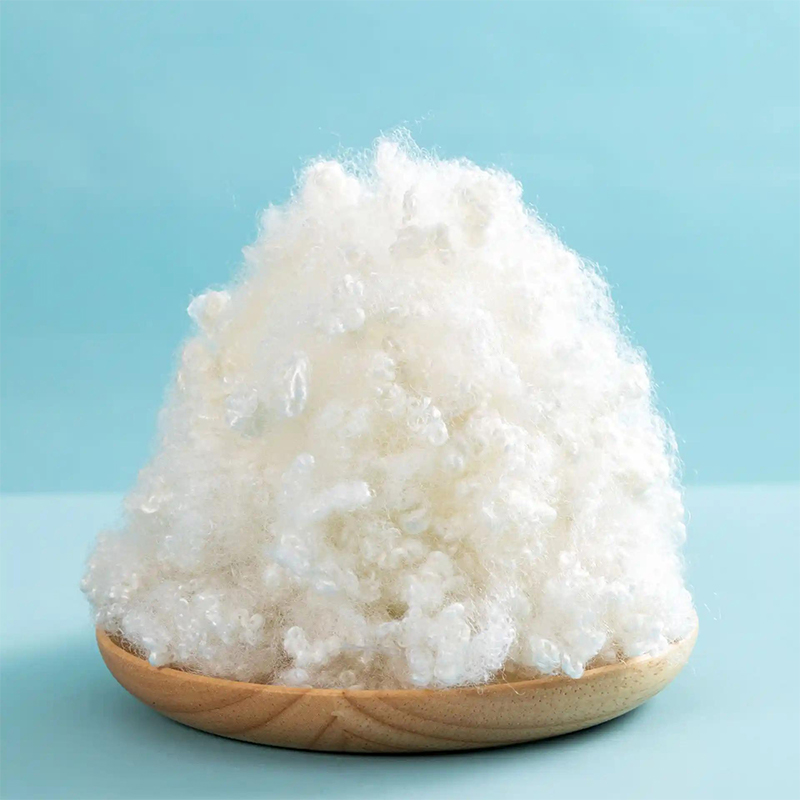
polyester staple fiber uses
Understanding the Uses of Polyester Staple Fiber
Polyester staple fiber (PSF) might not be the first thing that comes to mind when thinking about textiles, but its applications are both broad and critical to many industries. At first glance, one might assume these fibers are just another synthetic material, but their versatility is notable. From spinning into yarns to uses in non-woven fabrics and filling materials, the scope of PSF is extensive. However, actual experiences sometimes reveal unexpected challenges and benefits, especially in specific applications.
The Versatile World of Polyester Staple Fiber
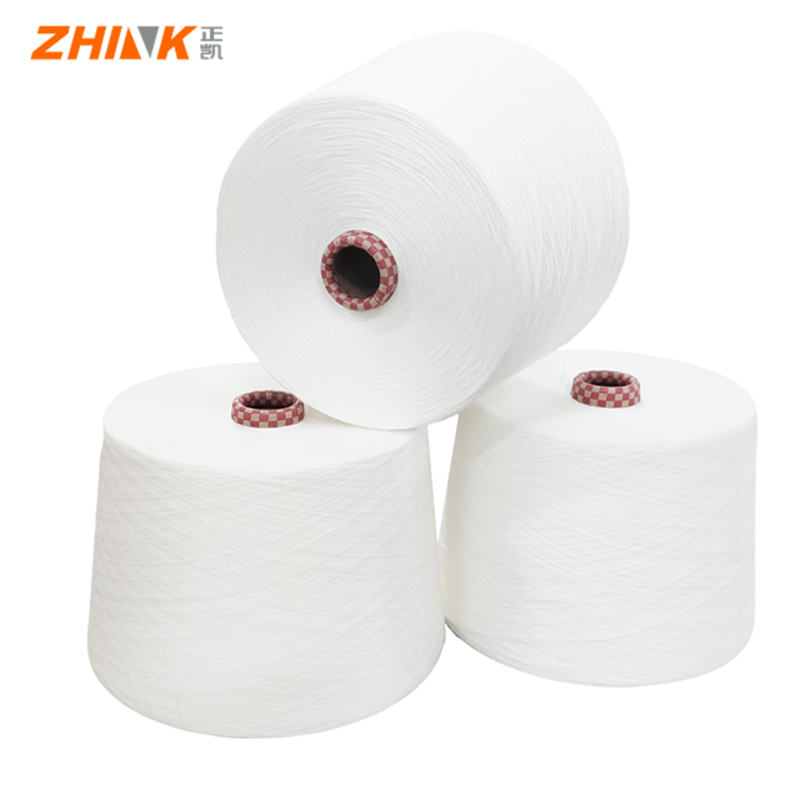
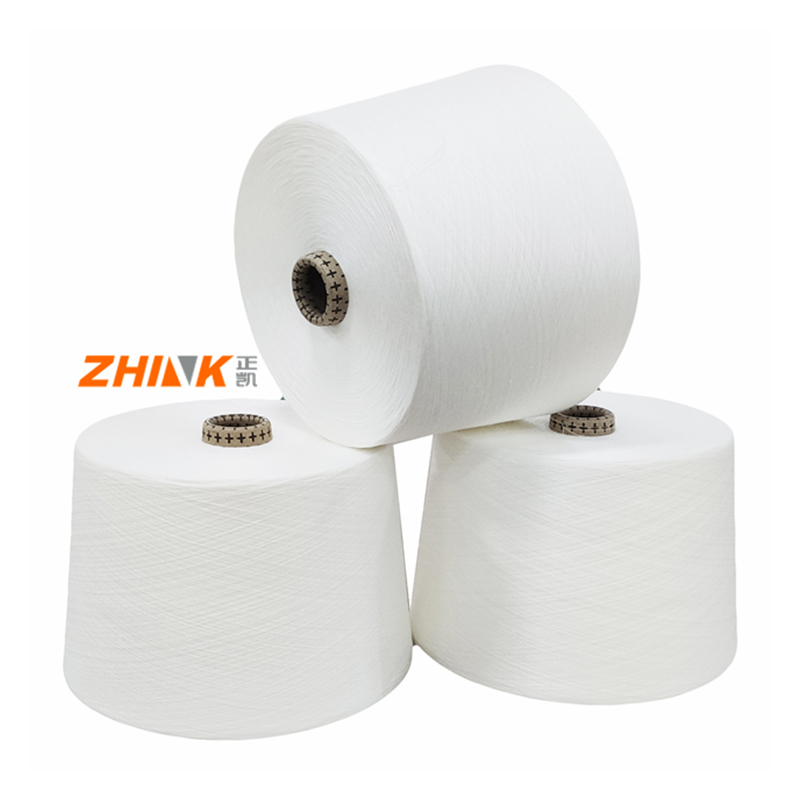
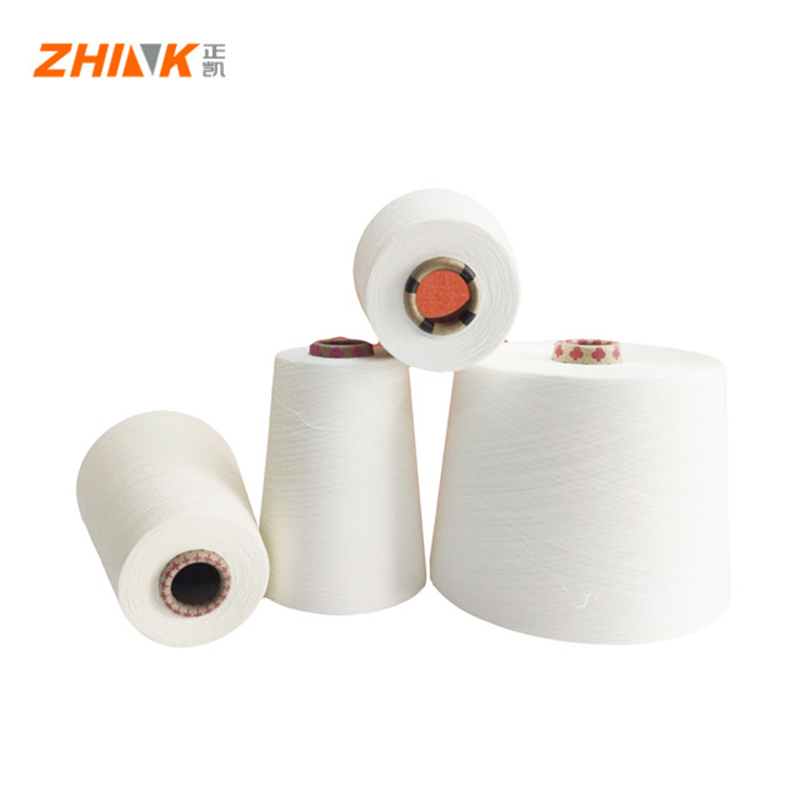
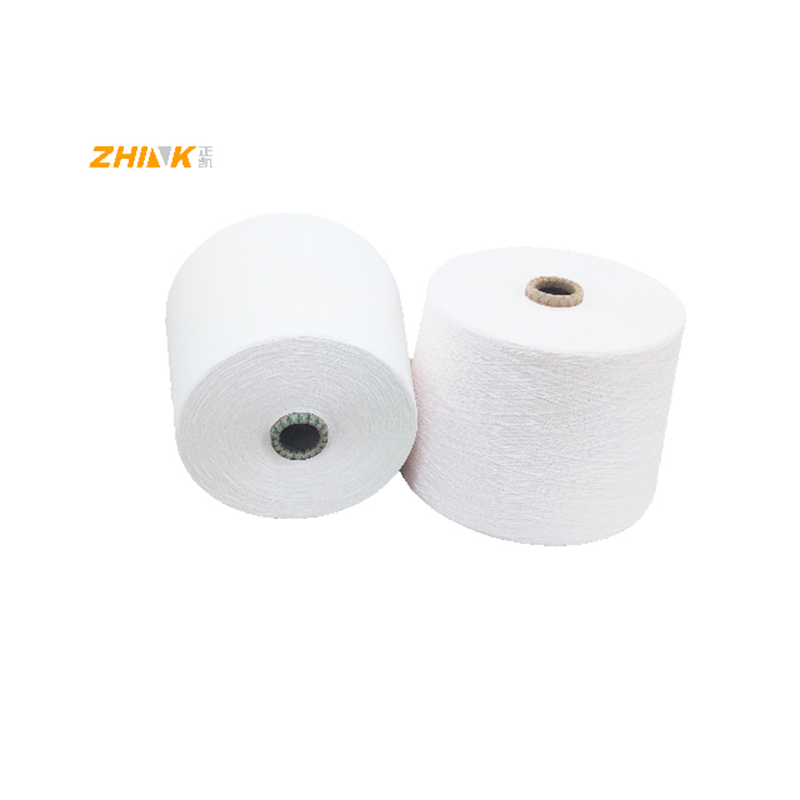
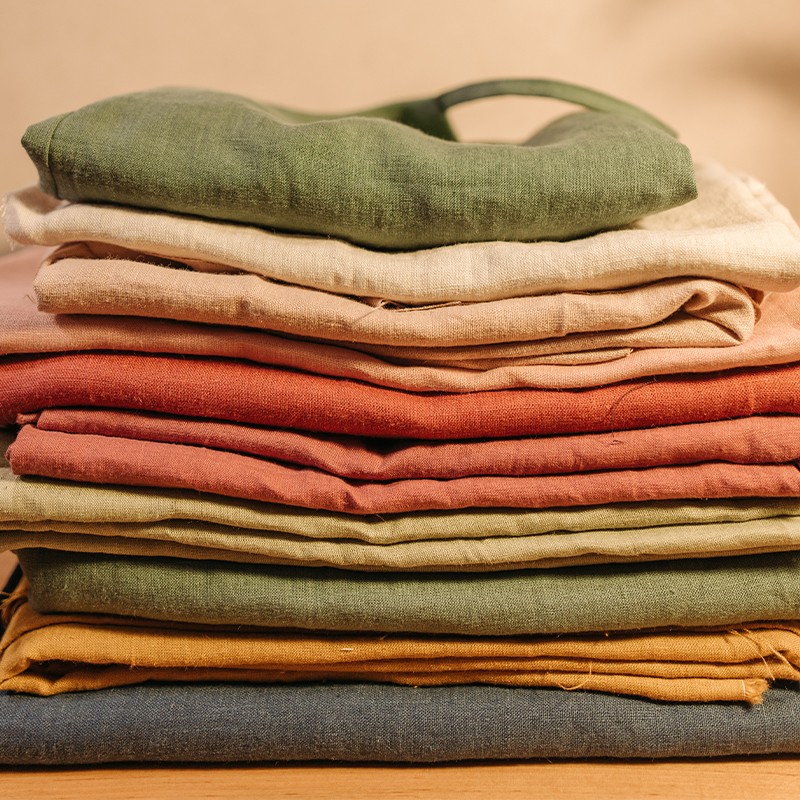
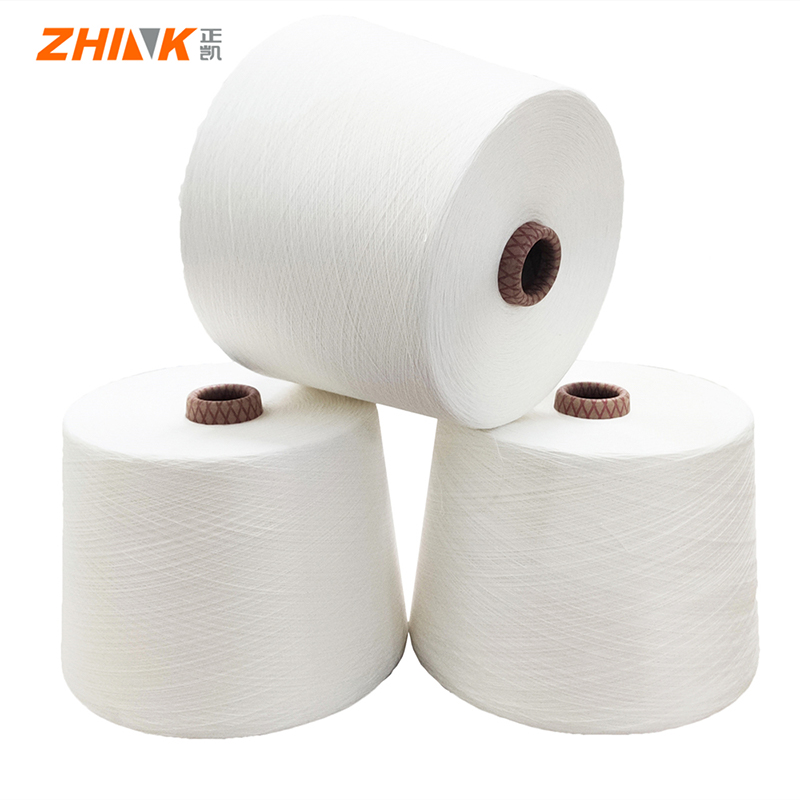
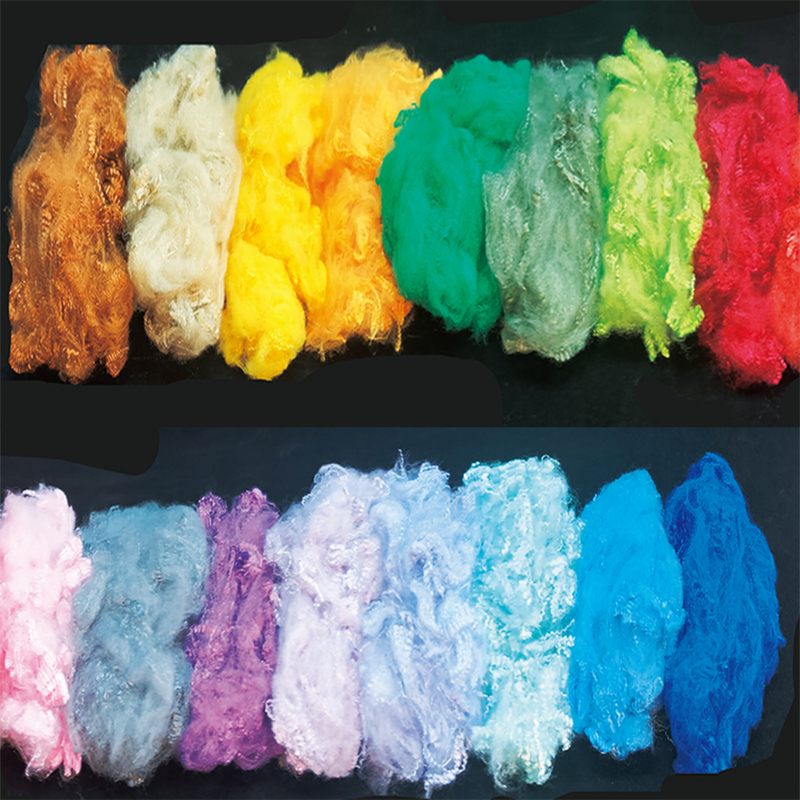
Polyester staple fiber is a key player in the textile industry. It's heavily used in the production of yarns, allowing manufacturers to create diverse fabric textures and strengths. The fibers can be blended with cotton, wool, or other materials to add durability and often increase cost-effectiveness. This is something our team at SHANDONG ZHINK NEW MATERIAL CO., LTD frequently explores. The way these fibers interact with natural materials offers a range of possibilities for innovative textile solutions.
One interesting aspect is that these fibers don't just stop at traditional uses. Non-woven applications, such as in medical textiles and filtrations, heavily rely on PSF. Here, the fiber’s properties—like hydro-phobicity and strength—can be fine-tuned to specific needs. Companies like ours focus on research and development to push these boundaries further, as seen on our site ZHINKYarn.
Additionally, PSF is commonly used as filling material. Think of it in your cushions, quilts, and even plush toys. The fiber's resilience ensures longevity and comfort, both essential for consumer satisfaction. Such everyday encounters with polyester staple fibers might be less visible, but they reflect the material’s significant market demand.
Challenges and Insights in Processing
However, dealing with polyester staple fiber isn’t devoid of challenges. Consistency in fiber quality can be tricky. Variations can affect dye uptake, resulting in color inconsistencies across products. From our experience, closely monitoring each production stage is crucial. This includes everything from raw material selection to the spinning process.
At SHANDONG ZHINK NEW MATERIAL CO., LTD, we’ve encountered situations where trial and error led us to fine-tune our manufacturing processes. Detailed attention to fiber characteristics, such as denier and cut length, plays a critical role. It’s not just about production but ensuring every batch meets the desired standards.
Another commonly underestimated aspect is the environmental footprint. While synthetic, PSF is increasingly produced with sustainability in mind. Innovations in recycling have made significant strides. At our research facilities, exploring recycled polyester options is a growing focus, marrying performance with eco-credentials.
Market Applications and Textiles Innovation
The global market continues to see polyester staple fiber becoming invaluable, beyond traditional textiles. The automotive industry, for instance, leverages its properties in seat padding and interior linings. Durability, combined with ease of maintenance, makes PSF an attractive option.
Furthermore, industrial applications see polyester fibers implemented in construction materials and geotextiles. This trend mirrors the increasing reliance on synthetic materials for infrastructural durability and efficiency. Each field presents unique challenges that demand an understanding of fiber behavior under stress and strain.
We at ZHINKYarn focus on these aspects by constantly engaging with industry experts, ensuring that our offerings align with evolving market needs. R&D plays a pivotal role in expanding PSF’s potential beyond its current horizon.
Exploring Future Trends
Looking ahead, the development of advanced fibers continues to show promise. Innovations such as microfibers and bi-component fibers offer new functionalities. These advancements allow end-users to explore textile possibilities previously considered too expensive or complex.
There is also an increasing drive towards customization. Custom fibers designed for specific purposes—whether engineered for thermal resistance or enhanced comfort—are reshaping the textiles landscape. Our team at Zhink New Material is exploring these custom solutions, aiming to meet diverse client demands.
Ultimately, polyester staple fiber is more than just a component—it’s a catalyst for innovation across sectors. As we continue to advance, integrating technological advances and sustainability will redefine what PSF can achieve, promising a future where materials meet the high expectations of industries and consumers alike.
Conclusion and Reflections
So, it's clear polyester staple fiber isn’t simply a textile material; it’s one with substantial potential. The insights gathered at SHANDONG ZHINK NEW MATERIAL CO., LTD through years of experience, highlight the fiber's adaptability and versatility. Every lesson, challenge, and triumph within this realm provides valuable knowledge shaping the future of textiles.
The next time you encounter a polyester product, consider the sophisticated processes and thought behind its creation. For companies invested in these fibers, continuous improvement and adaptation are key. At Zhink New Material, we invite curiosity and innovation to lead the way.
For more detailed insights, feel free to explore further at ZHINKYarn.
Related Products
Related Products