+86-632-3621866
- Chinese
- French
- German
- Portuguese
- Spanish
- Russian
- Japanese
- Korean
- Arabic
- Irish
- Greek
- Turkish
- Italian
- Danish
- Romanian
- Indonesian
- Czech
- Afrikaans
- Swedish
- Polish
- Basque
- Catalan
- Esperanto
- Hindi
- Lao
- Albanian
- Amharic
- Armenian
- Azerbaijani
- Belarusian
- Bengali
- Bosnian
- Bulgarian
- Cebuano
- Chichewa
- Corsican
- Croatian
- Dutch
- Estonian
- Filipino
- Finnish
- Frisian
- Galician
- Georgian
- Gujarati
- Haitian
- Hausa
- Hawaiian
- Hebrew
- Hmong
- Hungarian
- Icelandic
- Igbo
- Javanese
- Kannada
- Kazakh
- Khmer
- Kurdish
- Kyrgyz
- Latin
- Latvian
- Lithuanian
- Luxembou..
- Macedonian
- Malagasy
- Malay
- Malayalam
- Maltese
- Maori
- Marathi
- Mongolian
- Burmese
- Nepali
- Norwegian
- Pashto
- Persian
- Punjabi
- Serbian
- Sesotho
- Sinhala
- Slovak
- Slovenian
- Somali
- Samoan
- Scots Gaelic
- Shona
- Sindhi
- Sundanese
- Swahili
- Tajik
- Tamil
- Telugu
- Thai
- Ukrainian
- Urdu
- Uzbek
- Vietnamese
- Welsh
- Xhosa
- Yiddish
- Yoruba
- Zulu
- Kinyarwanda
- Tatar
- Oriya
- Turkmen
- Uyghur



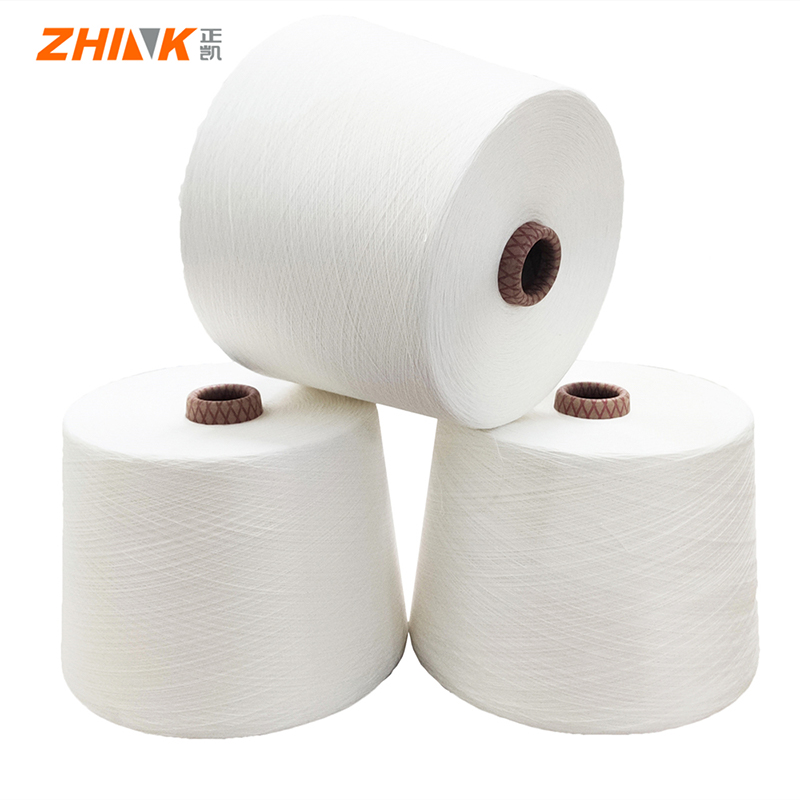
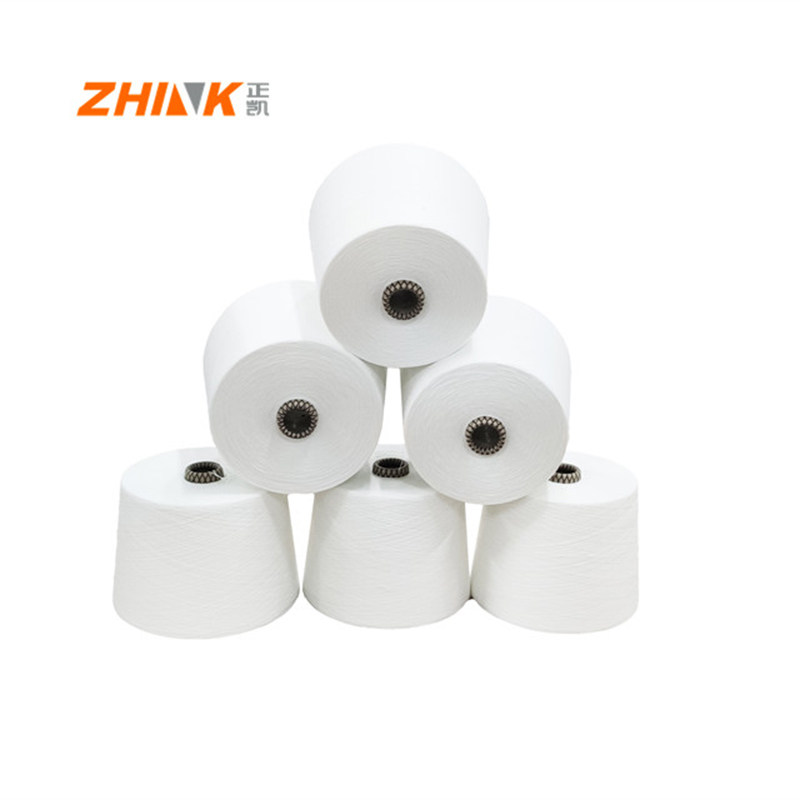
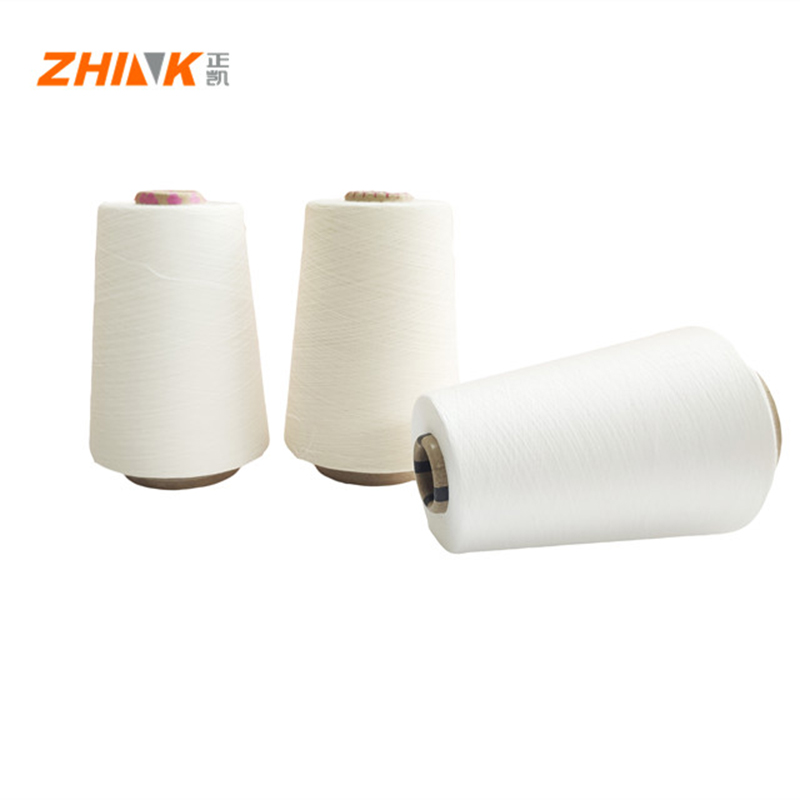
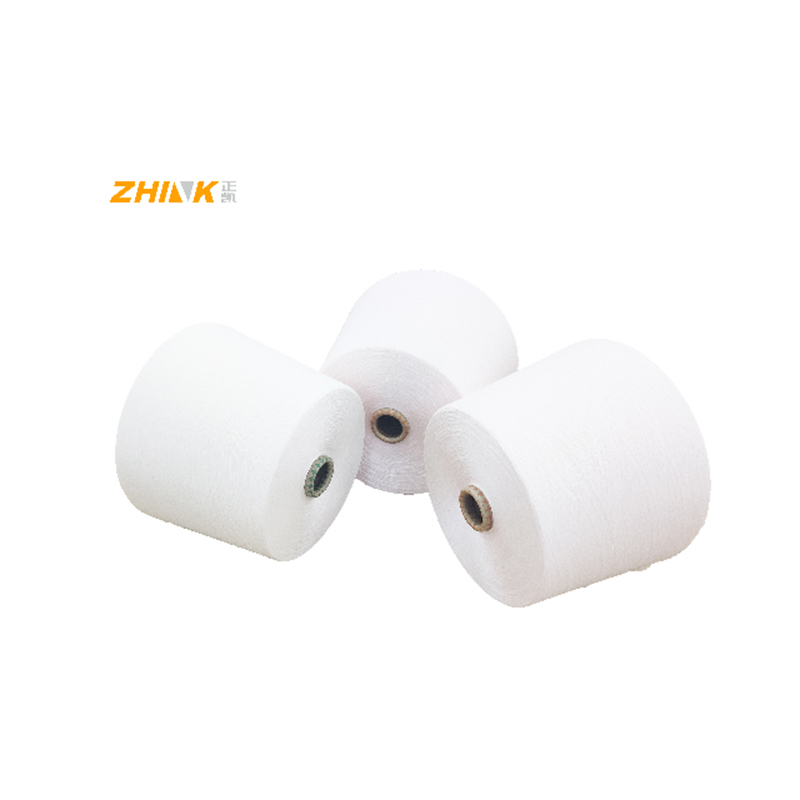
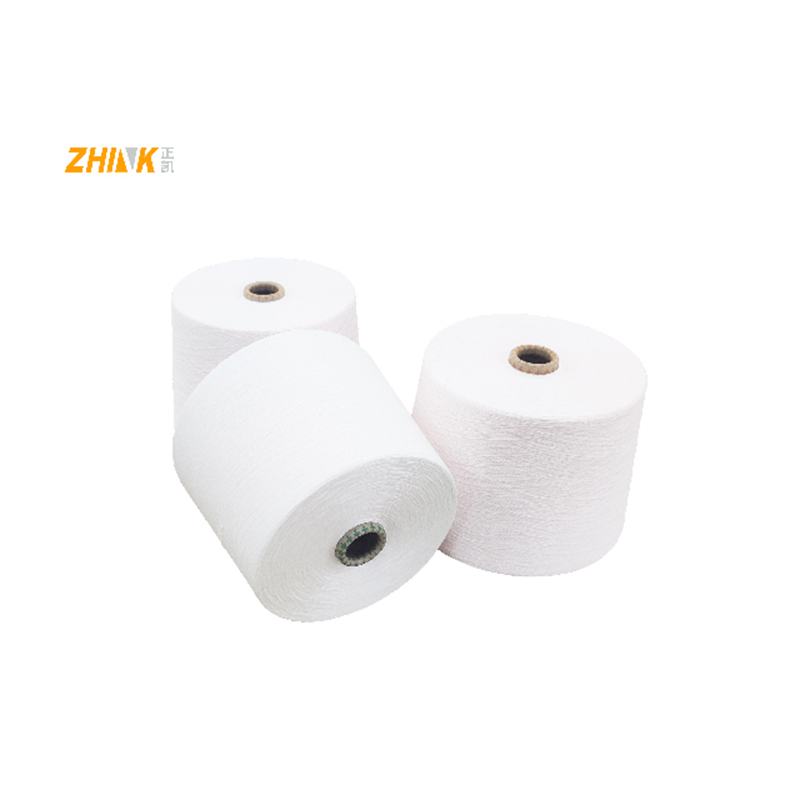
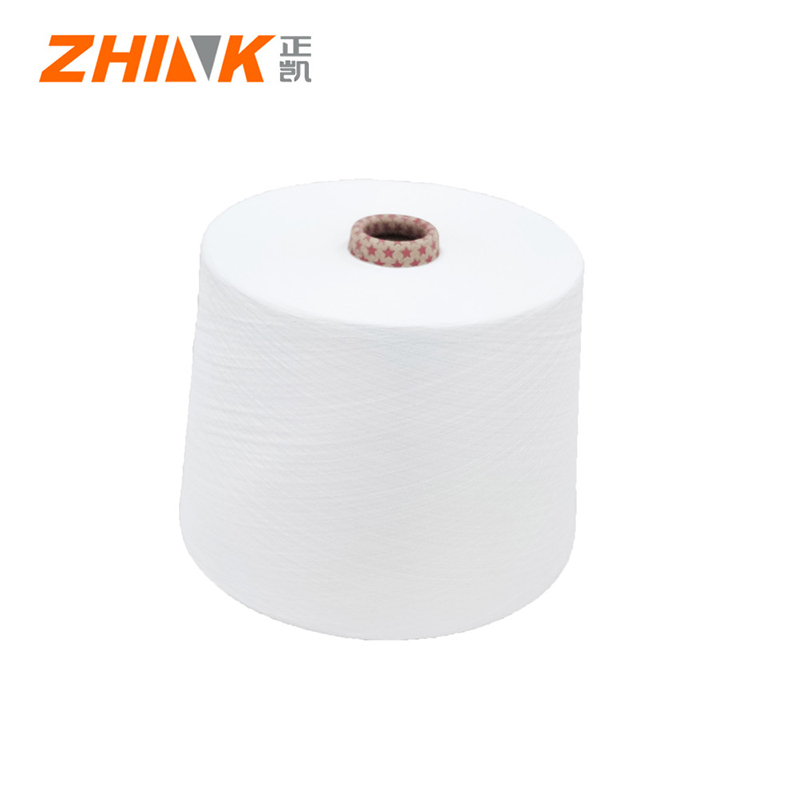
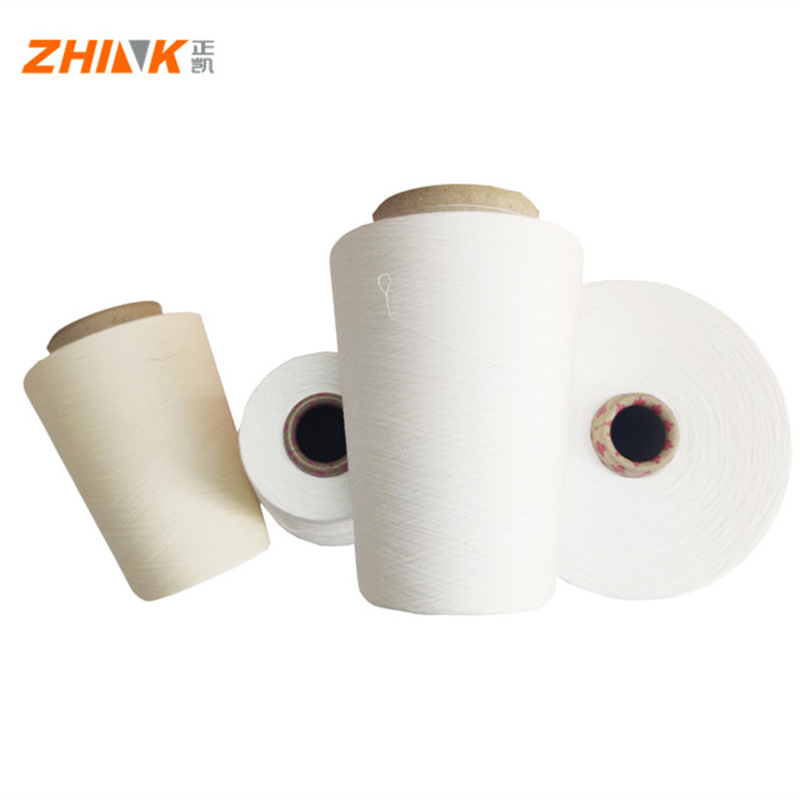
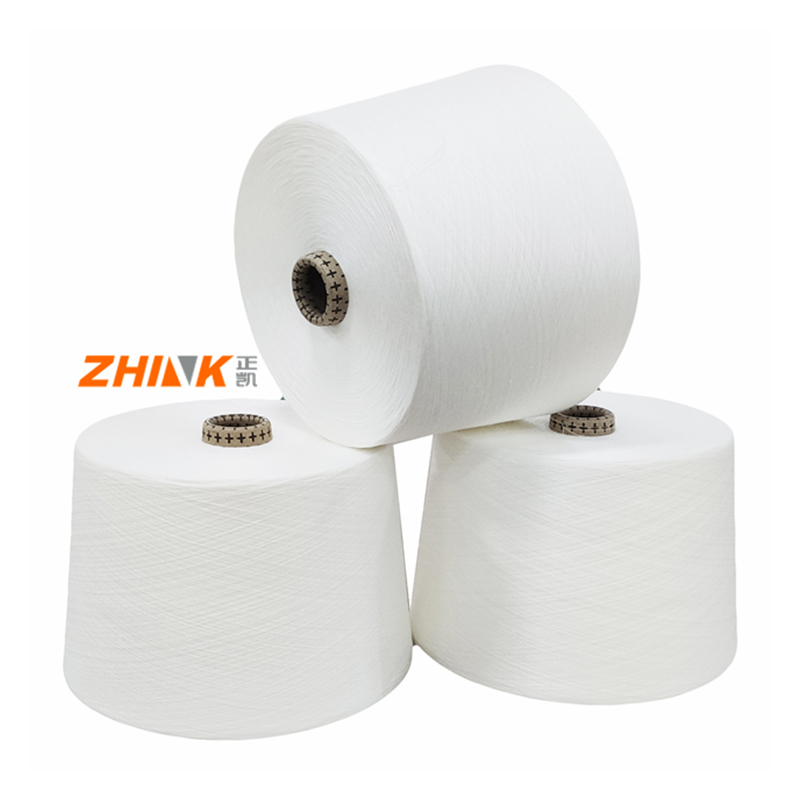
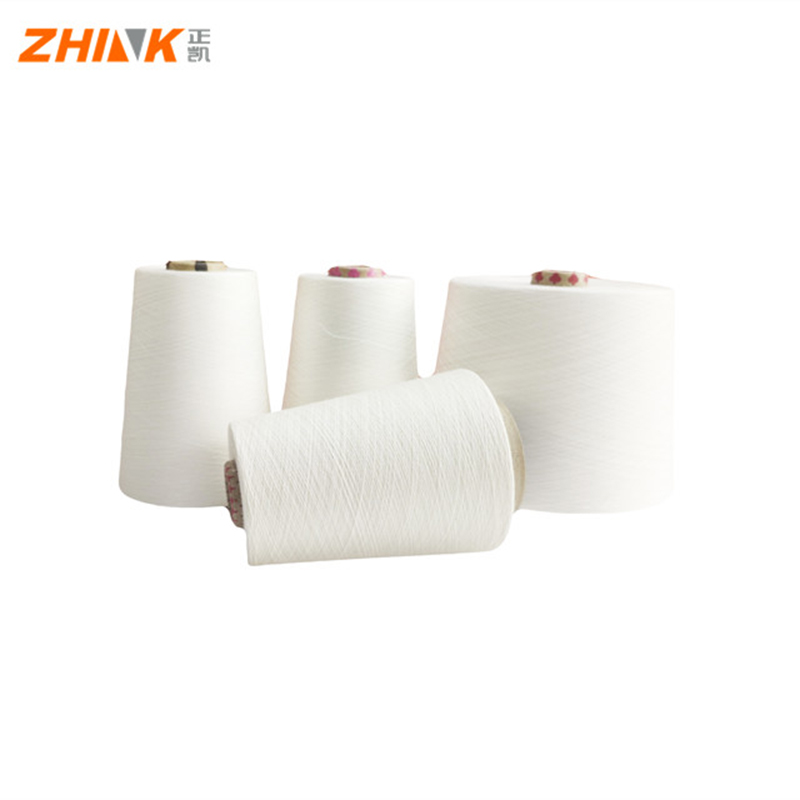
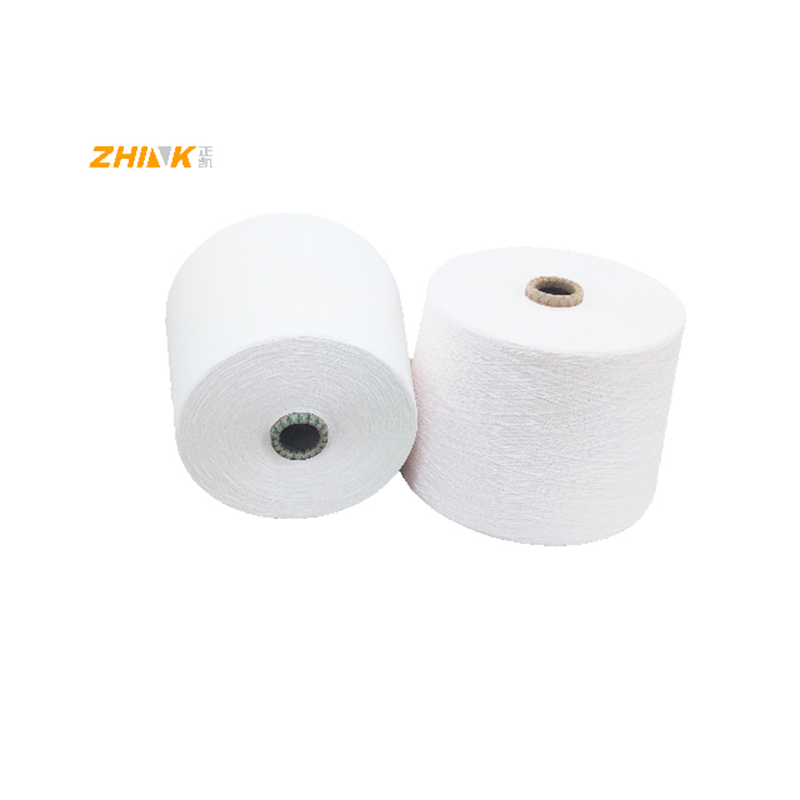
polyester staple fiber yarn
The Many Facets of Polyester Staple Fiber Yarn
A behind-the-scenes glimpse into polyester staple fiber yarn reveals the nuances and intricacies that make it an essential element in the textile industry. From misconceptions about its quality to challenges faced during production, this exploration uncovers the truths and experiences that only industry insiders can offer.
Unpacking Common Misunderstandings
When it comes to polyester staple fiber yarn, many folks outside the industry harbor a few misconceptions. Often seen as a lower-tier alternative to natural fibers, it's sometimes unfairly dismissed. Yet, in practice, it's a workhorse—versatile, durable, and surprisingly adaptable. But the reality is more nuanced than what marketing pitches convey.
One critical observation is that not all polyester yarns are made equal. The quality of the fibers can vary significantly based on their origin and the technology used in production. Companies like SHANDONG ZHINK NEW MATERIAL CO., LTD, which specialize in the research and development of high-tech textile materials, understand this all too well. The research and quality control they undertake, found at their website, shines a light on how high-quality yarns are developed.
Another aspect that many overlook is the yarn's application versatility. Far from being restricted to lower-cost garments, these fibers are integral in products ranging from high-end fashion to functional home textiles. It's about matching the right yarn with the right application.
The Production Process: Challenges and Innovations
The production of polyester staple fiber yarn isn't without its challenges. From sourcing raw materials to ensuring consistent quality during spinning, each step requires precision. One misstep can result in inconsistencies that affect the final product.
A frequent issue is maintaining uniformity across batches. Even slight variations in the fiber diameter or length can impact the yarn's strength and elasticity. This is where experience plays a crucial role—knowing how to adjust parameters on-the-fly to ensure the production stays on track.
Innovations in production technology have been pivotal. Companies that invest in new machinery and recycling technology, like those pioneered by Zhink New Material, are setting industry standards. The ability to incorporate recycled materials without compromising quality is not just a technological feat but a step toward sustainable manufacturing.
Applications and Case Studies
In the field, the application of polyester staple fiber yarn can sometimes lead to unexpected discoveries. For instance, a project aimed at creating lightweight outdoor gear discovered that a specific yarn blend dramatically improved thermal retention without increasing weight. These insights often come from trial and error, indicating the yarn's potential beyond traditional uses.
Another real-world example is its use in automotive textiles, where durability and resistance to environmental factors are crucial. Polyester yarn not only meets these requirements but offers a cost-effective solution, allowing manufacturers to allocate budget to other innovations.
But let's not ignore the failures. Projects that didn't go as planned—blends that didn’t hold up to stress tests—provide as much learning as the successes. This iterative process is where true expertise is honed.
Insights from the Field: Expert Opinions
Seasoned professionals who have spent years working with polyester staple fiber yarn often emphasize the importance of continuous learning. New materials and technologies constantly change the landscape, and staying current is vital.
Networking with other experts and sharing insights through industry conferences and webinars, such as those organized by companies like Zhink New Material, are essential. These platforms facilitate the exchange of ideas and foster collaborations that drive the industry forward.
It's a field that's as much about the threads that bind us as the ones that make up the fabrics themselves. Expertise grows from every knot untangled and every challenge overcome.
Looking Forward: Future Trends
The future of polyester staple fiber yarn lies in sustainability and innovation. As consumers become more conscious of environmental impacts, the demand for eco-friendly production processes and products is rising.
Recycling and biodegradable polymers represent an exciting area of growth. Companies leading the charge, like SHANDONG ZHINK NEW MATERIAL CO., LTD, are exploring these avenues, leveraging cutting-edge technologies to reduce waste and improve recycling efforts.
In conclusion, the path forward for polyester staple fiber yarn isn’t just about meeting current demands, but anticipating future needs. As we blend traditional expertise with innovation, the possibilities are as expansive as the fabrics we'll create. Let’s watch this space. It’s not just yarn; it's the fabric of tomorrow.
Related Products
Related Products