+86-632-3621866
- Chinese
- French
- German
- Portuguese
- Spanish
- Russian
- Japanese
- Korean
- Arabic
- Irish
- Greek
- Turkish
- Italian
- Danish
- Romanian
- Indonesian
- Czech
- Afrikaans
- Swedish
- Polish
- Basque
- Catalan
- Esperanto
- Hindi
- Lao
- Albanian
- Amharic
- Armenian
- Azerbaijani
- Belarusian
- Bengali
- Bosnian
- Bulgarian
- Cebuano
- Chichewa
- Corsican
- Croatian
- Dutch
- Estonian
- Filipino
- Finnish
- Frisian
- Galician
- Georgian
- Gujarati
- Haitian
- Hausa
- Hawaiian
- Hebrew
- Hmong
- Hungarian
- Icelandic
- Igbo
- Javanese
- Kannada
- Kazakh
- Khmer
- Kurdish
- Kyrgyz
- Latin
- Latvian
- Lithuanian
- Luxembou..
- Macedonian
- Malagasy
- Malay
- Malayalam
- Maltese
- Maori
- Marathi
- Mongolian
- Burmese
- Nepali
- Norwegian
- Pashto
- Persian
- Punjabi
- Serbian
- Sesotho
- Sinhala
- Slovak
- Slovenian
- Somali
- Samoan
- Scots Gaelic
- Shona
- Sindhi
- Sundanese
- Swahili
- Tajik
- Tamil
- Telugu
- Thai
- Ukrainian
- Urdu
- Uzbek
- Vietnamese
- Welsh
- Xhosa
- Yiddish
- Yoruba
- Zulu
- Kinyarwanda
- Tatar
- Oriya
- Turkmen
- Uyghur



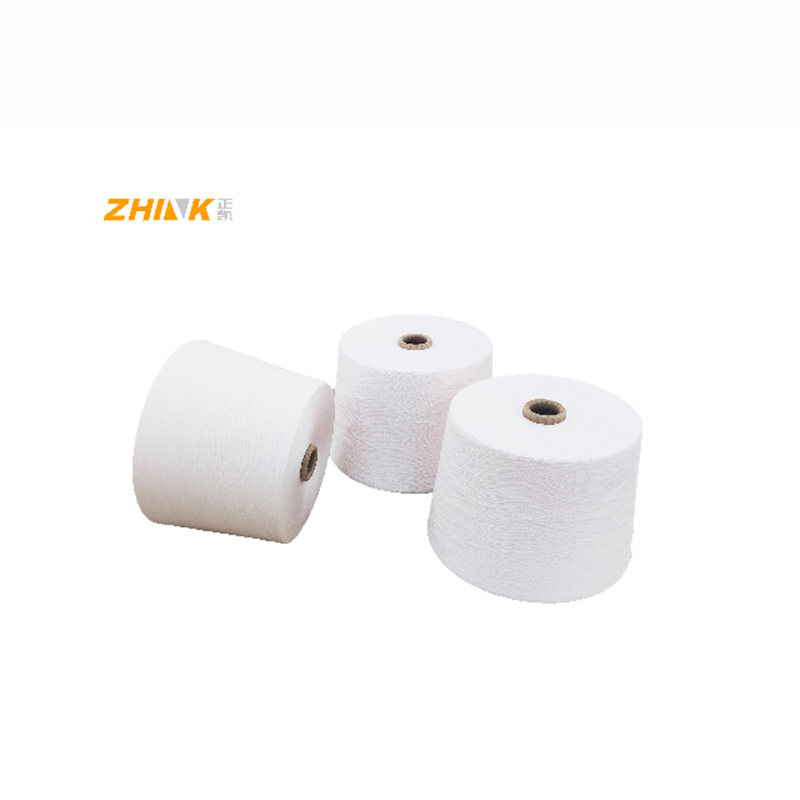
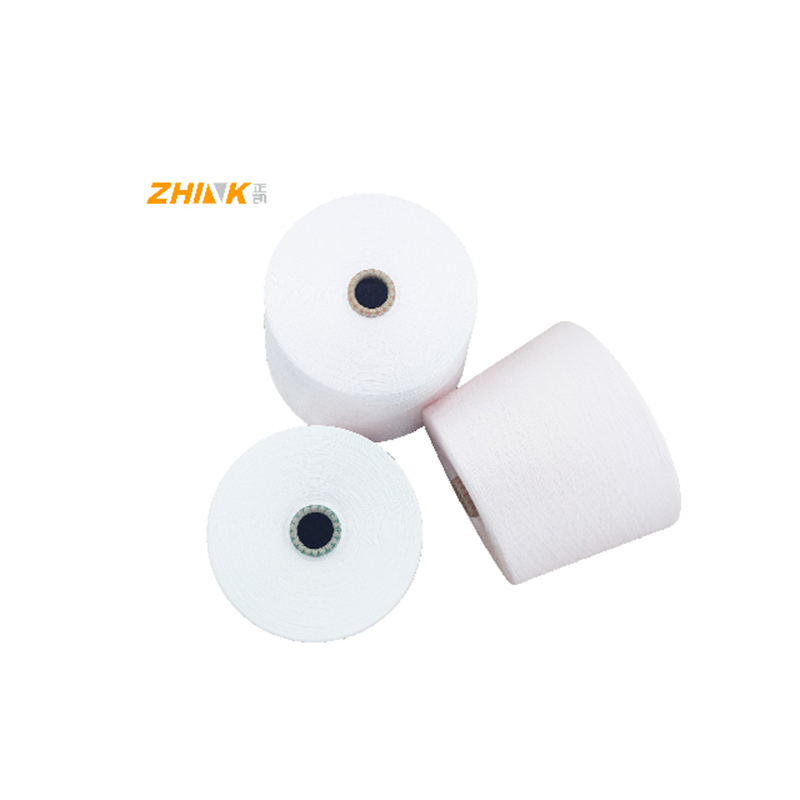
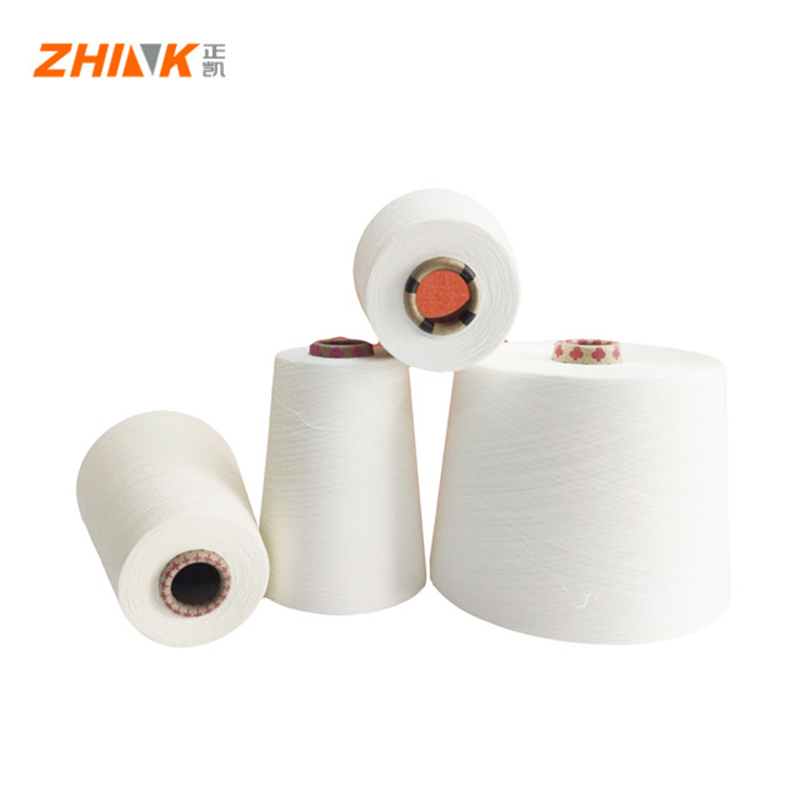
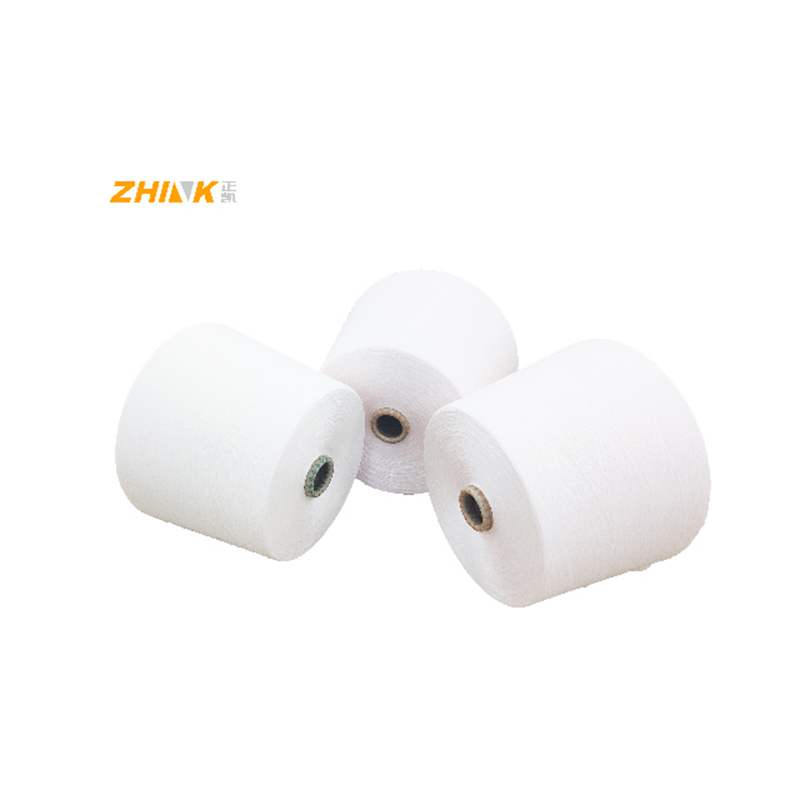
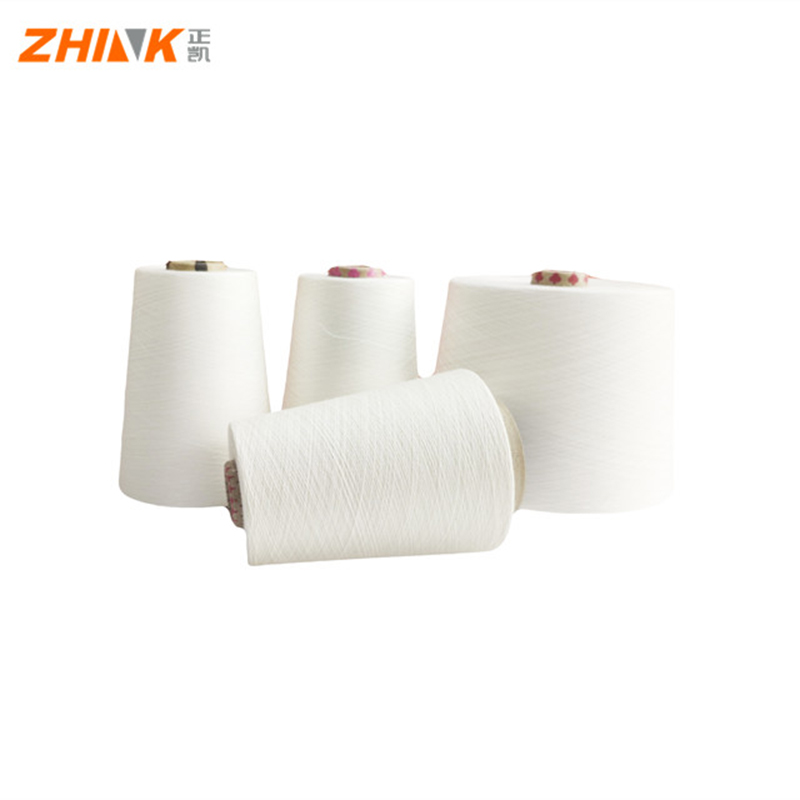
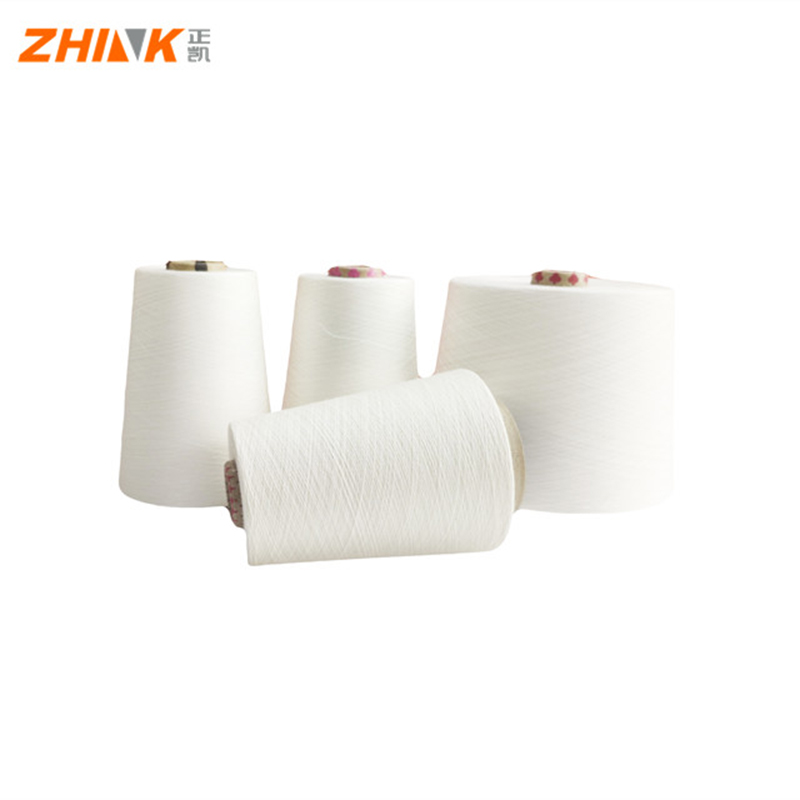
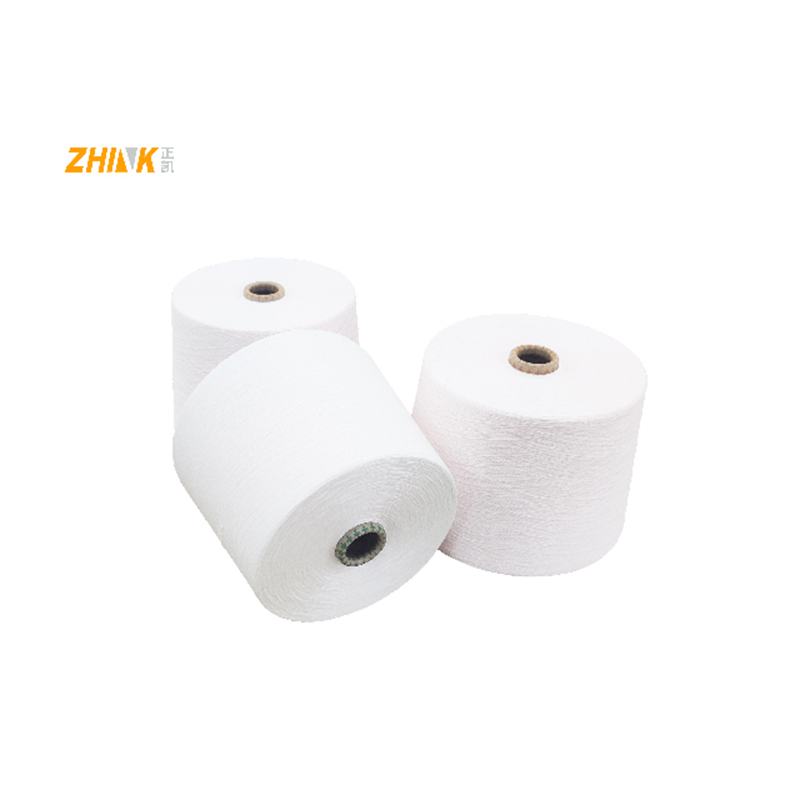
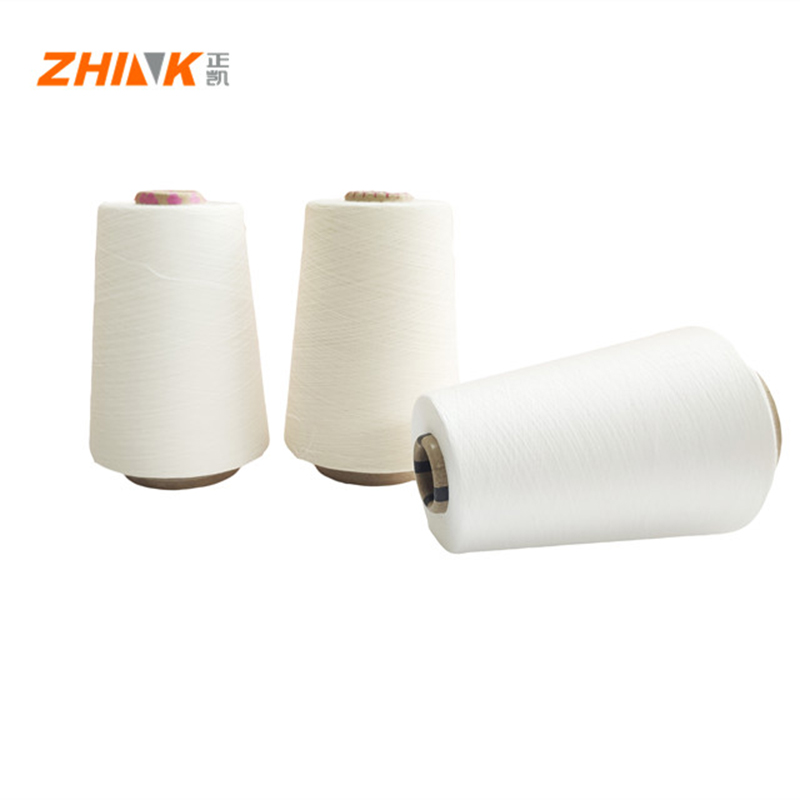
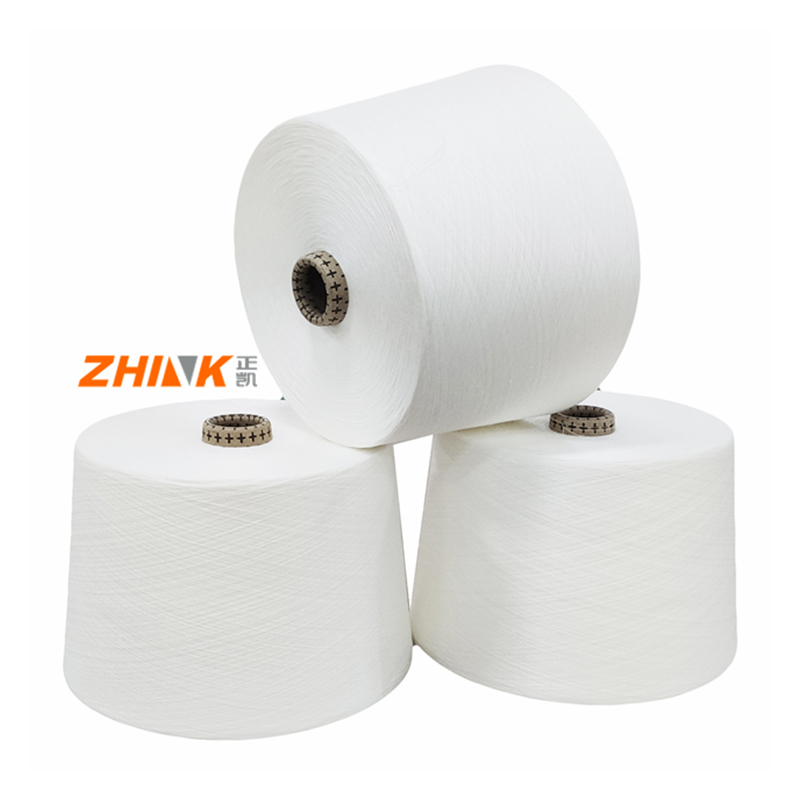
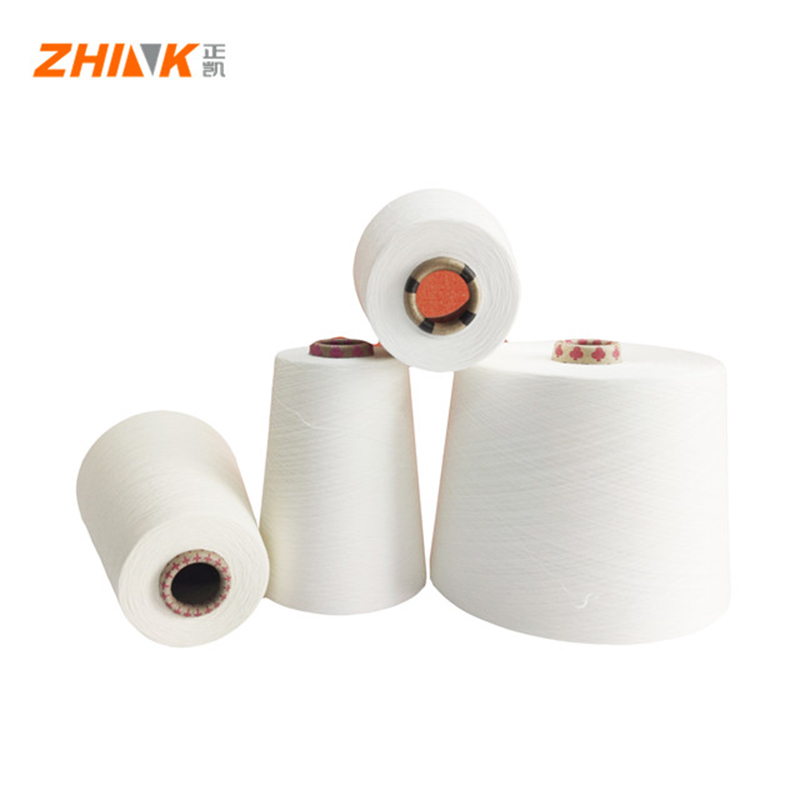
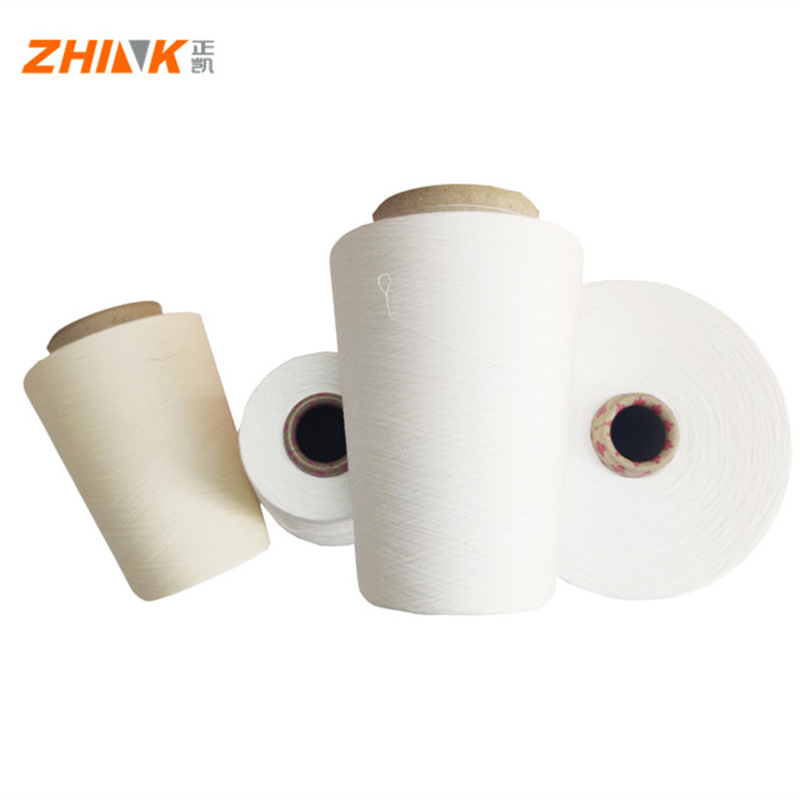
polyester/tencel/wool 70/20/10 32S
Exploring the Versatility of Polyester/Tencel/Wool Blends
In the complex world of textiles, the blend of polyester/tencel/wool 70/20/10 32S stands out for its unique combination of properties. This blend doesn't just happen by accident; it’s a carefully considered product designed for specific applications and characteristics. When used thoughtfully, it can bring together durability, softness, and warmth, all in one fabric. However, it's not immune to misconceptions, a common one being that all blends behave the same. Let’s delve deeper into what makes this particular mix noteworthy.
Understanding the Blend: Polyester/Tencel/Wool 70/20/10
This specific ratio of polyester/tencel/wool offers an intriguing combination where polyester provides strength and resilience, Tencel contributes breathability and moisture management, and wool adds warmth and softness. It’s all in the details—a 70% polyester content ensures durability, 20% Tencel provides that smooth, cool-to-the-touch feel, and 10% wool offers warmth without bulk.
The 32S yarn count refers to the fiber’s thinness, contributing to a lightweight yet strong fabric. I recall a project at SHANDONG ZHINK NEW MATERIAL CO., LTD where this blend solved a client’s need for uniforms that had to withstand rough conditions while being comfortable enough for all-day wear. The feedback was overwhelmingly positive, especially regarding the fabric’s durability and comfort.
Despite these advantages, it's crucial to understand each component's role to maximize the blend's capabilities. Polyester’s tendency to pill, Tencel’s propensity for sheen, and wool’s necessary care—in reality, synergy doesn’t come without nuances.
The Role of Polyester in Textile Blends
In a 70/20/10 blend, polyester’s contribution can’t be understated. Its primary characteristics are strength and elasticity, which make it a backbone for stability. In the textile industry, especially where SHANDONG ZHINK NEW MATERIAL CO., LTD operates, polyester’s role in blends like these often comes from a need to marry practicality with performance.
What’s fascinating about polyester is its adaptability. While it can sometimes be perceived as a 'cheaper' fiber, its technological advancements allow for enhancements in moisture-wicking properties and even sustainable options. At Zhink, we often engage in tinkering with these fibers to push the boundaries of their perceived value.
Yet, polyester isn't flawless. Its resilience can mean a propensity to hold stains if not pre-treated properly—a lesson learned during a failed batch run for a particularly demanding customer. It’s a reminder that even the most robust materials need mindful handling.
The Tencel Touch: Breathability and Comfort
Tencel brings a distinct character to any fabric it touches. It’s soft, breathable, and known for its excellent moisture management abilities. In the context of this 32S yarn, it imparts a softness that complements polyester's strength and wool’s warmth. This makes it a favorite for garments intended to be worn close to the skin.
In the hands of textile experts at Zhink, Tencel helps create fabrics that drape gracefully. The real test came with an order for high-performance sportswear where Tencel played a critical role in comfort during strenuous activity. The results were promising, except for a batch where excessive sheen was noted—an aesthetic concern that reminded us of Tencel's finicky nature regarding surface treatments.
Aside from sheen, the environmental benefits of Tencel have gained attention. It’s derived from sustainable wood sources, aligning with the industry's growing push towards eco-friendly materials, something SHANDONG ZHINK NEW MATERIAL takes seriously.
The Warmth Factor: Integrating Wool
Even with just 10% content in a blend, wool's contribution is significant. Known for its insulating properties, it’s what sets this blend apart for cold weather applications. At Zhink, we often see requests for this blend in regions with fluctuating temperatures, where such adaptability is a must.
The challenge with wool is ensuring that it doesn’t overshadow other characteristics, like the lightness of polyester or the smoothness of Tencel. In a particularly insightful project, integrating wool resulted in happy clients who remarked on the unexpected coziness of a seemingly 'thin' fabric, a testament to wool's underappreciated power.
Yet, working with wool means accepting the potential for shrinkage and pilling. A learning curve for many is how to treat wool within blends to maintain its integrity. Ensuring customers understand care instructions is equally crucial, something we emphasize at Zhink.
Applications and User Experiences
The versatility of the polyester/tencel/wool 70/20/10 32S blend is its defining feature, enabling it to be used in diverse applications from casual wear to high-stakes professional gear. Interestingly, it’s this adaptability that often leads to its misapplication when the balance of properties isn’t fully understood—a rookie mistake that can lead to shortcomings in the end product.
One vivid memory at SHANDONG ZHINK NEW MATERIAL CO., LTD involved a batch for a luxury brand looking for sustainable yet high-performance suits. The initial runs faced setbacks due to an underestimation of wool’s influence on the final fabric texture. Only through prototyping and returning to the drawing board did we achieve the desired outcome.
Ultimately, the success of these blends is tied to not just understanding the basics, but continually engaging with new solutions and being open to the tweaks necessary for different applications. At Zhink, our approach isn’t static, and we recognize that each project has unique demands that a one-size-fits-all mentality will never satisfy.
Conclusion: Navigating Textile Blends
In blending polyester/tencel/wool 70/20/10 32S, the magic lies in the interplay of diverse properties tailored for specific needs. At SHANDONG ZHINK NEW MATERIAL, our ongoing mission is to tailor solutions while embracing both the strengths and limitations of each component. By engaging with these blends, we aim not just to meet but redefine industry expectations and explore new boundaries.
For those exploring similar ventures or interested in our work, further information is available on our website Zhink New Material. This is just a glimpse into our world, where textiles aren't just commodities—they’re innovations in waiting.
Related Products
Related Products