+86-632-3621866
- Chinese
- French
- German
- Portuguese
- Spanish
- Russian
- Japanese
- Korean
- Arabic
- Irish
- Greek
- Turkish
- Italian
- Danish
- Romanian
- Indonesian
- Czech
- Afrikaans
- Swedish
- Polish
- Basque
- Catalan
- Esperanto
- Hindi
- Lao
- Albanian
- Amharic
- Armenian
- Azerbaijani
- Belarusian
- Bengali
- Bosnian
- Bulgarian
- Cebuano
- Chichewa
- Corsican
- Croatian
- Dutch
- Estonian
- Filipino
- Finnish
- Frisian
- Galician
- Georgian
- Gujarati
- Haitian
- Hausa
- Hawaiian
- Hebrew
- Hmong
- Hungarian
- Icelandic
- Igbo
- Javanese
- Kannada
- Kazakh
- Khmer
- Kurdish
- Kyrgyz
- Latin
- Latvian
- Lithuanian
- Luxembou..
- Macedonian
- Malagasy
- Malay
- Malayalam
- Maltese
- Maori
- Marathi
- Mongolian
- Burmese
- Nepali
- Norwegian
- Pashto
- Persian
- Punjabi
- Serbian
- Sesotho
- Sinhala
- Slovak
- Slovenian
- Somali
- Samoan
- Scots Gaelic
- Shona
- Sindhi
- Sundanese
- Swahili
- Tajik
- Tamil
- Telugu
- Thai
- Ukrainian
- Urdu
- Uzbek
- Vietnamese
- Welsh
- Xhosa
- Yiddish
- Yoruba
- Zulu
- Kinyarwanda
- Tatar
- Oriya
- Turkmen
- Uyghur



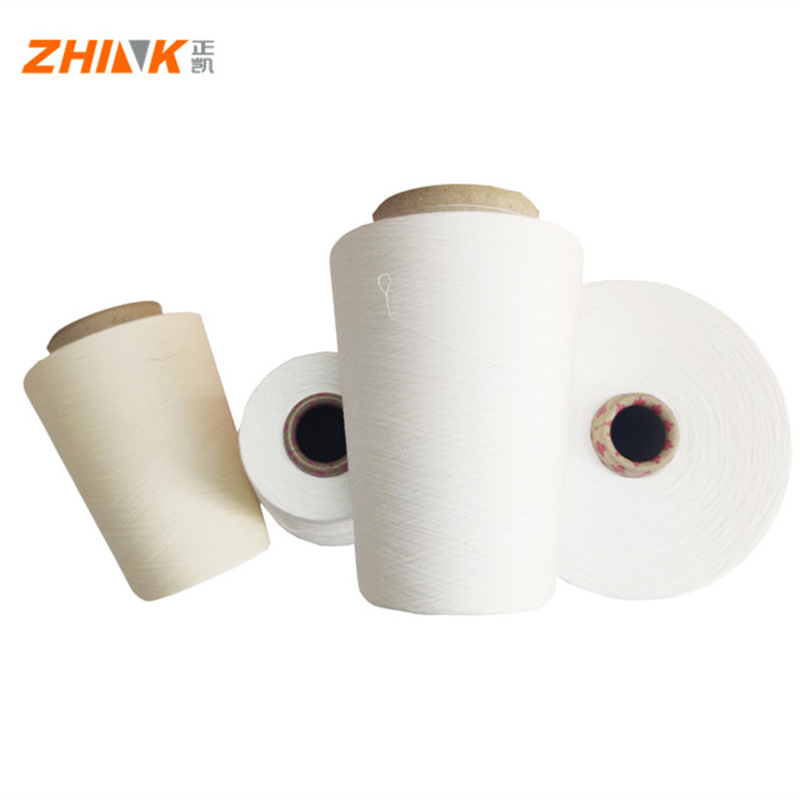
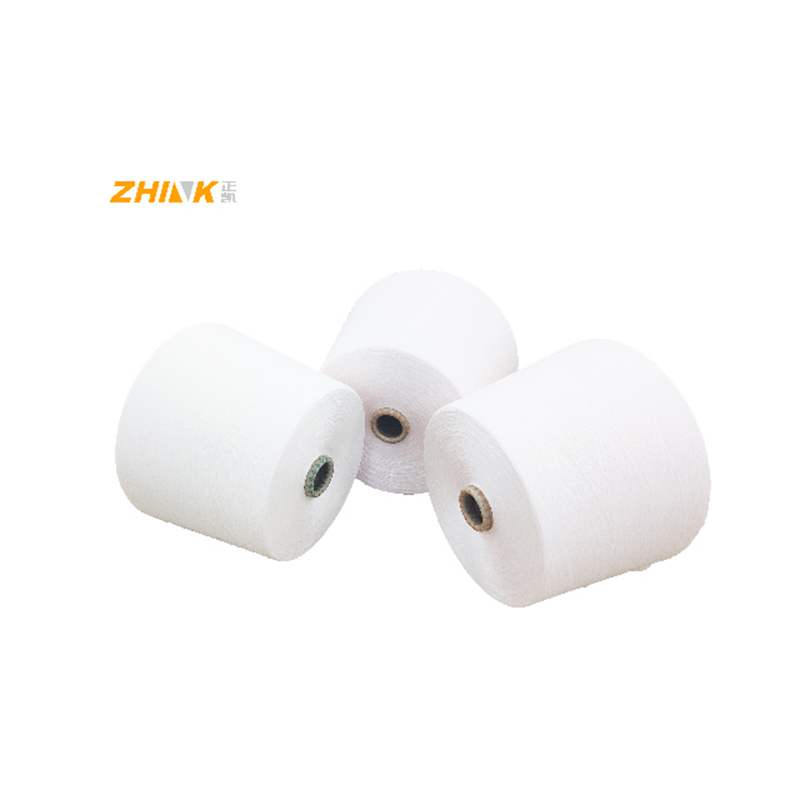
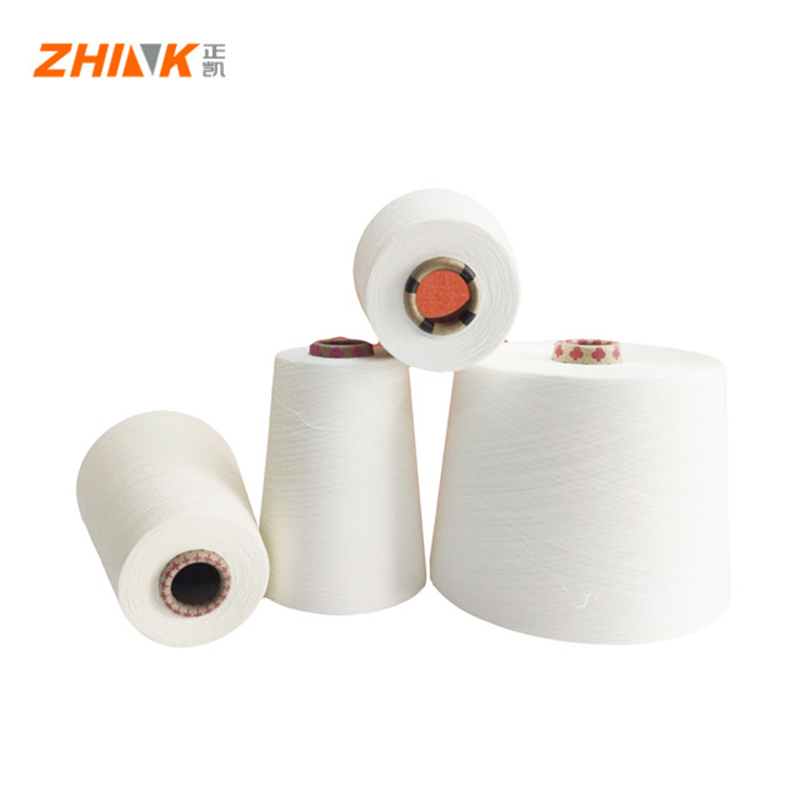
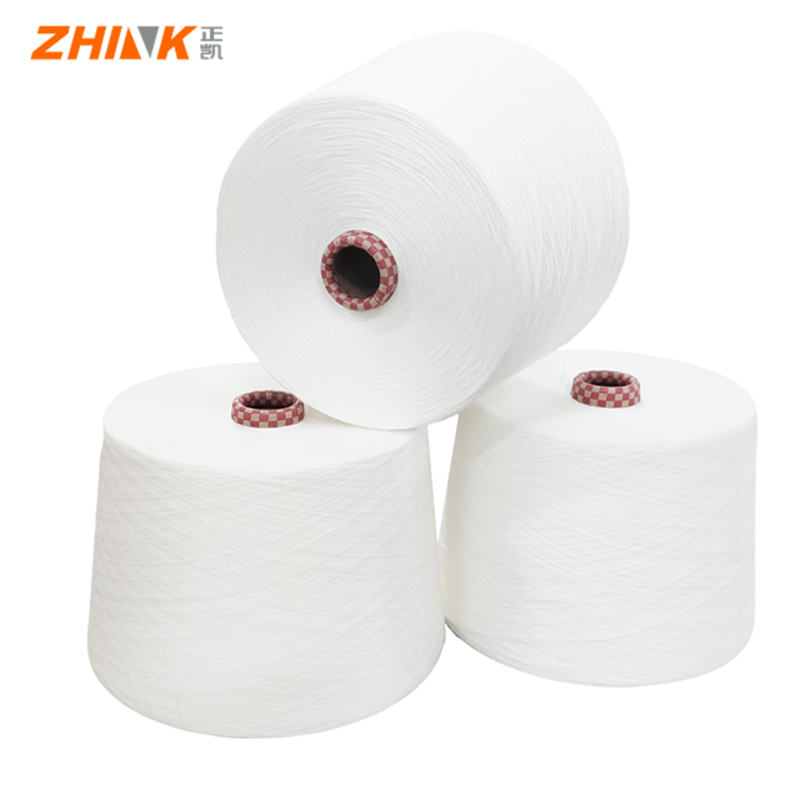
polyester TFO yarn
Understanding Polyester TFO Yarn in the Textile Industry
Polyester TFO yarn—often a buzzword in textile circles—carries both potential and misconceptions. At a glance, its reputation for durability and cost-effectiveness precedes it, yet the underlying mechanical intricacies and practical applications are what truly set it apart.
What Exactly is Polyester TFO Yarn?
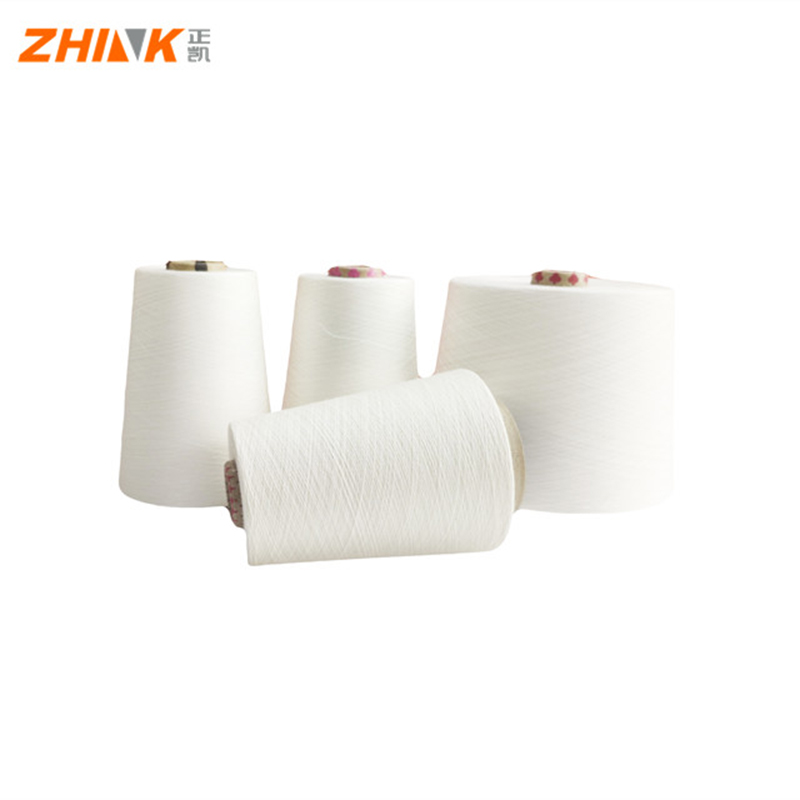
In textile manufacturing, the term TFO (Two-for-One) refers to a specific twisting process that enhances the properties of yarn. When combined with polyester, it results in a product that's not only robust but also refined in texture. From my years in the industry, I’ve found this type of yarn strikes a balance between economy and quality, especially for mass production.
One common misunderstanding is thinking of all polyester yarns as monolithic, but TFO variation introduces unique structural improvements. For instance, the process can significantly reduce pilling—a persistent issue in polyester yarns. I’ve witnessed firsthand projects where using TFO yarn reduced fabric degradation over time.
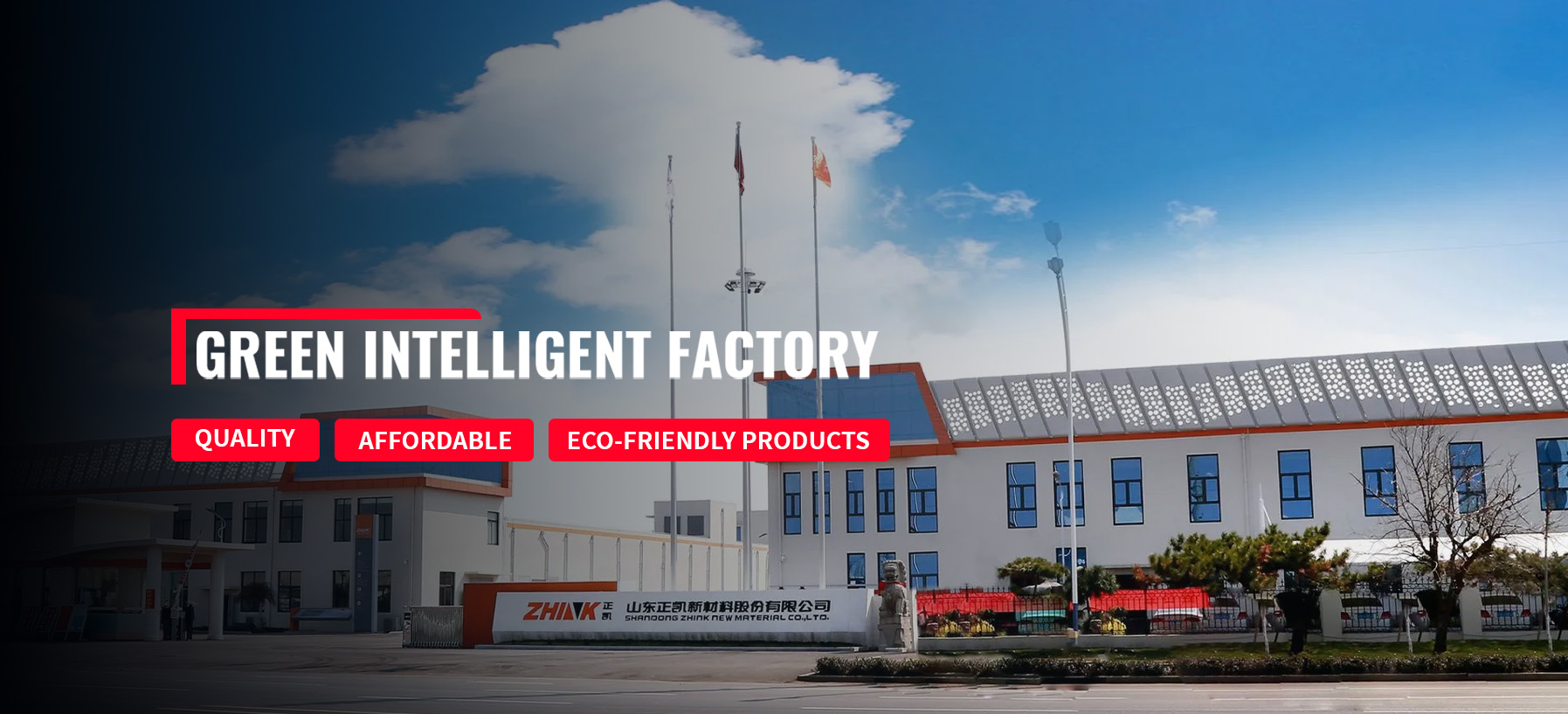
Companies like SHANDONG ZHINK NEW MATERIAL CO., LTD, accessible at www.zhinkyarn.com, are at the forefront, pushing boundaries in polyester innovations. Their expertise in developing new textile materials is a key driver in the market's growth.
The Production Journey of Polyester TFO Yarn
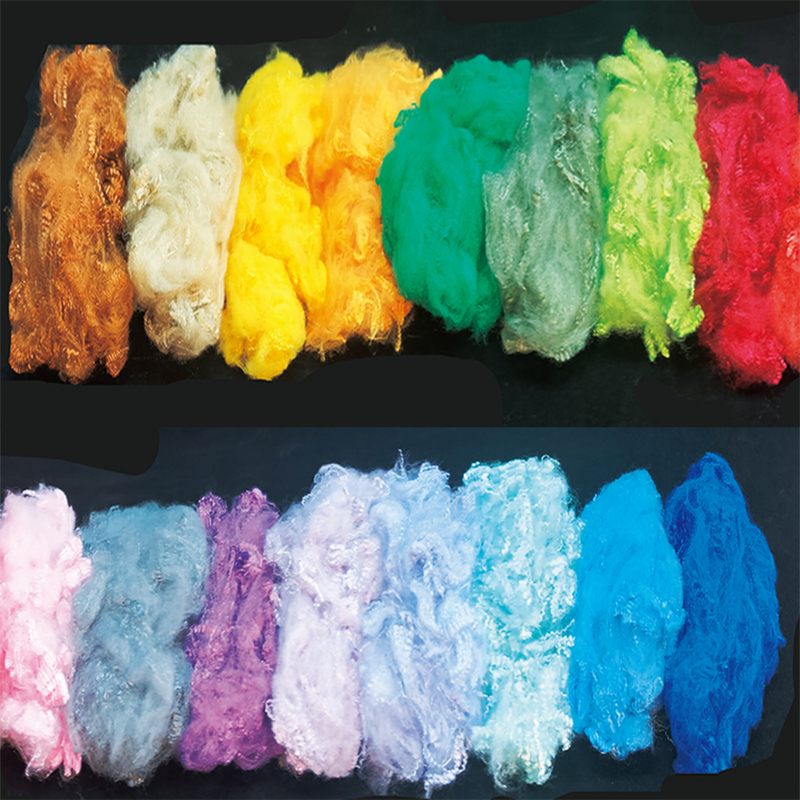
Creating polyester TFO yarn is as much art as it is science. It starts with selecting suitable polyester fibers. The Two-for-One twisting then weaves these fibers into a stronger, more compact thread. This step is crucial as it determines the yarn’s final strength and elasticity.
In our facility, the tension control during twisting is paramount. A slight miscalculation can lead to yarn that's either too tight, losing elasticity, or too loose, reducing strength. I recall an early oversight where improperly balanced tension led to an entire batch being unsuitable for fabrication.
Post-production, the yarn undergoes a series of quality checks. This phase can never be underestimated, as inconsistencies at this stage can affect entire product lines. Consistency is something Zhink New Material prioritizes, ensuring each yarn meter holds up to stringent quality standards.
Advantages and Applications of Polyester TFO Yarn
The benefits of using TFO yarn with polyester are manifold. Its enhanced durability and reduced pilling make it a favorite in high-wear applications. Think sportswear or any fabric subject to frequent friction and movement.
Moreover, it offers a cost-effective solution without sacrificing quality, which can be particularly appealing during budgeting for large-scale production. I've often recommended this yarn for startups looking to maintain quality without surpassing financial limits.
For Zhink, exploring new applications seems to be an ongoing venture. From bedding to industrial uses, their ability to innovate with polyester yarn is evident. They manage to harness the inherent qualities of polyester while countering traditional drawbacks like static build-up.
Challenges in Working with Polyester TFO Yarn
No material is without its challenges. For TFO yarns, moisture management can be tricky. Polyester is inherently moisture-resistant, which can impede breathability in some finished products.
Thus, blend formulations are a frequent strategy. I've worked on blending TFO yarns with cotton or bamboo to mitigate this issue, aiming for enhanced softness and breathability without losing the yarn's core strengths.
Quality control remains a critical checkpoint. Each batch may present slight variations, and closely monitoring these nuances is key. I've encountered scenarios where minor inconsistencies went unnoticed, later causing significant issues in fabric uniformity during assembly.
Future Prospects for Polyester TFO Yarn
As technology evolves, so do the potentials of polyester TFO yarn. Emerging trends like sustainable practices are influencing how these yarns are produced and utilized. Companies such as Zhink are likely at the forefront of incorporating recycled materials into their TFO processes.
The market's demand for versatile and sustainable textile solutions drives continuous research. Participating in workshops and exhibitions often reveals burgeoning techniques and innovations that could redefine polyester's role in the industry.
Ultimately, polyester TFO yarn holds a promising future. Its adaptability allows for continuous improvements, making it a staple in textile manufacturing. As our understanding and technology advance, the longevity and applications of TFO yarn will likely expand, continuing to challenge and inspire those who delve into its potential.
Related Products
Related Products