+86-632-3621866
- Chinese
- French
- German
- Portuguese
- Spanish
- Russian
- Japanese
- Korean
- Arabic
- Irish
- Greek
- Turkish
- Italian
- Danish
- Romanian
- Indonesian
- Czech
- Afrikaans
- Swedish
- Polish
- Basque
- Catalan
- Esperanto
- Hindi
- Lao
- Albanian
- Amharic
- Armenian
- Azerbaijani
- Belarusian
- Bengali
- Bosnian
- Bulgarian
- Cebuano
- Chichewa
- Corsican
- Croatian
- Dutch
- Estonian
- Filipino
- Finnish
- Frisian
- Galician
- Georgian
- Gujarati
- Haitian
- Hausa
- Hawaiian
- Hebrew
- Hmong
- Hungarian
- Icelandic
- Igbo
- Javanese
- Kannada
- Kazakh
- Khmer
- Kurdish
- Kyrgyz
- Latin
- Latvian
- Lithuanian
- Luxembou..
- Macedonian
- Malagasy
- Malay
- Malayalam
- Maltese
- Maori
- Marathi
- Mongolian
- Burmese
- Nepali
- Norwegian
- Pashto
- Persian
- Punjabi
- Serbian
- Sesotho
- Sinhala
- Slovak
- Slovenian
- Somali
- Samoan
- Scots Gaelic
- Shona
- Sindhi
- Sundanese
- Swahili
- Tajik
- Tamil
- Telugu
- Thai
- Ukrainian
- Urdu
- Uzbek
- Vietnamese
- Welsh
- Xhosa
- Yiddish
- Yoruba
- Zulu
- Kinyarwanda
- Tatar
- Oriya
- Turkmen
- Uyghur


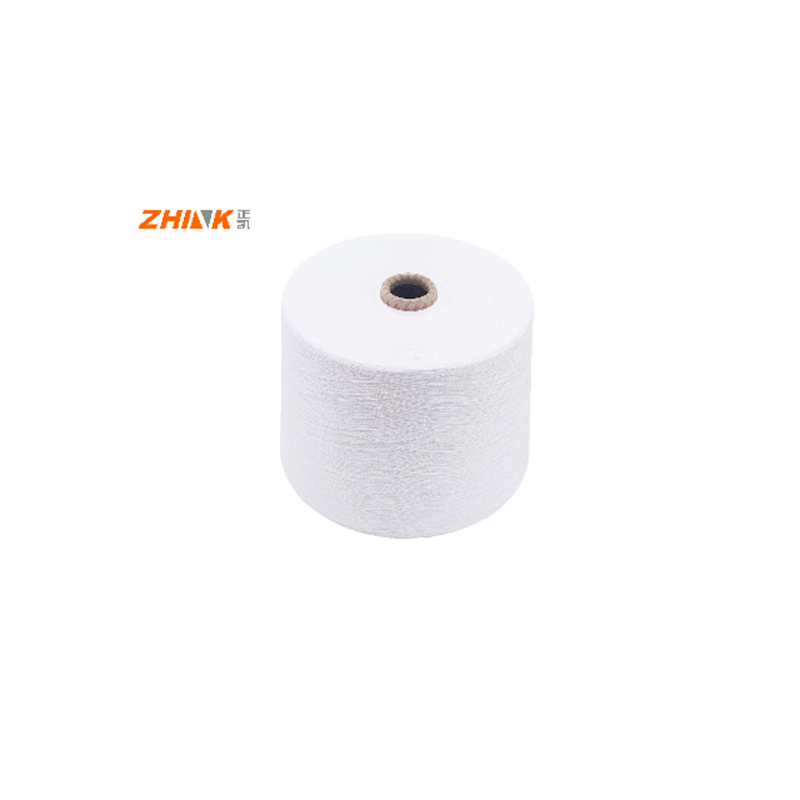
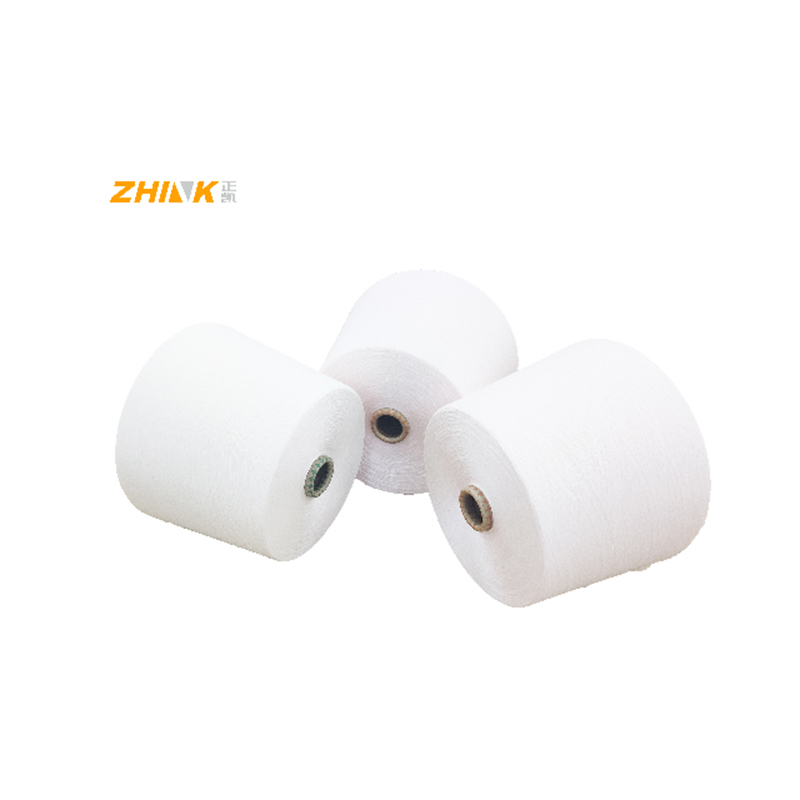
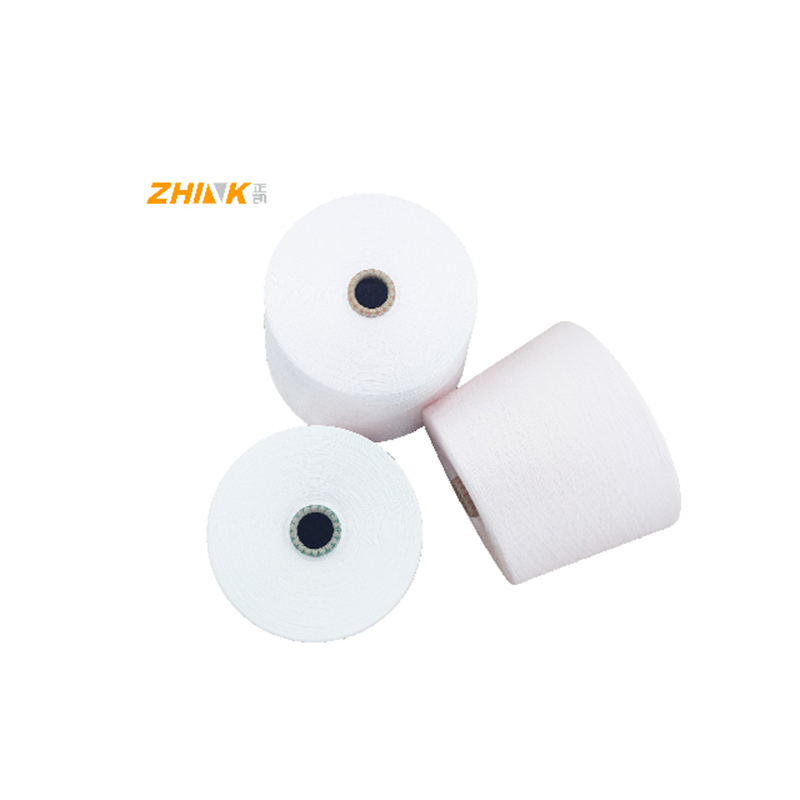
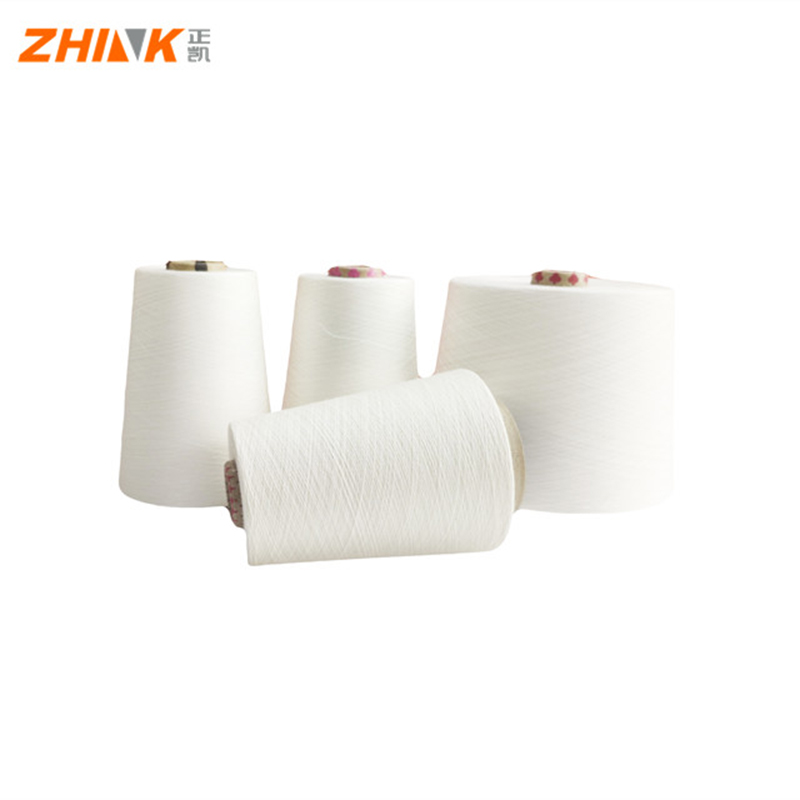
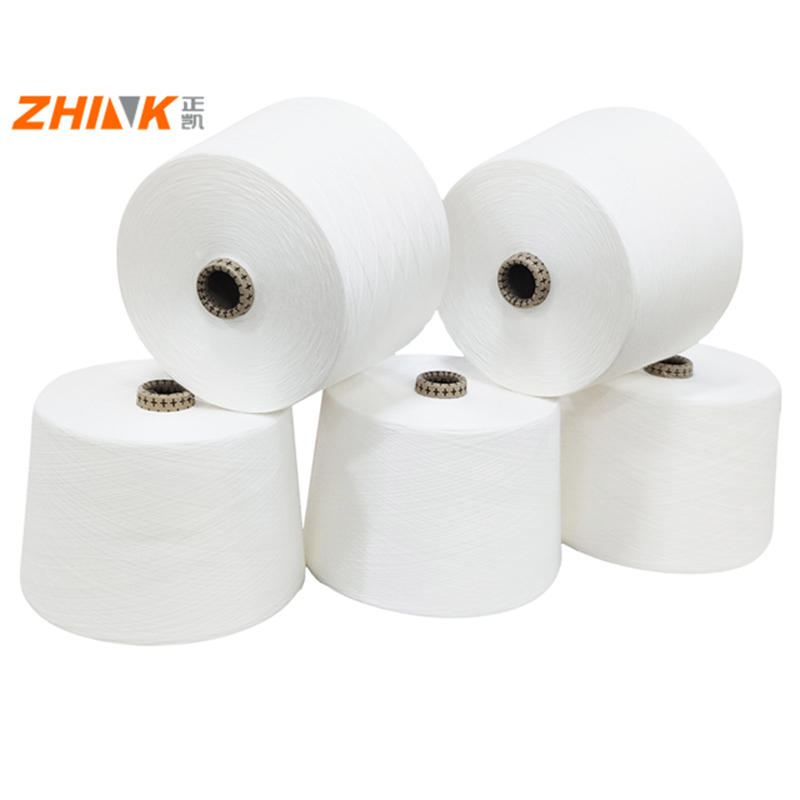
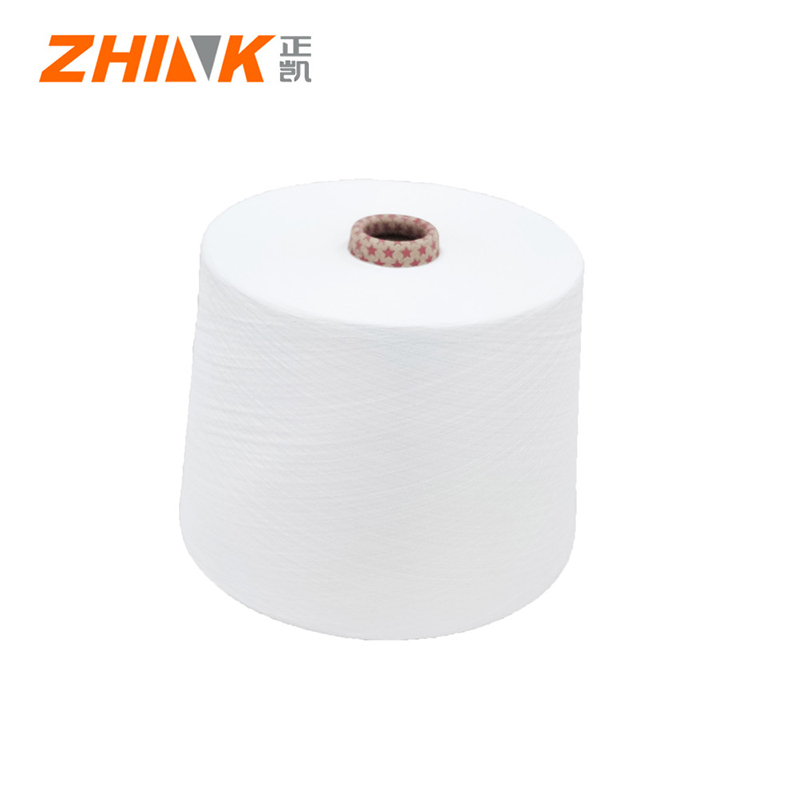
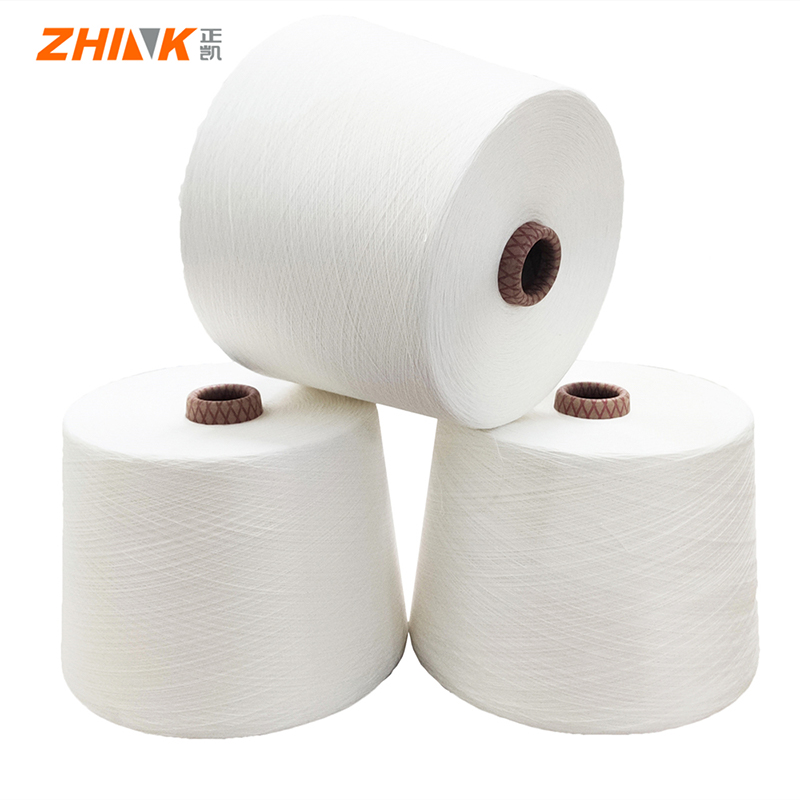
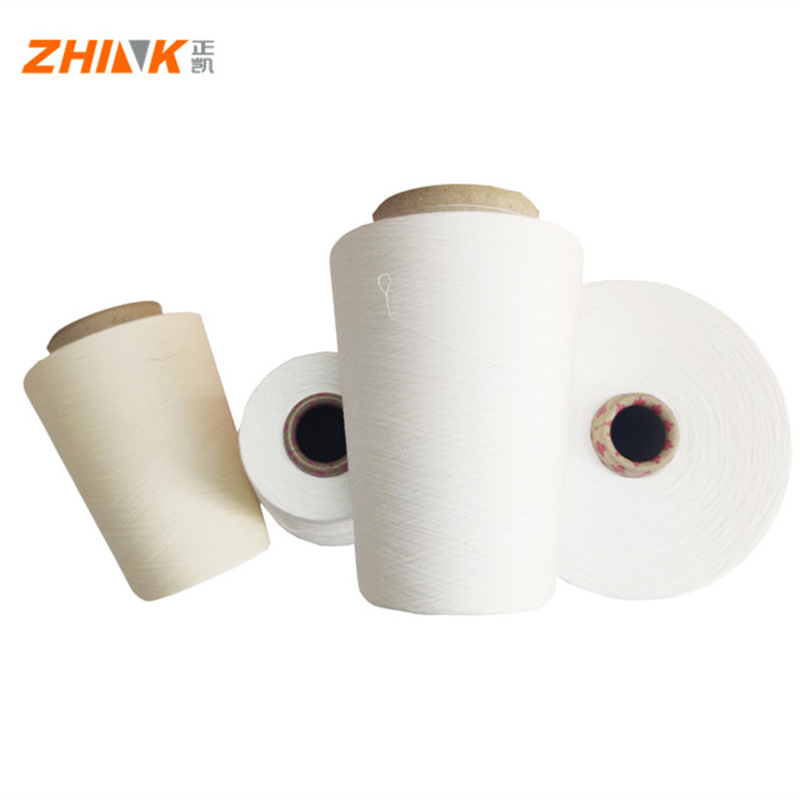
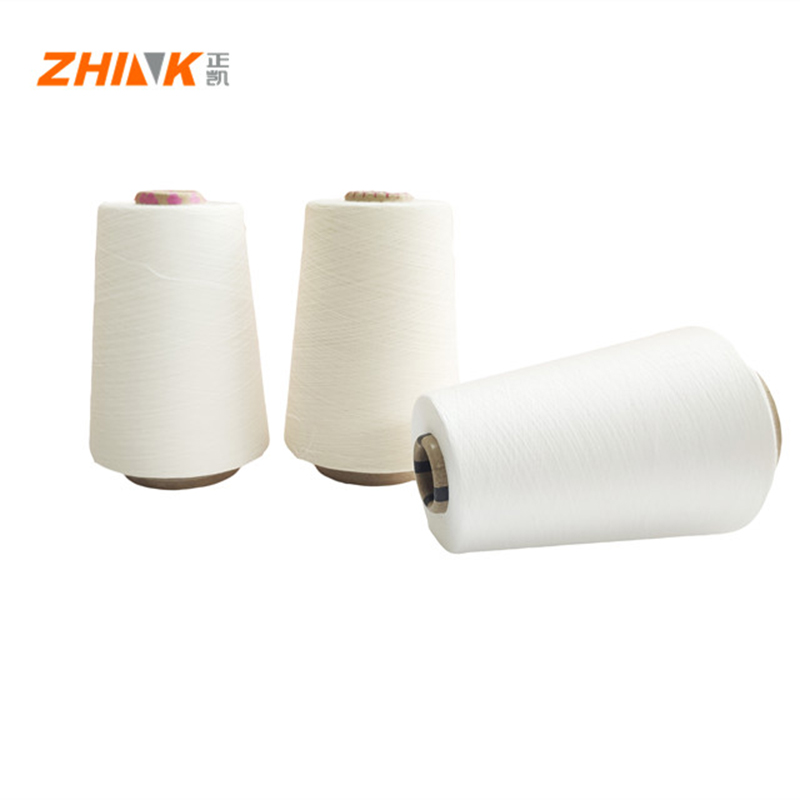
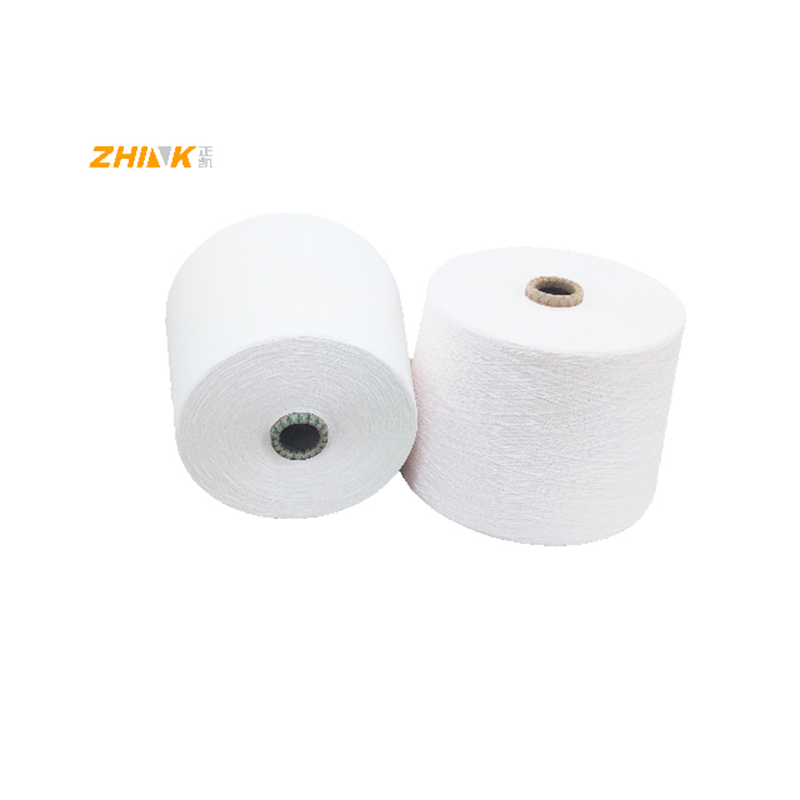
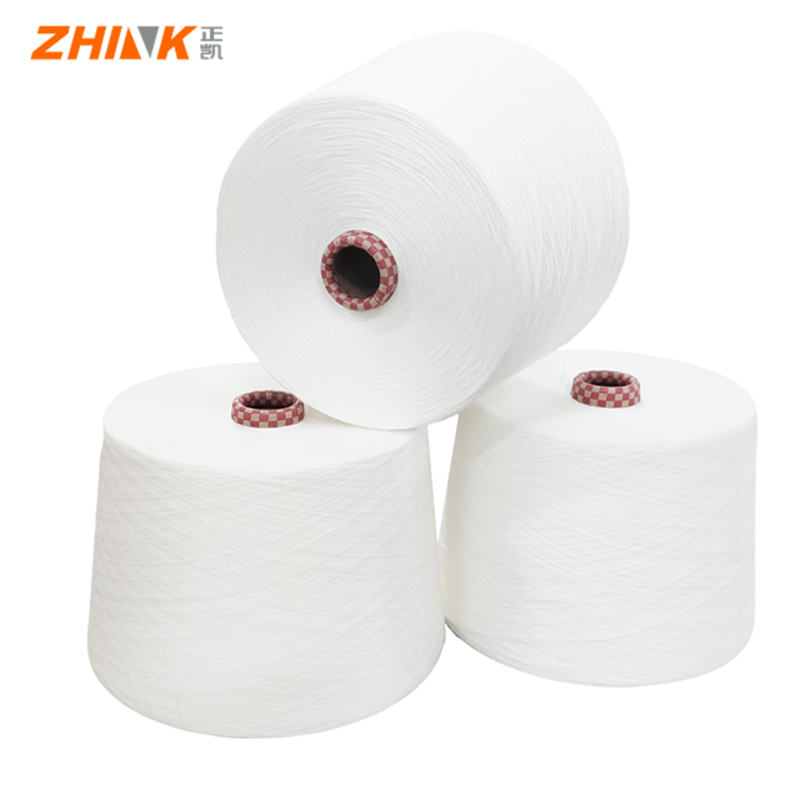
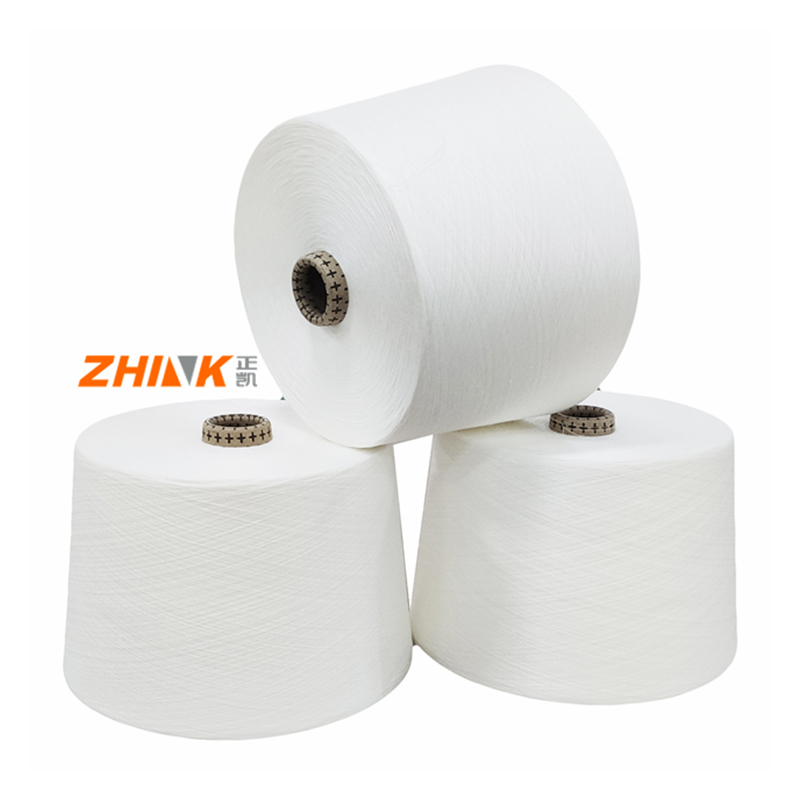
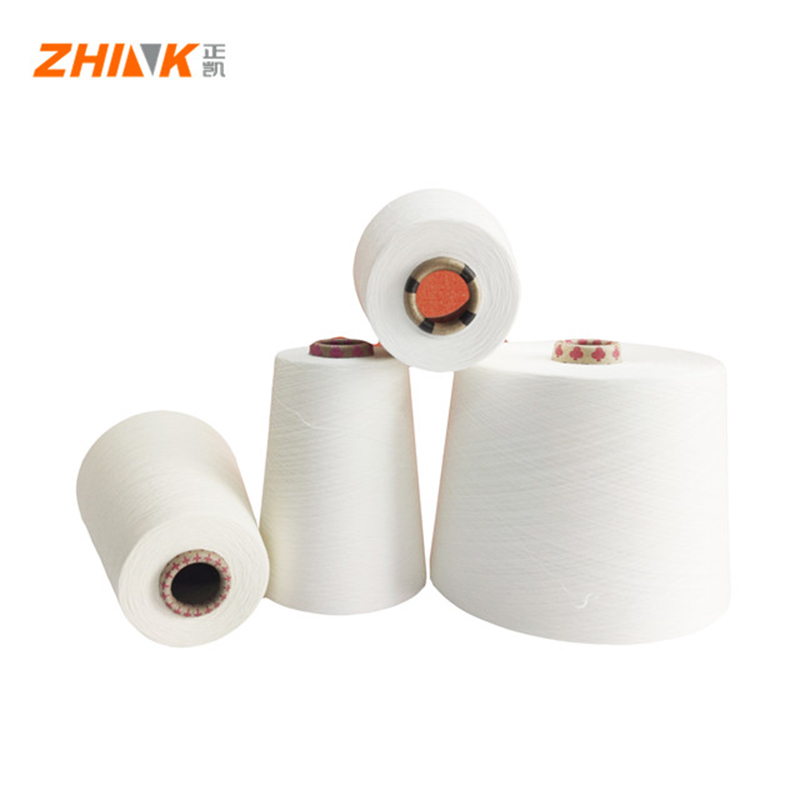
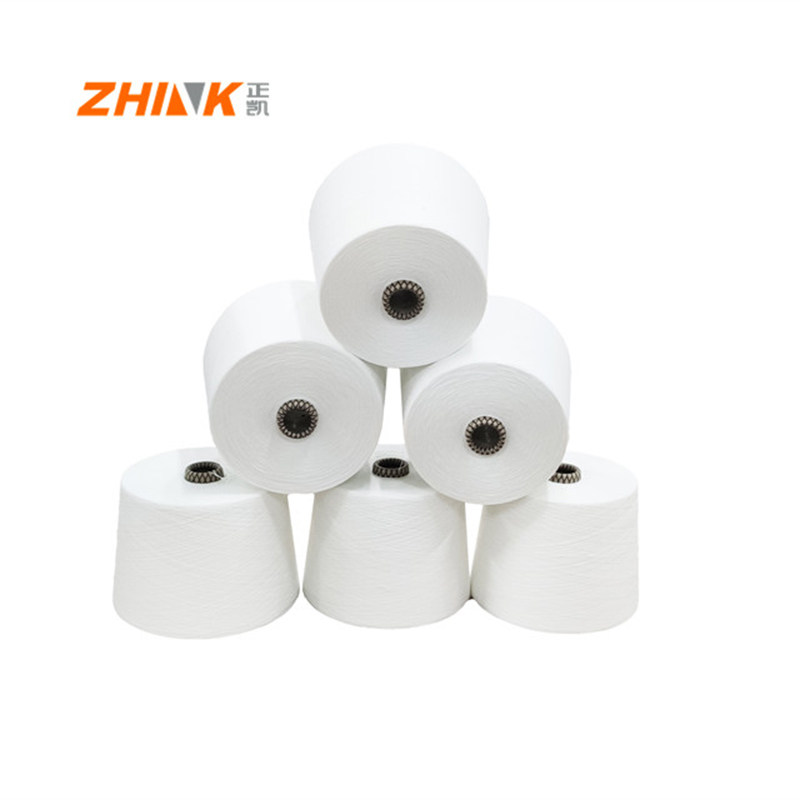
polyester/viscose siro yarn
The Intricacies of Polyester/Viscose Siro Yarn
Understanding the nuances of polyester/viscose siro yarn is crucial for anyone delving into modern textile production. Often misunderstood or underappreciated, this blend offers unique properties that are indispensable for certain fabric applications. Let's explore its practical applications, challenges, and what makes it stand out in the textile industry.
What Makes Siro Yarn Special?
Interestingly, when I first encountered siro yarns at an exhibition, the immediate thought was, why not just stick to traditional yarn spinning techniques? However, what siro spinning does to a blend like polyester/viscose is create a yarn with improved strength and uniformity. This technique twists the fibers together before drafting, resulting in a smoother and more robust yarn. It's the preferred choice for many weavers aiming for high-quality, durable fabrics.
One of the noticeable advantages is in the final texture. Siro spun yarns have a noticeably softer hand feel compared to conventional spun yarns. This quality makes them advantageous for making garments that are in direct contact with the skin, like t-shirts or undergarments. Speaking from experience, the comfort level provided by a polyester and viscose blend spun this way is unmatched in certain apparel categories.
But it's not just about comfort. The strength and uniformity reduce hairiness, which in turn minimizes pilling. This is something that many manufacturers and customers value highly. A client once shared a case where a garment line had to be recalled due to excessive pilling, which could have been mitigated with siro yarn.
Challenges in Working with Polyester/Viscose Blends
Despite its advantages, blending polyester and viscose isn't always straightforward. One common issue is the balance between the durability of polyester and the breathability of viscose. I've seen numerous trials where adjusting these ratios was crucial to achieving the desired fabric properties.
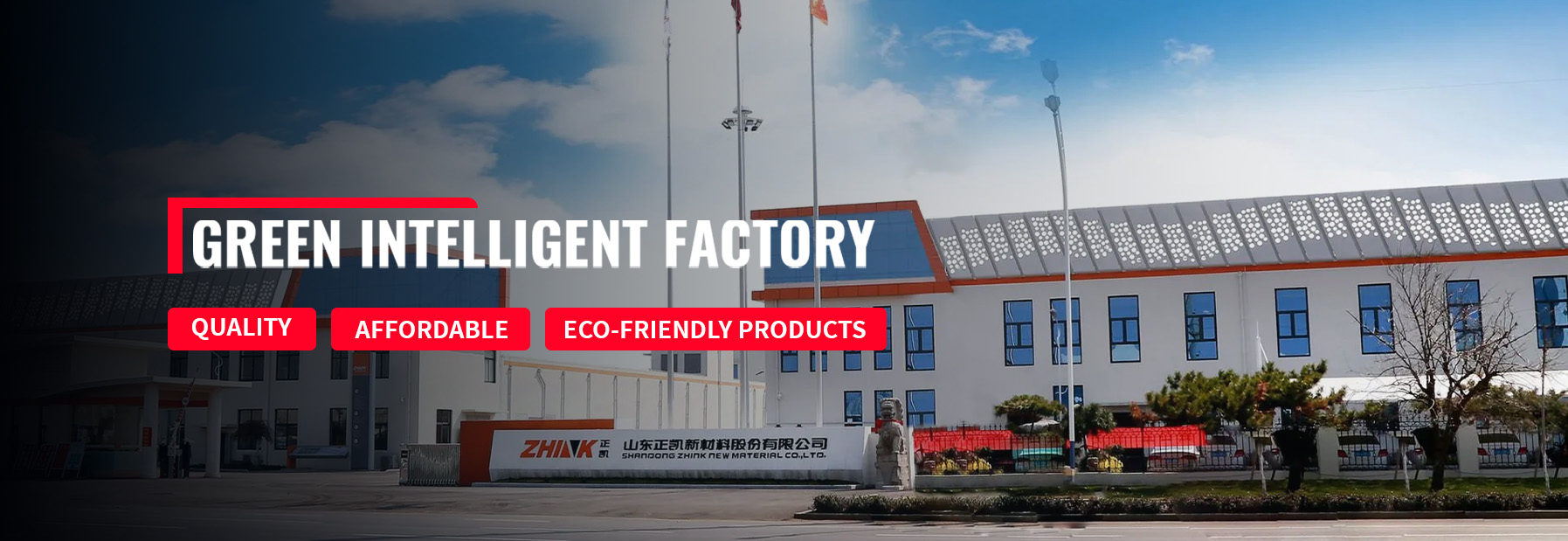
This process requires precise control and experimentation, often leading to more waste if not done correctly. At SHANDONG ZHINK NEW MATERIAL CO., LTD, we spend considerable time in R&D, constantly tweaking our processes to find the ideal blend. It's a testament to how there’s no one-size-fits-all in textile manufacturing.
Moreover, the dyeing process can be tricky. Polyester and viscose react differently under the same dyeing conditions, leading sometimes to uneven colors if not managed properly. Careful planning and testing are essential to avoid costly mistakes.
Practical Applications in Textile Production
From functional sportswear to everyday apparel, polyester/viscose siro yarn serves a myriad of practical needs. At Zhink New Material, we’ve found its use especially beneficial in the production of athletic wear. It offers the durability of polyester while ensuring breathability from viscose – a combination that's hard to beat.
In a recent project, we collaborated with a regional sports brand to create a line of breathable yet sturdy jogging outfits. The results were impressive, and feedback from end-users confirmed that comfort and durability were noticeably enhanced.
It’s also worth noting the efficiency in production. Siro spinning can reduce the number of breaks in the yarn, meaning fewer stoppages during the weaving process. This efficiency ultimately translates to cost savings in large-scale production runs.
Environmental Considerations and Sustainability
The call for sustainable practices is louder than ever, and this is an area where polyester/viscose blends face scrutiny. Polyester, being a synthetic fiber, often raises concerns about environmental impact due to its petroleum-based origins.
However, efforts are being made to source polyester from recycled materials and to ensure viscose is obtained from sustainable forestry. At our facilities, we are actively engaging in these sustainable initiatives, ensuring our production processes align with eco-friendly standards.
There’s a growing demand among consumers for transparency in textile supply chains, pushing manufacturers to adopt more sustainable practices. This is an ongoing challenge, yet a necessary one, as the industry evolves to meet these expectations.
Future Trends in Yarn Blends
As we look ahead, the future of yarns like polyester/viscose siro yarn seems closely tied with technological advancements. Innovations in spinning technology and material science could lead to new blends that further optimize their strengths.
For example, nano-coating techniques could be integrated to enhance properties such as water resistance without sacrificing breathability. At Zhink New Material, we are part of various industry forums discussing these possibilities, keen on staying at the forefront of textile innovation.
Ultimately, while challenges persist, the adaptability and hybrid nature of these yarns continue to make them a valuable asset in modern textile manufacturing.
For more insights into polyester/viscose blends and textile innovations, explore our offerings at SHANDONG ZHINK NEW MATERIAL CO., LTD.
Related Products
Related Products