+86-632-3621866
- Chinese
- French
- German
- Portuguese
- Spanish
- Russian
- Japanese
- Korean
- Arabic
- Irish
- Greek
- Turkish
- Italian
- Danish
- Romanian
- Indonesian
- Czech
- Afrikaans
- Swedish
- Polish
- Basque
- Catalan
- Esperanto
- Hindi
- Lao
- Albanian
- Amharic
- Armenian
- Azerbaijani
- Belarusian
- Bengali
- Bosnian
- Bulgarian
- Cebuano
- Chichewa
- Corsican
- Croatian
- Dutch
- Estonian
- Filipino
- Finnish
- Frisian
- Galician
- Georgian
- Gujarati
- Haitian
- Hausa
- Hawaiian
- Hebrew
- Hmong
- Hungarian
- Icelandic
- Igbo
- Javanese
- Kannada
- Kazakh
- Khmer
- Kurdish
- Kyrgyz
- Latin
- Latvian
- Lithuanian
- Luxembou..
- Macedonian
- Malagasy
- Malay
- Malayalam
- Maltese
- Maori
- Marathi
- Mongolian
- Burmese
- Nepali
- Norwegian
- Pashto
- Persian
- Punjabi
- Serbian
- Sesotho
- Sinhala
- Slovak
- Slovenian
- Somali
- Samoan
- Scots Gaelic
- Shona
- Sindhi
- Sundanese
- Swahili
- Tajik
- Tamil
- Telugu
- Thai
- Ukrainian
- Urdu
- Uzbek
- Vietnamese
- Welsh
- Xhosa
- Yiddish
- Yoruba
- Zulu
- Kinyarwanda
- Tatar
- Oriya
- Turkmen
- Uyghur


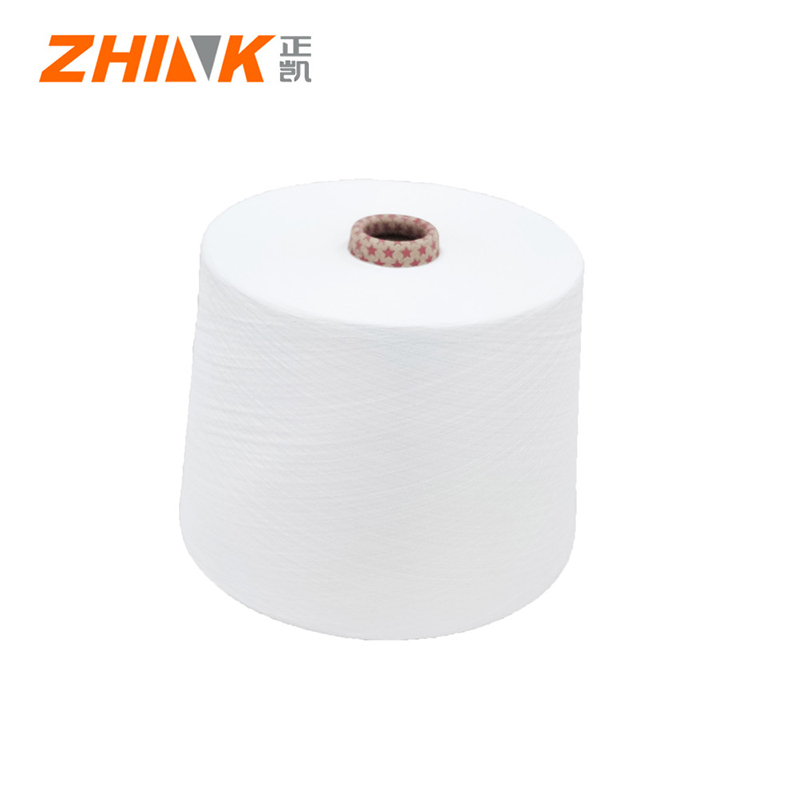
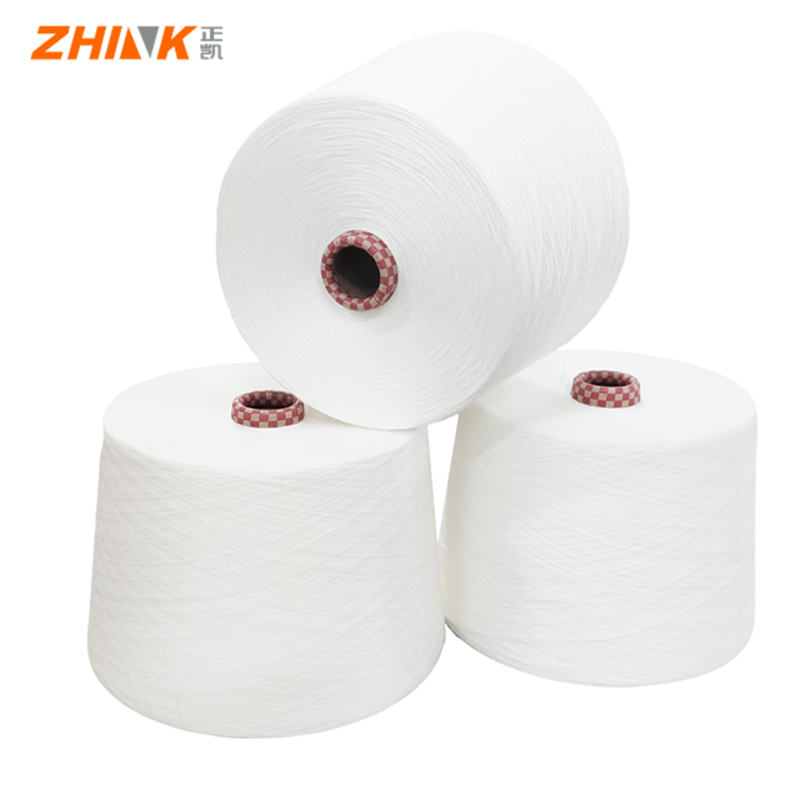
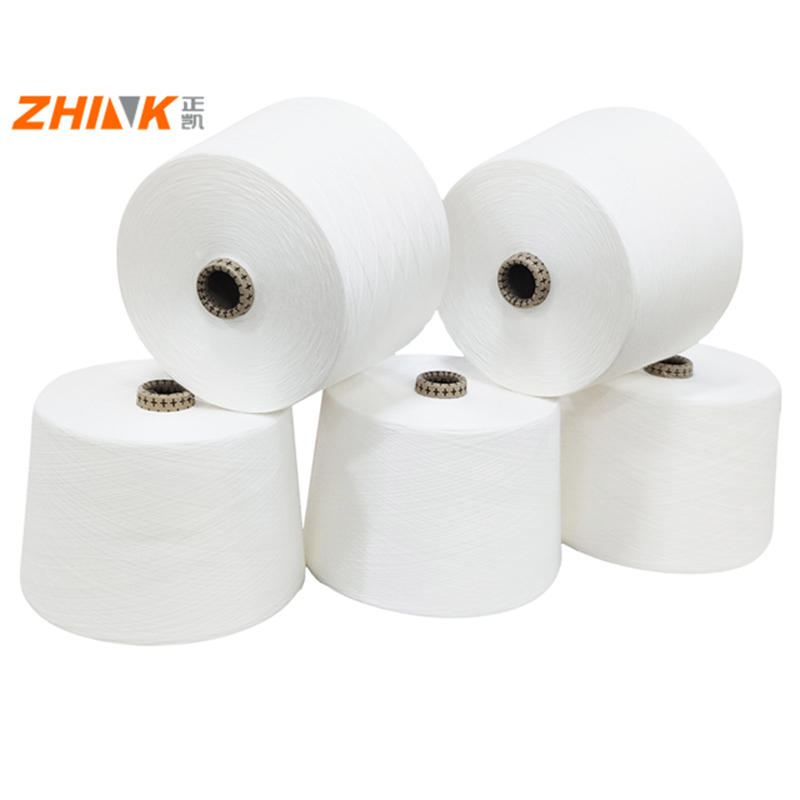
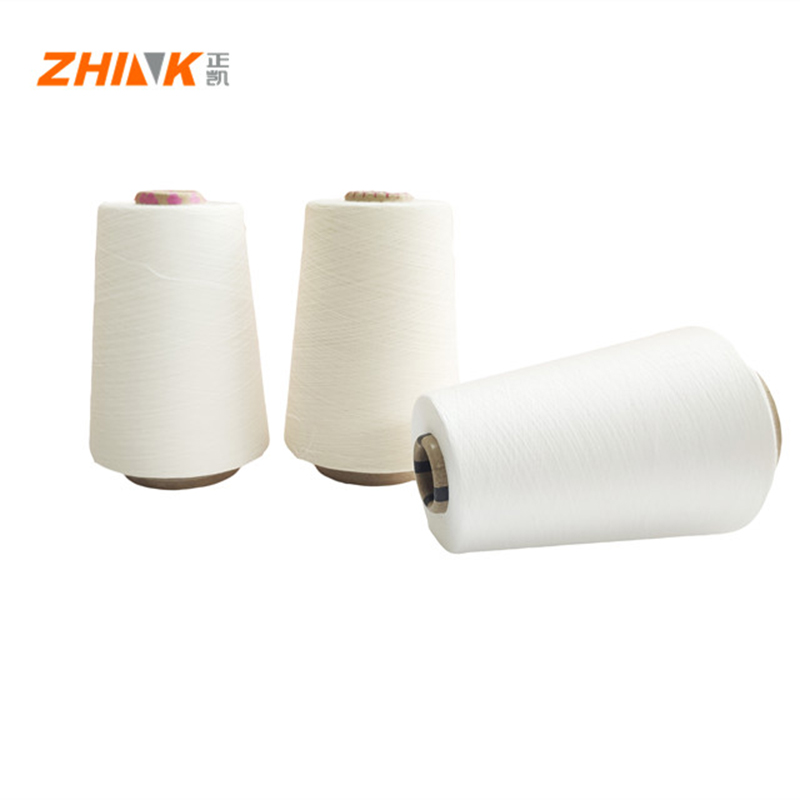
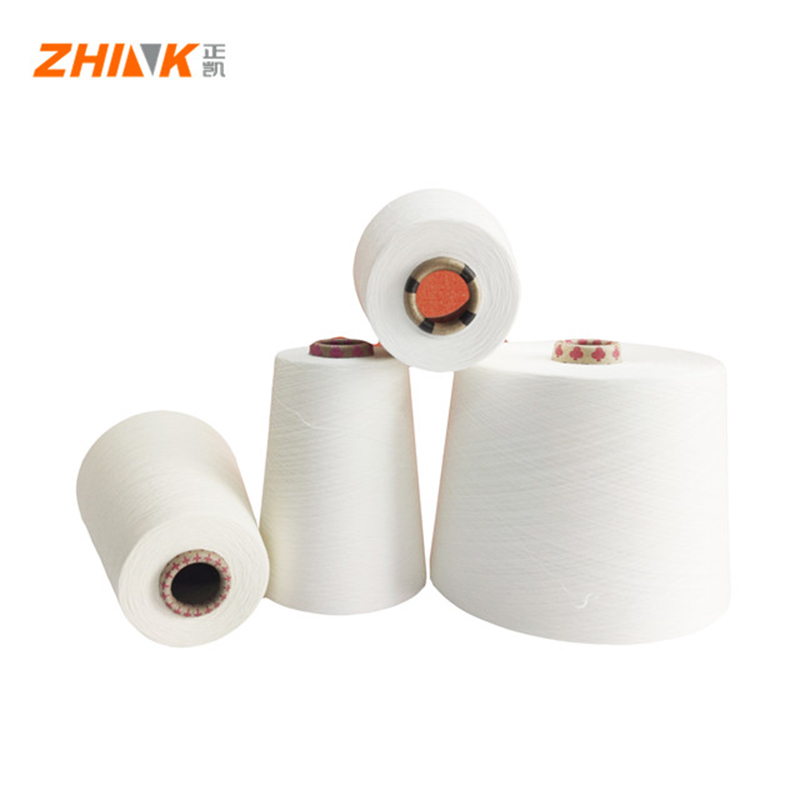
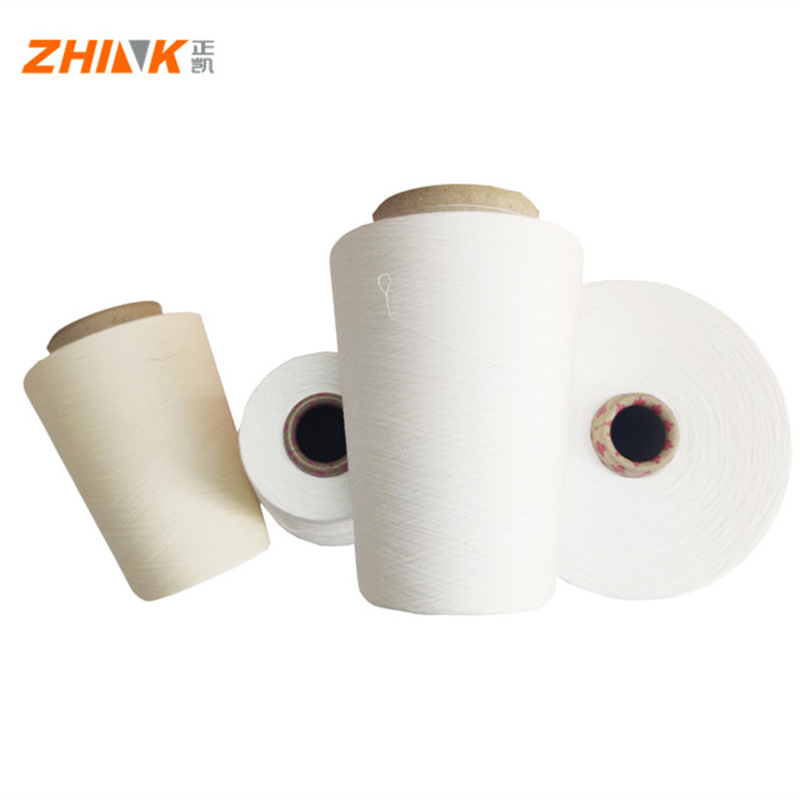
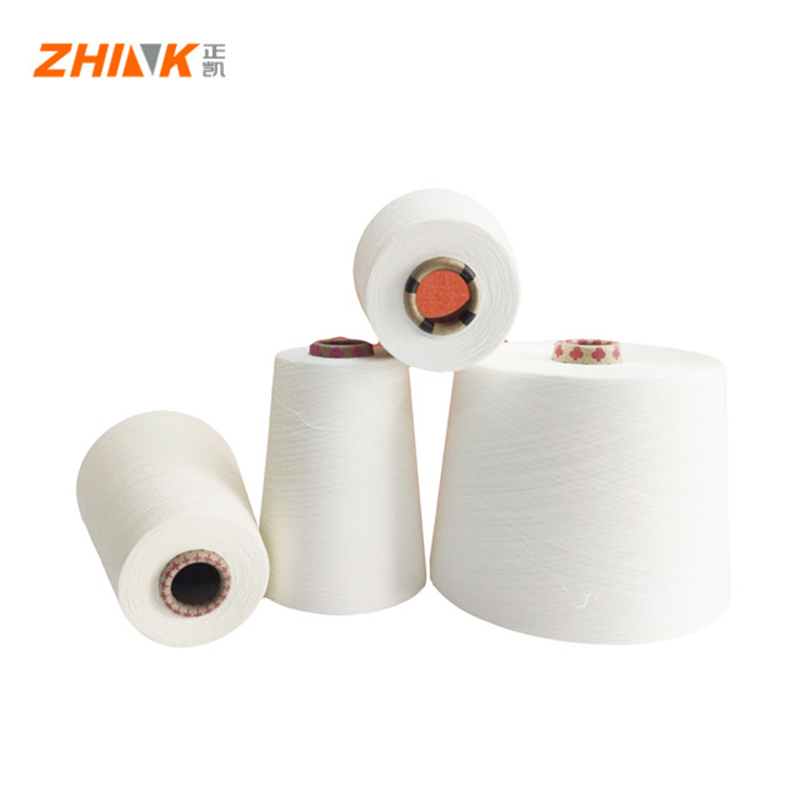
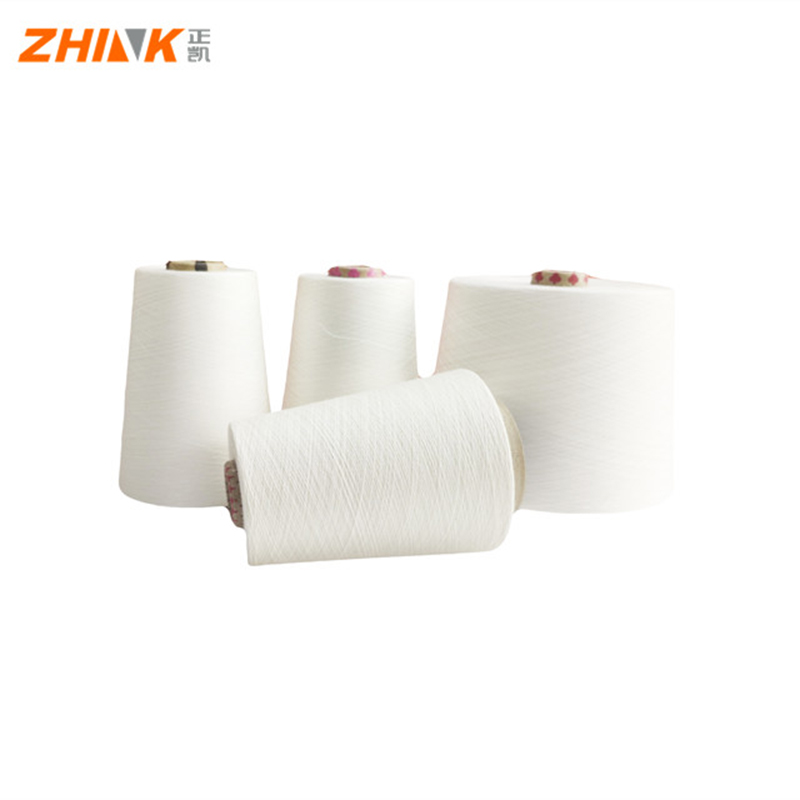
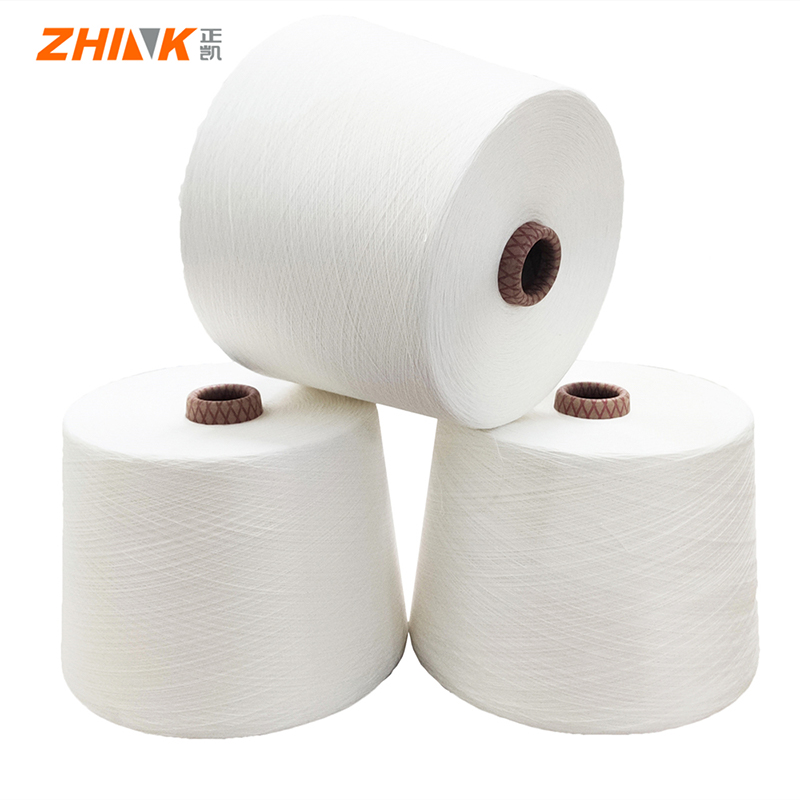
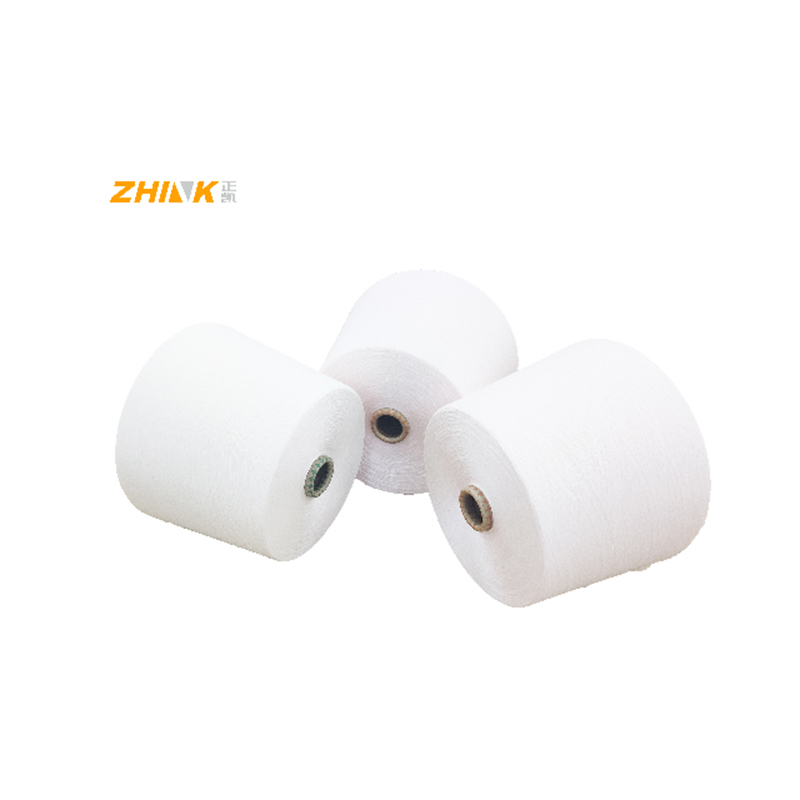
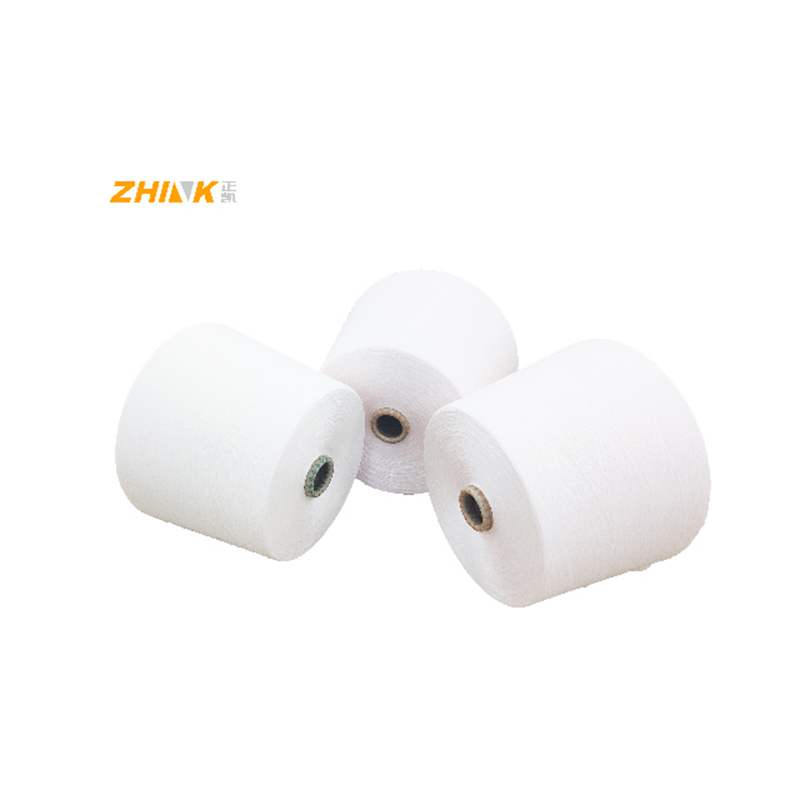
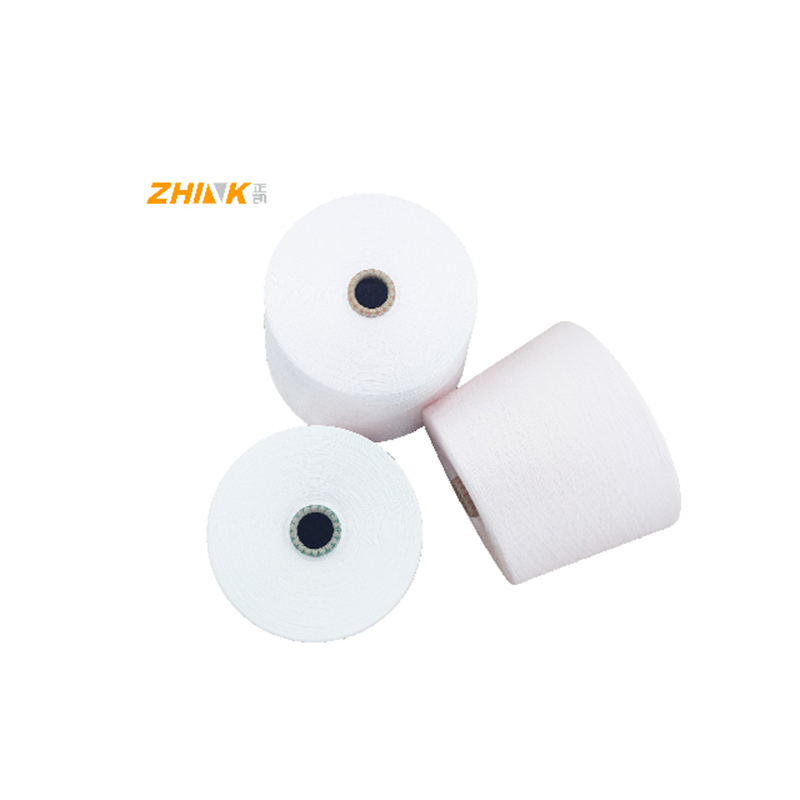
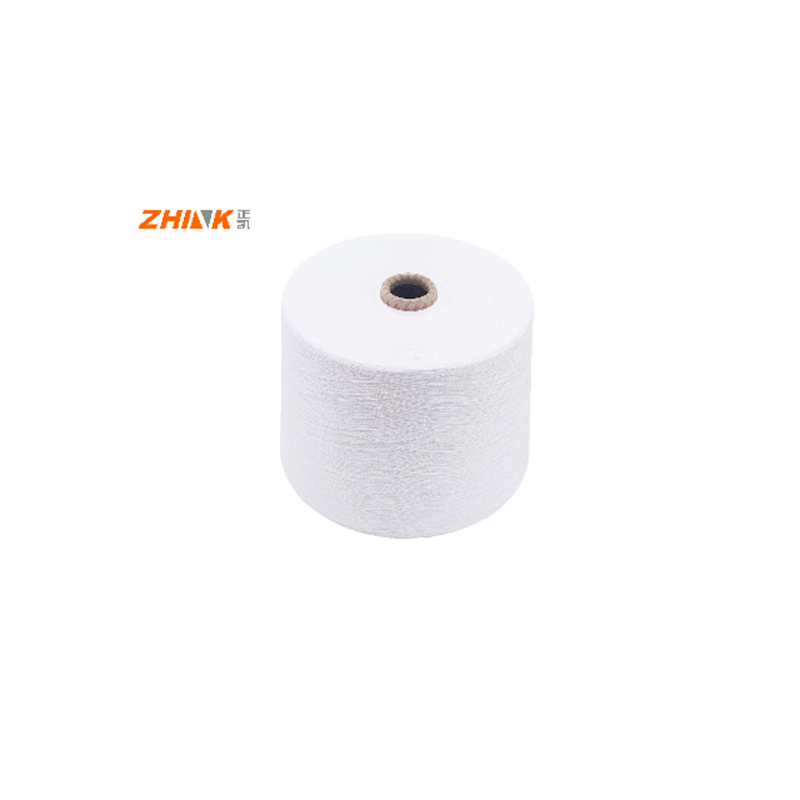
polyester/viscose vortex yarn
Understanding Polyester/Viscose Vortex Yarn
Polyester/Viscose vortex yarn is gaining traction, yet many remain unaware of its potential. In an industry full of textile innovations, this blend stands out for unique reasons.
What is Polyester/Viscose Vortex Yarn?
At its core, this type of yarn combines the durability of polyester with the softness of viscose. The vortex spinning technology contributes to its exceptional texture and performance. This method, known for its efficiency, crafts yarn that resists pilling and maintains strength over extended use.
Having worked with various textiles over the years, I've noticed how popular vortex yarn is becoming. Not just marketing—there are tangible performance benefits, especially in apparel where comfort meets longevity. Imagine a fabric that feels great against the skin but can also withstand daily wear.
However, it's not all straightforward. A common misconception is that all vortex yarns are the same. The blend ratio plays a crucial role. Typically, a 65/35 ratio (polyester to viscose) strikes a balance, but adjustments might be needed depending on the end application.
Advantages of the Vortex Spinning Process
When I first encountered vortex spinning at a trade show, I was skeptical. Could a process really outperform traditional ring spinning in so many aspects? Yet, after seeing the end products, the advantages were obvious. This technology delivers not only smoother and more consistent yarns but also offers great color retention—a significant plus for fashion applications.
From a production standpoint, vortex spinning is a game-changer. In conversations with colleagues, there's consensus that the method reduces production times without compromising quality, a key factor in meeting the demands of fast-paced markets.
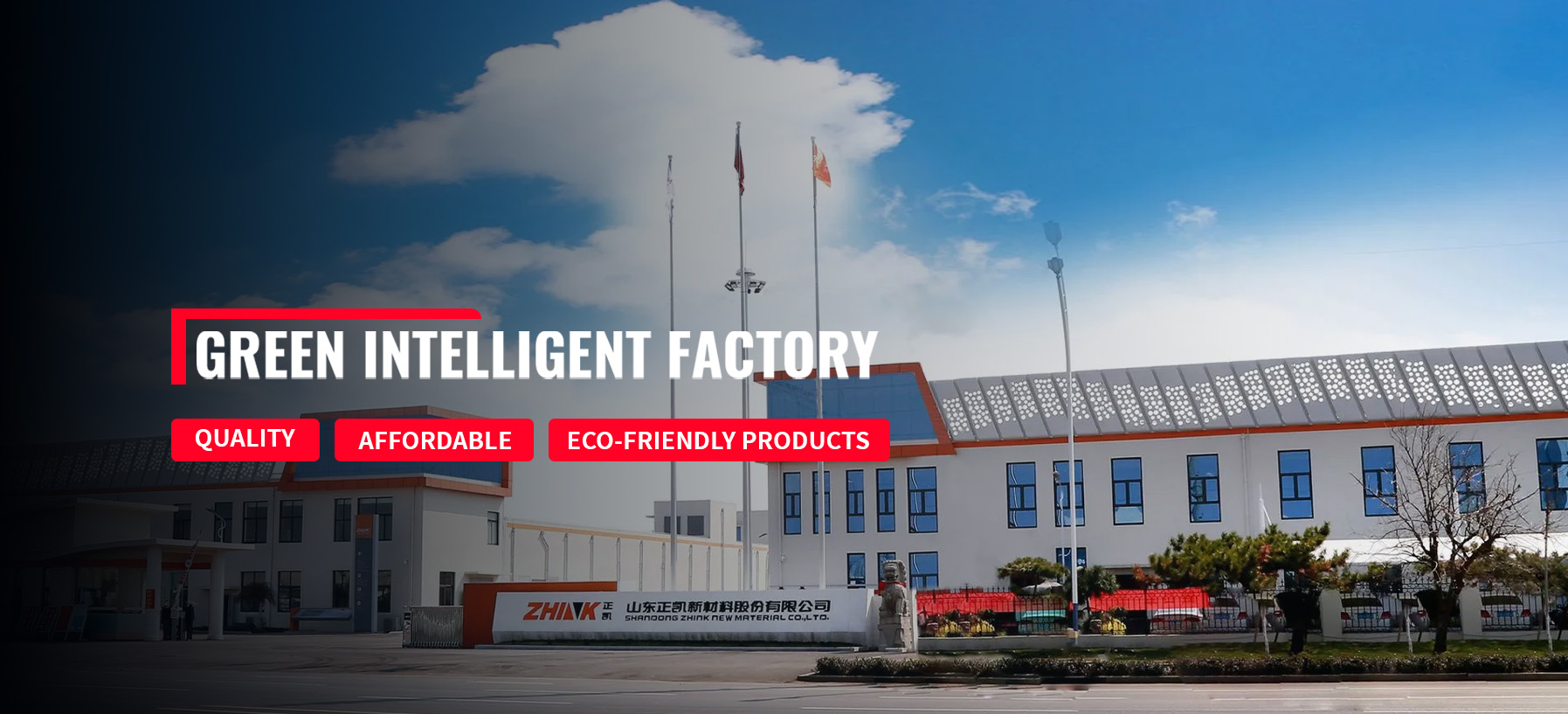
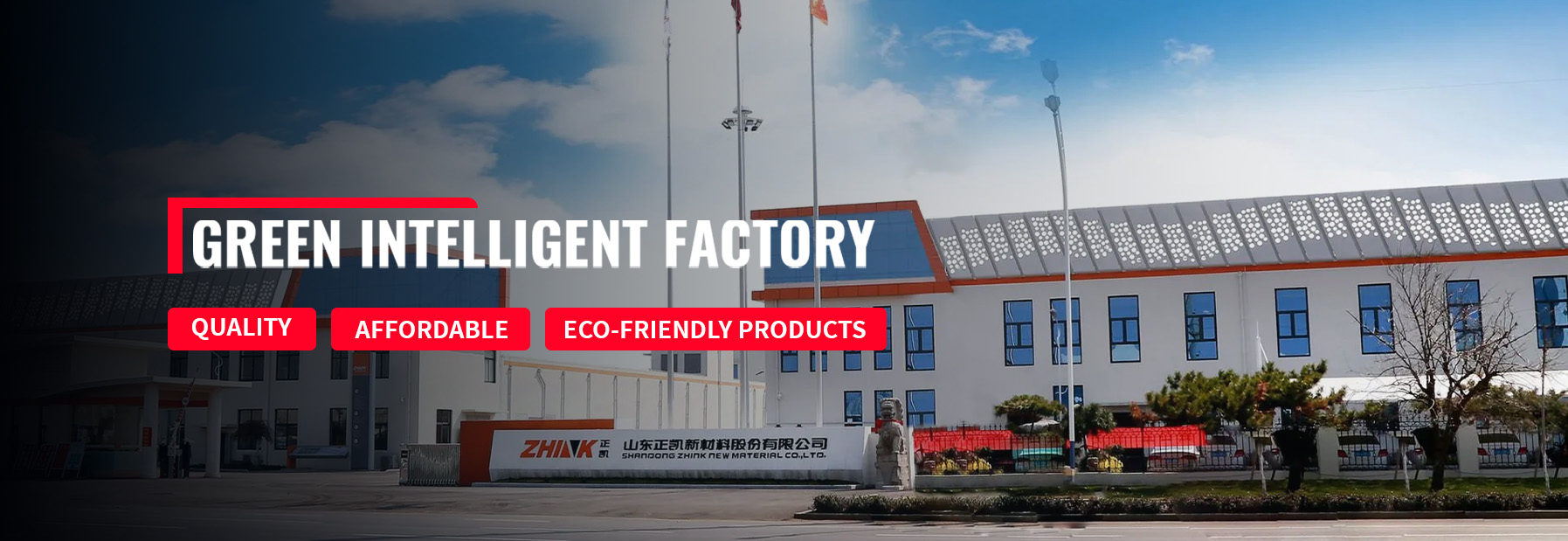
Take a look at SHANDONG ZHINK NEW MATERIAL CO., LTD. Their dedication to research means they're consistently at the forefront of developments in this field. You can explore their offerings directly on their website at Zhink Yarn.
Challenges in Using Polyester/Viscose Blends
Despite its benefits, there are intricacies involved with polyester/viscose vortex yarn. For instance, achieving the optimal dyeing process is tricky. The distinct characteristics of polyester and viscose can lead to uneven dye uptake if not managed correctly.
I've had my fair share of trials attempting to perfect this. Dye compatibility is key. It requires testing and adjustments, something often overlooked in rush to innovate. This isn't just theoretical; anyone who's worked hands-on in textile production will appreciate the delicacy needed in getting these steps right.
Moreover, sustainability is a growing concern. While there's progress in recycling polyester, viscose’s production impacts are under scrutiny. Balancing ecological considerations with performance is an ongoing challenge.
Applications and Market Trends
The versatility of polyester/viscose vortex yarn has fueled its popularity. From tailored suits to casual wear, the applications are broad. Consumers' insistence on quality and sustainability has only amplified this trend.
Interestingly, I've observed that brands tapping into this yarn often emphasize its low maintenance benefits. It's less prone to wrinkles and shrinking, appealing to busy lifestyles. This matches with market data suggesting durability and ease of care as top consumer priorities.
Yet, growth in the market also brings increased competition. Differentiating products through unique designs or proprietary blends can be a strategic move. SHANDONG ZHINK NEW MATERIAL CO., LTD, for instance, leverages its R&D strength to innovate continuously.
Personal Insights and Future Prospects
Reflecting on my experiences, I've seen the shift towards smart textiles where functional features are integrated. It’s here that polyester/viscose vortex yarn could play a pivotal role, especially as tech-integration in wearables grows.
While discussing with peers, the consensus is clear: keep an eye on innovations. New variations of this yarn could soon incorporate other fibers, pushing the boundaries of what’s possible in textile performance.
Ultimately, for those in the industry, staying informed and agile is crucial. As much as polyester/viscose vortex yarn offers promise, the textile landscape is ever-evolving, dynamic, and full of potential for those willing to explore its depths.
Related Products
Related Products