+86-632-3621866
- Chinese
- French
- German
- Portuguese
- Spanish
- Russian
- Japanese
- Korean
- Arabic
- Irish
- Greek
- Turkish
- Italian
- Danish
- Romanian
- Indonesian
- Czech
- Afrikaans
- Swedish
- Polish
- Basque
- Catalan
- Esperanto
- Hindi
- Lao
- Albanian
- Amharic
- Armenian
- Azerbaijani
- Belarusian
- Bengali
- Bosnian
- Bulgarian
- Cebuano
- Chichewa
- Corsican
- Croatian
- Dutch
- Estonian
- Filipino
- Finnish
- Frisian
- Galician
- Georgian
- Gujarati
- Haitian
- Hausa
- Hawaiian
- Hebrew
- Hmong
- Hungarian
- Icelandic
- Igbo
- Javanese
- Kannada
- Kazakh
- Khmer
- Kurdish
- Kyrgyz
- Latin
- Latvian
- Lithuanian
- Luxembou..
- Macedonian
- Malagasy
- Malay
- Malayalam
- Maltese
- Maori
- Marathi
- Mongolian
- Burmese
- Nepali
- Norwegian
- Pashto
- Persian
- Punjabi
- Serbian
- Sesotho
- Sinhala
- Slovak
- Slovenian
- Somali
- Samoan
- Scots Gaelic
- Shona
- Sindhi
- Sundanese
- Swahili
- Tajik
- Tamil
- Telugu
- Thai
- Ukrainian
- Urdu
- Uzbek
- Vietnamese
- Welsh
- Xhosa
- Yiddish
- Yoruba
- Zulu
- Kinyarwanda
- Tatar
- Oriya
- Turkmen
- Uyghur


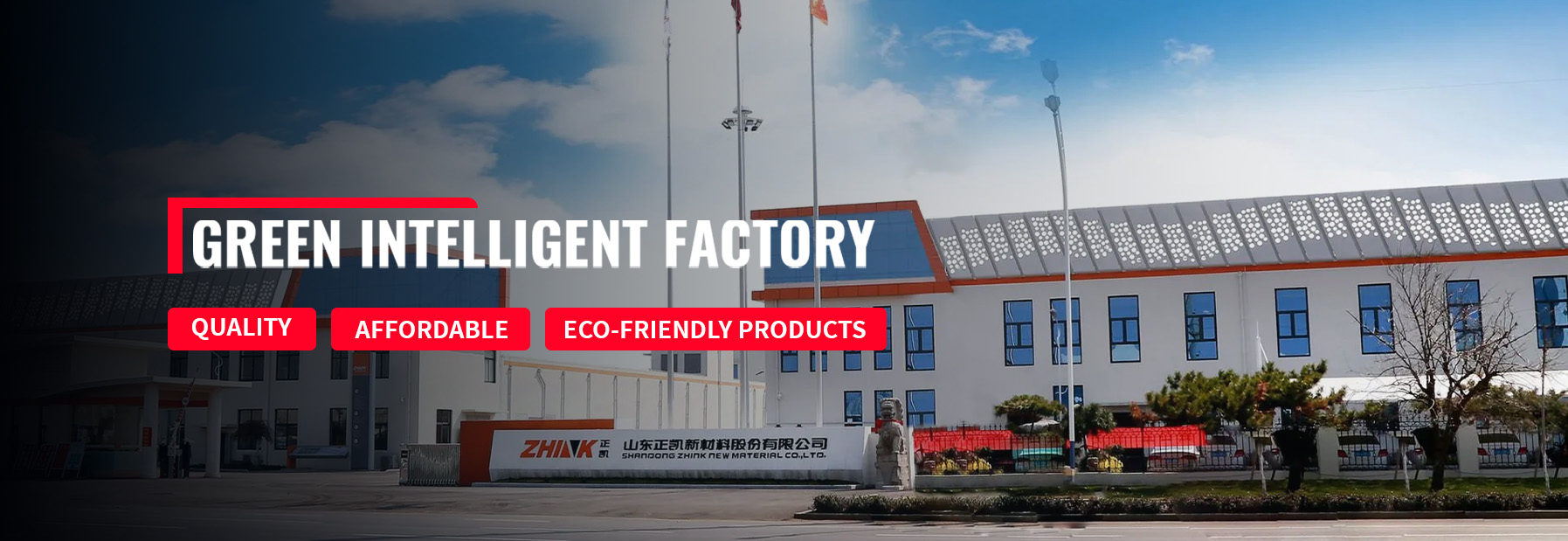
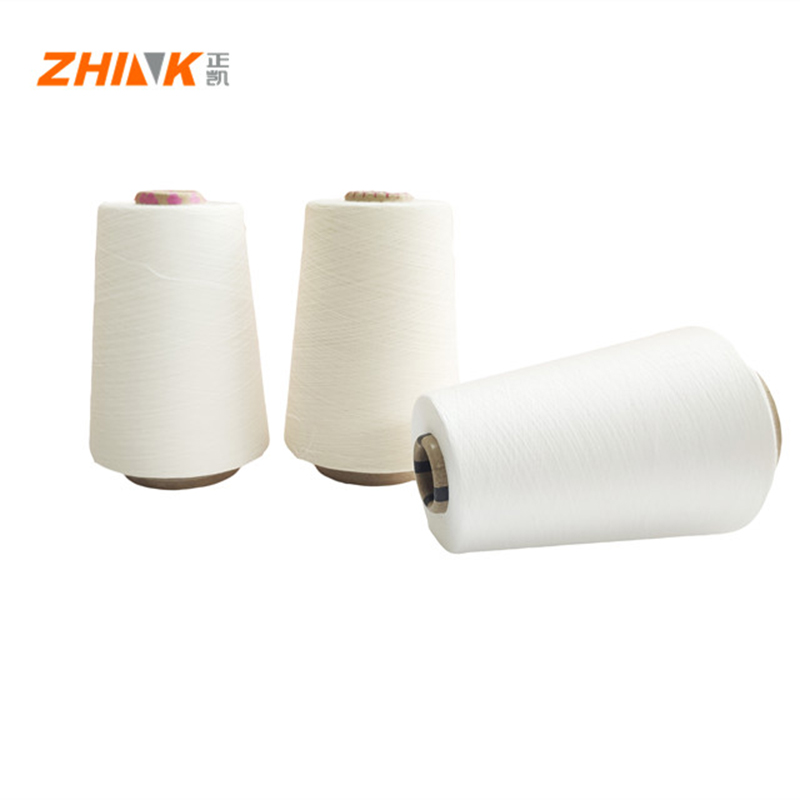
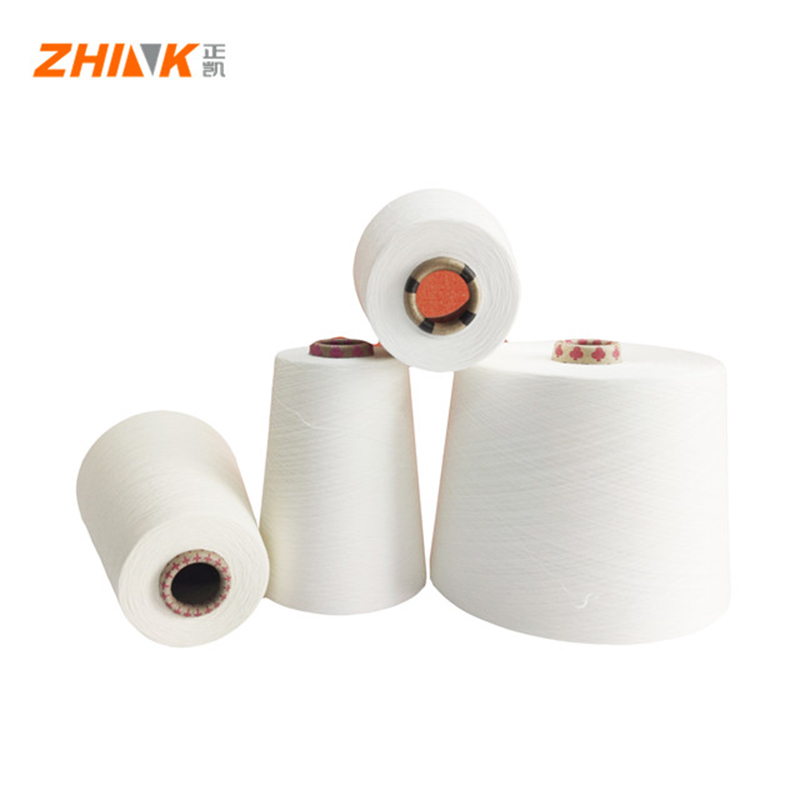
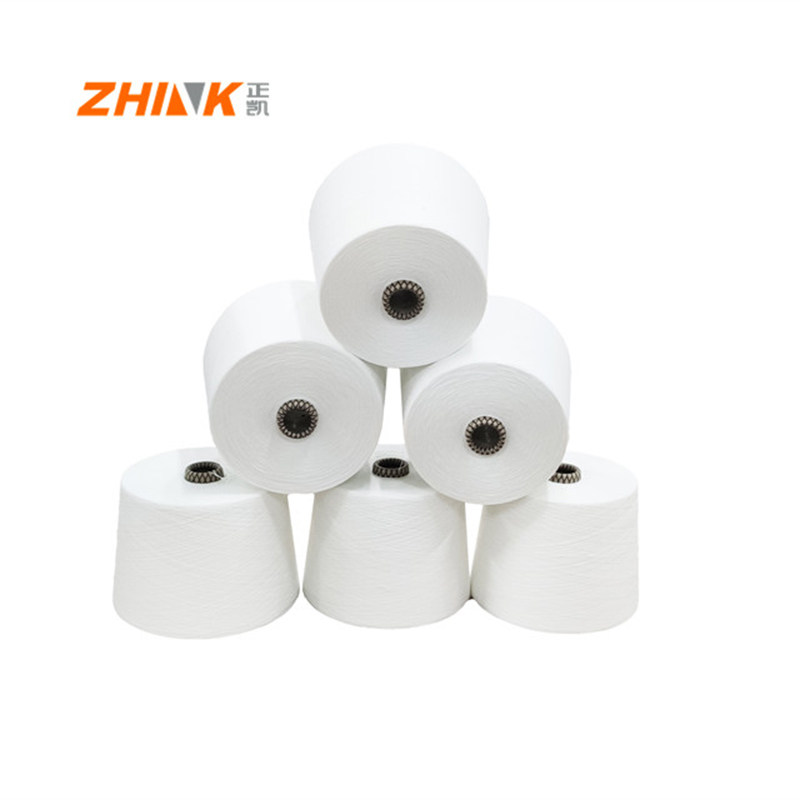
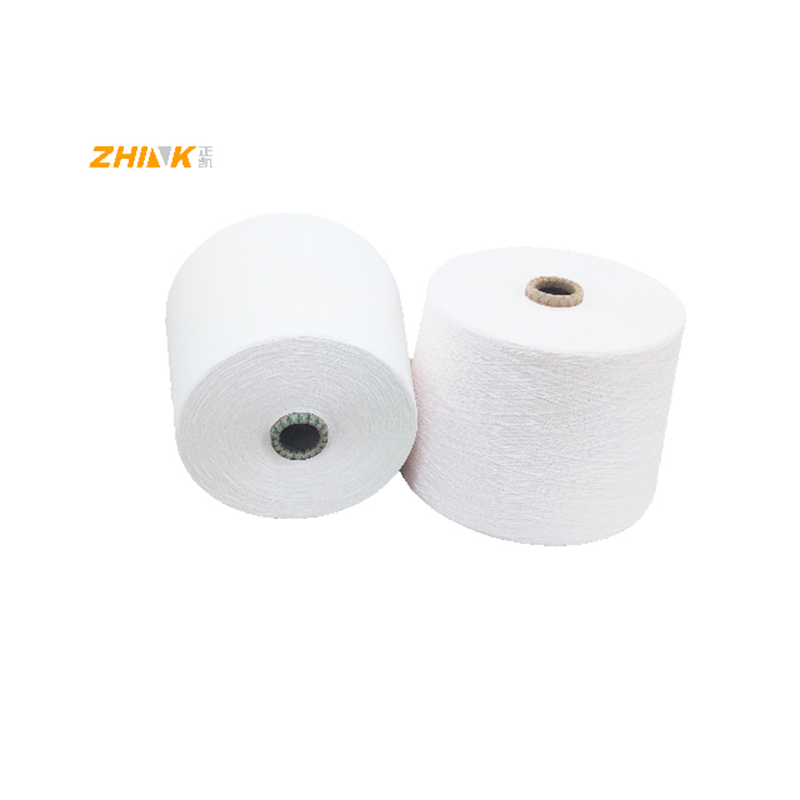
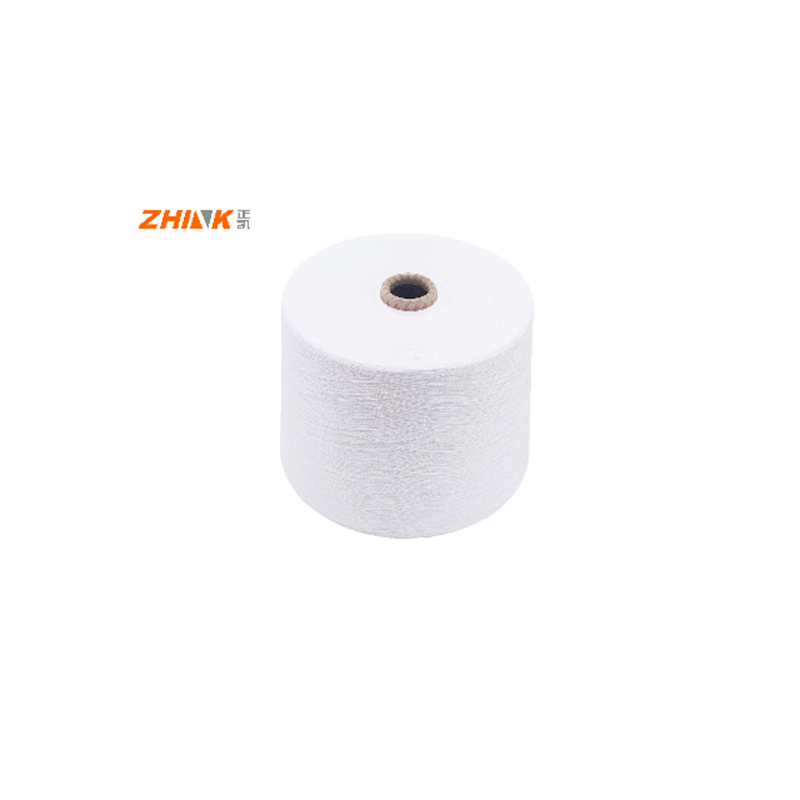
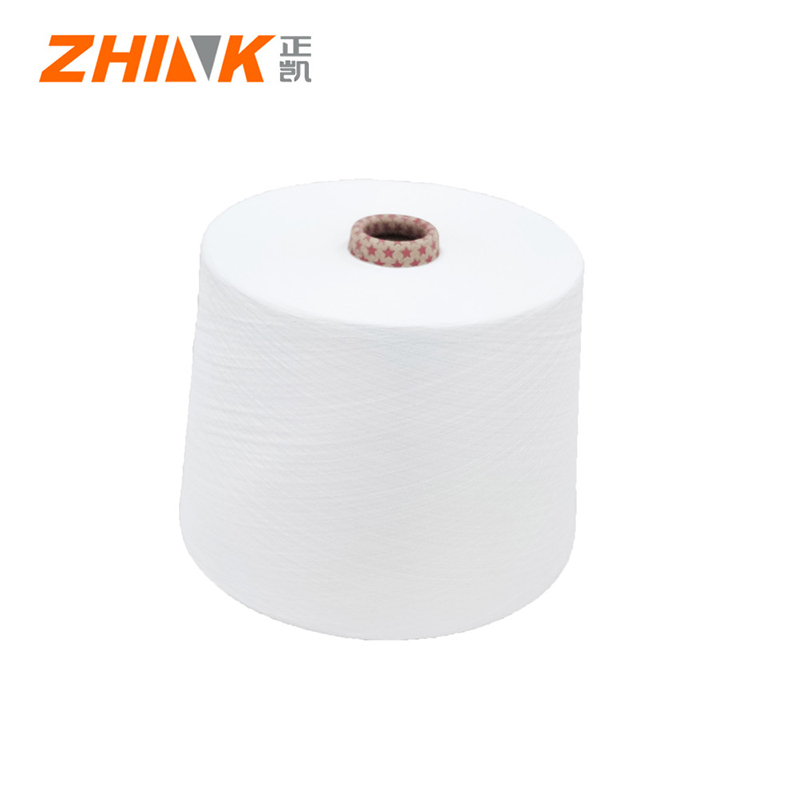
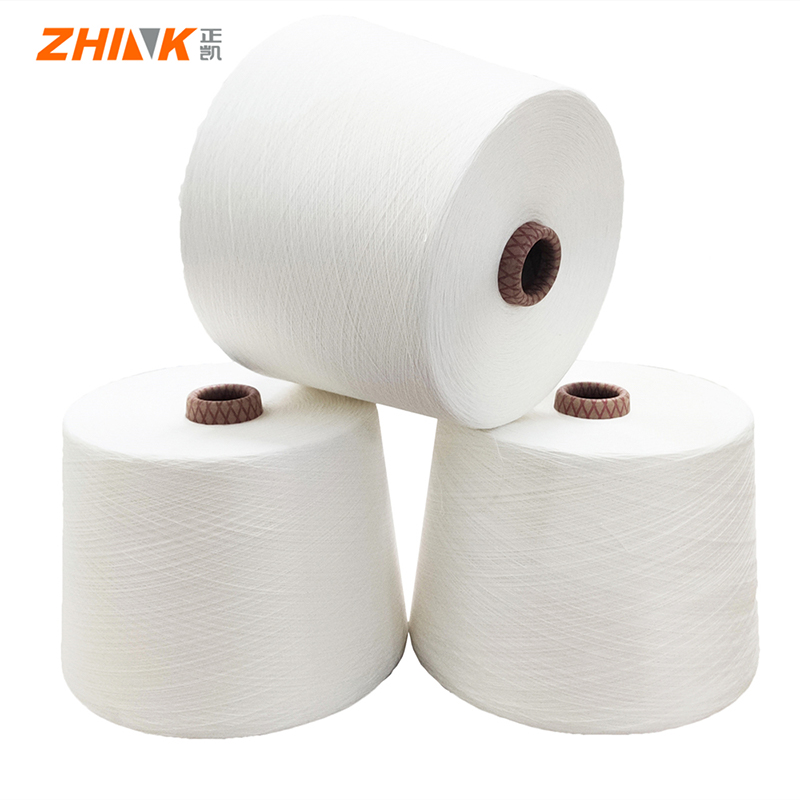
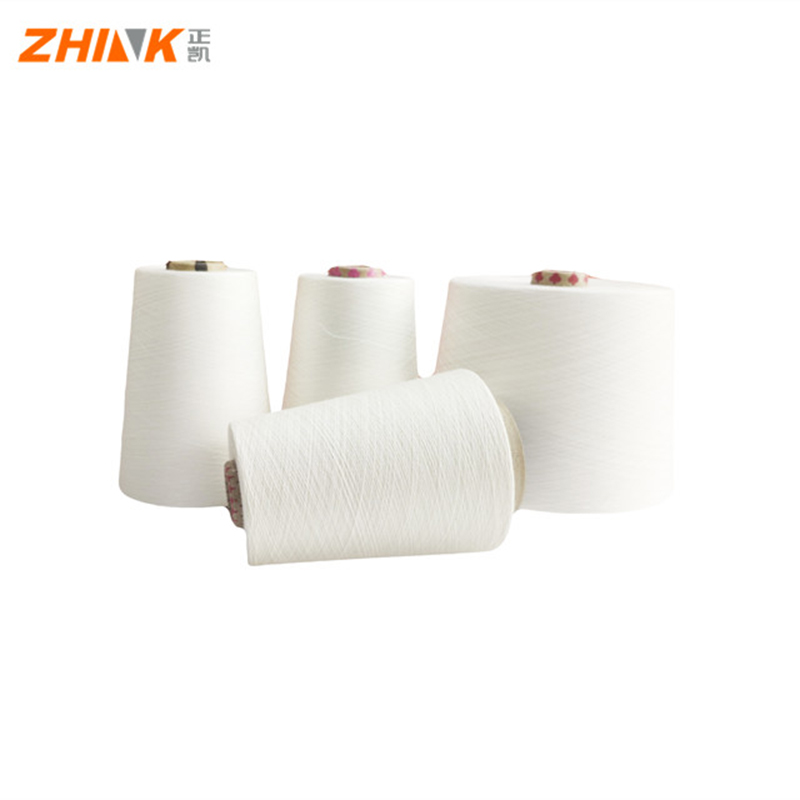
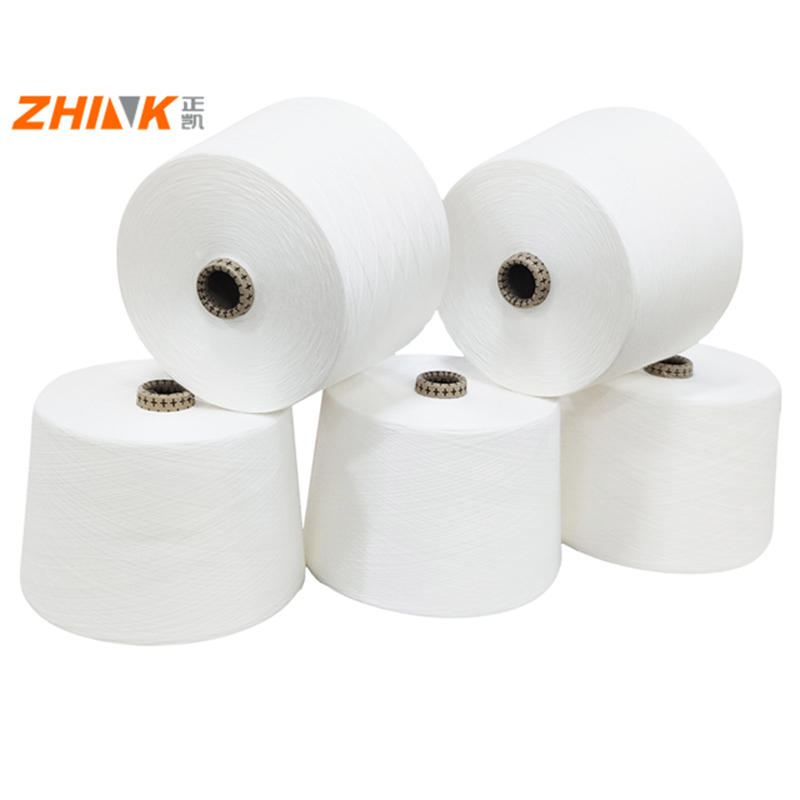
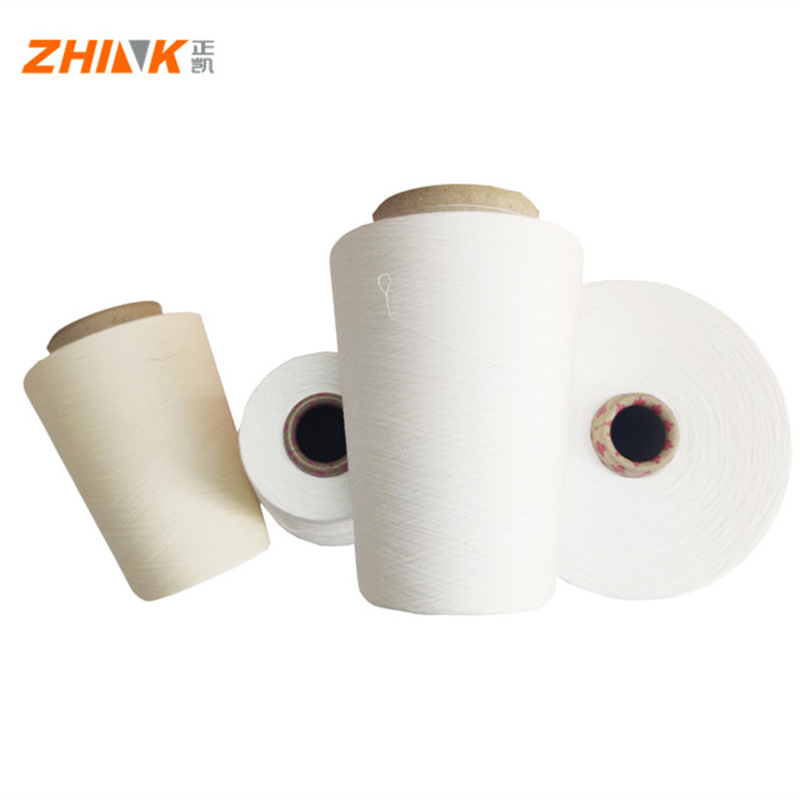
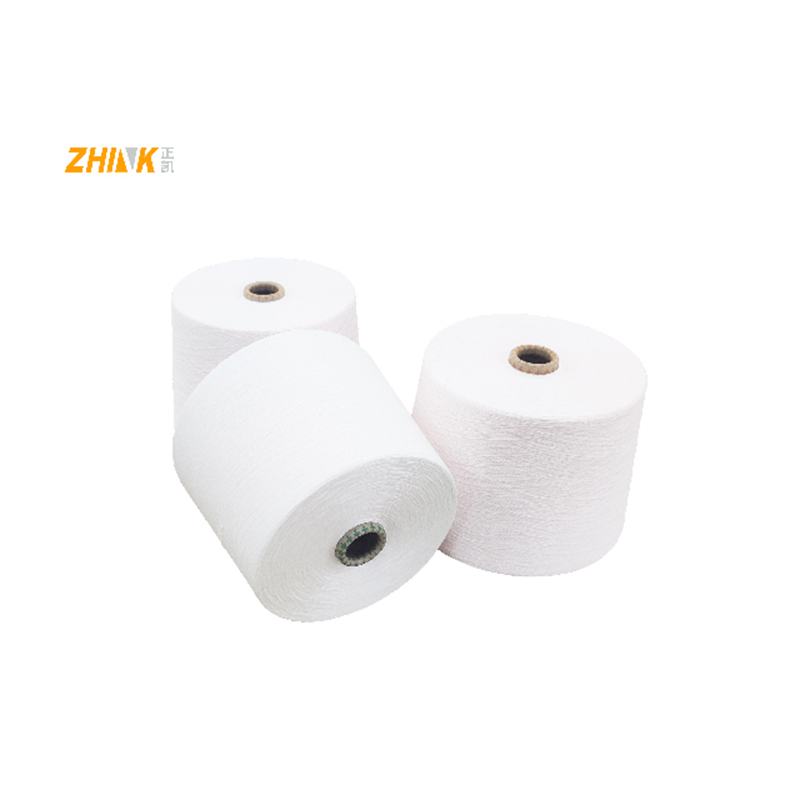
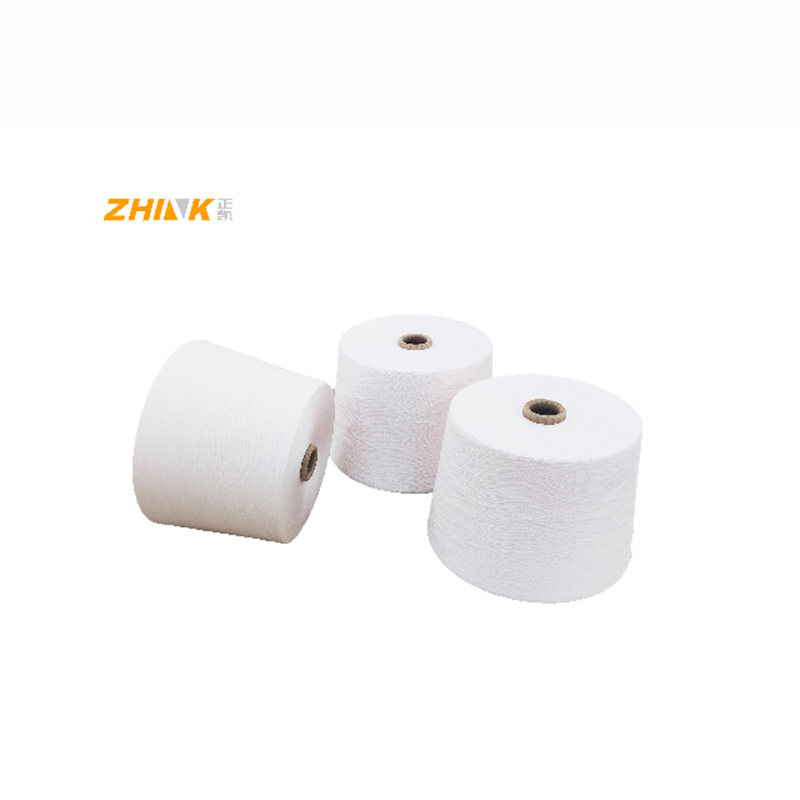
polyester viscose yarn
An In-Depth Look at Polyester Viscose Yarn
Polyester viscose yarn might seem like just another textile staple, but there's a depth to its application and manufacture that intrigues those of us who have spent time in the industry. It’s not merely a blend; it’s about balancing two distinct materials to hit that sweet spot of durability and comfort. Throughout my experiences with different textile projects, one thing remains consistent: the nuanced character of polyester viscose yarn always adds an unexpected dimension to fabric crafting.
Understanding the Blend: Polyester and Viscose
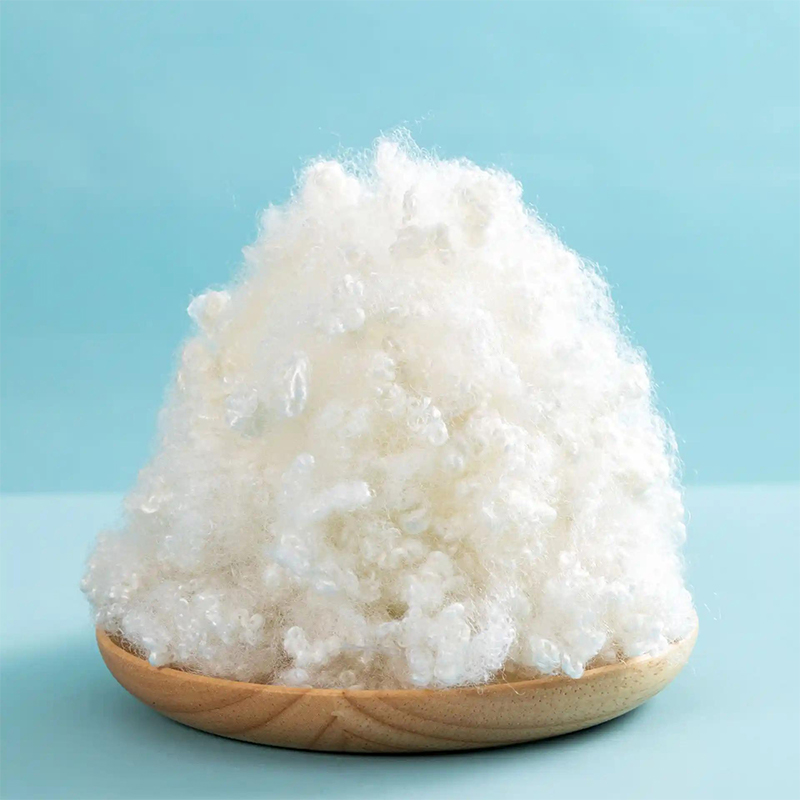
Firstly, let's break down what we're dealing with here. Polyester viscose yarn is essentially a blend of synthetic polyester and semi-synthetic viscose. Now, why these two? Polyester is renowned for its strength and resilience, characteristics that make it indispensable for fabrics meant to withstand wear and tear. On the flip side, viscose lends softness and an almost silken touch that’s often missing in purely synthetic offerings.
Now, if you're wondering about the proportions in which these materials are blended, that’s where the magic—or the frustration—can occur. I’ve found that too much polyester can lead to a fabric that's robust but lacks flexibility, whereas excess viscose might cause the fabric to shrink or lose shape over time. It’s a dance that requires precision.
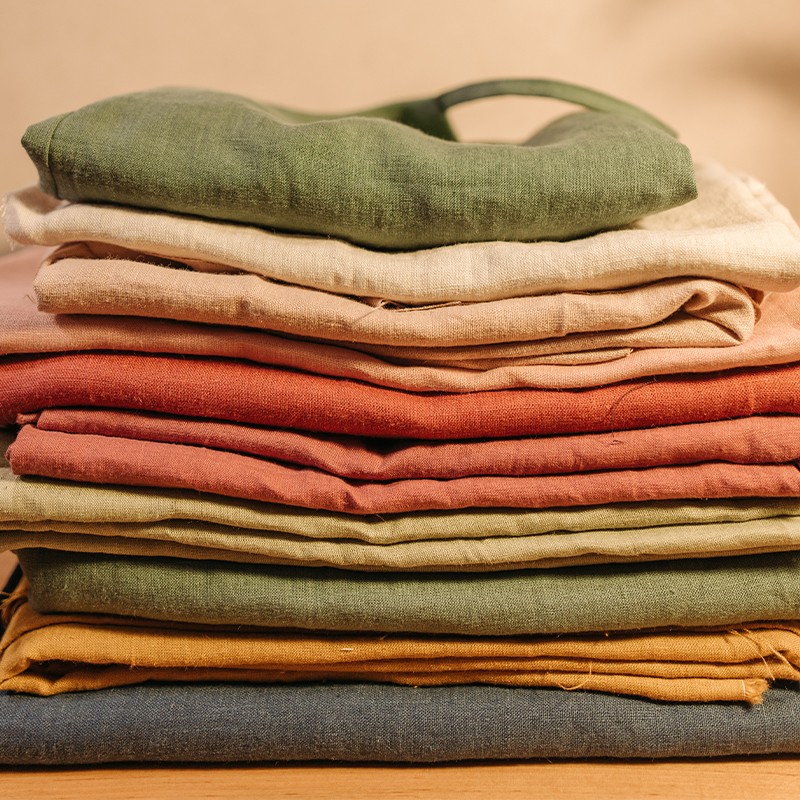
In practical terms, the blend often results in a yarn that’s ideal for draping or creating garments that need both breathability and longevity. Who doesn't appreciate a soft, durable shirt that can hold its own against everyday challenges?
The Art of Manufacturing
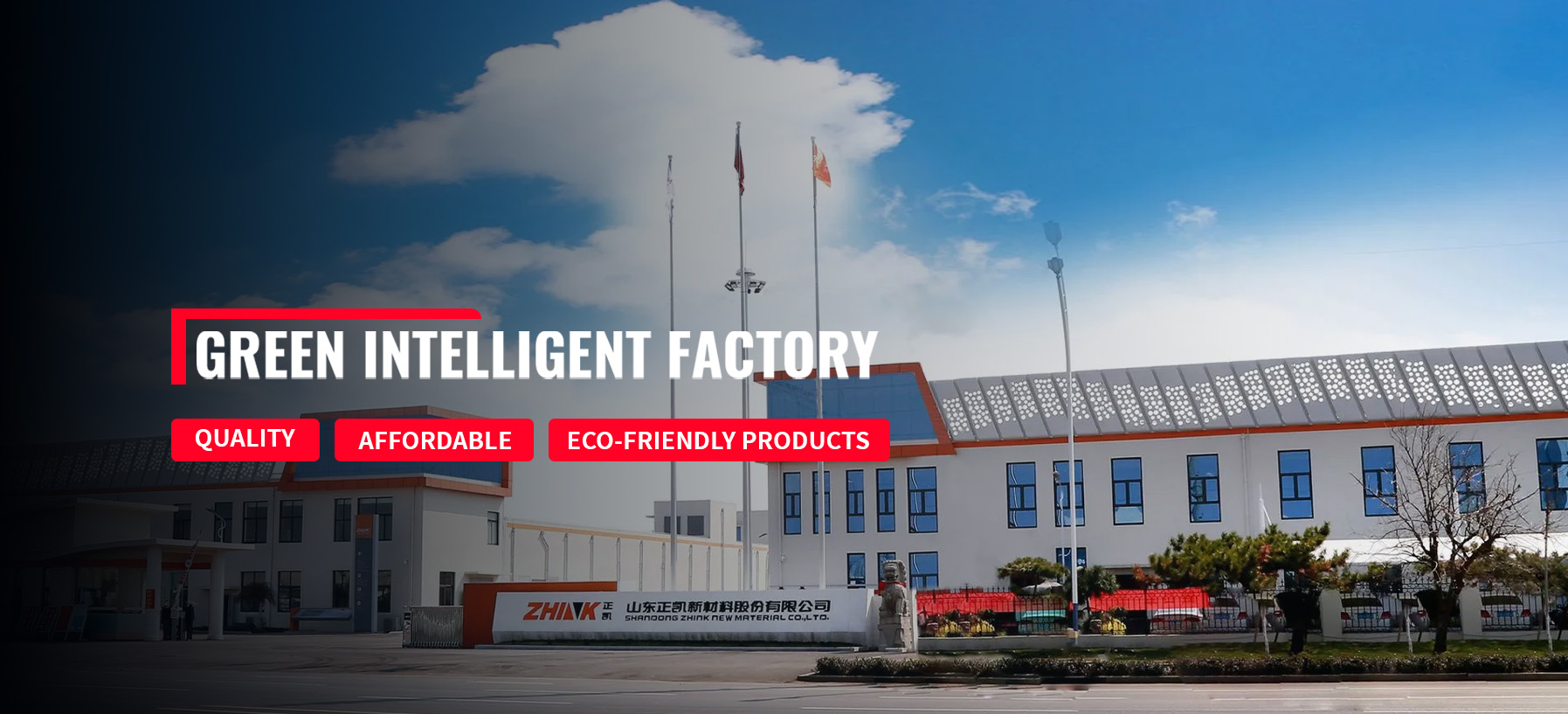
At SHANDONG ZHINK NEW MATERIAL CO., LTD, where I’ve been fortunate to visit and observe their processes (full disclosure: they have an informative page at zhinkyarn.com), they emphasize research and development. This is crucial in an industry where innovation is just as important as tradition.
One intriguing aspect I noticed during my visit was their focus on consistency. You need precise machinery calibrated to ensure the yarn's uniformity. Even a slight variance in the blend can alter the fabric's final texture. What struck me is how Zhink seems to marry technology with textile acumen, ensuring each batch retains its intended properties.
The process of weaving these yarns into fabric involves not only a keen eye but also responsiveness to how each material behaves under tension. It’s here that the line between artisan and engineer blurs a bit, a fascinating space to navigate.
Challenges in Application
Working with polyester viscose yarn isn’t without its challenges. A common issue I've witnessed is ‘pilling’ – those annoying little balls of fiber that appear on the surface of fabrics. It’s more prevalent in blends with a higher count of polyester, as the fibers rub against each other.
However, advanced treatments and finishing techniques have made significant strides in addressing this. At times, I've seen clients exploring alternative finishing processes that add considerable longevity to the fabric without compromising on softness.
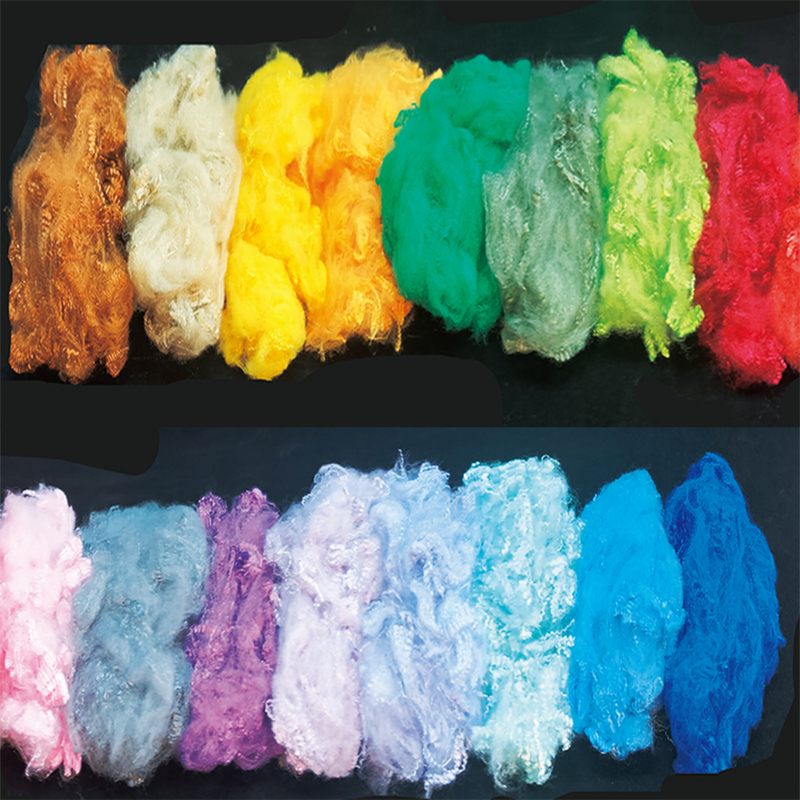
Adding to this, one must consider the dyeing process. Polyester and viscose take dyes differently, so uniformity can be a concern. Solutions? In my experience, using specific dyes that interact well with both materials can mitigate this issue, though it requires meticulous execution.
Environmental Considerations
Today's market is more eco-conscious than ever, and rightly so. Polyester, derived from petroleum, does have its downsides concerning sustainability. However, many manufacturers are now incorporating recycled polyester into their blends. This shift not only reduces the environmental footprint but also appeals to a more environmentally aware consumer base.
Viscose, often extracted from wood pulp, raises its own set of environmental questions. Sustainable sourcing is crucial here. Zhink’s dedication to innovation includes exploring environmentally friendly methods, which is partly why they capture interest in the industry. Details on their initiatives are thoughtfully explained on their official website.
As consumers become savvier, transparency in the production process is increasingly important. The onus is on manufacturers to keep pace with these demands while continuing to deliver quality products.
End Uses and Market Trends
For those of us who’ve been monitoring market trends, one notable shift is the increasing demand for blends that can perform across multiple functions. Polyester viscose yarn finds its niche here; from formal wear to activewear, its versatility is unmatched.
One should not overlook the growing need for fabrics that can transition easily between casual and professional environments. If a textile could talk, I suspect it would speak of versatility and adaptability as its prized traits.
In conclusion, the journey with polyester viscose yarn is multifaceted. It's more than just a blend; it's a testimony to the evolution and intersection of technology and nature. While challenges persist, the outlook is optimistic with innovations transforming setbacks into opportunities for growth.
Related Products
Related Products