
+86-632-3621866
- Chinese
- French
- German
- Portuguese
- Spanish
- Russian
- Japanese
- Korean
- Arabic
- Irish
- Greek
- Turkish
- Italian
- Danish
- Romanian
- Indonesian
- Czech
- Afrikaans
- Swedish
- Polish
- Basque
- Catalan
- Esperanto
- Hindi
- Lao
- Albanian
- Amharic
- Armenian
- Azerbaijani
- Belarusian
- Bengali
- Bosnian
- Bulgarian
- Cebuano
- Chichewa
- Corsican
- Croatian
- Dutch
- Estonian
- Filipino
- Finnish
- Frisian
- Galician
- Georgian
- Gujarati
- Haitian
- Hausa
- Hawaiian
- Hebrew
- Hmong
- Hungarian
- Icelandic
- Igbo
- Javanese
- Kannada
- Kazakh
- Khmer
- Kurdish
- Kyrgyz
- Latin
- Latvian
- Lithuanian
- Luxembou..
- Macedonian
- Malagasy
- Malay
- Malayalam
- Maltese
- Maori
- Marathi
- Mongolian
- Burmese
- Nepali
- Norwegian
- Pashto
- Persian
- Punjabi
- Serbian
- Sesotho
- Sinhala
- Slovak
- Slovenian
- Somali
- Samoan
- Scots Gaelic
- Shona
- Sindhi
- Sundanese
- Swahili
- Tajik
- Tamil
- Telugu
- Thai
- Ukrainian
- Urdu
- Uzbek
- Vietnamese
- Welsh
- Xhosa
- Yiddish
- Yoruba
- Zulu
- Kinyarwanda
- Tatar
- Oriya
- Turkmen
- Uyghur


polyester yarn price
Understanding the Fluctuations in Polyester Yarn Prices
The polyester yarn market is a dynamic entity, constantly influenced by various factors that affect its pricing. Grasping the nuances of these fluctuations is crucial for anyone involved in the textile industry. This analysis sheds light on the key elements impacting the polyester yarn price, offering insights especially valuable for manufacturers, retailers, and textile enthusiasts.
The Global Market Dynamics
When discussing polyester yarn price, one must first consider the global market dynamics. Polyester, a synthetic fiber, relies heavily on crude oil as a raw material. Therefore, shifts in oil prices directly reflect on yarn prices. For instance, when oil prices see an upswing due to geopolitical tensions or changes in production quotas, the cost of producing polyester increases, leading to higher yarn prices.
Interestingly, the market also sees price adjustments based on demand fluctuations from major textile-producing countries. An unexpected spike in demand from countries like China, for instance, sends ripples through the entire supply chain, impacting prices worldwide. This is something we experienced firsthand while working on a supply deal, only to revise our budget due to unforeseen market shifts.
Another vital aspect is the economic policies of polyester-producing nations. Subsidies, tariffs, and trade agreements can all alter price structures. It's almost an art to predict these changes and adjust procurement strategies accordingly.
Production Challenges and Cost Implications
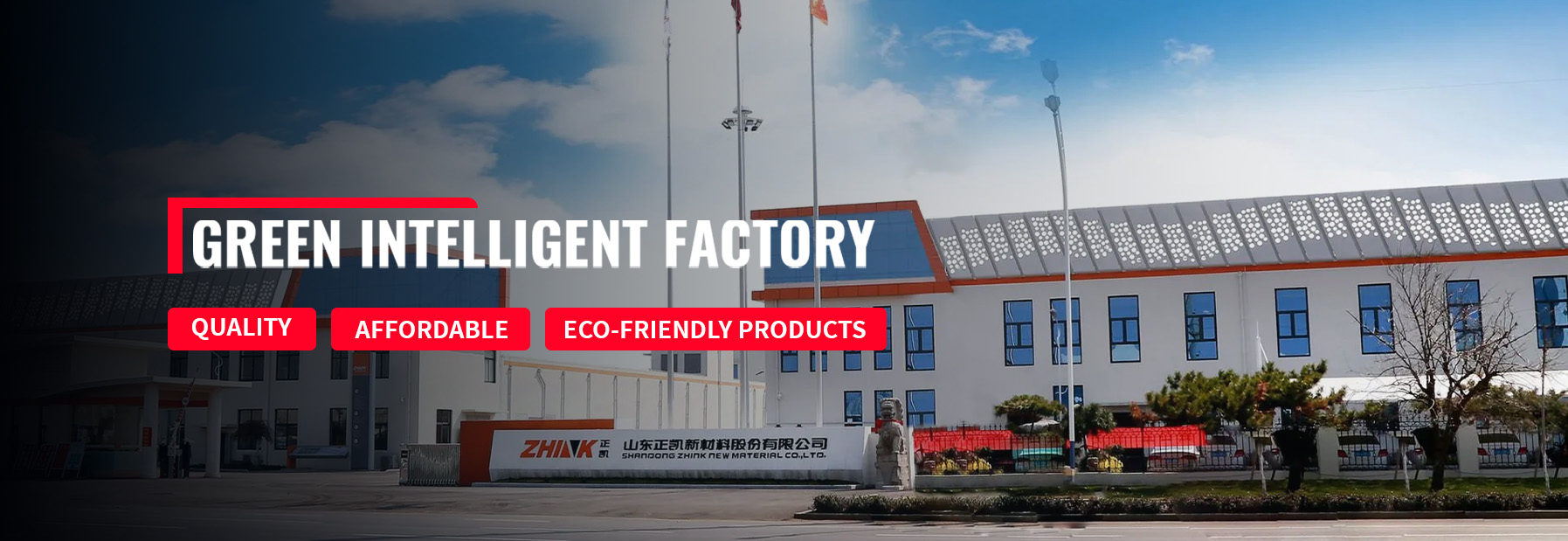
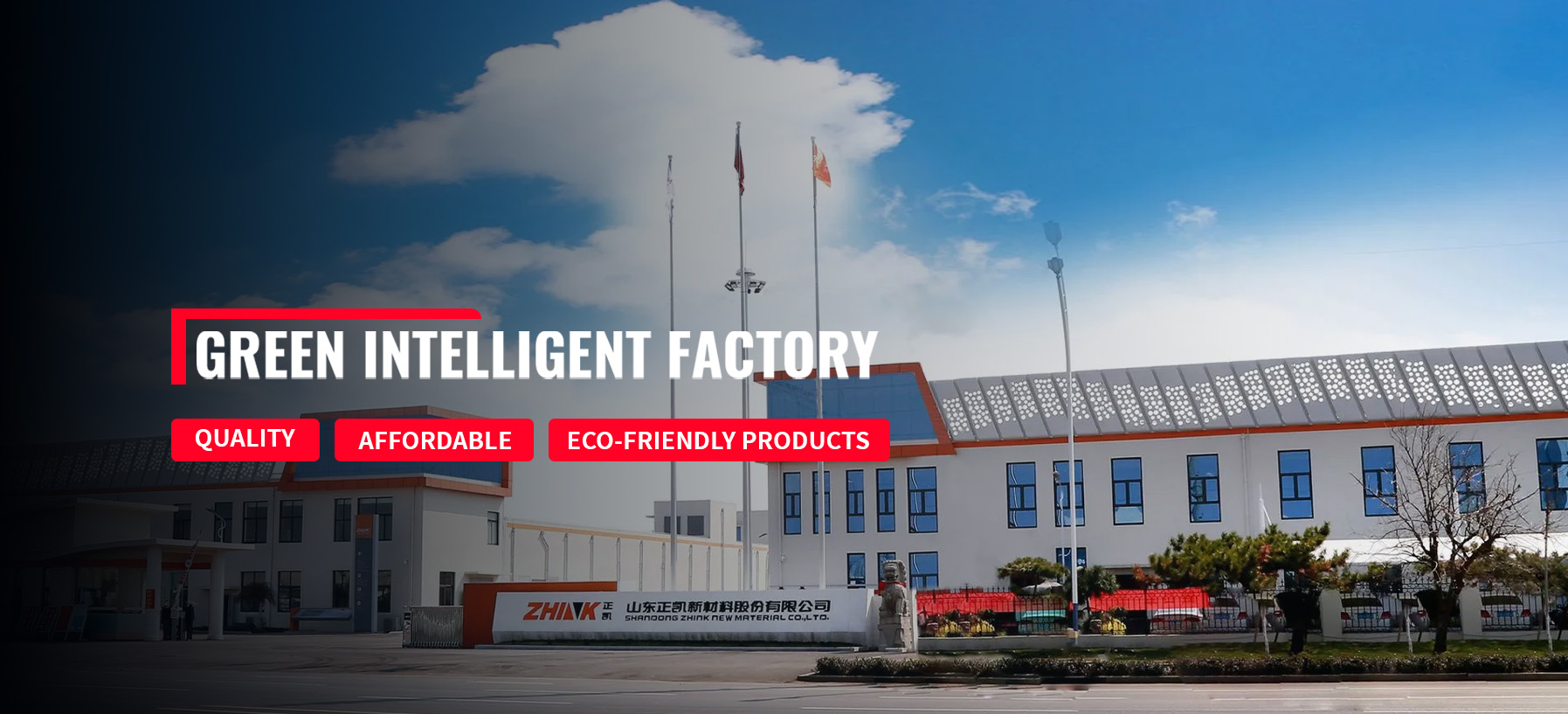
In my experience, production costs are a significant factor in determining the polyester yarn price. The manufacturing process itself is energy-intensive, relying on constant advancements in technology to remain cost-effective. Companies like SHANDONG ZHINK NEW MATERIAL CO., LTD have made strides in optimizing production to manage these costs, which helps in stabilizing prices for end consumers. Their website, Zhink Yarn, offers more insights into their efforts in research and development.
Quality control is another crucial area that can't be ignored. Maintaining high-quality production while keeping costs in check is a delicate balance. In one instance, a minor overlook in quality standards at a plant led to increased wastage, driving up costs which ultimately affected pricing.
Environmental regulations also play a role. As global standards become stricter, complying with these regulations often requires expensive upgrades in production facilities. These costs inevitably trickle down to the price of the final product.
Seasonal Trends and Their Impact
Seasonal trends can often create unexpected shifts in the polyester yarn price. For example, the textile industry sees a seasonal uptick in demand during festival seasons or major fashion weeks, which can lead to temporary price hikes.
Interestingly, climatic conditions can affect production schedules, particularly in regions prone to extreme weather. Just last year, an unexpected monsoon disrupted shipping schedules, impacting supply chains and ultimately altering pricing structures.
Understanding these trends provides a strategic advantage, allowing manufacturers to align their production schedules and inventory management with these cycles, thus mitigating unnecessary cost surges.
Technological Advancements
Technological advancements in yarn production can bring about substantial changes in pricing. Companies that invest in cutting-edge technology often create efficiencies that lower production costs, reflected in competitive pricing models.
For instance, automation in spinning processes has significantly reduced labor costs, which previously made up a sizable portion of the production expenses. This was evident during a visit to a modern manufacturing plant where fully automated machinery was streamlining operations.
By reducing waste and increasing production speed, technology not only enhances efficiency but also fosters environmental sustainability, a selling point that more consumers are willing to pay a premium for, balancing out lower production costs.
Market Predictions and Strategies
Predicting future trends in polyester yarn pricing involves a mosaic of variables. It's not always a straightforward calculation but rather an educated guesswork, combining current data with historical trends. This is where experience in the field becomes invaluable.
Strategies to navigate these pricing fluctuations include flexible contract negotiations and diversifying sourcing options. SHANDONG ZHINK NEW MATERIAL CO., LTD, with their detailed market insights available on their website, provides practical solutions and guidance in this domain.
Ultimately, while one cannot entirely shield against unexpected market changes, having a robust strategy and keeping abreast of the latest industry developments can make all the difference in managing costs effectively and ensuring sustained profitability.
Related Products
Related Products
Best Selling Products
Best Selling Products


Related Search
Related Search- Seedling green polyester fiber
- polyester/modal siro compact yarn
- 30/2 Recycled polyester yarn
- 100 polyester yarn
- Bamboo blended yarn for weaving
- Recycled polyester/bamboo ring spun yarn
- 60 cotton 40 acrylic yarn
- polyester/Combed cotton vortex yarn
- Silk blended yarn for knitting
- Cationic polyester/ viscose 65/35 yarn