+86-632-3621866
- Chinese
- French
- German
- Portuguese
- Spanish
- Russian
- Japanese
- Korean
- Arabic
- Irish
- Greek
- Turkish
- Italian
- Danish
- Romanian
- Indonesian
- Czech
- Afrikaans
- Swedish
- Polish
- Basque
- Catalan
- Esperanto
- Hindi
- Lao
- Albanian
- Amharic
- Armenian
- Azerbaijani
- Belarusian
- Bengali
- Bosnian
- Bulgarian
- Cebuano
- Chichewa
- Corsican
- Croatian
- Dutch
- Estonian
- Filipino
- Finnish
- Frisian
- Galician
- Georgian
- Gujarati
- Haitian
- Hausa
- Hawaiian
- Hebrew
- Hmong
- Hungarian
- Icelandic
- Igbo
- Javanese
- Kannada
- Kazakh
- Khmer
- Kurdish
- Kyrgyz
- Latin
- Latvian
- Lithuanian
- Luxembou..
- Macedonian
- Malagasy
- Malay
- Malayalam
- Maltese
- Maori
- Marathi
- Mongolian
- Burmese
- Nepali
- Norwegian
- Pashto
- Persian
- Punjabi
- Serbian
- Sesotho
- Sinhala
- Slovak
- Slovenian
- Somali
- Samoan
- Scots Gaelic
- Shona
- Sindhi
- Sundanese
- Swahili
- Tajik
- Tamil
- Telugu
- Thai
- Ukrainian
- Urdu
- Uzbek
- Vietnamese
- Welsh
- Xhosa
- Yiddish
- Yoruba
- Zulu
- Kinyarwanda
- Tatar
- Oriya
- Turkmen
- Uyghur



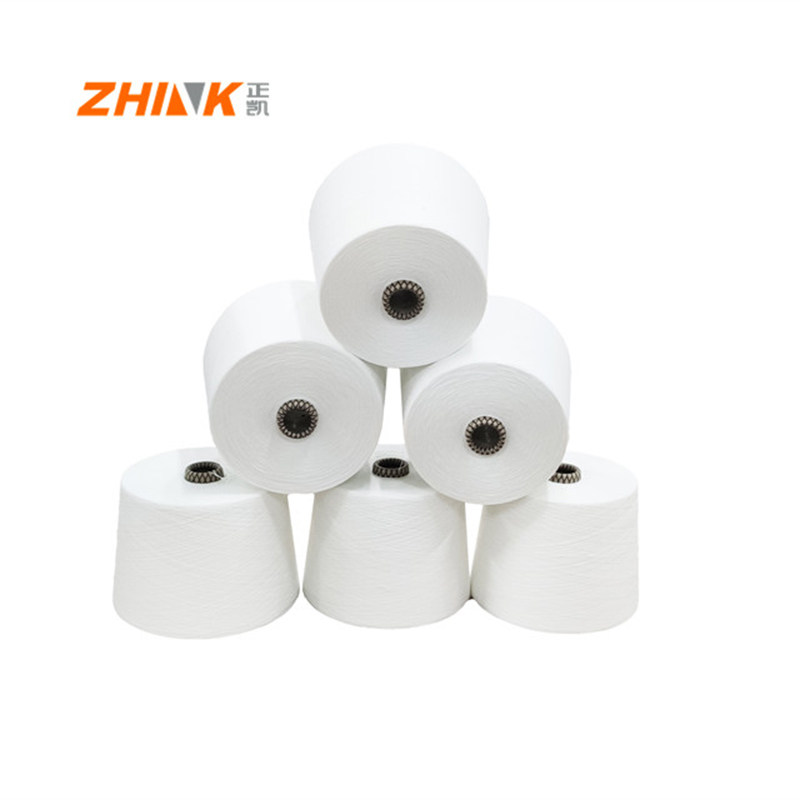
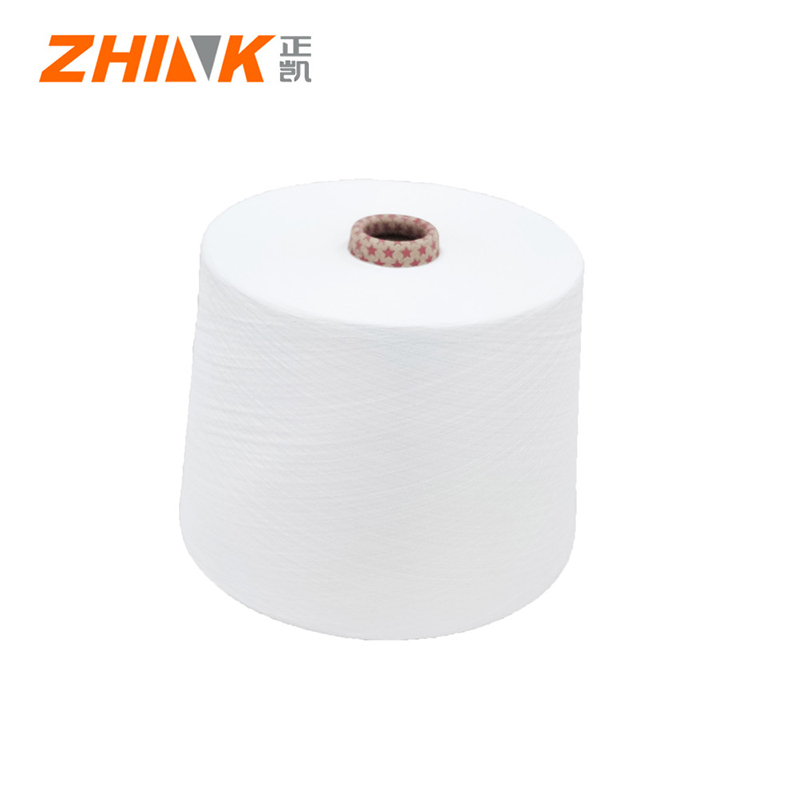
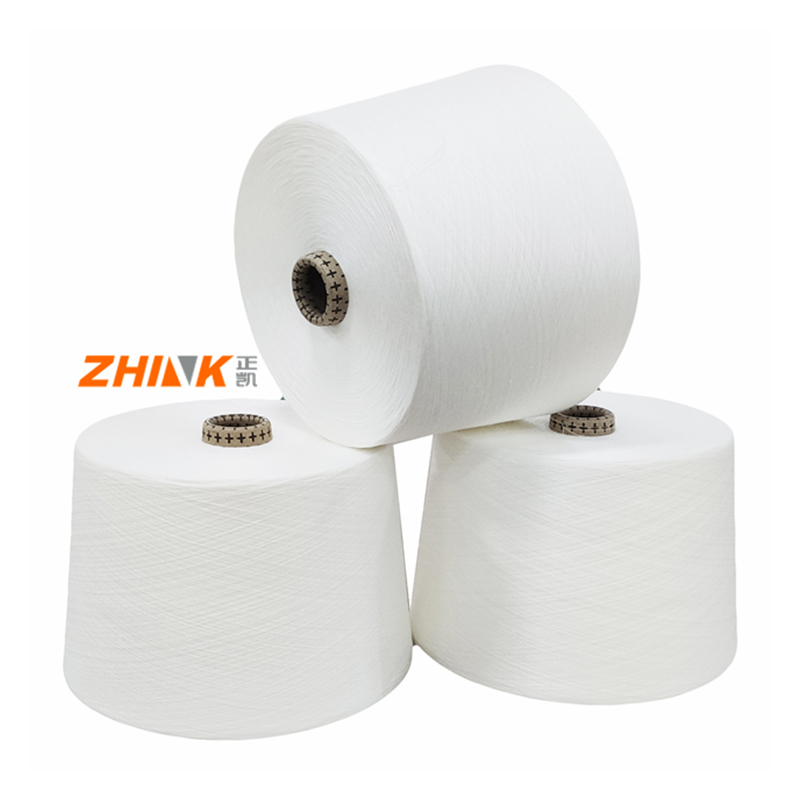
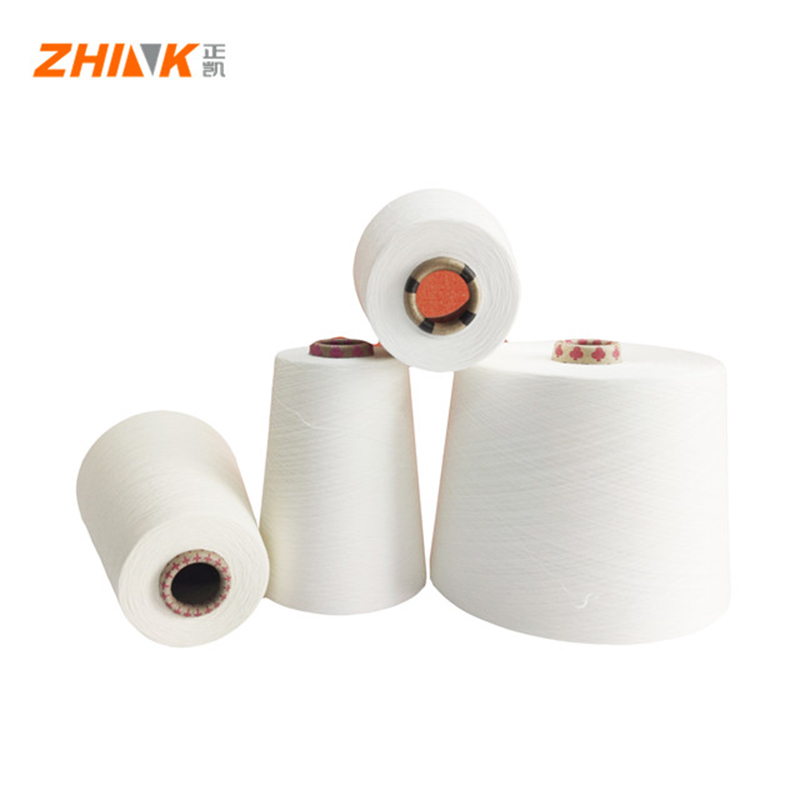
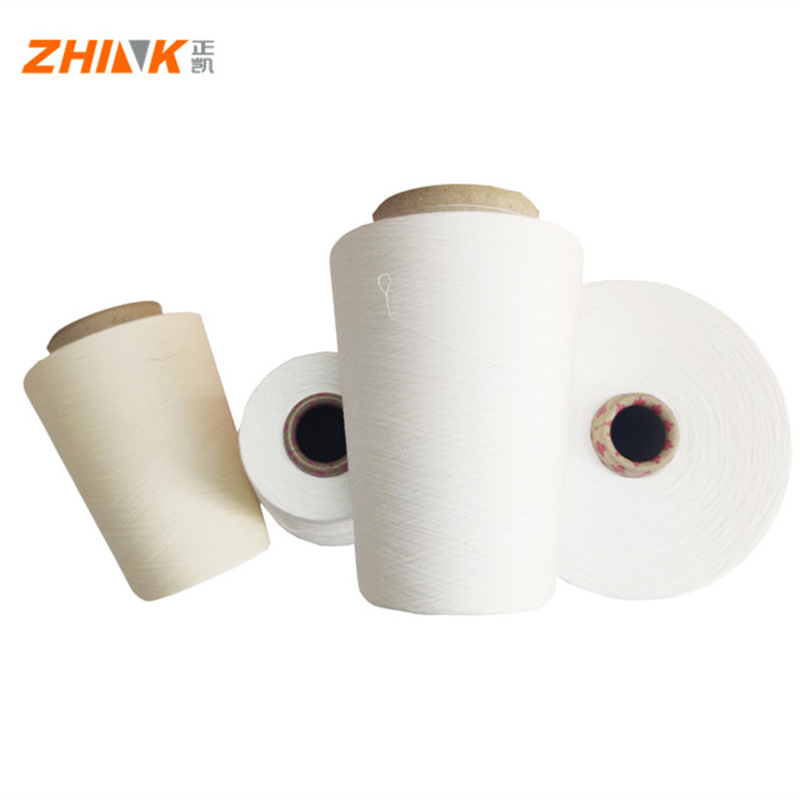
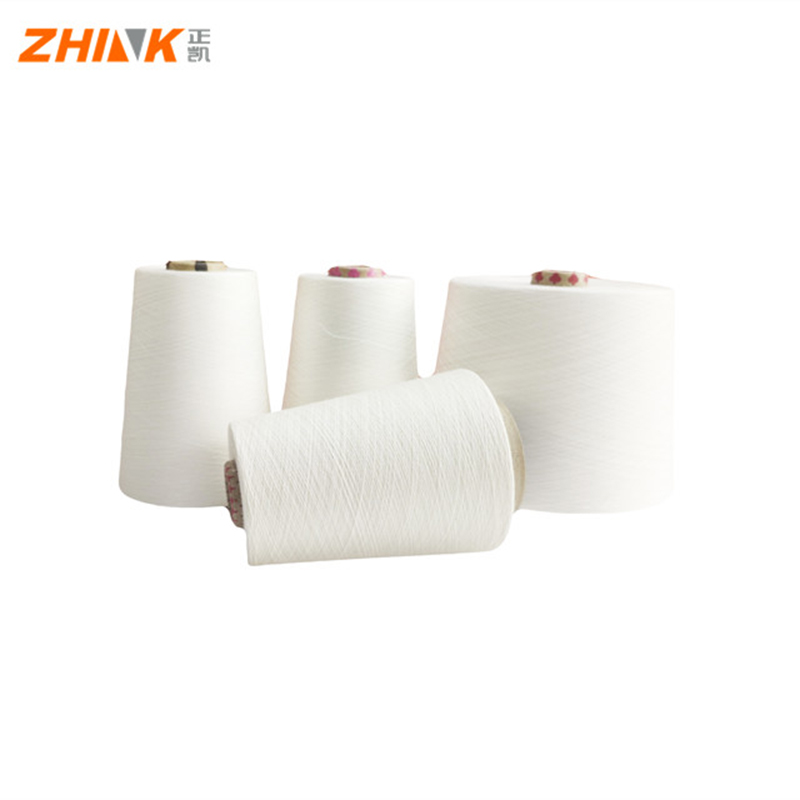
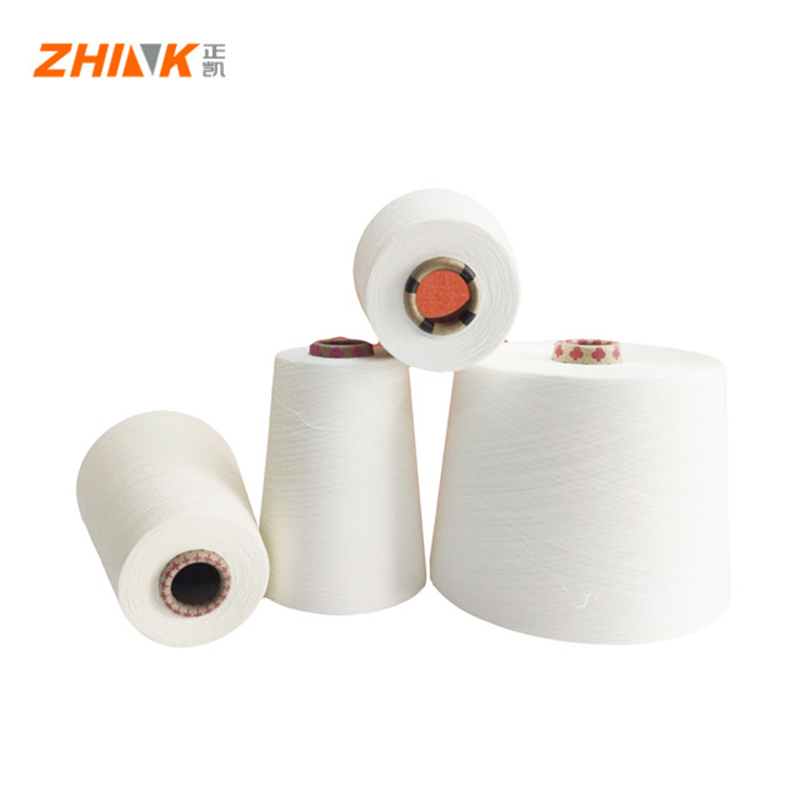
pure acrylic yarn
The Essentials of Pure Acrylic Yarn
In the world of textiles, pure acrylic yarn often comes up as an attractive alternative to natural fibers. But what does “pure” mean in this context? It's a term easily tossed around, yet few truly grasp its significance. Understanding this can be the difference between an enduring, high-quality project and one that disappoints. In this article, we'll delve into the characteristics, benefits, and challenges of working with this versatile material, bringing insights from years of hands-on experience.
Understanding Pure Acrylic Yarn
First off, let’s address a common misperception: acrylic yarn is not inherently inferior to its natural counterparts. In fact, the synthetic nature of acrylic provides some distinct advantages. It’s lightweight, durable, and resists shrinking and fading. One particularly strong point is its affordability, compared to wool or cotton, which makes it accessible for large projects or beginner practice.
From my experience, one notable property of pure acrylic yarn is its ability to mimic the soft and warm feel of wool. This wasn’t always the case; early acrylics lacked the finesse found in today’s products. However, advancements led by companies like SHANDONG ZHINK NEW MATERIAL CO., LTD, which you can explore on their website here, have revolutionized its feel and comfort.
It's important to remember that “pure” in this context implies 100% acrylic with no other fibers blended in. This is crucial if your project demands consistency in texture and behavior across different skeins or batches.
Benefits Over Natural Fibers
One of the standout benefits of working with pure acrylic yarn is its resistance to pests, like moths, which can devastate woolen items. I recall a particularly unfortunate incident when I stored wool sweaters without proper protection, only to find them moth-ridden months later.
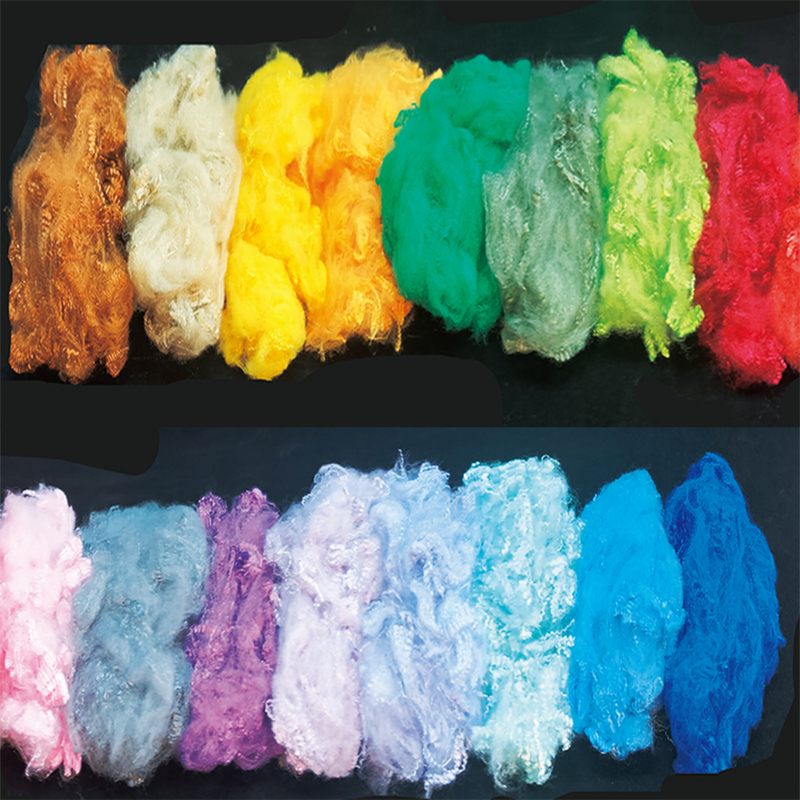
Additionally, acrylic yarns are generally hypoallergenic. This makes them a safer choice for baby clothes or for those with sensitive skin. The range of colors is another plus, thanks to acrylic’s affinity to vivid dyes, allowing for an expansive palette.
In terms of practice, acrylic's strength and resilience make it a forgiving material for beginners. It withstands frequent unraveling and reworking, which is beneficial during those learning stages.
Challenges in Using Acrylic Yarn
Of course, no material is without its downsides. A challenge with pure acrylic yarn is its lack of breathability. I’ve noticed in warmer climates, garments can be less comfortable. It’s something to consider when choosing materials for summer projects.
Moreover, while it mimics the feel of wool, it doesn't quite have the natural elasticity. This can impact the drape and fit of finished garments. From personal projects, I've learned to be cautious about tension and gauge when working with acrylic.
Another issue arises during blocking. Acrylic doesn't respond to traditional methods used for wool, requiring steam blocking for any kind of shaping. If you’re used to pinning and wet blocking, this might require a shift in technique.
Sourcing Quality Acrylic Yarn
Not all acrylic yarns are created equal, which is why sourcing is crucial. I’ve had varied experiences, but companies like SHANDONG ZHINK NEW MATERIAL CO., LTD have consistently delivered quality. Their focus on R&D ensures that their yarn maintains uniform thickness and texture, crucial for seamless projects.
When seeking a supplier, reviews and sample testing are your best friends. I once bulk-ordered from an unknown, budget-friendly source, only to face irregular thickness across skeins. You can avoid this by vetting well-established companies who stand by their products.
Online resources such as Zhink’s website provide clear specifications and customer support, which can guide you towards making informed choices.
Practical Applications and Personal Insights
Using pure acrylic yarn isn’t confined to large-scale projects. It's excellent for smaller, intricate pieces too. I often use it for seasonal decor or accent pieces, taking advantage of its vibrant colors and durability.
That being said, the ease of care stands out as a significant advantage. Machine-washable and quick-drying, it fits well into a busy lifestyle. I've gifted sweaters and throws made of acrylic, specifically noting the convenience in their upkeep, which has always been appreciated.
Ultimately, your relationship with acrylic yarn—its quirks and strengths—develops over time. It's about exploring, experimenting, and occasionally reevaluating preconceived notions. Through trial and error, and tapping into resources like those provided by SHANDONG ZHINK NEW MATERIAL CO., LTD, you’ll find what works best for you.
Related Products
Related Products