+86-632-3621866
- Chinese
- French
- German
- Portuguese
- Spanish
- Russian
- Japanese
- Korean
- Arabic
- Irish
- Greek
- Turkish
- Italian
- Danish
- Romanian
- Indonesian
- Czech
- Afrikaans
- Swedish
- Polish
- Basque
- Catalan
- Esperanto
- Hindi
- Lao
- Albanian
- Amharic
- Armenian
- Azerbaijani
- Belarusian
- Bengali
- Bosnian
- Bulgarian
- Cebuano
- Chichewa
- Corsican
- Croatian
- Dutch
- Estonian
- Filipino
- Finnish
- Frisian
- Galician
- Georgian
- Gujarati
- Haitian
- Hausa
- Hawaiian
- Hebrew
- Hmong
- Hungarian
- Icelandic
- Igbo
- Javanese
- Kannada
- Kazakh
- Khmer
- Kurdish
- Kyrgyz
- Latin
- Latvian
- Lithuanian
- Luxembou..
- Macedonian
- Malagasy
- Malay
- Malayalam
- Maltese
- Maori
- Marathi
- Mongolian
- Burmese
- Nepali
- Norwegian
- Pashto
- Persian
- Punjabi
- Serbian
- Sesotho
- Sinhala
- Slovak
- Slovenian
- Somali
- Samoan
- Scots Gaelic
- Shona
- Sindhi
- Sundanese
- Swahili
- Tajik
- Tamil
- Telugu
- Thai
- Ukrainian
- Urdu
- Uzbek
- Vietnamese
- Welsh
- Xhosa
- Yiddish
- Yoruba
- Zulu
- Kinyarwanda
- Tatar
- Oriya
- Turkmen
- Uyghur


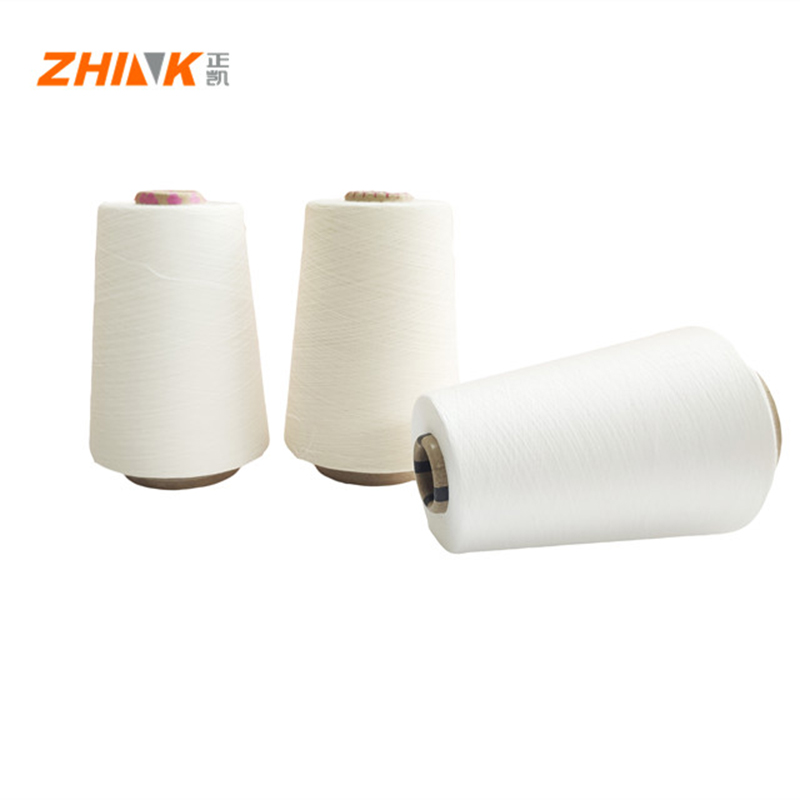
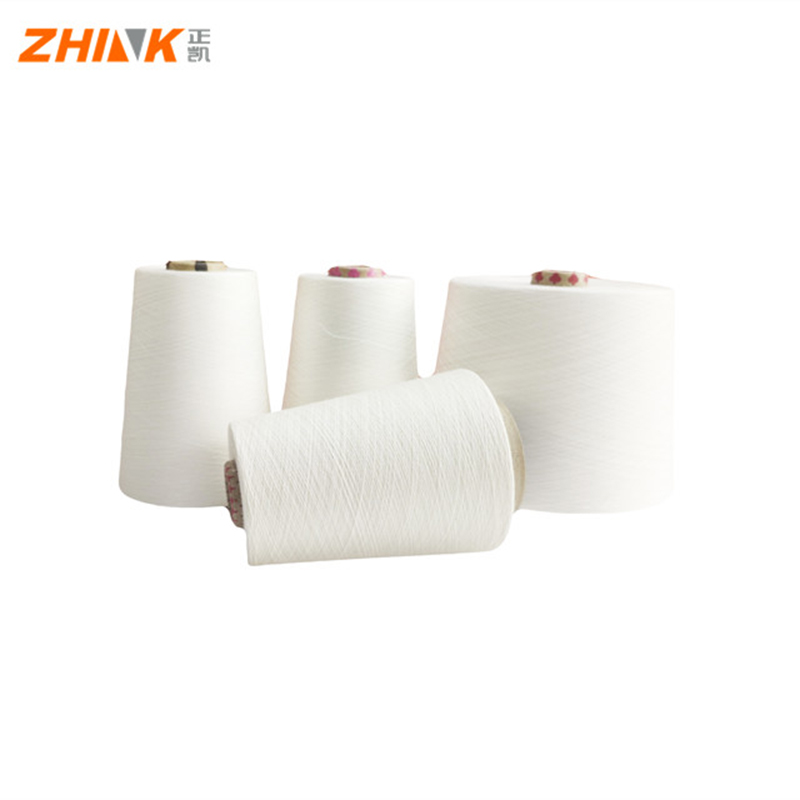
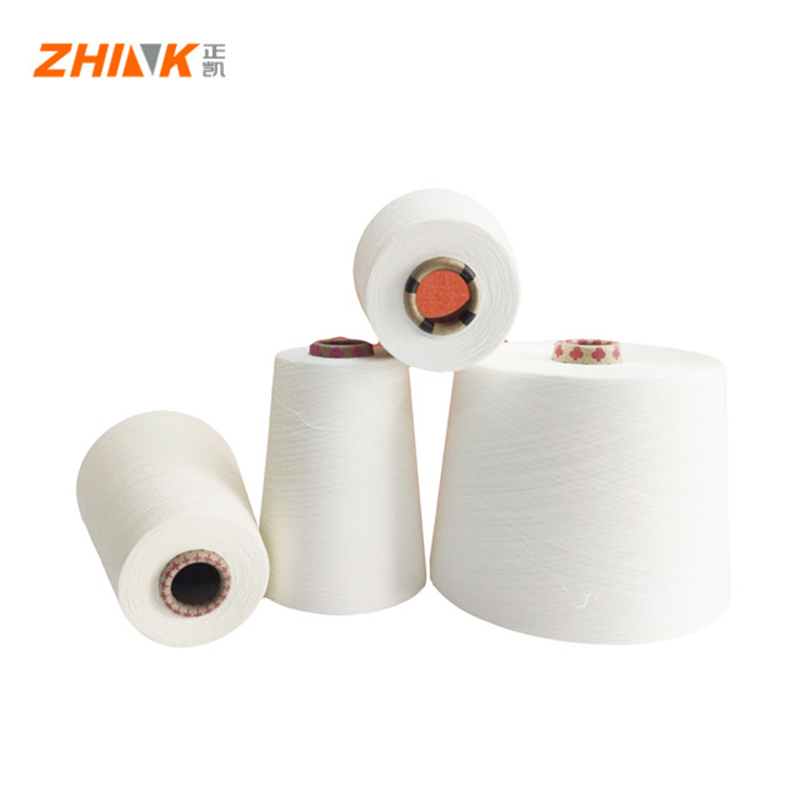
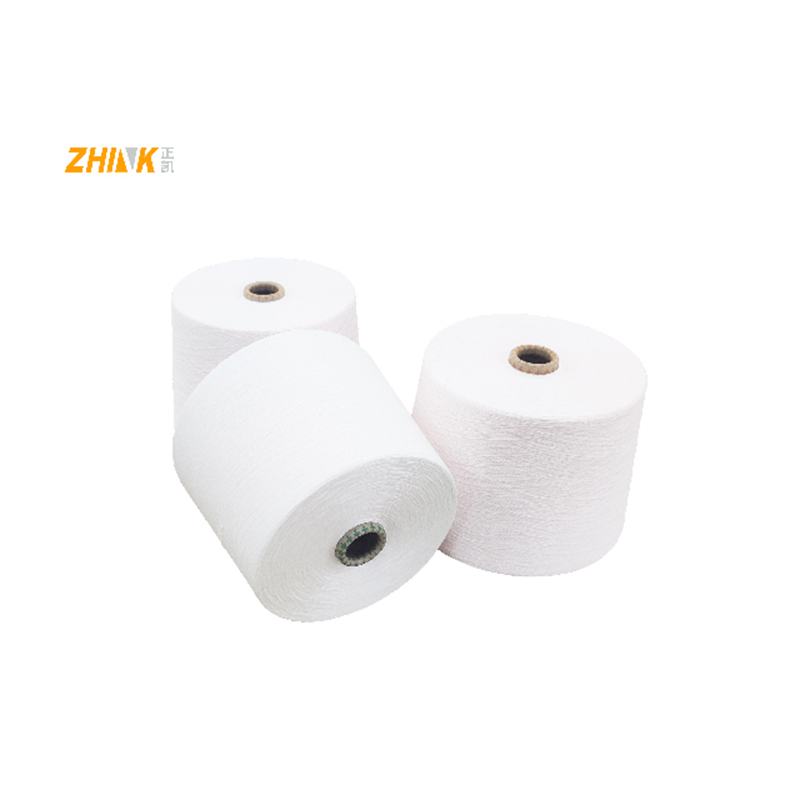
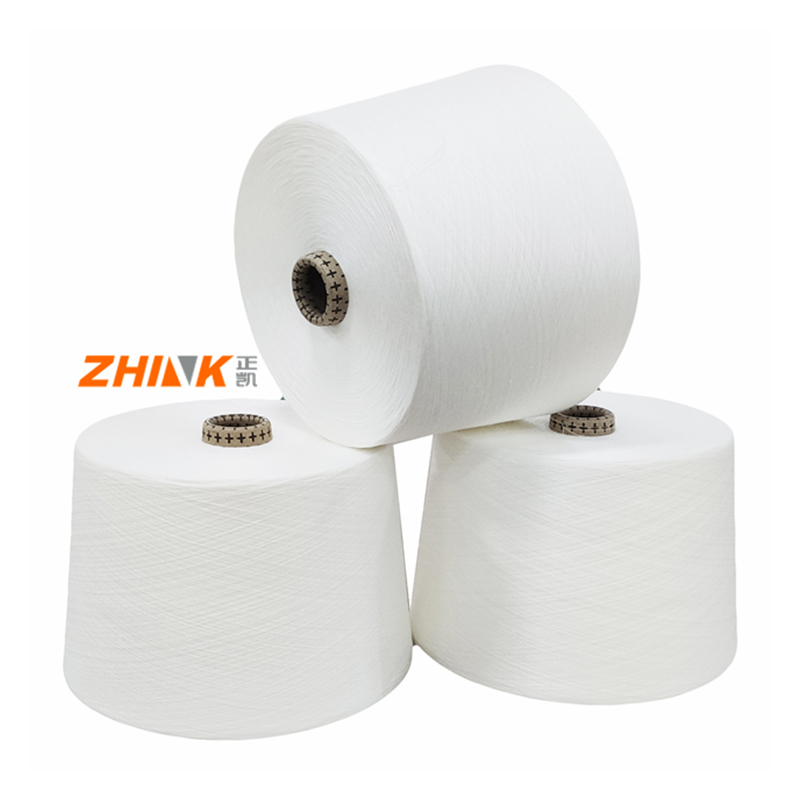
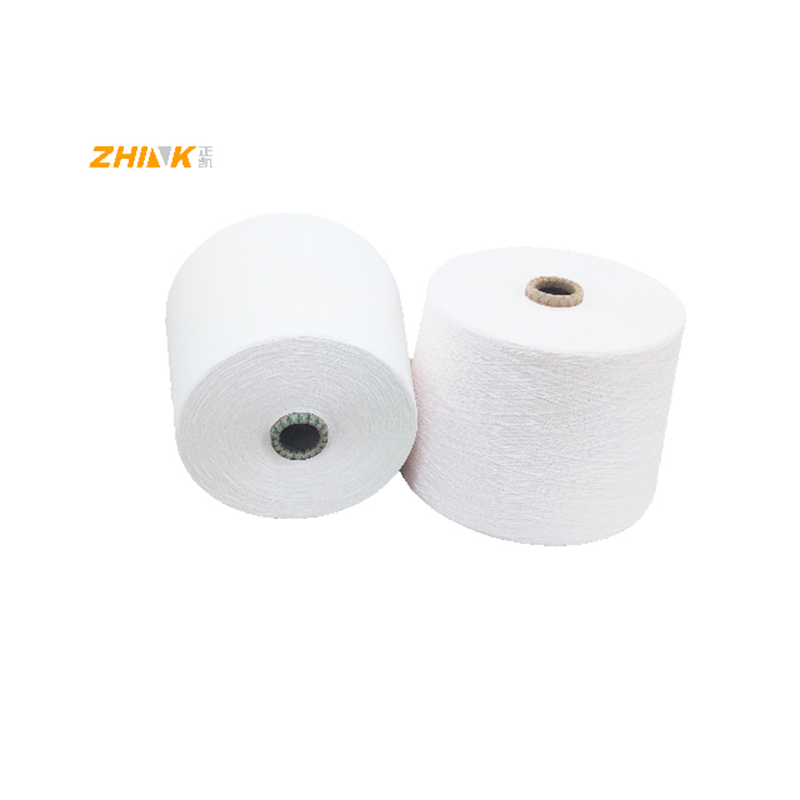
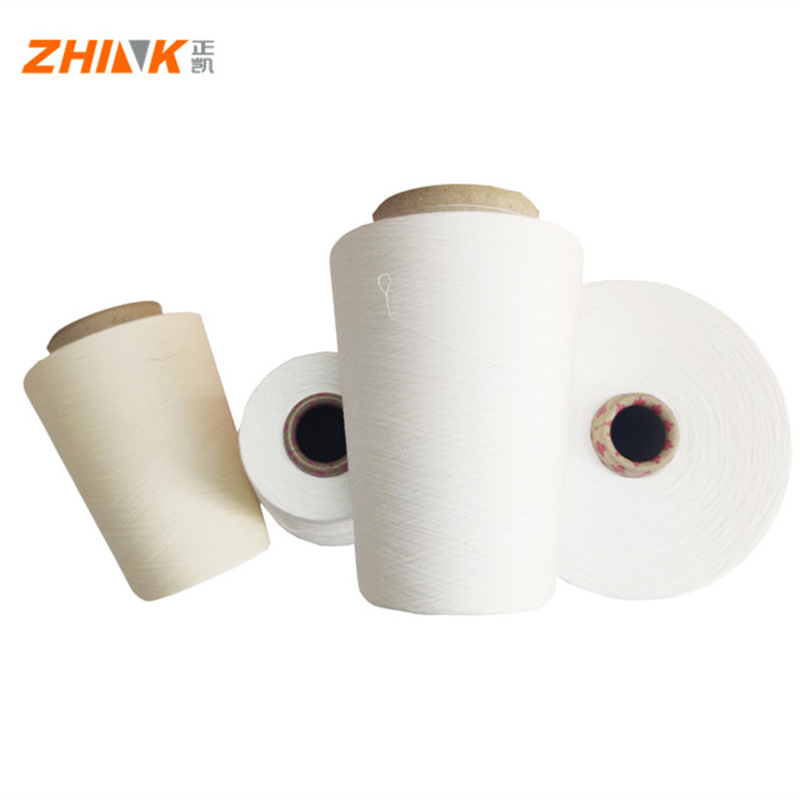
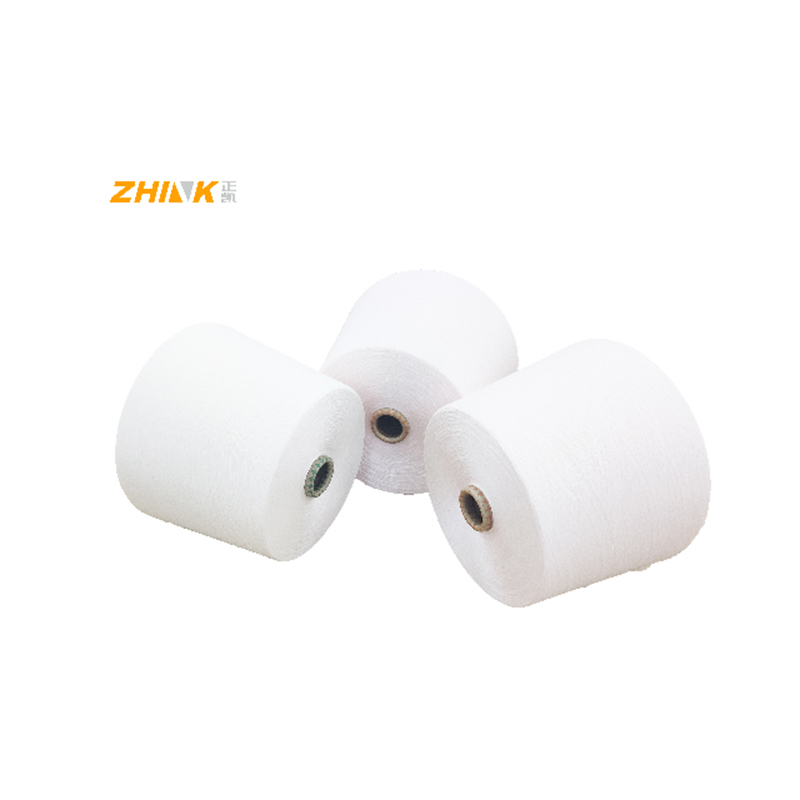
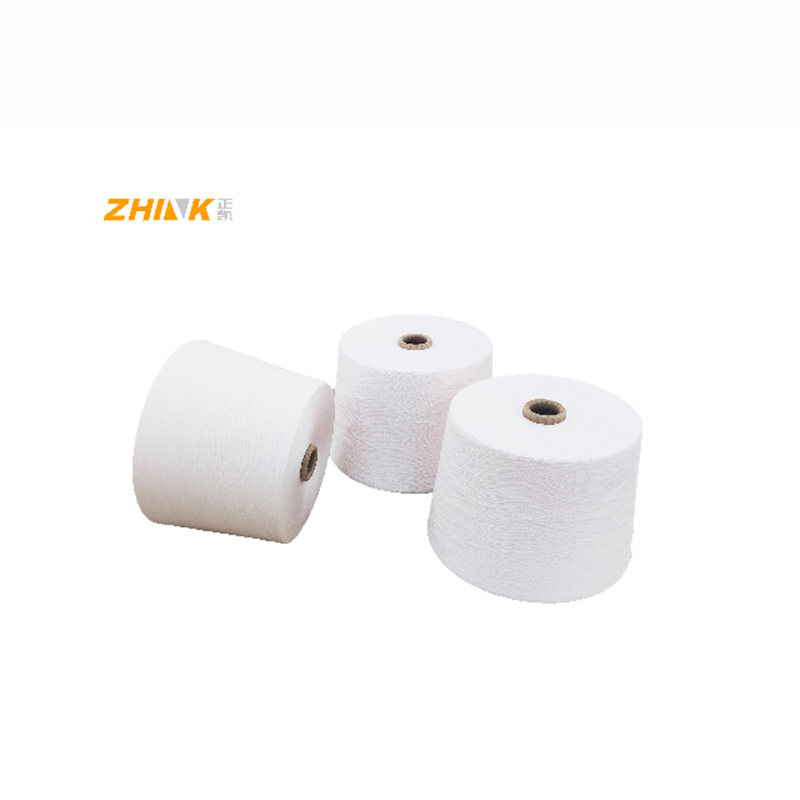
pure bamboo yarn
The Allure and Challenges of Pure Bamboo Yarn
Pure bamboo yarn is increasingly drawing attention for its eco-friendly attributes. It is praised by those in the textile industry for being sustainable and biodegradable. Yet, beneath this glowing reputation, there are practical details and challenges that might surprise even seasoned enthusiasts.
Understanding Pure Bamboo Yarn
Simply put, pure bamboo yarn is derived from the bamboo plant. Its process is intriguing—bamboo is first turned into a pulp before being spun into yarn. The result? A material that is incredibly soft, breathable, and has a natural sheen. Despite all these benefits, misconceptions abound. For instance, many believe it’s a purely natural process. However, the transformation from plant to yarn often involves chemical steps that might not be as 'green' as expected.
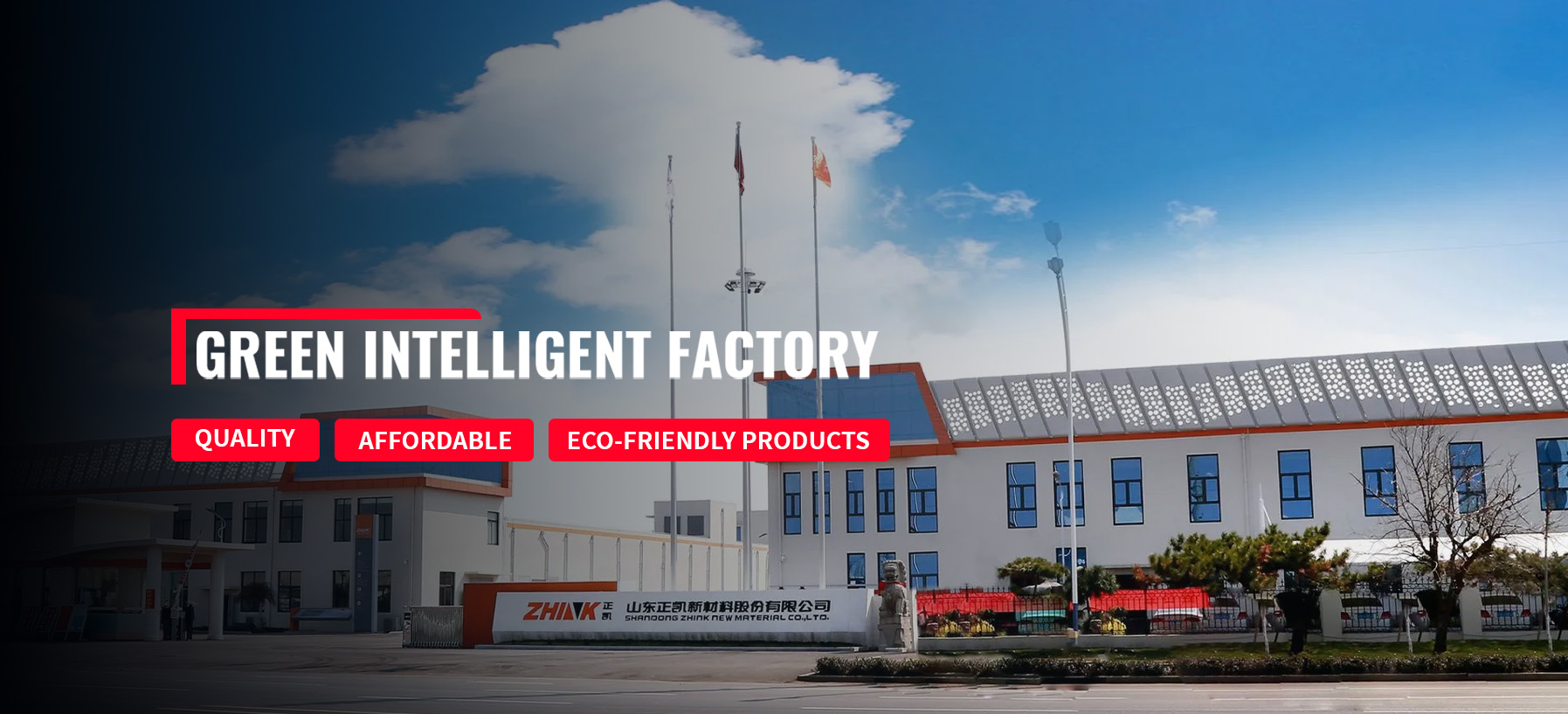
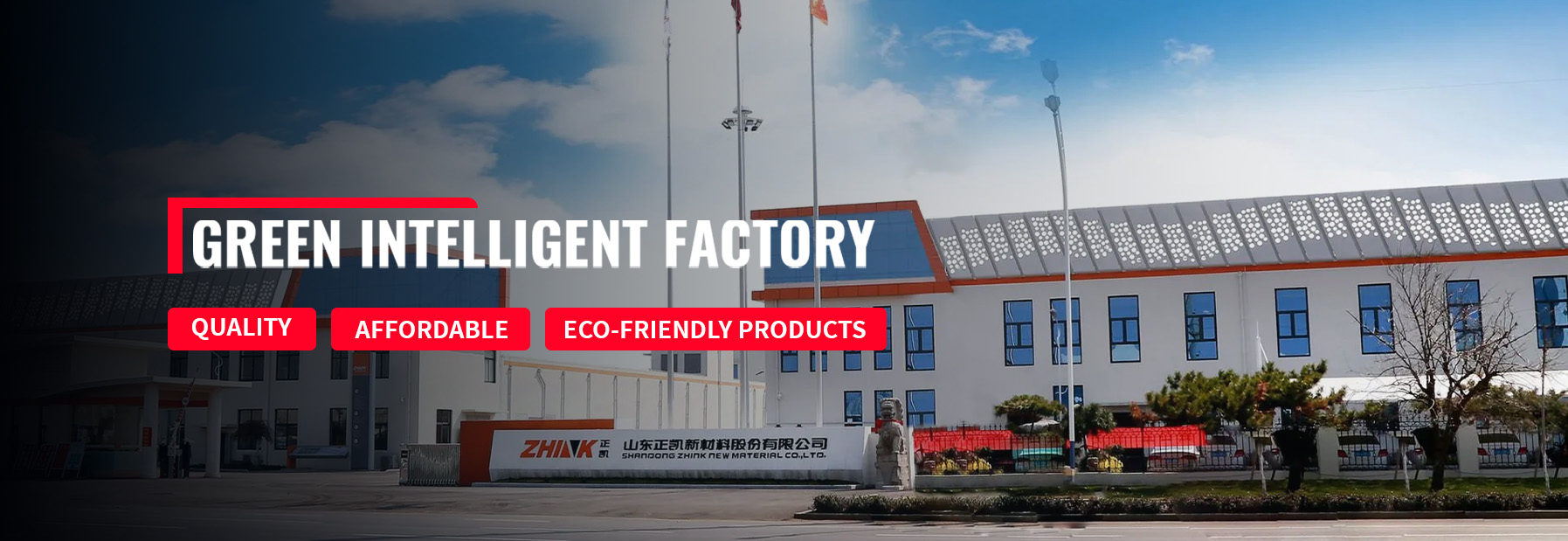
In an industry filled with innovation, SHANDONG ZHINK NEW MATERIAL CO., LTD has been at the forefront, investing efforts into minimizing the environmental impact of these processes. They aim to improve both the sustainability and quality of their yarns. Through their website, Zhink Yarn, one can explore their advancements in textile technology.
Working with bamboo isn’t without its hurdles. Sourcing the right quality of bamboo is paramount. The plant needs to be harvested at precise times, ensuring the fibers maintain their high quality. I’ve personally encountered batches that varied wildly in texture and strength due to inconsistent sourcing.
The Feel and Functionality of Bamboo Yarn
There’s no denying the tactile delight of handling pure bamboo yarn. It possesses a silk-like smoothness that has garnered favor among crafters and high-end fabric producers. But, this soft touch comes with its quirks. The yarn can be somewhat slippery, presenting challenges during the weaving or knitting stages. It requires a skillful hand to maintain tension and evenness in projects.
What’s fascinating is its ability to regulate temperature, which makes it highly sought after in clothing production. It’s cool in summer yet cozy in winter, a duality that few can match. Yet, achieving that perfect balance in a finished garment isn't always straightforward. I recall a project that required numerous iterations to avoid an overly loose or tight weave.
Zhink New Material has made headway here too. By investing in R&D, they are exploring blends that enhance the strengths of bamboo yarn while tackling its weaknesses. A visit to their site offers insights into these cutting-edge enhancements.
Sustainability in Focus
When it comes to environmental impact, bamboo tends to win over many conventional fibers. Its rapid growth and minimal pesticide requirement make it a darling of the ecological movement. However, achieving genuinely sustainable production is easier said than done. The choice of technique—from chemical treatments to energy consumption—plays a critical role.
As organizations like SHANDONG ZHINK NEW MATERIAL CO., LTD shift towards greener practices, there's an industry-wide push to be transparent about production methods. It’s a topic frequenting trade shows and industry talks—how to marry performance with sustainability. Through collaboration and innovation, the gap is narrowing, albeit not as fast as one might hope.
Practical attempts at minimizing waste without compromising quality have been mixed. Experimenting with closed-loop processes and biodegradable solutions remains central to moving forward. It's a challenge I've tackled numerous times, each with varying degrees of success.
The Market and Future Outlook
Demand for bamboo yarn continues to climb, driven by a consumer base keen on sustainable choices. However, fluctuations in supply chains and market expectations mean the journey for manufacturers is fraught with unpredictability. Price volatility can be troublesome, especially for small businesses. Planning and agile adaptation become vital.
Rising interest also invites new competitors, both small-scale artisans and larger manufacturing firms. For established entities like Zhink New Material, continual innovation and maintaining quality are key differentiators. They set a benchmark that emerging enterprises look to emulate or even exceed.
Looking ahead, the landscape seems promising. With continued focus on ethical practices and innovative approaches that marry tradition with technology, pure bamboo yarn will likely remain a staple in the textile industry. Those venturing into this field must remain adaptable, leveraging both the old wisdom and emerging techniques to navigate the ever-evolving market terrain.
Related Products
Related Products