+86-632-3621866
- Chinese
- French
- German
- Portuguese
- Spanish
- Russian
- Japanese
- Korean
- Arabic
- Irish
- Greek
- Turkish
- Italian
- Danish
- Romanian
- Indonesian
- Czech
- Afrikaans
- Swedish
- Polish
- Basque
- Catalan
- Esperanto
- Hindi
- Lao
- Albanian
- Amharic
- Armenian
- Azerbaijani
- Belarusian
- Bengali
- Bosnian
- Bulgarian
- Cebuano
- Chichewa
- Corsican
- Croatian
- Dutch
- Estonian
- Filipino
- Finnish
- Frisian
- Galician
- Georgian
- Gujarati
- Haitian
- Hausa
- Hawaiian
- Hebrew
- Hmong
- Hungarian
- Icelandic
- Igbo
- Javanese
- Kannada
- Kazakh
- Khmer
- Kurdish
- Kyrgyz
- Latin
- Latvian
- Lithuanian
- Luxembou..
- Macedonian
- Malagasy
- Malay
- Malayalam
- Maltese
- Maori
- Marathi
- Mongolian
- Burmese
- Nepali
- Norwegian
- Pashto
- Persian
- Punjabi
- Serbian
- Sesotho
- Sinhala
- Slovak
- Slovenian
- Somali
- Samoan
- Scots Gaelic
- Shona
- Sindhi
- Sundanese
- Swahili
- Tajik
- Tamil
- Telugu
- Thai
- Ukrainian
- Urdu
- Uzbek
- Vietnamese
- Welsh
- Xhosa
- Yiddish
- Yoruba
- Zulu
- Kinyarwanda
- Tatar
- Oriya
- Turkmen
- Uyghur


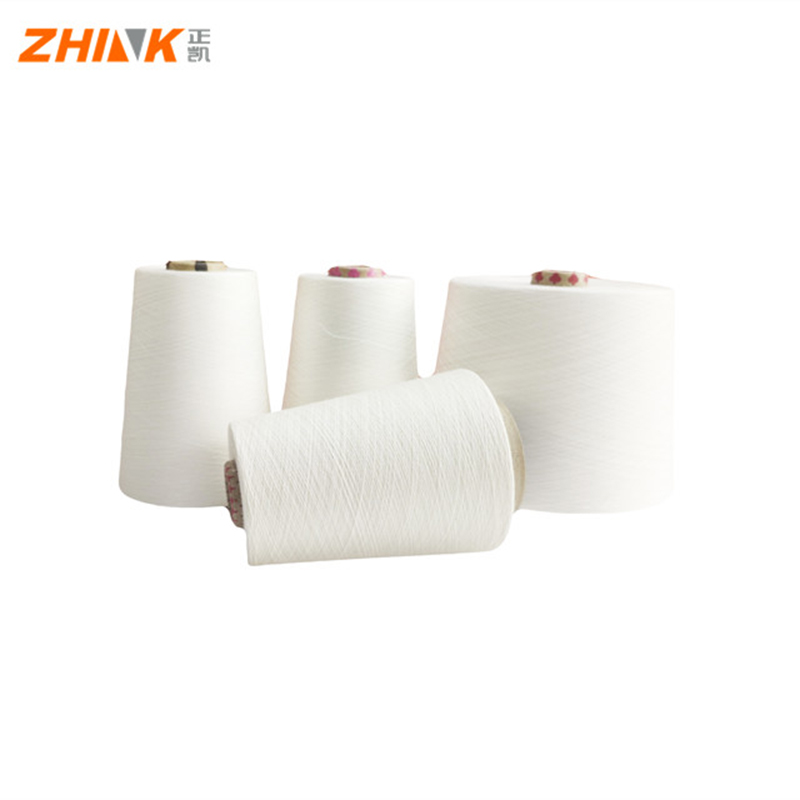
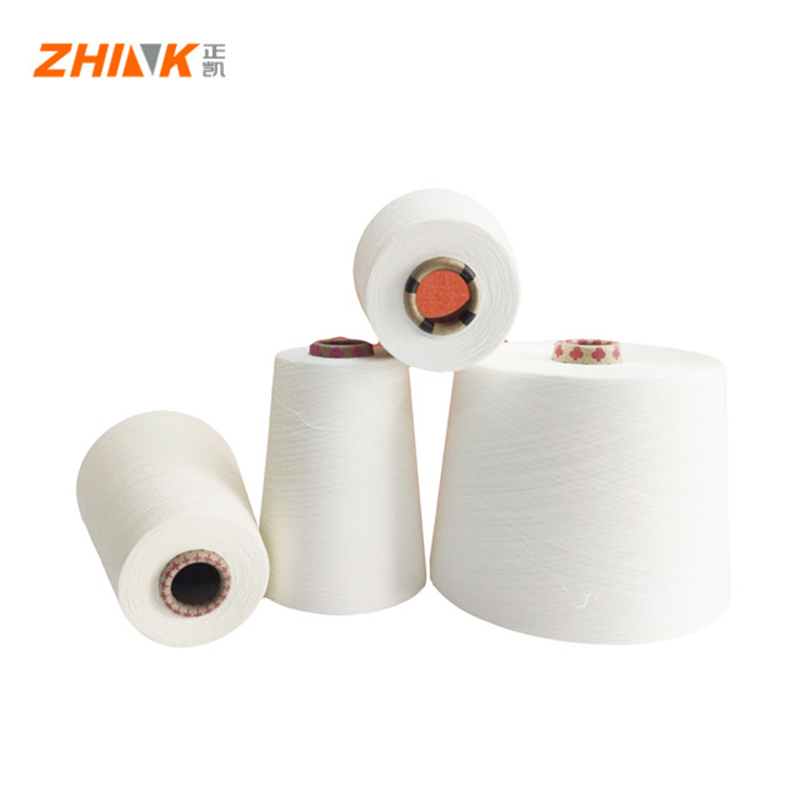
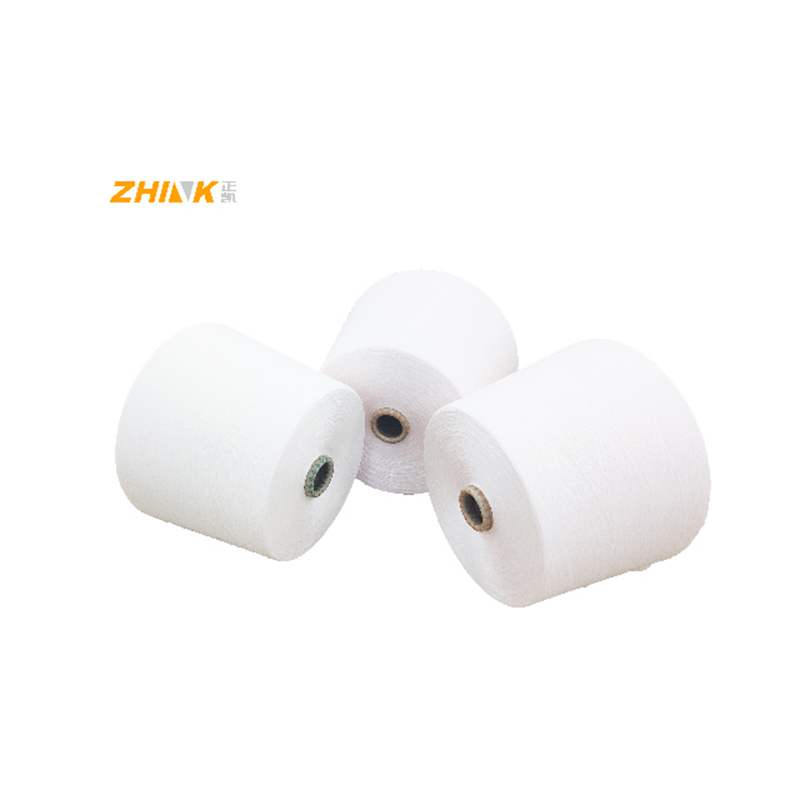
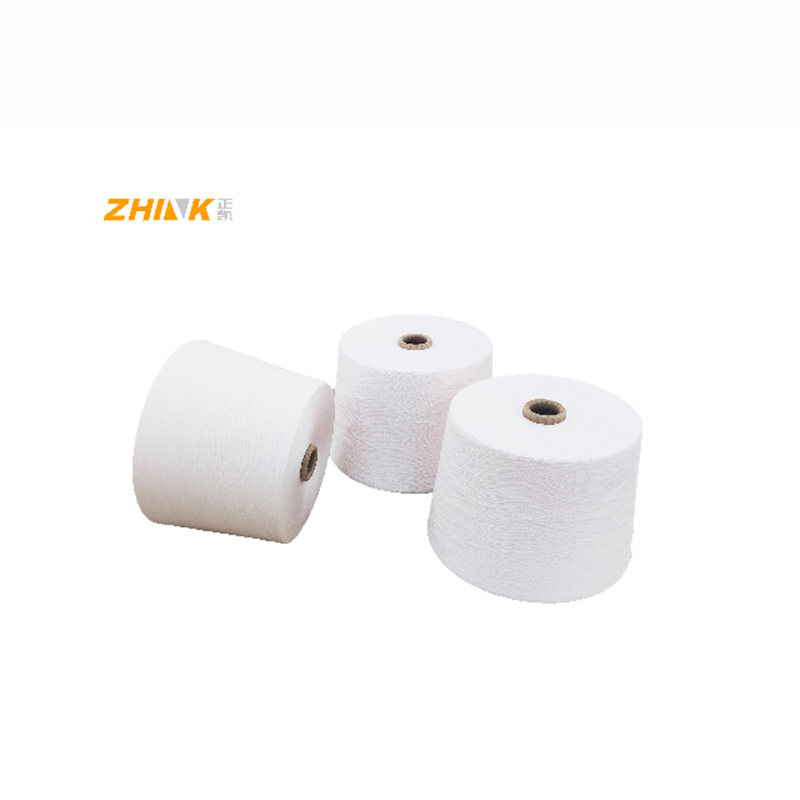
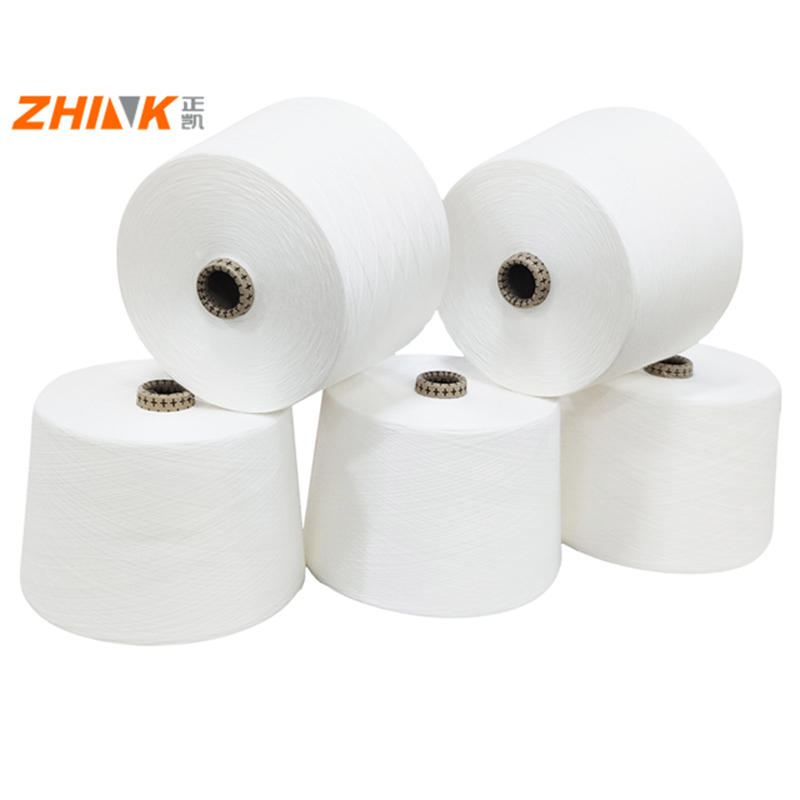
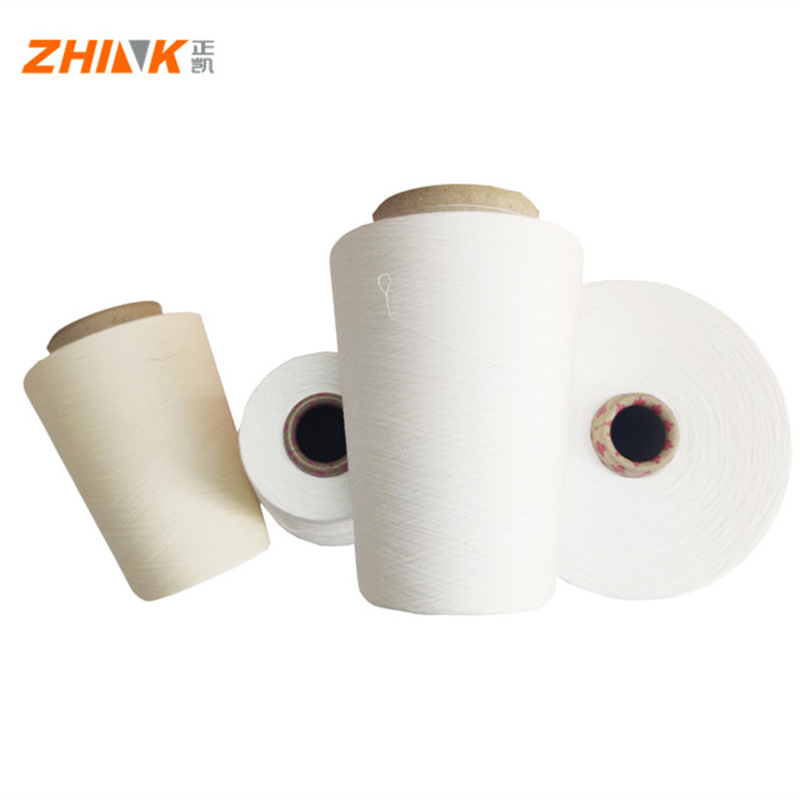
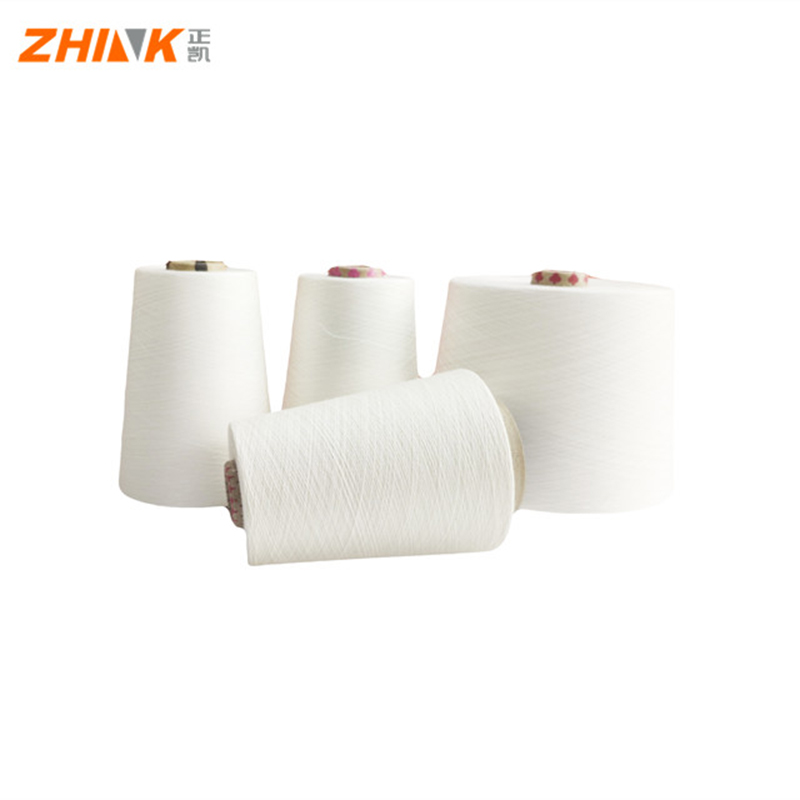
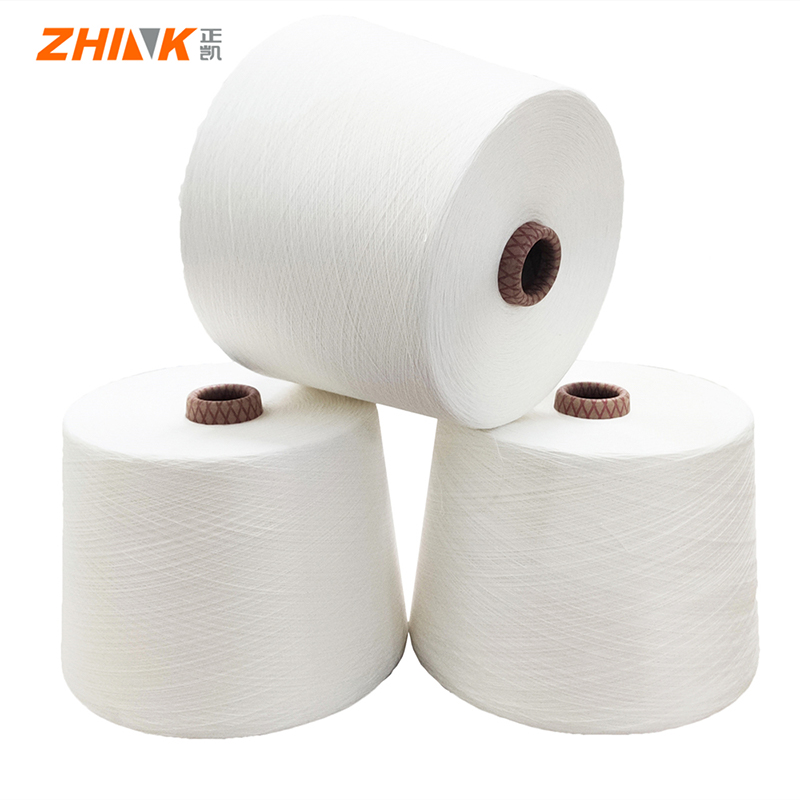
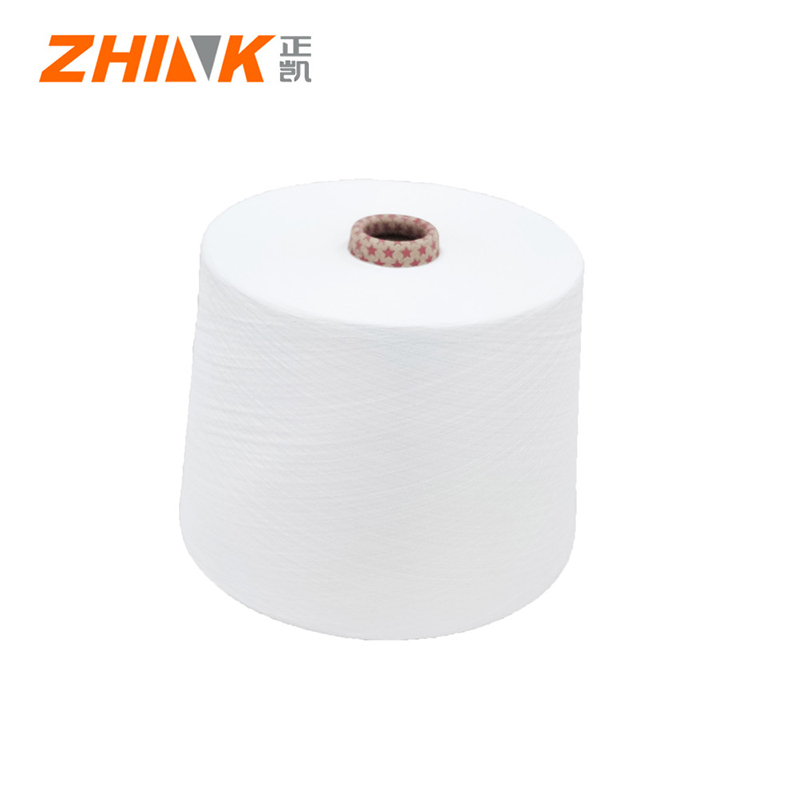
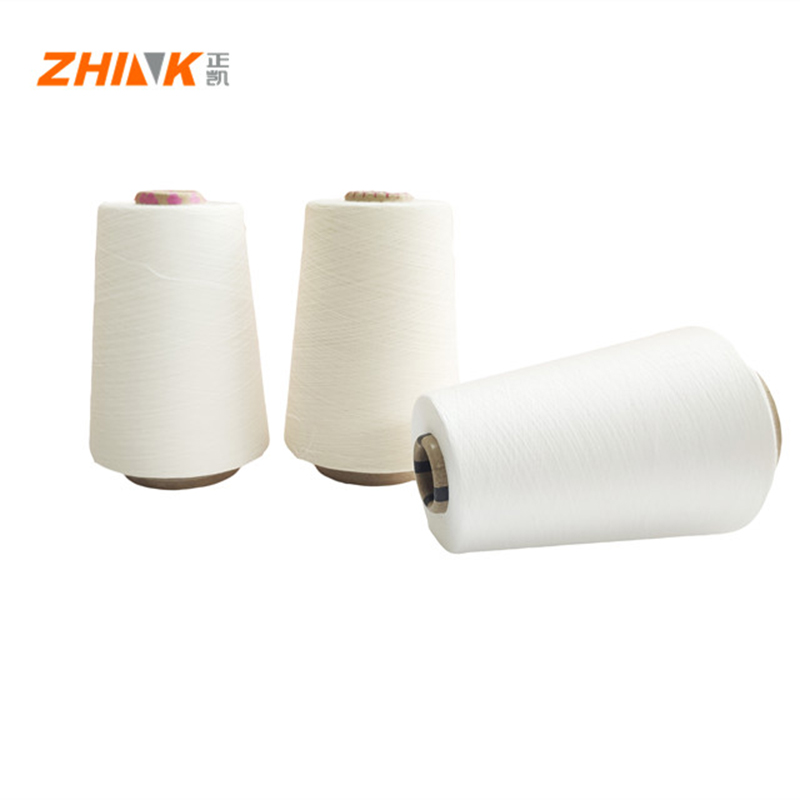
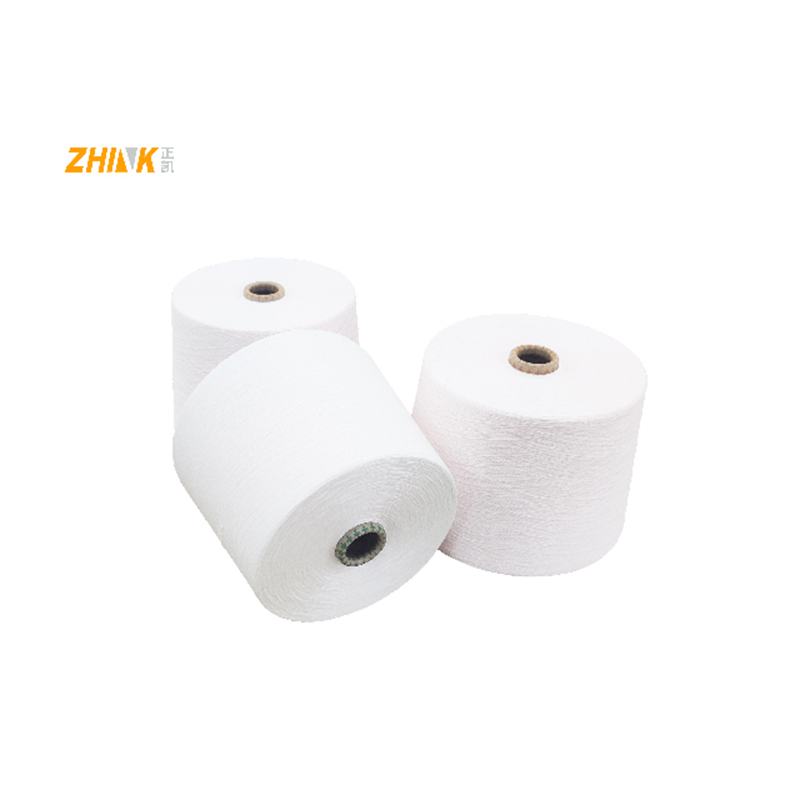
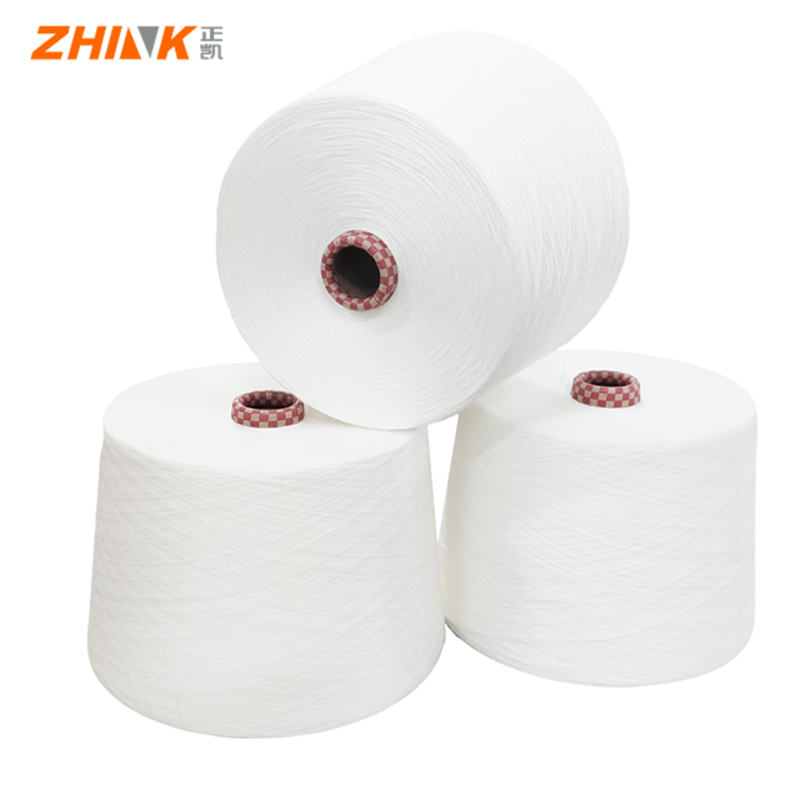
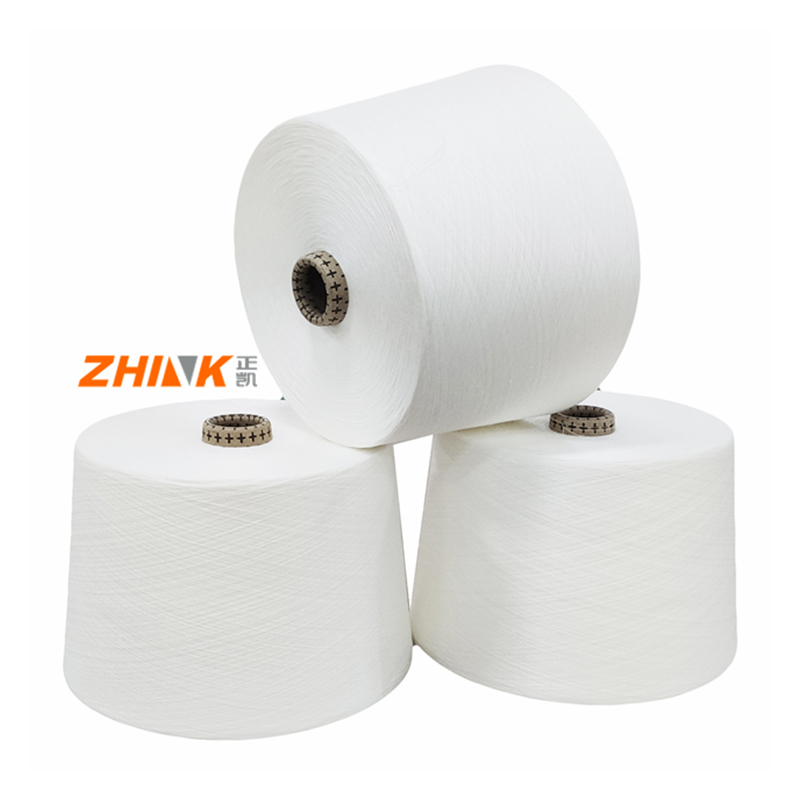
pure Flame retardant polyester yarn
Understanding Pure Flame Retardant Polyester Yarn
Exploring the intricacies of pure flame retardant polyester yarn, one uncovers a dynamic industry constantly balancing performance and practicality. Not just a simple protective layer, this yarn represents a critical component of safety and innovation in textiles.
Why Flame Retardant Polyester?
Admittedly, when most people think of polyester, the image that comes to mind is not necessarily one of fire resistance. Polyester is typically known for its durability and wrinkle resistance—qualities that make it a staple in fashion and upholstery industries. However, when it becomes a pure flame retardant polyester yarn, its role transforms.
Flame retardant variants are a necessity in many sectors, from automotive to home furnishings. This protective feature is not merely a coating applied post-production. Instead, it's an intrinsic characteristic, often achieved by incorporating specific chemical formulations during the polymerization of the yarn itself.
The complexity doesn't end there. The yarn must maintain the essential qualities of regular polyester—strength, flexibility, and cost-effectiveness—while enhancing fire safety. Such a balance is as challenging as it sounds, often requiring extensive R&D efforts.
Challenges in Production
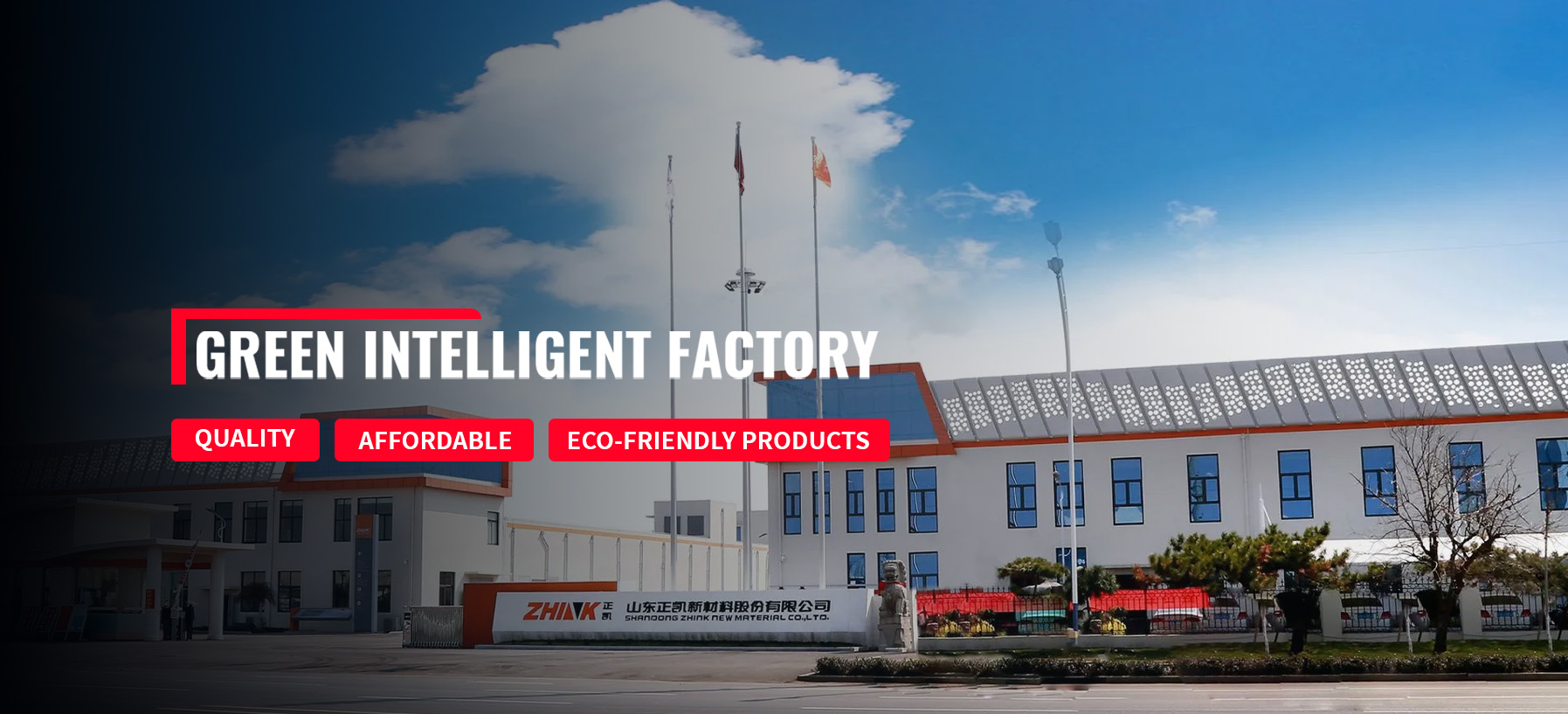
At SHANDONG ZHINK NEW MATERIAL CO., LTD, well-known for being at the forefront of textile innovation (check more on our official site: Zhink New Material), we've encountered multiple hurdles in perfecting these yarns. Establishing the right conditions during polymerization is crucial. Slight variations in temperature or timing can dramatically affect the yarn's properties.
Moreover, there's a constant tug-of-war when it comes to adhering to environmental regulations. The use of certain fire retardant additives sometimes skirts a thin line with sustainability concerns. Our team is perpetually tweaking formulations to remain compliant without sacrificing efficacy.
In some instances, relying heavily on trial and error becomes almost ritualistic. Our labs have experienced a fair share of failures—fibers that either broke too easily or didn't meet required flame retardance during testing—but each setback is a lesson in disguise.
Applications and Impacts
Why go through all this trouble? Because the demand—and the stakes—are high. In public spaces like movie theaters or airports, the necessity for fireproof textiles can literally mean the difference between disaster and safety. Curtains, seat covers, and carpeting made from pure flame retardant polyester yarn significantly mitigate fire hazards.
In the realm of transportation, both for automotive interiors and aviation, the non-negotiable safety standards require materials that won't exacerbate fires. Here, the yarn's dual role as a fire deterrent and a sustainable resource is invaluable.
Beyond safety, there's an unexpected realm of potential. The right flame retardant yarn can contribute to soundproofing or even improve thermal insulation. This opens avenues for innovations in various industries, providing solutions that go beyond elementary safety.
Refinement in Practice
In practice, refining these yarns is a collaborative effort at companies like ours, SHANDONG ZHINK NEW MATERIAL CO., LTD. Production teams, quality control, and R&D departments coordinate to ensure every batch aligns with specified guidelines. Regular feedback loops allow for incremental improvements.
We've seen innovations emerge from seemingly mundane starting points. For instance, a routine quality check once revealed a coloration issue that inadvertently led to a discovery about additive interactions within the yarn. Such happy accidents drive consistent improvement.
The sharing of insights across teams is invaluable. Field experts believe that maintaining open channels for communication between different departments is crucial for adaptive problem-solving. After all, what works in theory must hold up under practical scrutiny.
The Road Ahead
Looking toward the future, the path of flame retardant yarns appears promising yet challenging. Consumer expectations are evolving, with increasing emphasis on eco-friendly and multifunctional materials. Companies must adapt or risk obsolescence.
SHANDONG ZHINK NEW MATERIAL CO., LTD is focusing on integrating advanced technologies, drawing on current research in nanotechnology to enhance the properties of these yarns. The aim is to not only meet but anticipate the demands of future markets.
In summary, while pure flame retardant polyester yarns might seem like a niche segment, they play a vital role in safety and textile innovation. Continuing to push the boundaries of what these materials can do, while balancing sustainability and practicality, remains the goal.
Related Products
Related Products