+86-632-3621866
- Chinese
- French
- German
- Portuguese
- Spanish
- Russian
- Japanese
- Korean
- Arabic
- Irish
- Greek
- Turkish
- Italian
- Danish
- Romanian
- Indonesian
- Czech
- Afrikaans
- Swedish
- Polish
- Basque
- Catalan
- Esperanto
- Hindi
- Lao
- Albanian
- Amharic
- Armenian
- Azerbaijani
- Belarusian
- Bengali
- Bosnian
- Bulgarian
- Cebuano
- Chichewa
- Corsican
- Croatian
- Dutch
- Estonian
- Filipino
- Finnish
- Frisian
- Galician
- Georgian
- Gujarati
- Haitian
- Hausa
- Hawaiian
- Hebrew
- Hmong
- Hungarian
- Icelandic
- Igbo
- Javanese
- Kannada
- Kazakh
- Khmer
- Kurdish
- Kyrgyz
- Latin
- Latvian
- Lithuanian
- Luxembou..
- Macedonian
- Malagasy
- Malay
- Malayalam
- Maltese
- Maori
- Marathi
- Mongolian
- Burmese
- Nepali
- Norwegian
- Pashto
- Persian
- Punjabi
- Serbian
- Sesotho
- Sinhala
- Slovak
- Slovenian
- Somali
- Samoan
- Scots Gaelic
- Shona
- Sindhi
- Sundanese
- Swahili
- Tajik
- Tamil
- Telugu
- Thai
- Ukrainian
- Urdu
- Uzbek
- Vietnamese
- Welsh
- Xhosa
- Yiddish
- Yoruba
- Zulu
- Kinyarwanda
- Tatar
- Oriya
- Turkmen
- Uyghur



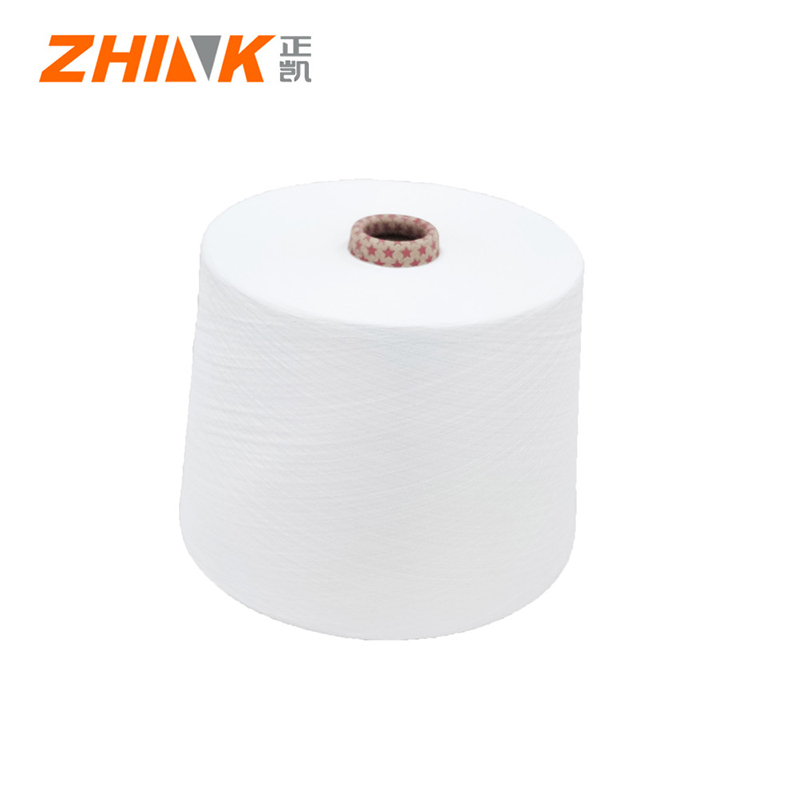
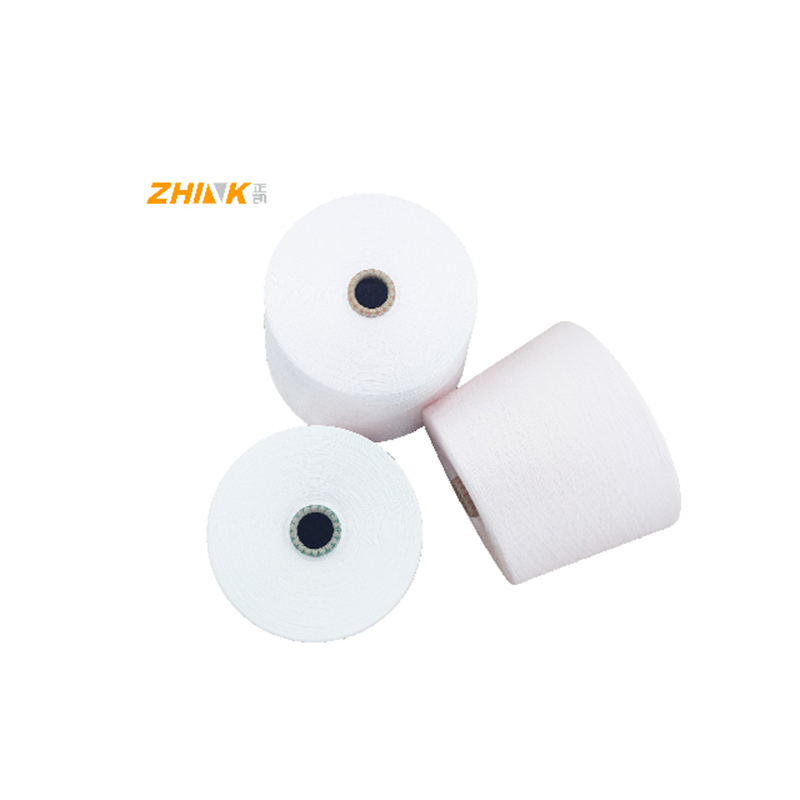
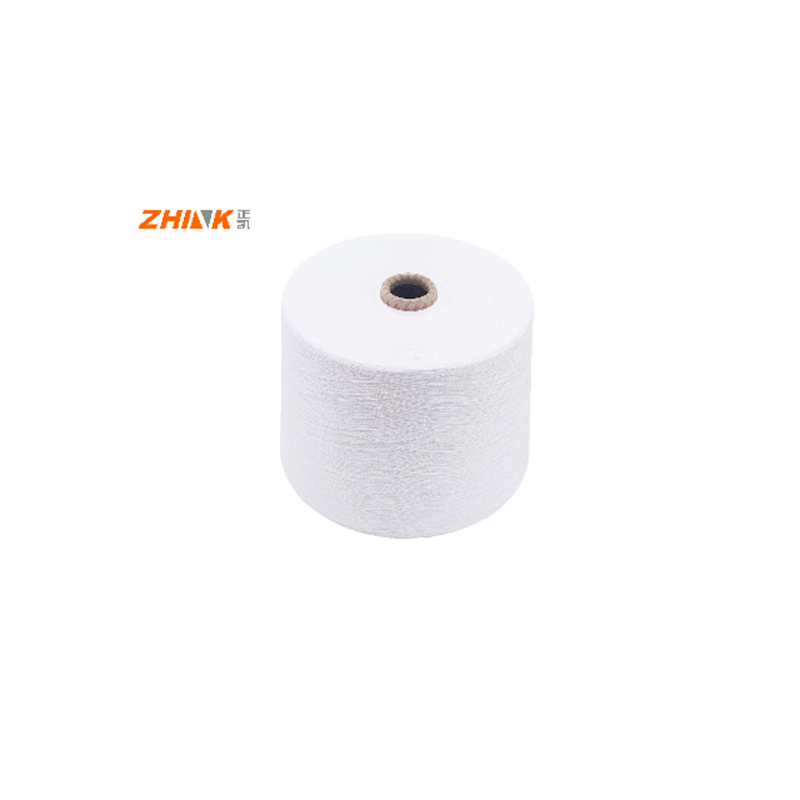
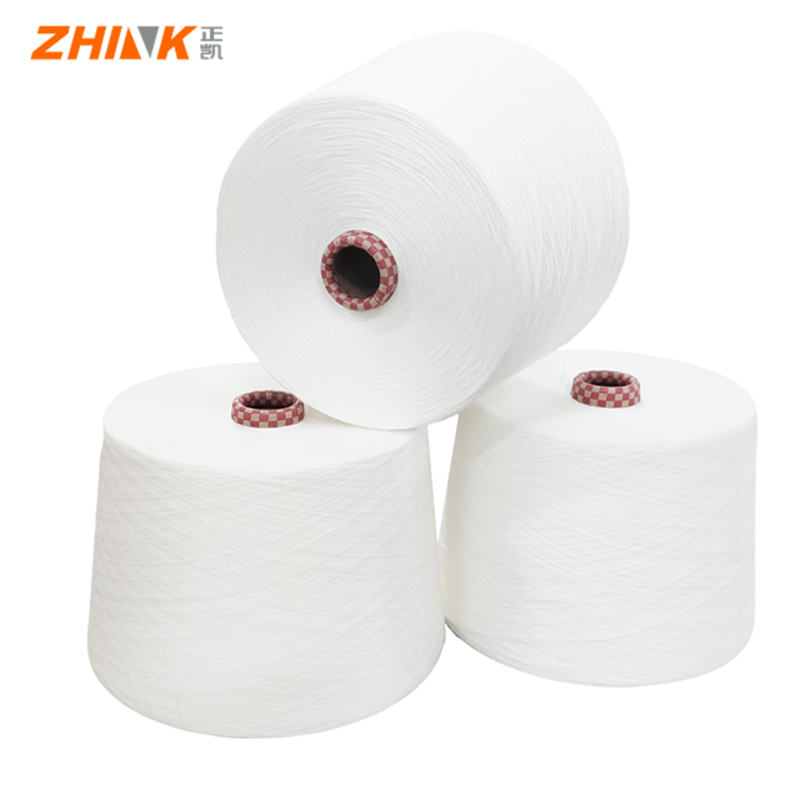
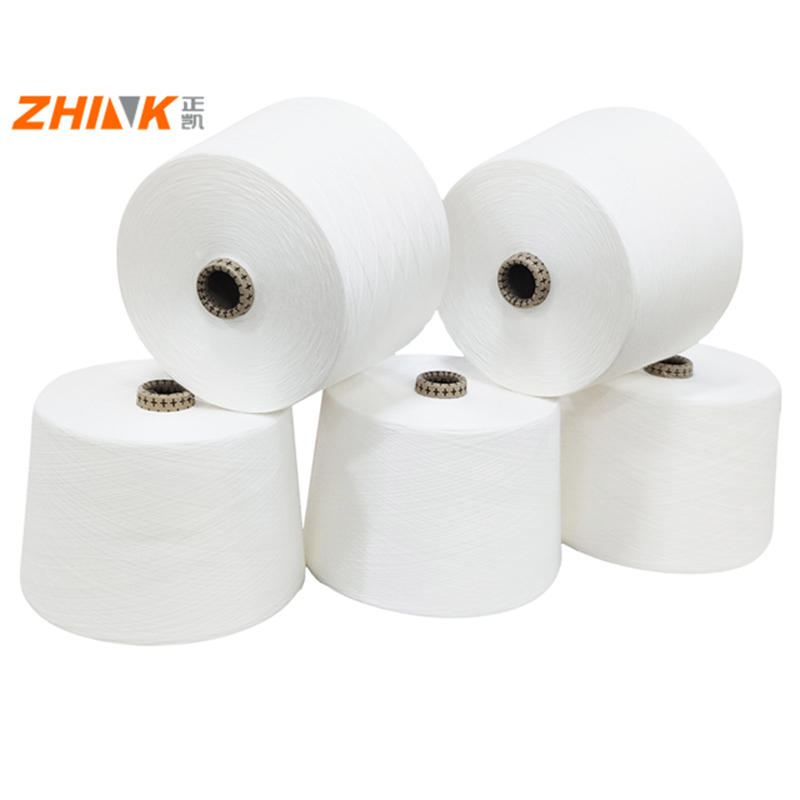
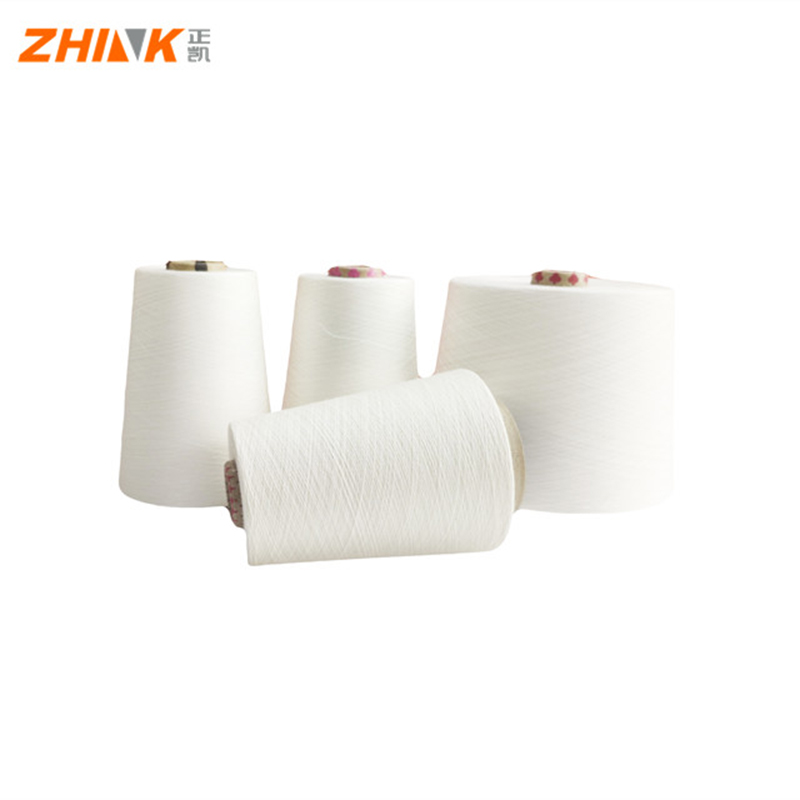
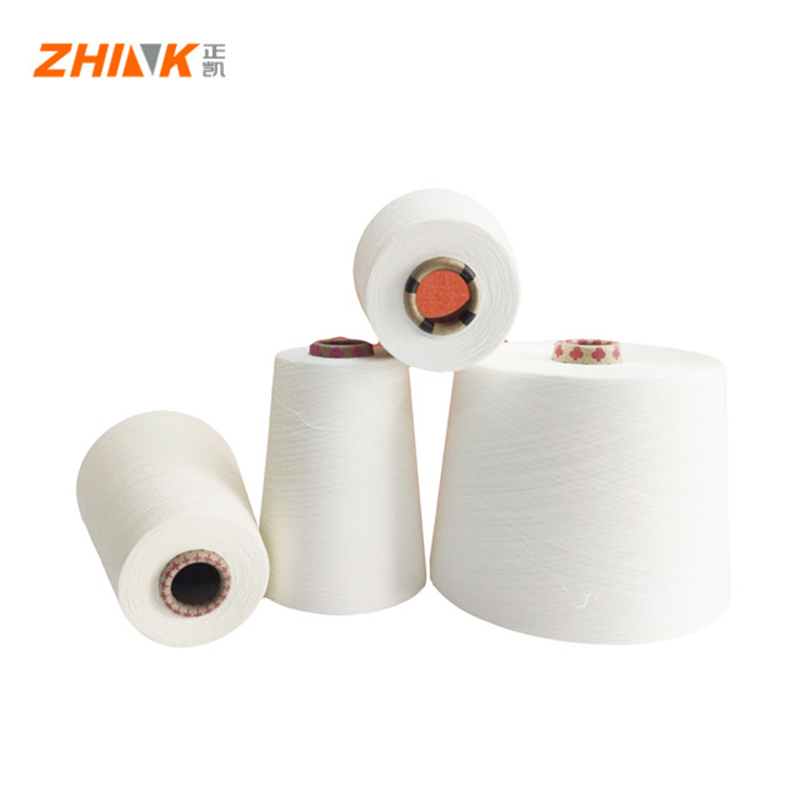
pure Recycled polyester yarn
The Journey of Pure Recycled Polyester Yarn: Insights from the Industry
Exploring the world of pure Recycled polyester yarn often leads to unexpected revelations. Despite being touted as the eco-friendly alternative, misconceptions abound. Industry insiders understand the nuanced balance between sustainability and quality. Here’s a glimpse into the truth behind its production and application nuances.
Understanding the Basics of Recycled Polyester
When discussing recycled polyester, people often assume it's a straightforward swap for traditional fibers. However, not all recycled polyester is created equal. The distinction of being pure implies an entirely closed-loop cycle — minimizing waste to almost zero. This process demands rigorous control and expertise, which companies like SHANDONG ZHINK NEW MATERIAL CO., LTD excel in. Their commitment shines through at Zhink Yarn, where innovative approaches to recycling are constantly developed.
From experience, ensuring the homogeneity of the recycled material is critical. It’s not just recycling bottles into fibers. It’s about ensuring that every batch maintains consistency in texture, strength, and dye affinity. Variations at this stage can lead to significant differences in the final textile product.
Moreover, working with pure Recycled polyester yarn often uncovers hidden complexities. Recycling processes have to strictly separate impurities because the introduction of new materials can threaten the integrity of the yarn. It’s a delicate dance of maintaining ecological focus without compromising the textile's functional attributes.
The Challenges of Production
Manufacturing pure Recycled polyester yarn is not without its trials. The initial belief might be that this yarn is merely converted plastic, but that’s only part of the picture. Effective production entails comprehensive R&D — iterating on processes, testing durability, and ensuring the dye takes to the yarn as expected. Zhink New Material's R&D labs are crucial here, constantly aiming to refine these elements.
Another hurdle is cost. While recycled fibers are seen as cheaper alternatives, the reprocessing expenditure often offsets this perception. With technological advancements, firms like SHANDONG ZHINK find ways to optimize costs but admit that external economic factors, such as raw material availability and energy cost, play a significant role.
From practical experience, machinery adaptation is necessary too. Many conventional fiber production systems aren’t inherently designed to handle this type of recycled input, meaning ongoing tweaks and upgrades are a common part of the workflow.
Sustainability Versus Quality: Finding the Balance
The sustainability versus quality debate is ever-present in discussions about recycled polyester. How sustainable is a product if it doesn’t meet performance standards? At Zhink, this balance is non-negotiable. The fibers need to withstand market demands such as durability, comfort, and aesthetic appeal.
Many clients initially skeptical of recycled textiles soon realize their potential. The key is transparency about the yarn's lifecycle and benefits, alongside real-world performance data. It’s about letting the yarn prove itself through quality rather than relying solely on its green credentials.
Arguably, one of the significant advantages of working with an established brand like SHANDONG ZHINK is their track record. Proven expertise in adapting recycled materials without forgoing quality provides customers with the confidence to embrace these sustainable alternatives.
Adapting to Market Needs
The global market for textiles is vast and varied. Tailoring products to customer specifications is essential but more so with recycled yarns. Zhink's ability to cater to diverse geographic and climatic requirements speaks volumes of their operational flexibility.
While initial designs focused on standard applications, evolving fashion and industrial needs drive innovation. Keeping a finger on the pulse is crucial to adapt swiftly to trends or unexpected shifts in consumer preferences.
It’s a continuous learning curve and those embedded in the process will attest — adaptability is paramount. This approach ensures that recycled polyester remains competitive, catering to a wide array of markets from high-fashion to everyday utility wear.
Future Prospects
Looking ahead, the potential for pure Recycled polyester yarn remains promising. Companies like SHANDONG ZHINK NEW MATERIAL CO., LTD are pushing boundaries, diving into the potential of integrating more advanced recycling technologies and smart textiles.
Revamping current processes to focus more on automation and data analytics could lead to higher efficiencies. Innovation seems to be the key, and those in the industry are noticing a shift towards even more refined, eco-centric production methods.
All in all, while misconceptions persist, the journey with recycled polyester is an exciting frontier. With continued dedication and breakthroughs, the industry is set to match ecological consciousness with uncompromising quality, presenting a future where sustainability and performance walk hand in hand.
Related Products
Related Products