+86-632-3621866
- Chinese
- French
- German
- Portuguese
- Spanish
- Russian
- Japanese
- Korean
- Arabic
- Irish
- Greek
- Turkish
- Italian
- Danish
- Romanian
- Indonesian
- Czech
- Afrikaans
- Swedish
- Polish
- Basque
- Catalan
- Esperanto
- Hindi
- Lao
- Albanian
- Amharic
- Armenian
- Azerbaijani
- Belarusian
- Bengali
- Bosnian
- Bulgarian
- Cebuano
- Chichewa
- Corsican
- Croatian
- Dutch
- Estonian
- Filipino
- Finnish
- Frisian
- Galician
- Georgian
- Gujarati
- Haitian
- Hausa
- Hawaiian
- Hebrew
- Hmong
- Hungarian
- Icelandic
- Igbo
- Javanese
- Kannada
- Kazakh
- Khmer
- Kurdish
- Kyrgyz
- Latin
- Latvian
- Lithuanian
- Luxembou..
- Macedonian
- Malagasy
- Malay
- Malayalam
- Maltese
- Maori
- Marathi
- Mongolian
- Burmese
- Nepali
- Norwegian
- Pashto
- Persian
- Punjabi
- Serbian
- Sesotho
- Sinhala
- Slovak
- Slovenian
- Somali
- Samoan
- Scots Gaelic
- Shona
- Sindhi
- Sundanese
- Swahili
- Tajik
- Tamil
- Telugu
- Thai
- Ukrainian
- Urdu
- Uzbek
- Vietnamese
- Welsh
- Xhosa
- Yiddish
- Yoruba
- Zulu
- Kinyarwanda
- Tatar
- Oriya
- Turkmen
- Uyghur


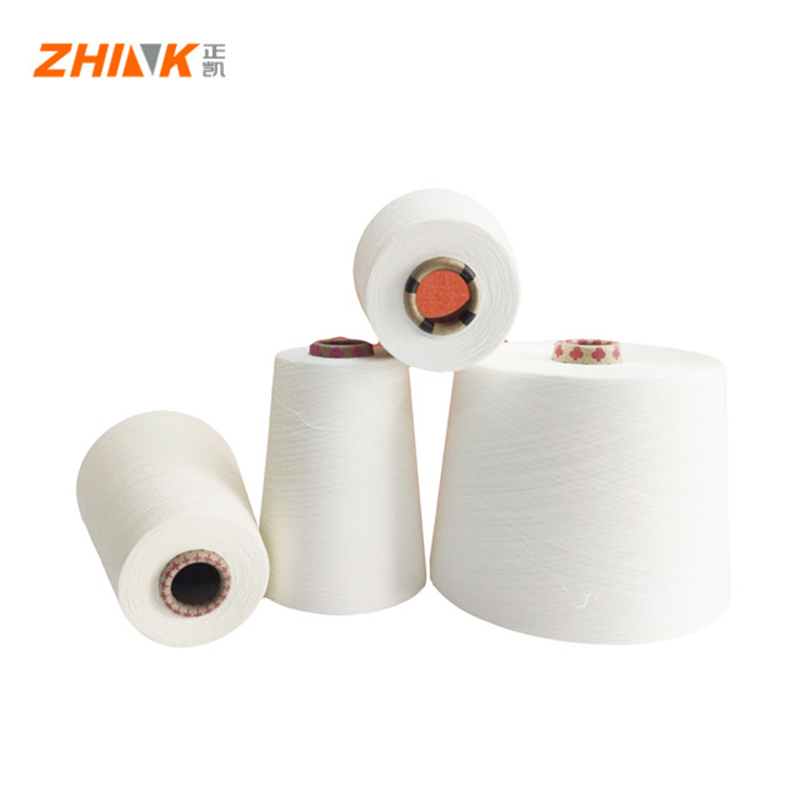
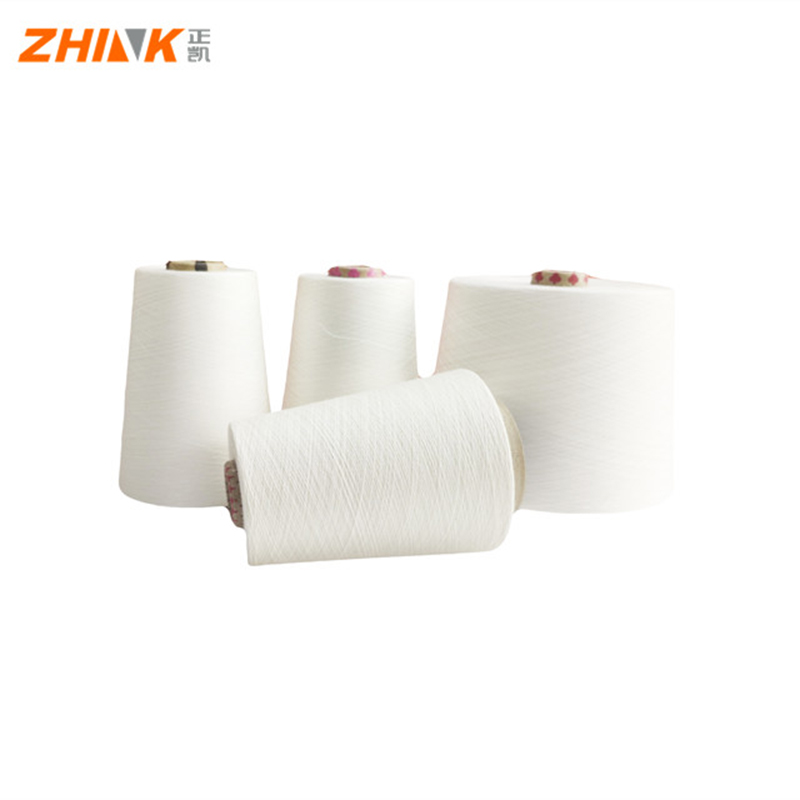
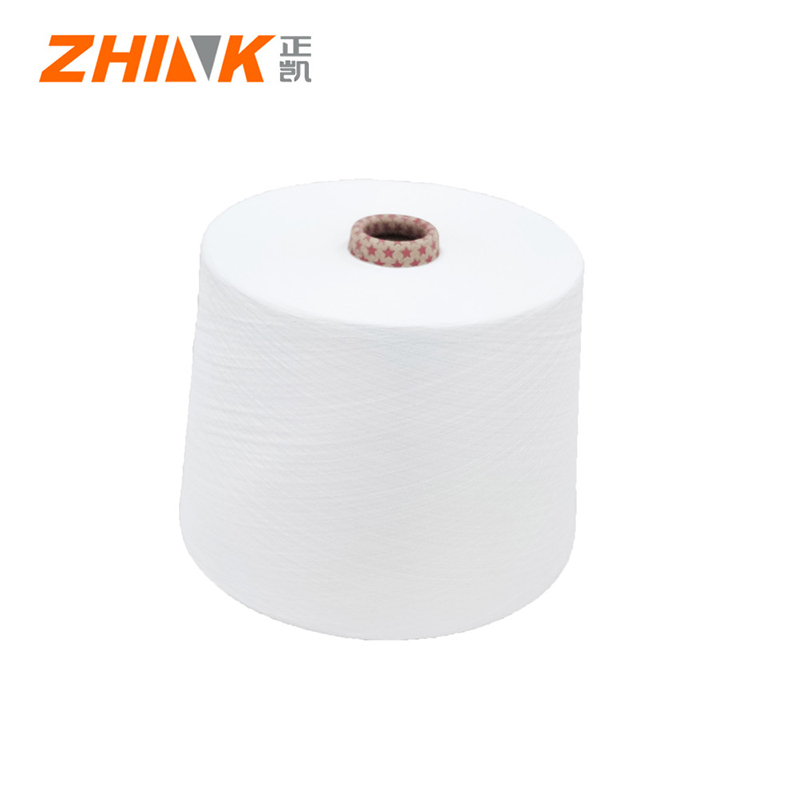
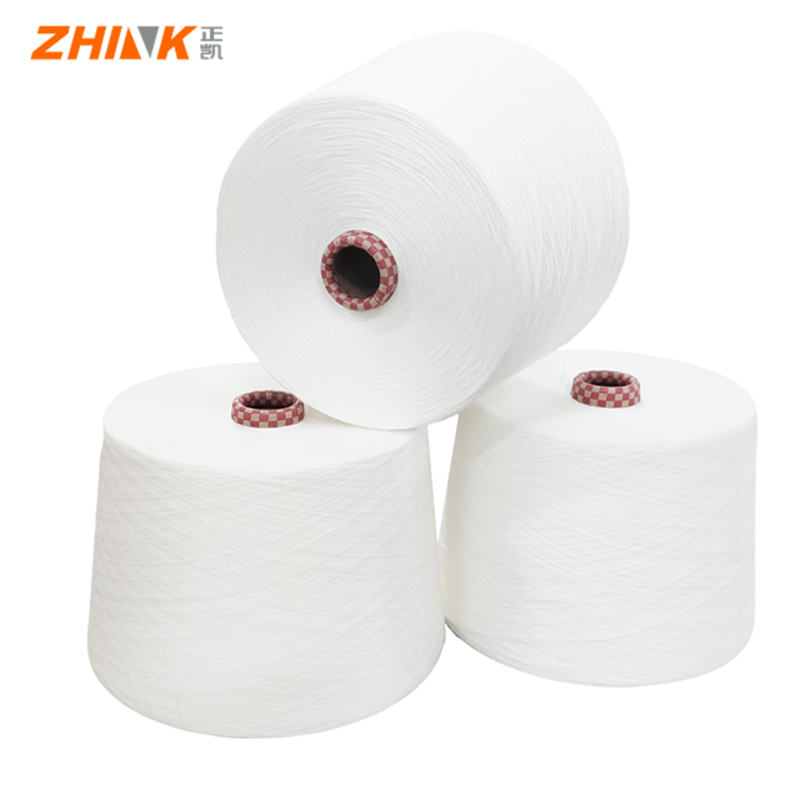
pure Solid acrylic yarn
Understanding Pure Solid Acrylic Yarn: Insights and Challenges
Pure Solid Acrylic Yarn has become a staple in the textile industry, but why? This versatile material offers unique properties that can both excite and bewilder even seasoned professionals in the field. Let’s explore the nuances of working with this yarn, from its vibrant color retention to its practical applications.
Defining Pure Solid Acrylic Yarn
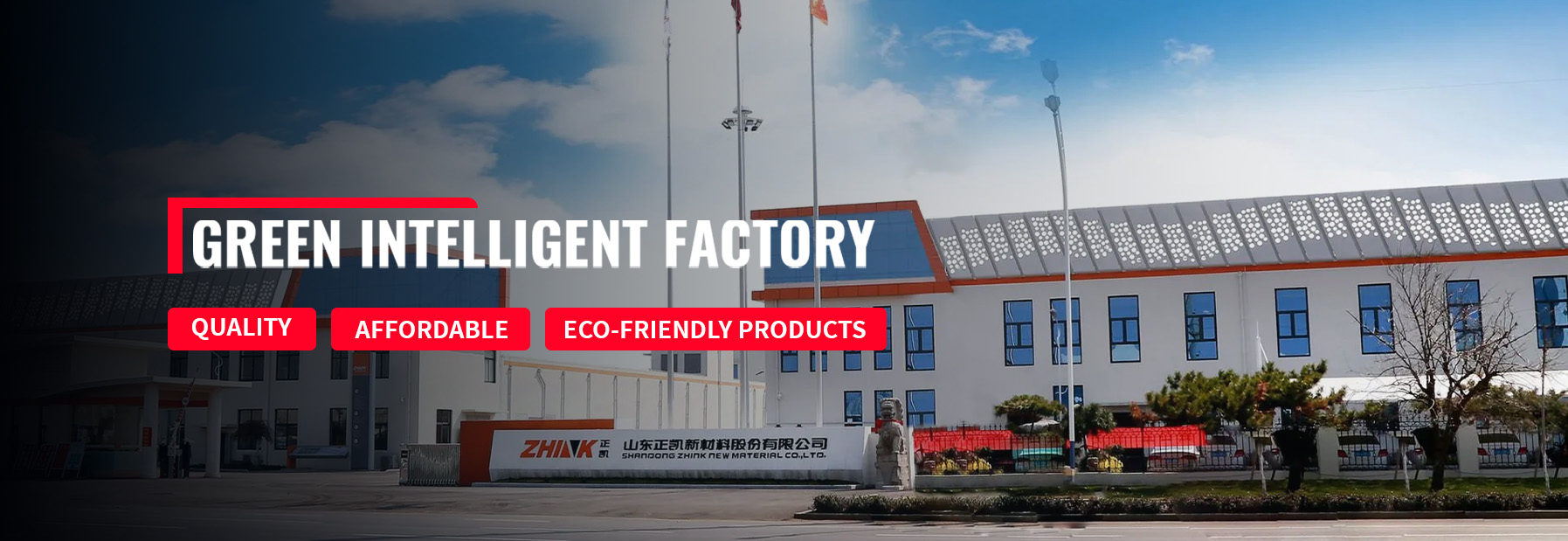
First off, what exactly is Pure Solid Acrylic Yarn? Unlike blended yarns, this type is crafted entirely from acrylic fibers. This might sound straightforward, but the all-acrylic composition presents its own set of possibilities and hurdles. SHANDONG ZHINK NEW MATERIAL CO., LTD, a leading name in textile innovation, often emphasizes its adaptability and resilience (check their offerings at Zhink New Material).
One thing that stands out is color vibrancy. Acrylic fibers are known for their excellent dye retention. They offer a lively palette that doesn't easily fade. However, achieving the desired shade can be tricky. The dyeing process demands precision, and slight deviations in temperature or timing can drastically alter the result.
Then, there's the texture. Pure Solid Acrylic Yarn can mimic the feel of natural fibers, which is largely why it's popular for faux wool garments. It’s this synthetic mimicry that's both a strength and a challenge — getting that soft finish involves a delicate balance of fiber treatment and spinning techniques.
Practical Applications and Industry Trends
Moving on to applications, Pure Solid Acrylic Yarn shines in markets demanding affordability paired with aesthetic appeal. It's particularly favored in the fashion industry, where it’s often used for knitwear. But let’s not overlook home textiles; think vibrant throws and durable upholstery.
Working with this yarn, I've noticed industry trends towards sustainability. The conversation isn't just about what's in the yarn but also how it's produced. Eco-conscious manufacturers are exploring ways to minimize the environmental impact, including recycling capabilities and using greener dyes.
A common hurdle, however, is convincing the consumer. Many associate synthetic fibers with lower quality — a perception not always backed by reality. Communicating the benefits effectively is crucial, often involving not just product labeling but broader educational initiatives.
Challenges in Production and Handling
Handling Pure Solid Acrylic Yarn, especially during production, requires a nuanced approach. Spinning and knitting machines need periodic adjustments to accommodate the fiber's unique properties. Even seasoned operators can find the static build-up a nuisance, which can disrupt processing.
The production setup must also consider the yarn's flammability. Acrylic fibers are less heat resistant, necessitating strict quality controls and safety measures in factories, something Zhink New Material has integrated into its operations seamlessly.
Additionally, the push for automation in yarn production introduces complexity. While efficiency is the end goal, machines must be fine-tuned to handle the delicate balance between tension and fiber integrity.
Case Studies and Personal Experiences
Diving into specific cases, I recall a project where we aimed for a particular shade of deep blue. Sounds simple, but the dyeing process revealed inconsistencies — a clear reminder of the precision required. The solution? A tweak in the pH levels, a small yet significant adjustment.
I also remember an encounter with a home textile company that was experimenting with texture variations. Attempts at creating a scrunched effect meant rethinking the yarn tension during weaving. It was a vivid example of hands-on problem-solving, reflecting the dynamic nature of working with this material.
Such experiences underscore how practice often diverges from theory. Every project, successful or otherwise, adds layers to understanding — a blend of technical expertise and a bit of instinct.
Future Prospects and Innovation
Looking ahead, the future of Pure Solid Acrylic Yarn is bright but complex. Innovations, particularly in blending synthetic and natural fibers, could redefine its market position. Companies like SHANDONG ZHINK NEW MATERIAL CO., LTD are likely to lead this charge, given their research-driven approach.
Furthermore, technical advancements in fiber technology promise new textures and even more robust sustainability credentials. The convergence of material science and consumer awareness could unlock new potentials.
In essence, Pure Solid Acrylic Yarn symbolizes the textile industry’s broader journey — an ongoing conversation between tradition and innovation, underscored by constant learning and adaptation.
Related Products
Related Products