+86-632-3621866
- Chinese
- French
- German
- Portuguese
- Spanish
- Russian
- Japanese
- Korean
- Arabic
- Irish
- Greek
- Turkish
- Italian
- Danish
- Romanian
- Indonesian
- Czech
- Afrikaans
- Swedish
- Polish
- Basque
- Catalan
- Esperanto
- Hindi
- Lao
- Albanian
- Amharic
- Armenian
- Azerbaijani
- Belarusian
- Bengali
- Bosnian
- Bulgarian
- Cebuano
- Chichewa
- Corsican
- Croatian
- Dutch
- Estonian
- Filipino
- Finnish
- Frisian
- Galician
- Georgian
- Gujarati
- Haitian
- Hausa
- Hawaiian
- Hebrew
- Hmong
- Hungarian
- Icelandic
- Igbo
- Javanese
- Kannada
- Kazakh
- Khmer
- Kurdish
- Kyrgyz
- Latin
- Latvian
- Lithuanian
- Luxembou..
- Macedonian
- Malagasy
- Malay
- Malayalam
- Maltese
- Maori
- Marathi
- Mongolian
- Burmese
- Nepali
- Norwegian
- Pashto
- Persian
- Punjabi
- Serbian
- Sesotho
- Sinhala
- Slovak
- Slovenian
- Somali
- Samoan
- Scots Gaelic
- Shona
- Sindhi
- Sundanese
- Swahili
- Tajik
- Tamil
- Telugu
- Thai
- Ukrainian
- Urdu
- Uzbek
- Vietnamese
- Welsh
- Xhosa
- Yiddish
- Yoruba
- Zulu
- Kinyarwanda
- Tatar
- Oriya
- Turkmen
- Uyghur



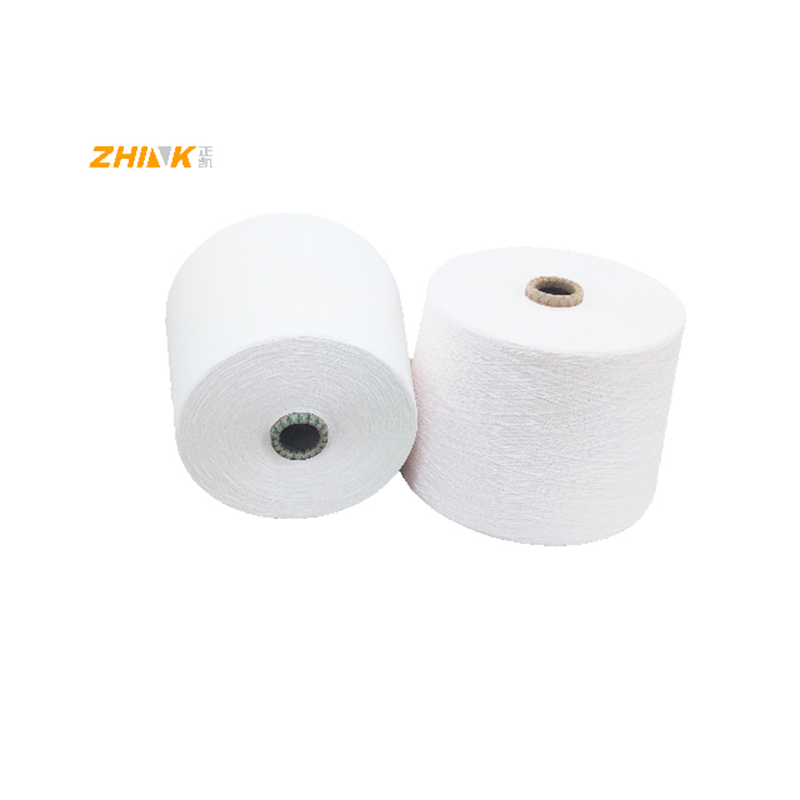
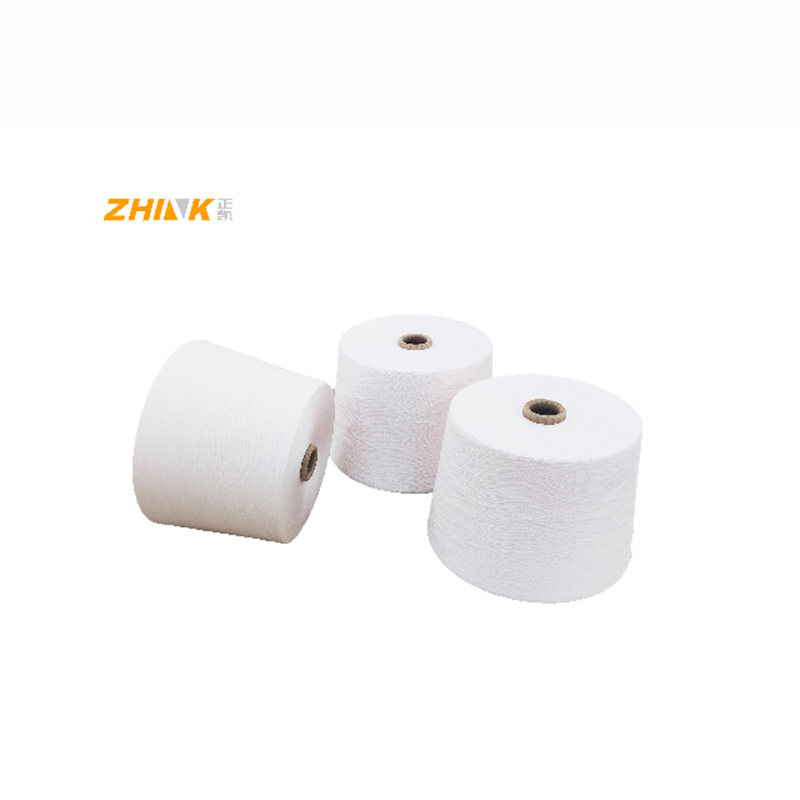
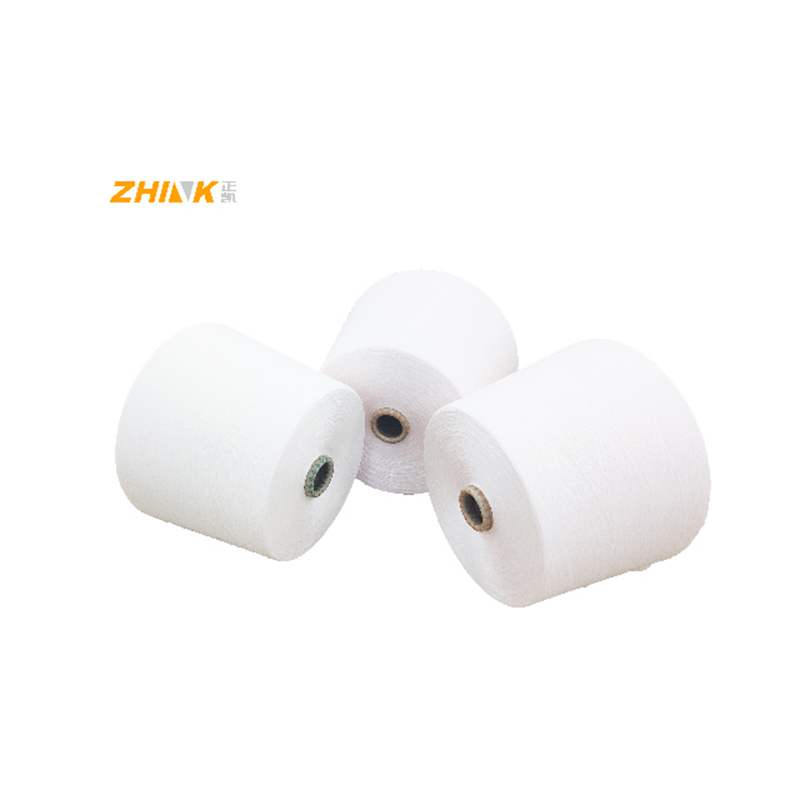
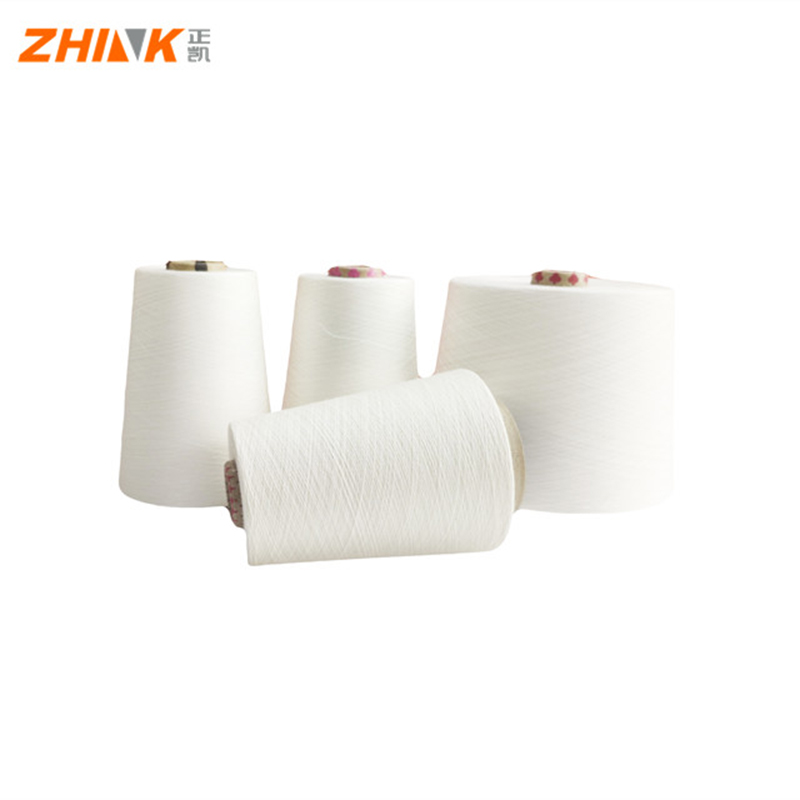
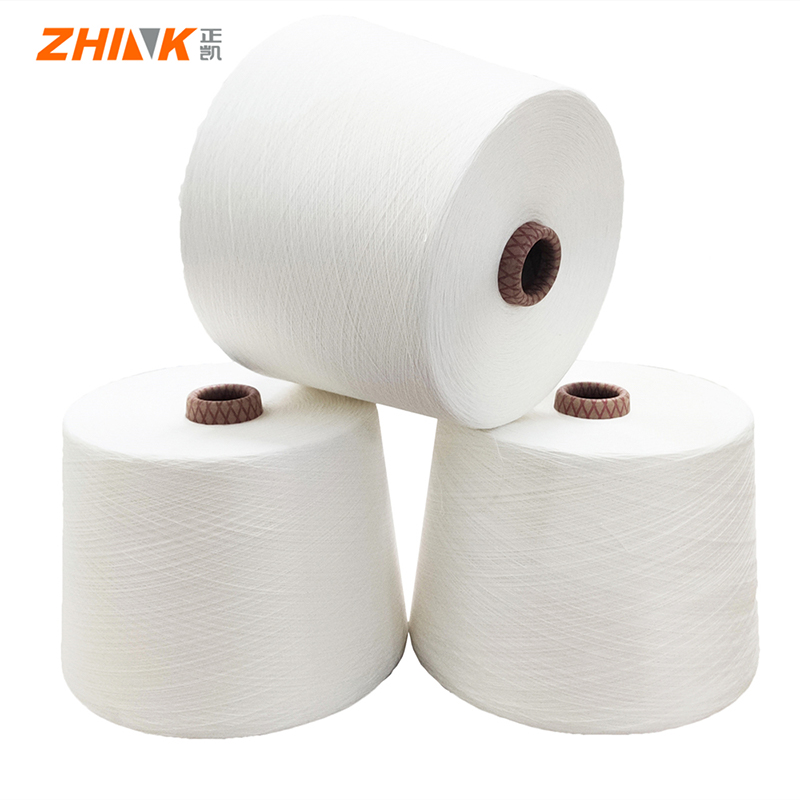
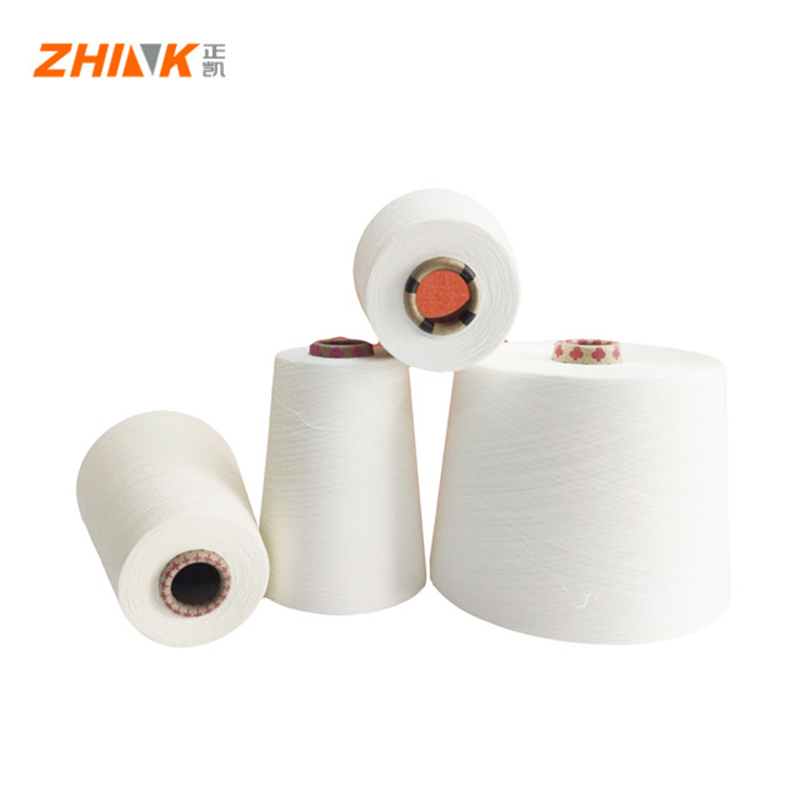
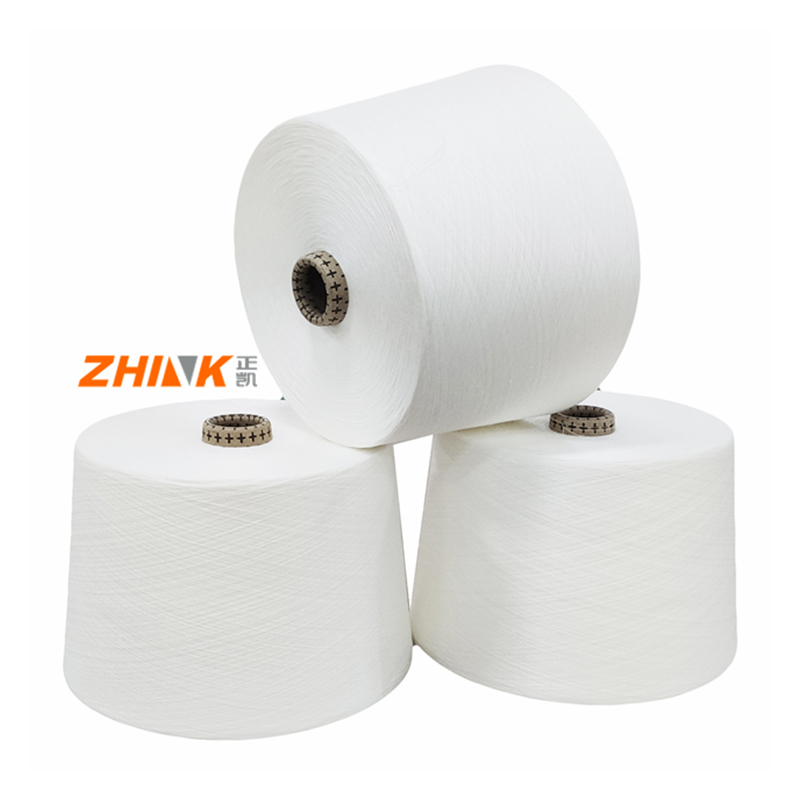
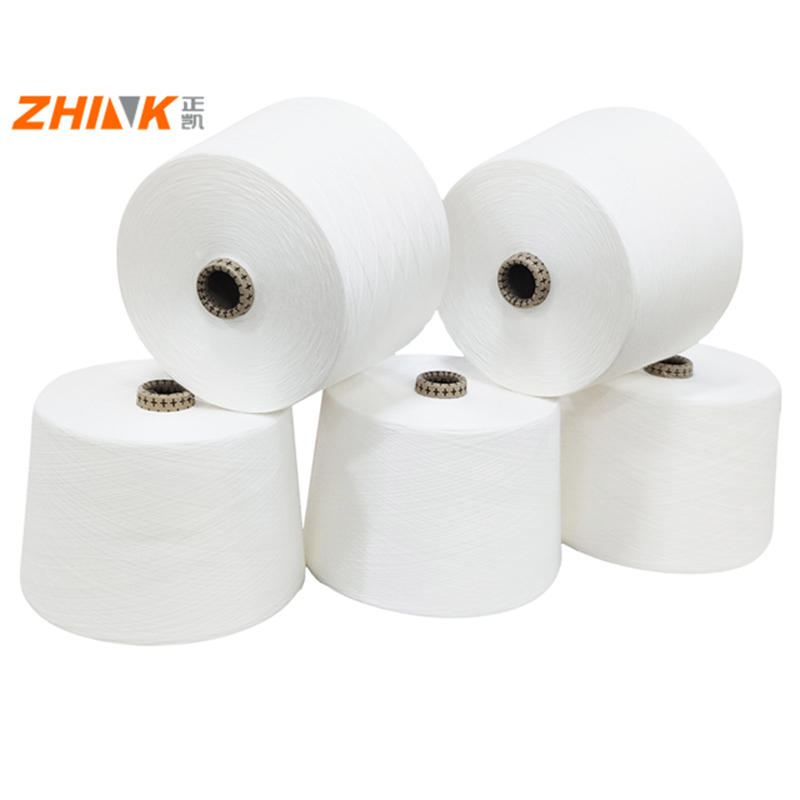
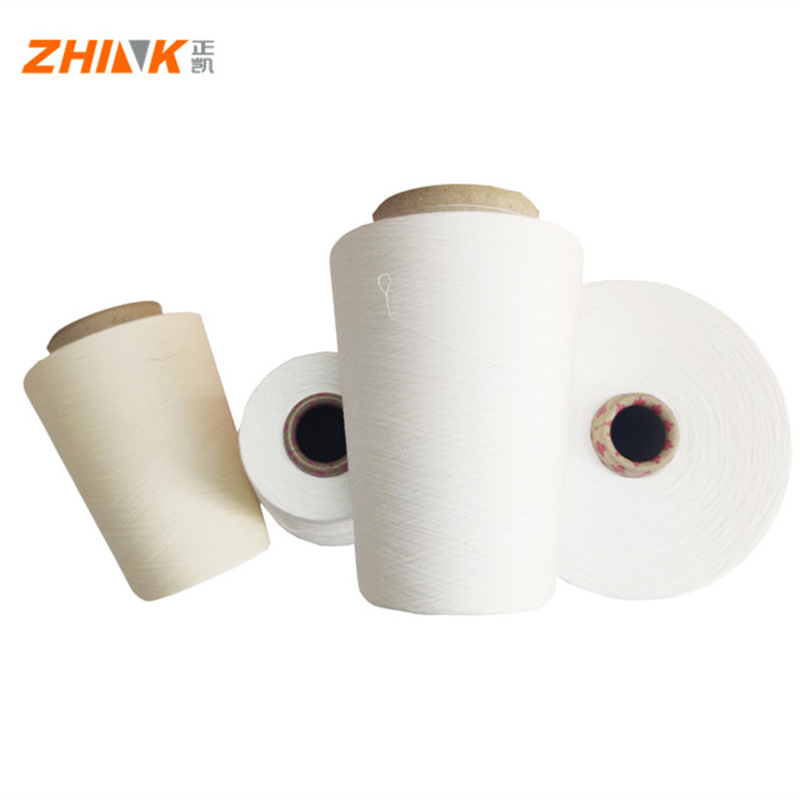
pure viscose yarn
Understanding Pure Viscose Yarn
Pure viscose yarn, often praised for its versatility and comfort, serves as a vital player in the textile industry. Yet, there are some misconceptions and practical challenges associated with it that need addressing.
What Exactly is Pure Viscose Yarn?
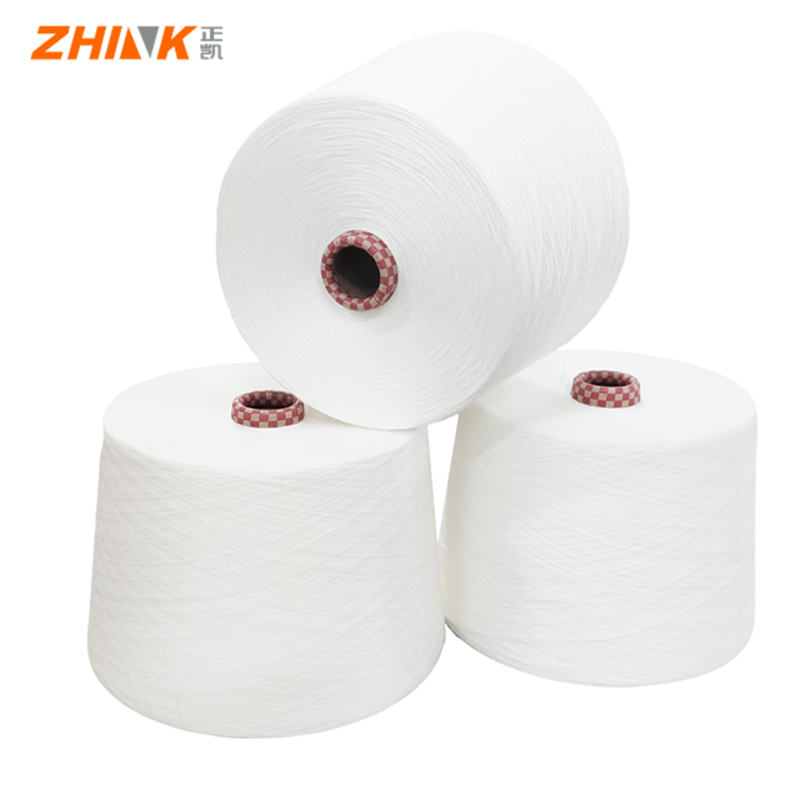
At its core, pure viscose yarn comes from cellulose, typically sourced from wood pulp. This gives it a natural origin, but the production process involves several synthetic steps. It's a bit like preparing dough before baking. The result? A yarn that mimics the comfort of natural fibers yet can be manipulated to achieve various textures and finishes.
I've seen designers scratch their heads, assuming any viscose yarn must be a blend. But pure forms exist, offering unique applications. The feel is akin to silk, drapey and soft, yet easier on the wallet. It's a delight for many clothing lines aiming for that luxury touch without breaking budgets.
However, working with pure viscose yarn demands understanding its nature – it tends to shrink and wrinkle. I remember a client project where we aimed for crisp lines in a dress collection, and post-production revealed the garments didn't quite behave as expected after washing. Lesson learned: anticipate and adjust.
The Production Process
Producing this yarn is an art. Companies like SHANDONG ZHINK NEW MATERIAL CO., LTD, available at Zhink Yarn, are pioneers in this space. They specialize not just in production but critically in R&D, constantly striving to perfect this delicate process.
In visits to their facilities, the precision required in every step is impressive. From converting wood pulp to filaments via a complex chemical process, to forming threads ready for textile production, it's clear why expertise is essential.
The production involves several chemical baths which, if not managed well, can alter the yarn’s properties. Environmental concerns also come into play, leading companies like Zhink New Material to innovate in cleaner production techniques.
Applications in the Fashion Industry
The sharp silhouette of a well-crafted suit or the fluid drape of a summer dress often owes much to pure viscose yarn. Its adaptability in texture and weight is invaluable. Fashion labels leverage these qualities to marry aesthetics with functionality.
Personal experience has shown me its potential. I once worked with a designer who produced a sustainable clothing line using only pure viscose. The result was a collection that was both environmentally friendly and fashion-forward, using less water and harsh chemicals than traditional methods.
It’s not just clothing. Home textiles, too, benefit. Curtains that catch the light just so, bedsheets that promise a good night's sleep – viscose yarn is behind many of these everyday luxuries.
Handling and Care
Handling pure viscose yarn is an art in itself. It can be unruly, and folks new to it might find the fabric twisty during weaving. The trick? Adequate tension, gentle hands, and sometimes, a bit of patience.
Caring for it also requires some diligence. Unlike polyester or nylon, you can't just toss it in with the usual laundry load. Cool washes, low heat, and avoiding the dryer are standard advice. It sounds like extra work, but the payoff is a garment that retains its shape and luster over time.
Even after multiple projects, I still find myself taking new care tips from seasoned professionals and the likes of experts at SHANDONG ZHINK NEW MATERIAL CO., LTD. They often provide invaluable insights into preserving these textiles.
Future Challenges and Innovations
In pushing forward, the textile industry faces challenges with sustainable production and scalability for pure viscose yarn. The demand is rising, and balancing quality with eco-friendly practices is a journey still in progress.
Innovators like Zhink New Material lead efforts in integrating more sustainable inputs and adopting cleaner production technologies. Meeting with their team often reveals emerging technologies that inspire cautious optimism in resolving these challenges.
Looking ahead, increased collaboration between textile producers and fashion designers is essential. As demands evolve, so too must the techniques and technologies we employ, making the insights and experiences from seasoned players in the field all the more critical.
Related Products
Related Products