+86-632-3621866
- Chinese
- French
- German
- Portuguese
- Spanish
- Russian
- Japanese
- Korean
- Arabic
- Irish
- Greek
- Turkish
- Italian
- Danish
- Romanian
- Indonesian
- Czech
- Afrikaans
- Swedish
- Polish
- Basque
- Catalan
- Esperanto
- Hindi
- Lao
- Albanian
- Amharic
- Armenian
- Azerbaijani
- Belarusian
- Bengali
- Bosnian
- Bulgarian
- Cebuano
- Chichewa
- Corsican
- Croatian
- Dutch
- Estonian
- Filipino
- Finnish
- Frisian
- Galician
- Georgian
- Gujarati
- Haitian
- Hausa
- Hawaiian
- Hebrew
- Hmong
- Hungarian
- Icelandic
- Igbo
- Javanese
- Kannada
- Kazakh
- Khmer
- Kurdish
- Kyrgyz
- Latin
- Latvian
- Lithuanian
- Luxembou..
- Macedonian
- Malagasy
- Malay
- Malayalam
- Maltese
- Maori
- Marathi
- Mongolian
- Burmese
- Nepali
- Norwegian
- Pashto
- Persian
- Punjabi
- Serbian
- Sesotho
- Sinhala
- Slovak
- Slovenian
- Somali
- Samoan
- Scots Gaelic
- Shona
- Sindhi
- Sundanese
- Swahili
- Tajik
- Tamil
- Telugu
- Thai
- Ukrainian
- Urdu
- Uzbek
- Vietnamese
- Welsh
- Xhosa
- Yiddish
- Yoruba
- Zulu
- Kinyarwanda
- Tatar
- Oriya
- Turkmen
- Uyghur


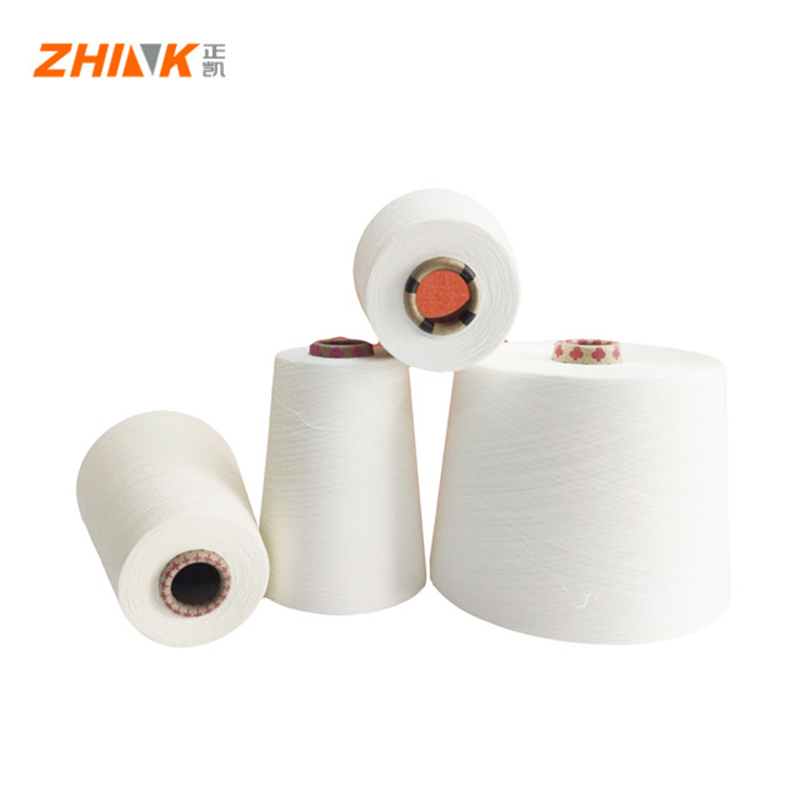
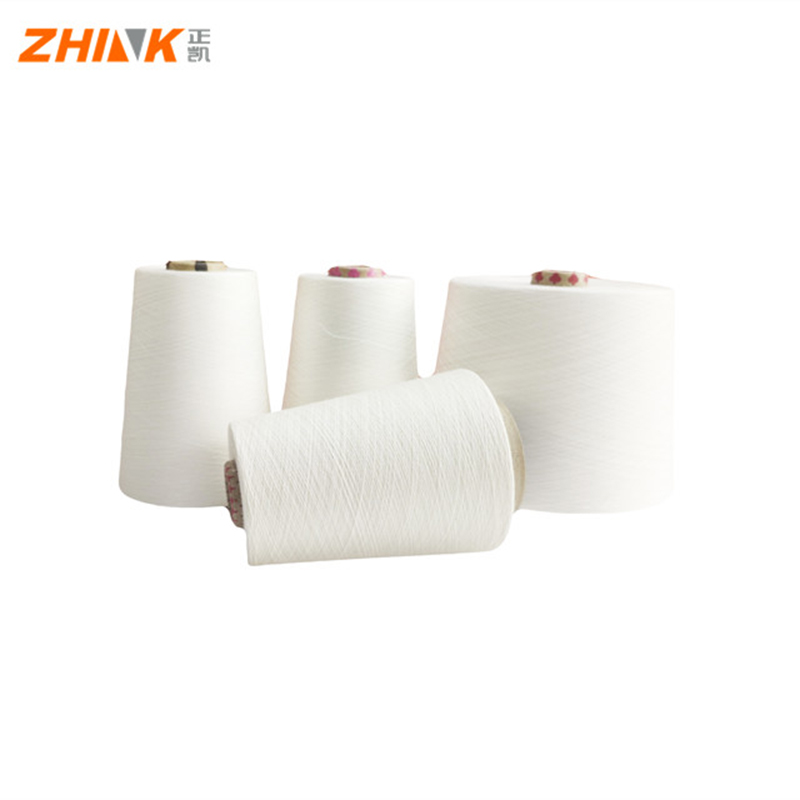
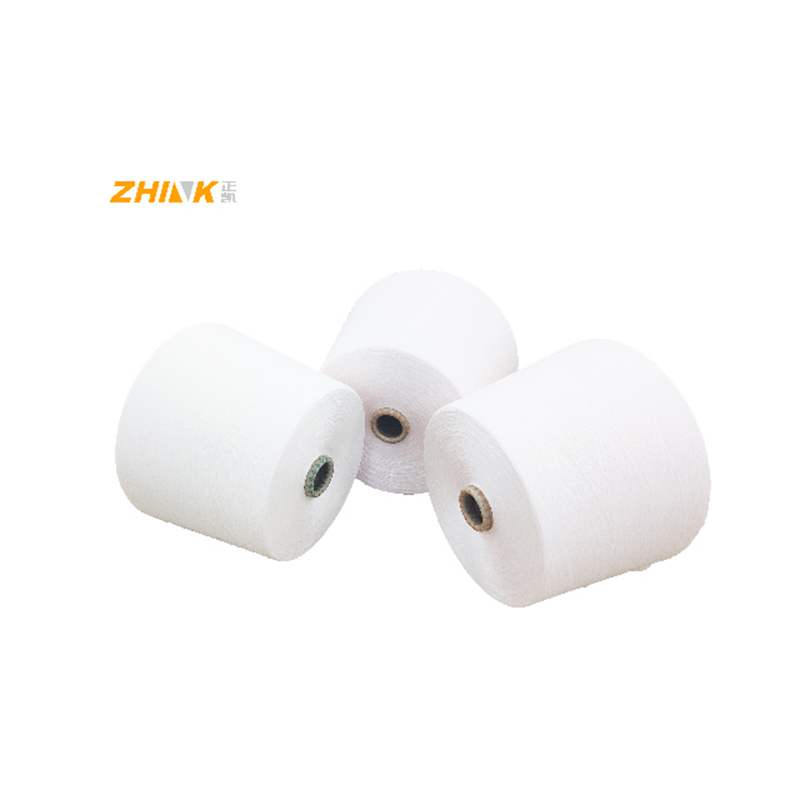
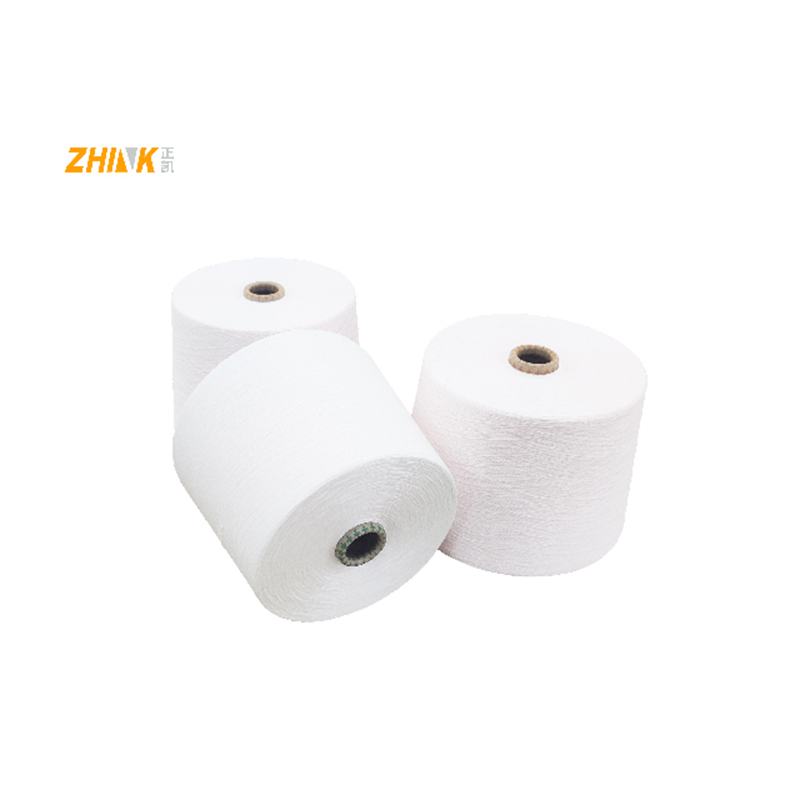
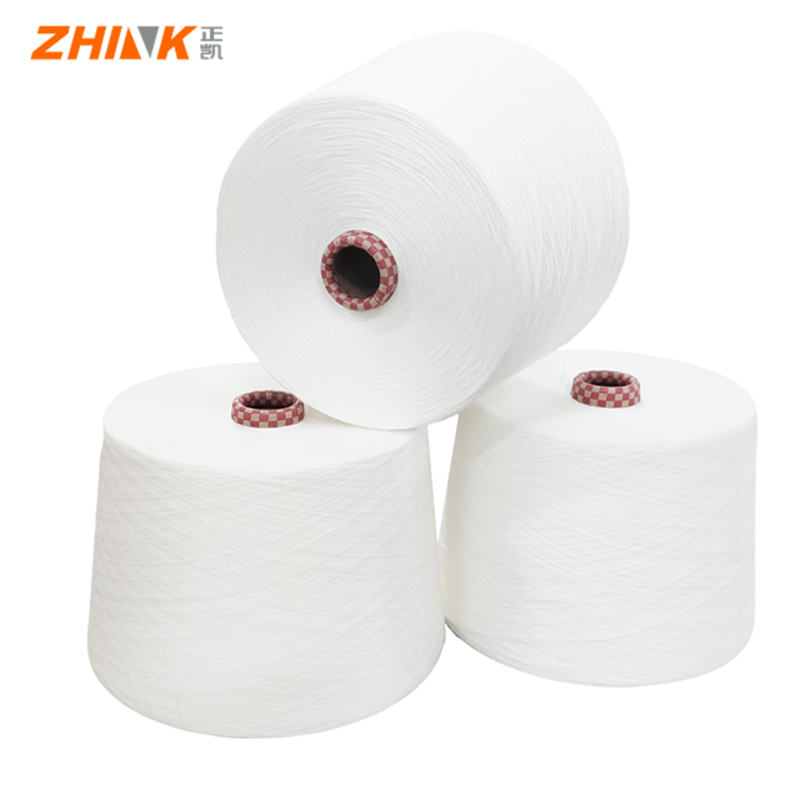
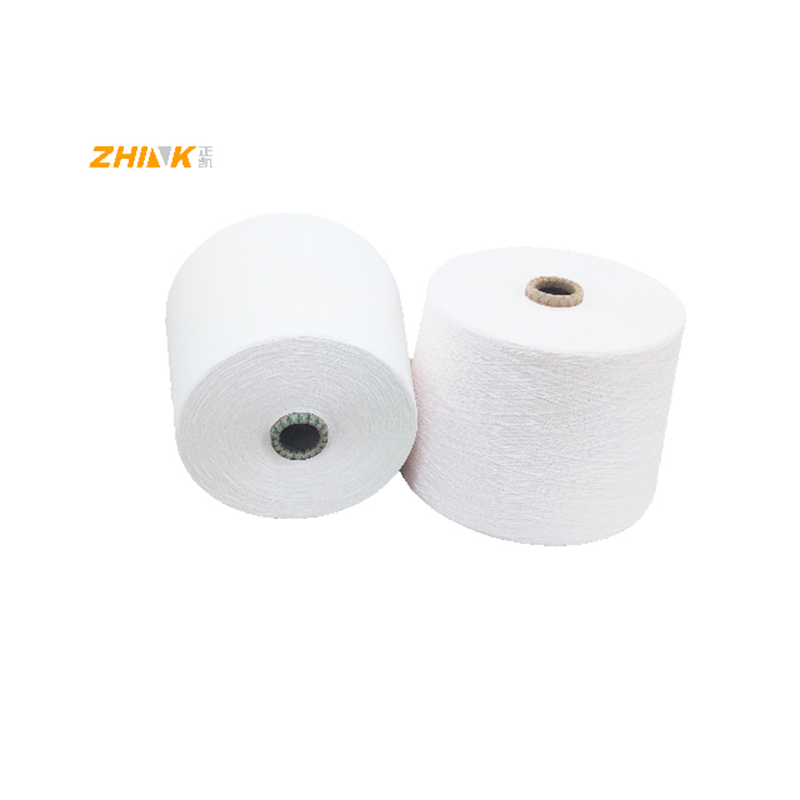
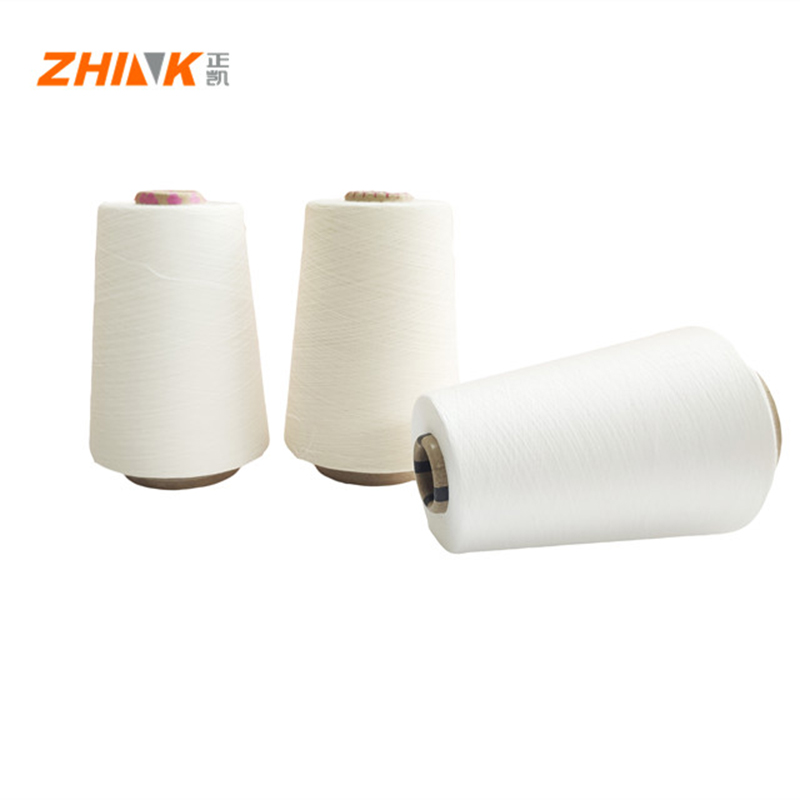
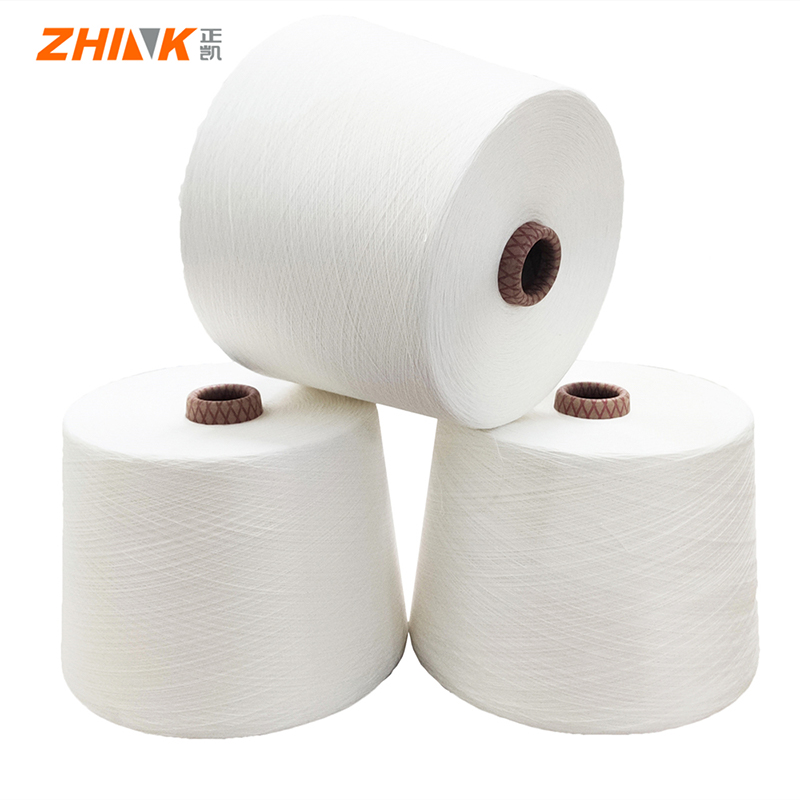
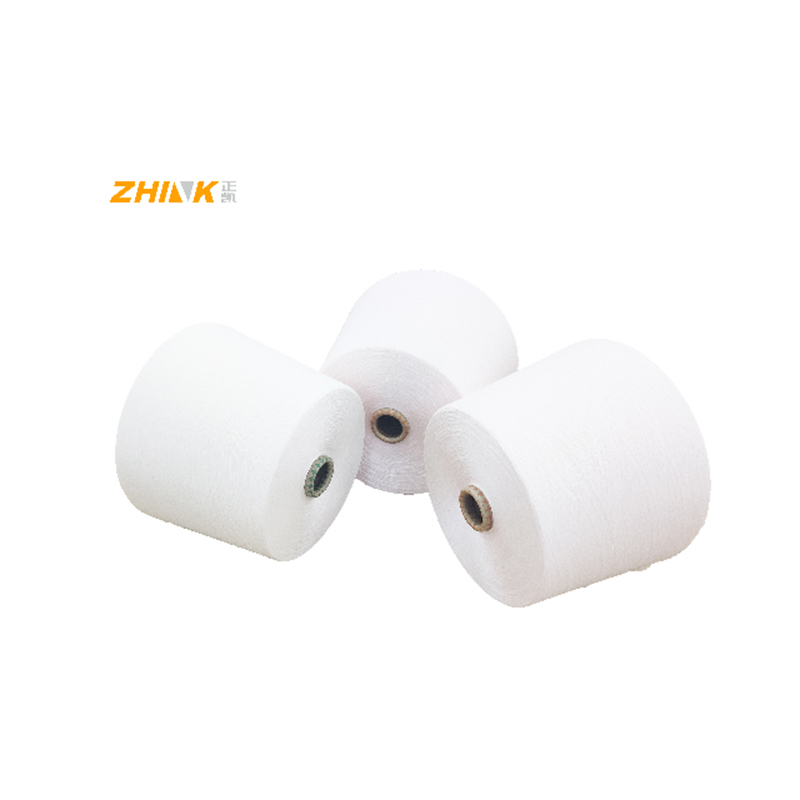
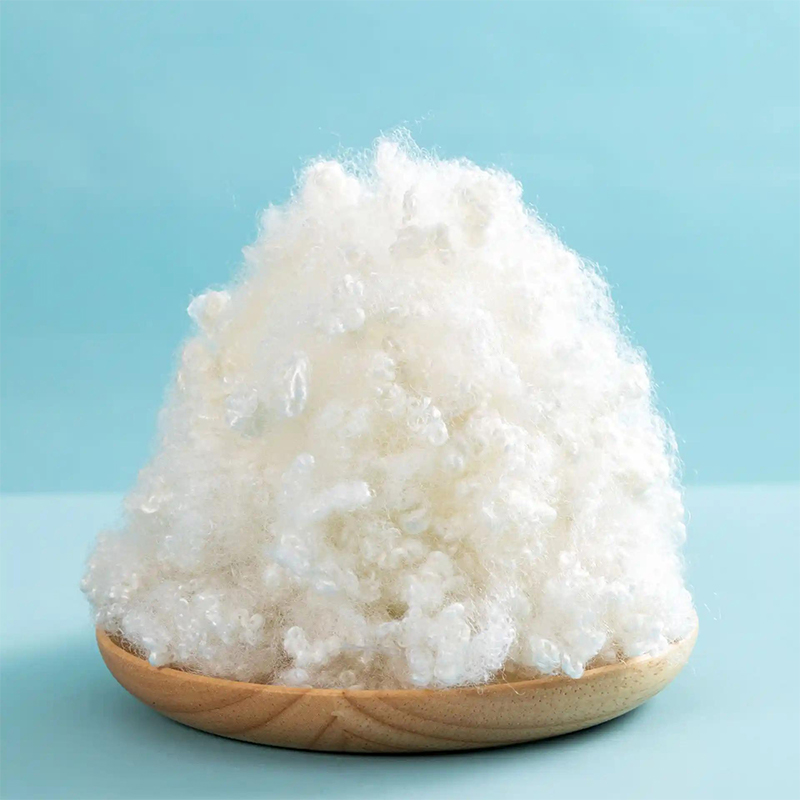
PV 50/50 yarn
Understanding the Versatility of PV 50/50 Yarn
PV 50/50 yarn, a blend of polyester and viscose, offers a unique balance in textile manufacturing, known for its versatility and wide range of applications. This article explores the characteristics, benefits, and practical uses of this distinctive yarn type.
What Makes PV 50/50 Yarn Stand Out?
PV 50/50 yarn combines the strength and durability of polyester with the breathability and softness of viscose. This blend creates a fabric that's both comfortable and resilient, often used in garments where feel and longevity are equally essential. The mixture results in a yarn catering to diverse needs, but like any material, it requires understanding its properties to maximize its potential.
When I first worked with PV 50/50 yarn, it struck me how the yarn managed to stay smooth yet firm, a balance not always easy to achieve. The polyester gives it a degree of resistance to wrinkles and shrinkage, while the viscose adds a touch of luxury and drape. This combination is why you often find it in high-use garments.
There's a common misconception that this blend is only suitable for clothing, but its use extends beyond that. It's perfect for home textiles too, offering that blend of comfort and durability to items like cushions and curtains.
The Manufacturing Process
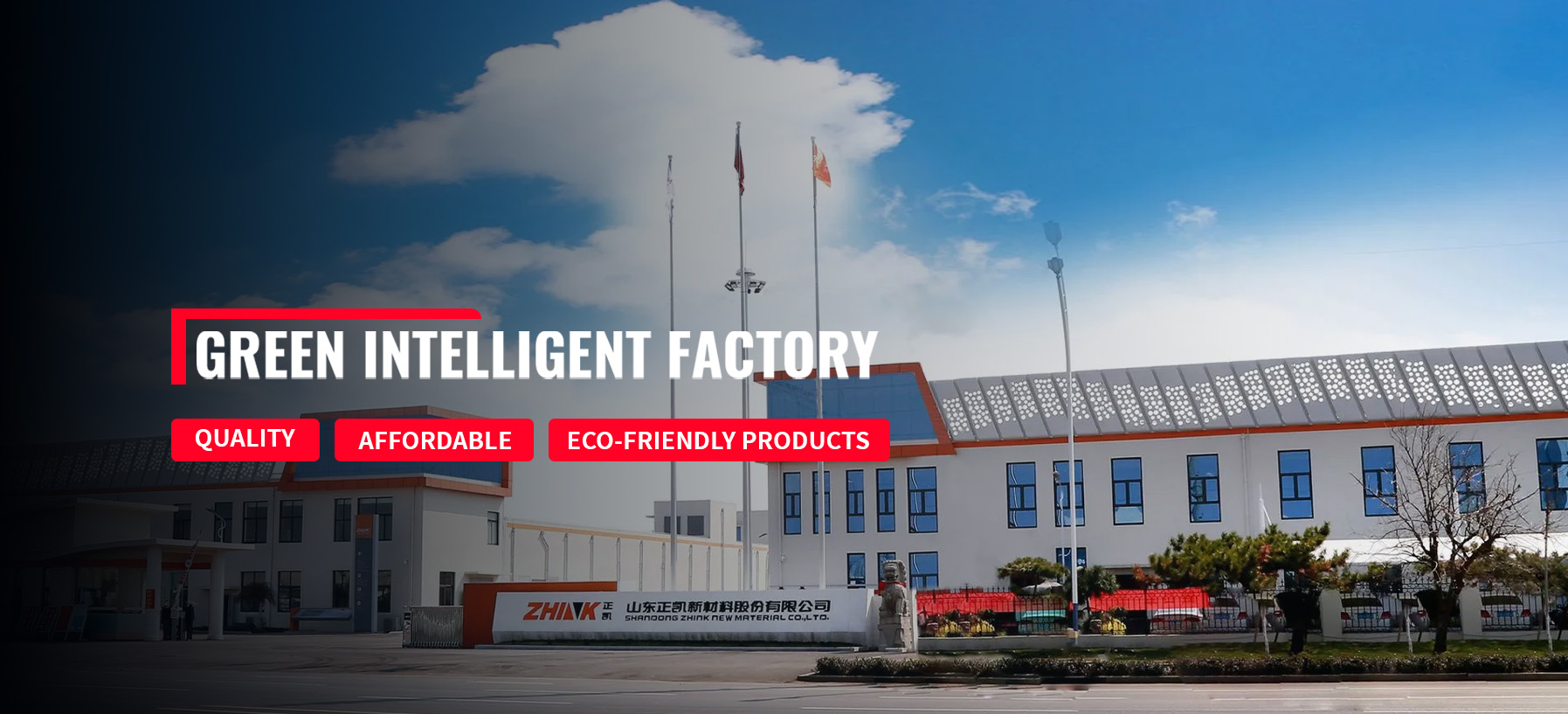
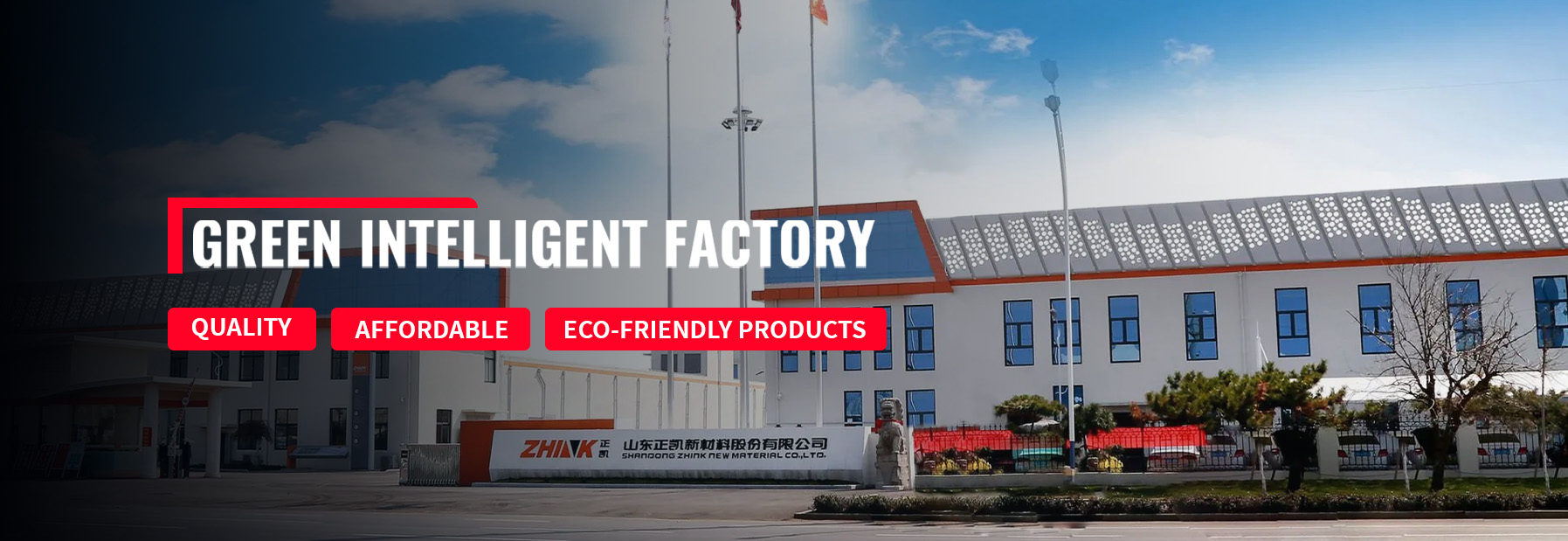
At SHANDONG ZHINK NEW MATERIAL CO., LTD, the manufacturing of PV 50/50 yarn involves a delicate process of blending fibers to ensure consistency. The balance achieved requires precise control over variables like humidity and tension during spinning. You can find more about their approach at their website.
I recall a particular instance when we faced issues with uneven dye uptake. This is a common challenge, as the two fibers react differently to dyes. Ensuring uniform color without compromise is an art, refined through experience and innovation.
Moreover, with PV 50/50 yarn, finishing processes are crucial. The yarn undergoes treatments that enhance its qualities, such as moisture wicking or increased softness, without compromising the core strength given by the polyester.
Applications in Fashion Industry
Pioneers in the fashion industry, like those at Zhink New Material, leverage PV 50/50 yarn for creating collections that demand flexibility and resilience. The yarn caters to a range of fashion needs—from casual wear to formal attire—because of its adaptive nature.
During a collaboration with a textile designer, the yarn's adaptability was put to the test. It was fascinating to observe how a shift in the weaving technique altered the fabric's characteristics entirely, highlighting its versatility. It demonstrates why designers favor it for creating both structure and softness in garments.
From experience, one must consider the end-use dynamics, such as garment type and wearer lifestyle, to fully exploit PV 50/50 yarn. Its responsive nature can complement both cutting-edge designs and classic styles.
Challenges in Dyeing
Dyeing PV 50/50 yarn can be tricky. This blend presents unique challenges because polyester and viscose absorb color differently, which can affect the visual uniformity.
One approach that has been effective involves utilizing disperse dyes suitable for polyester combined with reactive dyes for viscose. This dual-method ensures the hues penetrate adequately. It isn't a straightforward process and demands careful timing and temperature control, but it pays off in vibrant, long-lasting colors.
At Zhink New Material, we've refined these techniques over the years to tackle such challenges efficiently. It’s this dedication to overcoming blending obstacles that keeps the material appealing to modern manufacturing demands.
Sustainability Considerations
In today’s era, sustainability is a concern. Polyester’s environmental impact is frequently debated, yet solutions are emerging. Efforts to incorporate recycled polyester in PV 50/50 yarn are underway, aiming to reduce the carbon footprint.
One project at Zhink involved analyzing lifecycle impacts and experimenting with alternative sources. It's a complex journey, balancing between traditional practices and eco-friendly innovations while maintaining material quality.
These progressive steps not only echo environmental responsibility but also enhance the brand’s commitment to leading textile innovation—one that resonates across the industry and meets the growing consumer demand for sustainable textile solutions.
Related Products
Related Products