+86-632-3621866
- Chinese
- French
- German
- Portuguese
- Spanish
- Russian
- Japanese
- Korean
- Arabic
- Irish
- Greek
- Turkish
- Italian
- Danish
- Romanian
- Indonesian
- Czech
- Afrikaans
- Swedish
- Polish
- Basque
- Catalan
- Esperanto
- Hindi
- Lao
- Albanian
- Amharic
- Armenian
- Azerbaijani
- Belarusian
- Bengali
- Bosnian
- Bulgarian
- Cebuano
- Chichewa
- Corsican
- Croatian
- Dutch
- Estonian
- Filipino
- Finnish
- Frisian
- Galician
- Georgian
- Gujarati
- Haitian
- Hausa
- Hawaiian
- Hebrew
- Hmong
- Hungarian
- Icelandic
- Igbo
- Javanese
- Kannada
- Kazakh
- Khmer
- Kurdish
- Kyrgyz
- Latin
- Latvian
- Lithuanian
- Luxembou..
- Macedonian
- Malagasy
- Malay
- Malayalam
- Maltese
- Maori
- Marathi
- Mongolian
- Burmese
- Nepali
- Norwegian
- Pashto
- Persian
- Punjabi
- Serbian
- Sesotho
- Sinhala
- Slovak
- Slovenian
- Somali
- Samoan
- Scots Gaelic
- Shona
- Sindhi
- Sundanese
- Swahili
- Tajik
- Tamil
- Telugu
- Thai
- Ukrainian
- Urdu
- Uzbek
- Vietnamese
- Welsh
- Xhosa
- Yiddish
- Yoruba
- Zulu
- Kinyarwanda
- Tatar
- Oriya
- Turkmen
- Uyghur



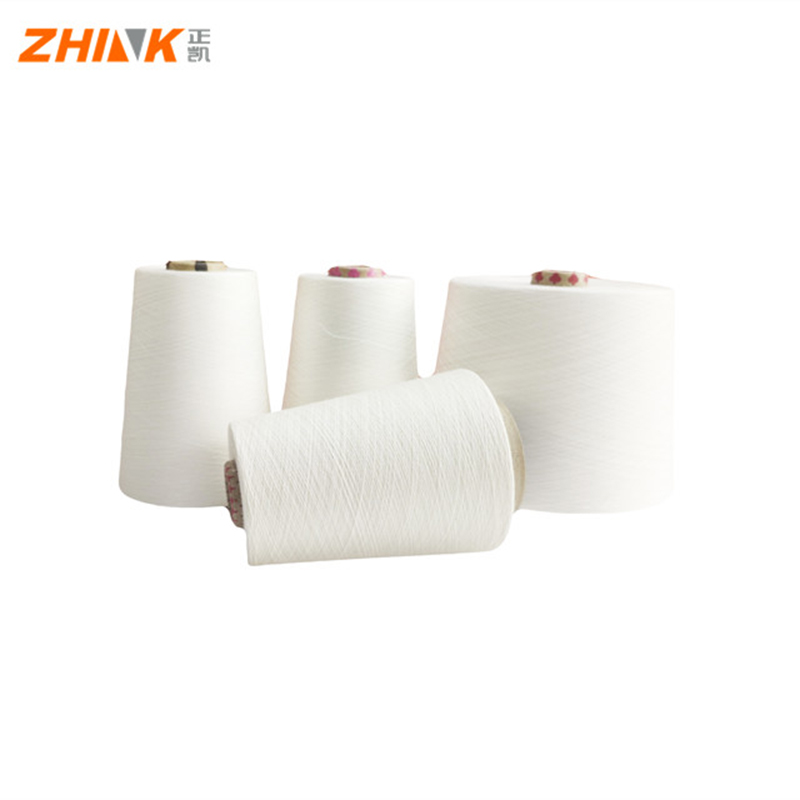
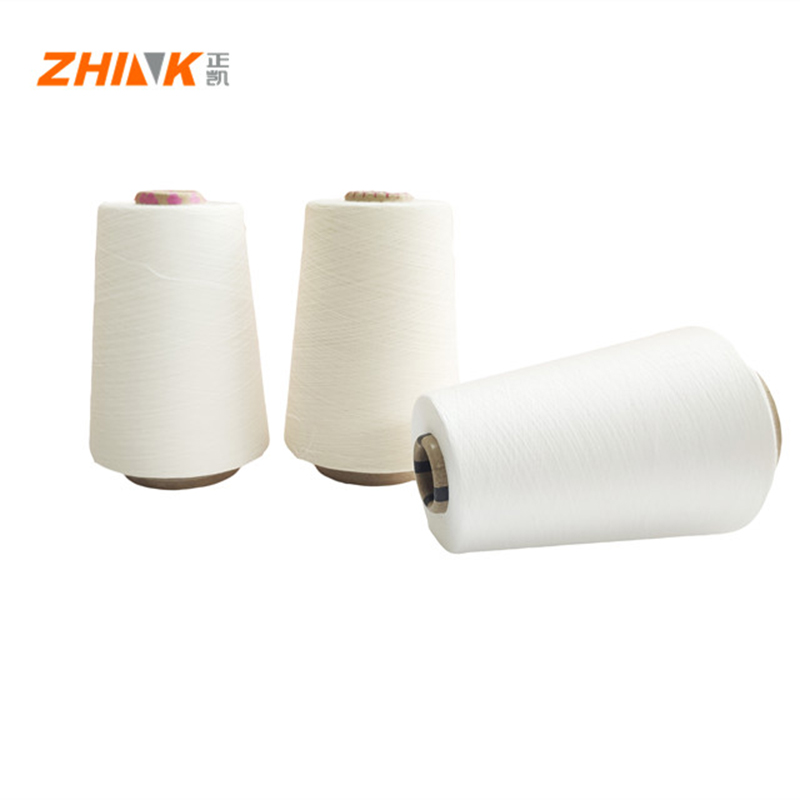
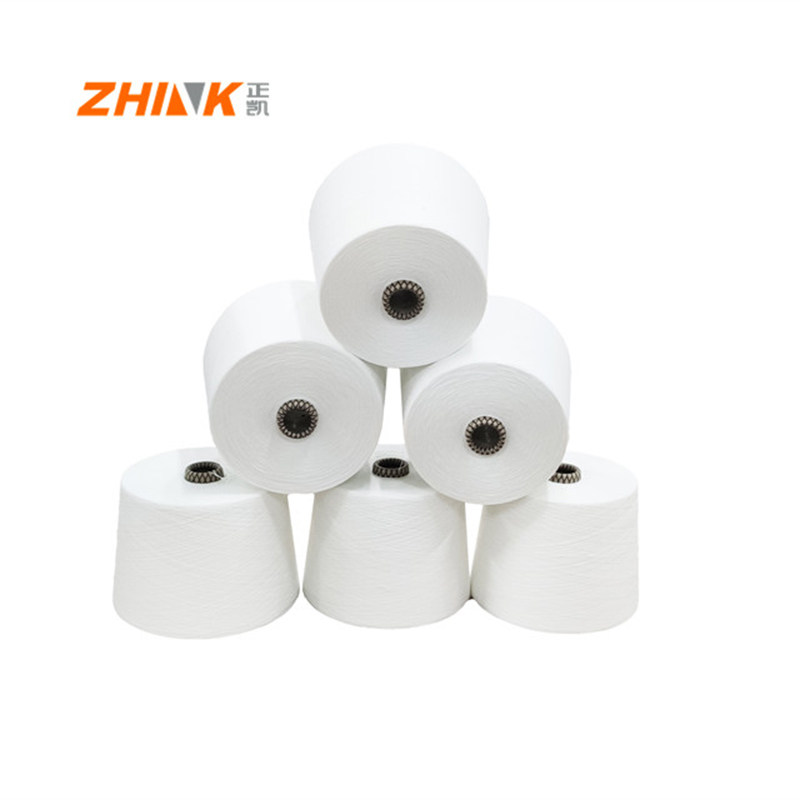
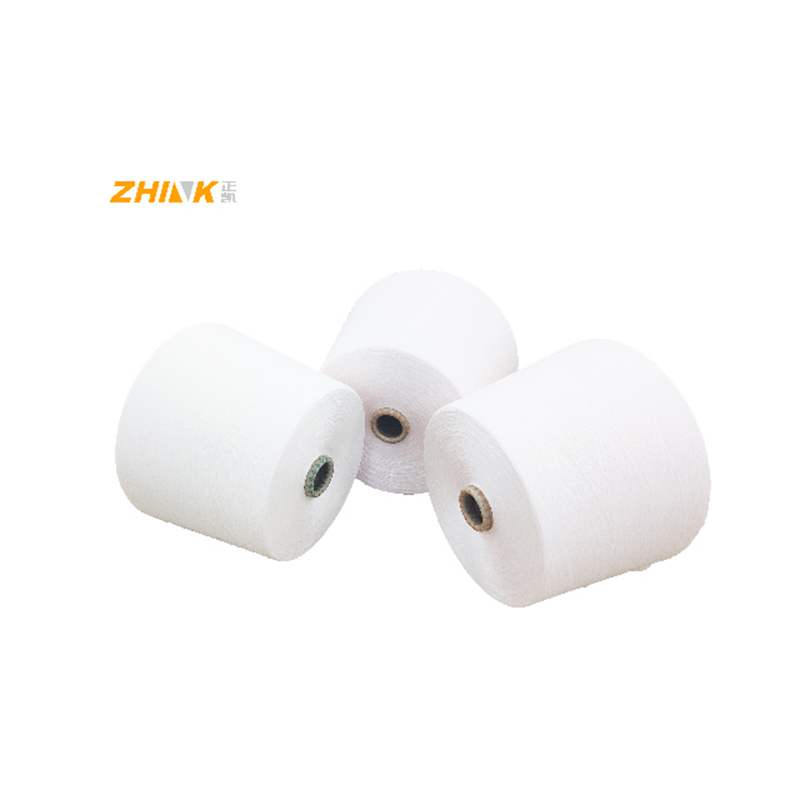
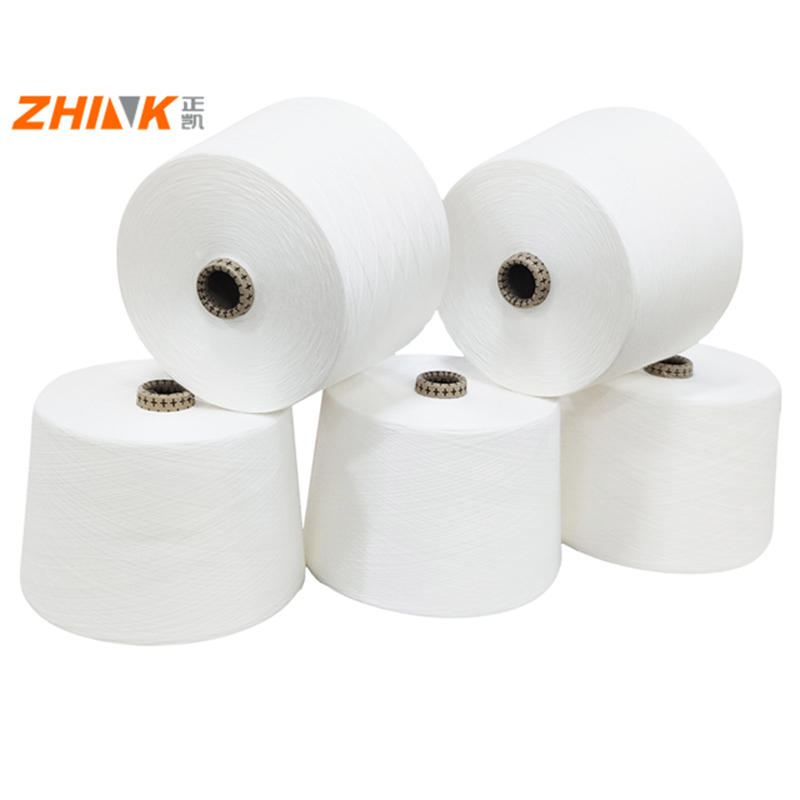
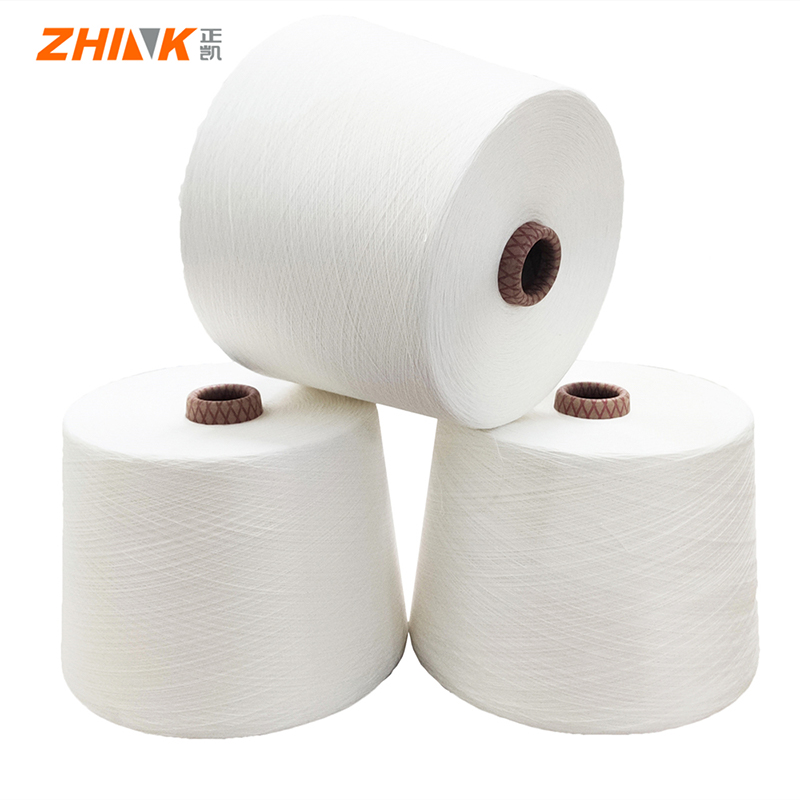
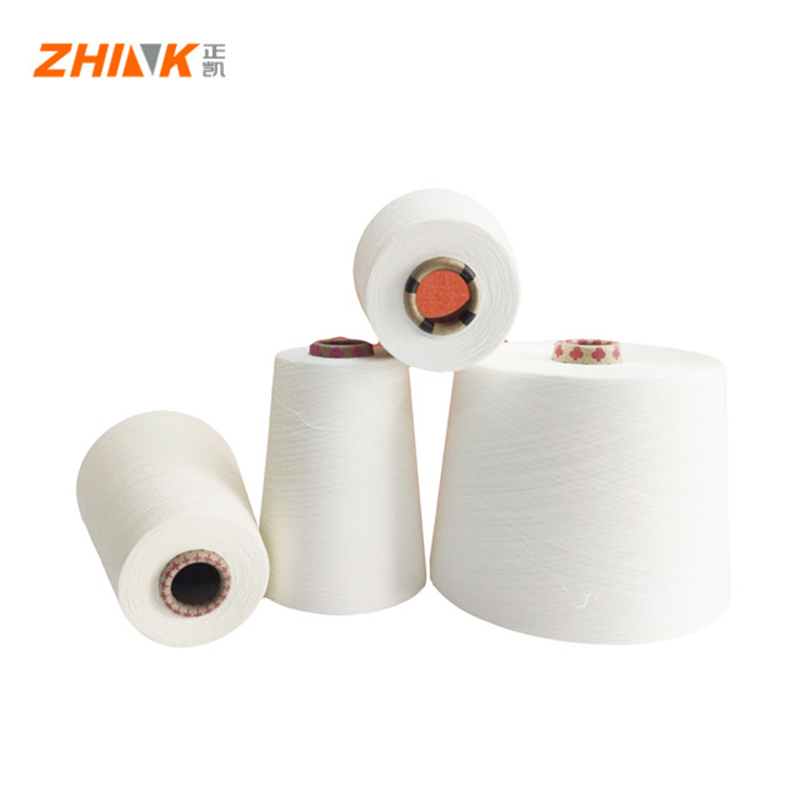
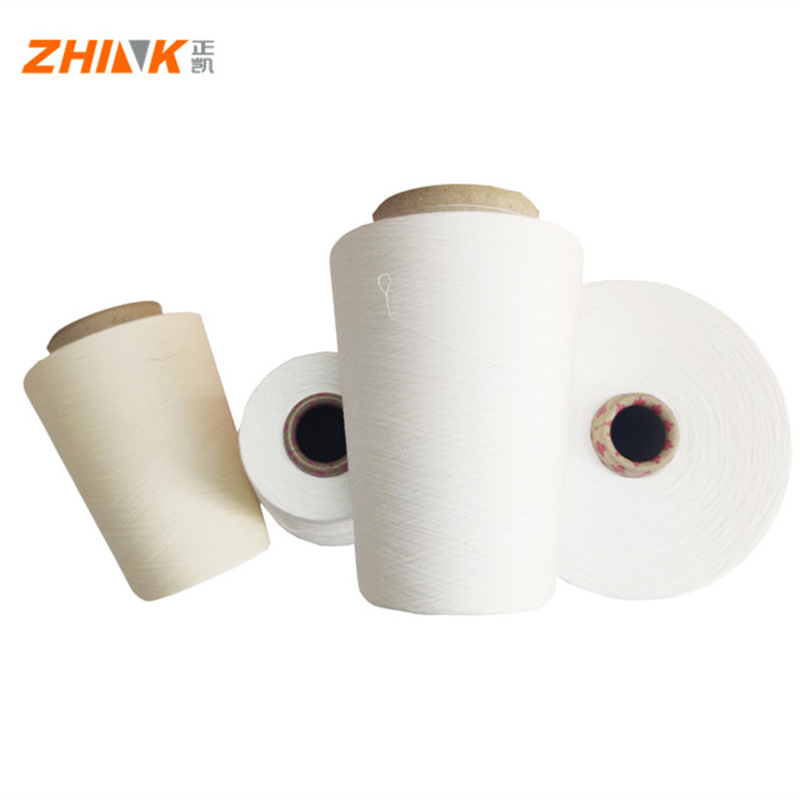
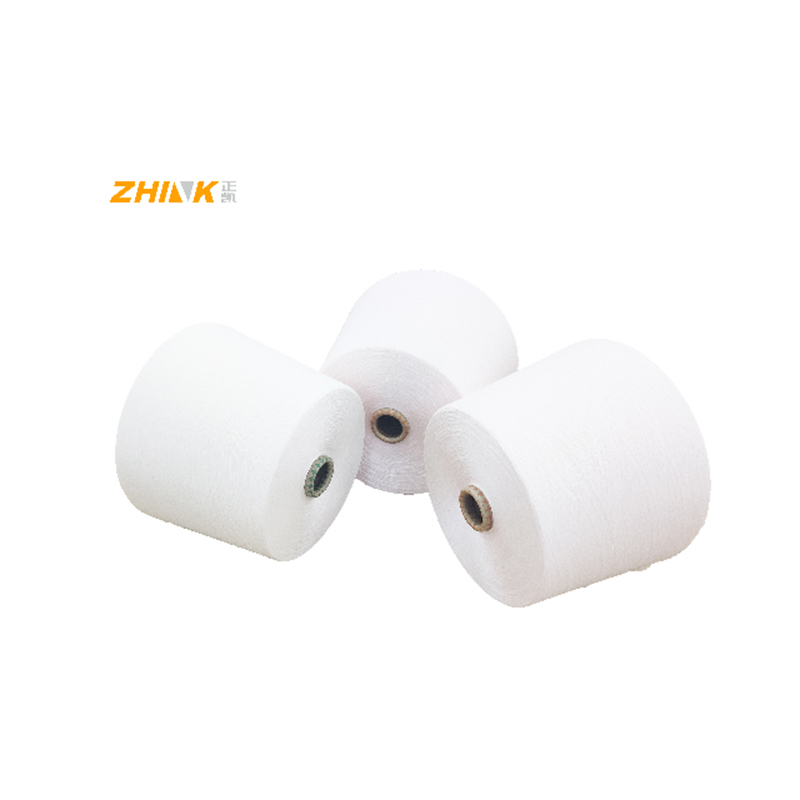
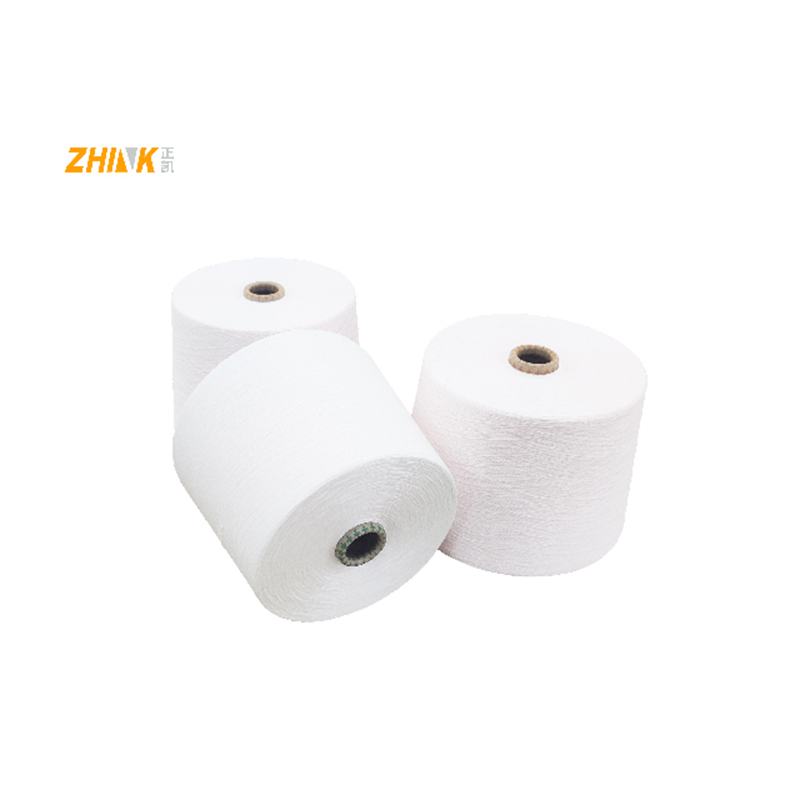
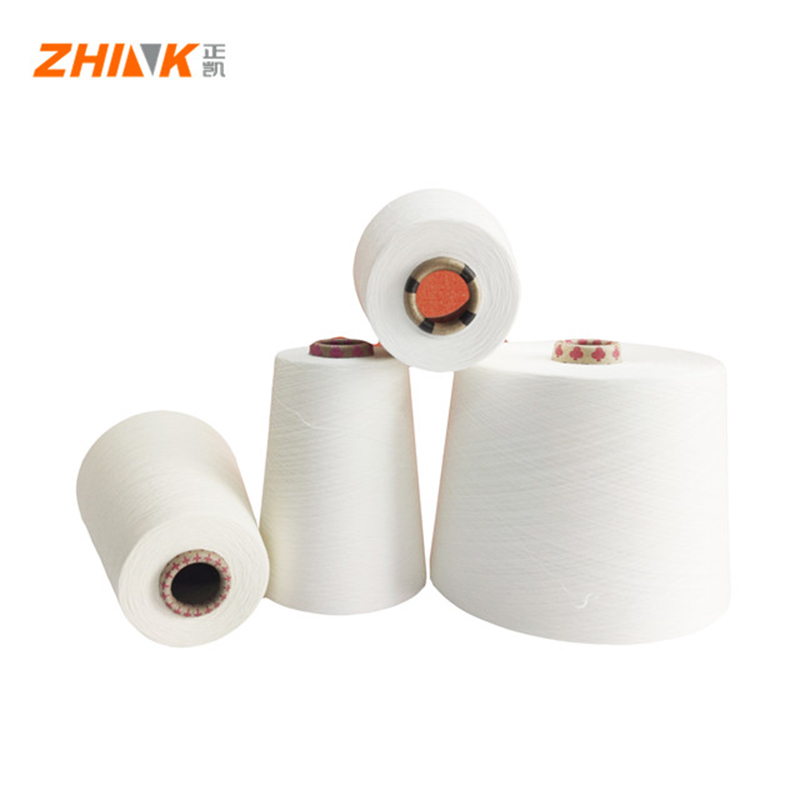
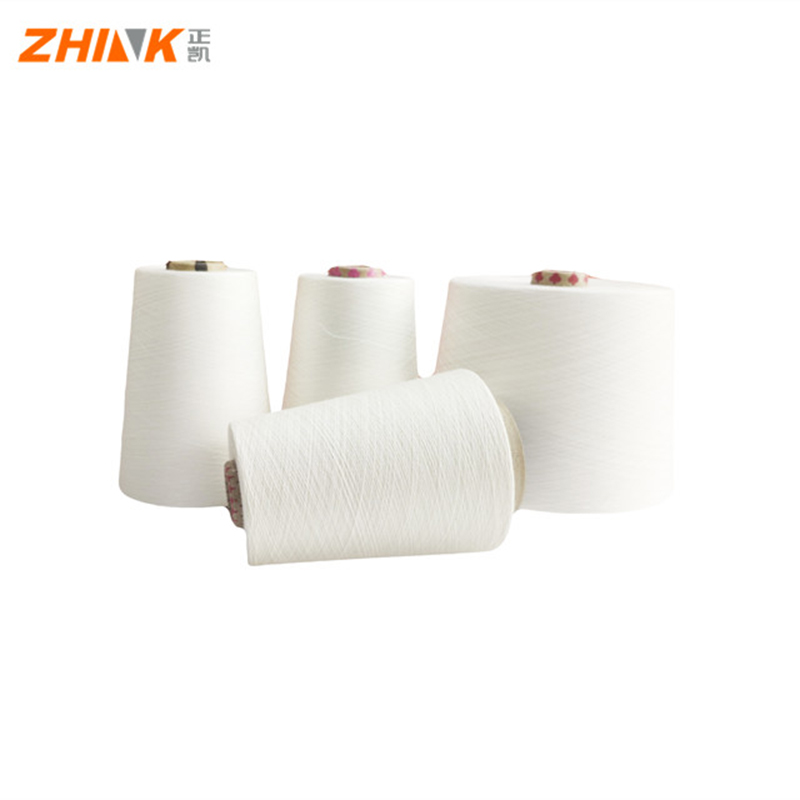
PV 65/35 yarn
The Intricacies of PV 65/35 Yarn in Textile Manufacturing
PV 65/35 Yarn, a blend of polyester and viscose in a 65 to 35 ratio, is a staple in the textile industry. However, understanding its true potential and challenges requires more than a superficial glance.
Why Choose PV 65/35 Yarn?
PV 65/35 yarn combines the strength of polyester with the comfort of viscose, making it an attractive choice for a variety of textiles. It’s often lauded for its versatility—used in everything from apparel to home textiles. The question then is, why isn't it ubiquitous?
One common misconception is that the PV 65/35 yarn blend handles like 100% polyester. In reality, the viscose component introduces a softer, more luxurious feel, but it also adds a bit of complexity to the manufacturing process. I've seen many manufacturers initially struggle with this blend due to its unique handling properties.
From my experience, this yarn blend's strength lies in its adaptability. It’s suited for knitting, weaving, and even non-woven applications. In cases where fabric stretch and recovery were essential, the 65/35 blend performed remarkably well—though achieving this balance requires fine-tuning during the spinning process.
Production Challenges
The production of PV 65/35 Yarn is where things get a bit tricky. The spinning phase requires a keen eye and experienced hands. Polyester’s resilience juxtaposed with viscose's delicate nature can pose a challenge—especially when aiming for a seamless blend.
One key issue is the dyeing process. Polyester and viscose absorb dyes differently, resulting in potential color inconsistencies. During my time at the loom, achieving uniformity in color was a common battle. It necessitates careful selection of dyes and precise control over the dyeing conditions to get a uniform hue.
These challenges are precisely why expertise is critical. Working with a company like SHANDONG ZHINK NEW MATERIAL CO., LTD can be a game-changer. Their specialization in new textile materials offers insights and solutions that I found invaluable in overcoming production hurdles.
An Eye on Sustainability
Another layer to consider is the sustainability aspect. In a world increasingly conscious of environmental impact, PV 65/35 Yarn presents a mixed bag. Polyester, made from petrochemicals, isn’t as sustainable as one might hope. However, the viscose component, derived from natural sources, can offset this if sourced responsibly.
During one project, we delved into sourcing certified sustainable viscose. While initially tricky, aligning with suppliers who prioritized eco-friendly practices made a significant difference. It was a wake-up call to how yarn choices can impact both product quality and environmental footprint.
Incorporating sustainable practices isn’t just a trend—it’s an industry shift. Companies that embrace this are not only contributing positively to the environment but also gaining consumer trust, a trend I observed firsthand when buyers preferred products with transparent sourcing.
Market Dynamics
The market for PV 65/35 yarn is influenced by its unique properties and cost-effectiveness. Its market viability is often weighed against alternatives, such as cotton or wool, especially when pricing pressures mount.
In my dealings, price fluctuations of polyester and viscose directly impacted the production cost of this blend. It's crucial to stay informed about these market dynamics. Collaborating with a supplier like Zhink New Material, which keeps a finger on the pulse of market trends, can offer a competitive edge.
The balance between quality, cost, and availability of new textile materials defines market success. As manufacturers adapt to these shifts, decisions must be informed by both current trends and long-term sustainability goals.
Technical Advancements
Innovation in textile technology has significantly impacted the production of PV 65/35 Yarn. Advanced spinning techniques and blending technologies have introduced improvements that seemed unattainable even a decade ago.
I recall a particular innovation that integrated advanced computer-aided design with traditional looms. This approach minimized human error and optimized the blend, resulting in enhanced quality and production efficiency.
With continuous research and development, led by companies focused on new textile materials, the scope of PV 65/35 Yarn is continuously expanding. Again, having firsthand experience with such advancements, I appreciate the game-changing nature of these developments. The coming years promise even greater leaps in quality and sustainability.
Related Products
Related Products