+86-632-3621866
- Chinese
- French
- German
- Portuguese
- Spanish
- Russian
- Japanese
- Korean
- Arabic
- Irish
- Greek
- Turkish
- Italian
- Danish
- Romanian
- Indonesian
- Czech
- Afrikaans
- Swedish
- Polish
- Basque
- Catalan
- Esperanto
- Hindi
- Lao
- Albanian
- Amharic
- Armenian
- Azerbaijani
- Belarusian
- Bengali
- Bosnian
- Bulgarian
- Cebuano
- Chichewa
- Corsican
- Croatian
- Dutch
- Estonian
- Filipino
- Finnish
- Frisian
- Galician
- Georgian
- Gujarati
- Haitian
- Hausa
- Hawaiian
- Hebrew
- Hmong
- Hungarian
- Icelandic
- Igbo
- Javanese
- Kannada
- Kazakh
- Khmer
- Kurdish
- Kyrgyz
- Latin
- Latvian
- Lithuanian
- Luxembou..
- Macedonian
- Malagasy
- Malay
- Malayalam
- Maltese
- Maori
- Marathi
- Mongolian
- Burmese
- Nepali
- Norwegian
- Pashto
- Persian
- Punjabi
- Serbian
- Sesotho
- Sinhala
- Slovak
- Slovenian
- Somali
- Samoan
- Scots Gaelic
- Shona
- Sindhi
- Sundanese
- Swahili
- Tajik
- Tamil
- Telugu
- Thai
- Ukrainian
- Urdu
- Uzbek
- Vietnamese
- Welsh
- Xhosa
- Yiddish
- Yoruba
- Zulu
- Kinyarwanda
- Tatar
- Oriya
- Turkmen
- Uyghur


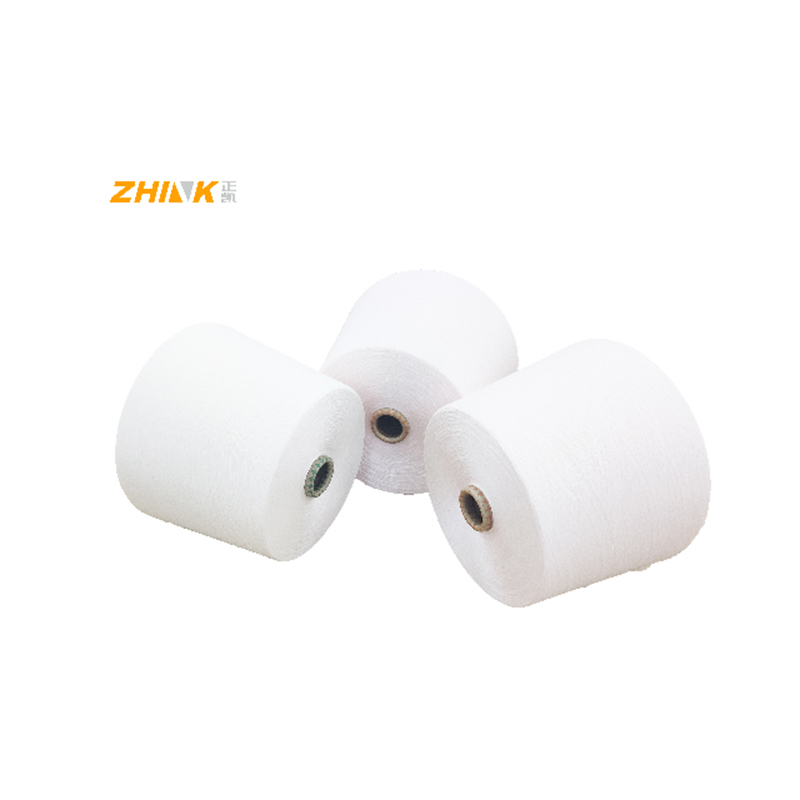
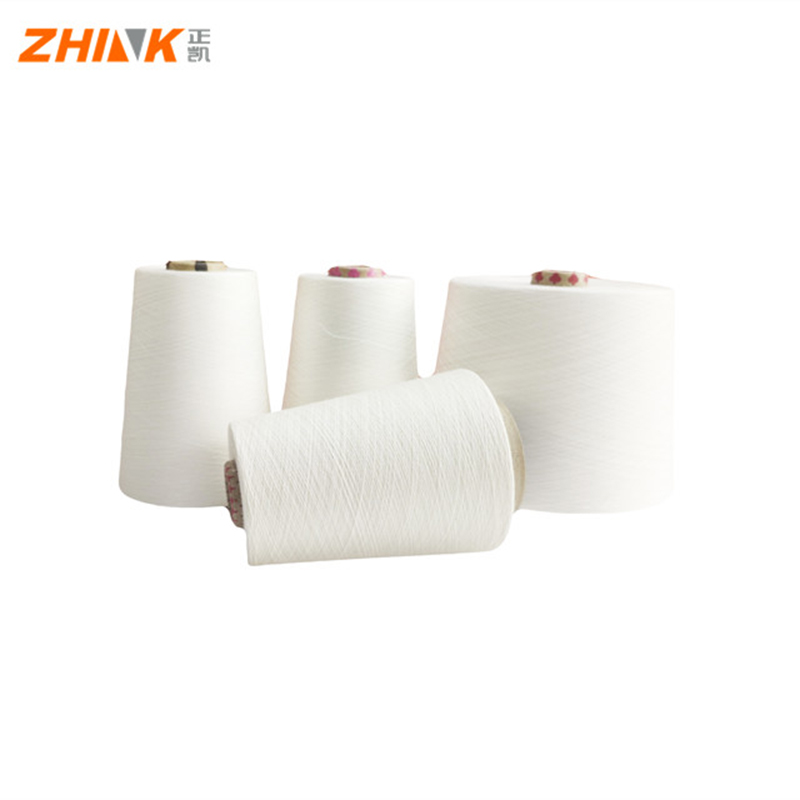
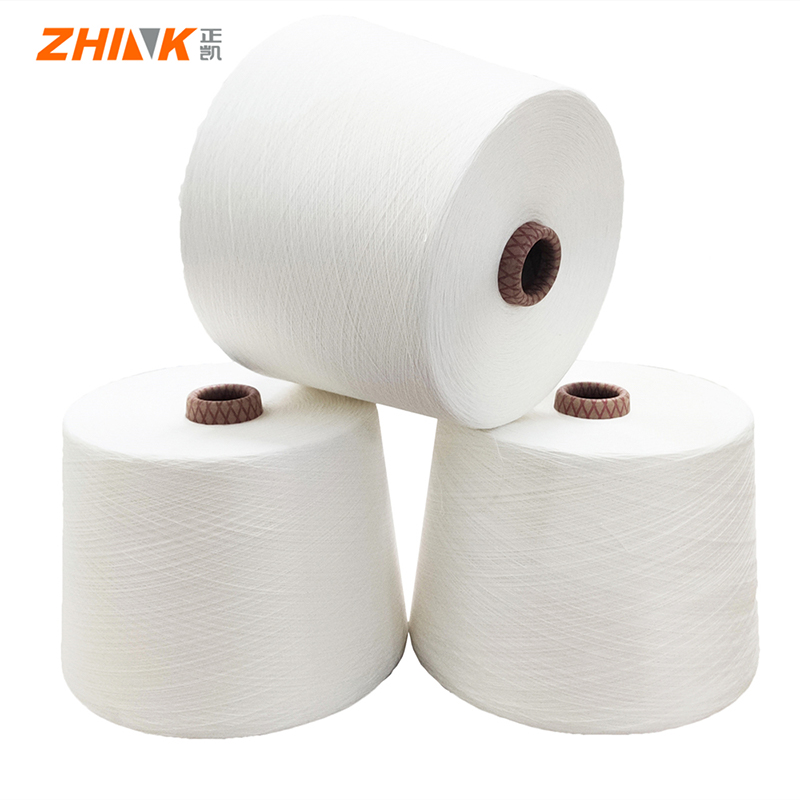
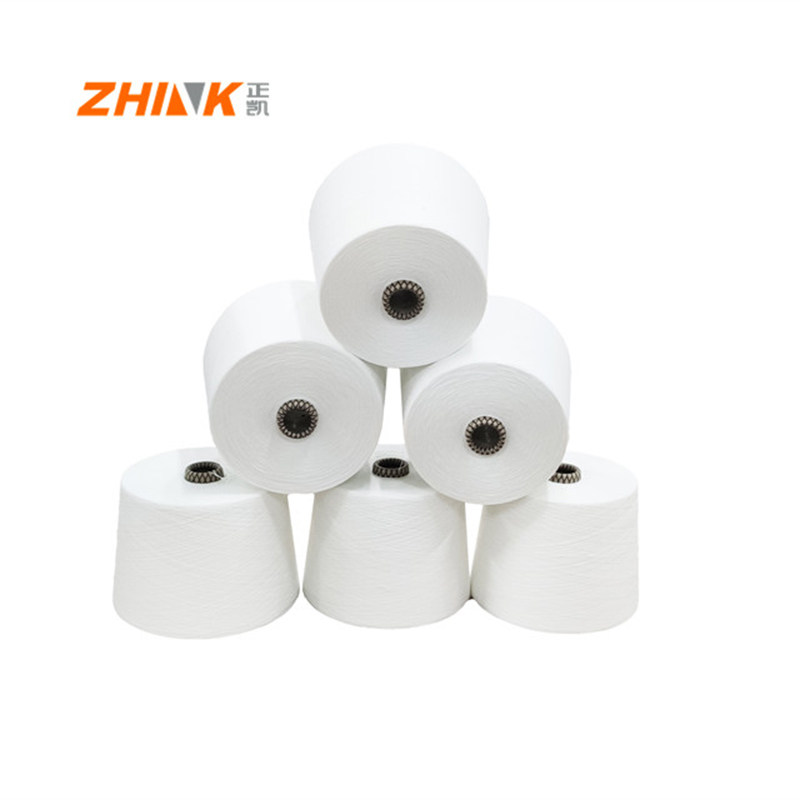
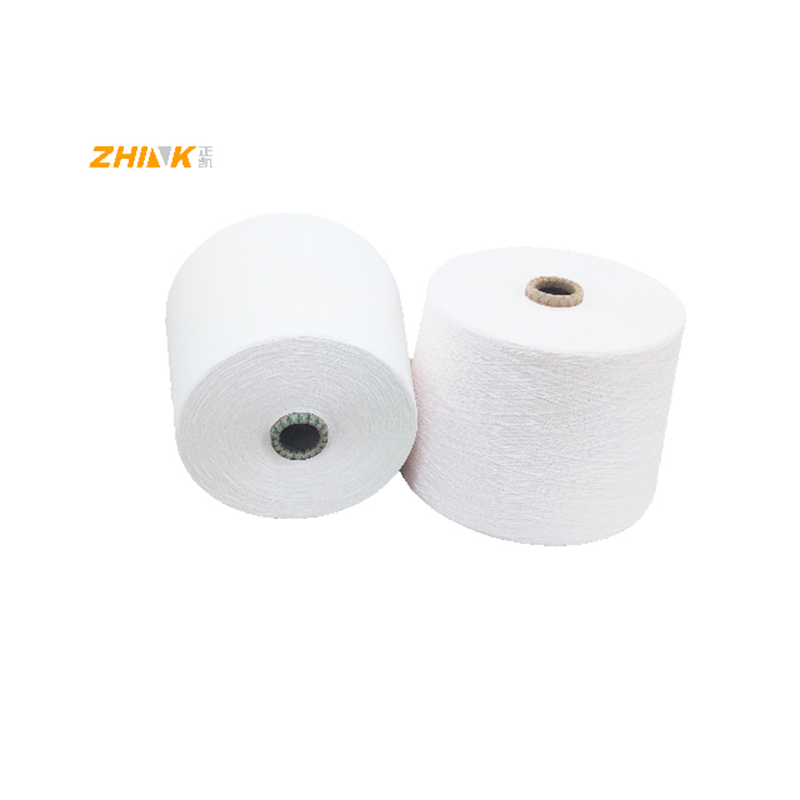
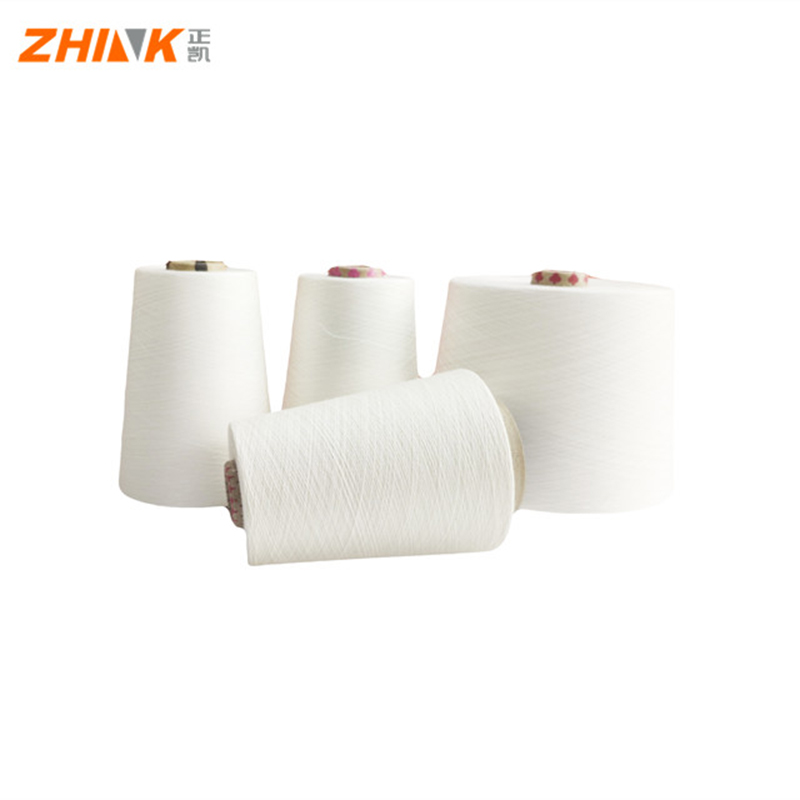
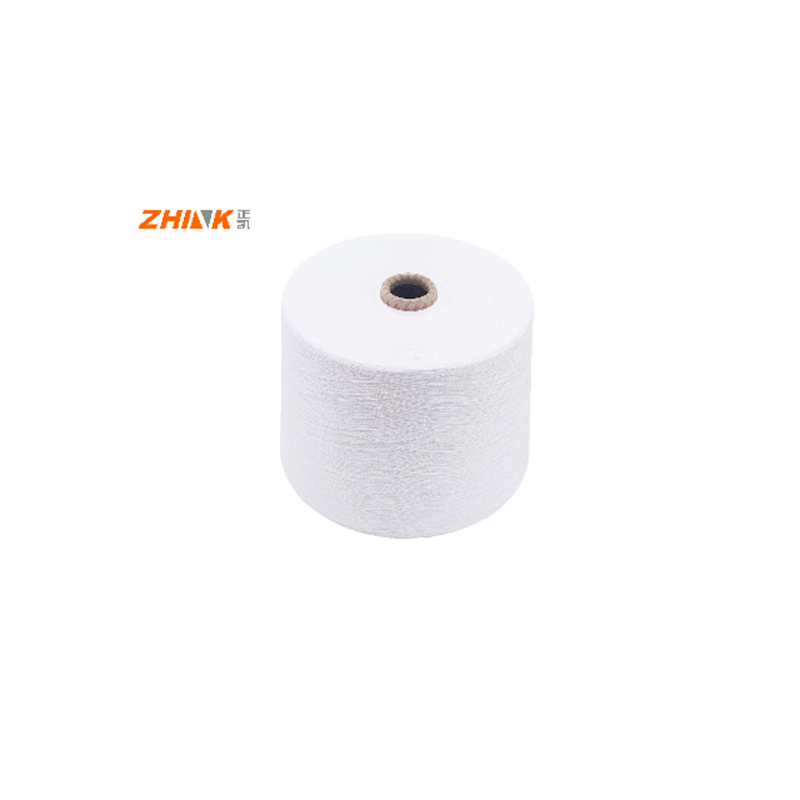
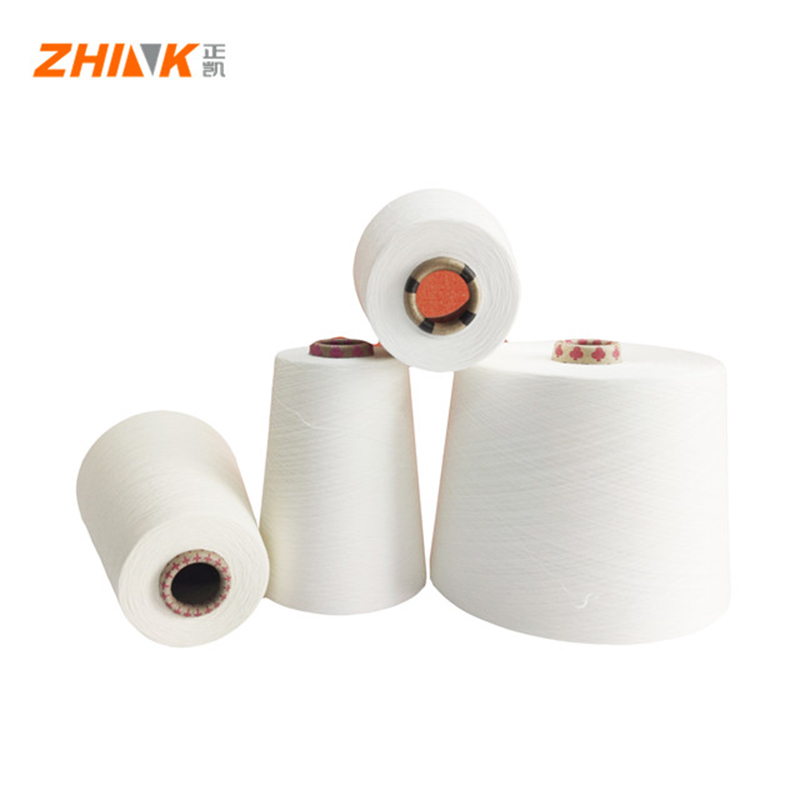
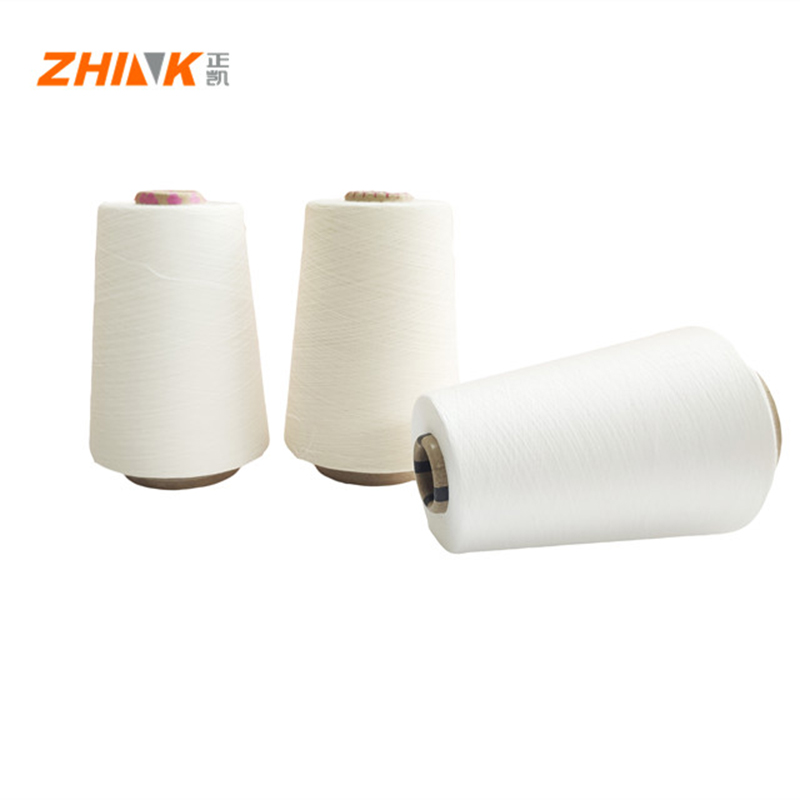
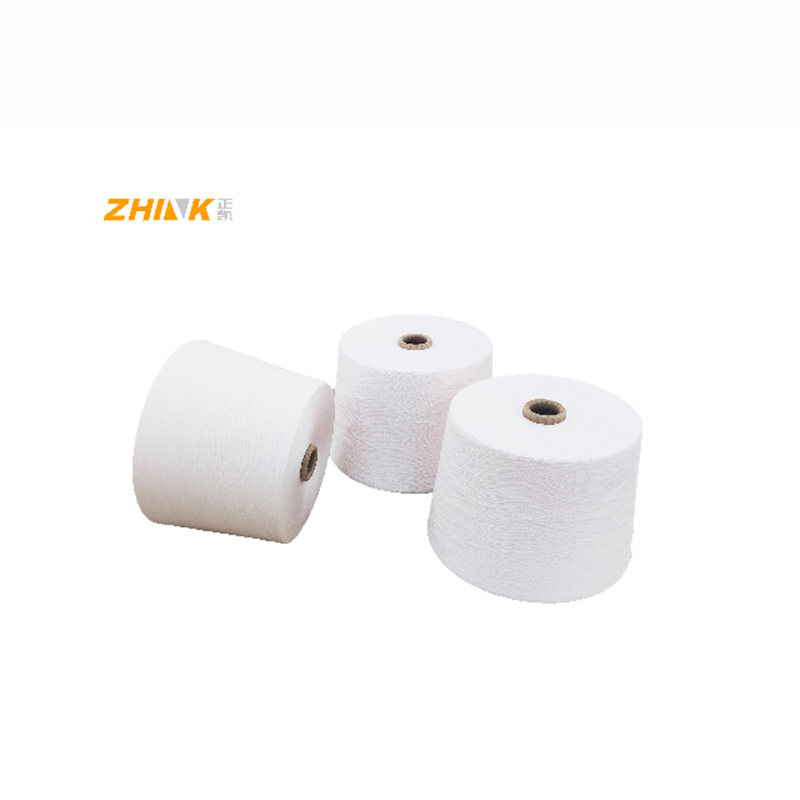
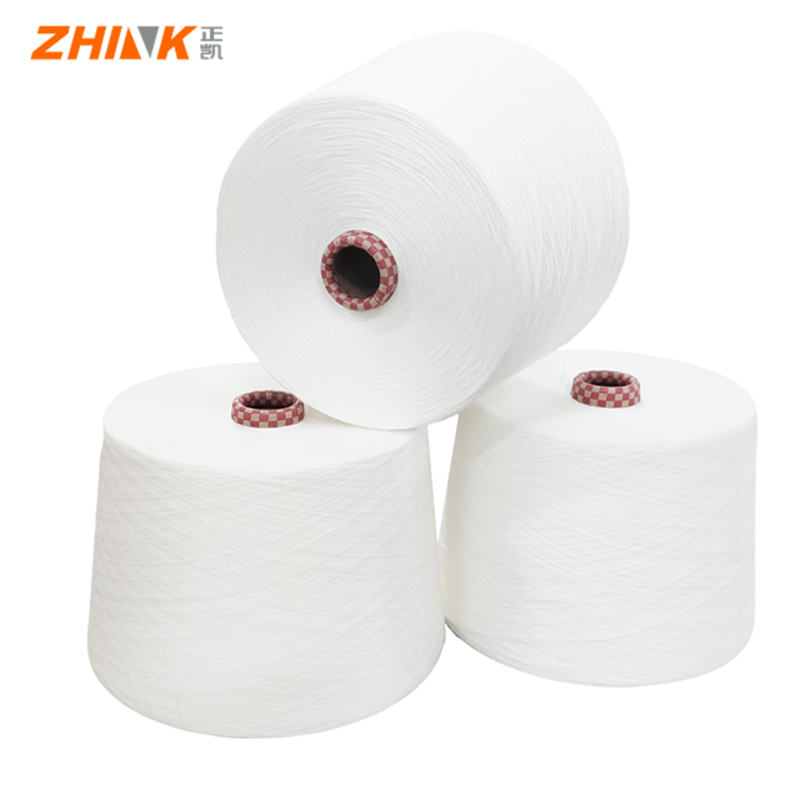
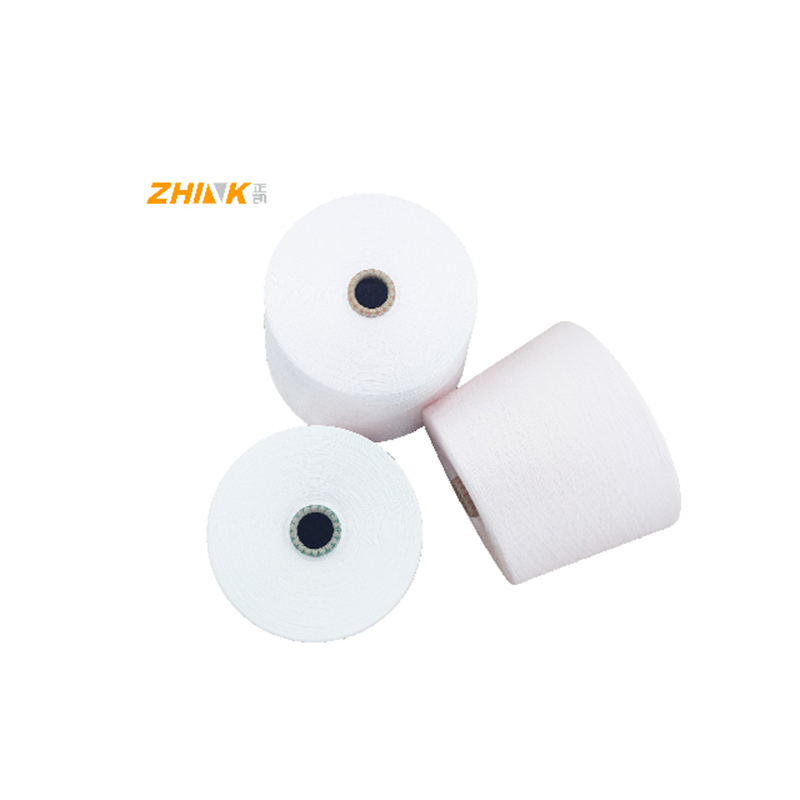
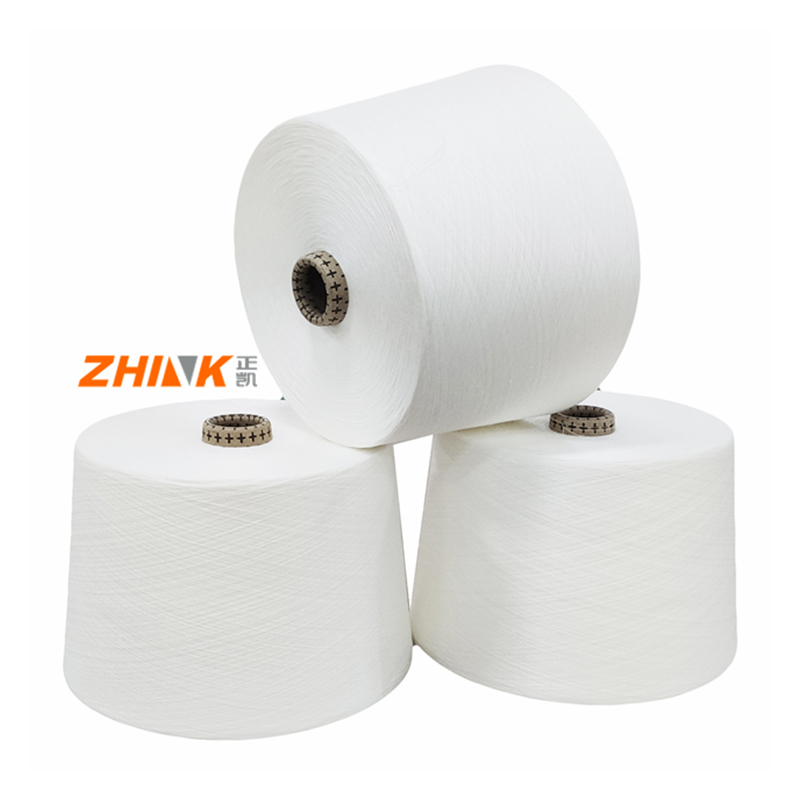
PV 70/30 yarn
Understanding PV 70/30 Yarn: A Practical Guide
Delving into the world of textiles, the term PV 70/30 yarn frequently appears. Yet, without hands-on experience, understanding its intricacies can be elusive. What truly defines this blend, and how does it differentiate itself in the textile industry?
The Basics of PV 70/30 Yarn
PV yarn is composed of polyester and viscose, and the numbers 70/30 refer to their respective ratios. This blend combines the synthetic resilience of polyester with the breathable characteristics of viscose, making it a popular choice in both fashion and functional textiles.
During my years in textile production, I initially misjudged the weight distribution, thinking it might be too synthetic-heavy. However, this specific blend surprisingly balances durability with comfort, offering a soft hand feel while maintaining strength and low shrinkage.
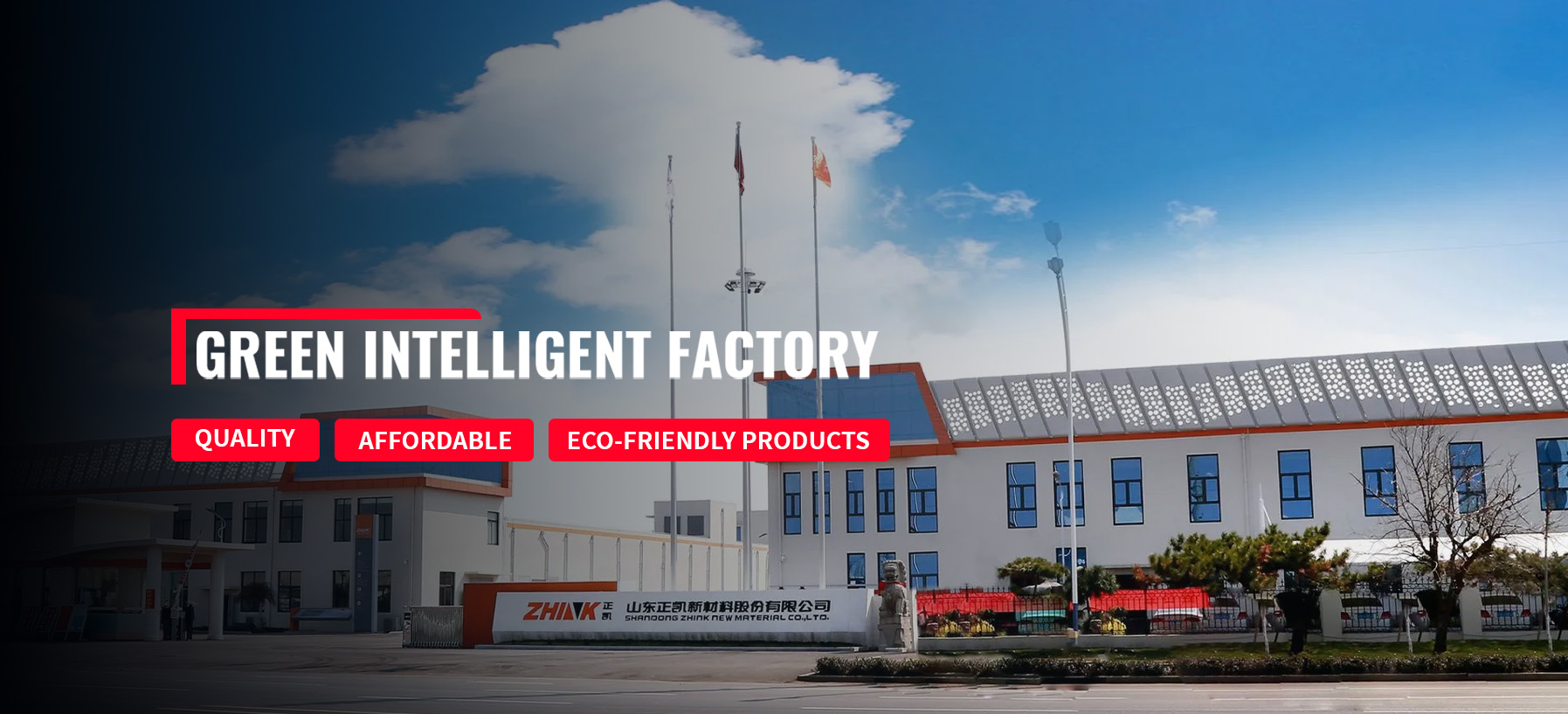
Many manufacturers, like Zhink New Material, have embraced this composition for its versatility. Zhink, for instance, utilizes their extensive R&D capabilities to fine-tune these materials, ensuring a high-quality end product.
Why Choose PV 70/30?
One might wonder why this blend over others. Practical experience shows that the PV 70/30 yarn excels in areas where garments require both breathability and a degree of stiffness, such as in suits or workwear. It’s also favored in home textiles, where resilience is crucial.
I've seen firsthand how PV 70/30 yarn performs under various conditions. In one instance, we tested it alongside a pure cotton variant in a high-humidity environment. The PV held up remarkably better, maintaining its form and texture.
When comparing cost-effectiveness, the longevity and durability of PV yarns often make them a smarter investment, especially in bulk fabric production or large-scale garment manufacturing.
Challenges in Utilizing PV 70/30 Yarn
I've observed that with this yarn, color consistency isn't always guaranteed. The dye uptake can vary, leading to discrepancies in large batches. However, experienced manufacturers like SHANDONG ZHINK NEW MATERIAL CO., LTD frequently overcome this with advanced dyeing techniques.
Another issue is the pilling tendency, especially when used in fabrics that experience frequent friction. This isn't insurmountable though; solutions like anti-pilling finishes extend the fabric's life span.
Lastly, cut edges tend to fray without proper handling—something often overlooked. Using a tightly woven structure during manufacturing helps mitigate this issue.
Practical Applications
The practical applications for PV 70/30 yarn span across various textile sectors. The blend is prevalent in corporate uniforms due to its sturdy yet comfortable nature and easy maintenance.
A personal project involved crafting durable upholstery with this yarn, and the results were consistently impressive. The balance in texture and tensile strength made it an excellent choice.
In fashion, many designers opt for this blend for knitwear in colder climates. Its thermal properties, derived mainly from the viscose, offer better insulation compared to pure synthetics.
Conclusion: Making the Right Choice
Working with PV 70/30 yarn requires an appreciation for its unique properties and potential drawbacks. It truly offers a harmonious blend of strength and comfort, standing out as a versatile choice in diverse textile applications.
When selecting materials, considering both purpose and performance is fundamental. Companies like Zhink New Material demonstrate that innovation and expertise play pivotal roles in maximizing yarn potential, confirming that a proper understanding of materials leads to superior products.
In the end, whether it's for fashion, industrial, or home use, the decision to use PV 70/30 can deliver significant benefits, provided that its capabilities and limitations are well understood and adequately addressed.
Related Products
Related Products