+86-632-3621866
- Chinese
- French
- German
- Portuguese
- Spanish
- Russian
- Japanese
- Korean
- Arabic
- Irish
- Greek
- Turkish
- Italian
- Danish
- Romanian
- Indonesian
- Czech
- Afrikaans
- Swedish
- Polish
- Basque
- Catalan
- Esperanto
- Hindi
- Lao
- Albanian
- Amharic
- Armenian
- Azerbaijani
- Belarusian
- Bengali
- Bosnian
- Bulgarian
- Cebuano
- Chichewa
- Corsican
- Croatian
- Dutch
- Estonian
- Filipino
- Finnish
- Frisian
- Galician
- Georgian
- Gujarati
- Haitian
- Hausa
- Hawaiian
- Hebrew
- Hmong
- Hungarian
- Icelandic
- Igbo
- Javanese
- Kannada
- Kazakh
- Khmer
- Kurdish
- Kyrgyz
- Latin
- Latvian
- Lithuanian
- Luxembou..
- Macedonian
- Malagasy
- Malay
- Malayalam
- Maltese
- Maori
- Marathi
- Mongolian
- Burmese
- Nepali
- Norwegian
- Pashto
- Persian
- Punjabi
- Serbian
- Sesotho
- Sinhala
- Slovak
- Slovenian
- Somali
- Samoan
- Scots Gaelic
- Shona
- Sindhi
- Sundanese
- Swahili
- Tajik
- Tamil
- Telugu
- Thai
- Ukrainian
- Urdu
- Uzbek
- Vietnamese
- Welsh
- Xhosa
- Yiddish
- Yoruba
- Zulu
- Kinyarwanda
- Tatar
- Oriya
- Turkmen
- Uyghur



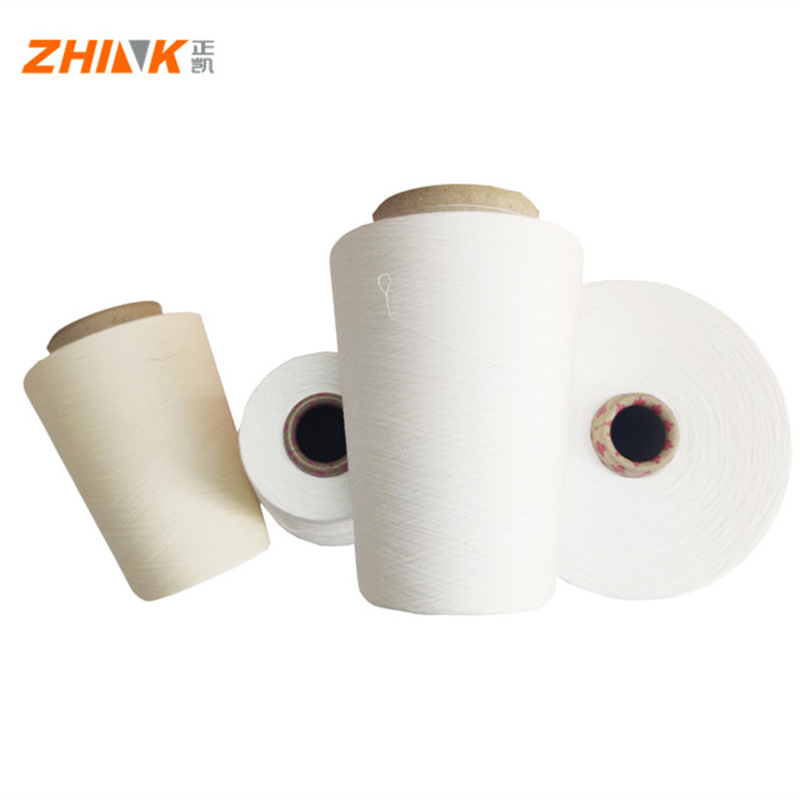
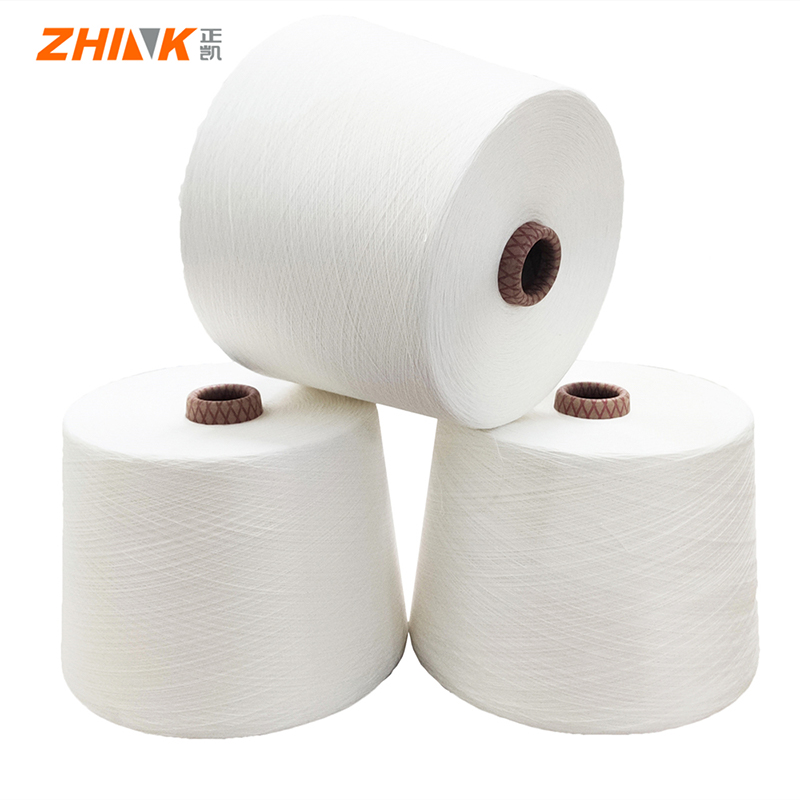
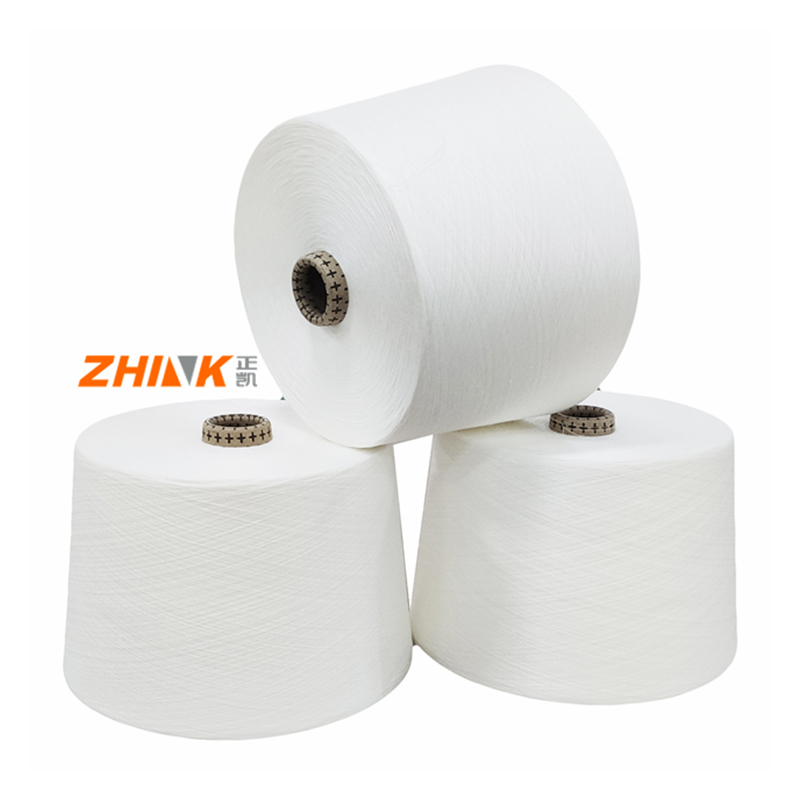
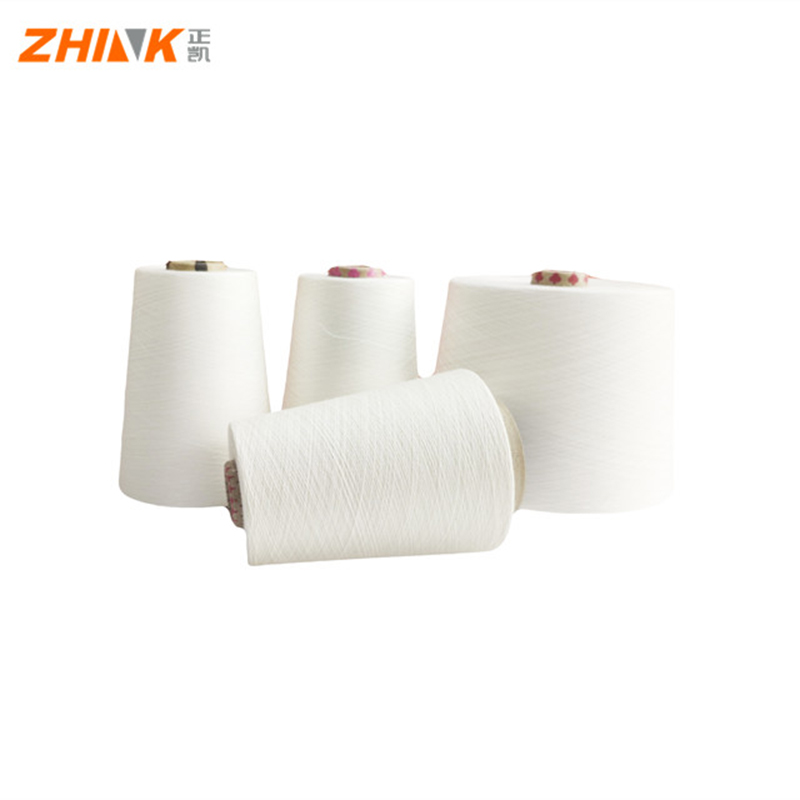
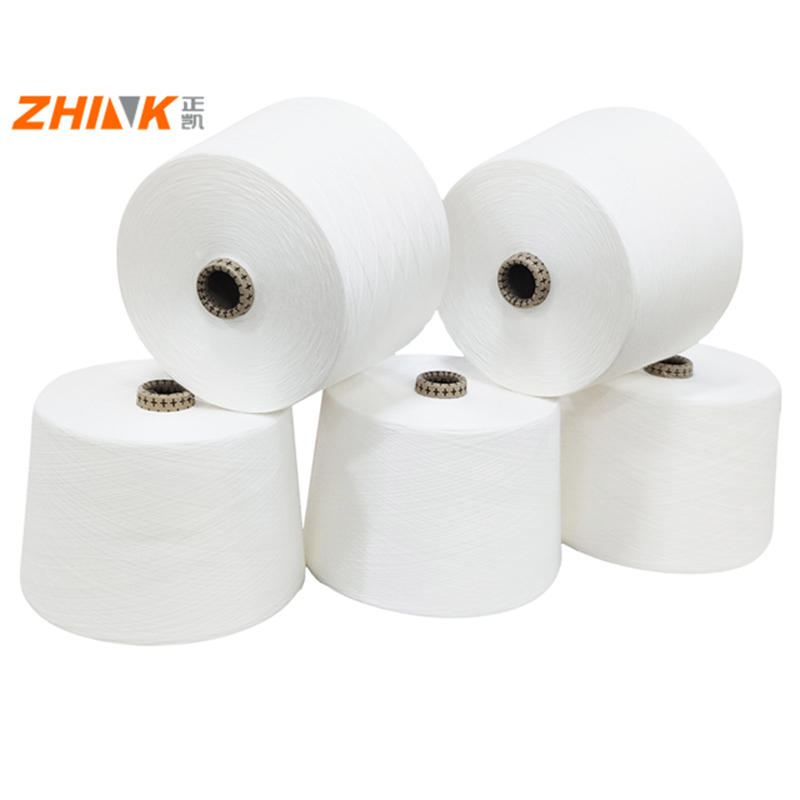
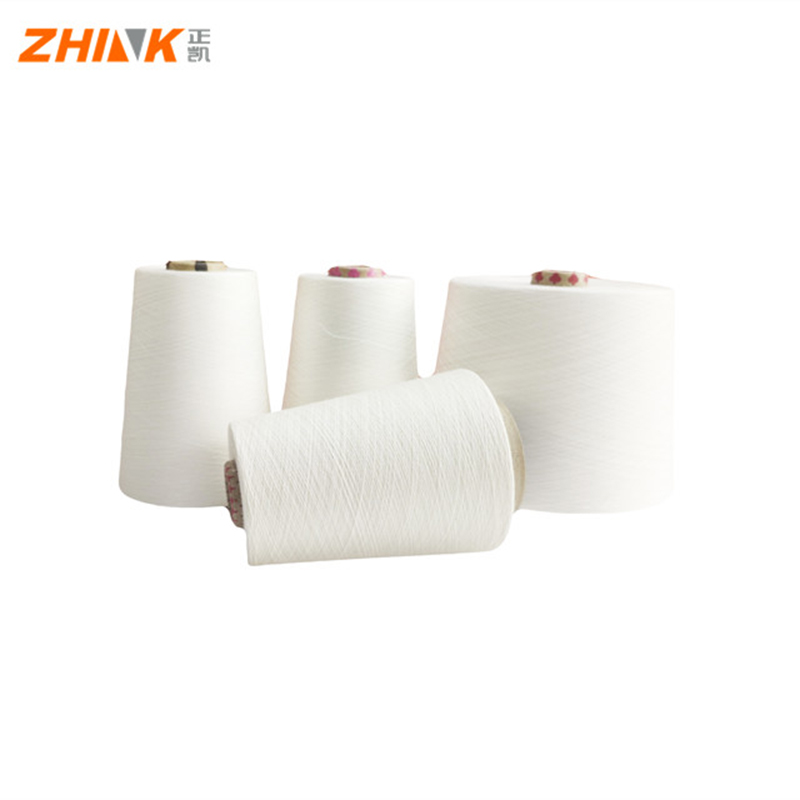
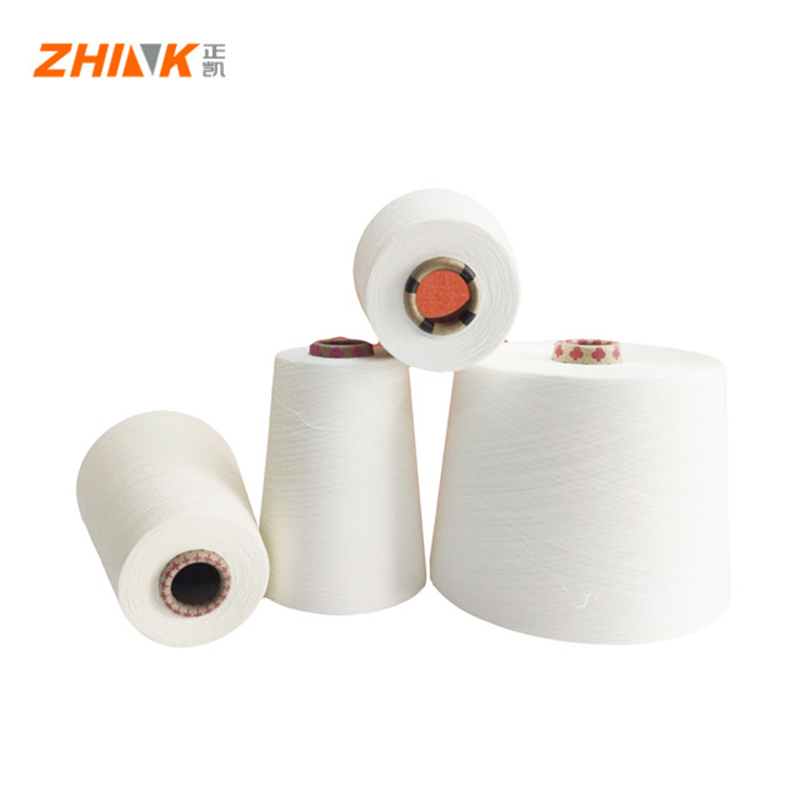
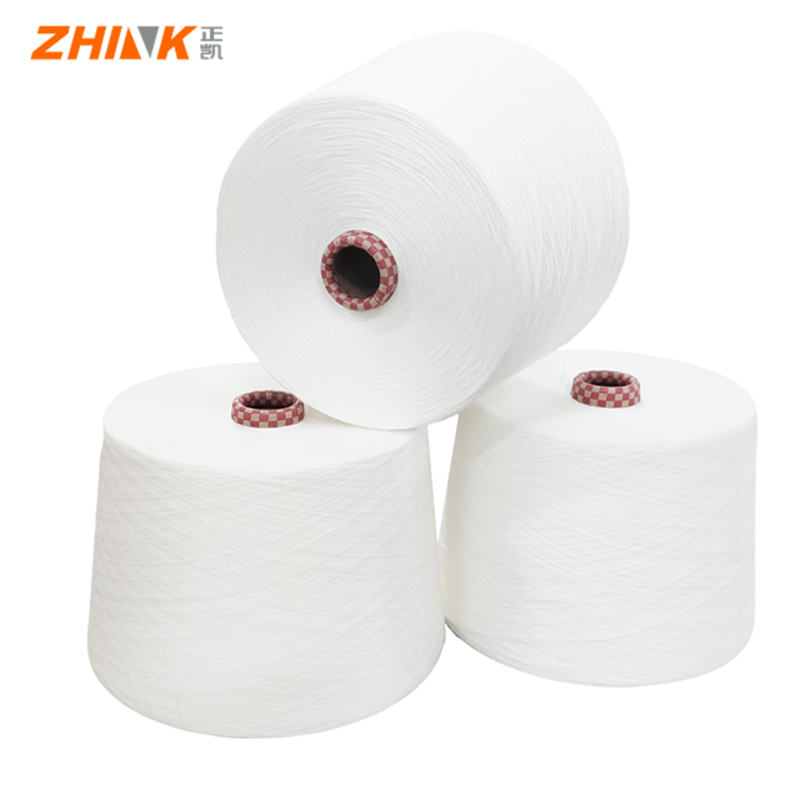
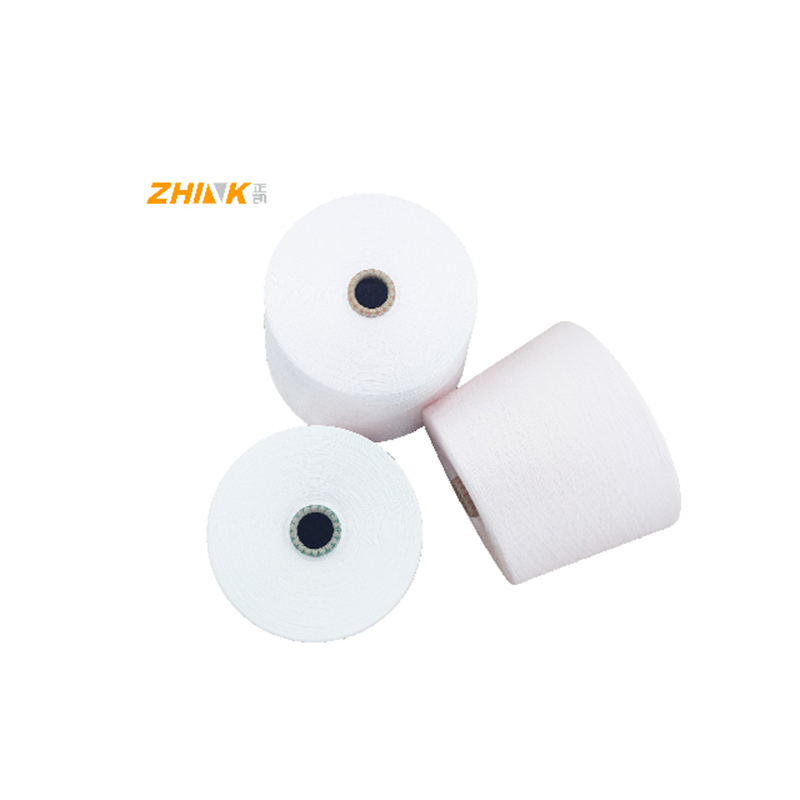
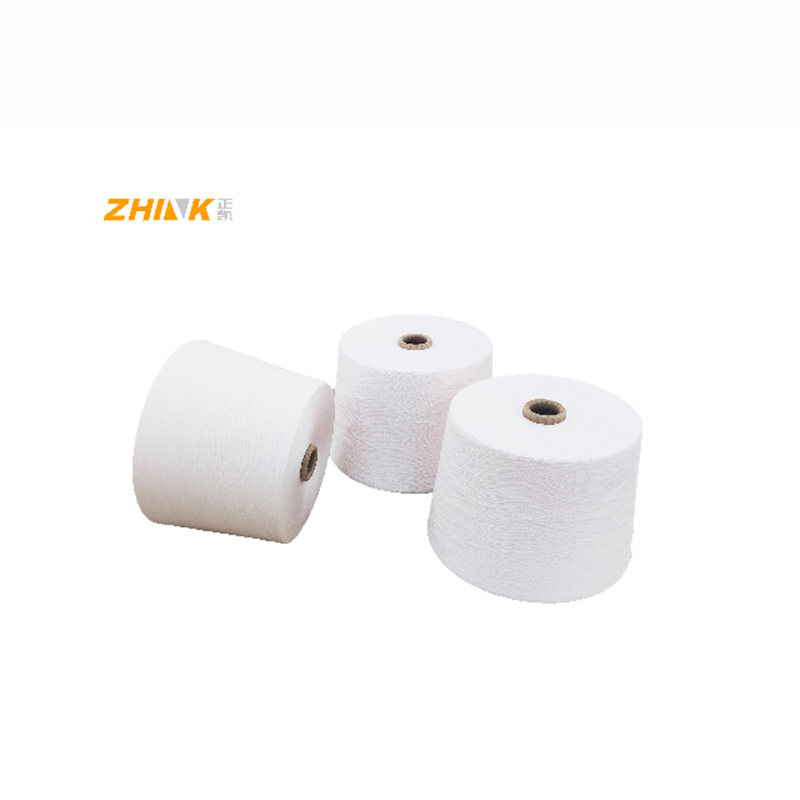
PV 80/20 yarn
The Versatility of PV 80/20 Yarn
In the realm of textiles, especially when discussing yarns, one encounters a myriad of combinations and blends. Among them, PV 80/20 yarn is a frequently cited blend, known for its unique balance of properties. This article dives into what makes this particular mix a staple in the industry and how it can significantly impact both production processes and end products.
Understanding PV 80/20 Yarn Composition
The term PV refers to a blend of polyester and viscose fibers. In the case of PV 80/20 yarn, you’re looking at a composition of 80% polyester and 20% viscose. Now, why is this particular blend chosen over others? Well, polyester brings strength, durability, and resistance to stretching and shrinking, while viscose delivers softness and high absorbency. This mix results in a yarn that is both strong and comfortable, which is a rare but highly desirable combination in textiles.
From my experience in textile manufacturing, working with PV yarns often means you’re aiming for fabric that offers both robustness and a nice drape. This is crucial for various applications where both these characteristics are needed, such as in suiting fabrics or certain types of knitwear.
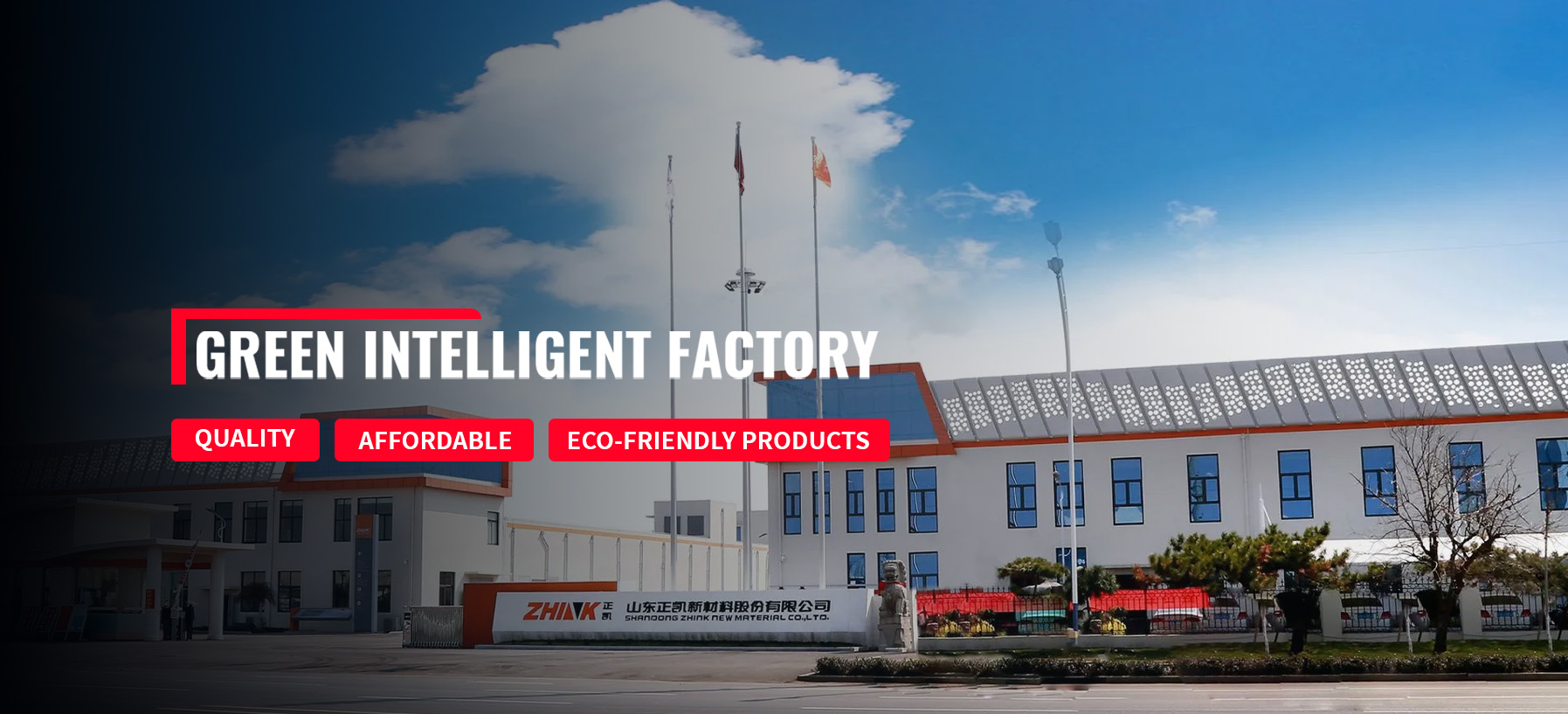
However, it's not just about making a decision on yarn based on desired fabric characteristics. The whole logistics behind sourcing quality fibers, spinning, and dyeing these materials to meet specific industry needs also plays a crucial role. This is where companies like SHANDONG ZHINK NEW MATERIAL CO., LTD come into play, providing specialized services and expertise.
Applications in the Industry
In my dealings, I've seen the use of PV 80/20 yarns flourish in settings where medium weight and high utility are essential. For instance, in the production of school uniforms, which require frequent washing and need to maintain their integrity over time, this blend is paramount. The polyester offers easy wash-and-wear capabilities while the viscose adds a touch of comfort and breathability.
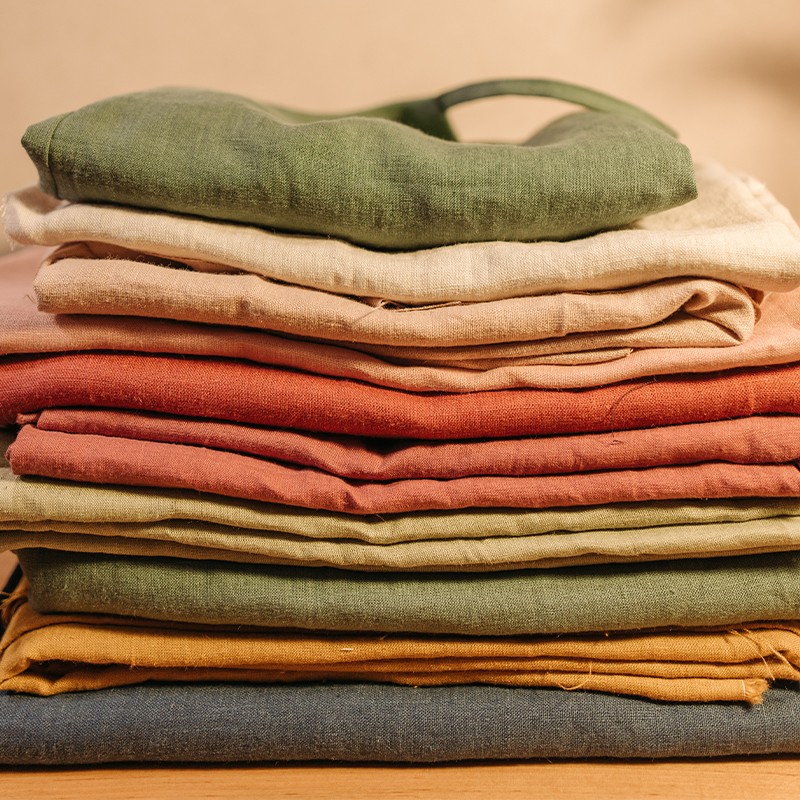
Shifting perspectives to the home textiles domain, blending PV yarn into items like cushions or throws provides an ideal mix of aesthetics and performance. You get that softness and sheen coupled with durability, making products last longer without substantial wear.
Of course, it's not always smooth sailing. I recall a case where a batch of PV yarn ended up with uneven dye absorption, linked to inconsistencies in fiber quality. Addressing such challenges often requires collaborating with experienced suppliers like Zhink New Material who specialize in high-quality textile solutions.
Challenges with PV 80/20 Yarn
One challenge that I've frequently noted with PV 80/20 yarn is its tendency to exhibit varying behavior under different environmental conditions. The polyester component tends to be stable, but viscose, despite its properties, can react differently to changes in humidity and temperature. This is particularly evident during the dyeing process, which requires meticulous control to ensure uniformity in color uptake.
It’s here that the experience with trusted partners again becomes critical. You need partners like Zhink New Material who continuously innovate and adapt their processes to meet these challenges head-on. Their dedication to R&D is crucial in ensuring that the products stand up to real-world conditions.
And then, there's always the question of sustainability. While polyester is known for its robust characteristics, it's a synthetic fiber with environmental concerns. Balancing the blend with viscose, a more environmentally friendlier option, is a way to offset this but requires continuous innovation and commitment to sustainable practices.
Innovation and Future of PV Blends
The future of PV 80/20 yarn is certainly promising, particularly as technology advances. I've come across companies exploring enhancements in fiber properties, such as adding recycled polyester or bio viscose, aiming to improve sustainability without compromising on material performance. The push towards eco-friendly textiles is reshaping how we view traditional blends.
In practice, adopting such innovations may mean changes in spinning processes or altering the supply chain to source new materials effectively. Zhink New Material, with its strategic focus on sustainable development, is perfectly positioned to lead these innovations, offering the market materials that not only meet aesthetic and functional requirements but also adhere to environmental standards.
As the textile industry continues to evolve, staying ahead of changes and understanding the implications of material choices like PV 80/20 will be key for manufacturers and consumers alike. It's all about finding that sweet spot where performance, sustainability, and cost-efficiency align.
Conclusion: Making Smart Choices with Yarn
In wrapping up, choosing the right yarn requires more than just understanding its basic composition. It demands a comprehensive view of the making process and market trends, as well as a partnership with knowledgeable suppliers. It’s clear that companies like SHANDONG ZHINK NEW MATERIAL CO., LTD provide that crucial support, enabling manufacturers to undertake informed experimentations with confidence, knowing they have expert backing.
This approach not only results in better end products but also fosters a culture of continuous improvement and innovation, critical for thriving in a competitive market. As someone who’s been close to these processes, I can attest to the importance of making such deliberate and well-informed choices.
Ultimately, PV 80/20 yarn represents a harmonious blend that, with the right expertise and innovation, offers tremendous potential across various textile applications. It's an exciting space to watch, and definitely one to keep experimenting with for those in the industry.
Related Products
Related Products