+86-632-3621866
- Chinese
- French
- German
- Portuguese
- Spanish
- Russian
- Japanese
- Korean
- Arabic
- Irish
- Greek
- Turkish
- Italian
- Danish
- Romanian
- Indonesian
- Czech
- Afrikaans
- Swedish
- Polish
- Basque
- Catalan
- Esperanto
- Hindi
- Lao
- Albanian
- Amharic
- Armenian
- Azerbaijani
- Belarusian
- Bengali
- Bosnian
- Bulgarian
- Cebuano
- Chichewa
- Corsican
- Croatian
- Dutch
- Estonian
- Filipino
- Finnish
- Frisian
- Galician
- Georgian
- Gujarati
- Haitian
- Hausa
- Hawaiian
- Hebrew
- Hmong
- Hungarian
- Icelandic
- Igbo
- Javanese
- Kannada
- Kazakh
- Khmer
- Kurdish
- Kyrgyz
- Latin
- Latvian
- Lithuanian
- Luxembou..
- Macedonian
- Malagasy
- Malay
- Malayalam
- Maltese
- Maori
- Marathi
- Mongolian
- Burmese
- Nepali
- Norwegian
- Pashto
- Persian
- Punjabi
- Serbian
- Sesotho
- Sinhala
- Slovak
- Slovenian
- Somali
- Samoan
- Scots Gaelic
- Shona
- Sindhi
- Sundanese
- Swahili
- Tajik
- Tamil
- Telugu
- Thai
- Ukrainian
- Urdu
- Uzbek
- Vietnamese
- Welsh
- Xhosa
- Yiddish
- Yoruba
- Zulu
- Kinyarwanda
- Tatar
- Oriya
- Turkmen
- Uyghur



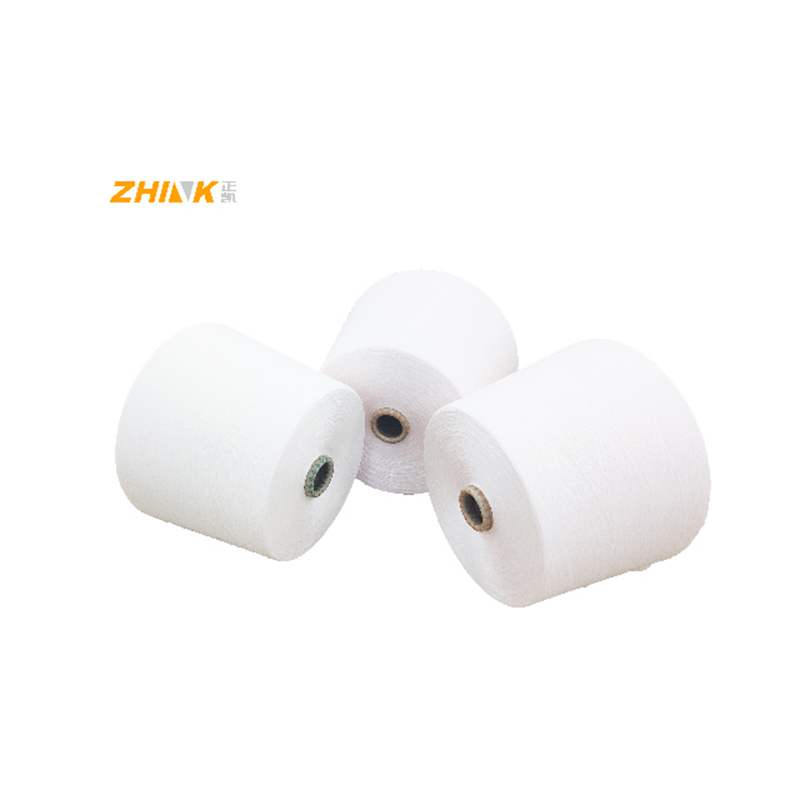
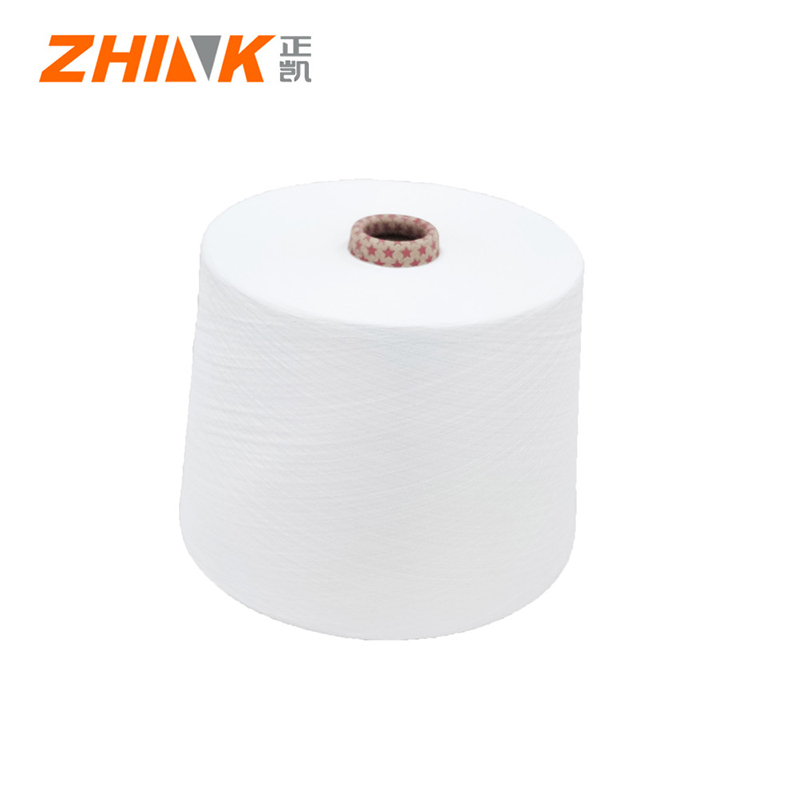
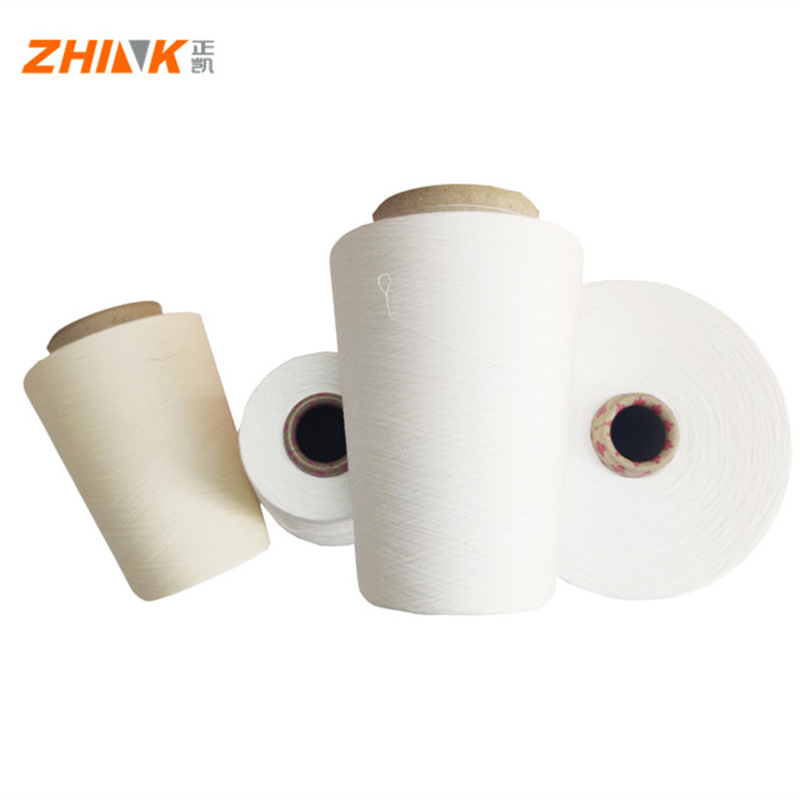
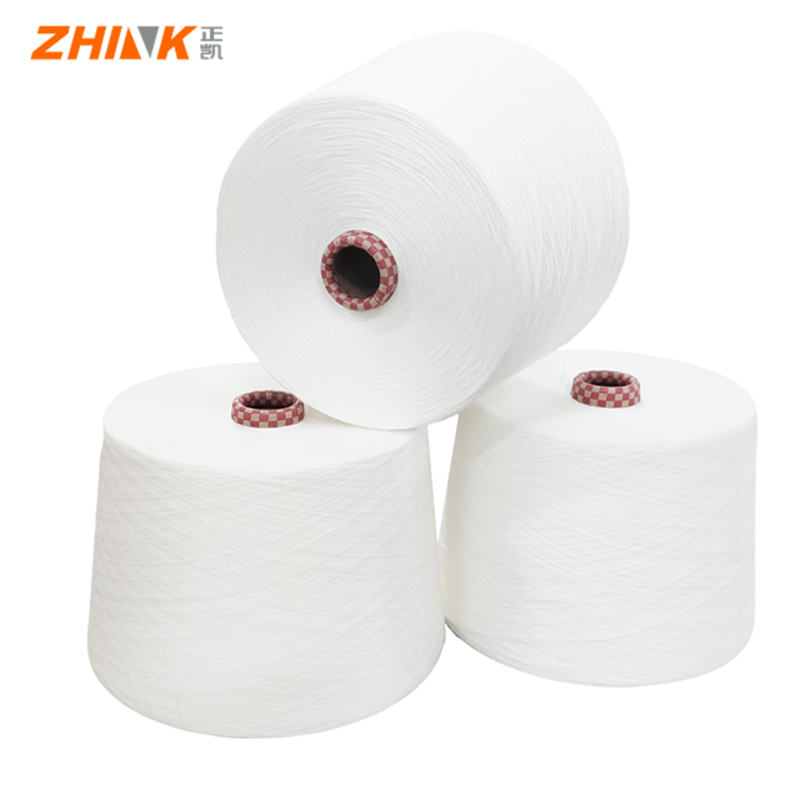
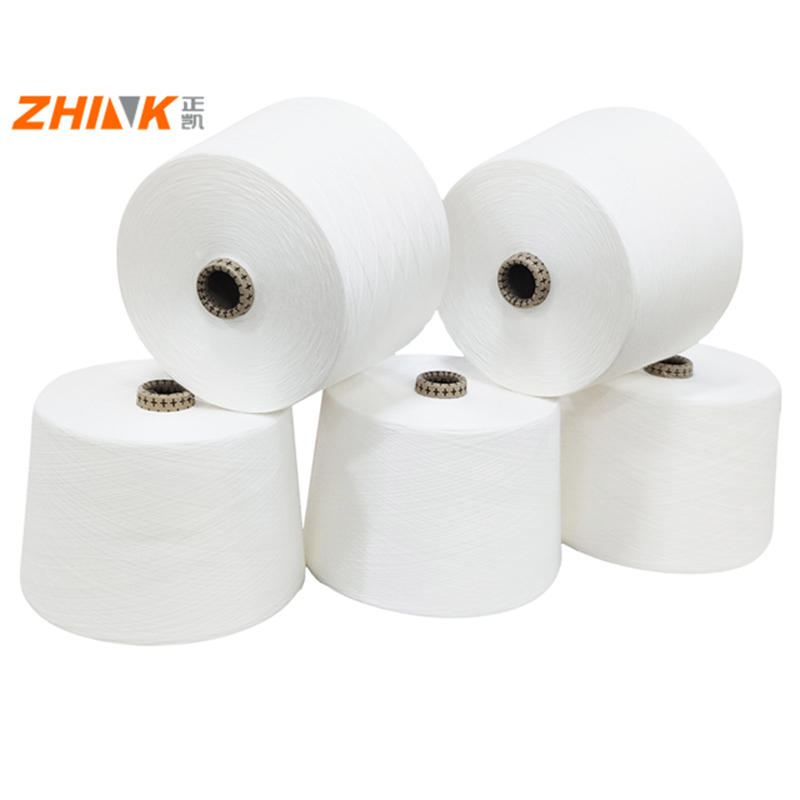
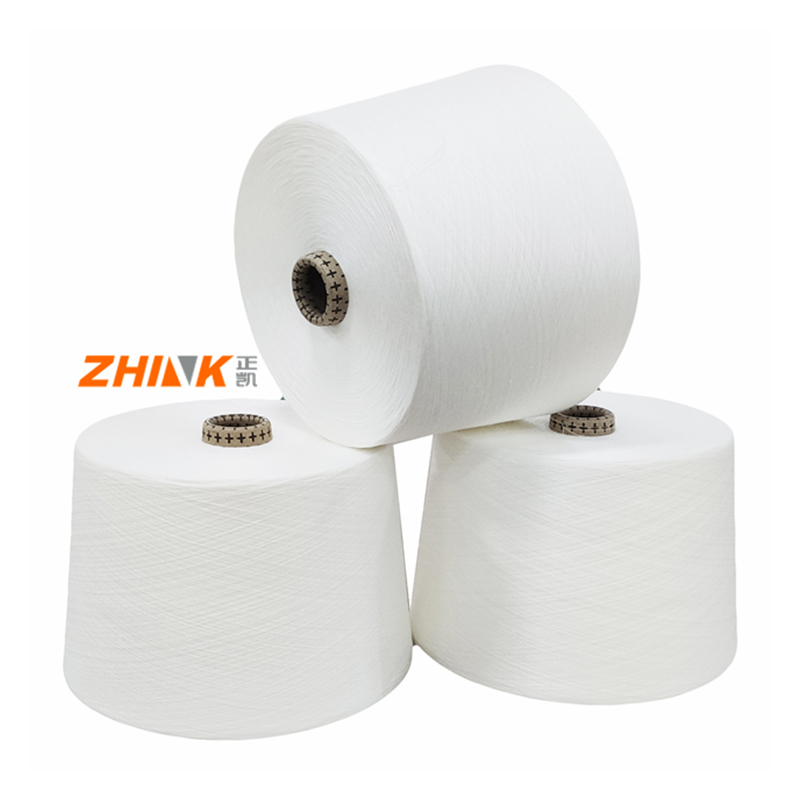
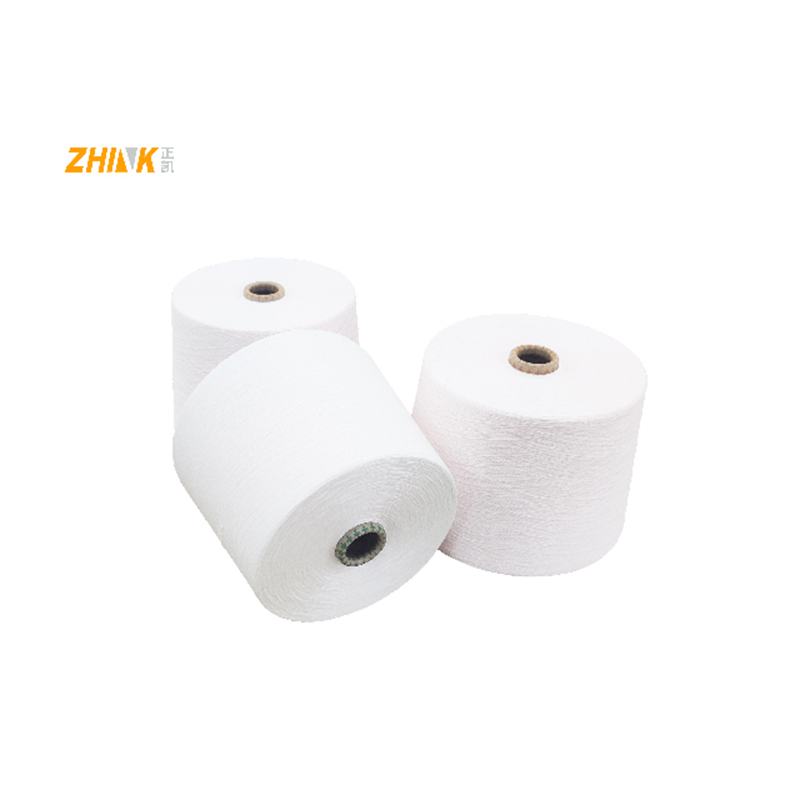
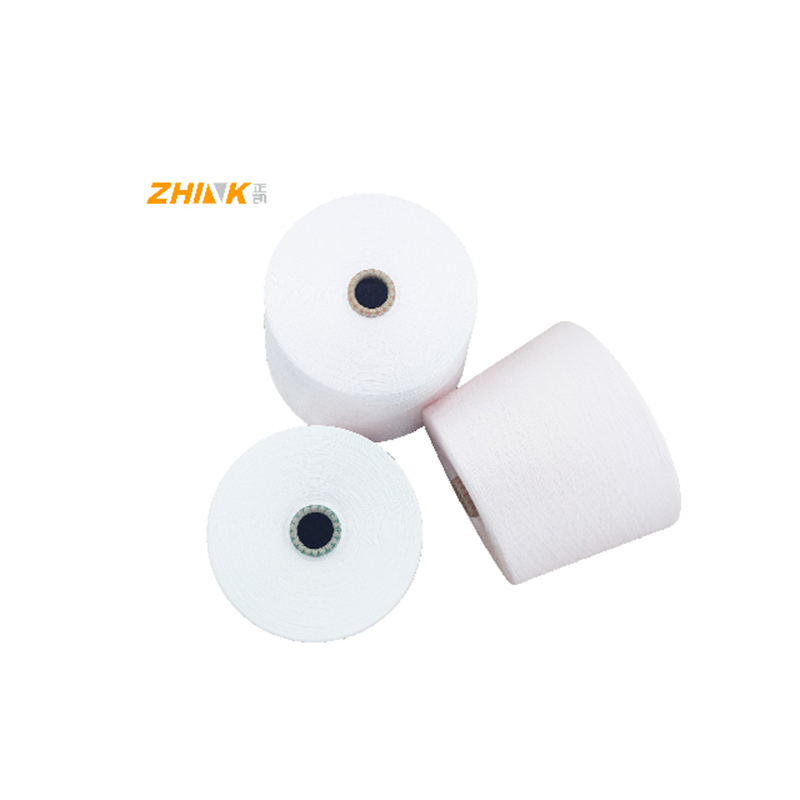
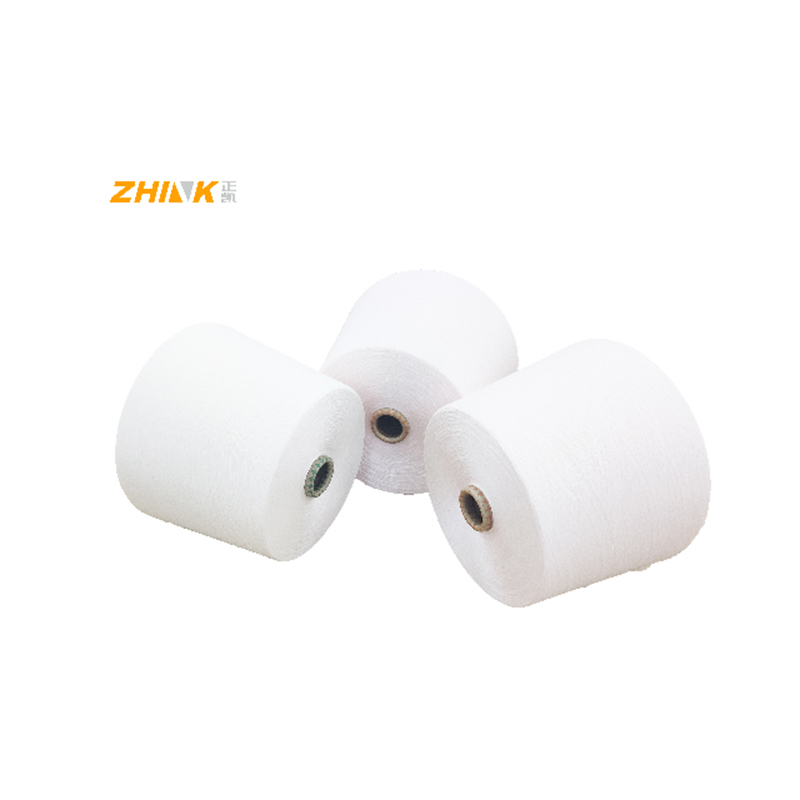
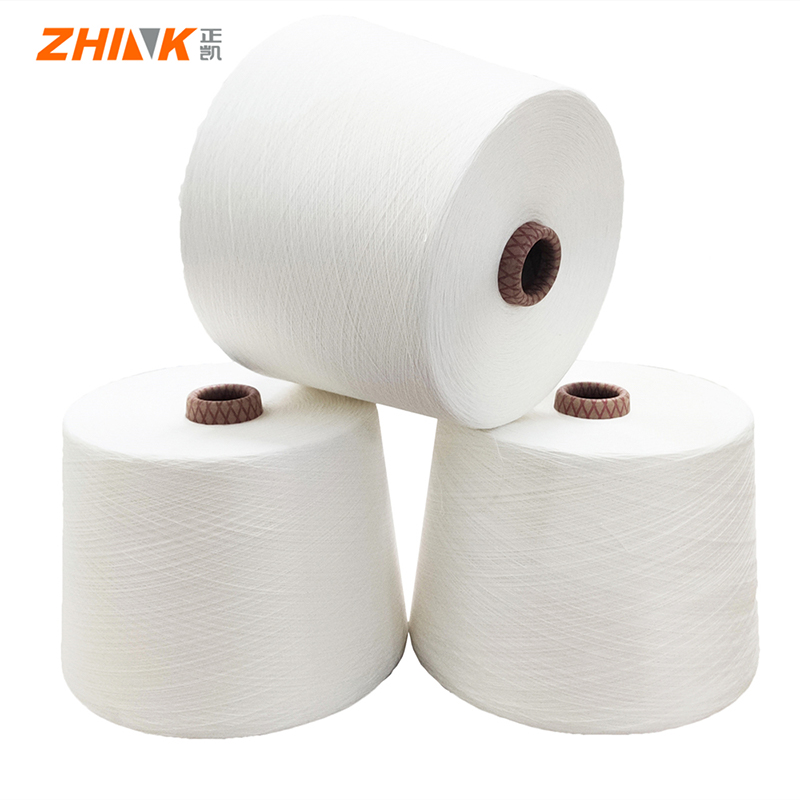
PV 90/10 yarn
Understanding PV 90/10 Yarn: A Practical Insight
PV 90/10 yarn, a blend of polyester and viscose, combines the strengths of both fibers. In practice, it offers a balance of durability and comfort, making it a sought-after choice in textile manufacturing. But what exactly sets it apart in daily applications, and are there pitfalls? Here, we delve into real-world experiences, shedding light on its nuances.
Discovering the Benefits of PV 90/10 Yarn
In the textile industry, versatility is key. The PV 90/10 yarn blend provides that with its mix of 90% polyester and 10% viscose. Polyester contributes strength, wrinkle resistance, and stability, while viscose adds softness and breathability. This combination makes the yarn ideal for both fashion and functional textiles.
Working directly in manufacturing, I’ve witnessed firsthand how fabrics made with PV 90/10 achieve a soft touch without compromising on longevity. It’s this delicate balance that many of us in the industry strive to maintain. With increasing demand for eco-friendly and durable materials, this yarn stands out.
It’s worth noting, however, that while the polyester component offers robustness, the viscose can be sensitive to certain treatments. Understanding each material’s behavior is crucial in achieving the desired outcome, something I learned the hard way in an early project where improper handling led to unexpected shrinkage.
Applications and Considerations
From fashion to home textiles, the applications for PV 90/10 yarn are extensive. I’ve seen it work its magic in apparel, providing a comfortable fit while maintaining color and structure wash after wash. But it’s not just about the final product. Every stage, from yarn selection to dyeing techniques, requires precise attention.
In implementing this material at SHANDONG ZHINK NEW MATERIAL CO., LTD, we leverage its properties to innovate across various products. Our website, zhinkyarn.com, reflects these innovations, showcasing fabrics that align with current market trends and future needs.
However, potential users must be aware of the blend's limitations. For instance, if using harsh chemicals during cleaning or treatment, the viscose part might degrade faster than expected, impacting the material’s longevity.
Addressing the Challenges
Challenges often arise when working with blended yarns. A particular issue I encountered was maintaining color fastness when subjected to multiple washes. This is a common concern with viscose blends, necessitating thorough testing before full-scale production.
To tackle these challenges, collaboration between development and production teams is vital. At Zhink New Material, our approach involves iterative testing and constant learning. Recognizing patterns in failures can turn setbacks into stepping stones, ensuring every batch meets our standards.
Furthermore, understanding the end-use environment is critical. A garment destined for warm climates might require a different finish than one for cooler temperatures. This adaptability is key, allowing PV 90/10 products to meet diverse requirements.
Innovative Use Cases in Modern Textiles
Innovation in textile applications is rarely straightforward, but that’s where PV 90/10 yarn shines. From customized sportswear to elegant home fabrics, the possibilities seem endless. A recent project involved developing moisture-wicking garments suitable for high performance, where the yarn's properties were leveraged to enhance breathability.
It’s not just about performance. Sustainability plays an increasingly important role, and our team at Zhink is exploring how PV 90/10 can be part of a greener future. By optimizing production processes and materials, we aim to reduce environmental impact without sacrificing quality.
End-user feedback has been instrumental in refining these applications. Real-world usage often uncovers insights that lab tests might miss, highlighting the importance of user interactions in product development.
Future Prospects for PV 90/10 Yarn
Looking ahead, the potential for PV 90/10 yarn in textile innovation seems promising. As consumer expectations for comfort, durability, and sustainability increase, blended yarns like this will likely become even more relevant. The challenge lies in continuously refining production techniques.
At SHANDONG ZHINK NEW MATERIAL CO., LTD, our ongoing research focuses on enhancing these properties further. Regular industry collaboration and staying attuned to market shifts are pivotal in maintaining an edge, ensuring our products resonate with global demands.
In conclusion, while the road has its challenges, the blend of polyester and viscose in PV 90/10 yarn undoubtedly holds a promising place in textile manufacturing, offering a path to innovative, durable, and comfortable fabrics.
Related Products
Related Products