+86-632-3621866
- Chinese
- French
- German
- Portuguese
- Spanish
- Russian
- Japanese
- Korean
- Arabic
- Irish
- Greek
- Turkish
- Italian
- Danish
- Romanian
- Indonesian
- Czech
- Afrikaans
- Swedish
- Polish
- Basque
- Catalan
- Esperanto
- Hindi
- Lao
- Albanian
- Amharic
- Armenian
- Azerbaijani
- Belarusian
- Bengali
- Bosnian
- Bulgarian
- Cebuano
- Chichewa
- Corsican
- Croatian
- Dutch
- Estonian
- Filipino
- Finnish
- Frisian
- Galician
- Georgian
- Gujarati
- Haitian
- Hausa
- Hawaiian
- Hebrew
- Hmong
- Hungarian
- Icelandic
- Igbo
- Javanese
- Kannada
- Kazakh
- Khmer
- Kurdish
- Kyrgyz
- Latin
- Latvian
- Lithuanian
- Luxembou..
- Macedonian
- Malagasy
- Malay
- Malayalam
- Maltese
- Maori
- Marathi
- Mongolian
- Burmese
- Nepali
- Norwegian
- Pashto
- Persian
- Punjabi
- Serbian
- Sesotho
- Sinhala
- Slovak
- Slovenian
- Somali
- Samoan
- Scots Gaelic
- Shona
- Sindhi
- Sundanese
- Swahili
- Tajik
- Tamil
- Telugu
- Thai
- Ukrainian
- Urdu
- Uzbek
- Vietnamese
- Welsh
- Xhosa
- Yiddish
- Yoruba
- Zulu
- Kinyarwanda
- Tatar
- Oriya
- Turkmen
- Uyghur


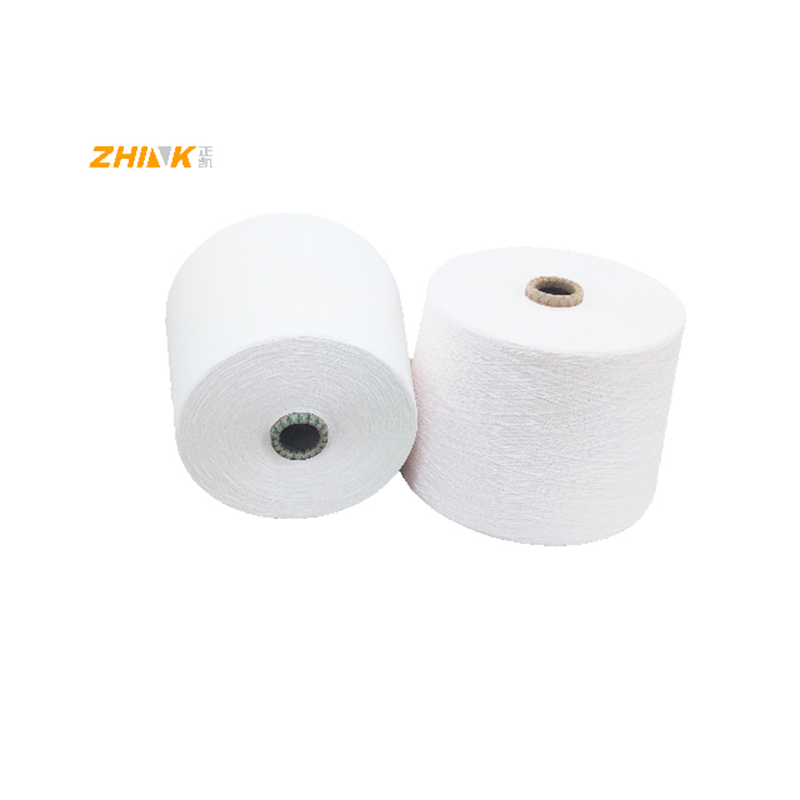
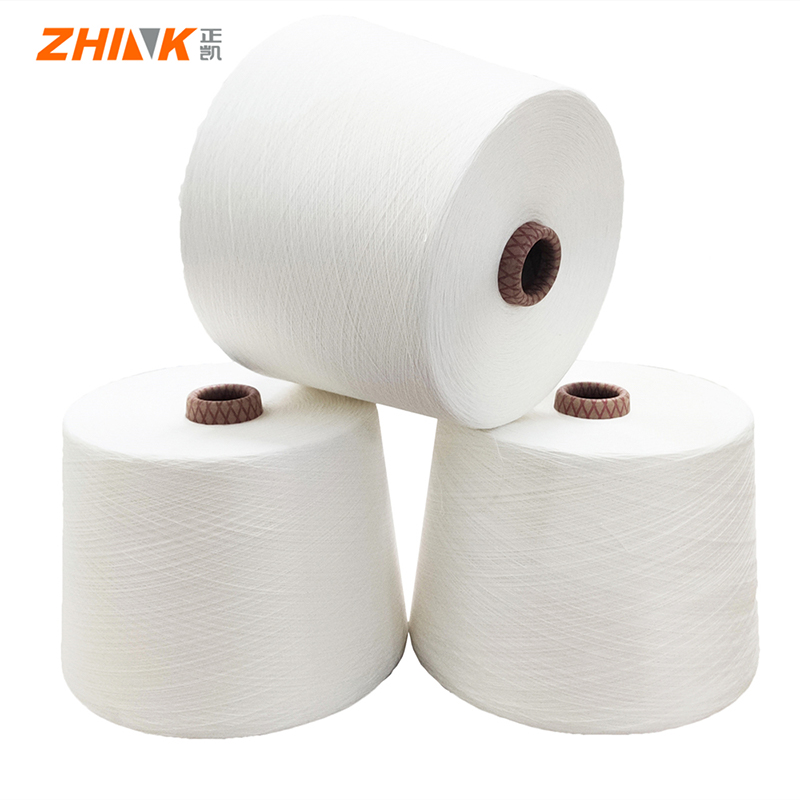
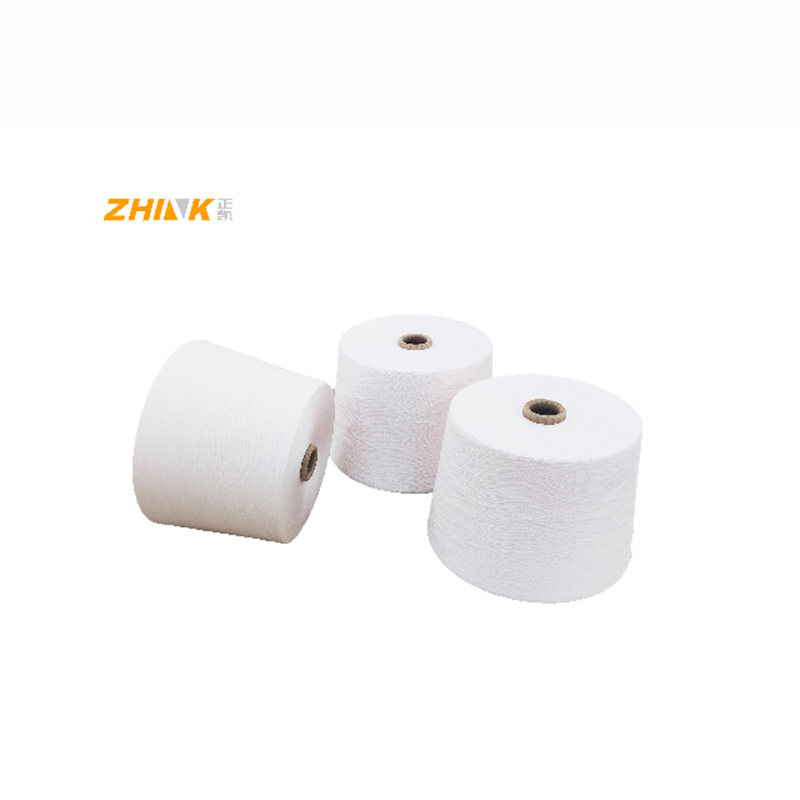
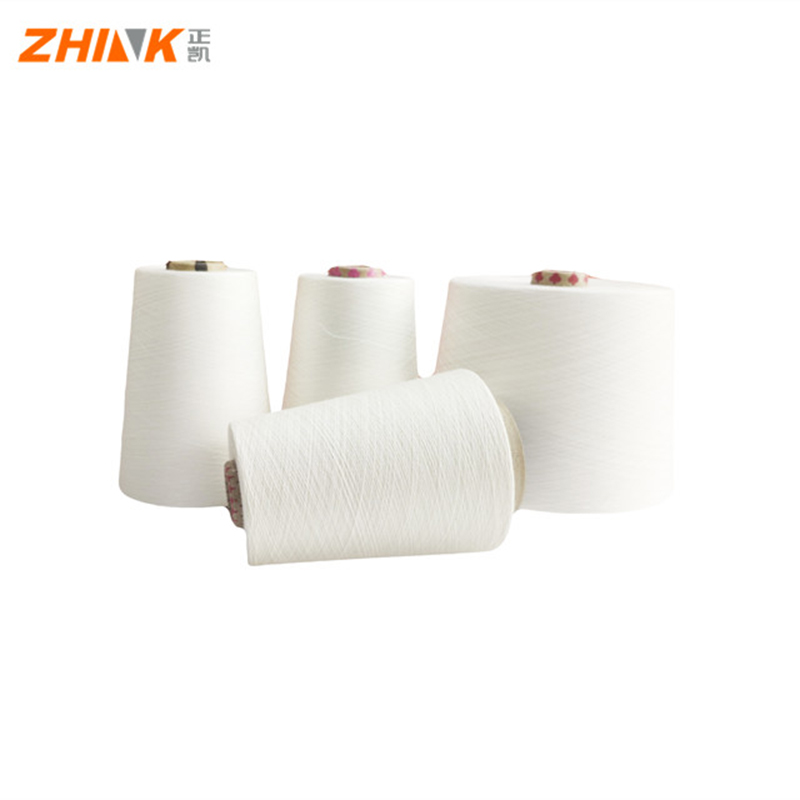
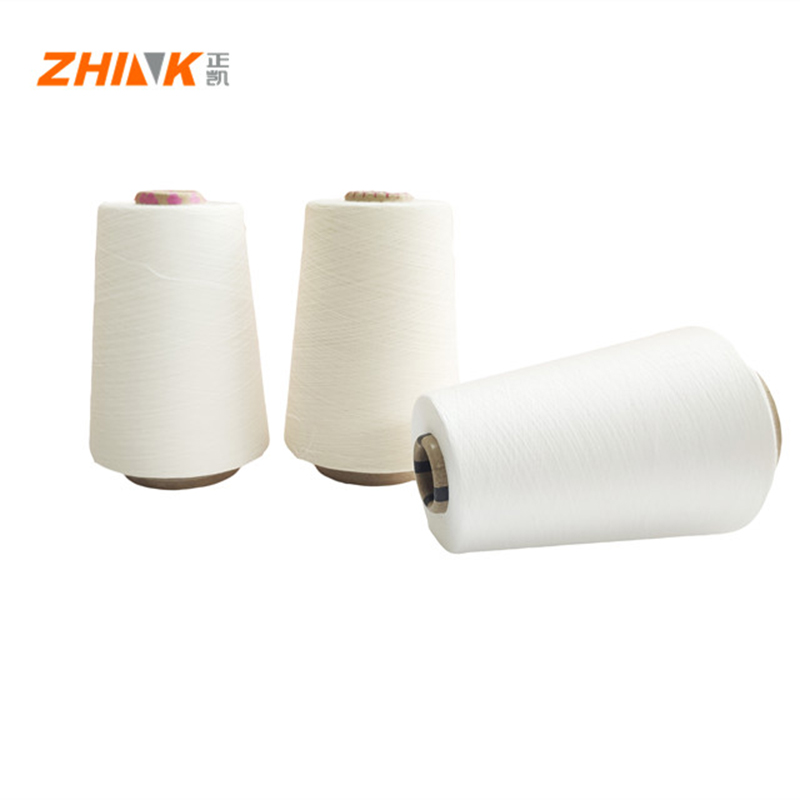
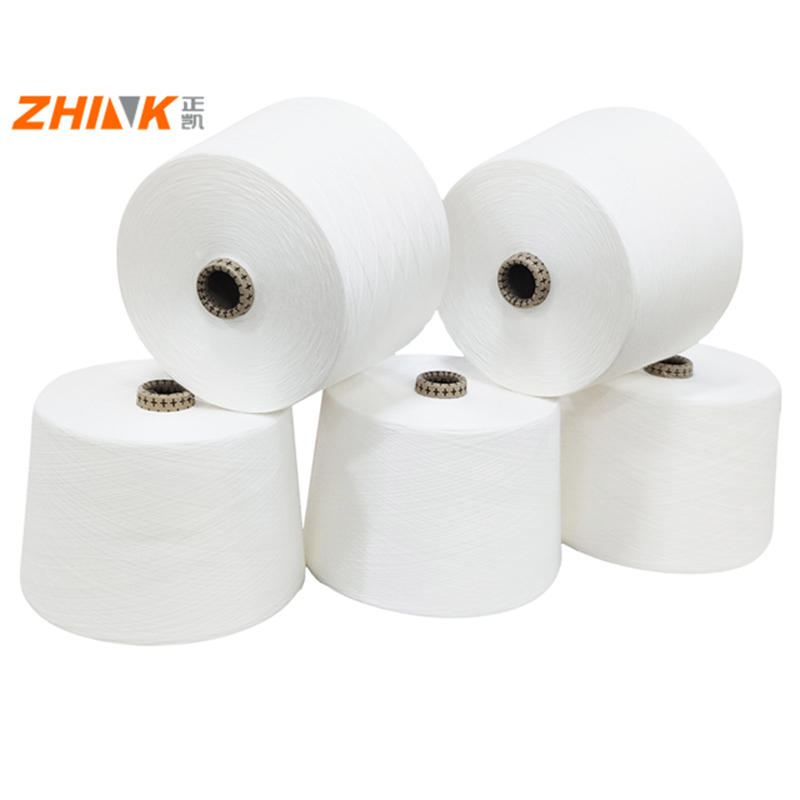
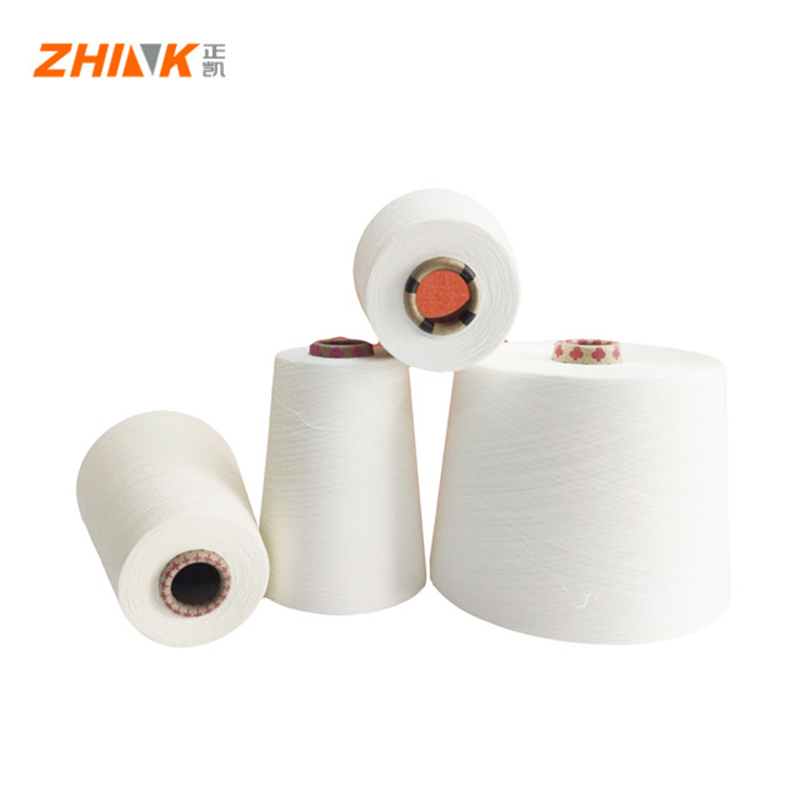
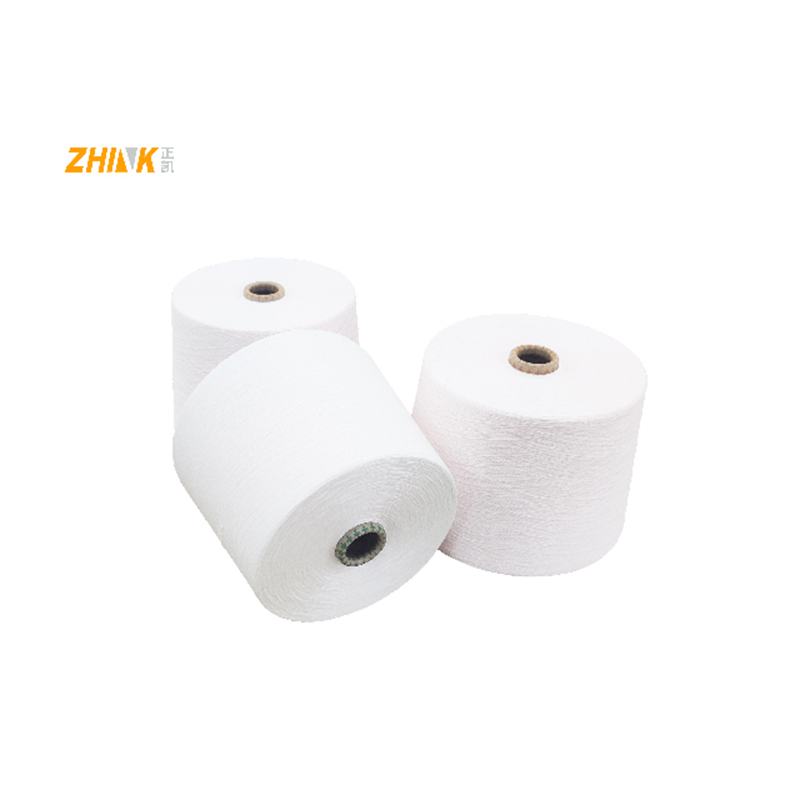
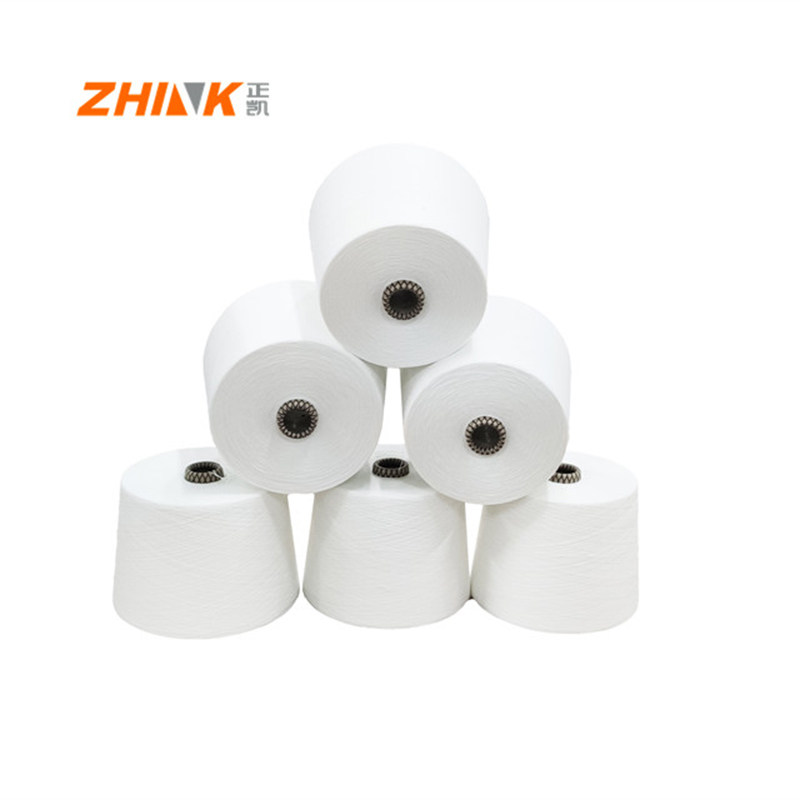
PV yarn
Unraveling the Intricacies of PV Yarn
In the world of textiles, PV yarn often finds itself tangled in misconceptions. Many might assume it's just another generic material, but there's much more beneath its surface. Its potential applications and unique properties warrant a closer look.
Understanding PV Yarn
The term PV yarn typically refers to a blend of polyester and viscose. This mix aims to capitalize on the best features of both fibers, leading to a product that's cost-effective yet high in performance. However, the balance isn't always straightforward. The art lies in determining the optimal blend ratio for specific applications.
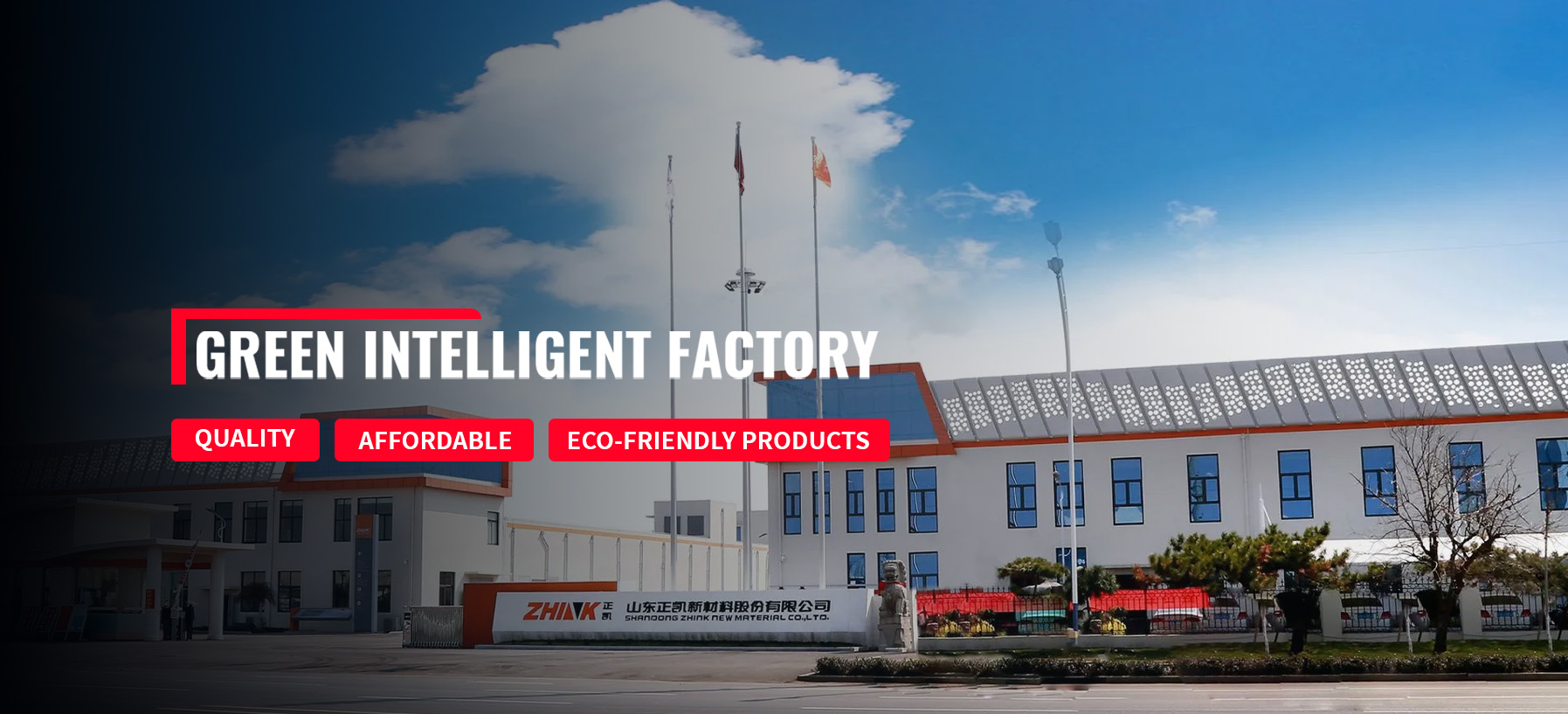
I remember a time at SHANDONG ZHINK NEW MATERIAL CO., LTD, where our team was testing various proportions of polyester to viscose. The challenge was finding a blend that maintained softness without sacrificing durability. You might wonder why this balance is so crucial. Well, it determines not just the feel of the fabric but also its breathability and wear resistance.
It's intriguing how minor adjustments can lead to significant differences in the final product. Whether it’s a fraction more polyester for increased strength or more viscose for that luxurious touch, every tweak creates a ripple effect in performance and feel.
The Pros and Cons of PV Yarn
Despite its advantages, PV yarn isn't without its drawbacks. On one hand, polyester's presence provides resilience and faster drying times, making it ideal for sportswear. On the other hand, some argue that it can retain odors and isn't as eco-friendly as other options.
During a project at Zhink New Material, we explored how to minimize such disadvantages. One solution was incorporating advanced dyeing techniques to enhance polyester's uptake, thereby reducing environmental impact. Challenges persisted, especially with viscose's susceptibility to shrinking. But the pursuit of solutions is part of the industry’s dynamic nature.
Moreover, cost is a critical factor. Zhink New Material constantly evaluates how to produce PV yarn that balances affordability with quality. After all, textile success isn't just about innovation but also about access and scalability.
Applications of PV Yarn
PV yarn shines in multiple applications, which often come down to its versatility. At its core, it's used in everything from casual apparel to upholstery. Each application demands specific characteristics, whether it's drapability for garments or robustness for furniture textiles.
One practical application we’ve worked on at Zhink involved developing uniforms. The requirements were clear: durability, comfort, and ease of maintenance. Here, PV yarn excelled, offering a feasible option that met all criteria. It's always rewarding to see theory translated into functional design.
There was an instance where we considered PV yarn for outdoor gear. However, despite its strengths, concerns about moisture management in harsh conditions led us to explore alternatives. These decisions underscore the importance of matching material properties with intended use.
Innovations and Future Directions
The landscape of textile innovation constantly shifts, and PV yarn is no exception. Recently, sustainable variants have emerged, with recycled polyester and eco-friendly viscose. This aligns with global trends pushing for greener production methods.
At Zhink, our R&D is bustling with activity, evaluating bio-based viscose alternatives. Combining these with recycled polyester could position PV yarn as a frontrunner in sustainable textiles. Yet, this journey is riddled with technical hurdles like achieving uniform quality.
Another frontier is enhancing the functional properties of PV yarn. Imagine fabrics that can regulate temperature or even withstand extreme conditions. These are not far-fetched fantasies but potential outcomes of ongoing research. It’s an exciting time, and PV yarn’s evolution is definitely worth watching.
Challenges in Production
Producing PV yarn isn’t without its share of challenges. The process involves intricate weaving technology and stringent quality controls.
Consistency is key. Any variation in fiber quality or processing conditions can lead to significant issues down the line. At Zhink New Material, we've implemented rigorous testing protocols. Real-world conditions often differ, and lab success doesn't always translate directly to the production line.
Cost management presents another hurdle. As demand fluctuates, so do prices of raw materials, impacting overall production costs. Here, strategic planning and flexibility are paramount. These are real-time decisions, often made swiftly to maintain budgetary targets without compromising quality.
Conclusion: The Future of PV Yarn
In conclusion, PV yarn represents a fascinating amalgam of materials and technology. The efforts of companies like SHANDONG ZHINK NEW MATERIAL CO., LTD illustrate the ongoing evolution in textile manufacturing. It's an intricate dance of innovation, market adaptation, and sustainable practices.
As this industry continues to grow, so does the role of PV yarn. It bridges the gap between cost-efficiency and high performance, providing a versatile option for countless applications. Whether you're in the field or just an enthusiast, understanding its unique attributes opens up a world of possibilities. The journey of PV yarn is far from over, and its future prospects are as dynamic as its fiber composition.
Related Products
Related Products