+86-632-3621866
- Chinese
- French
- German
- Portuguese
- Spanish
- Russian
- Japanese
- Korean
- Arabic
- Irish
- Greek
- Turkish
- Italian
- Danish
- Romanian
- Indonesian
- Czech
- Afrikaans
- Swedish
- Polish
- Basque
- Catalan
- Esperanto
- Hindi
- Lao
- Albanian
- Amharic
- Armenian
- Azerbaijani
- Belarusian
- Bengali
- Bosnian
- Bulgarian
- Cebuano
- Chichewa
- Corsican
- Croatian
- Dutch
- Estonian
- Filipino
- Finnish
- Frisian
- Galician
- Georgian
- Gujarati
- Haitian
- Hausa
- Hawaiian
- Hebrew
- Hmong
- Hungarian
- Icelandic
- Igbo
- Javanese
- Kannada
- Kazakh
- Khmer
- Kurdish
- Kyrgyz
- Latin
- Latvian
- Lithuanian
- Luxembou..
- Macedonian
- Malagasy
- Malay
- Malayalam
- Maltese
- Maori
- Marathi
- Mongolian
- Burmese
- Nepali
- Norwegian
- Pashto
- Persian
- Punjabi
- Serbian
- Sesotho
- Sinhala
- Slovak
- Slovenian
- Somali
- Samoan
- Scots Gaelic
- Shona
- Sindhi
- Sundanese
- Swahili
- Tajik
- Tamil
- Telugu
- Thai
- Ukrainian
- Urdu
- Uzbek
- Vietnamese
- Welsh
- Xhosa
- Yiddish
- Yoruba
- Zulu
- Kinyarwanda
- Tatar
- Oriya
- Turkmen
- Uyghur


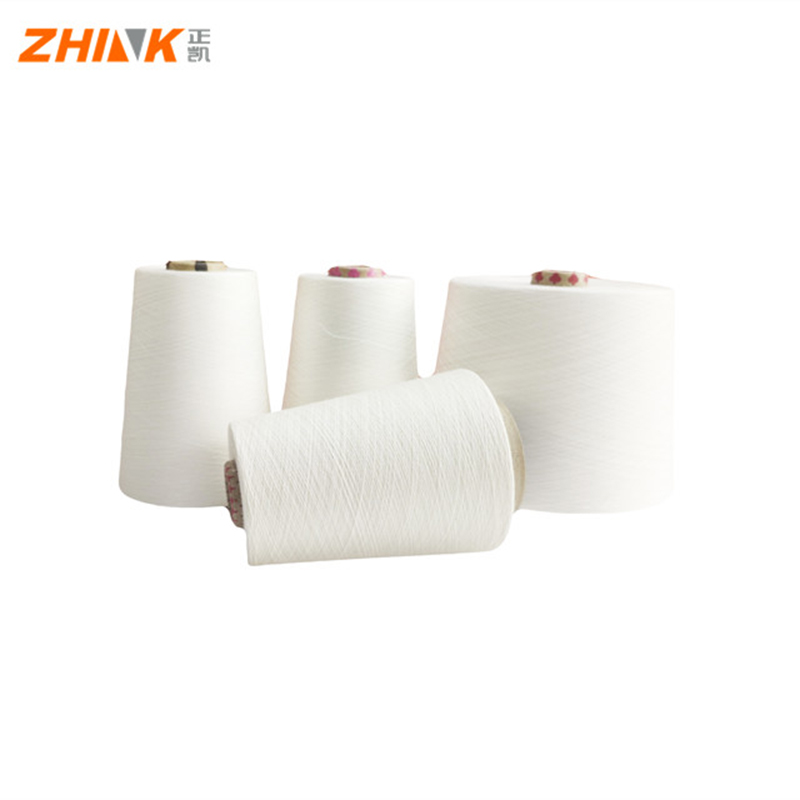
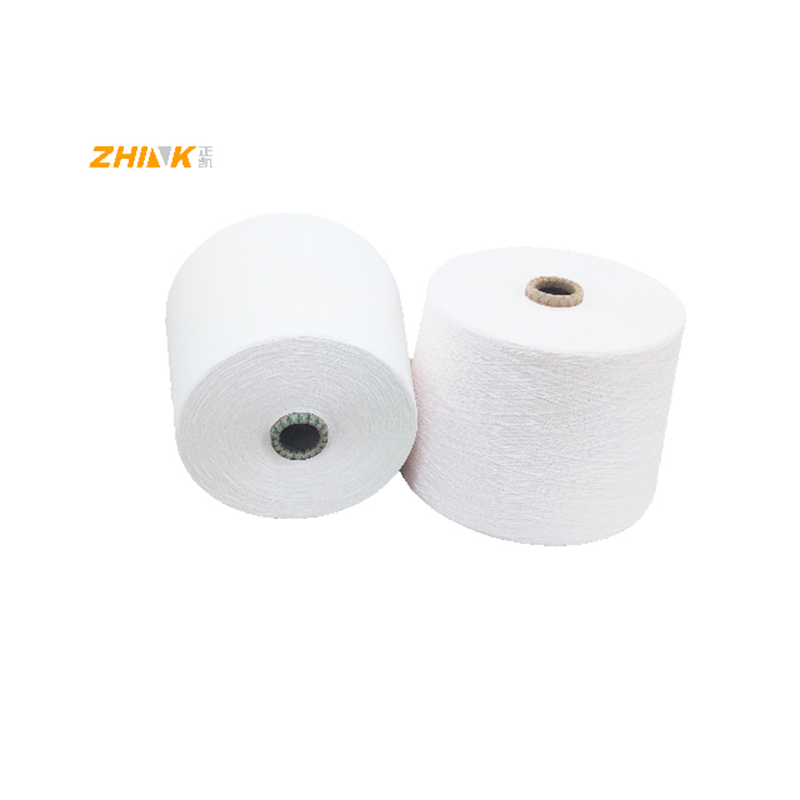
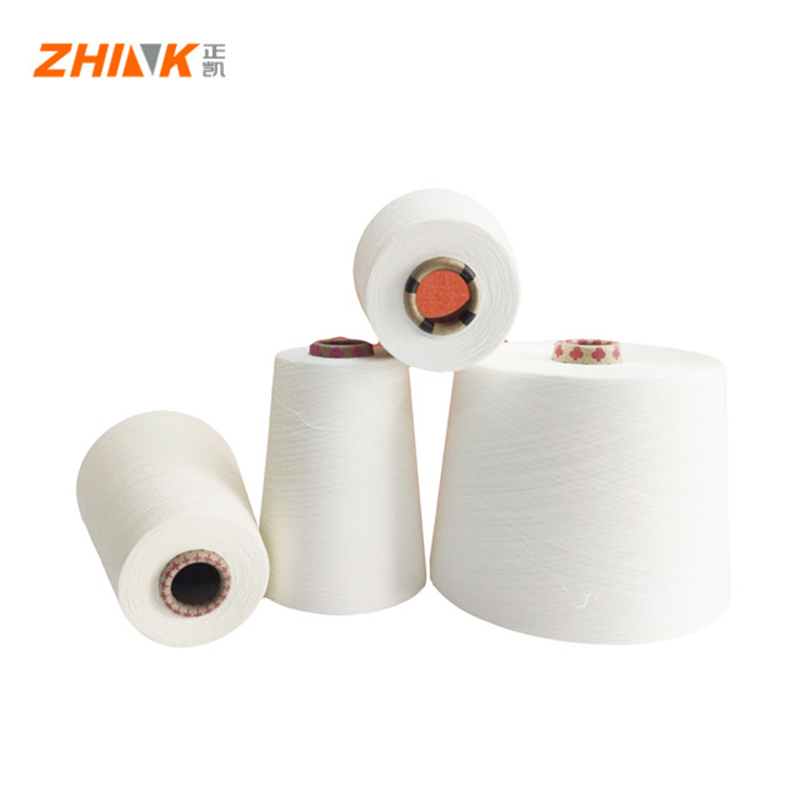
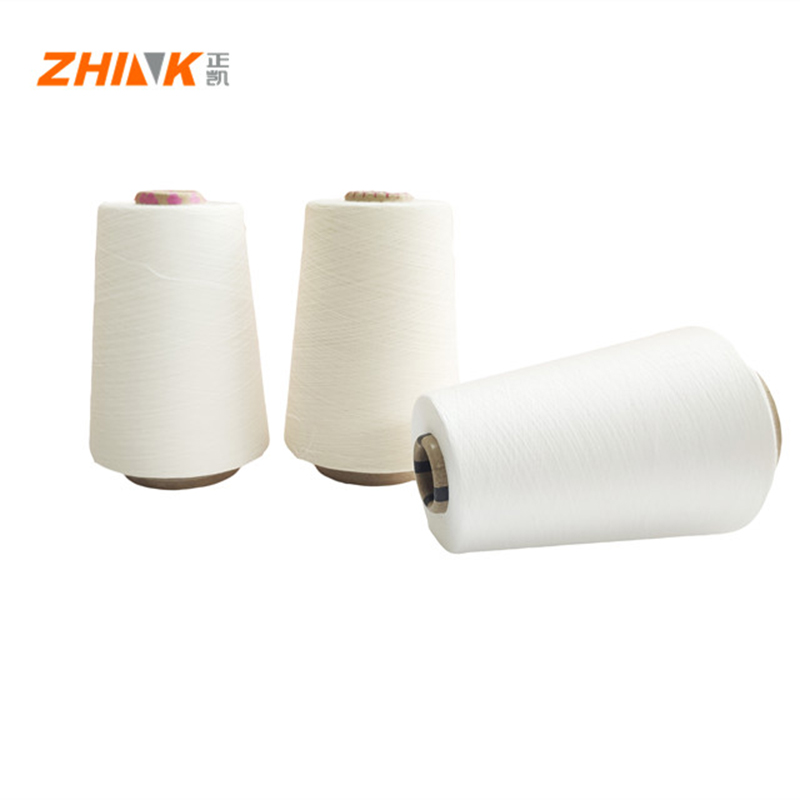
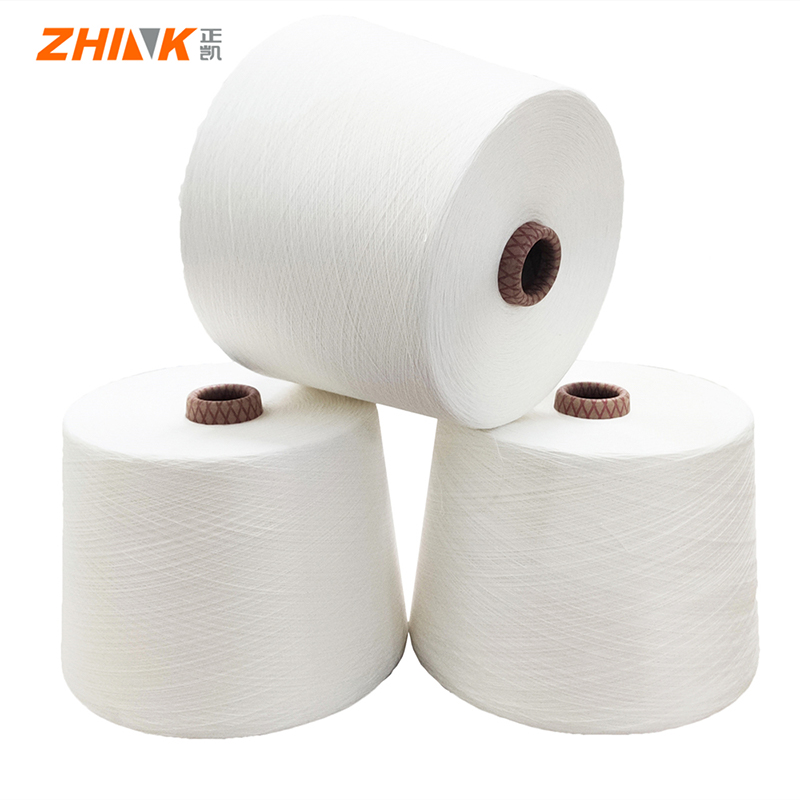
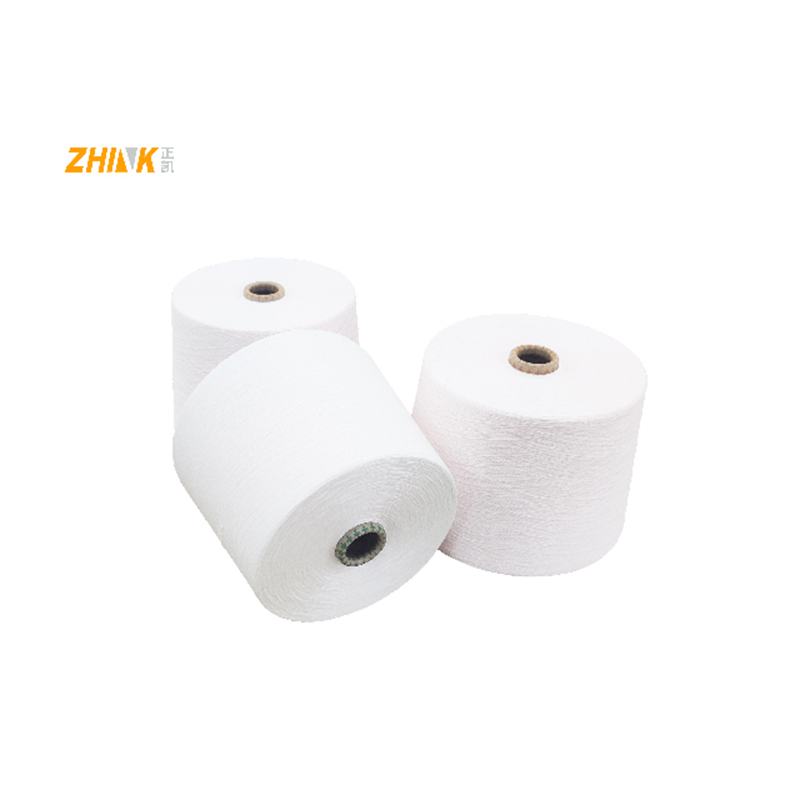
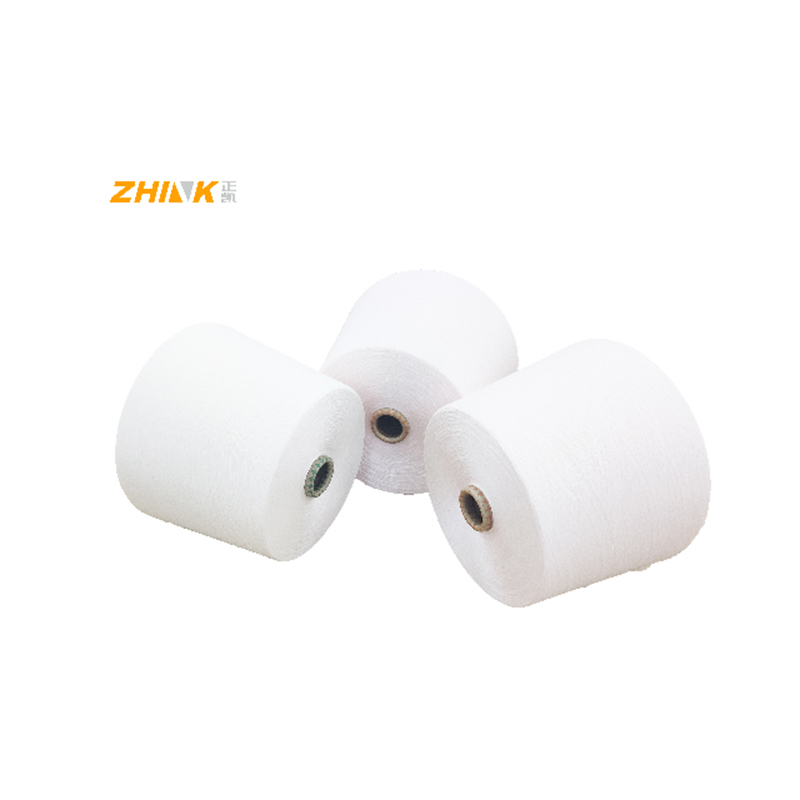
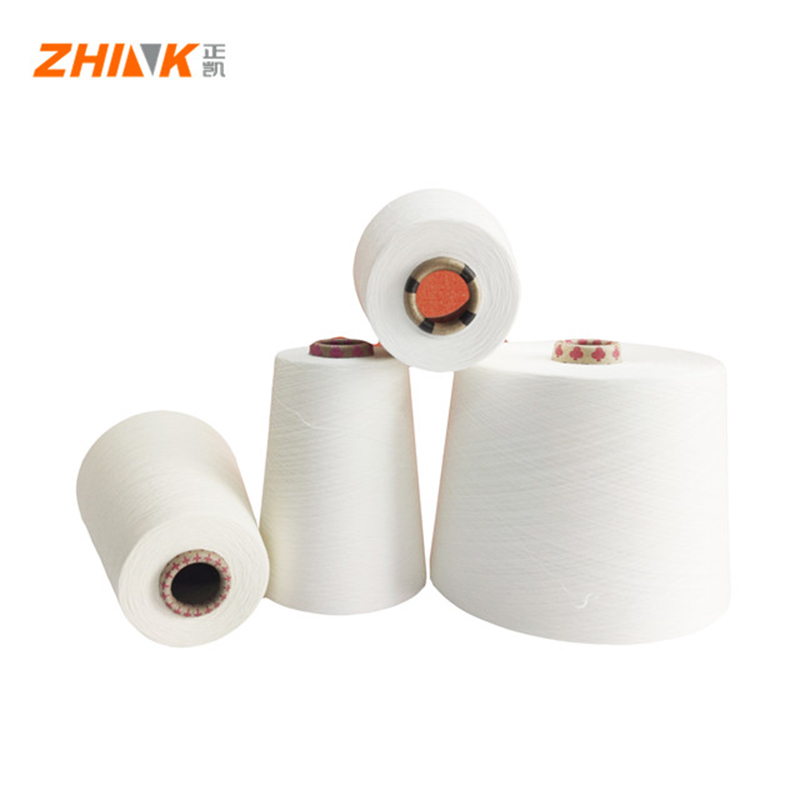
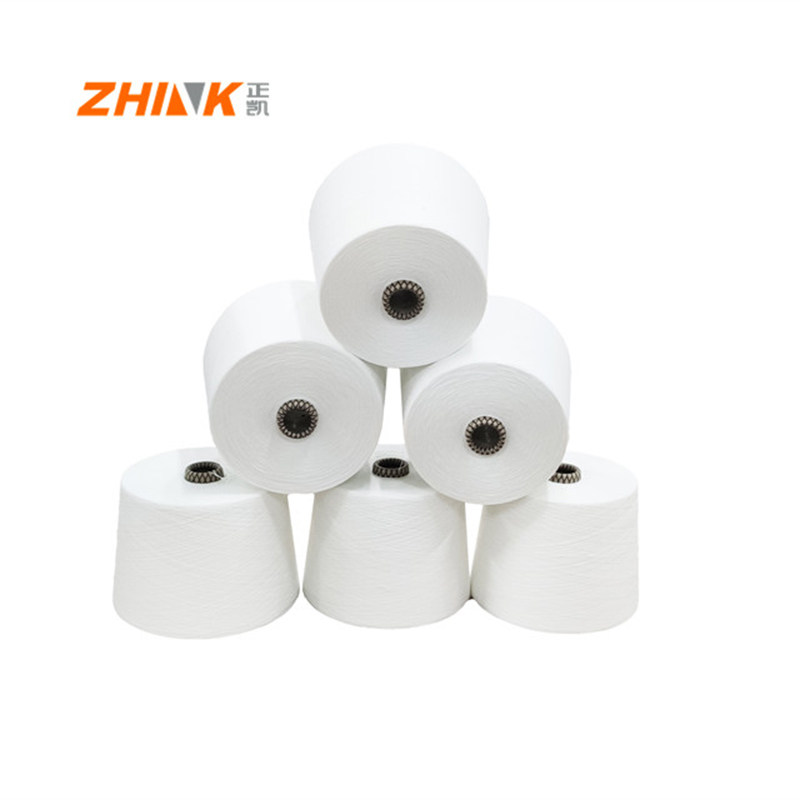
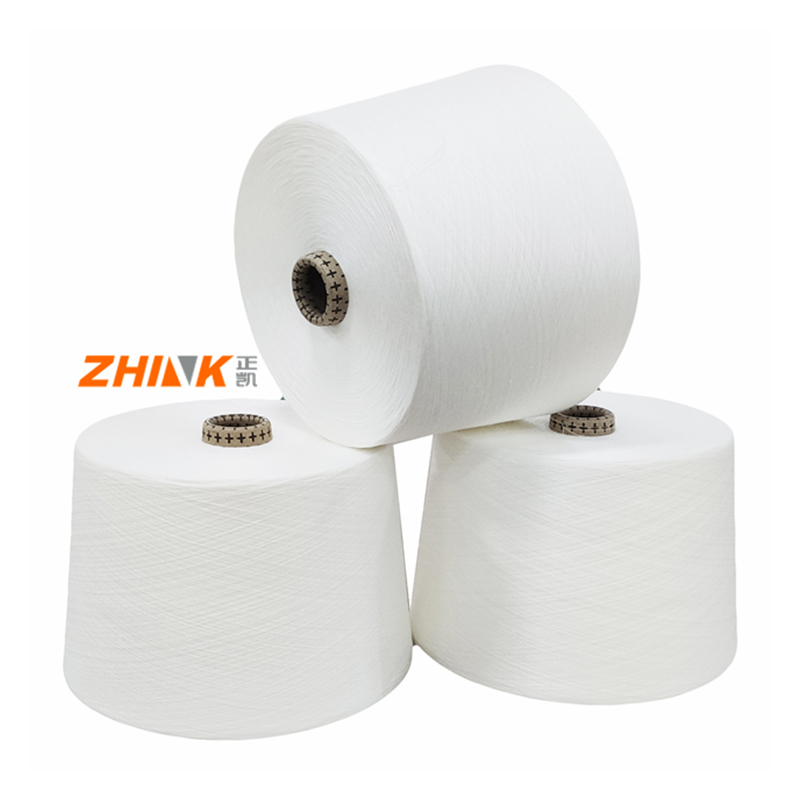
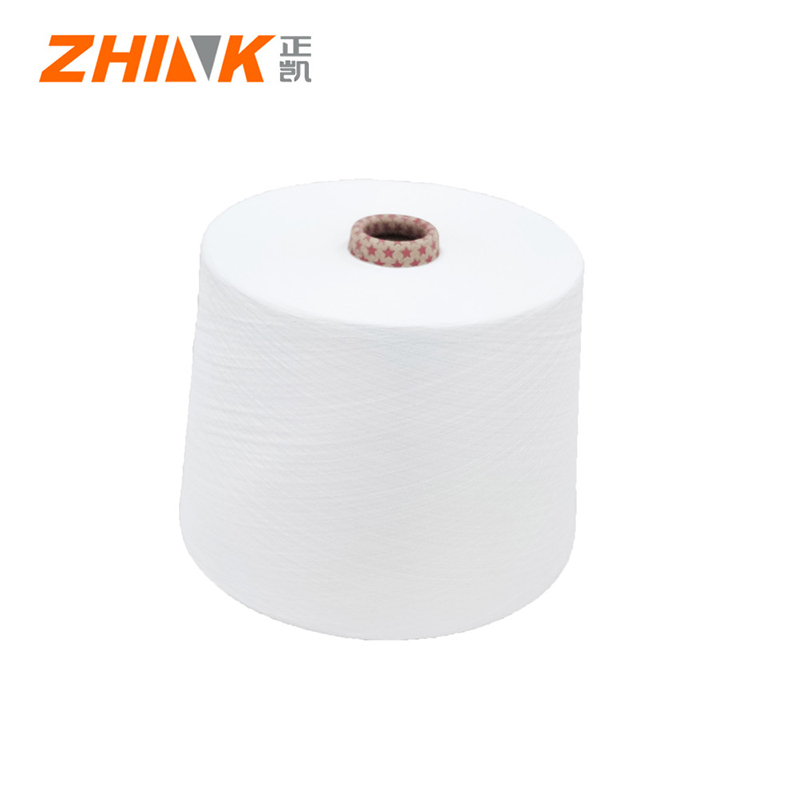
rayon viscose yarn
The World of Rayon Viscose Yarn: Insights and Experiences
If you've ever run your fingers through a rayon viscose fabric, you’ve probably appreciated its silky smooth texture, but understanding its journey from yarn to garment unveils a complex and intriguing process. While many assume it's just another synthetic material, the reality involves a blend of natural origins, intricate processing, and a fascinating range of applications.
Understanding Rayon Viscose Yarn
At its core, rayon viscose yarn is made from cellulose, typically derived from wood pulp. Despite its synthetic appearance, it's technically a semi-synthetic fiber, and therein lies the common confusion. People often equate it with fully synthetic materials like polyester without realizing its natural roots.
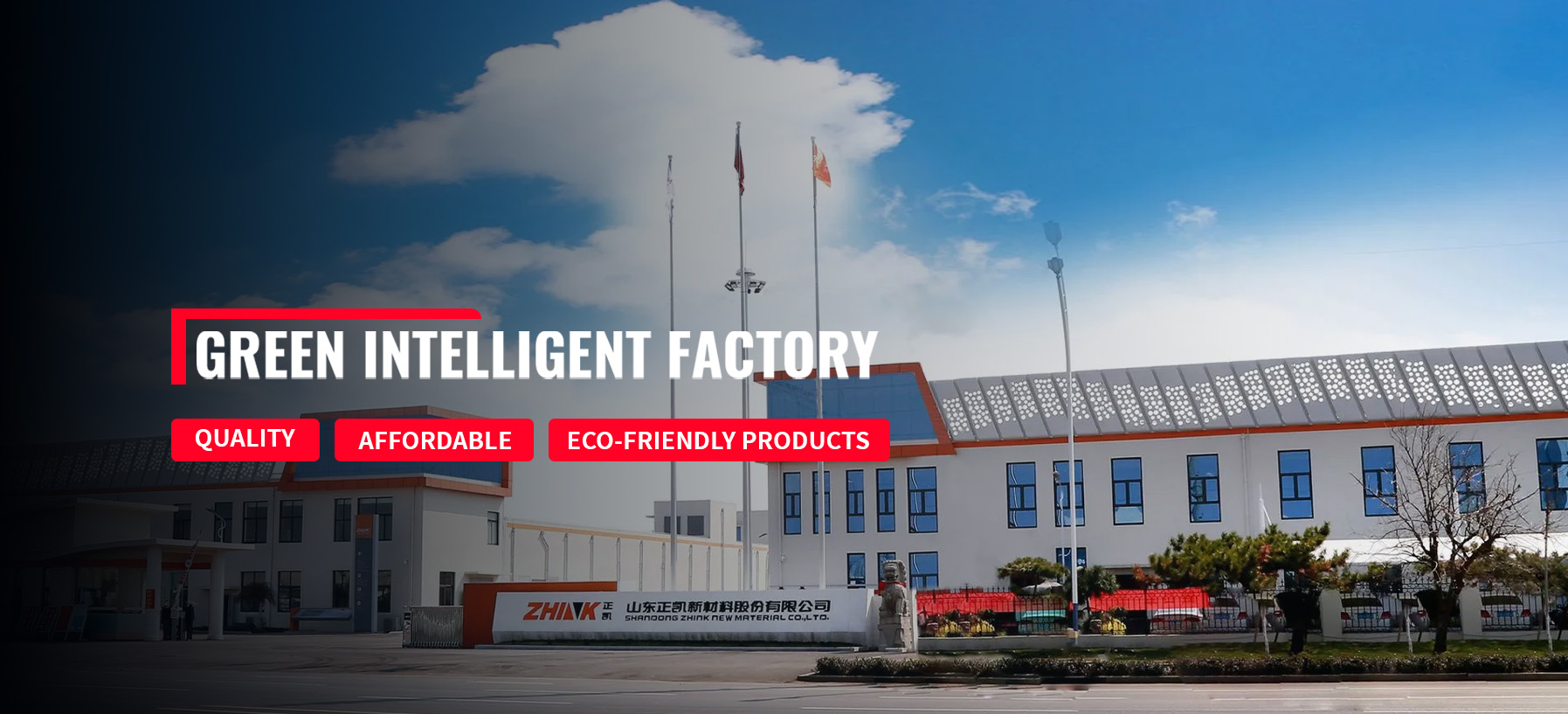
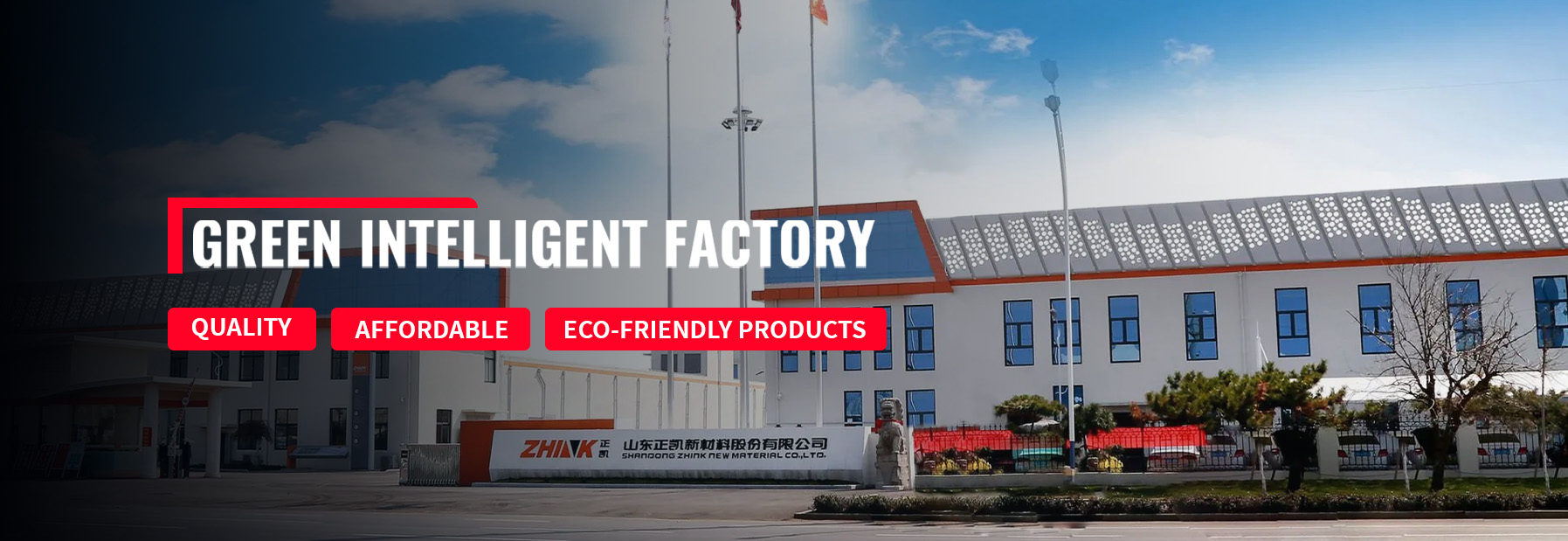
From the moment the cellulose is dissolved into viscose to the meticulous spinning process, every step requires precision. During my time working with SHANDONG ZHINK NEW MATERIAL CO., LTD, I've seen firsthand the significant role that quality control plays. Here, at Zhink's website, it’s evident they place a high priority on maintaining consistency throughout this process.
Engaging in the research and development of new textile materials, Zhink has pushed boundaries, making rayon viscose yarn adaptable to various innovative applications. Each strand tells a story of sustainable practices and cutting-edge technology.
Challenges in Production
Producing rayon viscose yarn isn't without its challenges. The environmental impact of the production process is a significant concern. Balancing efficiency while minimizing pollution is a constant struggle. At Zhink, there's a continuous effort to refine processes, ensuring reduced emissions and waste.
I've witnessed the challenges firsthand, especially the need for careful management of chemicals involved. Once, an oversight in chemical handling led to a delay in production—an error that highlighted the delicate nature of the entire process and its dependency on rigorous standards.
The intricate spinning technology requires not only top-grade machinery but also skilled operatives. Watching experts maneuver these machines is akin to watching an artist create a masterpiece—a blend of technology and human touch.
Applications of Rayon Viscose Yarn
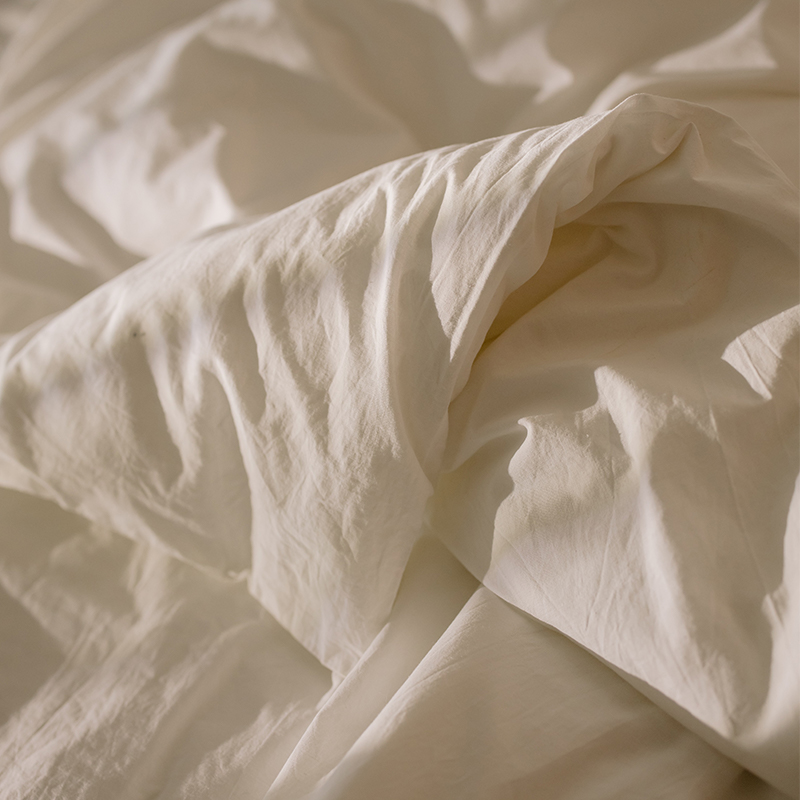
The versatility of rayon viscose yarn is perhaps its most exciting feature. From everyday clothing to luxury haute couture, rayon finds applications across the spectrum. It’s loved for its comfort, breathability, and ability to mimic silk.
In my projects with home textiles, the adaptability of rayon stood out. Its ability to take on vibrant dyes and drape elegantly makes it a favorite for curtains and upholstery, offering a sophisticated yet practical solution.
Thanks to companies like Zhink, this innovation in yarn technology brings endless possibilities. Their commitment to quality has ensured products that are both aesthetically pleasing and durable.
Innovations and Trends
In recent years, sustainability has become a significant focus in the textile industry. Rayon viscose yarn isn’t exempt from this trend. Zhink is exploring ways to integrate recycled materials into their yarn production, a move that reflects broader industry shifts aiming for eco-friendliness.
Another trend is the push towards increasing yarn strength and elasticity. Working on a project, we tested various blends to achieve a balance of strength without sacrificing the characteristic softness of rayon. These little experiments often open doors to new applications and fabric blends.
Technology, too, is playing a crucial role, with advancements in spinning machines allowing for greater precision and efficiency. Keeping abreast of these trends is essential for staying competitive in the market.
Conclusion: A Fiber with a Future
The journey of rayon viscose yarn from raw cellulose to finished product is a testament to modern innovation and tradition coexisting. Companies like SHANDONG ZHINK NEW MATERIAL CO., LTD are at the forefront of this journey, pushing the boundaries of what's possible with textile materials.
The future promises even more exciting developments. By combining sustainability with advanced fiber technology, rayon viscose yarn remains an attractive option for designers and consumers alike.
In this ever-evolving landscape, staying informed and adaptable is key. Whether you're in production, design, or simply a consumer, appreciating the complexity and potential of rayon viscose yarn opens a world of possibilities.
Related Products
Related Products