+86-632-3621866
- Chinese
- French
- German
- Portuguese
- Spanish
- Russian
- Japanese
- Korean
- Arabic
- Irish
- Greek
- Turkish
- Italian
- Danish
- Romanian
- Indonesian
- Czech
- Afrikaans
- Swedish
- Polish
- Basque
- Catalan
- Esperanto
- Hindi
- Lao
- Albanian
- Amharic
- Armenian
- Azerbaijani
- Belarusian
- Bengali
- Bosnian
- Bulgarian
- Cebuano
- Chichewa
- Corsican
- Croatian
- Dutch
- Estonian
- Filipino
- Finnish
- Frisian
- Galician
- Georgian
- Gujarati
- Haitian
- Hausa
- Hawaiian
- Hebrew
- Hmong
- Hungarian
- Icelandic
- Igbo
- Javanese
- Kannada
- Kazakh
- Khmer
- Kurdish
- Kyrgyz
- Latin
- Latvian
- Lithuanian
- Luxembou..
- Macedonian
- Malagasy
- Malay
- Malayalam
- Maltese
- Maori
- Marathi
- Mongolian
- Burmese
- Nepali
- Norwegian
- Pashto
- Persian
- Punjabi
- Serbian
- Sesotho
- Sinhala
- Slovak
- Slovenian
- Somali
- Samoan
- Scots Gaelic
- Shona
- Sindhi
- Sundanese
- Swahili
- Tajik
- Tamil
- Telugu
- Thai
- Ukrainian
- Urdu
- Uzbek
- Vietnamese
- Welsh
- Xhosa
- Yiddish
- Yoruba
- Zulu
- Kinyarwanda
- Tatar
- Oriya
- Turkmen
- Uyghur


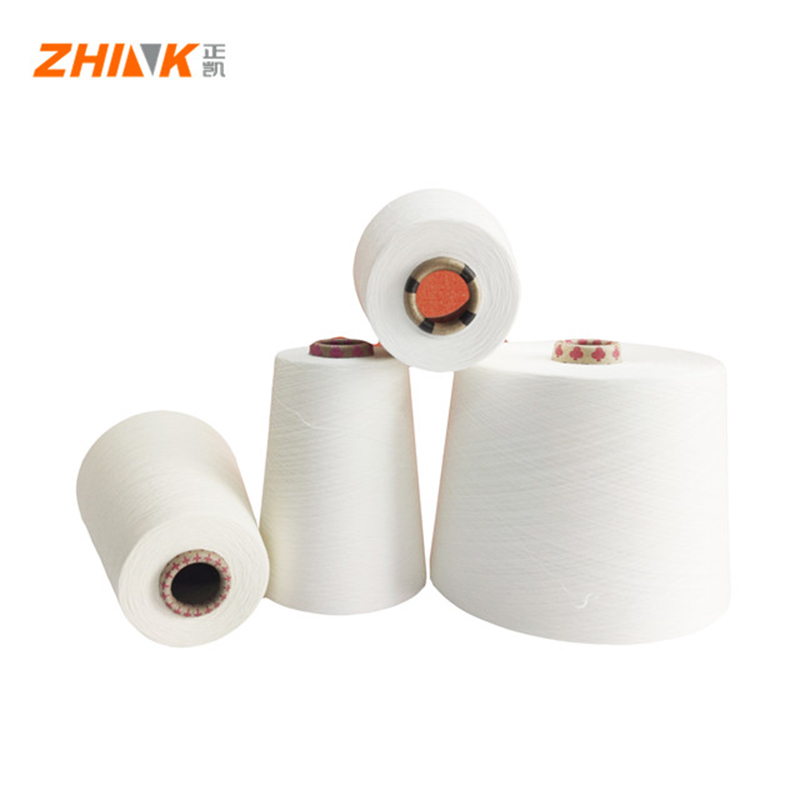
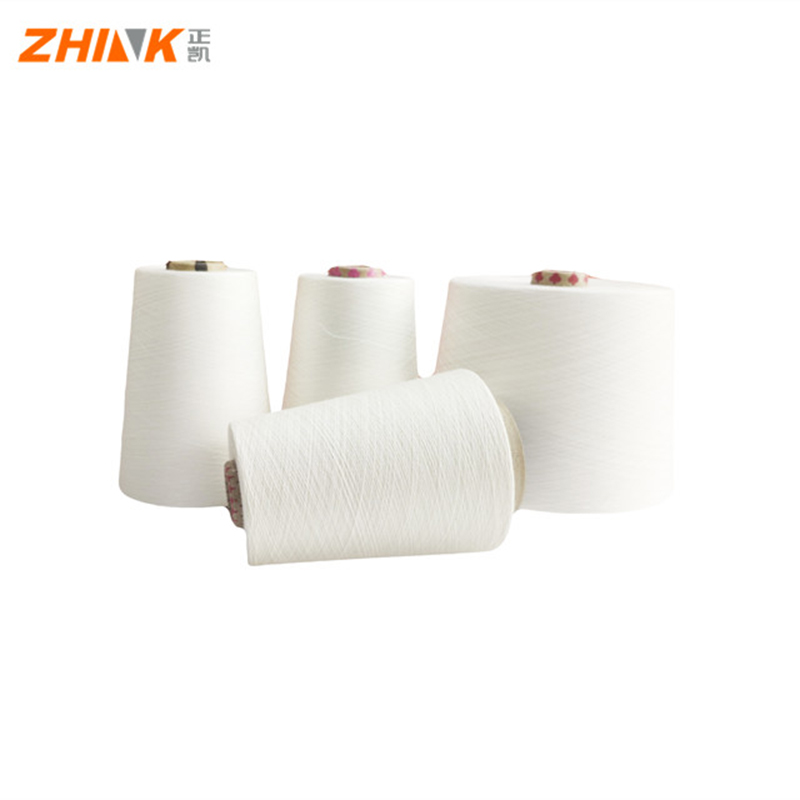
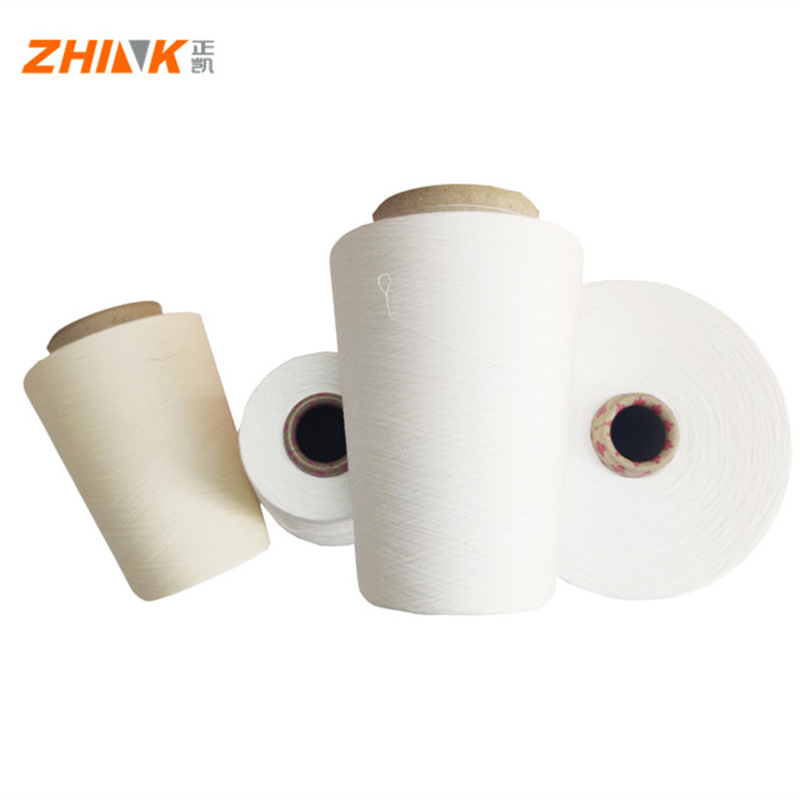
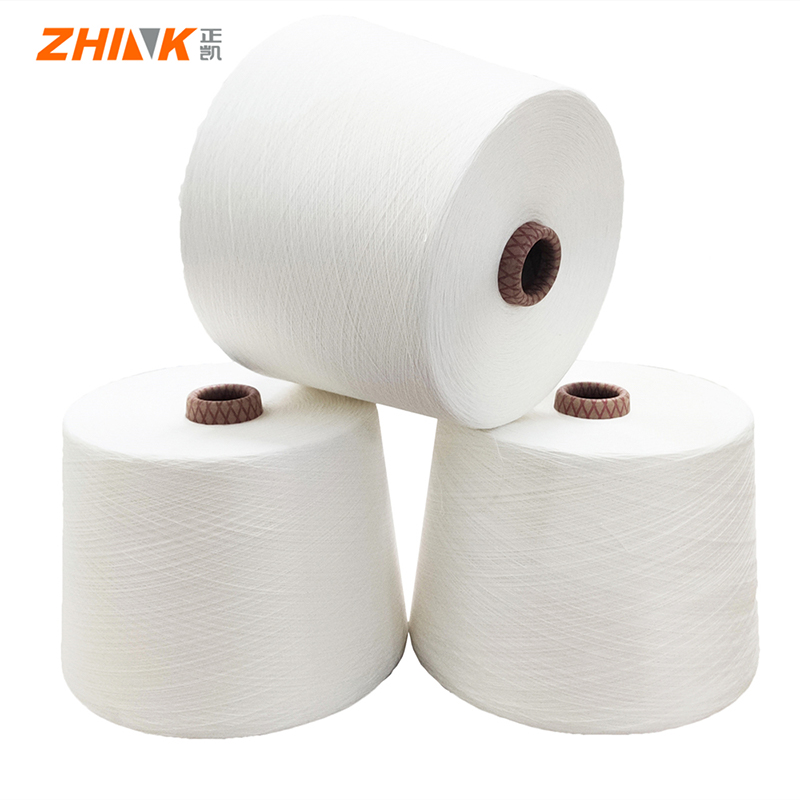
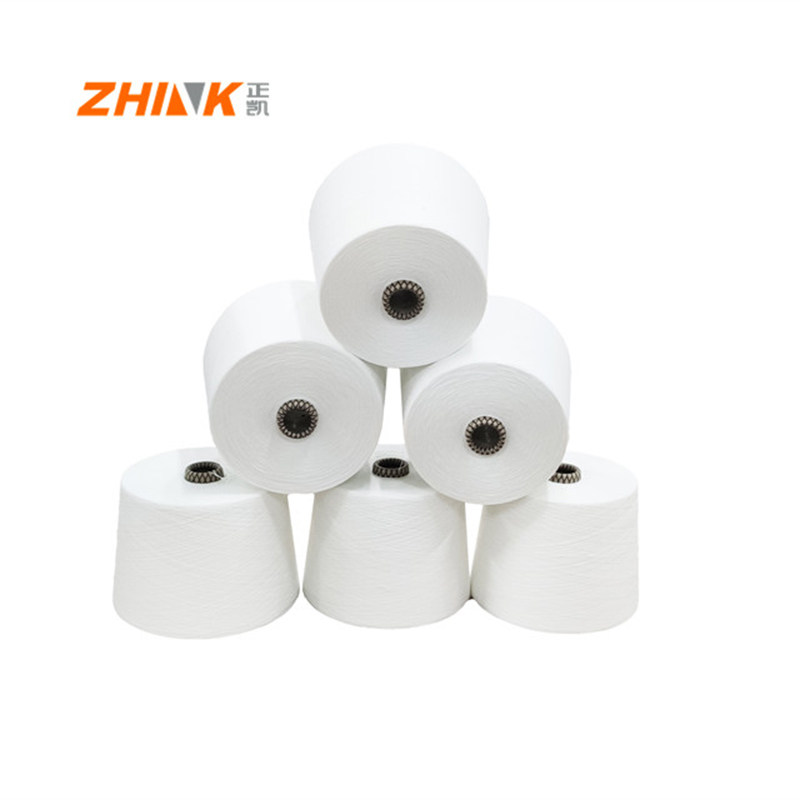
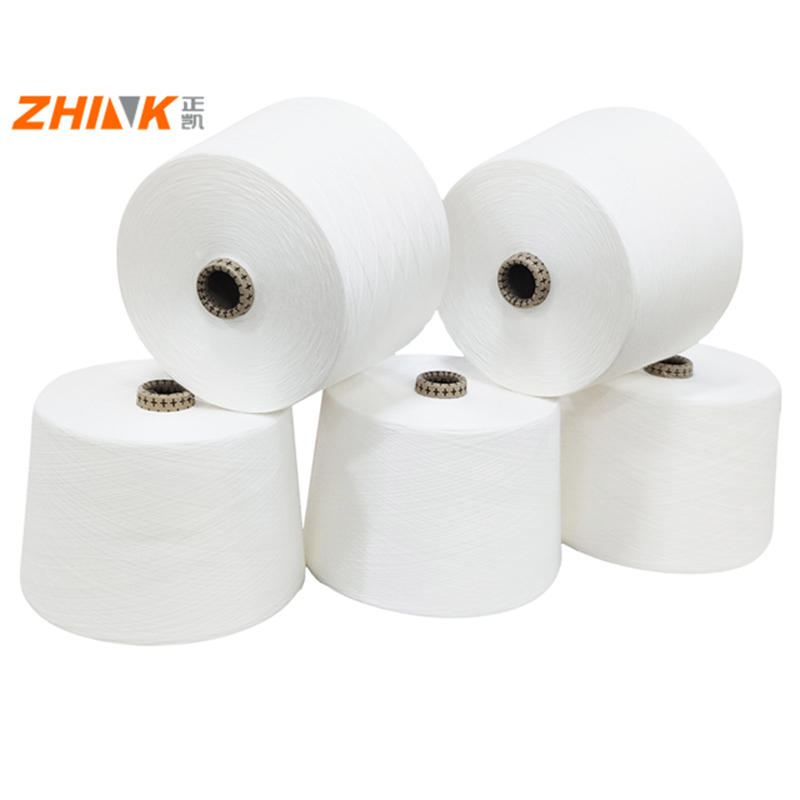
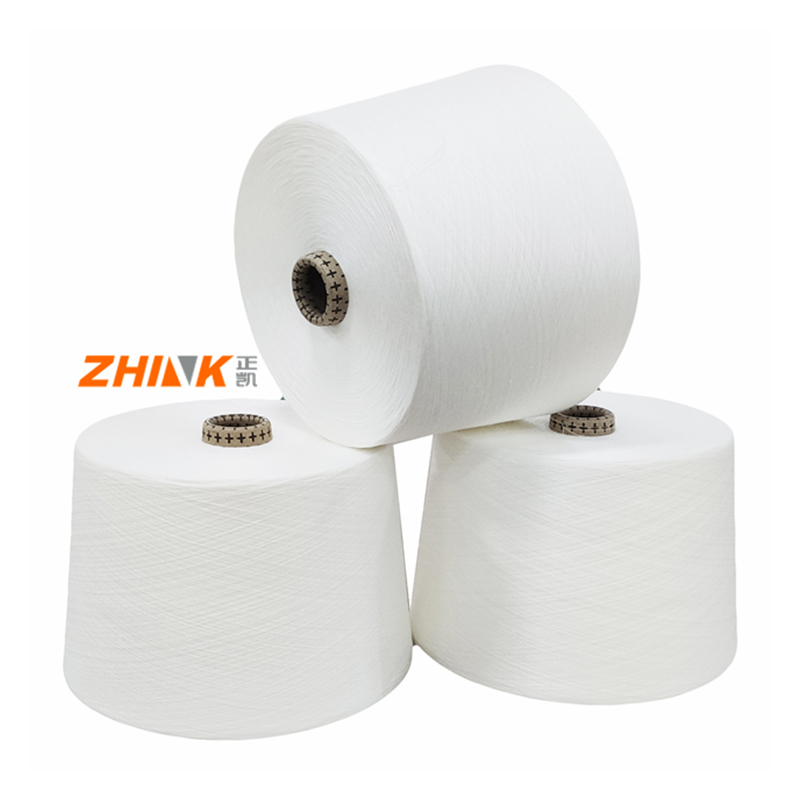
RCS polyester yarn
Exploring the World of RCS Polyester Yarn
The use of RCS polyester yarn has been gaining traction in textiles, but what does its integration imply for the industry? Many professionals may encounter differing perspectives, often clouded by partial information or outdated misconceptions. Let's delve into a detailed analysis, based on field insights and real-life scenarios.
Understanding RCS Certification
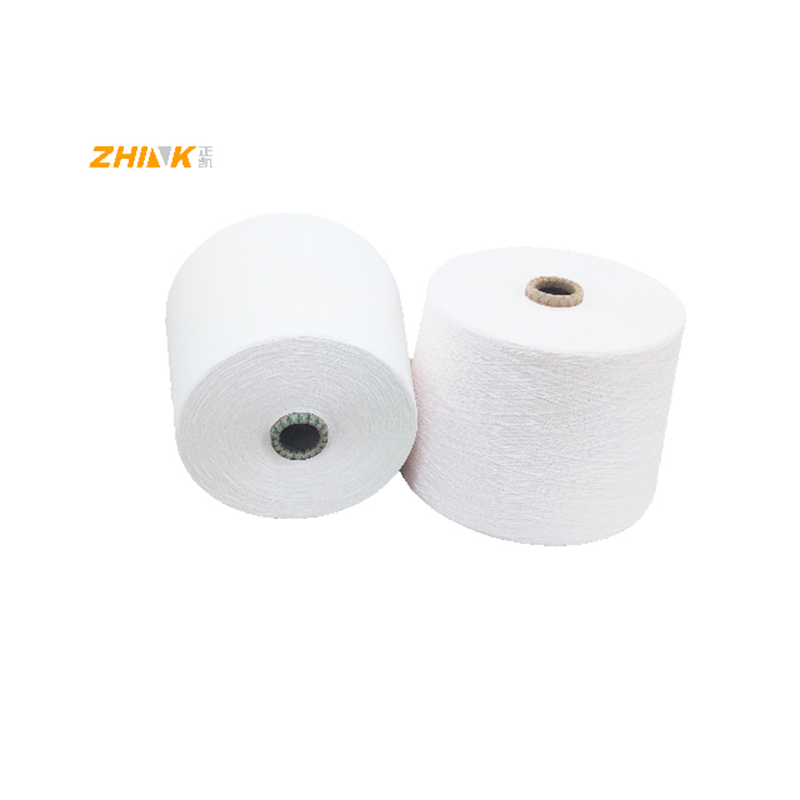
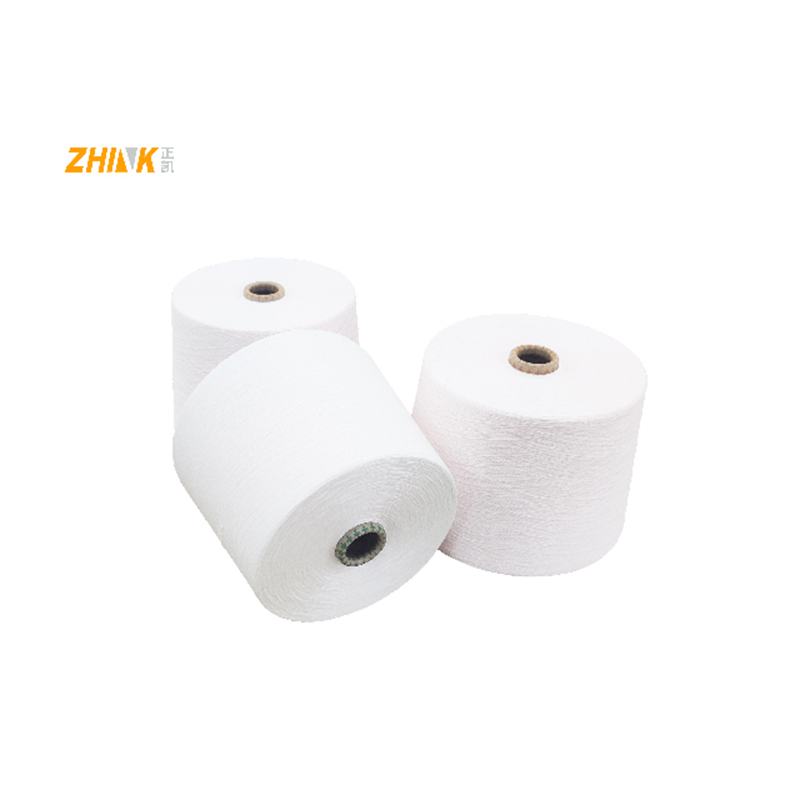
The term RCS denotes the Recycled Claim Standard, a certification that verifies the presence and amount of recycled material in a yarn. It's essential to comprehend that this certification isn't just about marketing. It provides authenticity in an industry often plagued with dubious claims. When working with textiles, ensuring this certification can improve trust with environmentally conscious consumers.
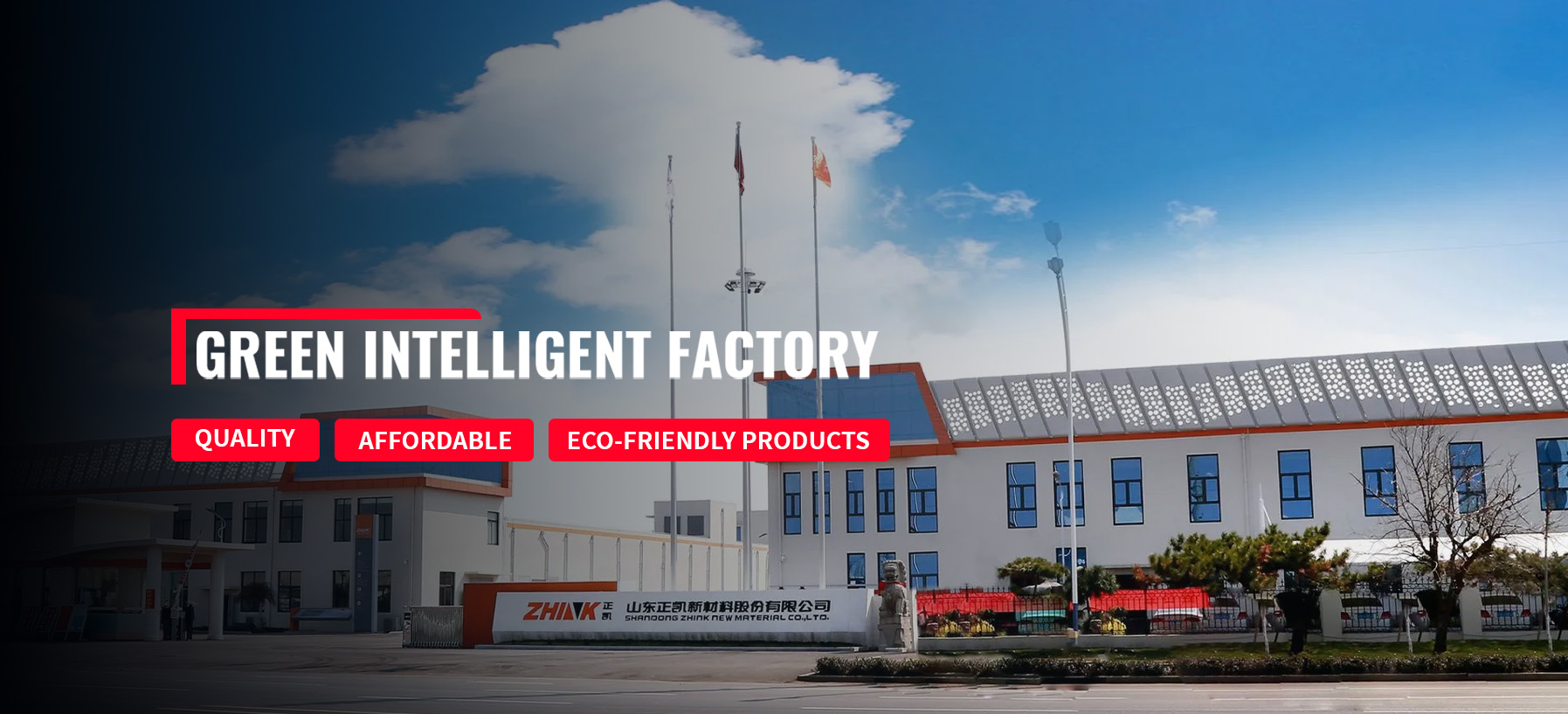
In my experience, sourcing RCS polyester yarn often involves a series of checks and verifications. Manufacturers like SHANDONG ZHINK NEW MATERIAL CO., LTD play a crucial role here, offering not only certified materials but also transparency in their supply chain. They maintain an expansive portfolio, reflecting their commitment as detailed on their website, Zhink New Material.
What's particularly surprising is the gradual yet steady shift among traditional textile producers to adopt RCS standards. It's a slow transformation, often driven by regulatory mandates and consumer pressure but also sometimes impeded by cost considerations and logistical complexities.
The Practicality of Polyester Yarn
Polyester yarn isn't new, but the recyclable angle adds layers to its application. Industries are increasingly leaning towards sustainable options without compromising on performance or cost-effectiveness. This is where simple practicality meets innovation.
For instance, during a project collaboration, we tested various applications of RCS polyester yarn in activewear. The results were promising, offering the durability and elasticity needed while keeping the ecological footprint minimal. The integration was seamless only after intensive rounds of testing and feedback loops.
The challenges faced, however, were not insignificant. Variability in yarn quality and batch consistency required rigorous quality control processes. It's through these on-the-ground experiences that you truly grasp the nuanced benefits and pitfalls of using recycled materials.
Environmental Impact and Consumer Perception
The environmental narrative is, of course, pivotal. Consumers today make more informed choices, leading brands to reconsider materials like RCS polyester yarn. This hasn't been without hiccups―consumers often question the validity of recycled claims without certifications like RCS to back them up.
Real-world interactions with clients reveal a mixed bag of perceptions. While some consumers remain skeptical, others are enthusiastic advocates. This dichotomy usually results in diverse marketing strategies, tailored to varying consumer bases. Companies like Zhink New Material have adapted by providing detailed material insights, contributing to informed purchasing decisions.
One client feedback loop involved product demonstrations showing direct comparisons between traditional and recycled textiles, effectively shifting perceptions. This illustrates a proactive approach to bridging the understanding gap, fostering trust in the sustainability claims.
Challenges in Adopting Sustainable Practices
A considerable challenge in the textile sector is the inertia towards sustainability due to established processes. Transitioning to RCS polyester yarn often demands restructuring, not just on the production floor but across the supply chain.
A particular project I recall involved re-training staff to handle recycled yarns, as their behavior during processing can differ subtly from virgin yarns. Though initially daunting, the long-term benefits in resource efficiency and waste reduction were compelling incentives to continue.
Moreover, cost factors cannot be ignored. While recycled materials may initially incur higher costs, economies of scale and improved resource utilization can offset these over time, something industry veterans are gradually acknowledging.
Future Prospects in Textile Innovations
Looking forward, the role of RCS polyester yarn seems promising. As more brands and manufacturers like Zhink New Material integrate these materials, their presence is likely to normalize across various sectors. Innovations will likely continue to emerge, addressing existing limitations and pushing the boundaries of textile sustainability.
The exploration of advanced recycling techniques could further enhance yarn quality, making sustainable textiles indistinguishable from their conventional counterparts. As witnessed in practical scenarios, innovation is a constant, driven by both necessity and market demand.
In summarizing, the journey with RCS polyester yarn is one of continuous learning and adjustment. From understanding certifications to grappling with material challenges, the path is not without its complexities. Yet, with companies like Zhink New Material leading the charge, the future of sustainable textiles holds potential that is both exciting and environmentally essential.
Related Products
Related Products