+86-632-3621866
- Chinese
- French
- German
- Portuguese
- Spanish
- Russian
- Japanese
- Korean
- Arabic
- Irish
- Greek
- Turkish
- Italian
- Danish
- Romanian
- Indonesian
- Czech
- Afrikaans
- Swedish
- Polish
- Basque
- Catalan
- Esperanto
- Hindi
- Lao
- Albanian
- Amharic
- Armenian
- Azerbaijani
- Belarusian
- Bengali
- Bosnian
- Bulgarian
- Cebuano
- Chichewa
- Corsican
- Croatian
- Dutch
- Estonian
- Filipino
- Finnish
- Frisian
- Galician
- Georgian
- Gujarati
- Haitian
- Hausa
- Hawaiian
- Hebrew
- Hmong
- Hungarian
- Icelandic
- Igbo
- Javanese
- Kannada
- Kazakh
- Khmer
- Kurdish
- Kyrgyz
- Latin
- Latvian
- Lithuanian
- Luxembou..
- Macedonian
- Malagasy
- Malay
- Malayalam
- Maltese
- Maori
- Marathi
- Mongolian
- Burmese
- Nepali
- Norwegian
- Pashto
- Persian
- Punjabi
- Serbian
- Sesotho
- Sinhala
- Slovak
- Slovenian
- Somali
- Samoan
- Scots Gaelic
- Shona
- Sindhi
- Sundanese
- Swahili
- Tajik
- Tamil
- Telugu
- Thai
- Ukrainian
- Urdu
- Uzbek
- Vietnamese
- Welsh
- Xhosa
- Yiddish
- Yoruba
- Zulu
- Kinyarwanda
- Tatar
- Oriya
- Turkmen
- Uyghur


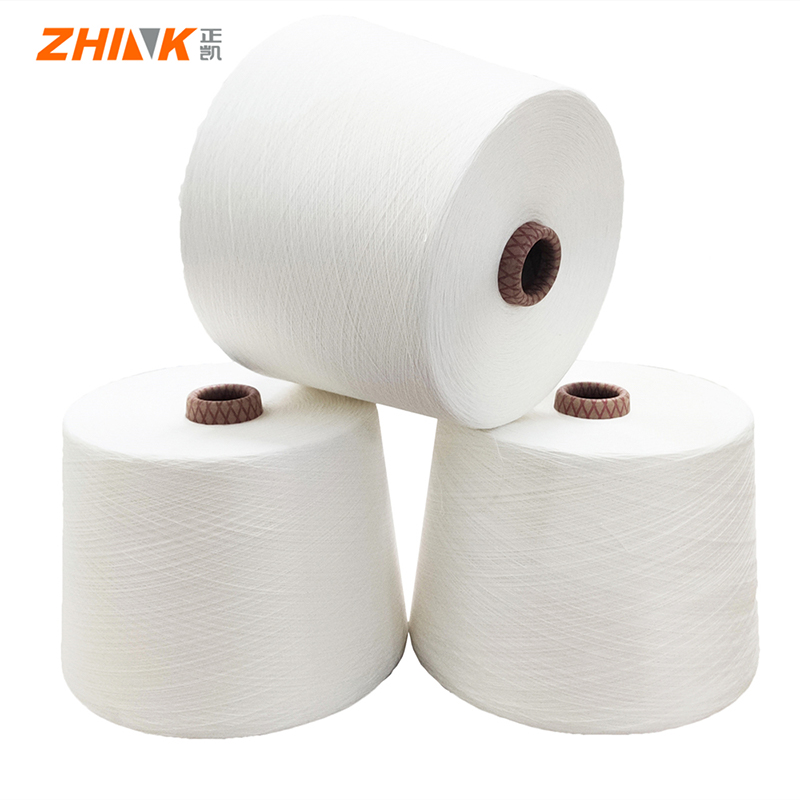
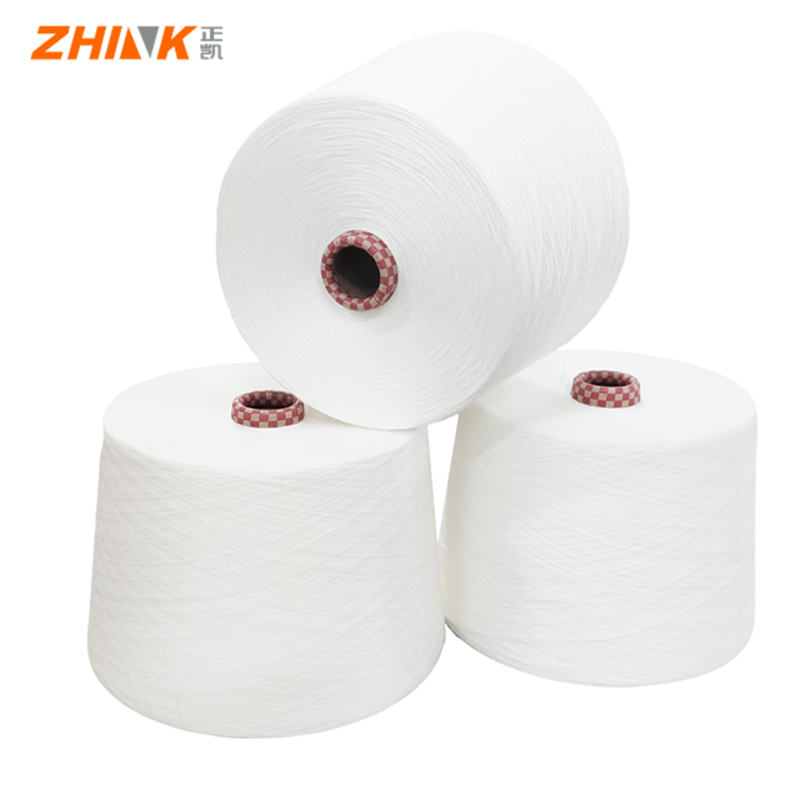
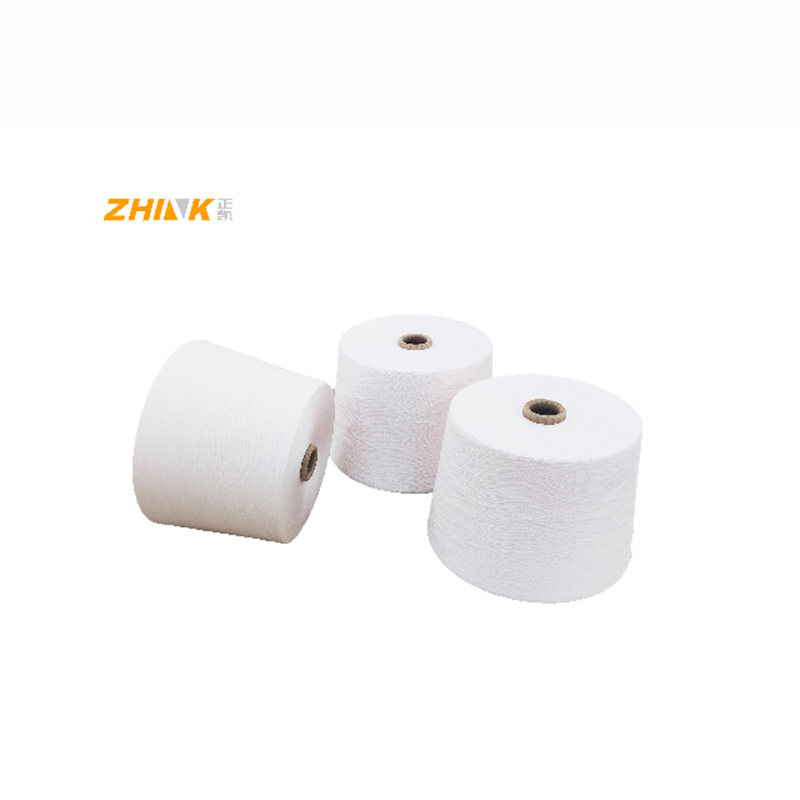
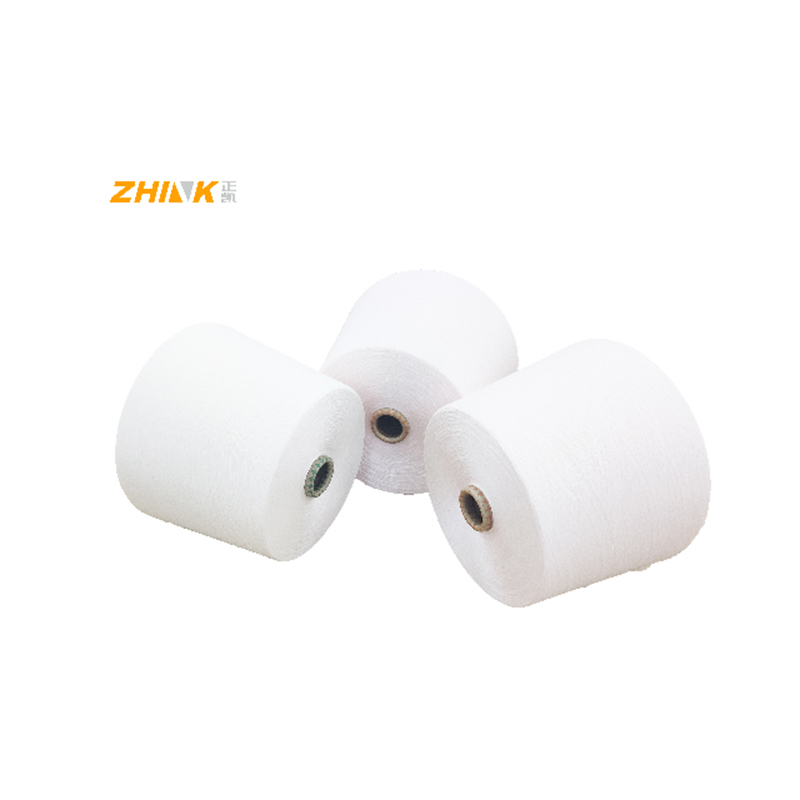
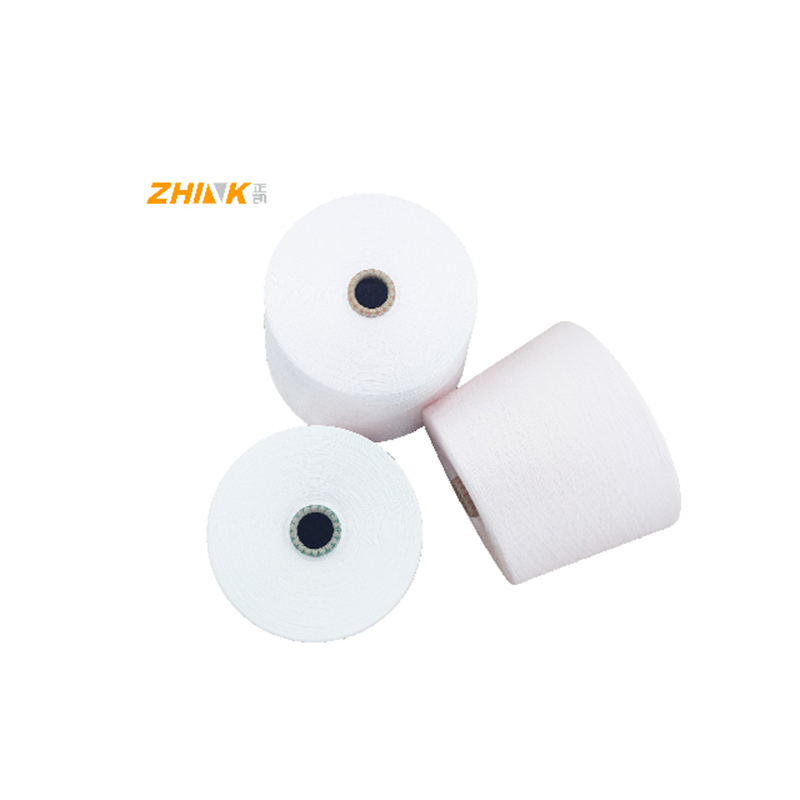
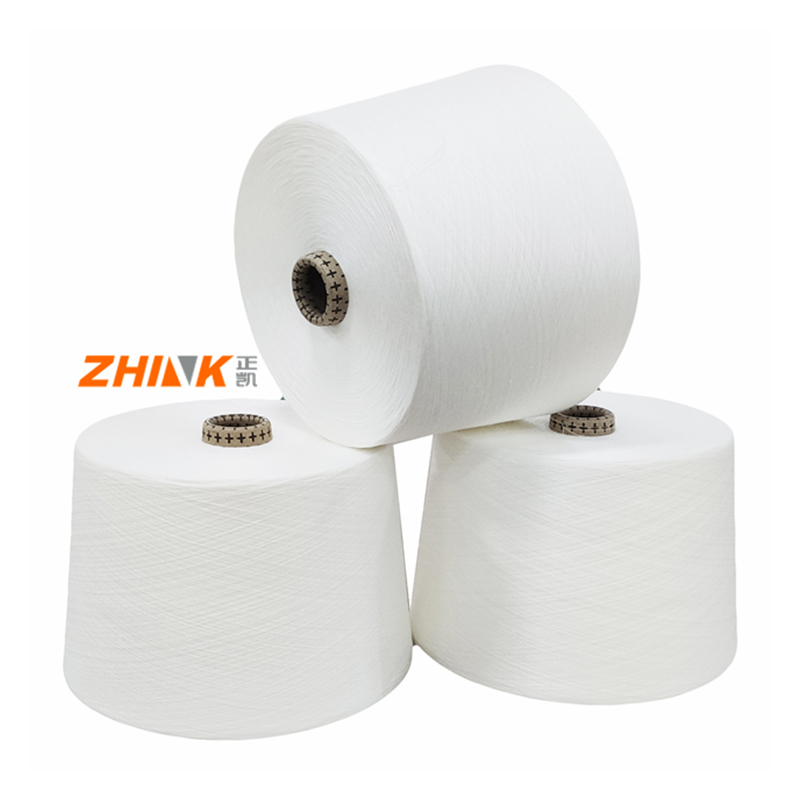
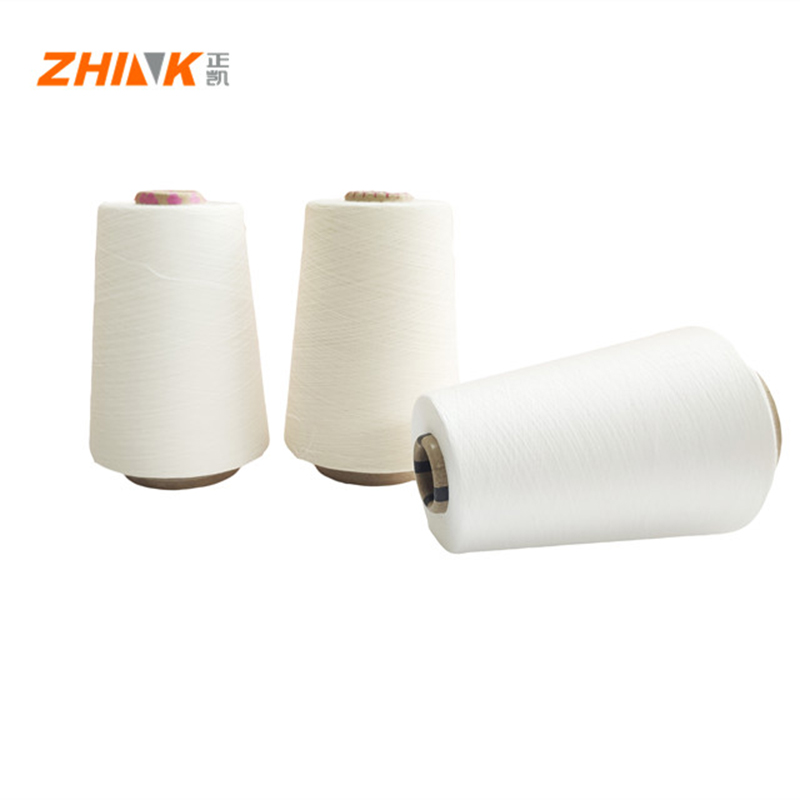
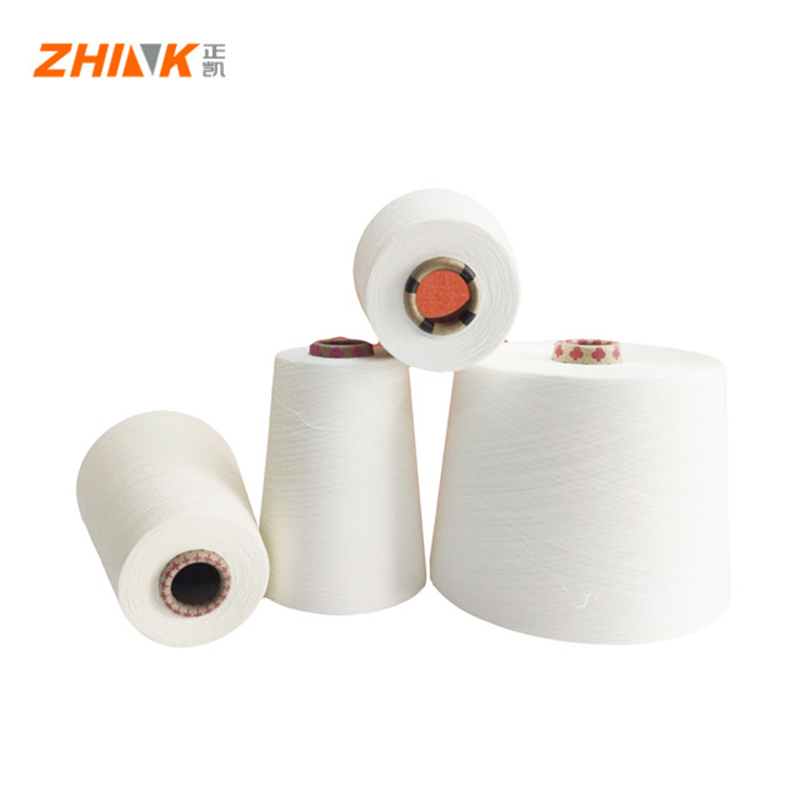
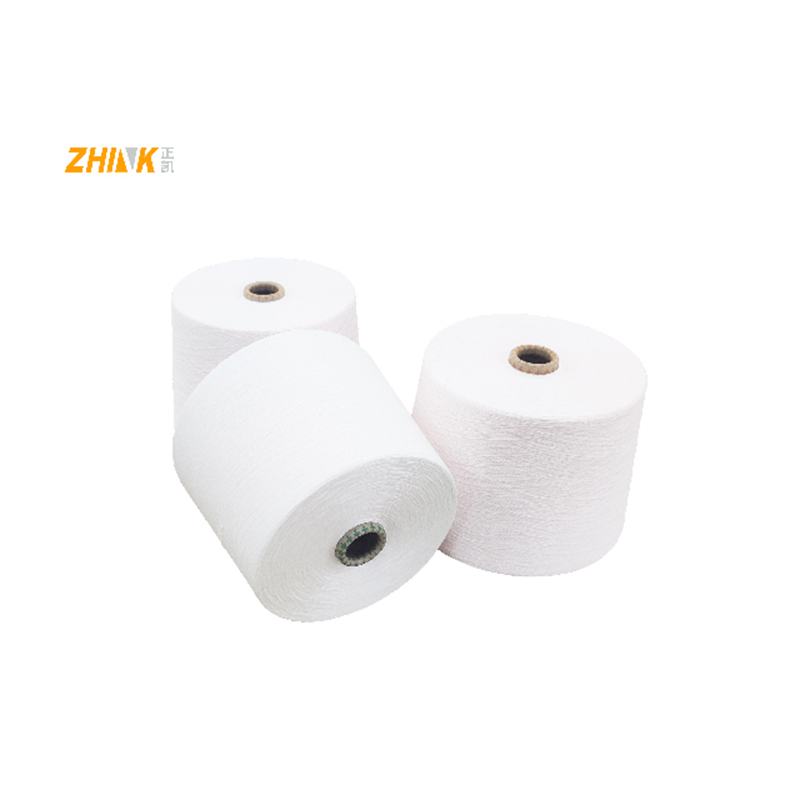
recycled cotton yarn
The Real Story Behind Recycled Cotton Yarn
Recycled cotton yarn sounds promising in today’s eco-conscious market, but what's the inside scoop? Let's cut through the buzz and explore both the potential and the pitfalls of this sustainable textile option.
Understanding Recycled Cotton Yarn
The idea of recycled cotton yarn seems straightforward: take discarded cotton textiles and transform them back into usable yarn. However, the reality of this process is far more nuanced. At SHANDONG ZHINK NEW MATERIAL CO., LTD, we’ve seen firsthand the blend of craftsmanship and technology required to produce quality recycled yarn. The fibers, often shorter and weaker after being broken down, demand special attention during spinning to ensure the yarn’s strength.
One common misunderstanding is assuming recycled cotton offers the same durability as virgin cotton. In practice, the fibers have already lived a first life, so maintaining quality involves strategic blending. Here at Zhink, we integrate different fibers to enhance the final product without compromising its eco-friendly label.
The key challenge lies in consistency. Each batch of recycled material can vary significantly, given its diverse origin. Our team at Zhink spends a considerable amount of time conducting quality checks and optimizing mixtures to overcome these challenges. It's a delicate balance of art and science, one that’s particularly rewarding when done right.
Manufacturing Insights
Our experience with recycled cotton yarn at SHANDONG ZHINK NEW MATERIAL CO., LTD involves not just mechanical processing but also a significant portion of manual oversight. Automated systems can only go so far; human intuition and experience often play a critical role in ensuring the best outcome.
For example, adjusting the tension during spinning can lead to substantial differences in strength and texture. Our textile engineers continuously refine these parameters, which might sound trivial to outsiders, but to us, it’s where expertise shines.
Interestingly, while recycled cotton can reduce environmental impact, it’s not without its own carbon footprint. Transport, sorting, cleaning, and dyeing all contribute to the equation. This has made us more conscious of our supply chain and pushed us towards using renewable energy sources wherever possible.
Market Perceptions and Realities
One area of the recycled cotton yarn industry that remains challenging is consumer perception. Many see it as just a cheaper alternative, while its true value lies in sustainability. That’s an educational effort we continuously undertake with our partners and clients.
At Zhink, we often encounter hesitancy from buyers concerned about longevity. However, when they see our process and actually feel the samples, many are pleasantly surprised. It’s about reshaping the narrative from compromise to conscious choice. We’ve found storytelling does a lot of heavy lifting here.
Beyond marketing, collaboration with fashion brands committed to sustainability has helped propel recycled cotton into the spotlight. These partnerships are crucial; they enable shared learning and innovation, all while addressing common concerns head-on.
Advancements and Challenges
Technological advancements are exciting; they're constantly shifting the boundary of what's possible with recycled cotton yarn. Yet, these innovations must be carefully vetted. Not every cutting-edge solution is practical or scalable. That’s a reality we’ve embraced at Zhink—with both triumphs and learning opportunities.
For instance, fine-tuning the recycling process to minimize waste and maintain fiber integrity is ongoing work. We've invested heavily in R&D, aiming to achieve a seamless integration of tech and tradition, which is easier said than done.
Another challenge is regulation and standards, which vary globally. Navigating these can be cumbersome, but they’re essential for maintaining trust and ensuring that our products, available on our [website](https://www.zhinkyarn.com), meet international quality and ethical standards.
Future Prospects
Looking ahead, the path of recycled cotton yarn is promising but paved with challenges. Companies like SHANDONG ZHINK NEW MATERIAL CO., LTD are at the forefront, committed not just to producing quality yarn but also to pushing the boundaries of sustainability and innovation.
The future may even see a shift towards more transparent supply chains and collaborations across industries. It wouldn't surprise me if recycled yarn becomes a staple not just in sustainable fashion but mainstream clothing, too.
Ultimately, it’s about making sure the environmental benefits don’t remain just theory. If you're interested in diving deeper into the possibilities of recycled cotton yarns, feel free to connect with us through our [website](https://www.zhinkyarn.com), where innovation meets tradition in textile. The journey is ongoing, and there’s always room for more industry voices to weigh in and share insights.
Related Products
Related Products