+86-632-3621866
- Chinese
- French
- German
- Portuguese
- Spanish
- Russian
- Japanese
- Korean
- Arabic
- Irish
- Greek
- Turkish
- Italian
- Danish
- Romanian
- Indonesian
- Czech
- Afrikaans
- Swedish
- Polish
- Basque
- Catalan
- Esperanto
- Hindi
- Lao
- Albanian
- Amharic
- Armenian
- Azerbaijani
- Belarusian
- Bengali
- Bosnian
- Bulgarian
- Cebuano
- Chichewa
- Corsican
- Croatian
- Dutch
- Estonian
- Filipino
- Finnish
- Frisian
- Galician
- Georgian
- Gujarati
- Haitian
- Hausa
- Hawaiian
- Hebrew
- Hmong
- Hungarian
- Icelandic
- Igbo
- Javanese
- Kannada
- Kazakh
- Khmer
- Kurdish
- Kyrgyz
- Latin
- Latvian
- Lithuanian
- Luxembou..
- Macedonian
- Malagasy
- Malay
- Malayalam
- Maltese
- Maori
- Marathi
- Mongolian
- Burmese
- Nepali
- Norwegian
- Pashto
- Persian
- Punjabi
- Serbian
- Sesotho
- Sinhala
- Slovak
- Slovenian
- Somali
- Samoan
- Scots Gaelic
- Shona
- Sindhi
- Sundanese
- Swahili
- Tajik
- Tamil
- Telugu
- Thai
- Ukrainian
- Urdu
- Uzbek
- Vietnamese
- Welsh
- Xhosa
- Yiddish
- Yoruba
- Zulu
- Kinyarwanda
- Tatar
- Oriya
- Turkmen
- Uyghur


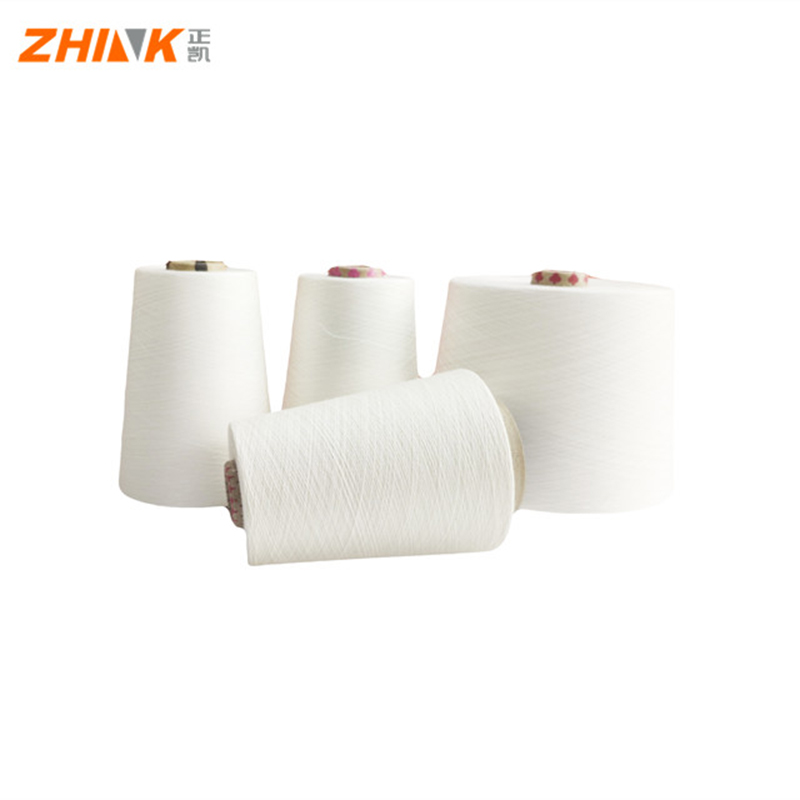
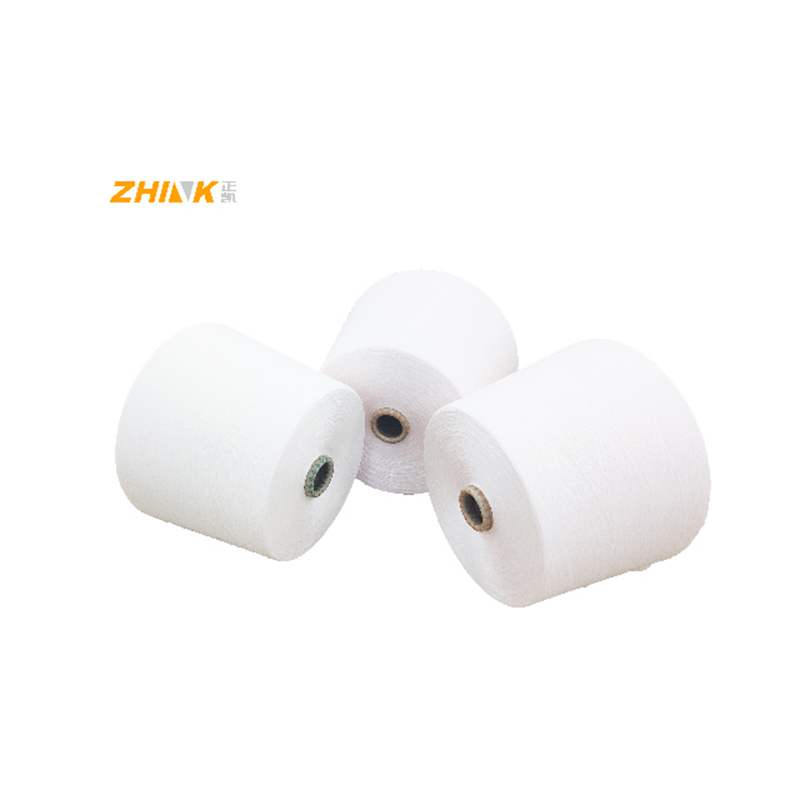
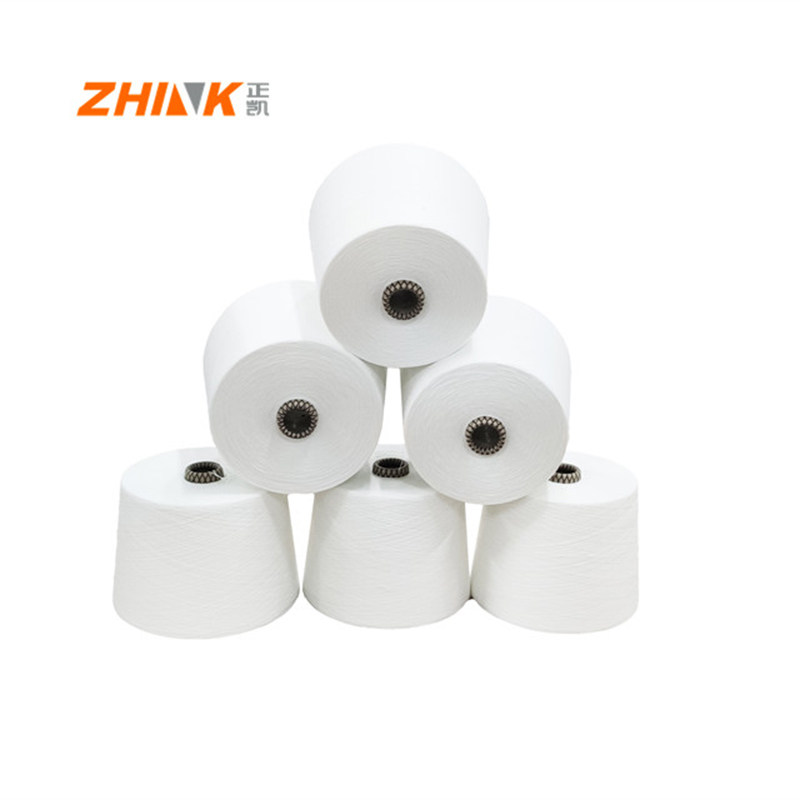
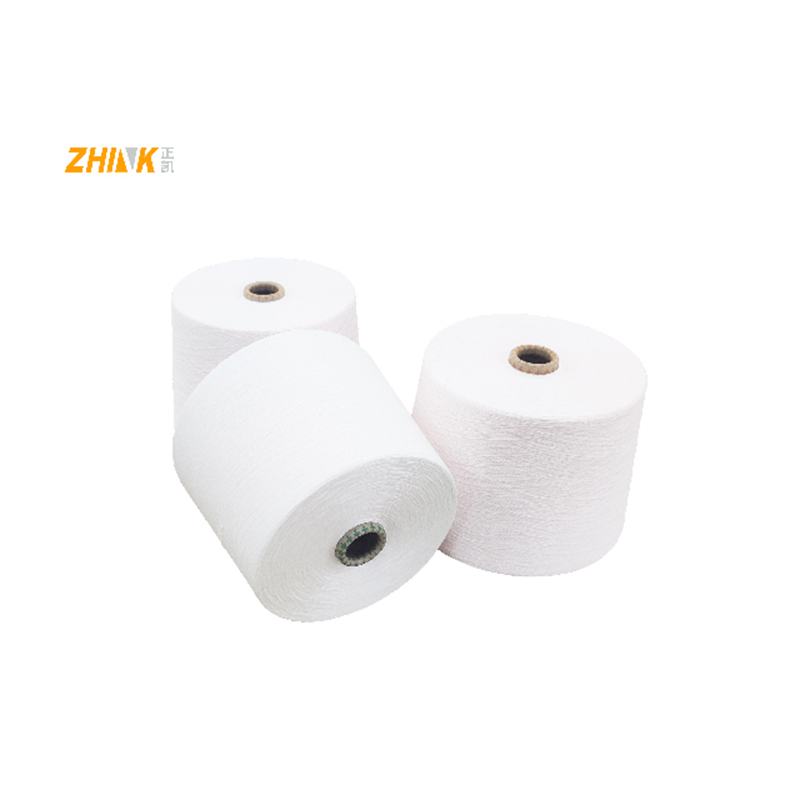
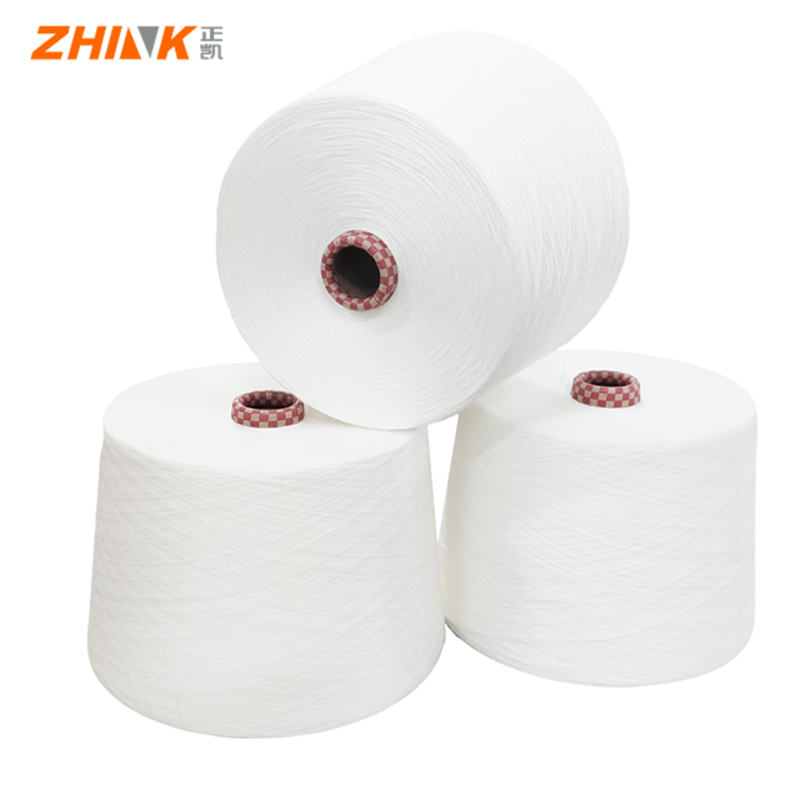
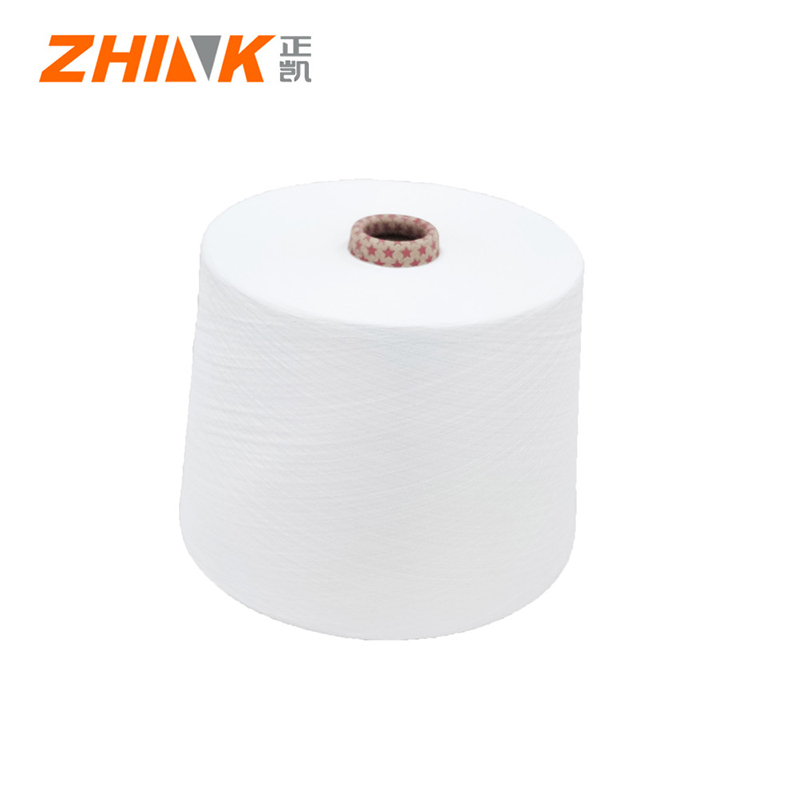
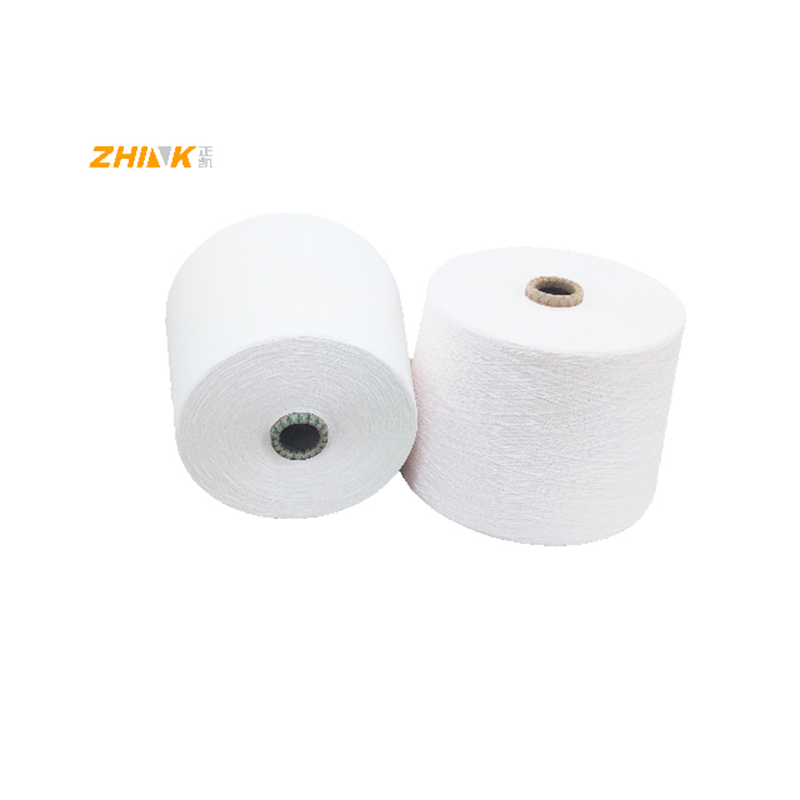
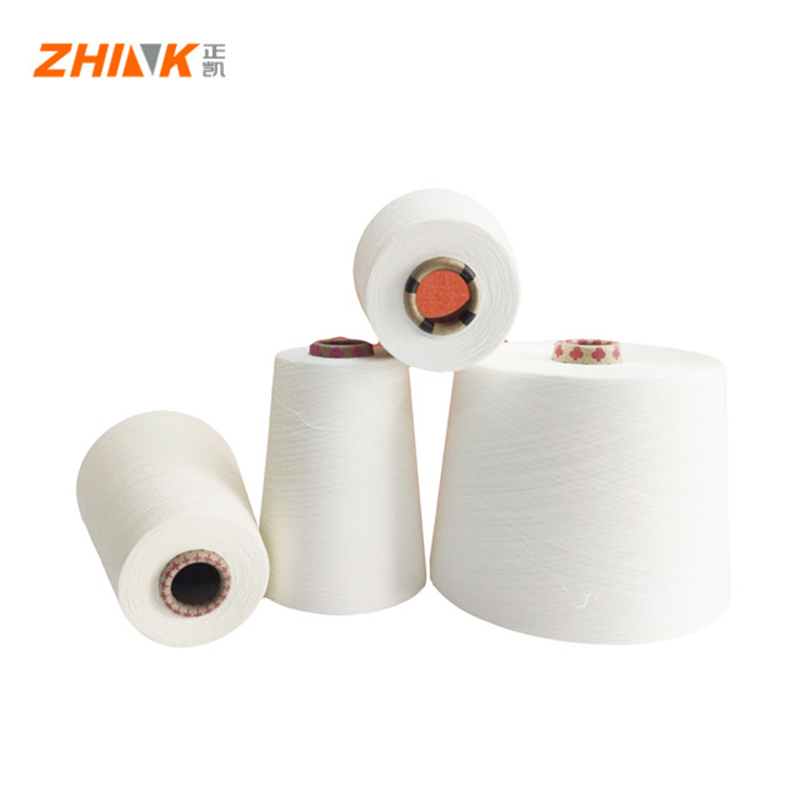
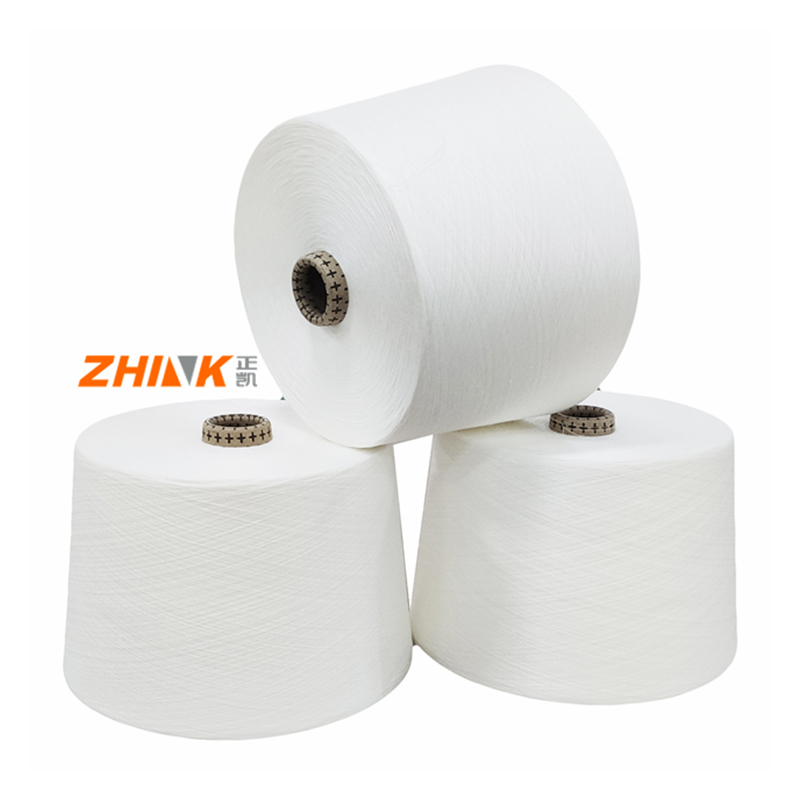
Recycled polyester 40D yarn
Exploring the World of Recycled Polyester 40D Yarn
In the realm of sustainable textiles, Recycled polyester 40D yarn stands out as a fascinating blend of innovation and practicality. It's not just about eco-friendliness; there's a real conversation about the balance between performance and sustainability. But let's dive a bit deeper—what makes this particular yarn so essential, and why is it grabbing the attention of industry experts?
Understanding 40D Yarn
When talking about Recycled polyester 40D yarn, we're essentially discussing a solution to a modern environmental conundrum. The 40D, which refers to the yarn's denier—a unit of measurement for fiber thickness—isn't just a number. It significantly influences the fabric’s texture and strength. I've seen manufacturers struggle with achieving the right balance, often needing to tweak their processes for optimal results. It's a delicate dance of precision.
For instance, in my work with textile companies, there were times when the expected qualities just didn't match up. We often underestimated how minor adjustments in the denier could impact the overall fabric feel. It's more than just numbers—it's about tactile experience.
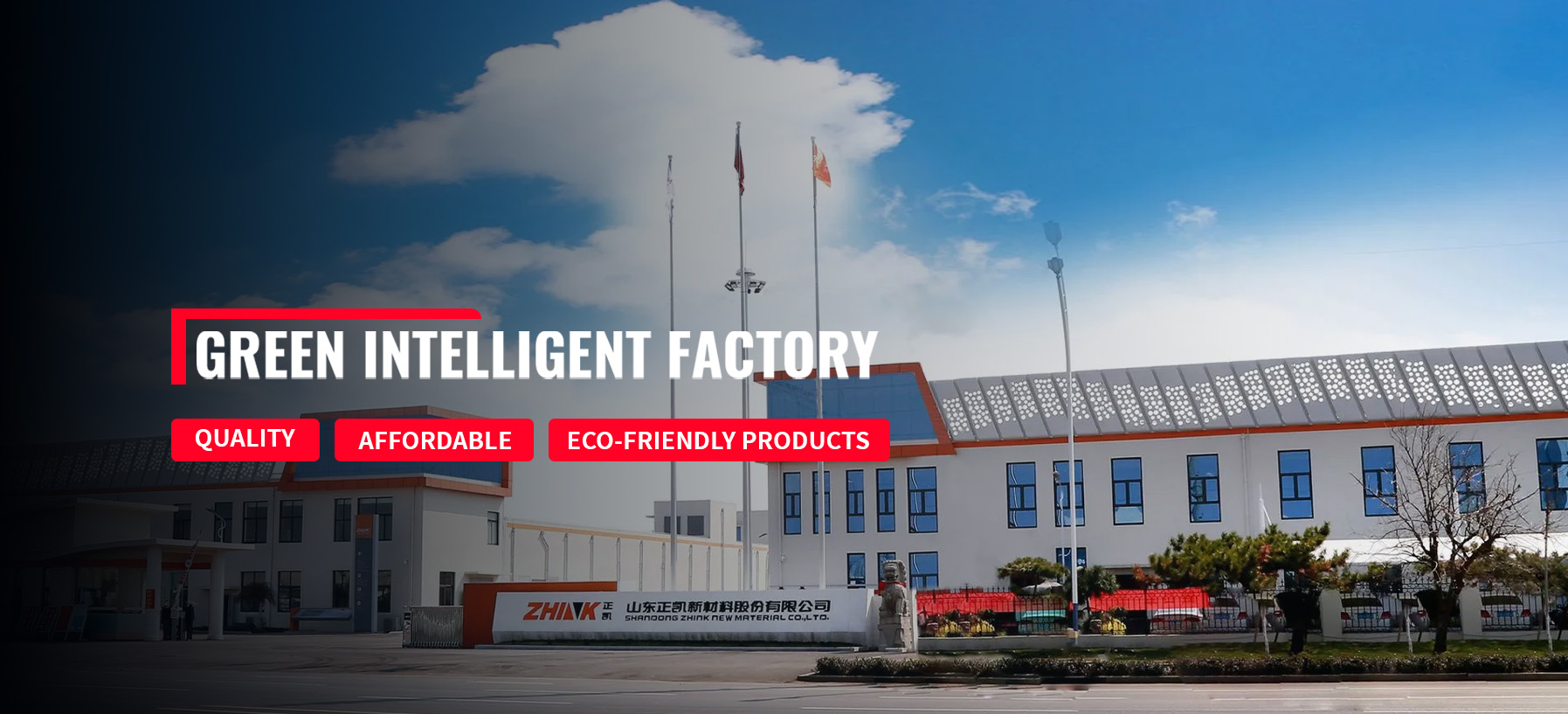
Companies like SHANDONG ZHINK NEW MATERIAL CO., LTD are leading the charge in mastering these subtle calibrations. They offer insights into the nuances of working with new textile materials, balancing sustainability with functionality.
The Source of Recycled Polyester
There's always curiosity about where recycled polyester originates. Predominantly derived from PET bottles, these are transformed into yarn, minimizing landfill waste. The process involves cleaning the bottles, breaking them down into flakes, and then repurposing these into yarn. Simple in concept, yet each step demands precision.
Why PET? From an economic standpoint, it's readily available and cost-effective. More importantly, its properties translate well into durable, resilient yarn, suitable for various applications from sportswear to upholstery. This is where companies like Zhink New Material shine, utilizing top-tier technology to enhance this transformation journey.
What often goes unnoticed, though, is the rigorous quality checks involved. Not all recycled polyester is equal, and ensuring consistency requires not only sophisticated machinery but also experienced personnel who know their craft inside out.
Challenges in Production
Working with recycled materials isn't without its hiccups. Consistency in coloration, strength, and texture can often vary more than expected. I've observed firsthand the trials of predictive quality control in these productions. Real-world application often presents surprises—not always the delightful kind!
It's not just about working with recycled materials but doing so efficiently and effectively. Many producers face hurdles with scaling up while maintaining quality. This is especially true for those new to the 40D category.
Collaborating with specialists in the field, such as those at Zhink New Material, helps mitigate these challenges. Their experience in the sector allows for leveraging technology and expertise, which effectively elevates production processes.
Market Demands and Trends
The market for Recycled polyester 40D yarn is robust and growing. As more brands commit to sustainable practices, the demand for eco-friendly materials rises. What's intriguing is how consumer awareness is shaping trends. They demand transparency, and frankly, businesses obliged with more openness.
Moreover, there's an increasing emphasis on local sourcing and production, potentially as a response to global shipping disruptions and environmental concerns. This leads to a fascinating blend of old practices and modern demands for sustainability.
While some might view this as a passing trend, the trajectory indicates otherwise. Brands and producers who adapt now are likely setting themselves up for success in a future that values eco-responsibility.
Future Perspectives
Looking ahead, the potential for Recycled polyester 40D yarn seems vast. Innovations in recycling technology are continuously emerging, with teams relentlessly working to enhance efficiency and quality.
What's exciting is the elevating role of technology in refining these processes, ensuring better integration of recycled materials without compromising on quality or adding unnecessary costs. Companies like Zhink New Material continue to invest in R&D, pushing the boundaries of what's possible.
It's an ongoing journey—a blend of innovation and tradition. The insights from industry veterans suggest a hopeful future where textiles don't just adorn us but also respect our planet. That's the kind of future I, and undoubtedly many others, look forward to molding.
Related Products
Related Products