+86-632-3621866
- Chinese
- French
- German
- Portuguese
- Spanish
- Russian
- Japanese
- Korean
- Arabic
- Irish
- Greek
- Turkish
- Italian
- Danish
- Romanian
- Indonesian
- Czech
- Afrikaans
- Swedish
- Polish
- Basque
- Catalan
- Esperanto
- Hindi
- Lao
- Albanian
- Amharic
- Armenian
- Azerbaijani
- Belarusian
- Bengali
- Bosnian
- Bulgarian
- Cebuano
- Chichewa
- Corsican
- Croatian
- Dutch
- Estonian
- Filipino
- Finnish
- Frisian
- Galician
- Georgian
- Gujarati
- Haitian
- Hausa
- Hawaiian
- Hebrew
- Hmong
- Hungarian
- Icelandic
- Igbo
- Javanese
- Kannada
- Kazakh
- Khmer
- Kurdish
- Kyrgyz
- Latin
- Latvian
- Lithuanian
- Luxembou..
- Macedonian
- Malagasy
- Malay
- Malayalam
- Maltese
- Maori
- Marathi
- Mongolian
- Burmese
- Nepali
- Norwegian
- Pashto
- Persian
- Punjabi
- Serbian
- Sesotho
- Sinhala
- Slovak
- Slovenian
- Somali
- Samoan
- Scots Gaelic
- Shona
- Sindhi
- Sundanese
- Swahili
- Tajik
- Tamil
- Telugu
- Thai
- Ukrainian
- Urdu
- Uzbek
- Vietnamese
- Welsh
- Xhosa
- Yiddish
- Yoruba
- Zulu
- Kinyarwanda
- Tatar
- Oriya
- Turkmen
- Uyghur


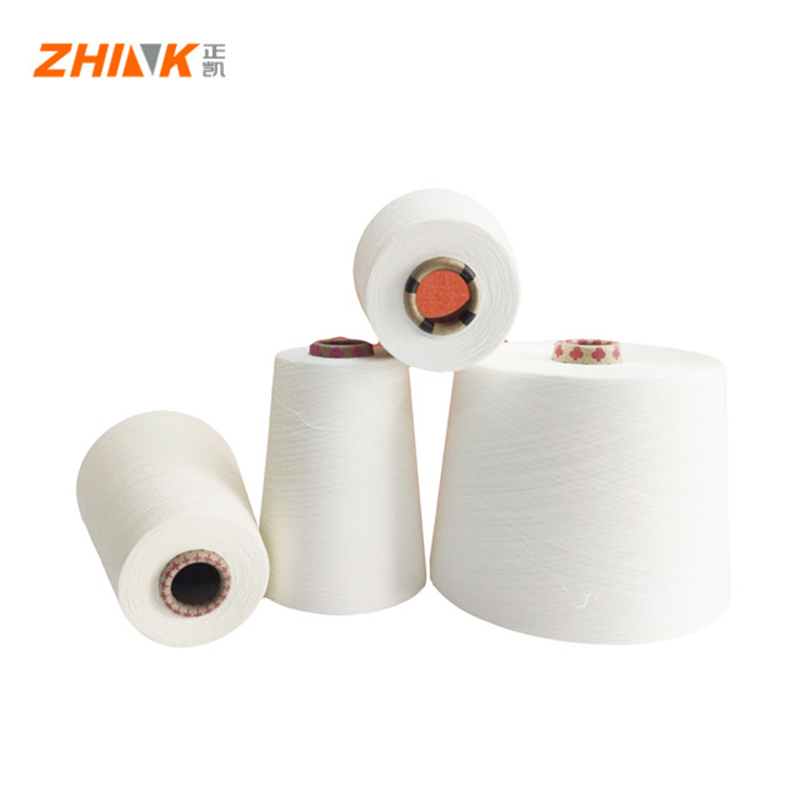
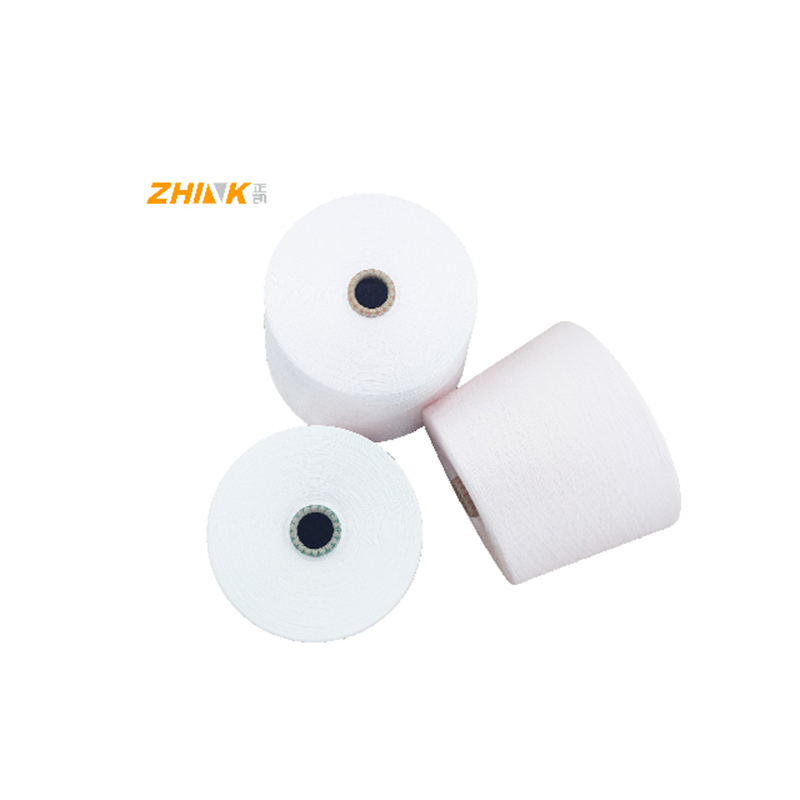
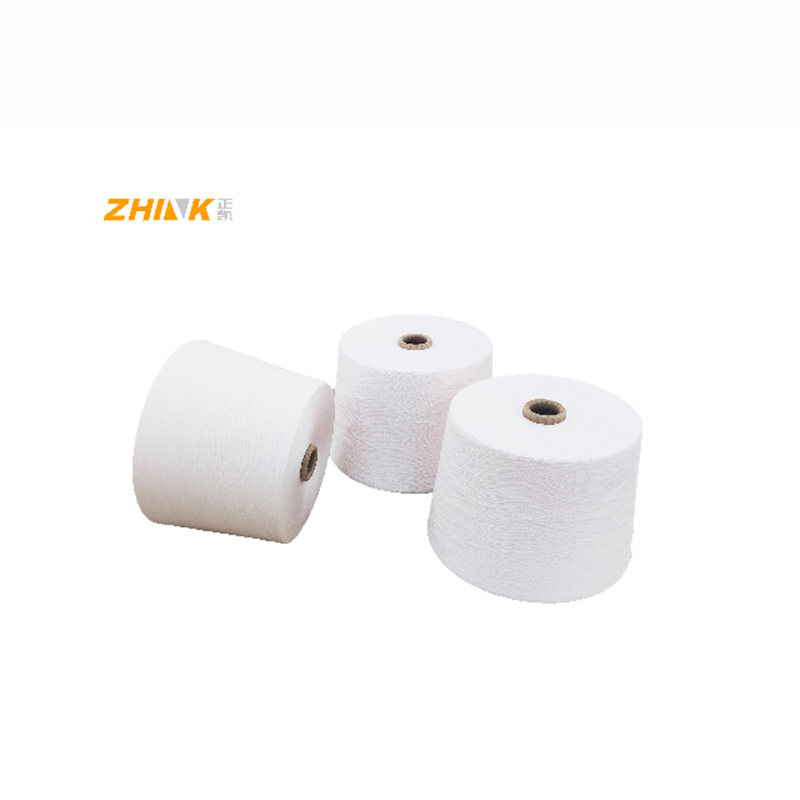
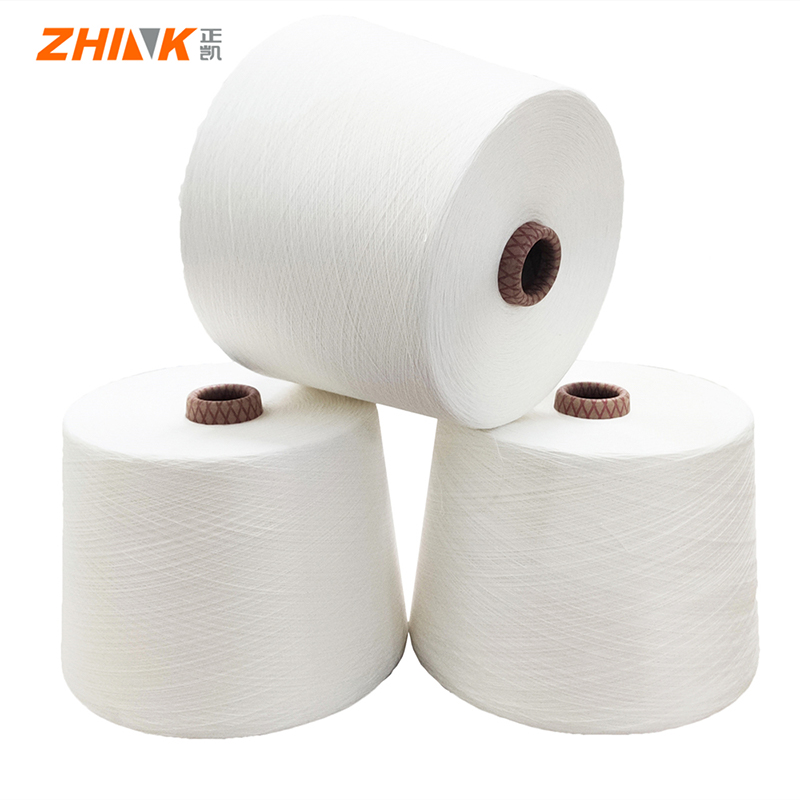
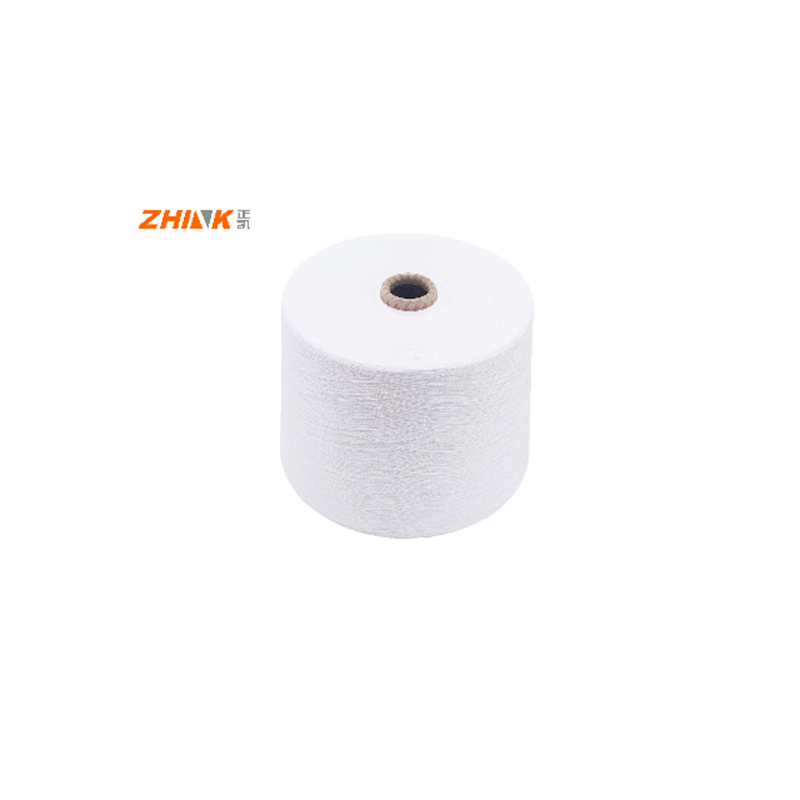
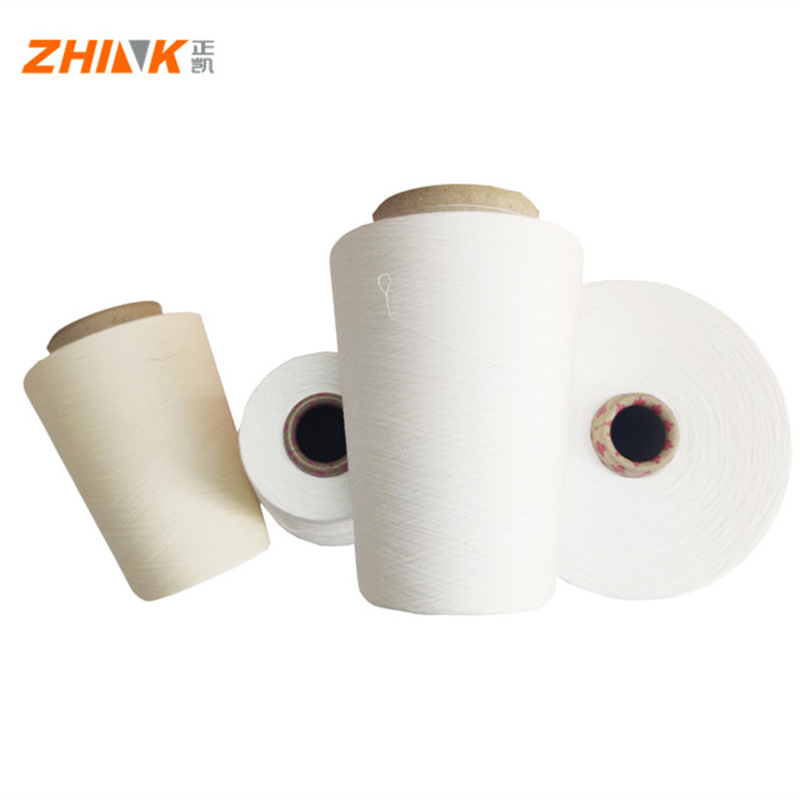
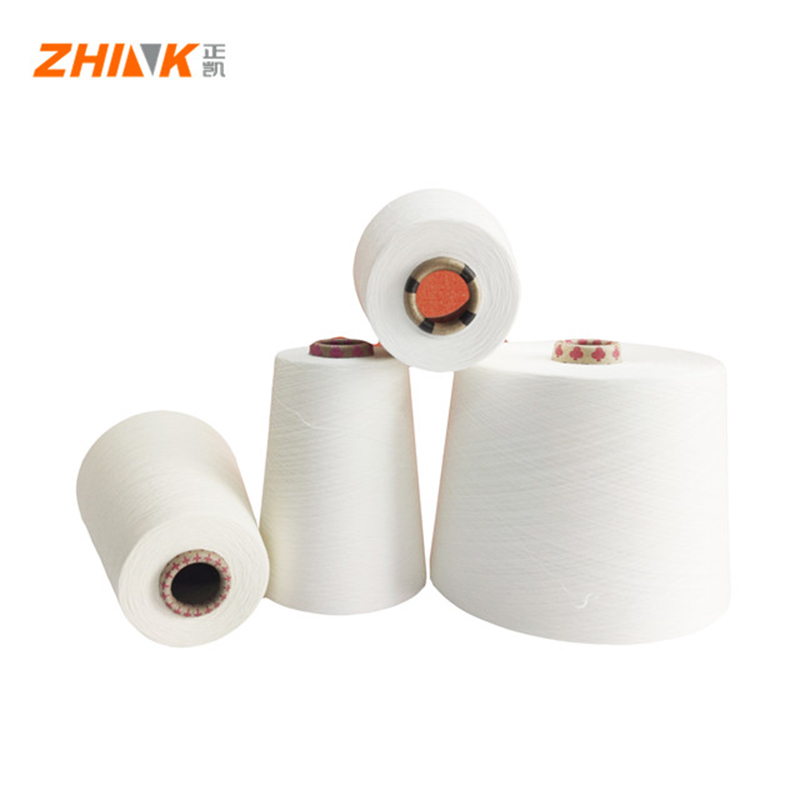
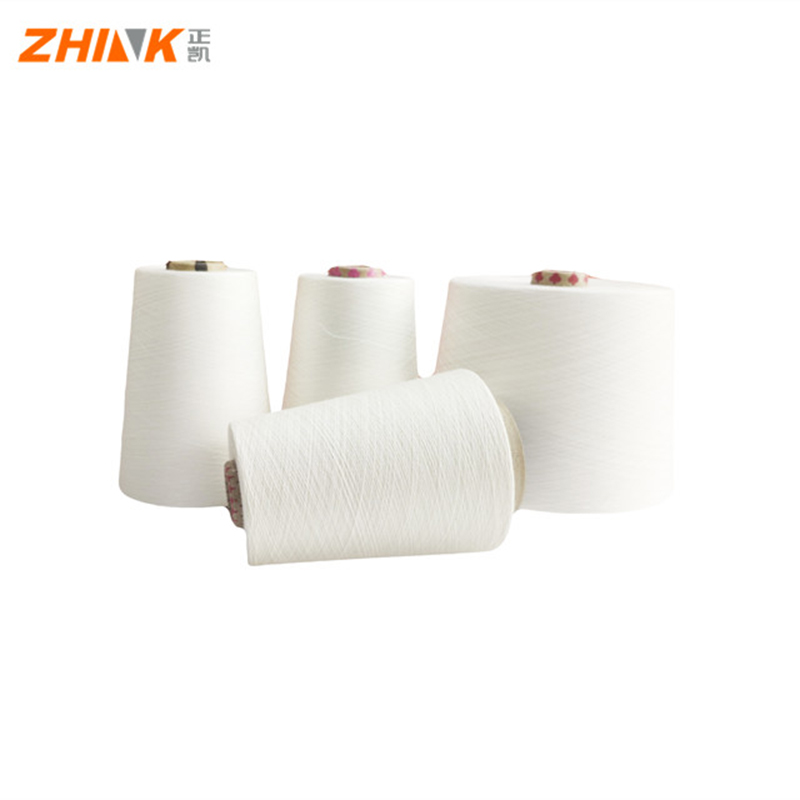
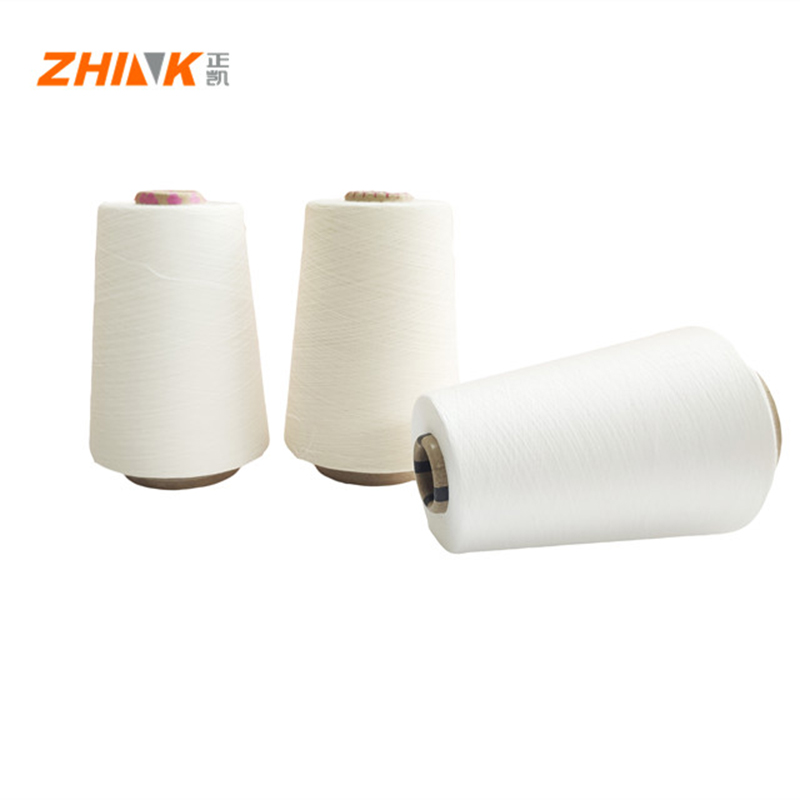
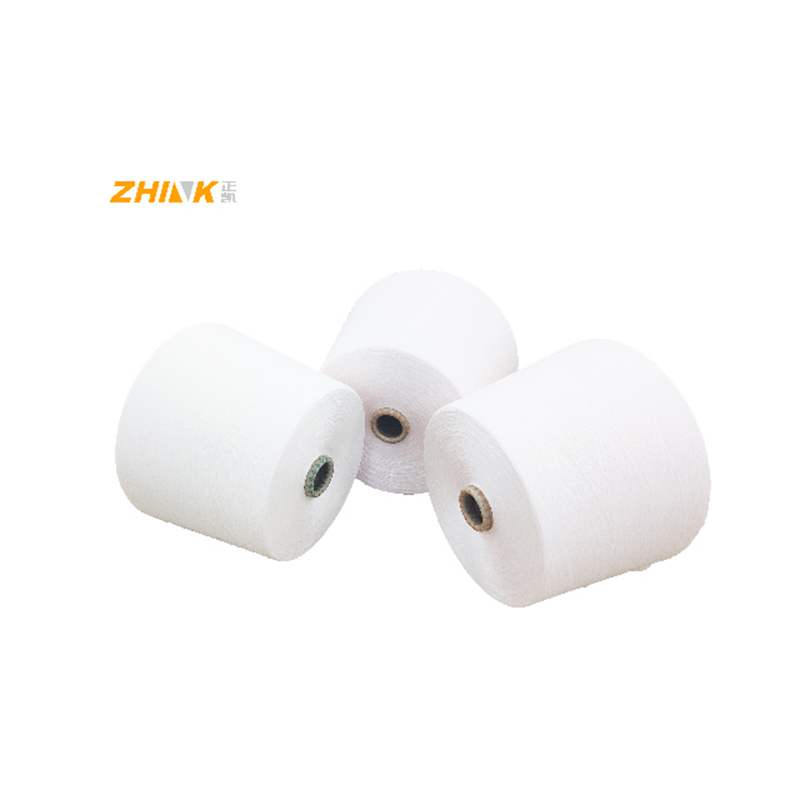
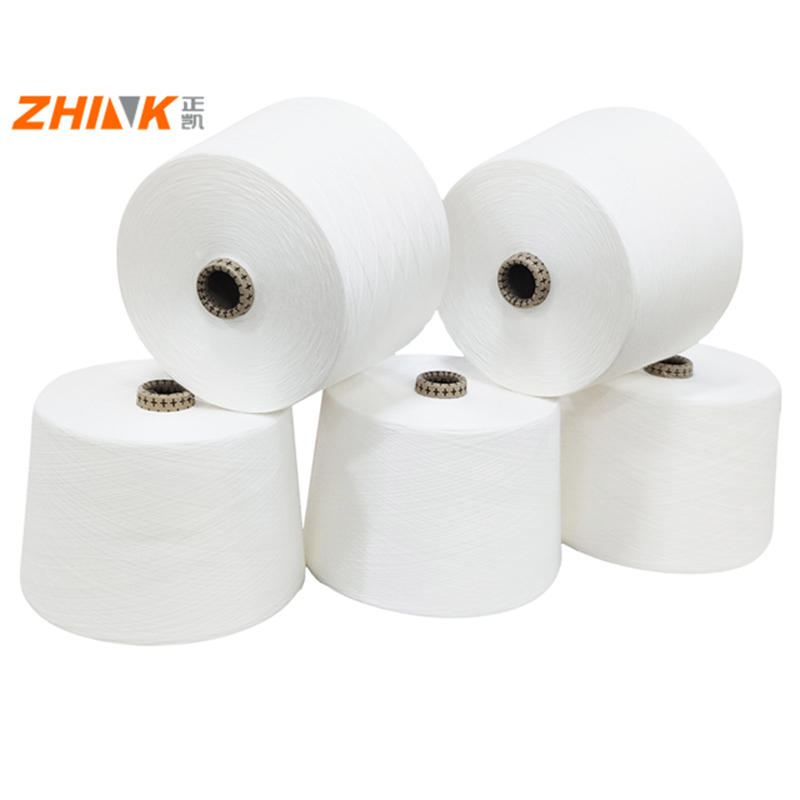
Recycled polyester/bamboo 50/50 yarn
The Dynamic World of Recycled Polyester/Bamboo 50/50 Yarn
Recycled polyester and bamboo blend yarns are capturing the textile industry's attention. The mix offers sustainability combined with a unique balance of texture and performance. However, achieving the right blend presents its own set of challenges that not everyone talks about. Let's dig into this fascinating yet complex fabric.
Understanding the Blend
When talking about Recycled polyester/bamboo 50/50 yarn, one might initially think it's a straightforward blend of two materials. Yet, the combination involves intricate processes. Bamboo, known for its softness, needs to be meticulously balanced with recycled polyester to maintain eco-friendliness without compromising durability. It's not just about mixing fibers; it's about creating a fabric that meets specific criteria for feel, look, and function.
In practice, not every production attempt meets the standards one would hope for. A factory might successfully craft a prototype that feels perfect to the touch, only to find inconsistencies in larger batches. From my experience, this often requires a deep dive into the machinery settings and raw material sourcing to ensure consistency.
One specific issue faced is pilling, where the recycled polyester may not hold up as well as virgin material. Zhink New Material, a leader in this space, often works around such issues by innovating their raw material combinations and processes. For more insights into their innovations, you might want to visit their resource hub at Zhink New Material.
The Manufacturing Process
Creating Recycled polyester/bamboo 50/50 yarn involves numerous steps, each critical to achieving the final product's desired properties. The bamboo must be adequately processed to extract fibers without losing its natural qualities. The recycled polyester, often from PET bottles, demands a robust purification and extrusion process to ensure quality.
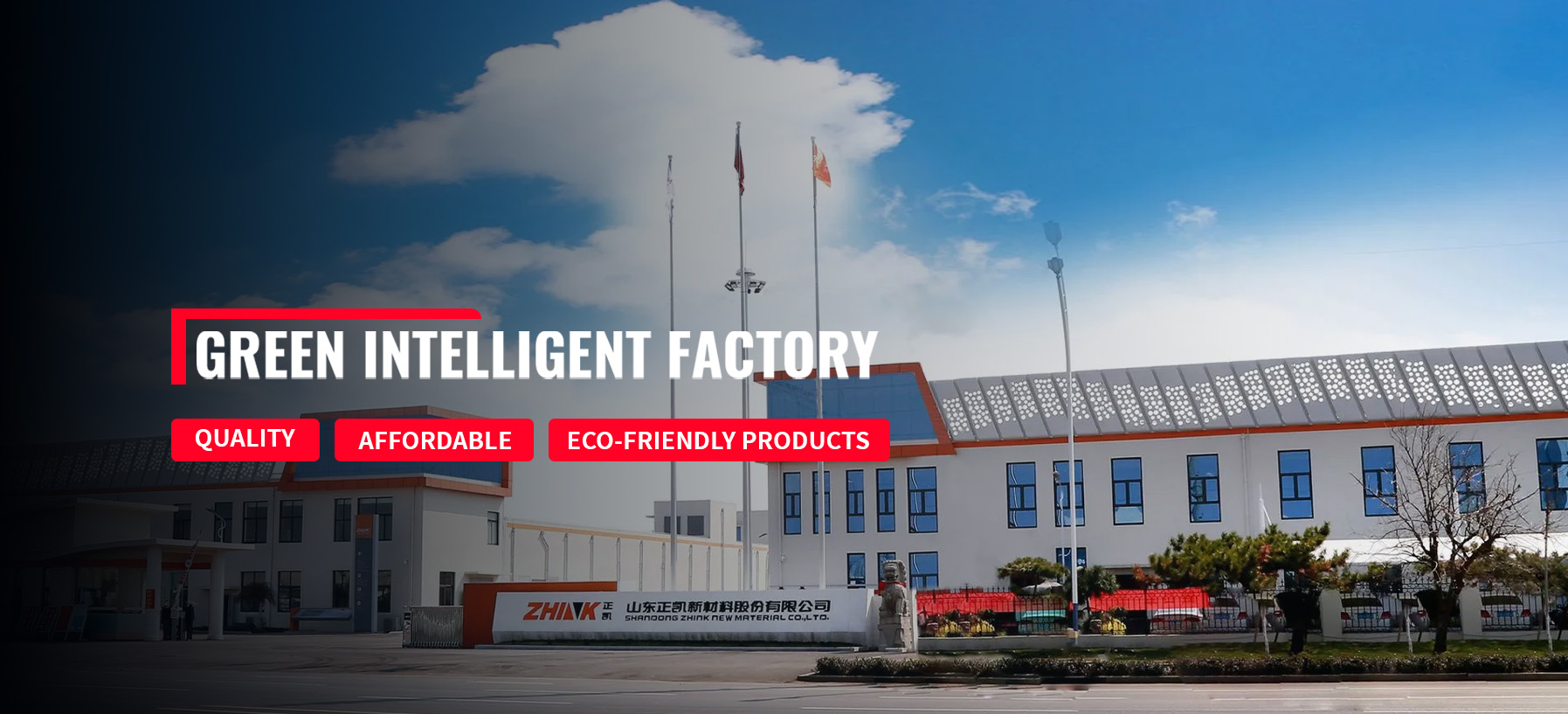
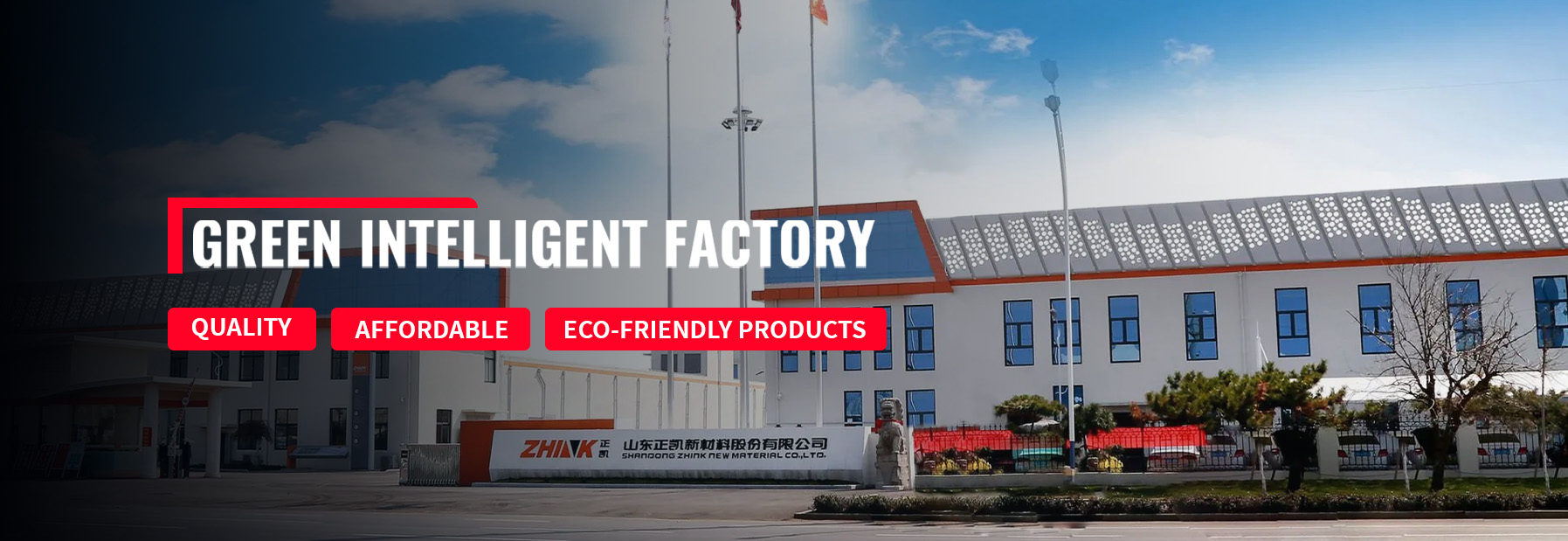
On a visit to SHANDONG ZHINK NEW MATERIAL CO., LTD, I had the chance to observe their rigorous quality checks. They employ a blend of traditional textile techniques alongside modern technology to ensure the yarn meets high sustainability standards. It's in these milling rooms where the magic genuinely happens—machines hum in harmony as fibers intertwine to form a sturdy, yet soft, yarn.
Still, there are challenges, especially in maintaining uniformity across different batches. Each material responds differently to temperature and moisture, which is something fabric engineers combat daily. It's a testament to the skill required within this field.
The Environmental Impact
Sustainability is at the heart of using recycled polyester and bamboo. The argument often rests on reducing waste and utilizing renewable resources. Bamboo, being a rapidly renewable resource, complements recycled polyester, which diverts waste from landfills.
However, even with these materials, the energy-intensive processes can't be ignored. Facilities like those at Zhink New Material are continually looking for energy-efficient methods and innovations to combat this. Discussions often revolve around striking a balance between environmental impact and product quality.
Recyclability post-production is another aspect that needs attention. Though marketed as eco-friendly, the blend's recyclability depends on further processing capabilities, posing an industry-wide challenge. It is not enough to create the yarn; the lifecycle management plays a pivotal role too.
Challenges and Innovations
There's a certain excitement in solving the complex equation of creating a perfect Recycled polyester/bamboo 50/50 yarn. Innovations are being pushed on both the material science front and the mechanical process side to tackle ongoing challenges. Achieving the right softness, tensile strength, and color fastness can be a daunting path.
During a recent project, we encountered issues with dye uptake, which can often be unpredictable with such blends. Collaborating with seasoned dye specialists and using advanced spectrophotometry helped us achieve better results. While not every effort is a success, each setback offers valuable learning.
Continuous research is paramount, something Zhink New Material has heavily invested in. Their commitment to advancing textile technology while maintaining an eco-friendly approach is apparent through their innovations in creating new textile materials—a visit to their facility was akin to stepping into a textile laboratory of the future.
Future Outlook
The future of Recycled polyester/bamboo 50/50 yarn looks promising yet remains a challenging terrain to navigate. As more players enter this niche, the competition fosters innovation and efficiency, providing better results at potentially lower costs. Complications that arise from the blend only push companies to invest more in R&D.
With technological advancements and a resolute commitment to sustainability from industry leaders like SHANDONG ZHINK NEW MATERIAL CO., LTD, the potential for this yarn type to revolutionize our fabric landscape is immense. They are laying down pathways both for sustainable material use and for reducing the carbon footprint of textile manufacturing as a whole.
The textile industry stands at a crossroads where old practices are constantly being challenged by new, environmentally conscious methodologies. The journey of perfecting Recycled polyester and bamboo yarn is just one of the many stories illustrating this transformative era.
Related Products
Related Products