+86-632-3621866
- Chinese
- French
- German
- Portuguese
- Spanish
- Russian
- Japanese
- Korean
- Arabic
- Irish
- Greek
- Turkish
- Italian
- Danish
- Romanian
- Indonesian
- Czech
- Afrikaans
- Swedish
- Polish
- Basque
- Catalan
- Esperanto
- Hindi
- Lao
- Albanian
- Amharic
- Armenian
- Azerbaijani
- Belarusian
- Bengali
- Bosnian
- Bulgarian
- Cebuano
- Chichewa
- Corsican
- Croatian
- Dutch
- Estonian
- Filipino
- Finnish
- Frisian
- Galician
- Georgian
- Gujarati
- Haitian
- Hausa
- Hawaiian
- Hebrew
- Hmong
- Hungarian
- Icelandic
- Igbo
- Javanese
- Kannada
- Kazakh
- Khmer
- Kurdish
- Kyrgyz
- Latin
- Latvian
- Lithuanian
- Luxembou..
- Macedonian
- Malagasy
- Malay
- Malayalam
- Maltese
- Maori
- Marathi
- Mongolian
- Burmese
- Nepali
- Norwegian
- Pashto
- Persian
- Punjabi
- Serbian
- Sesotho
- Sinhala
- Slovak
- Slovenian
- Somali
- Samoan
- Scots Gaelic
- Shona
- Sindhi
- Sundanese
- Swahili
- Tajik
- Tamil
- Telugu
- Thai
- Ukrainian
- Urdu
- Uzbek
- Vietnamese
- Welsh
- Xhosa
- Yiddish
- Yoruba
- Zulu
- Kinyarwanda
- Tatar
- Oriya
- Turkmen
- Uyghur


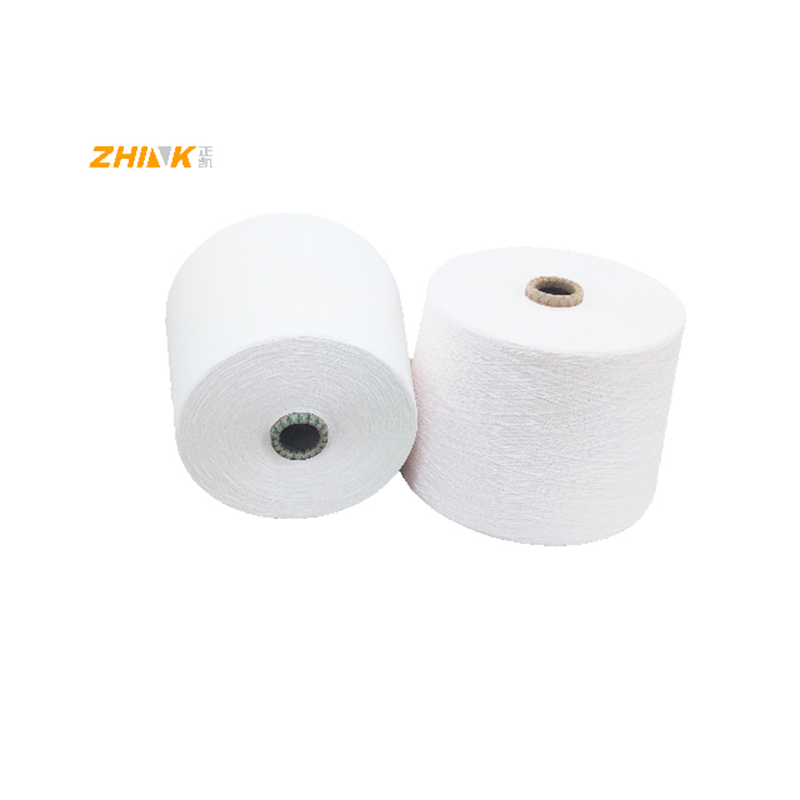
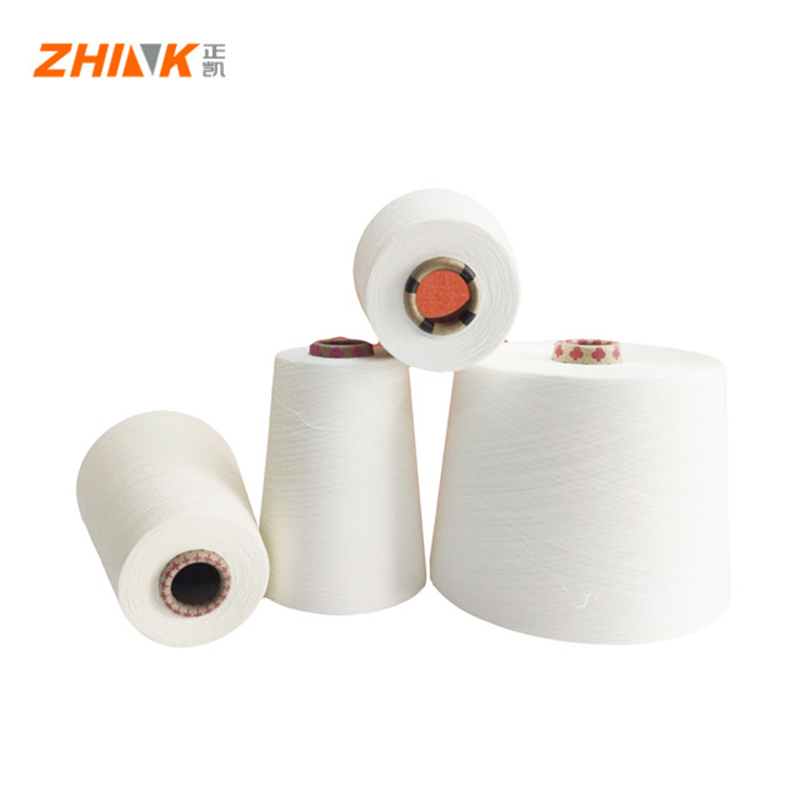
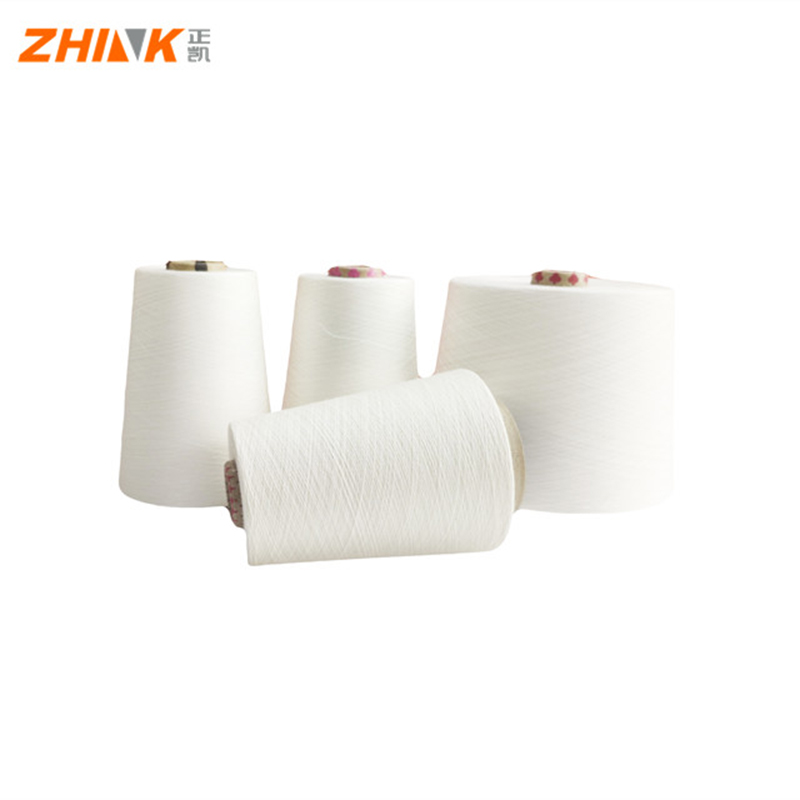
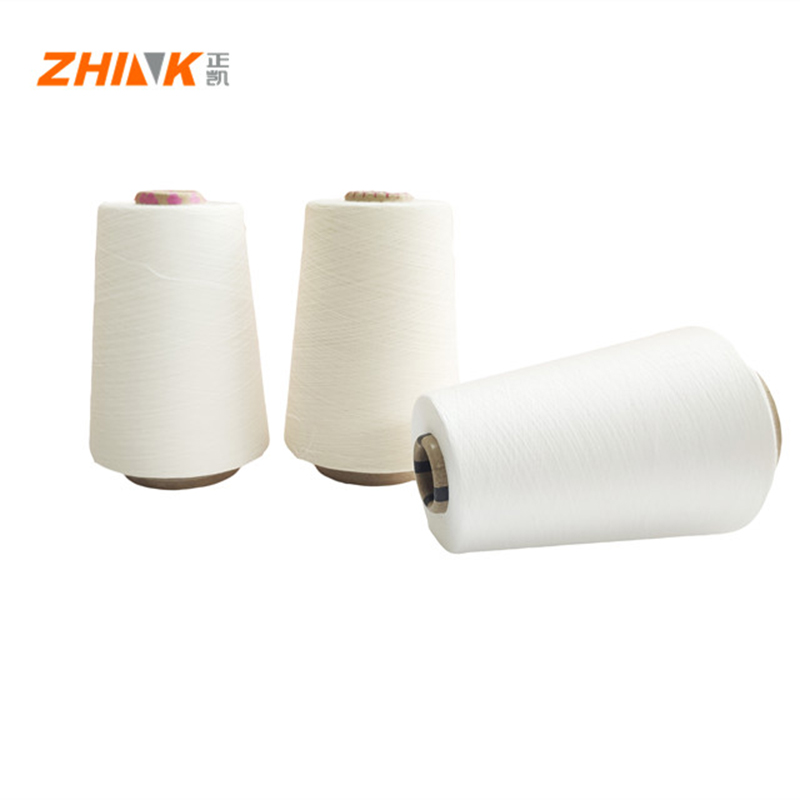
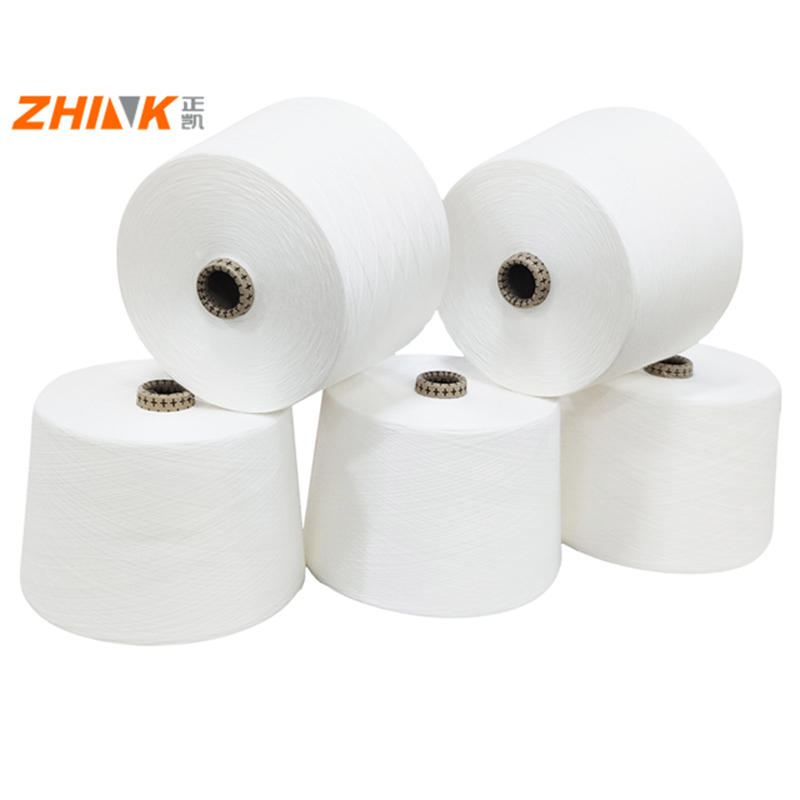
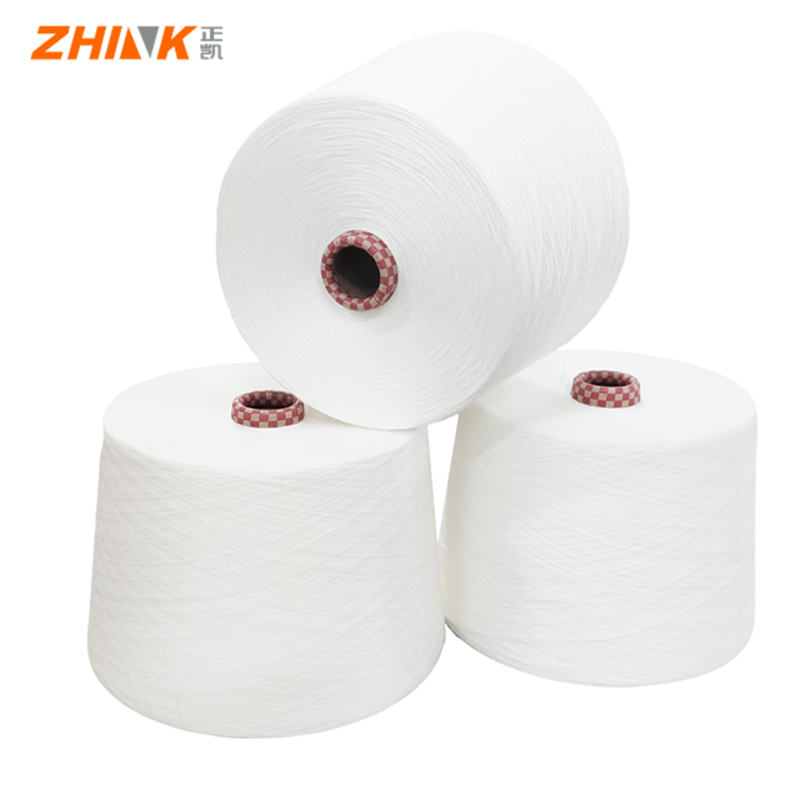
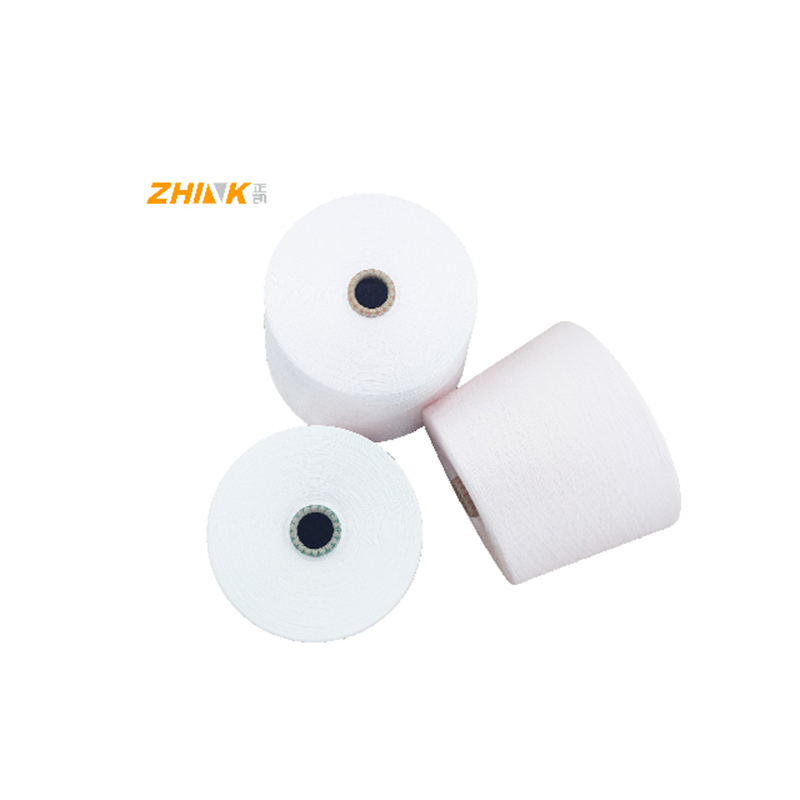
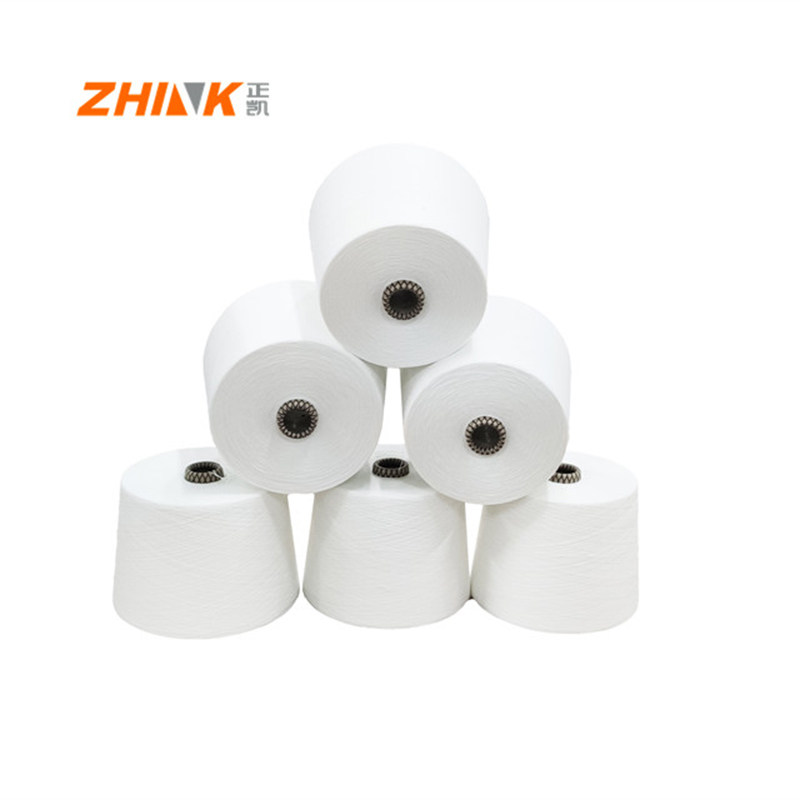
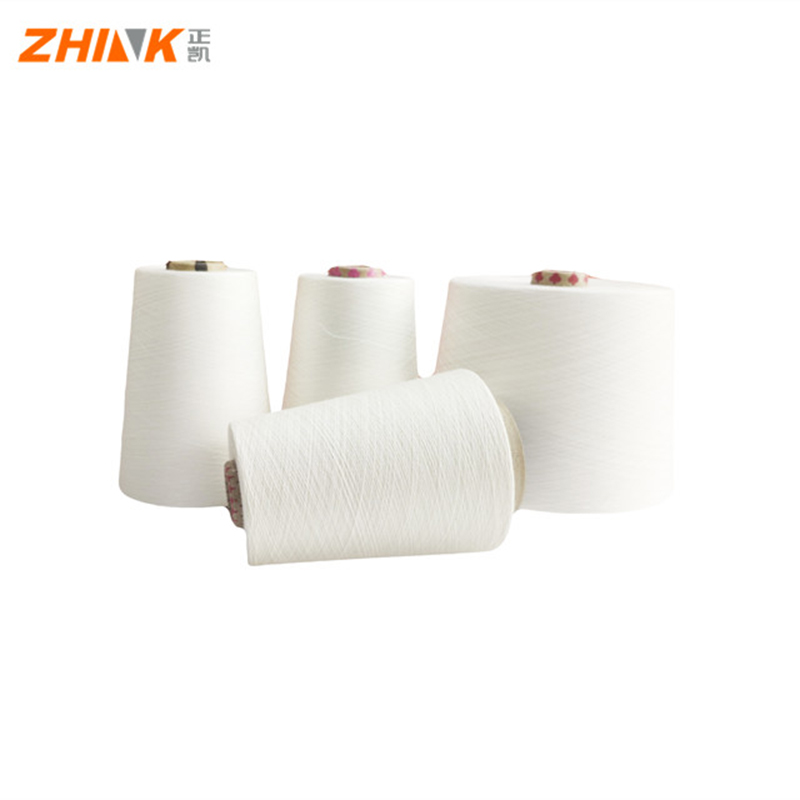
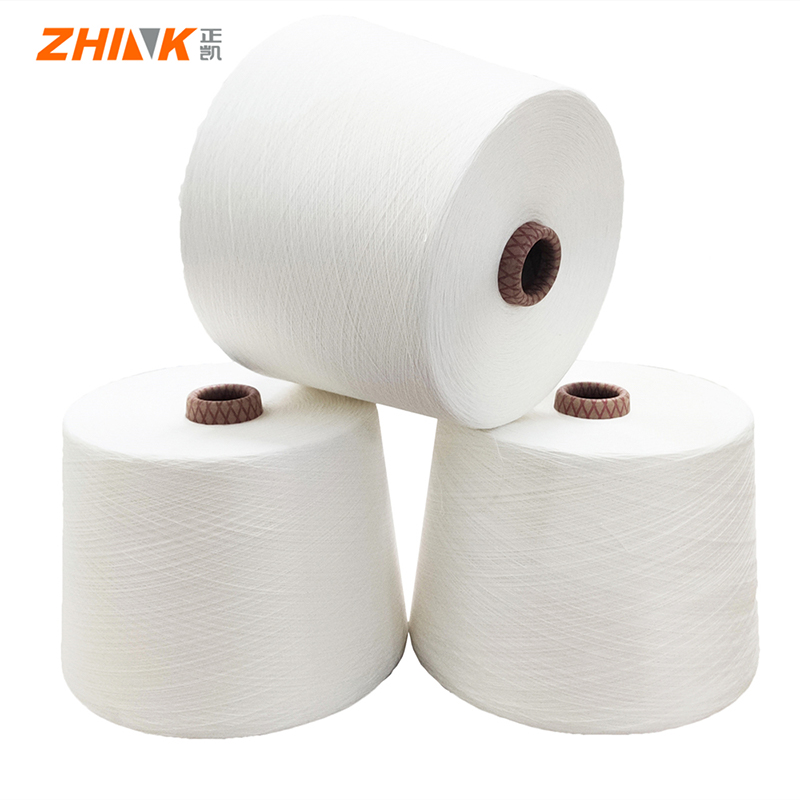
Recycled polyester/bamboo 65/35 yarn
The Dynamics of Recycled Polyester/Bamboo 65/35 Yarn
The blend of recycled polyester/bamboo 65/35 yarn has been hailed as a game-changer in sustainable textile production. Yet, like every innovation, it doesn’t come without its set of challenges and misconceptions. Here, we delve into its nuances, offering grounded perspectives from the trenches of textile manufacturing.
Understanding the Blend
The combination of recycled polyester with bamboo isn't just about sustainability. It's about balance - leveraging the strengths of each component. But before getting caught up in the eco-friendly wave, it's crucial to understand what these materials bring to the table individually.
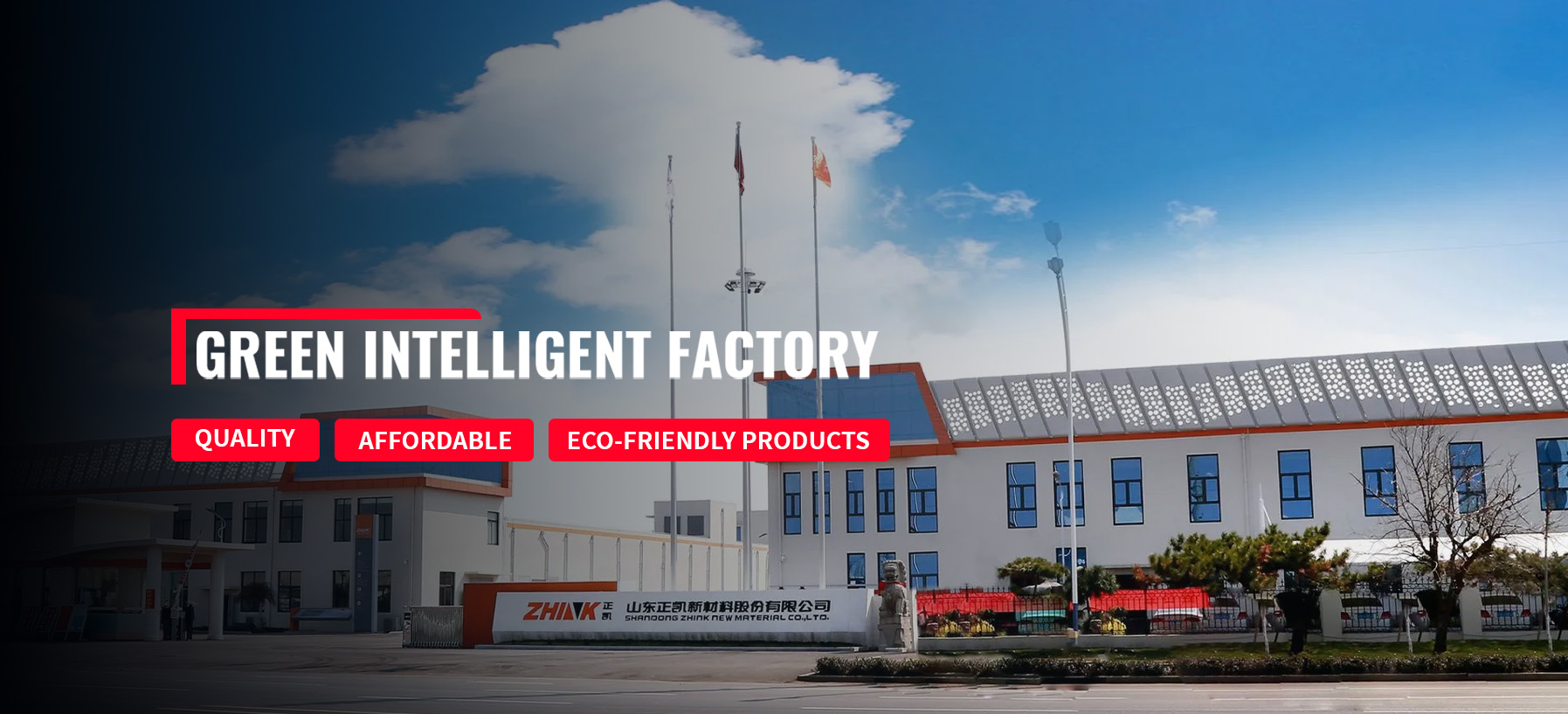
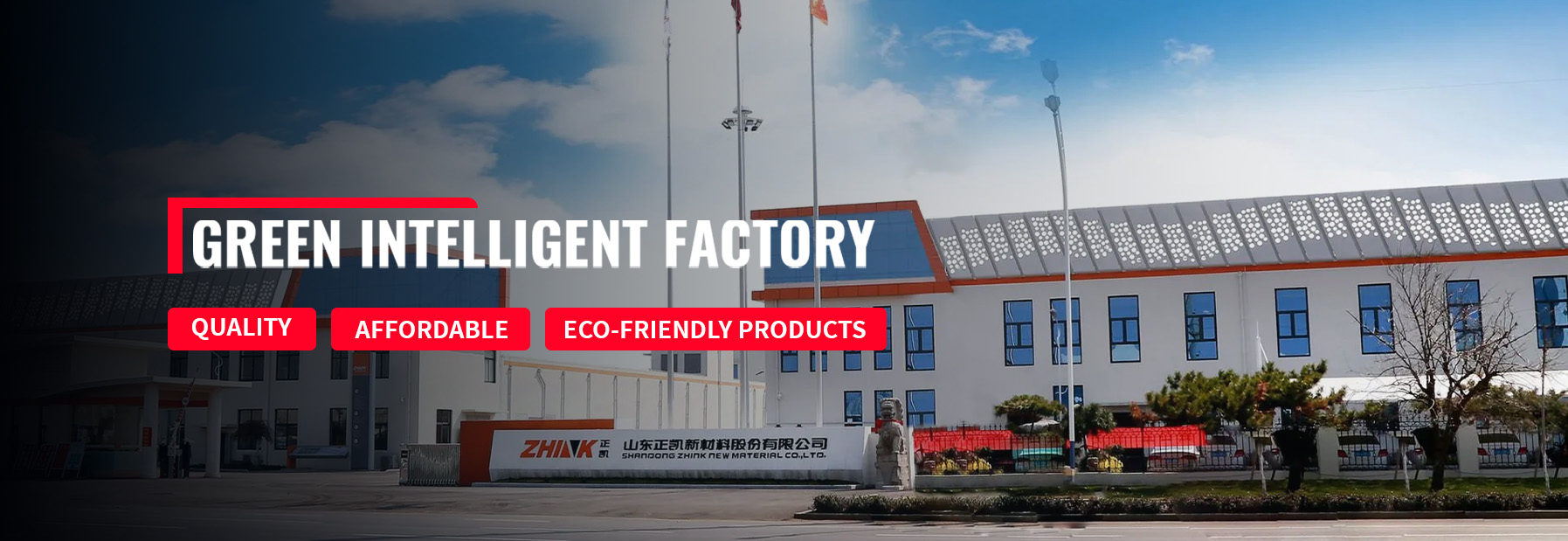
Recycled polyester, primarily sourced from PET bottles, offers durability and resilience. Bamboo, on the other hand, provides a soft touch and natural antimicrobial properties. This 65/35 mix, as experienced at SHANDONG ZHINK NEW MATERIAL CO., LTD, is not just a random ratio. It reflects months of R&D, balancing performance with sustainability, aiming for a yarn that’s both functional and environmentally conscious.
However, it's not all smooth sailing. The preparation and spinning of this yarn require precise calibration of machinery. Any slight mismatch can affect the texture and strength, a reality not just in our facility but industry-wide.
Challenges in Production
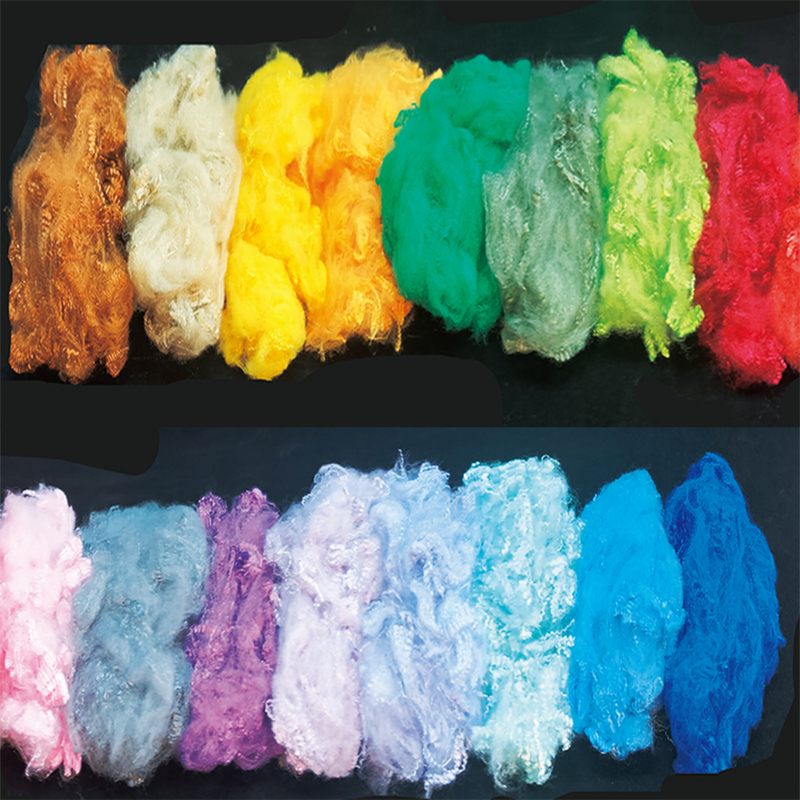
At Zhink New Material, one clear hurdle was achieving consistent dye uptake. Bamboo fibers, being more absorbent, tend to react differently compared to polyester. It took several trials, iterating on dye formulations and processes, before we figured out a process that maintained color fidelity across batches.
Moisture management is another intriguing aspect. While bamboo enhances breathability, recycled polyester tends to trap moisture. Our team had ongoing debates - should we alter the blend ratio or tweak the spinning conditions? We opted for the latter after comprehensive tests, enabling the yarn to wick moisture efficiently.
Moreover, production isn't just about spinning yarn. Understanding the market demand and aligning production cycles with these insights is critical. There were instances when foresight on market trends, or lack thereof, led to stockpiles of yarn that took time to move.
Market Reception
From a commercial viewpoint, reception has been positive, yet mixed. Consumers are increasingly aware of sustainability but are also price-sensitive. This blend, with its unique properties, positions itself at a premium range, necessitating careful market positioning.
Our partners often emphasize transparency—where the bottles come from, how the bamboo is sourced. It drives home the point: people want to connect with the “story” behind their products. The feedback loop from retailers and designers constantly influences our R&D directions.
Marketing alone doesn’t drive sales; performance does. The real litmus test has been how garments fare after multiple washes. Here, the role of rigorous quality checks prior to shipment cannot be overstated.
Environmental Impact
While the sustainability narrative is compelling, every material has an ecological footprint. Our commitment at SHANDONG ZHINK NEW MATERIAL CO., LTD goes beyond words. It's about measurable impact reduction.
Analyzing the lifecycle data provides insights into actual environmental savings. We've seen good results, especially in reduced landfill waste and water usage. But there’s always room for improvement, and continuous process optimization is high on our agenda.
Interestingly, there’s a growing dialogue on biodegradability. While bamboo fibers decompose, recycled polyester doesn’t, at least not easily. This contradiction is a reminder of the constant push-and-pull in eco-material innovation.
Future Directions and Innovations
Looking ahead, hybrid innovations with other fibers are on our roadmap. Some teams are experimenting with organic cotton integrations, aiming to amplify comfort while maintaining performance.
The textile industry is one of constant evolution. Platforms like https://www.zhinkyarn.com provide a sneak peek into ongoing explorations. Staying ahead requires agility, collaboration across the supply chain, and anticipating consumer preferences.
In essence, the journey with recycled polyester/bamboo 65/35 yarn is far from over. It embodies both an opportunity and a challenge—one that invites continuous learning and adaptation in an ever-evolving marketplace.
Related Products
Related Products