+86-632-3621866
- Chinese
- French
- German
- Portuguese
- Spanish
- Russian
- Japanese
- Korean
- Arabic
- Irish
- Greek
- Turkish
- Italian
- Danish
- Romanian
- Indonesian
- Czech
- Afrikaans
- Swedish
- Polish
- Basque
- Catalan
- Esperanto
- Hindi
- Lao
- Albanian
- Amharic
- Armenian
- Azerbaijani
- Belarusian
- Bengali
- Bosnian
- Bulgarian
- Cebuano
- Chichewa
- Corsican
- Croatian
- Dutch
- Estonian
- Filipino
- Finnish
- Frisian
- Galician
- Georgian
- Gujarati
- Haitian
- Hausa
- Hawaiian
- Hebrew
- Hmong
- Hungarian
- Icelandic
- Igbo
- Javanese
- Kannada
- Kazakh
- Khmer
- Kurdish
- Kyrgyz
- Latin
- Latvian
- Lithuanian
- Luxembou..
- Macedonian
- Malagasy
- Malay
- Malayalam
- Maltese
- Maori
- Marathi
- Mongolian
- Burmese
- Nepali
- Norwegian
- Pashto
- Persian
- Punjabi
- Serbian
- Sesotho
- Sinhala
- Slovak
- Slovenian
- Somali
- Samoan
- Scots Gaelic
- Shona
- Sindhi
- Sundanese
- Swahili
- Tajik
- Tamil
- Telugu
- Thai
- Ukrainian
- Urdu
- Uzbek
- Vietnamese
- Welsh
- Xhosa
- Yiddish
- Yoruba
- Zulu
- Kinyarwanda
- Tatar
- Oriya
- Turkmen
- Uyghur


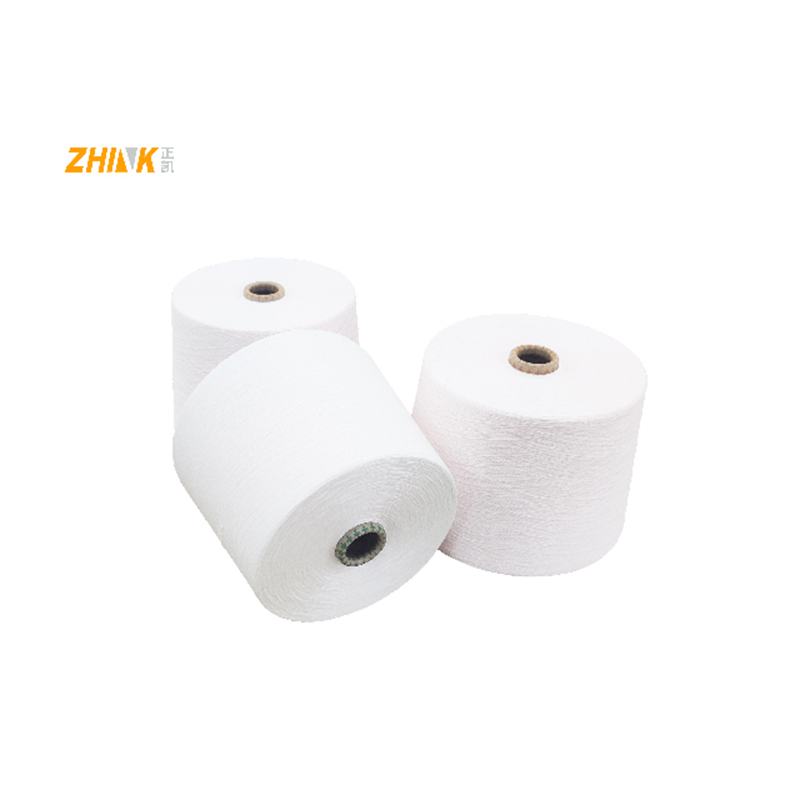
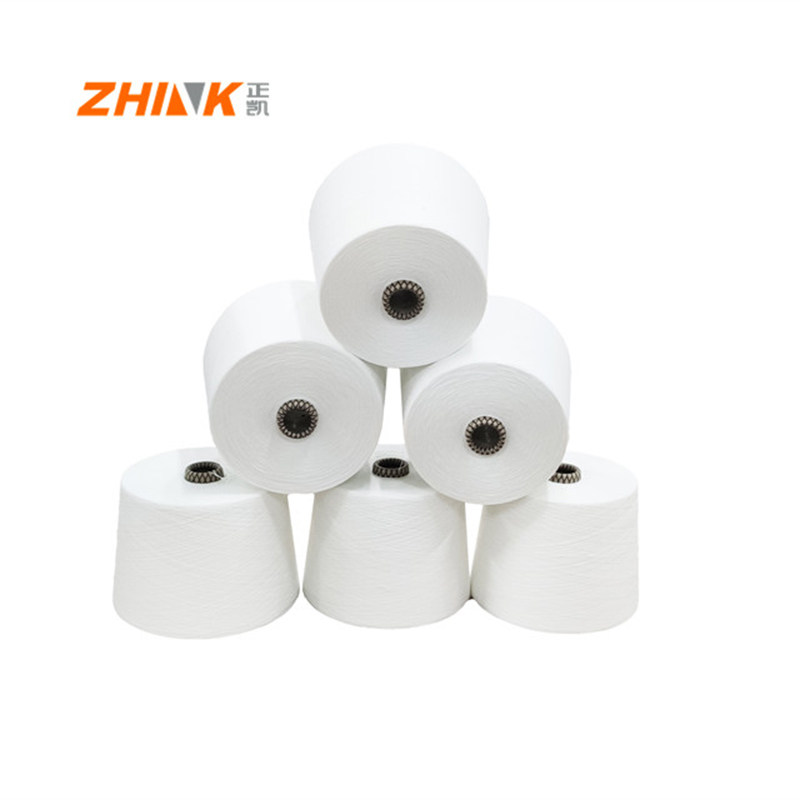
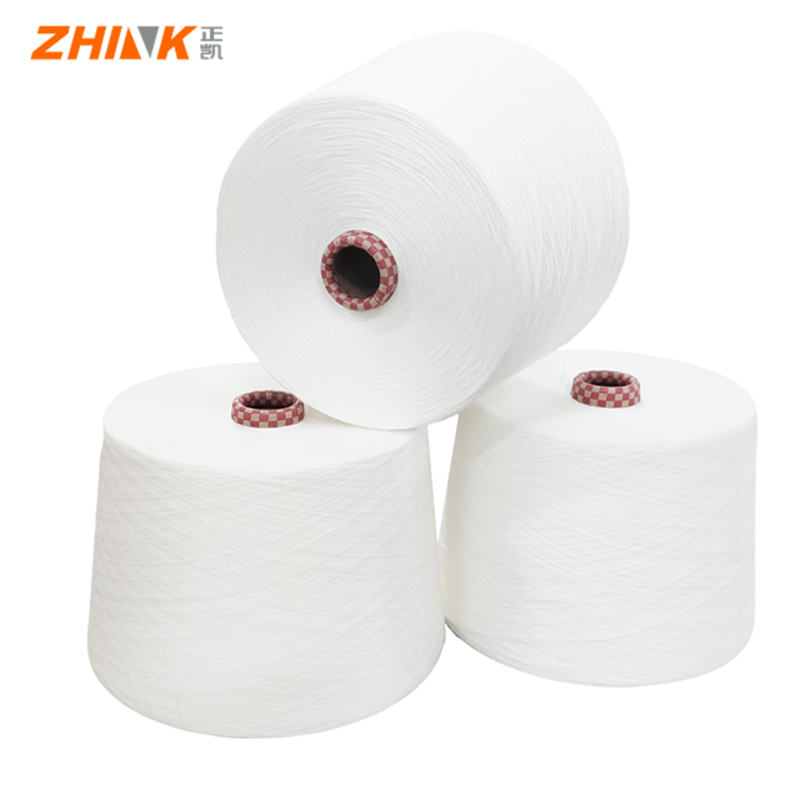
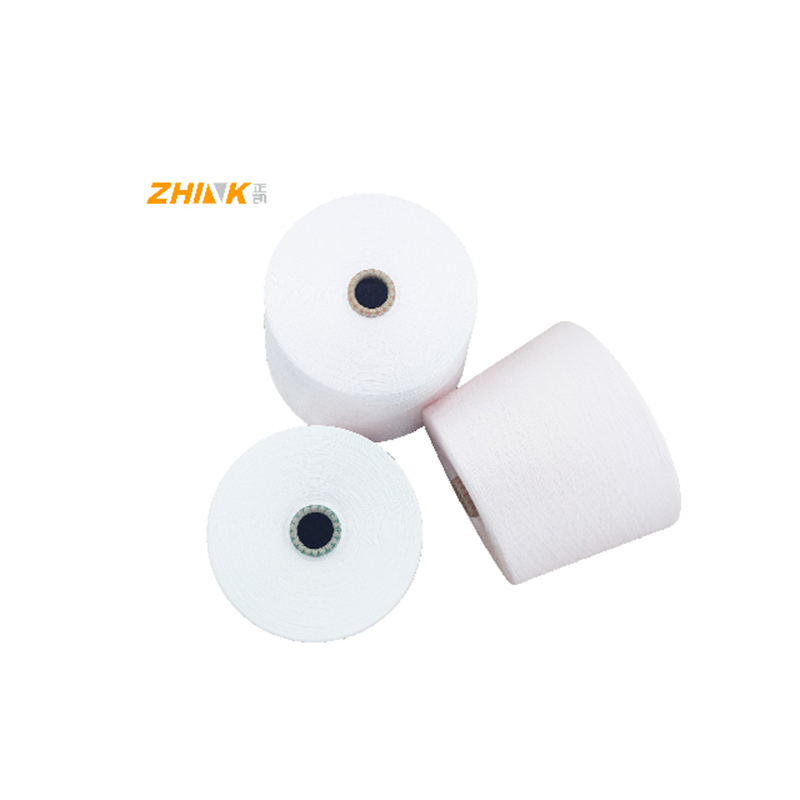
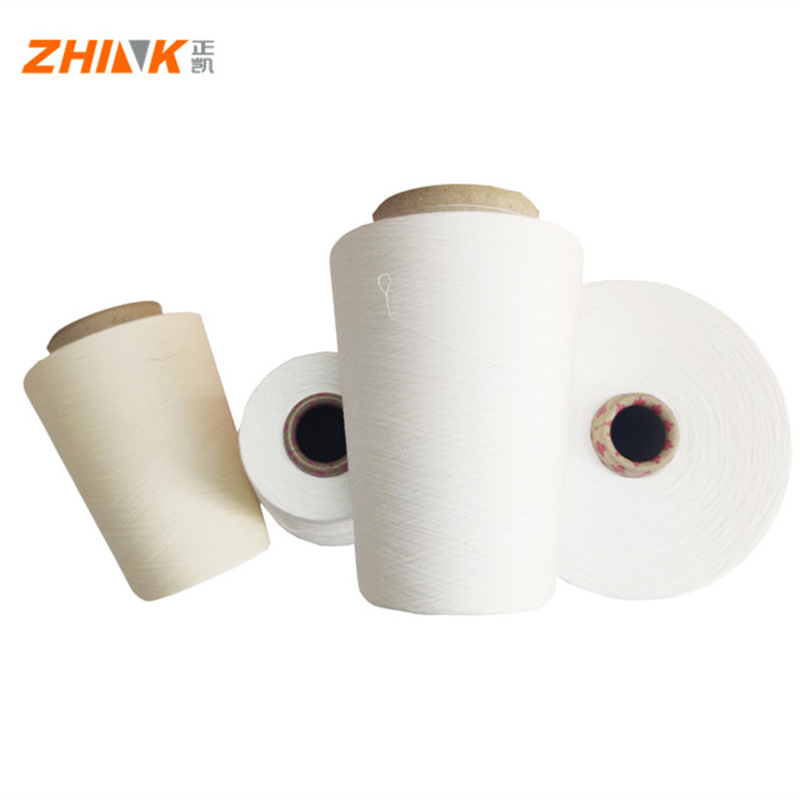
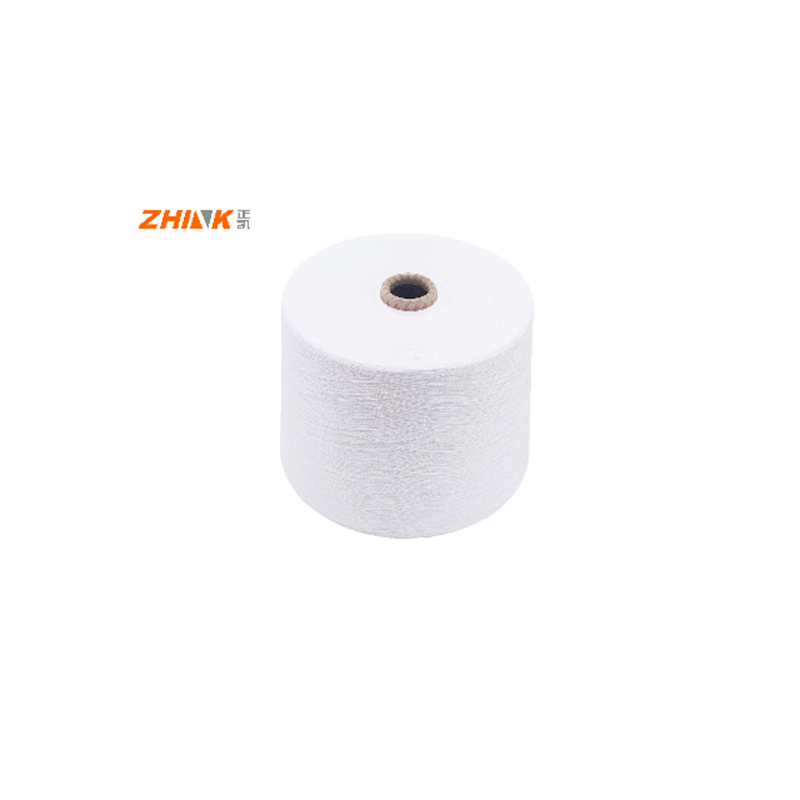
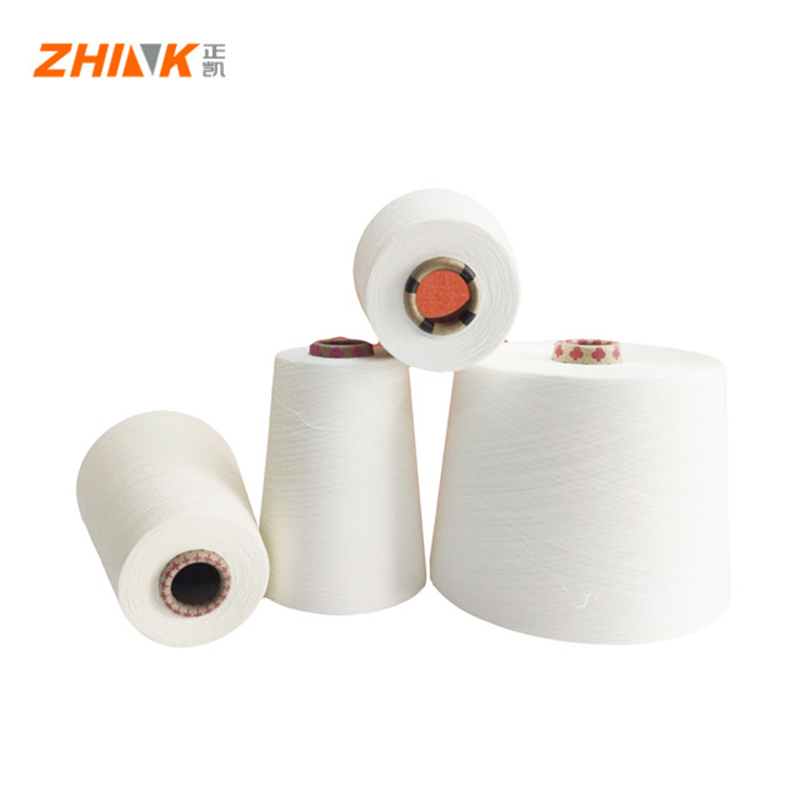
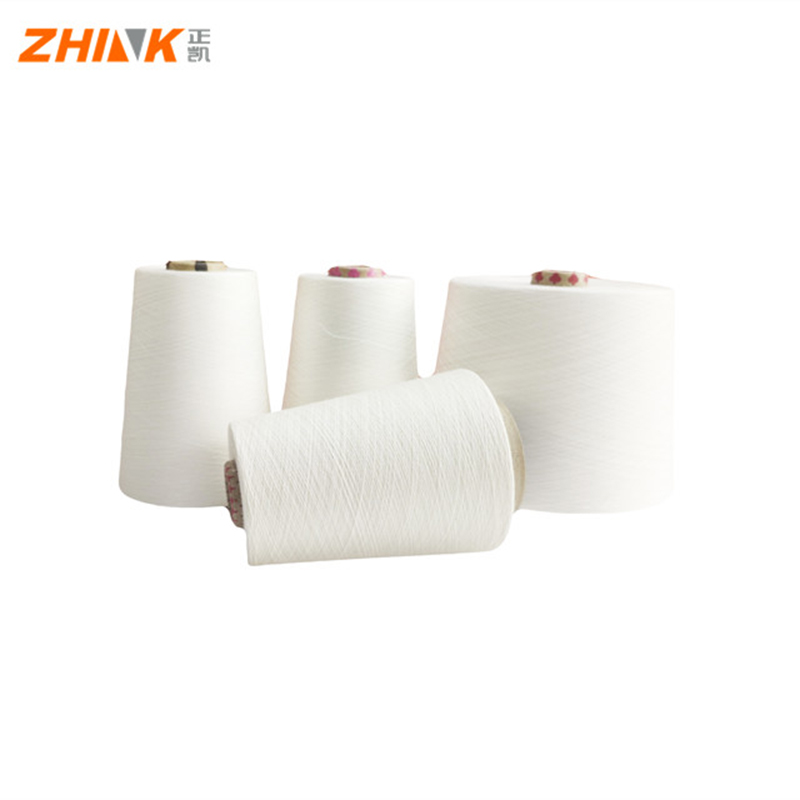
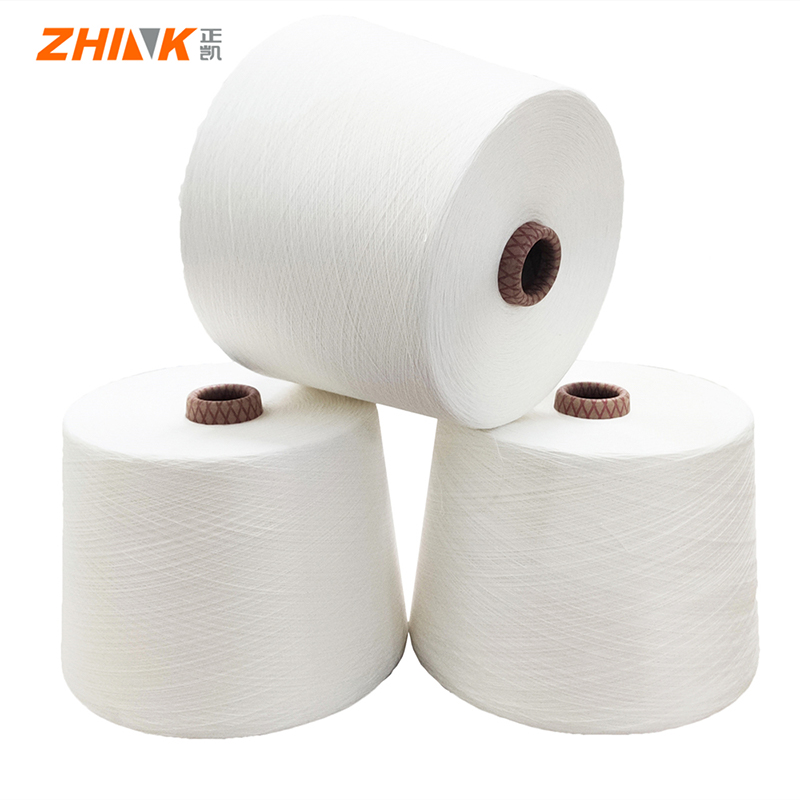
Recycled polyester/bamboo 70/30 yarn
The Versatility of Recycled Polyester/Bamboo 70/30 Yarn
Blending recycled polyester with bamboo fiber has become more than just a trend—it's a reflection of how sustainability and innovation can go hand in hand. In this article, we'll explore the practicalities of working with recycled polyester/bamboo 70/30 yarn, its benefits, and some industry insights from my own experiences.
Understanding the Blend
The first thing to note about a recycled polyester/bamboo 70/30 yarn is its dual nature. Polyester brings durability and resilience, while bamboo offers a soft touch and natural antibacterial properties. This makes it exceptionally versatile in textile applications.
From my experience, the strength of polyester complements bamboo, making it suitable for garments that require both strength and a gentle finish. But achieving the right balance in blending these fibers isn't always straightforward. There's a delicate process involved in ensuring the fibers adhere well without losing their unique qualities.
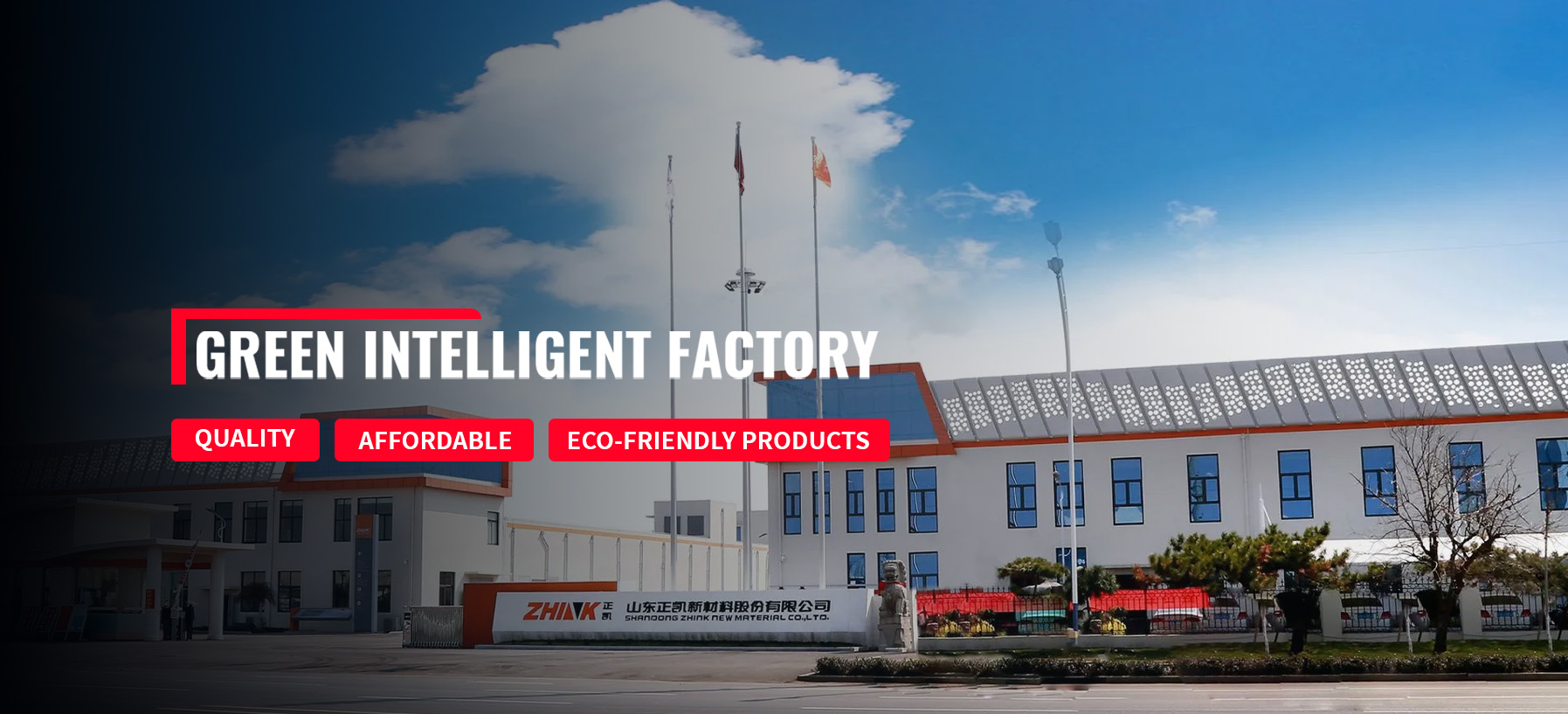
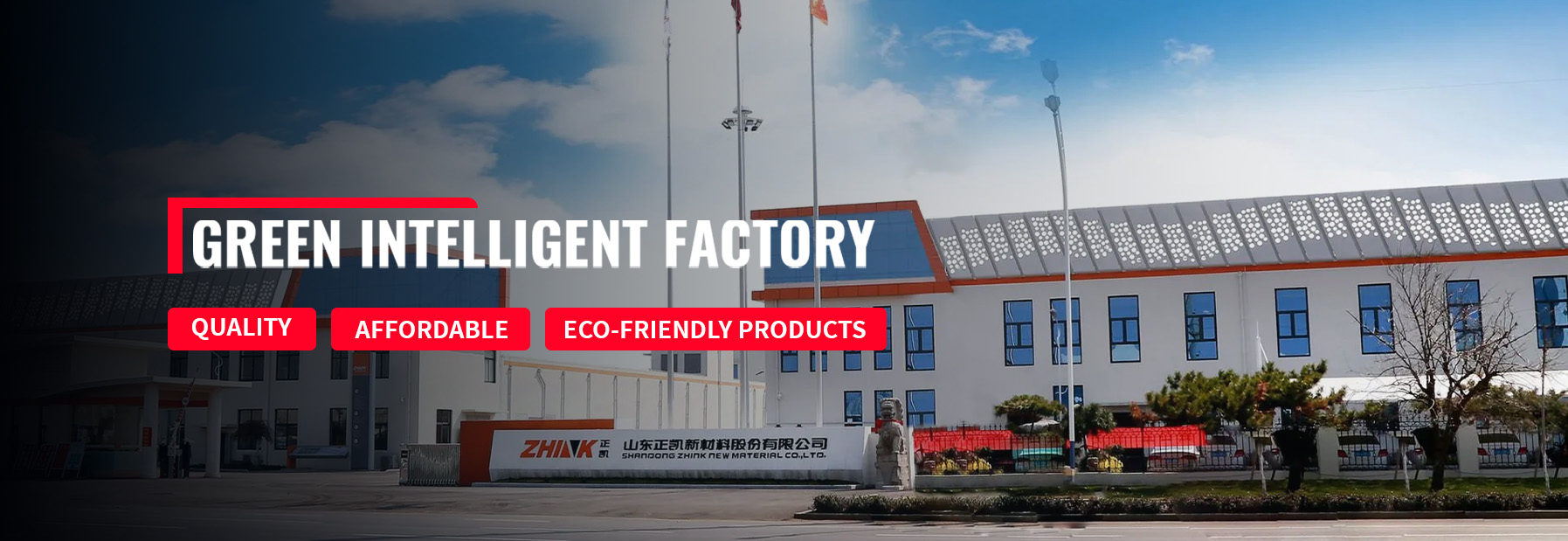
In fact, the processing temperature needs to be carefully controlled. Bamboo fiber, being more sensitive, can degrade if the temperature is too high, which affects the yarn quality. So, precise control during production, such as what SHANDONG ZHINK NEW MATERIAL CO., LTD masters at their facilities, is crucial.
Applications and Advantages
One of the stand-out applications of this blend is sportswear. The breathability of bamboo married with the robustness of recycled polyester results in a garment that's both functional and comfortable. This blend can also resist odors, a big plus for activewear. I've seen some remarkable products come out of innovative companies like Zhink New Material, recognized for their advanced textile solutions.
Besides, it’s not just about performance. Many businesses are now turning to this blend to align with sustainable practices. The use of recycled polyester reduces the need for virgin polyester production, thus lessening environmental impact. This balance of performance and sustainability often appeals to eco-conscious consumers.
However, commercializing these blends isn’t without challenges. Getting the right marketing message across—emphasizing both environmental and functional benefits—requires a deep understanding of consumer expectations, something I've realized during my consulting gigs with various textile brands.
Challenges Encountered
Nothing's perfect. One of the main issues that arises in the production of recycled polyester/bamboo 70/30 yarn is the inconsistency in fiber quality. Since recycled polyester depends on varying recycled inputs, maintaining consistent yarn quality can be tricky.
Moreover, blending two different fiber types raises compatibility issues. If not handled correctly, the blending process can lead to a yarn with uneven texture or reduced tensile strength. This is why companies like Zhink New Material are investing in R&D to continually improve blending techniques.
Interestingly, while bamboo is sustainable, it comes with its set of processing challenges. Proper enzymatic processing is crucial to maintain its eco-friendly reputation. I've encountered manufacturers who attempted shortcuts only to deal with sub-par end products later.
The Role of Technology
Recent advancements in spinning technology have made producing this blend more feasible and attractive. Automated and precise spinning machines allow for better control over yarn consistency and quality. During a visit to Shandong Zhink's facilities, I observed how their investment in state-of-the-art technology not only improves efficiency but also enhances the yarn properties.
Additionally, tech innovations in dyeing have dramatically improved color consistency and sustainability. Using water-less or low-water dye technologies can complement the eco-friendly narrative of the recycled polyester/bamboo 70/30 yarn.
These technological advancements mean you get a better product without raising costs significantly. It's a win-win, particularly for brands looking to maintain competitive pricing while committing to sustainability.
Case Studies and Real-World Examples
A few years back, I consulted for a mid-sized textile firm navigating the complexities of this blend. They had the challenge of convincing retailers of the yarn's value. Through strategic partnerships and product demonstrations, they succeeded in expanding their market.
In another instance, an apparel brand used this yarn to launch a new line of yoga wear. The response was overwhelmingly positive—customers loved the soft feel and the idea of wearing something sustainable. The key was communicating the yarn's benefits clearly and effectively.
Such cases highlight the potential of recycled polyester/bamboo 70/30 yarn beyond just cost and sustainability. It shows the importance of educating both stakeholders and customers on the value propositions of such innovative materials.
Future Directions
Looking forward, the demand for sustainable blends is set to increase. Companies like SHANDONG ZHINK NEW MATERIAL CO., LTD are at the forefront, pushing boundaries with ongoing R&D and collaborations. Visit their website at Zhink Yarn for more on their initiatives.
There's also a potential growth area in customization. With more consumers seeking personalized products, this yarn could find new applications in bespoke fashion and interiors, aligning perfectly with current trends for sustainability and uniqueness.
Ultimately, the journey with recycled polyester/bamboo 70/30 yarn is just beginning. With continuous innovation and market education, its application could revolutionize various sectors, blending sustainability with practicality in a way that meets the expectations of modern consumers.
Related Products
Related Products