+86-632-3621866
- Chinese
- French
- German
- Portuguese
- Spanish
- Russian
- Japanese
- Korean
- Arabic
- Irish
- Greek
- Turkish
- Italian
- Danish
- Romanian
- Indonesian
- Czech
- Afrikaans
- Swedish
- Polish
- Basque
- Catalan
- Esperanto
- Hindi
- Lao
- Albanian
- Amharic
- Armenian
- Azerbaijani
- Belarusian
- Bengali
- Bosnian
- Bulgarian
- Cebuano
- Chichewa
- Corsican
- Croatian
- Dutch
- Estonian
- Filipino
- Finnish
- Frisian
- Galician
- Georgian
- Gujarati
- Haitian
- Hausa
- Hawaiian
- Hebrew
- Hmong
- Hungarian
- Icelandic
- Igbo
- Javanese
- Kannada
- Kazakh
- Khmer
- Kurdish
- Kyrgyz
- Latin
- Latvian
- Lithuanian
- Luxembou..
- Macedonian
- Malagasy
- Malay
- Malayalam
- Maltese
- Maori
- Marathi
- Mongolian
- Burmese
- Nepali
- Norwegian
- Pashto
- Persian
- Punjabi
- Serbian
- Sesotho
- Sinhala
- Slovak
- Slovenian
- Somali
- Samoan
- Scots Gaelic
- Shona
- Sindhi
- Sundanese
- Swahili
- Tajik
- Tamil
- Telugu
- Thai
- Ukrainian
- Urdu
- Uzbek
- Vietnamese
- Welsh
- Xhosa
- Yiddish
- Yoruba
- Zulu
- Kinyarwanda
- Tatar
- Oriya
- Turkmen
- Uyghur


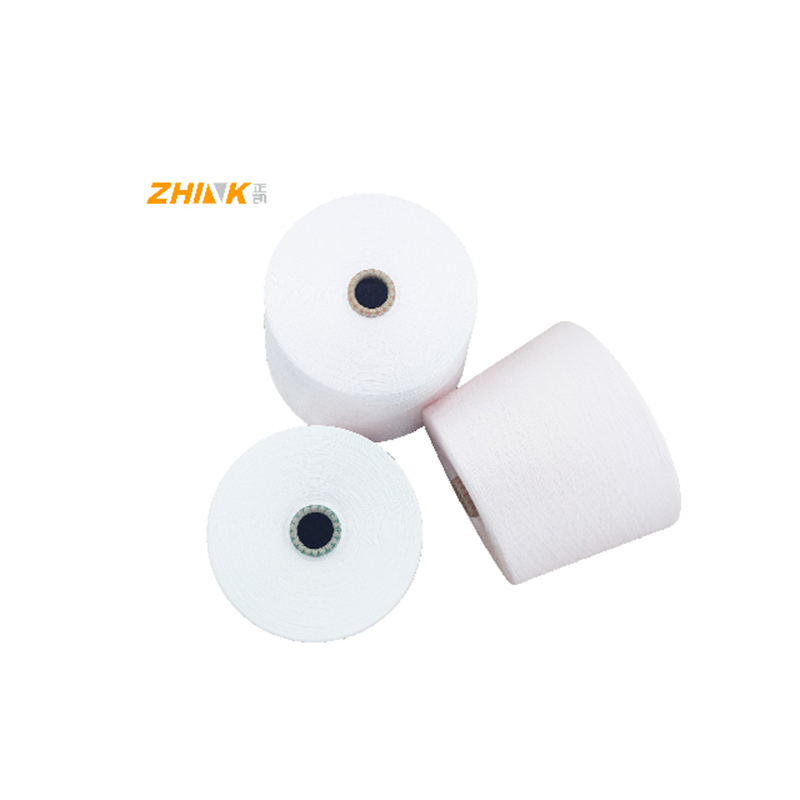
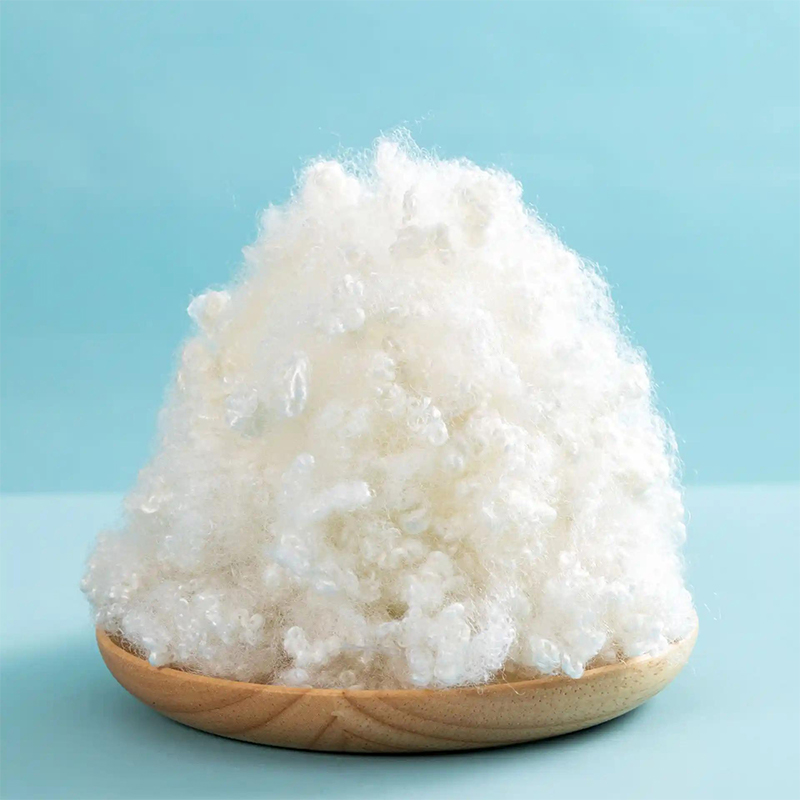
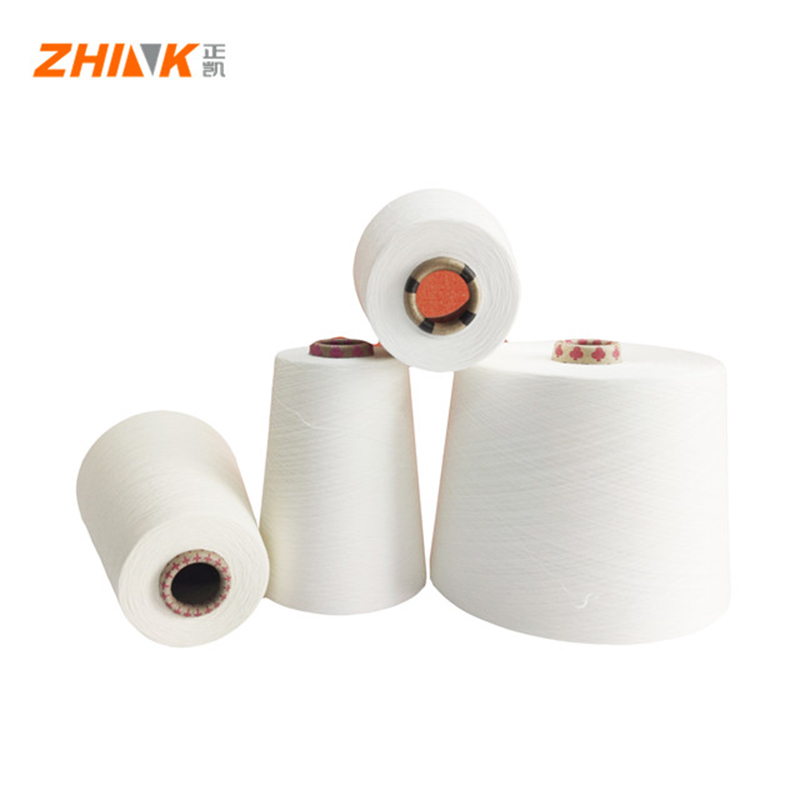
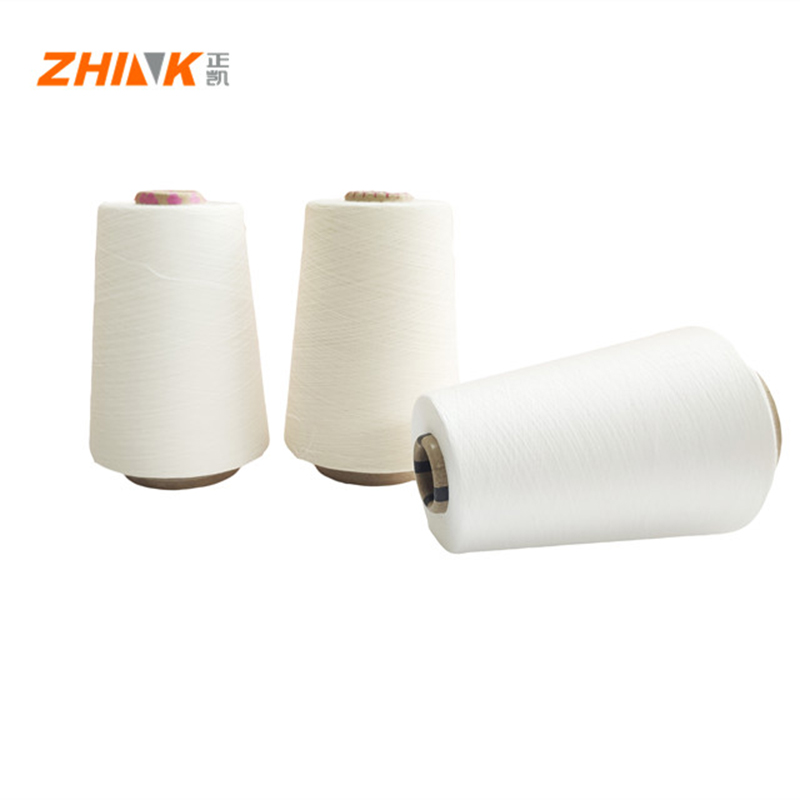
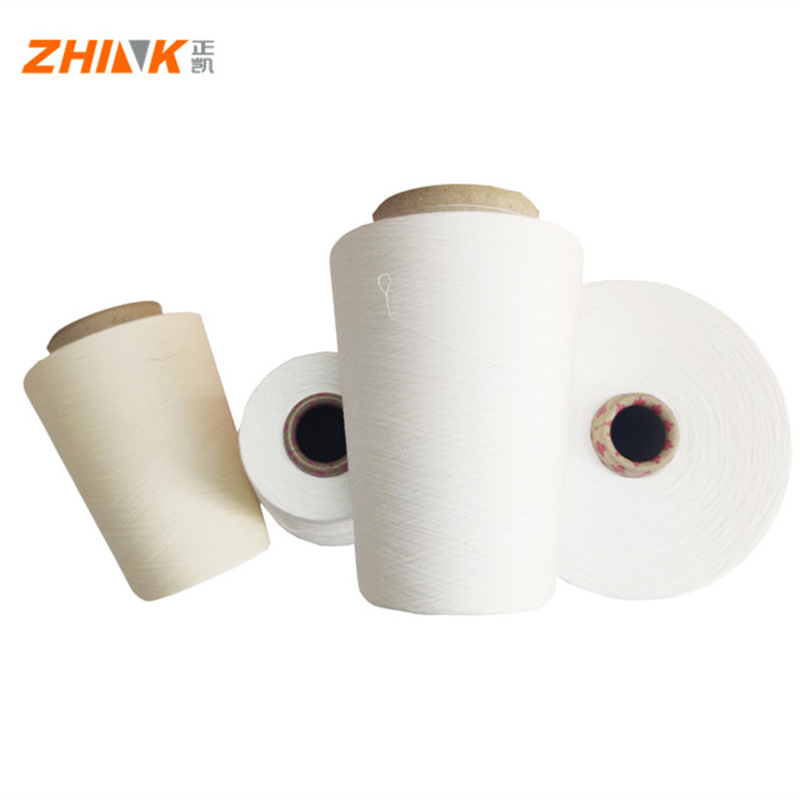
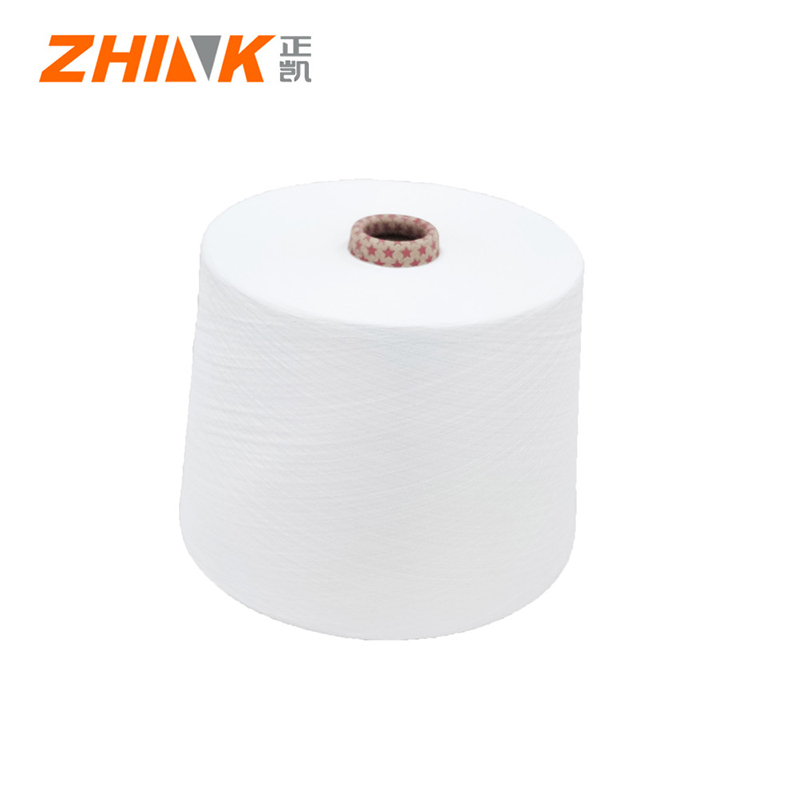
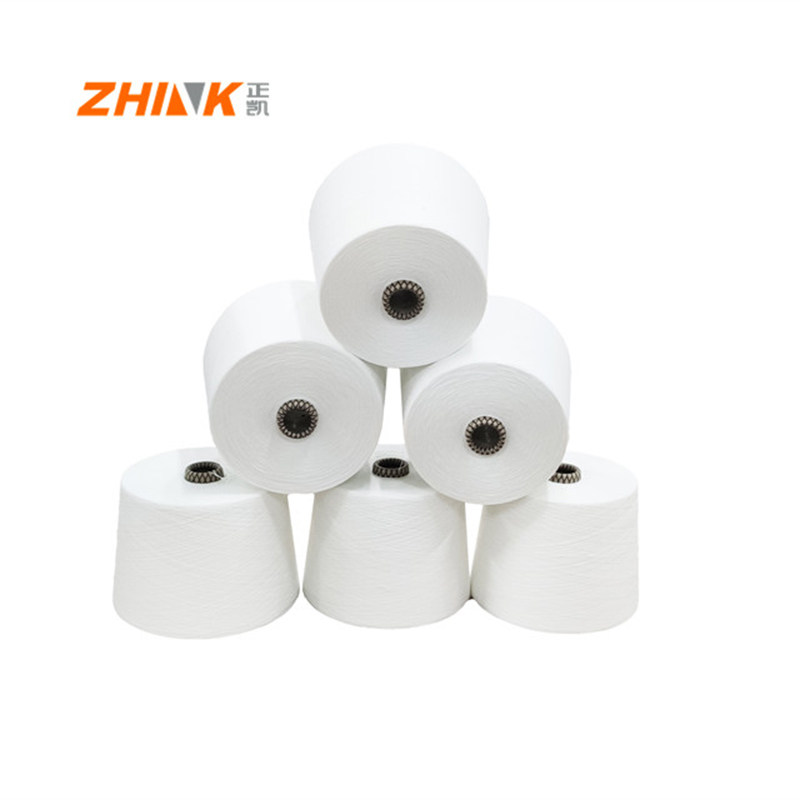
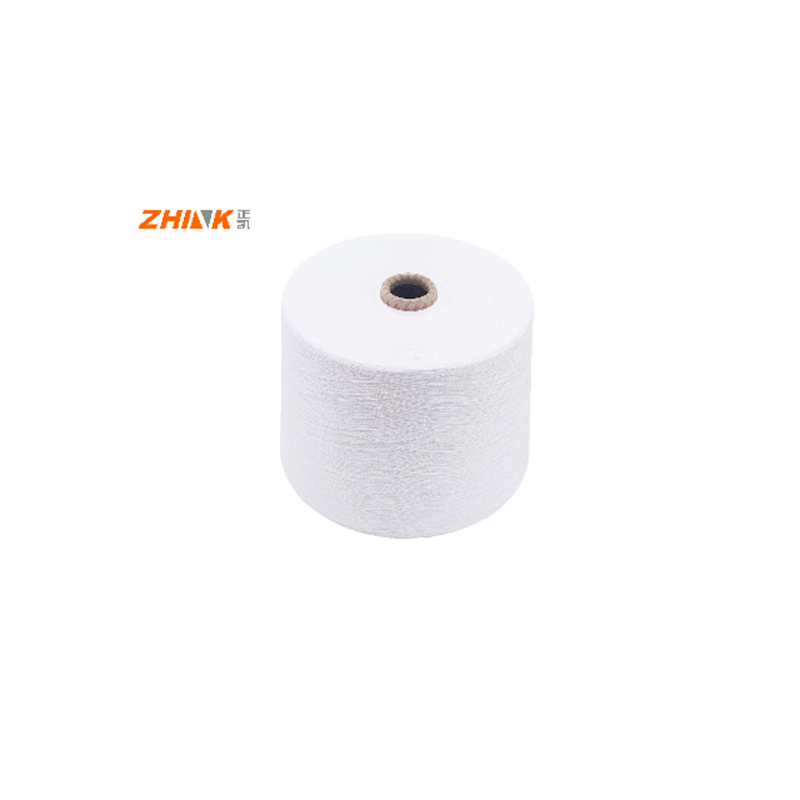
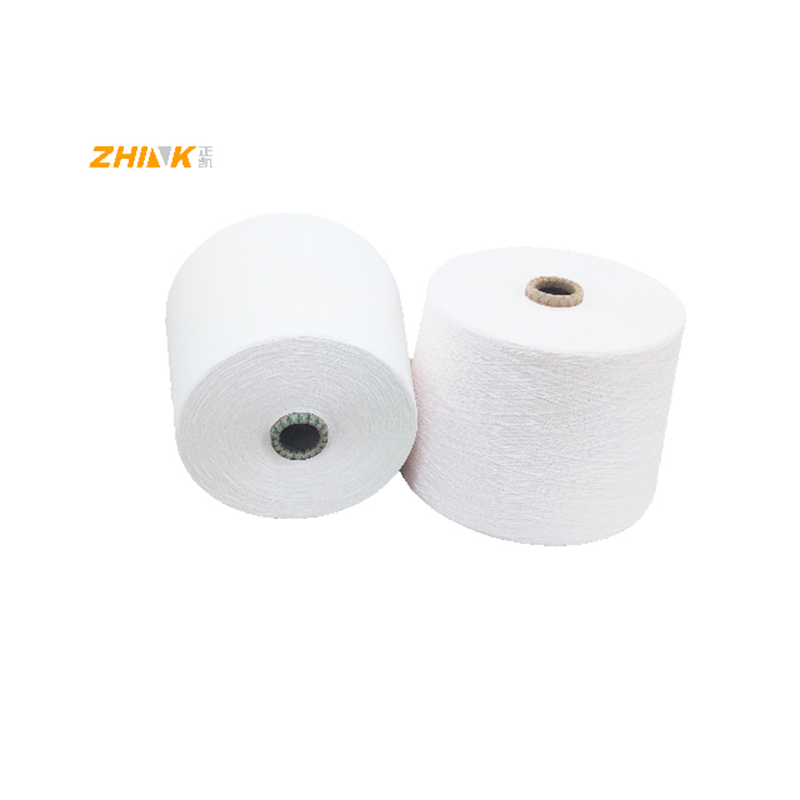
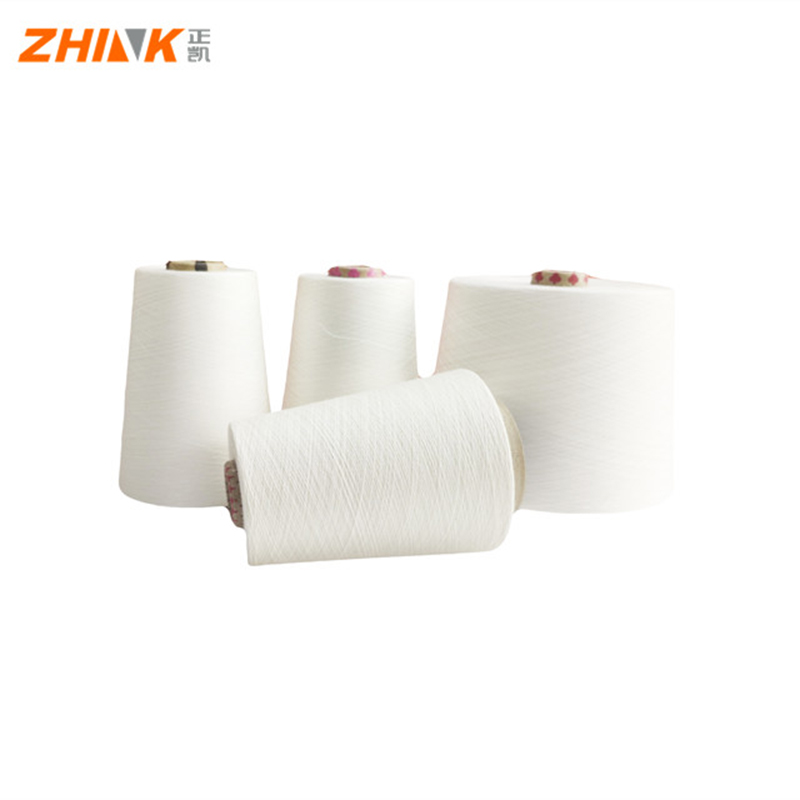
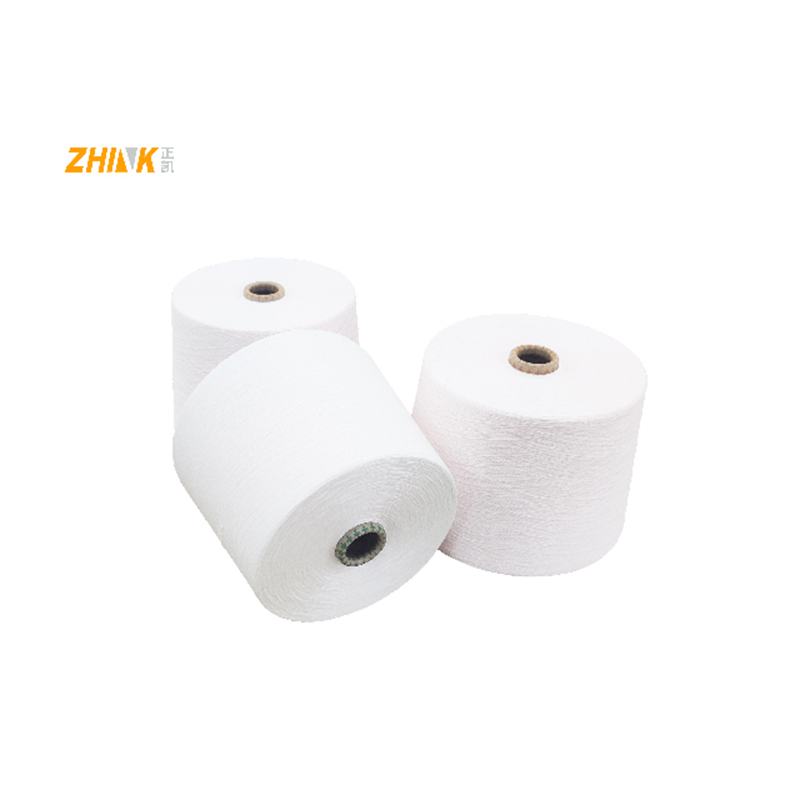
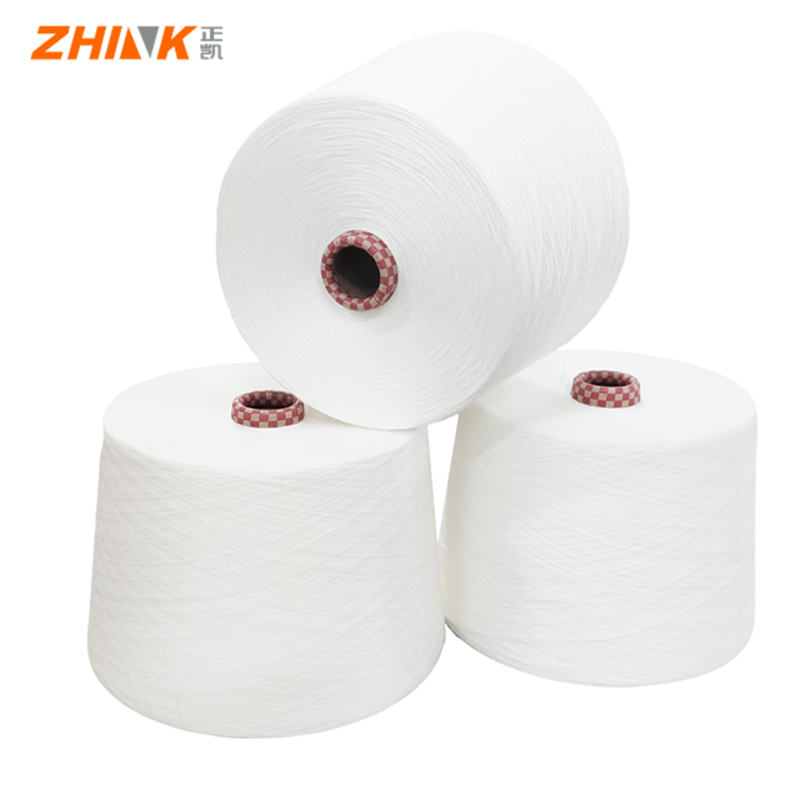
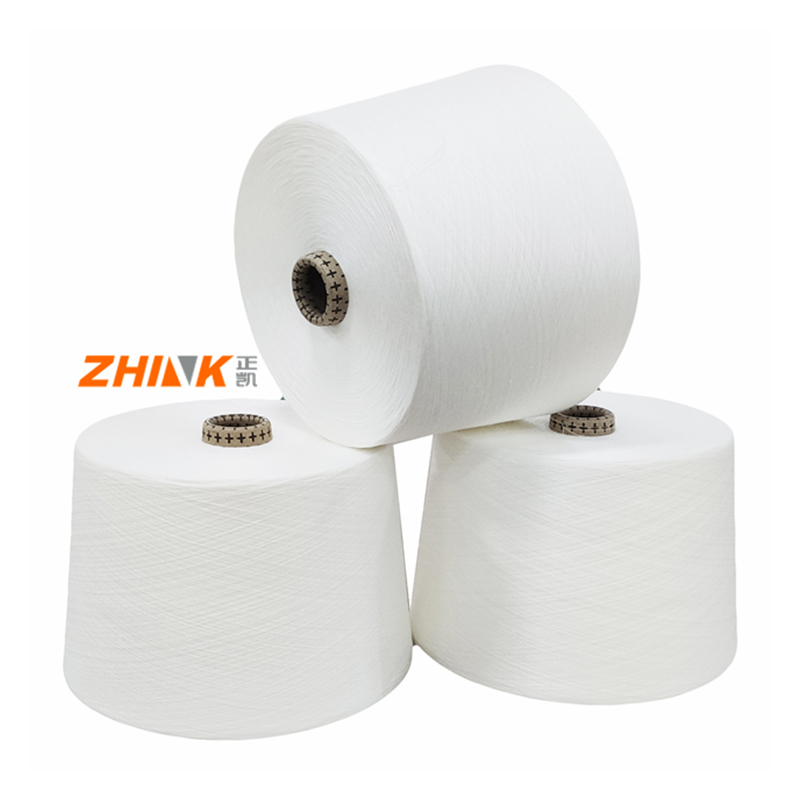
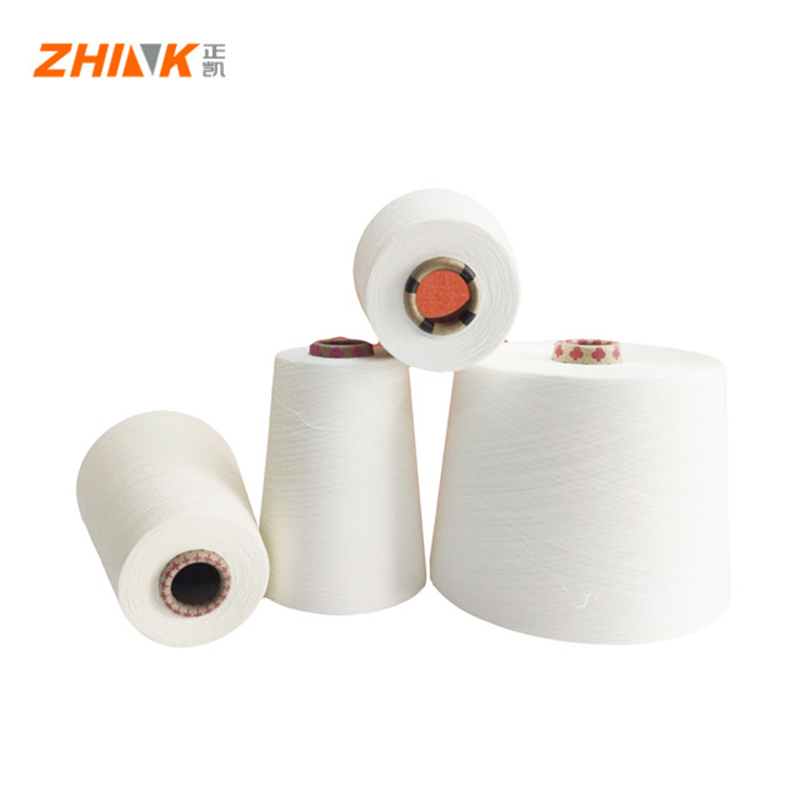
Recycled polyester/bamboo 80/20 yarn
The Intricacies of Recycled Polyester/Bamboo 80/20 Yarn
In the world of textile innovation, few materials capture the complexity and promise like recycled polyester/bamboo 80/20 yarn. This blend offers a multitude of benefits, but it’s not without its challenges. Here, I delve into the subtleties of using this yarn, drawing from hands-on experience and unexpected hurdles.
Understanding the Blend
When we talk about an 80/20 blend of recycled polyester and bamboo, we're looking at a fiber that combines sustainability with performance. Recycled polyester is celebrated for its durability and resilience. Bamboo, on the other hand, introduces a soft touch and inherent antibacterial properties. Together, they form a yarn that’s both practical and eco-conscious.
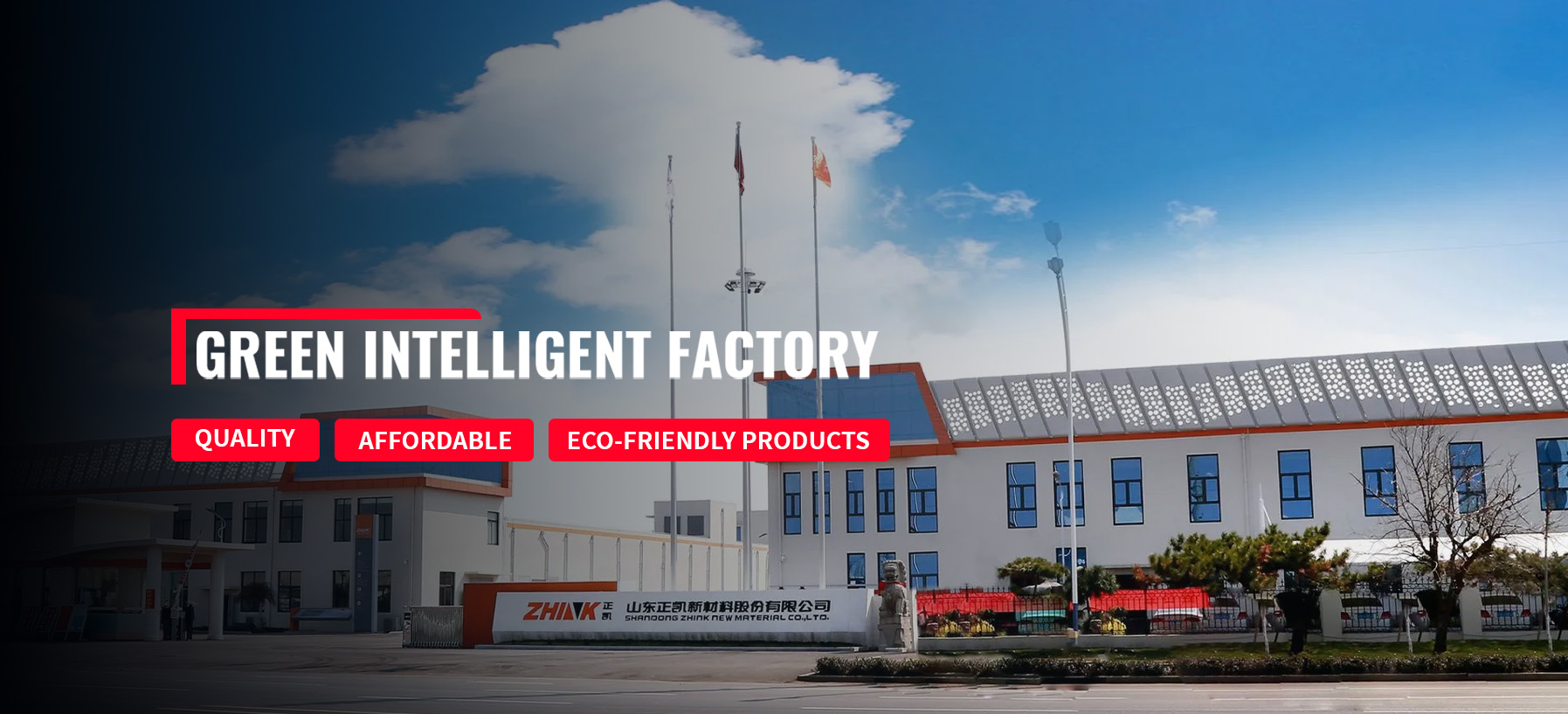
A common misconception is that these two materials harmonize effortlessly. From experience, achieving the right balance during the spinning process is an art. The blending requires exacting standards to prevent uneven textures or weak spots in the yarn. At SHANDONG ZHINK NEW MATERIAL CO., LTD, where we specialize in advanced textile materials, these challenges are a daily part of our refinement process.
One mustn’t overlook the ecological angle here. Recycled polyester supports circular fashion goals, reducing landfill contributions. Bamboo grows quickly and sustainably, using less water than cotton. The blend, in theory, offers the best of both worlds, reducing the overall carbon footprint of the textile industry.
The Production Challenges
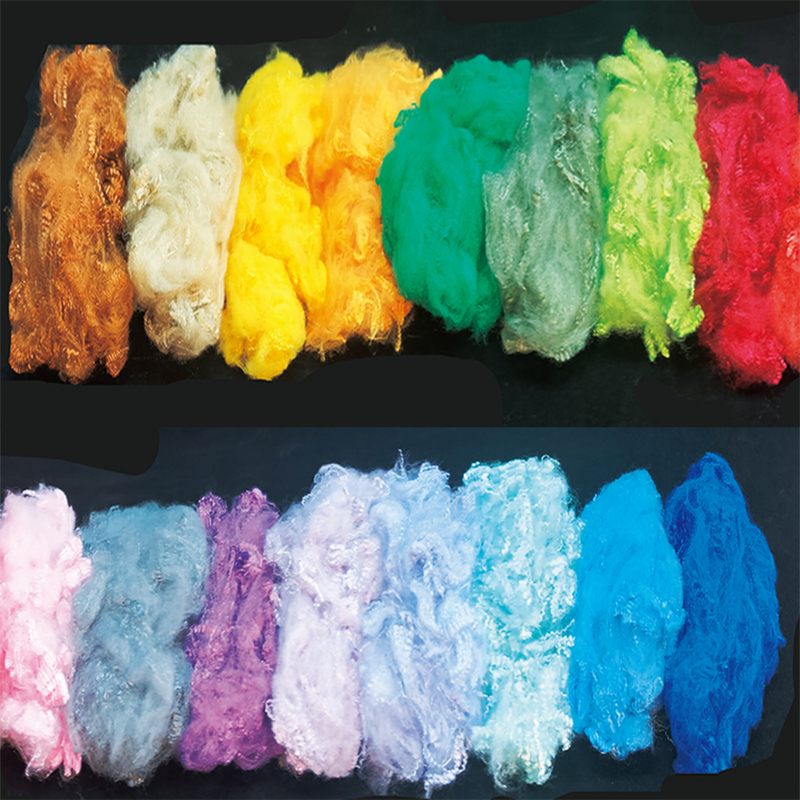
Having worked on various projects, I’ve learned that the production of recycled polyester/bamboo 80/20 yarn requires meticulous quality control. One issue that often arises is the dyeing process. Bamboo's natural color can affect the end shade of the yarn, making color matching a specialized skill. It's a continuous experimentation process to achieve consistent, vivid colors.
During a recent project at Zhink New Material, we faced an unexpected problem with the yarn's tensile strength. Initial batches were prone to snapping under stress. This required us to revisit our fiber alignment during spinning, a crucial aspect often underestimated by newcomers to this blend.
Moisture control is another hurdle. Bamboo fibers tend to absorb moisture differently than polyester, complicating storage and handling. At SHANDONG ZHINK, we’ve developed specific protocols for controlling humidity during production to maintain yarn integrity.
Applications and Benefits
This particular yarn blend opens doors to innovative uses across various textile applications. I’ve seen it implemented in sportswear, where breathability and strength are essential. Its light weight and antibacterial qualities make it perfect for activewear.
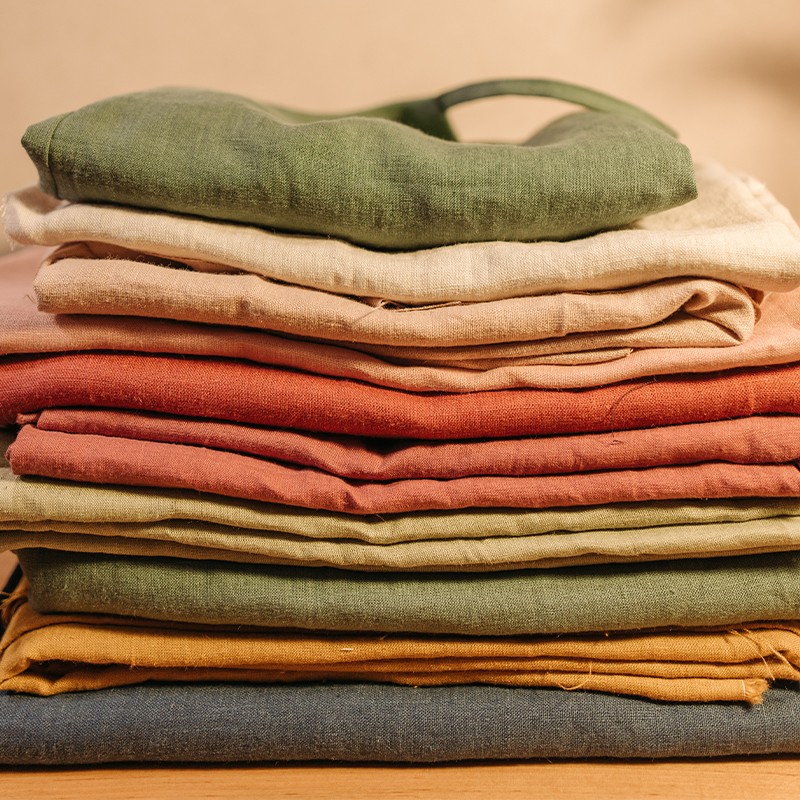
In home textiles, such as bed linens, the blend adds a sustainability edge without sacrificing comfort. Customers increasingly demand eco-friendly options that don’t compromise on quality, and this yarn delivers on both fronts.
Yet, it’s not solely about the end product. Experience tells us that informed consumers are more attuned to the sustainability narrative. Engaging with them about our processes at SHANDONG ZHINK, through platforms like our website, enhances brand trust and loyalty.
Market Trends and Consumer Insights
There’s been a marked shift in consumer preferences over the past few years. The demand for sustainable materials is no longer niche but rapidly becoming mainstream. As someone deeply involved in textile material trends, it’s fascinating to witness this shift.
Retailers and manufacturers need to adjust quickly. At times, it seems the industry is sprinting to keep up with consumer expectations, especially in transparency regarding material sourcing and production techniques. This is where our insights at Zhink New Material come into play, offering valuable guidance through collaborative research.
Consumers are also leaning towards materials that offer multifunctional benefits. The recycled polyester/bamboo 80/20 yarn fits this trend perfectly, blending performance with eco-friendliness, aligning with what I’ve observed as the dual demands of modern buyers.
Future Directions
The potential of this yarn blend is vast, but I often ponder the next steps. Could advancements in fiber tech enhance its properties further? At SHANDONG ZHINK NEW MATERIAL CO., LTD, we are constantly researching possibilities, thinking beyond today’s methods.
Looking ahead, there’s potential for even more eco-friendly dyes and finishes, further reducing environmental impact. Perhaps incorporating nanotechnology could yield unexpected benefits, making the fabric even more durable and useful across broader climates.
Ultimately, innovation in this space requires both bold predictions and grounded practicalities. It demands a fine balance of ambition and humility, always attentive to the evolving materials landscape.
Related Products
Related Products