+86-632-3621866
- Chinese
- French
- German
- Portuguese
- Spanish
- Russian
- Japanese
- Korean
- Arabic
- Irish
- Greek
- Turkish
- Italian
- Danish
- Romanian
- Indonesian
- Czech
- Afrikaans
- Swedish
- Polish
- Basque
- Catalan
- Esperanto
- Hindi
- Lao
- Albanian
- Amharic
- Armenian
- Azerbaijani
- Belarusian
- Bengali
- Bosnian
- Bulgarian
- Cebuano
- Chichewa
- Corsican
- Croatian
- Dutch
- Estonian
- Filipino
- Finnish
- Frisian
- Galician
- Georgian
- Gujarati
- Haitian
- Hausa
- Hawaiian
- Hebrew
- Hmong
- Hungarian
- Icelandic
- Igbo
- Javanese
- Kannada
- Kazakh
- Khmer
- Kurdish
- Kyrgyz
- Latin
- Latvian
- Lithuanian
- Luxembou..
- Macedonian
- Malagasy
- Malay
- Malayalam
- Maltese
- Maori
- Marathi
- Mongolian
- Burmese
- Nepali
- Norwegian
- Pashto
- Persian
- Punjabi
- Serbian
- Sesotho
- Sinhala
- Slovak
- Slovenian
- Somali
- Samoan
- Scots Gaelic
- Shona
- Sindhi
- Sundanese
- Swahili
- Tajik
- Tamil
- Telugu
- Thai
- Ukrainian
- Urdu
- Uzbek
- Vietnamese
- Welsh
- Xhosa
- Yiddish
- Yoruba
- Zulu
- Kinyarwanda
- Tatar
- Oriya
- Turkmen
- Uyghur


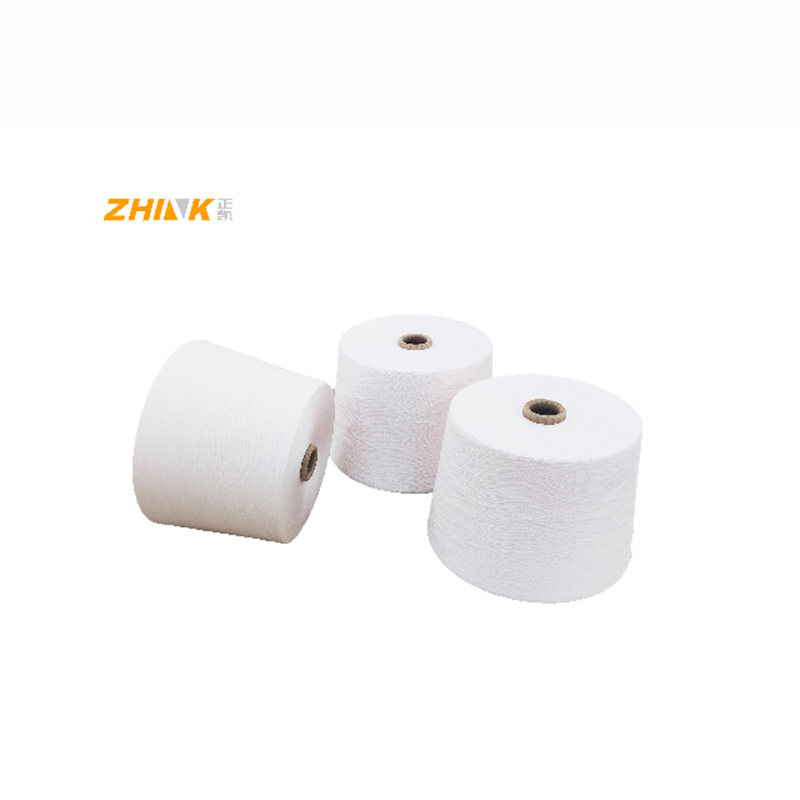
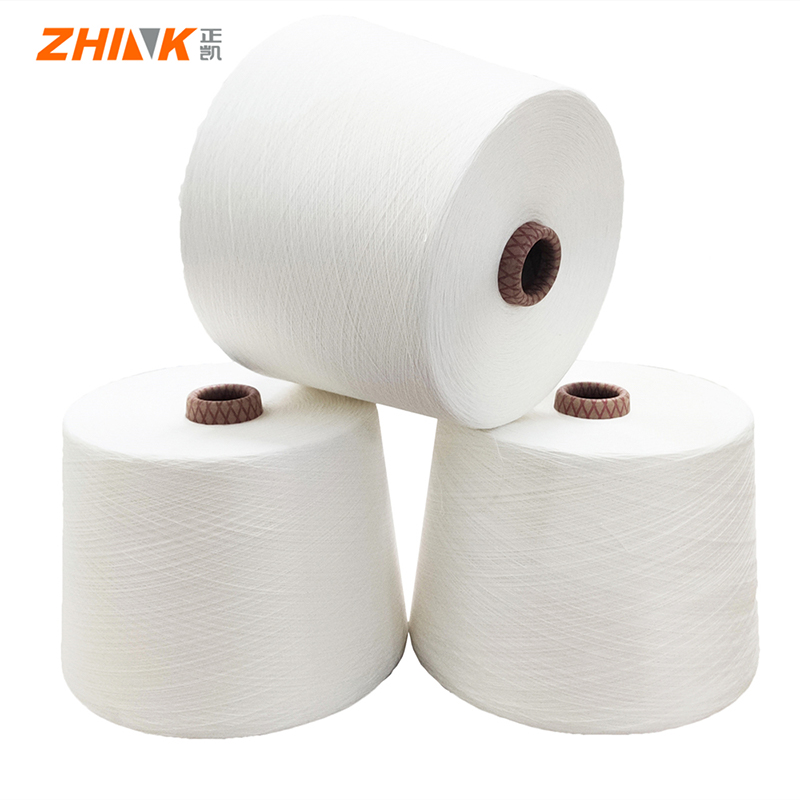
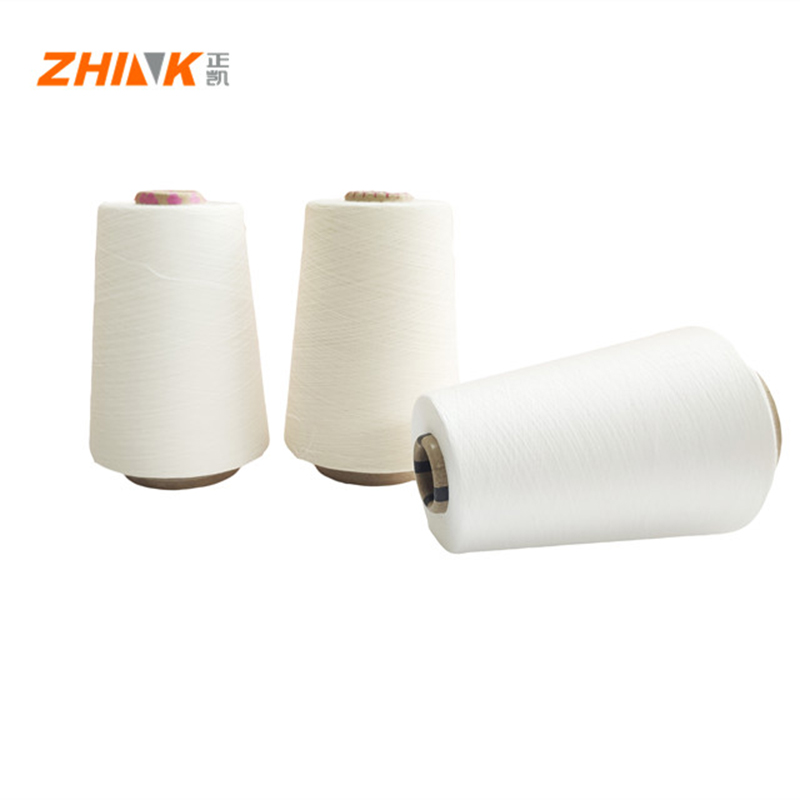
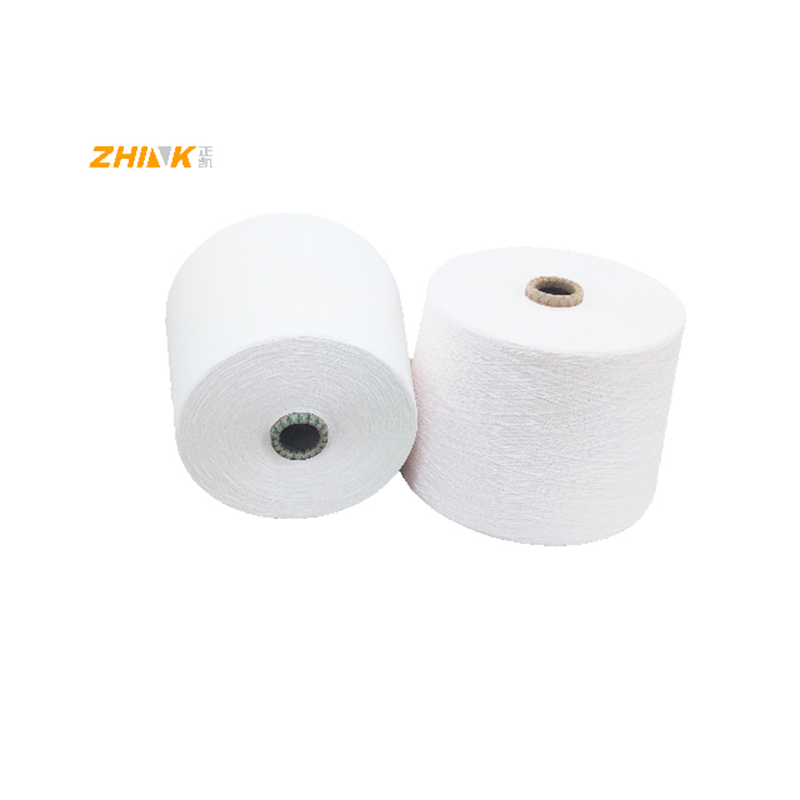
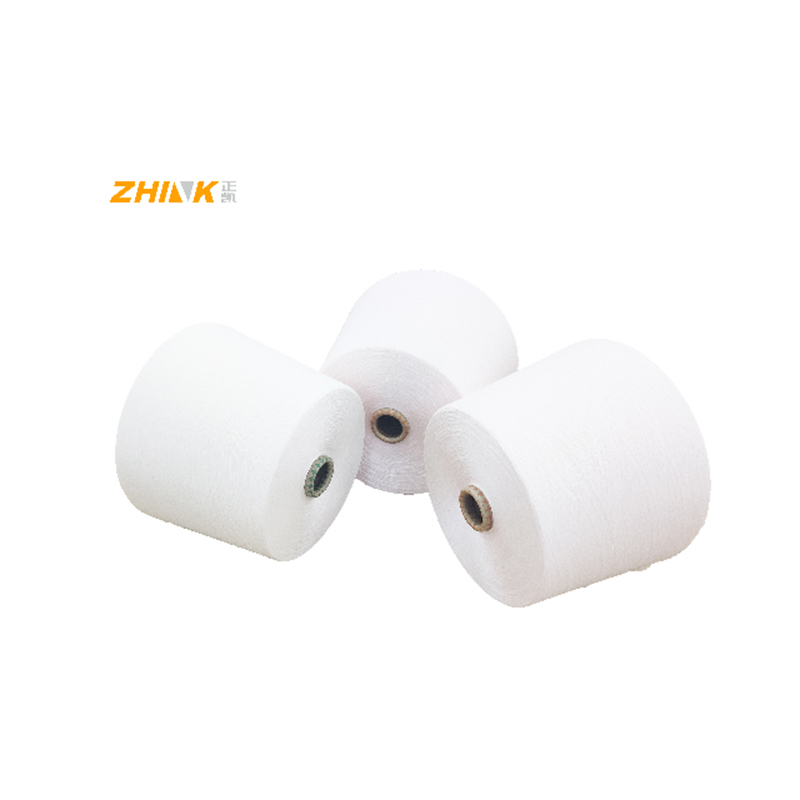
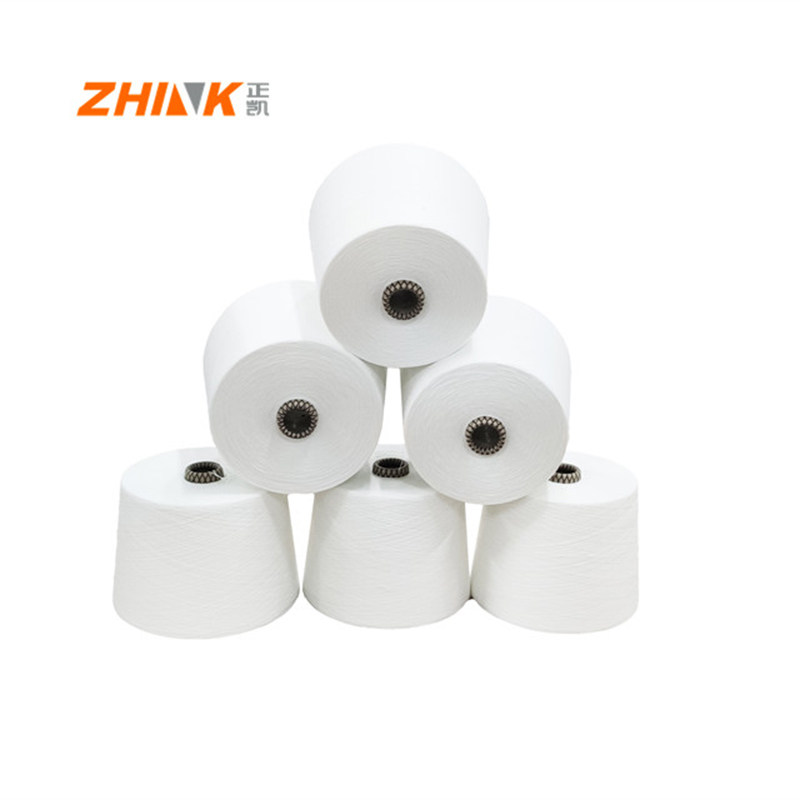
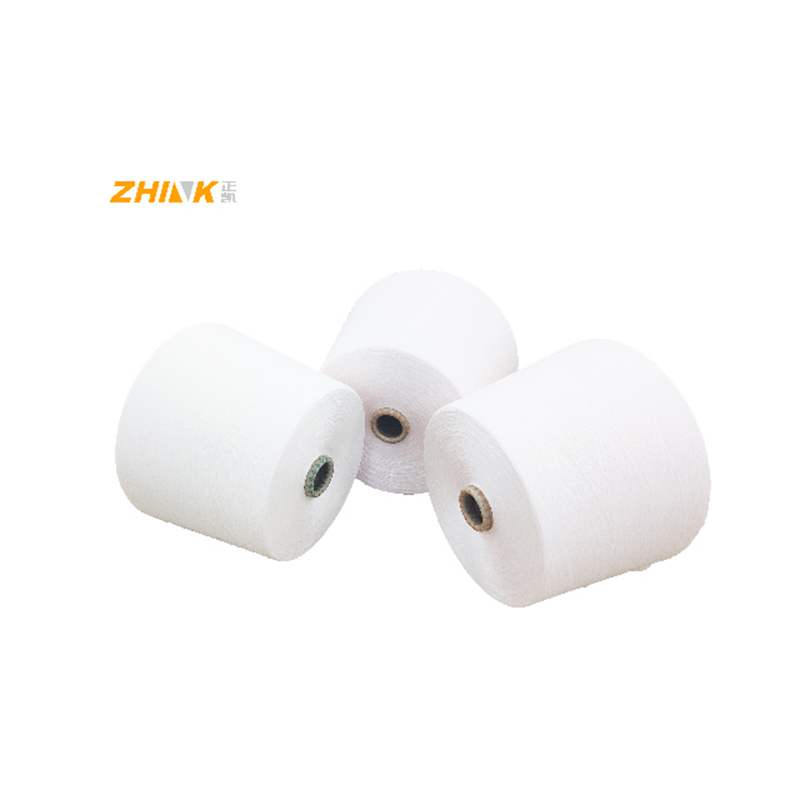
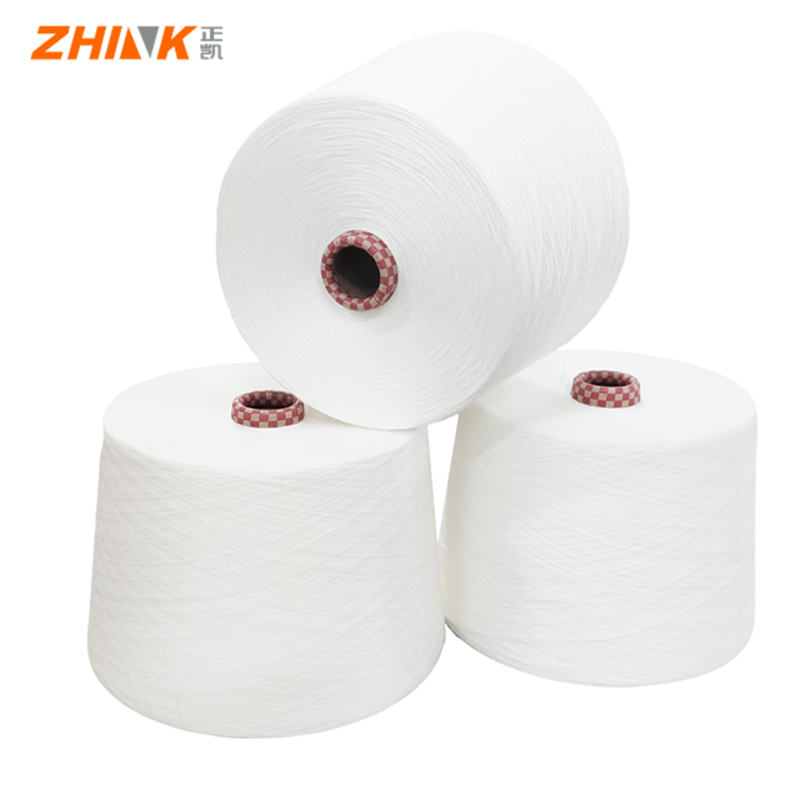
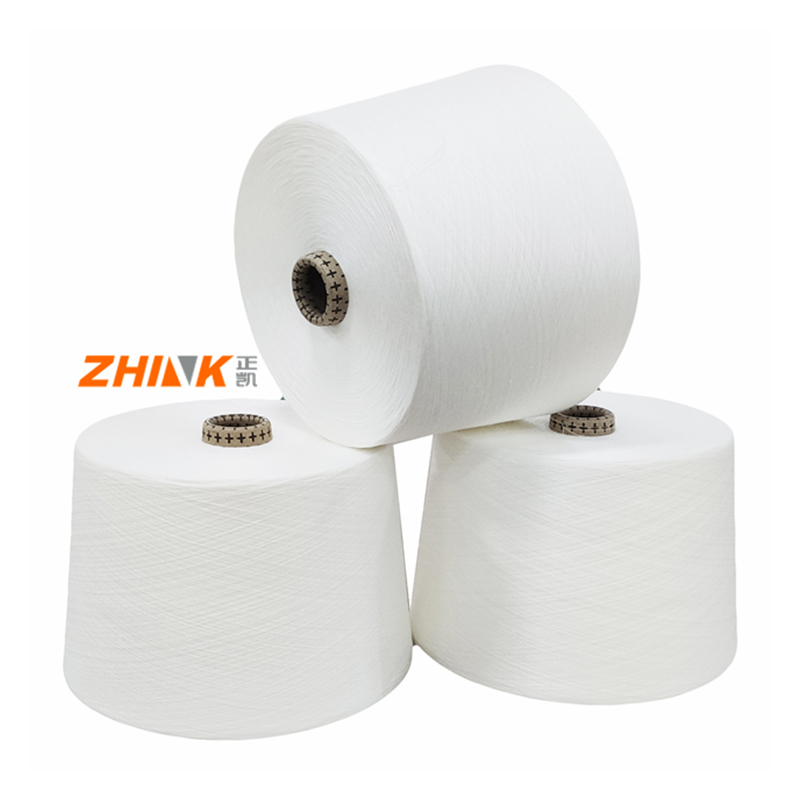
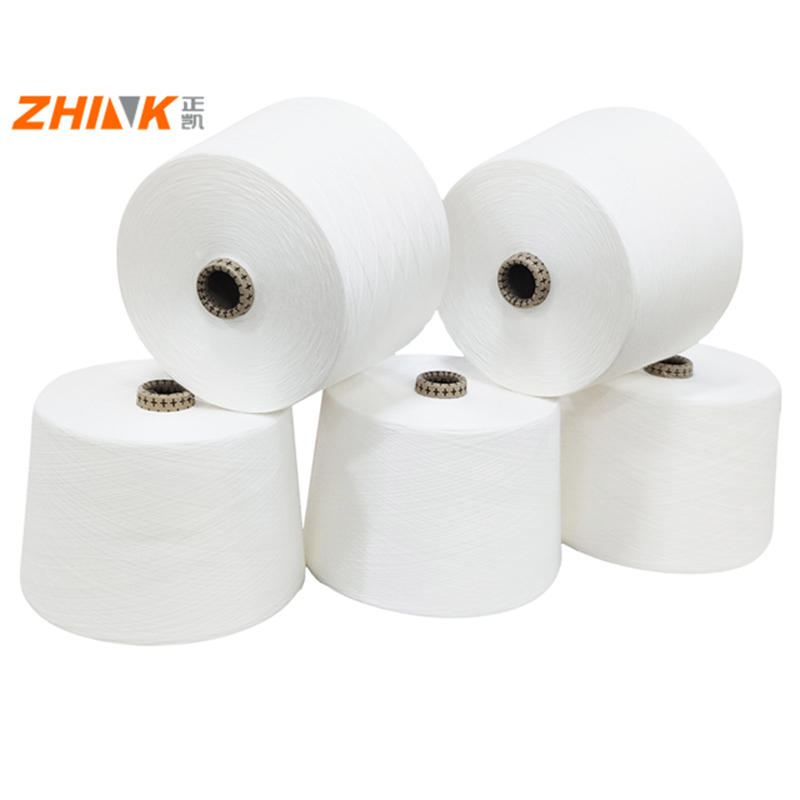
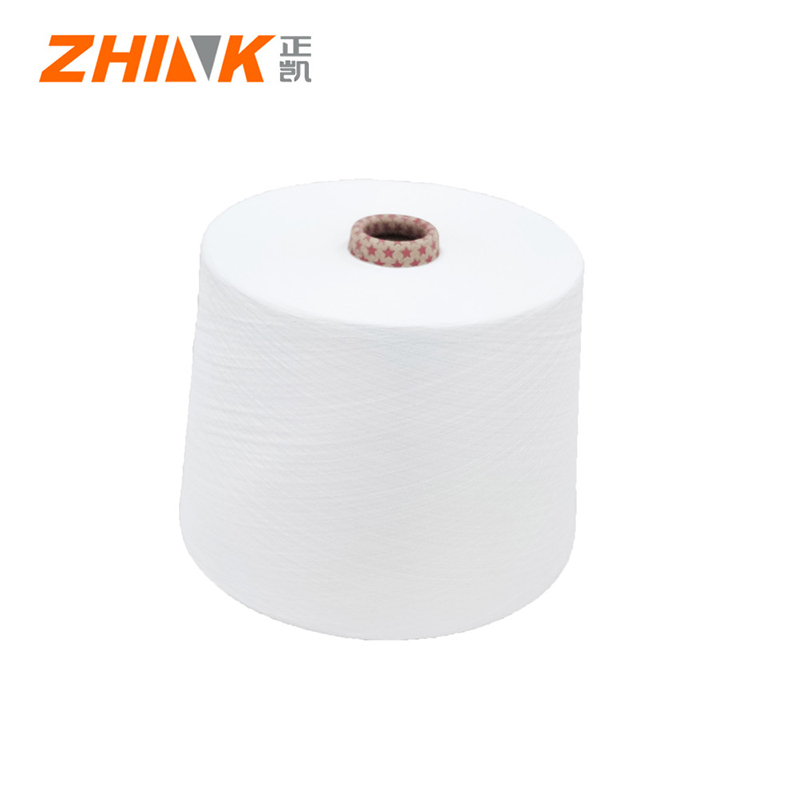
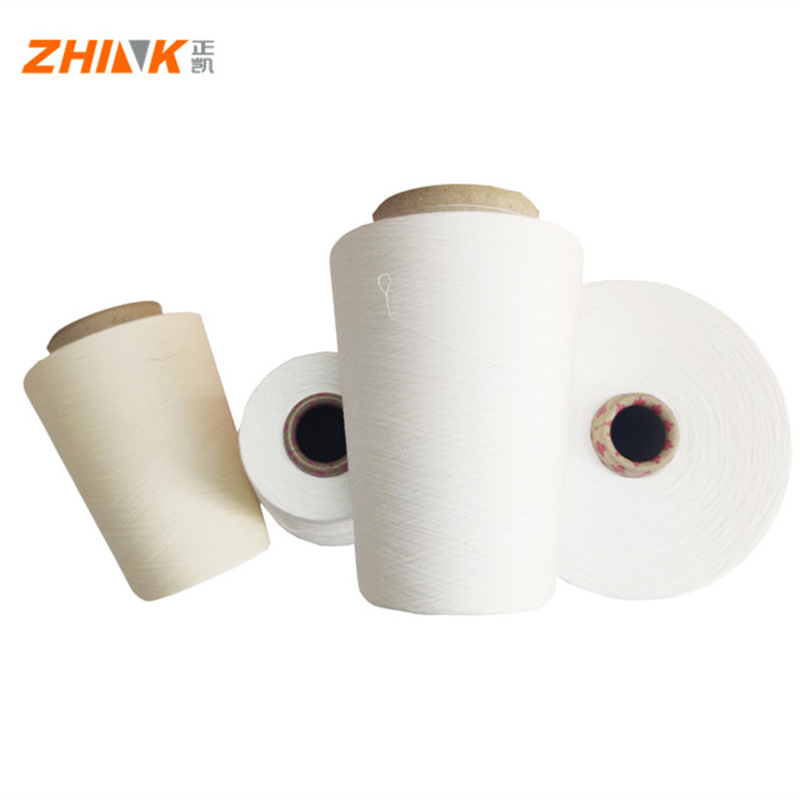
Recycled polyester/bamboo blended yarn
Exploring the Dynamics of Recycled Polyester/Bamboo Blended Yarn
Combining sustainability with innovation, the use of recycled polyester/bamboo blended yarn is rapidly advancing in textile manufacturing. However, navigating its production intricacies demands a deeper exploration of material compatibility and functional benefits.
Understanding the Blend
Recycled polyester, derived from PET bottles, provides durability. When mixed with bamboo, known for its natural antibacterial properties, it creates a textile this is both resilient and silky. However, achieving the right balance between these two materials is more challenging than it may first appear.
In my experience, the critical concern lies in the spinning process. Bamboo fibers, being more delicate, can struggle to integrate seamlessly with recycled polyester. Consistency in the blending process is therefore crucial, requiring precise control of environmental factors such as humidity and temperature.
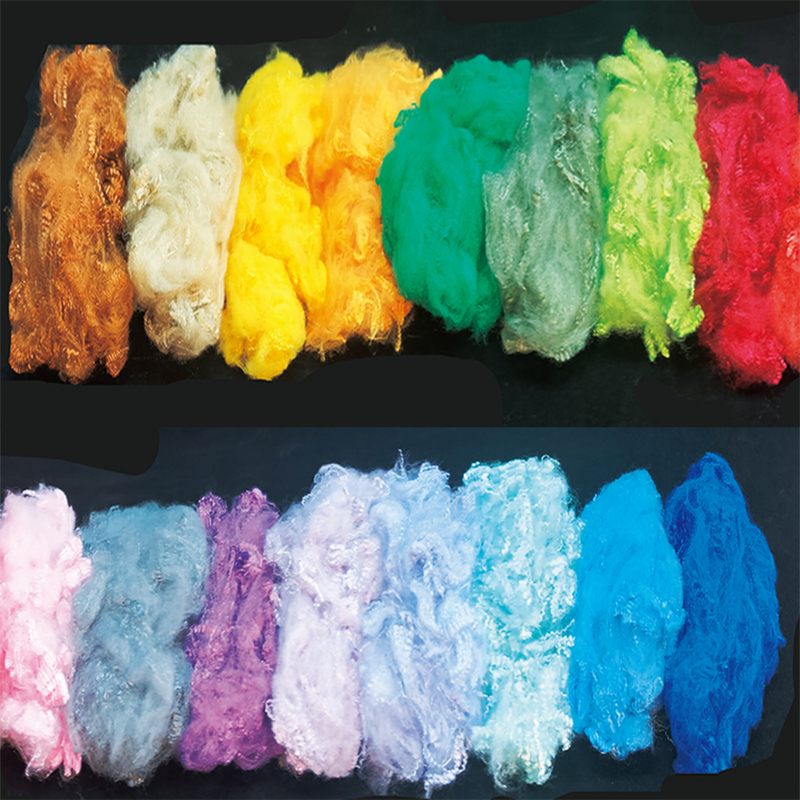
An unexpected issue I once faced was the disparity in dye uptake between the polyester and bamboo. This mismatch resulted in a product line with an uneven finish and necessitated a review of the dye formulas to ensure uniformity in future batches.
Application in Fashion and Performance Wear
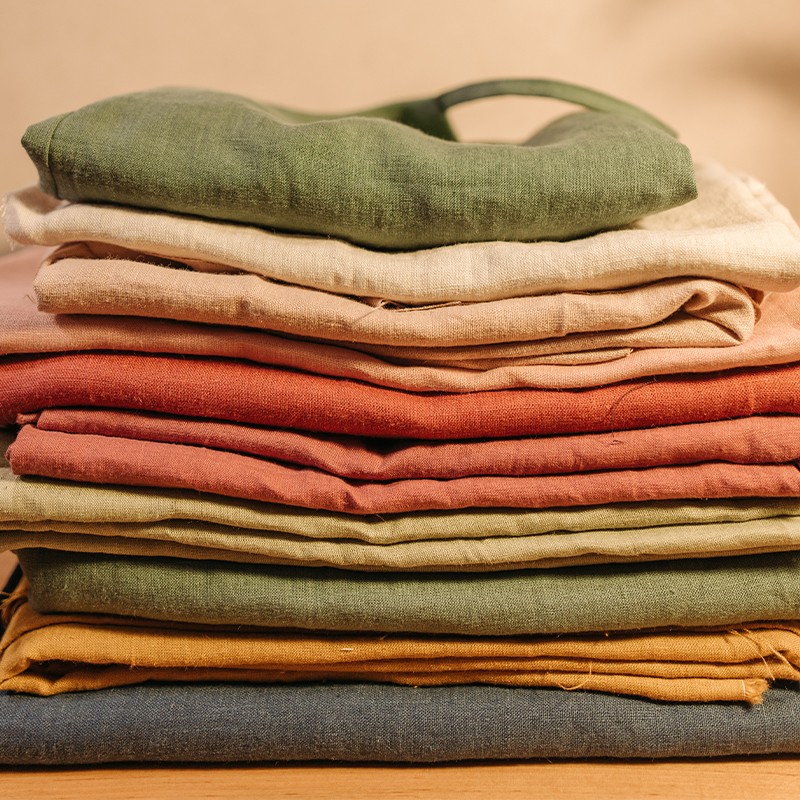
One notable application for this blend is in sustainable fashion. The materials' environmental credentials are increasingly attractive to eco-conscious consumers. Yet, there are challenges in meeting aesthetic desires while adhering to sustainable practices.
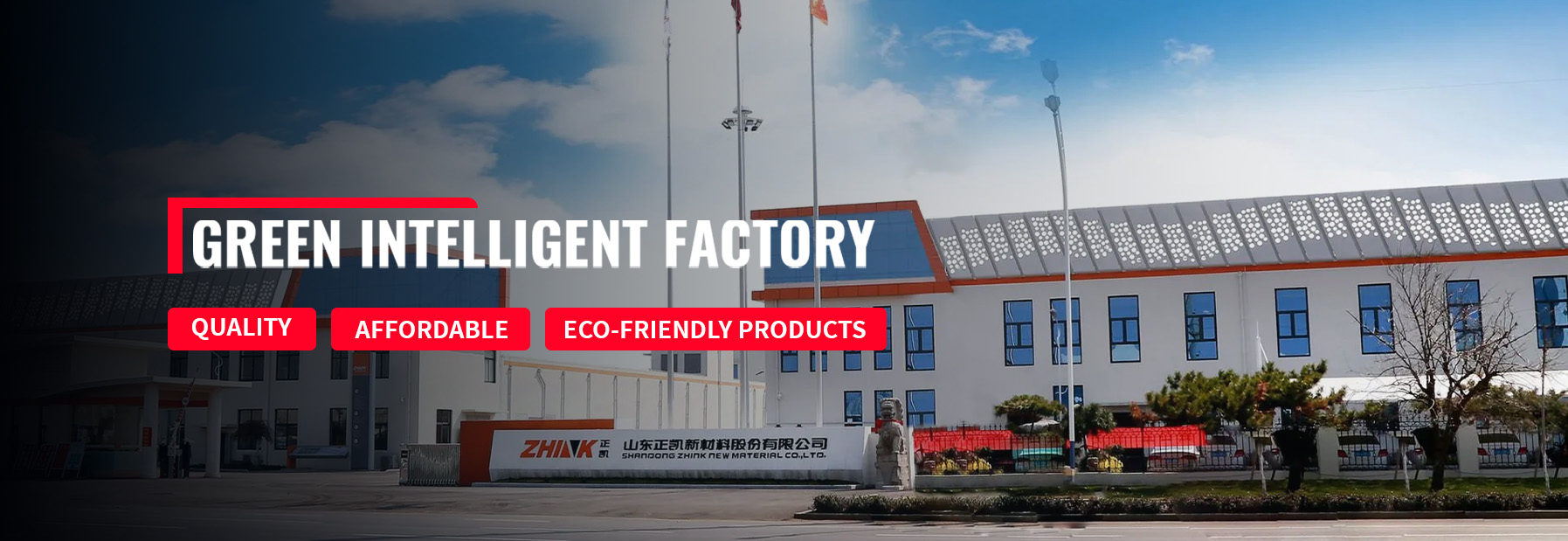
At SHANDONG ZHINK NEW MATERIAL CO., LTD, we've explored techniques like enhancing fiber softness through mechanical finishing methods, avoiding chemical treatments that could undermine the eco-friendly aspect we aim to preserve.
Measures have also been adopted to address wearability. For instance, maintaining breathability while ensuring tensile strength often requires testing various weave patterns until the optimal structure is found.
Challenges in Production
While the environmental benefits are apparent, actual production introduces complexities. Notably, calibrating machinery to handle the discrepancies in fiber length and strength between recycled polyester and bamboo requires both technical savvy and trial-and-error approaches.
During a factory visit, a conversation with an engineer revealed the need for dual-focus machines that accommodate fiber variance without sacrificing efficiency. Investing in such technology often represents a hefty upfront cost, which needs balancing against potential market returns.
Furthermore, the incorporation of recycled polyester often necessitates additional quality control checks to prevent impurities from affecting fabric integrity. This part of the process is often underestimated but critical for product success.
The Environmental Angle
Using recycled polyester/bamboo blended yarn allows brands to market their products as environmentally-conscious. Still, transparency about the blend's lifecycle is key. At Zhink New Material, a focus on material traceability ensures customers can make informed decisions.
We emphasize documentation, ensuring each batch's material source is logged to provide clear transparency. This practice not only reassures consumers but also aids in refining production processes by identifying preferable sources.
A potential area of expansion could be the development of closed-loop systems, further enhancing the blend’s sustainability and solidifying its standing in the eco-friendly textile market.
Future Directions
Collaboration with research institutions can push the boundaries of what’s possible with recycled polyester/bamboo blended yarn. Engagement in ongoing studies might reveal new techniques to enhance the fiber performance, making it suitable for an even broader range of applications.
At SHANDONG ZHINK NEW MATERIAL CO., LTD, the commitment to innovation continues, as we explore blending ratios and test prototype fabrics to meet broader functional needs. Future explorations include potential enhancements through nanotechnology for increased material performance.
Ultimately, while challenges exist, the potential of recycled polyester/bamboo blended yarn remains vast. It offers an exciting realm of possibilities at the intersection of sustainability and textile innovation, propelling forward-thinking companies into the next era of eco-friendly fabrics.
Related Products
Related Products